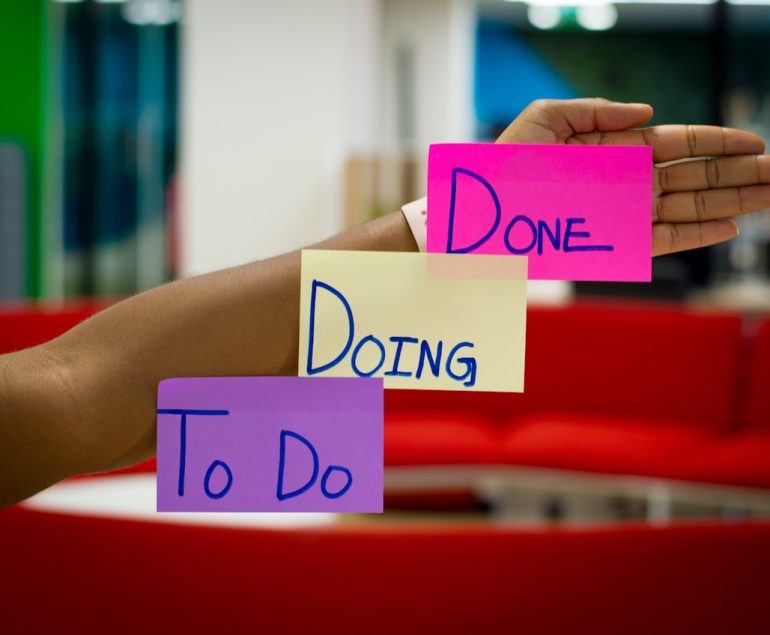
Are you tired of feeling like you’re drowning in a sea of stress and anxiety? Do you often find yourself wondering how to manage the overwhelming demands of modern life? You’re not alone. Stress has become an unwelcome companion for many of us, affecting not only our mental well-being but also our physical health and relationships. The good news is that there are many effective stress management techniques that can help you regain control and find calm in the midst of chaos. In this comprehensive guide, we’ll explore the best stress management tips to help you reduce stress, boost your mood, and improve your overall quality of life.
Understanding Stress and Its Impact on Our Lives
Before we dive into the nitty-gritty of stress management, it’s essential to understand what stress is and how it affects our bodies. Stress is a natural response to a perceived threat or pressure, triggering the release of stress hormones like cortisol and adrenaline. While some stress can be beneficial, helping us stay focused and motivated, chronic stress can have severe consequences on our mental and physical health. Prolonged exposure to stress can lead to anxiety disorders, depression, digestive problems, and a weakened immune system. It’s crucial to recognize the signs of stress, such as irritability, insomnia, and decreased productivity, and take proactive steps to manage it.
Stress management is not a one-size-fits-all approach. What works for one person may not work for another. However, there are some evidence-based techniques that have been shown to be effective in reducing stress and promoting relaxation. These include mindfulness meditation, deep breathing exercises, and physical activity. Mindfulness meditation, in particular, has been found to decrease the production of stress hormones and increase the production of neurotransmitters like serotonin and dopamine, which help regulate mood and emotional response. By incorporating these techniques into your daily routine, you can develop a more resilient response to stress and improve your overall well-being.
Practical Stress Management Techniques for Everyday Life
While it’s easy to get caught up in the idea that stress management requires a significant amount of time and effort, the truth is that small, consistent changes can add up to make a big difference. Here are some practical stress management tips that you can start using today:
- Time management: Poor time management can be a significant source of stress. Try prioritizing tasks, setting realistic goals, and taking regular breaks to help you stay focused and on track.
- Self-care: Taking care of your physical and emotional needs is essential for managing stress. Make sure to get enough sleep, eat a balanced diet, and engage in activities that bring you joy and relaxation.
- Social support: Building and maintaining strong social connections can help you feel more supported and less isolated. Reach out to friends and family, or consider joining a social group or club to expand your social network.
- Relaxation techniques: In addition to mindfulness meditation and deep breathing exercises, other relaxation techniques like yoga, progressive muscle relaxation, and visualization can help calm your mind and body.
- Set boundaries: Learn to say no to tasks that are not essential or that interfere with your personal time.
- Take breaks: Take regular breaks throughout the day to stretch, move your body, and rest your mind.
- Communicate with your team: Don’t be afraid to ask for help or support when you need it. Open communication can help prevent misunderstandings and reduce stress.
- Prioritize tasks: Focus on the most important tasks first, and break them down into smaller, manageable chunks.
- Stress management is a personal journey: What works for one person may not work for another. Experiment with different techniques to find what works best for you.
- Small changes can add up: Don’t feel like you need to make drastic changes to manage stress. Small, consistent changes can make a big difference over time.
- Self-care is essential: Taking care of your physical and emotional needs is crucial for managing stress and maintaining overall health and well-being.
- Seek support when you need it: Don’t be afraid to reach out to friends, family, or a mental health professional for support when you’re struggling with stress or anxiety.
Remember, stress management is a journey, not a destination. It’s essential to be patient and compassionate with yourself as you explore different techniques and find what works best for you. Don’t be afraid to try new things and seek support when you need it. With time and practice, you can develop the skills and resilience to manage stress and live a happier, healthier life.
Managing Stress in the Workplace
For many of us, work is a significant source of stress. Long hours, heavy workloads, and office politics can all take a toll on our mental and emotional well-being. However, there are steps you can take to manage stress in the workplace. Here are a few tips:
By implementing these strategies, you can reduce stress and improve your productivity and job satisfaction. Remember, a happy and healthy you is more productive, creative, and effective in the long run.
Conclusion and Key Takeaways
Stress management is a vital aspect of maintaining our overall health and well-being. By understanding the impact of stress on our lives and incorporating effective stress management techniques into our daily routine, we can reduce stress, boost our mood, and improve our relationships. Here are the key takeaways from this comprehensive guide:
By following these stress management tips and techniques, you can take the first step towards a happier, healthier you. Remember, managing stress is a journey, and it’s okay to take it one step at a time. With patience, compassion, and practice, you can develop the skills and resilience to handle whatever life throws your way.