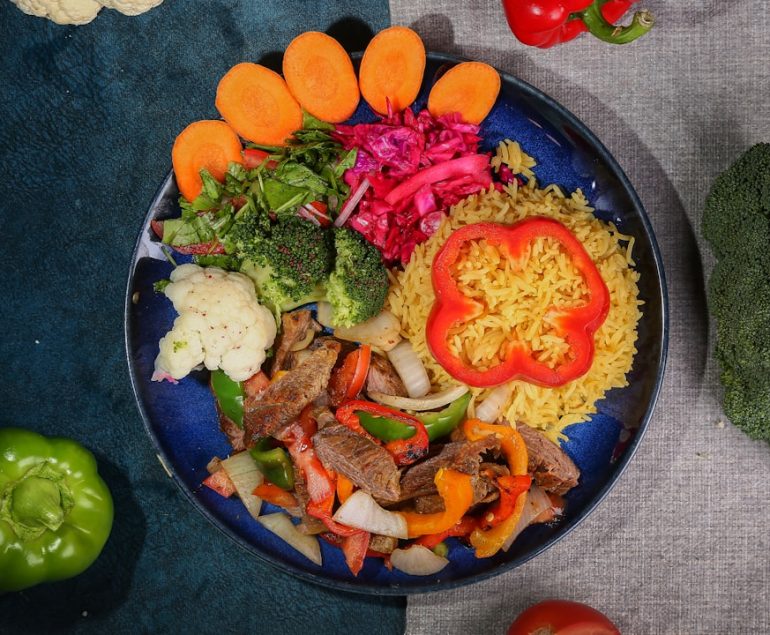
As the old adage goes, “you are what you eat.” But have you ever stopped to think about the impact that your daily food choices have on your overall health and wellbeing? From energizing your body to boosting your mood, the right nutrition can be a game-changer. In this comprehensive guide, we’ll delve into the world of nutrition, exploring the latest research, trends, and expert advice to help you make informed decisions about the food you put into your body. Whether you’re looking to improve your physical health, increase your energy levels, or simply feel more confident in your own skin, this article is for you.
Understanding the Basics of Nutrition
Before we dive into the nitty-gritty of nutrition, it’s essential to understand the fundamentals. Nutrition refers to the process by which our bodies use food to produce energy, build and repair tissues, and maintain overall health. A well-balanced diet that includes a variety of whole foods, such as fruits, vegetables, whole grains, lean proteins, and healthy fats, provides the body with the necessary building blocks to function optimally. The key is to focus on whole, unprocessed foods as much as possible, rather than relying on sugary drinks, fast food, and processed snacks.
One of the most critical aspects of nutrition is macronutrient balance. Macronutrients are the three main categories of nutrients that provide energy and support growth and maintenance: carbohydrates, protein, and fat. Carbohydrates, such as whole grains, fruits, and vegetables, provide the body with energy, while protein, found in foods like lean meats, fish, eggs, and legumes, builds and repairs tissues. Healthy fats, including nuts, seeds, avocados, and olive oil, support heart health and provide sustained energy. Aiming for a balanced mix of 45-65% carbohydrates, 15-20% protein, and 20-35% fat is a good starting point for most adults.
The Importance of Micronutrients
While macronutrients provide energy and support growth, micronutrients play a vital role in maintaining overall health and preventing chronic diseases. Micronutrients, including vitamins and minerals, are essential for a range of bodily functions, from immune function to bone health. Some of the most critical micronutrients include:
- Vitamin D, which supports bone health and immune function
- Omega-3 fatty acids, which reduce inflammation and support heart health
- Calcium, which builds and maintains strong bones
- Iron, which supports healthy red blood cells
- Probiotics, which support gut health and immune function
- Fiber, which supports healthy blood sugar levels and promotes satiety
- Antioxidants, such as vitamins C and E, which reduce inflammation and protect against cell damage
- Omega-3 fatty acids, which reduce inflammation and support heart health
- Probiotics, which support gut health and immune function
- Sugary drinks, like soda and sports drinks
- Refined carbohydrates, such as white bread and sugary snacks
- Processed meats, like hot dogs and sausages
- Fried foods, like french fries and fried chicken
- Omega-3 fatty acids, which reduce inflammation and support brain health
- Vitamin D, which supports mood regulation and cognitive function
- Complex carbohydrates, such as whole grains and fruits, which promote serotonin production and support mood
- Probiotics, which support gut health and immune function
- Focus on whole, unprocessed foods as much as possible
- Aim for a balanced mix of macronutrients, including carbohydrates, protein, and healthy fats
- Incorporate a variety of micronutrients into your diet, including vitamins, minerals, and probiotics
- Limit your intake of processed and sugary foods
- Prioritize self-care and stress management techniques, such as meditation and deep breathing exercises
Incorporating a variety of whole foods into your diet is the best way to ensure you’re getting enough micronutrients. Some of the richest sources of micronutrients include leafy green vegetables, such as spinach and kale, fatty fish, like salmon and sardines, and fermented foods, like yogurt and sauerkraut.
Nutrition and Chronic Disease Prevention
One of the most significant benefits of proper nutrition is its role in preventing chronic diseases. A well-balanced diet that includes a variety of whole foods has been shown to reduce the risk of conditions like heart disease, type 2 diabetes, and certain types of cancer. The key is to focus on whole, unprocessed foods as much as possible, rather than relying on sugary drinks, fast food, and processed snacks.
Some of the most critical nutrients for chronic disease prevention include:
In addition to incorporating these nutrients into your diet, it’s essential to limit your intake of processed and sugary foods, which can increase your risk of chronic diseases. Some of the most significant culprits include:
Nutrition and Mental Health
While nutrition is often associated with physical health, it also plays a critical role in mental wellbeing. A well-balanced diet that includes a variety of whole foods has been shown to reduce the risk of mental health conditions like depression and anxiety. Some of the most critical nutrients for mental health include:
In addition to incorporating these nutrients into your diet, it’s essential to prioritize self-care and stress management techniques, such as meditation, yoga, and deep breathing exercises. By combining a balanced diet with regular exercise and stress management, you can support your mental health and wellbeing.
Conclusion and Key Takeaways
In conclusion, nutrition is a powerful tool for optimizing physical and mental health. By focusing on whole, unprocessed foods and incorporating a variety of micronutrients into your diet, you can reduce your risk of chronic diseases, boost your energy levels, and support your mental wellbeing. Some of the key takeaways from this comprehensive guide include:
By following these simple yet effective tips, you can unlock the power of nutrition and start fueling your body for optimal health and wellbeing. Remember, nutrition is a journey, not a destination, and it’s never too late to make positive changes that can have a lasting impact on your health and happiness. So why not start today? Begin by incorporating one or two of these tips into your daily routine and see the difference that nutrition can make for yourself.