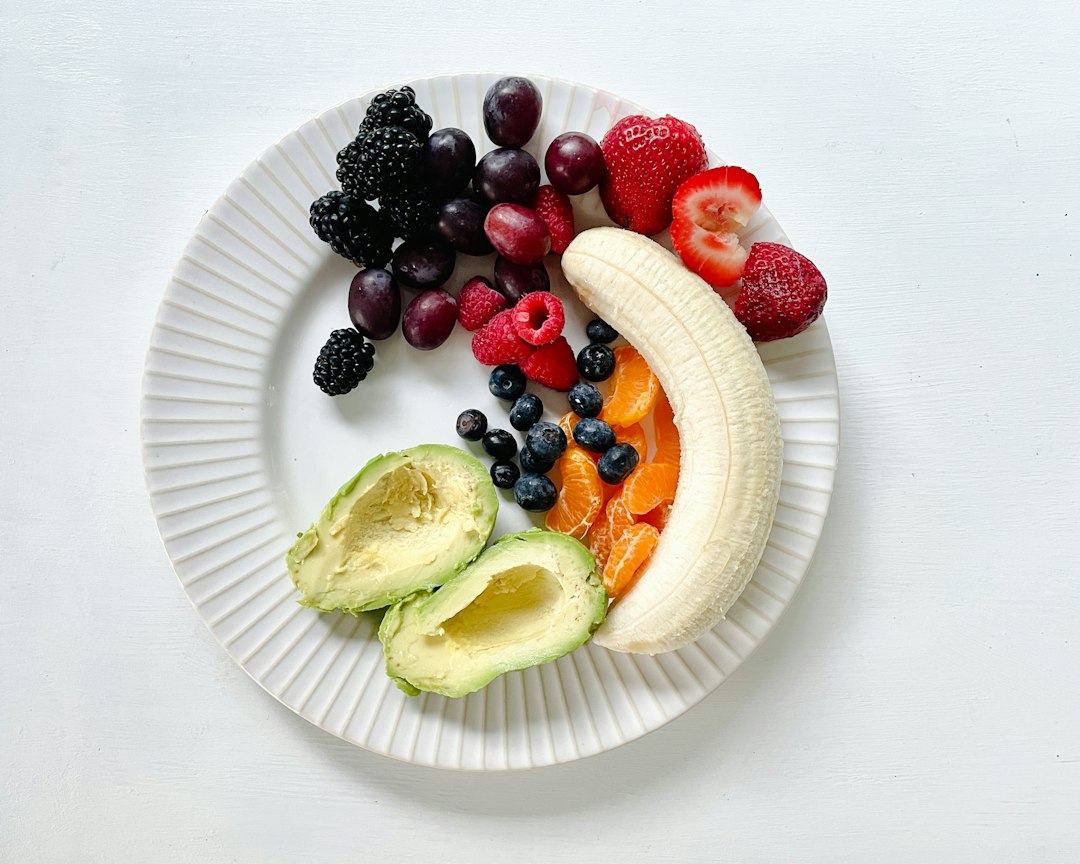
The Ultimate Guide to Good Sleep: How to Rest Better, Feel Better, and Boost Your Health

—

Introduction – Why Sleep Is the Secret Superpower You’ve Been Ignoring

Imagine waking up every morning feeling refreshed, focused, and ready to tackle the day—no coffee required. Sounds like a fantasy, right? Yet millions of people experience this level of vitality simply by mastering one habit: good sleep.

Sleep isn’t just a passive downtime; it’s a high‑stakes, biological reboot that repairs muscles, consolidates memories, regulates hormones, and even strengthens the immune system. When you skimp on quality sleep, you’re not just feeling groggy—you’re compromising mental clarity, weight management, mood stability, and long‑term disease risk.

In this comprehensive guide we’ll unpack the science behind sleep, reveal the most common culprits that sabotage it, and equip you with actionable, step‑by‑step strategies to transform your nights. By the end, you’ll have a personalized sleep‑optimization plan that fits your lifestyle, schedule, and personal preferences. Let’s dive in and make good sleep the cornerstone of your healthiest, happiest life.

—

1. Understanding the Sleep Architecture: What Happens When You Close Your Eyes

1.1 The Two Main Sleep States – NREM and REM

Sleep is divided into Non‑Rapid Eye Movement (NREM) and Rapid Eye Movement (REM) stages. A typical 90‑minute sleep cycle looks like this:

| Stage | Approx. % of Night | Key Functions |
|——-|——————–|—————-|
| N1 (Light Sleep) | 5% | Transition from wakefulness; brain begins to slow down |
| N2 (Stable Light Sleep) | 45% | Memory consolidation, heart rate regulation |
| N3 (Deep / Slow‑Wave Sleep) | 20% | Physical restoration, growth hormone release, immune support |
| REM (Dream Sleep) | 30% | Emotional processing, brain plasticity, learning |

During a full night, you cycle through these stages 4‑6 times. The first half of the night is dominated by deep N3 sleep, crucial for tissue repair and growth. The second half contains more REM sleep, essential for mood regulation and cognitive performance.

1.2 How Much Sleep Do You Really Need?

The National Sleep Foundation recommends:

| Age Group | Recommended Sleep (hours) |
|———–|—————————|
| 18‑64 | 7‑9 |
| 65+ | 7‑8 |

However, individual needs vary based on genetics, activity level, and health status. The best gauge is how you feel after waking: alert, energized, and able to stay focused for at least 6‑8 hours without caffeine crashes.

1.3 The Circadian Rhythm – Your Body’s Internal Clock

Your circadian rhythm is a 24‑hour cycle regulated by the suprachiasmatic nucleus (SCN) in the brain. Light exposure, meal timing, and physical activity all send signals to the SCN, which then orchestrates hormone release (e.g., melatonin at night, cortisol in the morning). Disrupting this rhythm—through shift work, late‑night screens, or irregular sleep times—can lead to circadian misalignment, a major driver of insomnia and metabolic dysfunction.

Key takeaway: Align your bedtime routine with your natural circadian rhythm to maximize the restorative power of each sleep cycle.

—

2. The Biggest Sleep Saboteurs (And How to Defeat Them)

2.1 Blue Light and Electronic Devices

Why it matters: Blue‑wavelength light (400‑480 nm) suppresses melatonin production, delaying sleep onset. Even 30 minutes of scrolling on a phone can shift your internal clock by up to 2 hours.

Actionable steps:

1. Enable Night Shift/Blue Light Filters on all devices after sunset.
2. Use “Do Not Disturb” mode to silence notifications at least 1 hour before bed.
3. Invest in amber‑tinted glasses if you must work late—studies show they restore melatonin levels comparable to darkness.

2.2 Caffeine and Stimulants

Caffeine blocks adenosine receptors, the chemical that builds up to create sleep pressure. Its half‑life ranges from 3‑7 hours, meaning a late‑afternoon latte can linger into the night.

Actionable steps:

  • Set a caffeine cut‑off—most experts recommend no caffeine after 2 p.m. for a typical 8‑hour sleep window.
  • Swap for herbal tea (e.g., chamomile, valerian root) after dinner.
  • Track your intake with a simple journal; you may discover hidden sources like chocolate, certain medications, or energy drinks.
  • 2.3 Stress and Racing Thoughts

    An overactive mind can trigger the sympathetic “fight‑or‑flight” response, releasing cortisol that keeps you alert.

    Actionable steps:

    1. Practice a 5‑minute “brain dump.” Write down worries, to‑dos, and ideas before bed to offload mental clutter.
    2. Adopt a relaxation protocol—progressive muscle relaxation, deep diaphragmatic breathing, or a short guided meditation (apps like Insight Timer or Calm have free 10‑minute sleep tracks).
    3. Create a “wind‑down” window (30‑60 minutes) where you engage in calming activities: reading a physical book, gentle stretching, or listening to low‑frequency ambient sounds.

    2.4 Environmental Factors

  • Temperature: The ideal bedroom temperature is 60‑67°F (15‑19°C). A cooler environment signals the body to drop core temperature, a prerequisite for sleep onset.
  • Noise: Even low‑level background noise can fragment sleep. Consider white‑noise machines, fan sounds, or earplugs.
  • Light: Complete darkness is optimal. Use blackout curtains or a sleep mask, and eliminate any LED displays (e.g., alarm clocks with bright digits).
  • 2.5 Poor Sleep Hygiene Habits

    Irregular bedtimes, eating heavy meals late, and using the bed for work or gaming can condition your brain to associate the bedroom with wakefulness.

    Actionable steps:

  • Reserve the bed for sleep and intimacy only.
  • Maintain consistent wake‑up times—even on weekends—to stabilize the circadian rhythm.
  • Limit fluid intake 1‑2 hours before bed to reduce nighttime bathroom trips.
  • —

    3. Building Your Personalized Sleep‑Optimization Routine

    3.1 The Pre‑Sleep Power Hour

    | Time | Activity | Why It Works |
    |——|———-|————–|
    | 60‑45 min before bed | Dim lights, turn off screens | Reduces blue‑light exposure, encourages melatonin |
    | 45‑30 min | Light stretching or yoga | Lowers heart rate, releases tension |
    | 30‑15 min | Journaling or gratitude list | Shifts focus from stress to positivity |
    | 15‑5 min | Warm shower/bath (≈100°F/38°C) | Triggers vasodilation, cooling post‑shower promotes sleep |
    | 5‑0 min | Bedtime ritual (e.g., reading a paperback, listening to soft music) | Signals brain that it’s time to wind down |

    3.2 Nutrition Hacks for Better Sleep

  • Magnesium‑rich foods (spinach, almonds, pumpkin seeds) support GABA activity, a calming neurotransmitter.
  • Tryptophan sources (turkey, cottage cheese, bananas) boost serotonin, a melatonin precursor.
  • Complex carbs (oatmeal, sweet potatoes) can increase the availability of tryptophan in the brain.
  • Sample pre‑bed snack: A small bowl of oatmeal topped with sliced banana and a sprinkle of almonds (≈200 kcal). This combination provides magnesium, tryptophan, and a gentle rise in blood sugar that won’t spike insulin.

    3.3 Exercise Timing: When to Move for Maximum Sleep Benefits

  • Morning or early afternoon cardio (30‑45 min) improves sleep efficiency and deep‑sleep proportion.
  • Evening strength training is fine as long as you finish at least 2‑3 hours before bed; intense workouts too close to bedtime may raise core temperature and adrenaline.
  • Gentle evening activities (walking, tai chi, light yoga) can actually facilitate relaxation and improve sleep latency.
  • 3.4 Supplementation—What Works and What Doesn’t

    | Supplement | Typical Dose | Evidence Level | Notes |
    |————|————–|—————-|——-|
    | Melatonin | 0.3‑5 mg | Moderate | Use short‑term for jet lag or shift‑work; avoid high doses as they can disrupt natural production. |
    | Magnesium glycinate | 200‑400 mg | Moderate | Helpful for restless leg syndrome and overall relaxation. |
    | L‑theanine | 100‑200 mg | Emerging | Promotes alpha‑wave activity, reduces anxiety without drowsiness. |
    | Valerian root | 400‑900 mg | Mixed | May improve sleep latency for some; taste can be off-putting. |
    | CBD oil | 10‑25 mg | Limited | Early studies suggest anxiety reduction; quality varies widely. |

    Safety tip: Always consult a healthcare professional before starting new supplements, especially if you’re pregnant, nursing, or on medication.

    3.5 Tracking and Adjusting: The Role of Sleep Journals & Apps

  • Sleep diary: Record bedtime, wake time, perceived sleep quality, caffeine/alcohol intake, and stress levels. Look for patterns over 2‑3 weeks.
  • Wearable trackers (e.g., Oura Ring, WHOOP, Fitbit): Provide objective data on sleep stages, heart rate variability (HRV), and respiration rate. Use insights to fine‑tune your routine.
  • Smartphone apps (e.g., Sleep Cycle, Pillow): Offer gentle alarm clocks that wake you during the light‑sleep phase, reducing grogginess.
  • Actionable tip: Review your data every Sunday, identify one variable to tweak (e.g., “no screens after 8 p.m.”), and implement it for the next week. Incremental changes lead to sustainable results.

    —

    4. Sleep and Health: The Long‑Term Payoff

    4.1 Cognitive Benefits

  • Memory consolidation: Deep sleep stabilizes declarative memories, while REM sleep enhances procedural learning.
  • Creativity boost: REM periods increase associative thinking, helping you solve problems more creatively after a good night’s rest.
  • 4.2 Metabolic & Weight Management

  • Hormone balance: Sleep deprivation raises ghrelin (hunger hormone) and lowers leptin (satiety hormone), leading to increased appetite.
  • Insulin sensitivity: Poor sleep impairs glucose tolerance, raising risk for type 2 diabetes.
  • Bottom line: A consistent 7‑9 hour sleep window can aid weight loss and improve metabolic health even without changing diet.

    4.3 Cardiovascular Health

  • Blood pressure regulation: During NREM sleep, blood pressure naturally dips (“nocturnal dip”). Inadequate sleep blunts this dip, increasing hypertension risk.
  • Inflammation reduction: Adequate sleep lowers C‑reactive protein (CRP) and other inflammatory markers, protecting against heart disease.
  • 4.4 Immune Function

  • Vaccination response: Studies show that people who sleep ≥8 hours have a stronger antibody response to flu vaccines.
  • Recovery from illness: Sleep accelerates the production of cytokines, essential for fighting infections.
  • 4.5 Mental Health

  • Mood stabilization: Chronic sleep loss is linked to anxiety, depression, and irritability.
  • Stress resilience: Adequate REM sleep helps process emotional experiences, reducing the impact of daily stressors.

—

5. Troubleshooting Common Sleep Problems

| Problem | Typical Causes | Quick Fixes |
|———|—————-|————|
| Insomnia (difficulty falling asleep) | Evening caffeine, anxiety, irregular schedule | 20‑minute wind‑down routine, limit caffeine after noon, try “4‑7‑8” breathing technique |
| Middle‑of‑night awakenings | Light exposure, bathroom trips, sleep apnea | Use blackout curtains, limit fluids after dinner, consider a sleep study if snoring is present |
| Early morning waking | Depression, stress, too cool a room | Add a light blanket, practice gratitude journaling, evaluate mental health with a professional |
| Restless Leg Syndrome (RLS) | Low iron, dopamine imbalance | Iron supplementation (if deficient), magnesium before bed, gentle calf stretches |
| Sleep apnea | Obstructive airway, obesity, nasal congestion | Weight management, positional therapy (sleeping on side), CPAP machine after medical evaluation |

When to Seek Professional Help: If you consistently get less than 6 hours of sleep, feel daytime sleepiness, or suspect a sleep disorder (e.g., apnea, narcolepsy), schedule an appointment with a sleep specialist or your primary care physician.

—

Conclusion – Your Roadmap to Consistently Good Sleep

Good sleep isn’t a luxury; it’s a foundational pillar of physical, mental, and emotional well‑being. By understanding the sleep architecture, eliminating common sabotages, and building a personalized pre‑bed routine, you can unlock the full restorative power of each night.

Key takeaways:

1. Prioritize sleep like any other health habit—aim for 7‑9 hours of quality rest each night.
2. Control your environment: cool, dark, and quiet spaces dramatically improve sleep efficiency.
3. Mind your light and caffeine: blue‑light filters, a caffeine cut‑off, and a screen‑free wind‑down are non‑negotiable.
4. Use nutrition, exercise, and relaxation strategically to boost melatonin, lower cortisol, and promote deep‑sleep phases.
5. Track, tweak, repeat: a simple sleep journal or wearable data will reveal patterns and guide incremental improvements.

Implement one or two of the actionable steps today—whether it’s setting a consistent bedtime, swapping late‑night coffee for herbal tea, or dimming the lights an hour before sleep. In just a few weeks, you’ll notice sharper focus, steadier mood, and a healthier body, all thanks to the power of good sleep.

Sleep well, live well, and let your nights become the secret engine that drives your best days. 🌙✨


Unlocking the Power of Movement: 10 Surprising Benefits of Regular Exercise

—

Introduction – Why Sitting Isn’t Cutting It Anymore

Imagine a world where you could boost your mood, sharpen your mind, and protect your heart—all without spending a fortune on supplements or gadgets. The secret? It’s already inside you, waiting to be activated by a simple, everyday habit: exercise.

From the moment we hear the word “workout,” many of us picture sweaty gym sessions or marathon training plans. But the truth is far more inclusive. Whether you’re strolling through a park, dancing in your living room, or lifting a set of dumbbells, every purposeful movement adds up to a cascade of health benefits. In this post, we’ll explore ten scientifically backed advantages of regular exercise, break them down into actionable steps, and give you a roadmap to make physical activity a seamless part of your life.

(Keywords: benefits of exercise, regular exercise, health benefits of physical activity, why exercise matters, improve health with exercise)

—

1. Boosts Mental Health and Sharpens Cognitive Function

How Movement Fuels Your Brain

Exercise isn’t just a body‑builder; it’s a brain‑builder. Physical activity triggers the release of neurotransmitters such as dopamine, serotonin, and norepinephrine, which elevate mood and reduce anxiety. Moreover, it stimulates the production of brain‑derived neurotrophic factor (BDNF)—a protein that supports the growth of new neurons and strengthens existing connections.

Actionable Tips

| Goal | Simple Routine | Time Commitment | Frequency |
|——|—————-|—————-|———–|
| Reduce stress | 10‑minute brisk walk outdoors | 10 minutes | Daily |
| Enhance focus | 5‑minute high‑intensity interval training (HIIT) | 5 minutes | 3×/week |
| Improve memory | Yoga or Tai Chi flow | 20 minutes | 2×/week |

Start Small: If you’re new to exercise, aim for a 10‑minute walk after dinner. Gradually increase the duration and add intervals of faster walking or light jogging.

Real‑World Impact

  • Lower risk of depression: Studies show a 30% reduction in depressive symptoms after 30 minutes of moderate exercise, five days a week.
  • Sharper cognition: Regular aerobic activity can improve executive functions—planning, multitasking, and problem‑solving—by up to 20% in adults over 50.
  • —

    2. Strengthens the Cardiovascular System

    The Heart‑Healthy Mechanics

    When you engage in aerobic activities—running, cycling, swimming—your heart pumps more blood per beat, a measure known as stroke volume. Over time, this forces the heart to become more efficient, lowering resting heart rate and blood pressure.

    Actionable Tips

    1. The 20‑Minute Rule: Aim for at least 20 minutes of moderate‑intensity cardio (e.g., brisk walking, dancing) most days of the week.
    2. Talk Test: You should be able to speak in short sentences while exercising—this indicates you’re in the optimal heart‑rate zone.
    3. Progressive Overload: Increase either the duration or intensity by 5% each week to keep challenging your cardiovascular system.

    Real‑World Impact

  • Reduced risk of heart disease: Regular exercise can lower LDL (“bad”) cholesterol by 5–10% and raise HDL (“good”) cholesterol by 3–5%.
  • Blood pressure control: A 150‑minute weekly regimen can drop systolic pressure by an average of 4–9 mmHg.
  • —

    3. Enhances Metabolic Health and Weight Management

    From Calories to Hormones

    Exercise boosts resting metabolic rate (RMR)—the calories you burn at rest—by increasing lean muscle mass. It also improves insulin sensitivity, helping your body use glucose more efficiently and preventing excess fat storage.

    Actionable Tips

    | Strategy | Example | How to Implement |
    |———-|———|——————|
    | Strength training | Bodyweight squats, resistance bands | 2–3 sessions/week, 8‑12 reps per set |
    | Interval training | 30 s sprint / 60 s walk repeat 8× | 1–2 sessions/week |
    | Active lifestyle | Take stairs, park farther away | Incorporate throughout day |

    Meal‑Exercise Pairing: Combine a balanced protein‑rich snack (e.g., Greek yogurt) within 30 minutes post‑workout to maximize muscle repair and metabolic boost.

    Real‑World Impact

  • Weight control: Consistent moderate exercise can offset up to 300 calories per day, translating to roughly 0.5 lb of weight loss per week when paired with a modest diet.
  • Diabetes prevention: Regular activity reduces the risk of type 2 diabetes by 40% in high‑risk populations.
  • —

    4. Improves Bone Density and Joint Flexibility

    Building Stronger Foundations

    Weight‑bearing exercises—like walking, jogging, or resistance training—stimulate osteoblasts, the cells responsible for building bone. Meanwhile, dynamic stretching and mobility drills keep joints lubricated and improve range of motion, reducing injury risk.

    Actionable Tips

    1. Weight‑Bearing Circuit: 3 sets of 10‑15 reps of lunges, step‑ups, and deadlifts (using body weight or light dumbbells).
    2. Flexibility Flow: End every workout with a 5‑minute stretch targeting major muscle groups (hamstrings, quads, shoulders).
    3. Low‑Impact Alternatives: If high impact is a concern, try swimming or elliptical training for bone health without joint strain.

    Real‑World Impact

  • Bone health: Post‑menopausal women who engage in regular resistance training can increase bone mineral density by up to 2–3% annually.
  • Joint comfort: Consistent mobility work reduces stiffness and can alleviate mild osteoarthritis symptoms.
  • —

    5. Elevates Immune Function and Longevity

    The Body’s Defense System Gets a Boost

    Moderate exercise circulates immune cells—like natural killer cells and macrophages—throughout the body, enhancing surveillance against pathogens. It also reduces chronic inflammation, a key driver of age‑related diseases.

    Actionable Tips

  • Consistency Over Intensity: Aim for 150 minutes of moderate activity per week rather than occasional extreme workouts.
  • Recovery Matters: Include at least one full rest day and prioritize sleep (7‑9 hours) to allow immune cells to regenerate.
  • Hydration & Nutrition: Pair workouts with antioxidant‑rich foods (berries, leafy greens) to support immune health.
  • Real‑World Impact

  • Reduced infection risk: Regular exercisers experience 40–50% fewer upper‑respiratory infections compared to sedentary peers.
  • Longevity: Studies link active lifestyles to a 20–30% lower risk of premature death, extending both lifespan and healthspan.
  • —

    Putting It All Together – A 4‑Week Starter Plan

    | Week | Monday | Tuesday | Wednesday | Thursday | Friday | Saturday | Sunday |
    |——|——–|———|———–|———-|——–|———-|——–|
    | 1 | 20‑min brisk walk | 15‑min bodyweight strength (squats, push‑ups) | 20‑min yoga flow | 20‑min bike ride | 15‑min HIIT (30 s/60 s) | 30‑min hike | Rest + gentle stretching |
    | 2 | 25‑min walk + 5 min intervals | 20‑min strength (add lunges) | 25‑min Pilates | 25‑min swim | 20‑min HIIT (increase to 40 s) | 35‑min hike | Rest + foam rolling |
    | 3 | 30‑min jog | 25‑min strength (add dumbbells) | 30‑min yoga | 30‑min bike + hills | 25‑min HIIT (add 1 set) | 40‑min trail run | Rest + mobility work |
    | 4 | 35‑min jog + intervals | 30‑min full‑body circuit | 35‑min yoga | 35‑min swim | 30‑min HIIT (max effort) | Active fun day (dance, sport) | Rest & reflection |

    Tips for Success:

  • Track progress with a simple journal or app—note duration, intensity, and how you feel.
  • Celebrate milestones (e.g., completing week 2) with non‑food rewards like a new playlist or a massage.
  • Adjust as needed; the plan is a framework, not a rigid rule.

—

Conclusion – Your Roadmap to a Healthier, Happier Life

Regular exercise is more than a fitness trend; it’s a comprehensive health strategy that touches every major system in your body. By incorporating cardiovascular activity, strength training, flexibility work, and mind‑body practices, you can:

1. Elevate mood and mental clarity – fight stress, anxiety, and cognitive decline.
2. Protect your heart – lower blood pressure, improve cholesterol, and reduce heart disease risk.
3. Manage weight and metabolism – boost calorie burn, enhance insulin sensitivity, and maintain a healthy body composition.
4. Strengthen bones and joints – increase density, improve mobility, and prevent injuries.
5. Boost immunity and longevity – reduce inflammation, fend off infections, and add years to your life.

The key takeaway? Consistency beats intensity. Start with small, enjoyable movements, gradually build up, and let the cumulative effect transform your health. Remember, the journey is personal—listen to your body, celebrate progress, and keep moving forward.

Ready to take the first step? Lace up those shoes, press play on your favorite playlist, and let the benefits of exercise unfold, one stride at a time.

—

Keywords used: benefits of exercise, regular exercise, health benefits of physical activity, improve health with exercise, exercise and mental health, cardiovascular exercise, strength training benefits, weight management exercise, bone health workout, immune system and exercise.

Unlocking the Power of Movement: 7 Surprising Benefits of Regular Exercise

—

Introduction – Why Your Body Craves Motion

Imagine waking up feeling energized, your mind clear, and a subtle smile tugging at the corners of your mouth. You stride into the kitchen, ready to tackle the day, and the usual mid‑afternoon slump never shows up. That’s not a fantasy—it’s the everyday reality for people who make regular exercise a non‑negotiable part of their routine.

In a world where screens dominate our free time and sedentary jobs keep us glued to chairs, the simple act of moving can feel like a rebellious act. Yet, the science behind why movement matters is crystal clear: exercise is a multi‑dimensional health booster that touches every organ, hormone, and mood center in your body.

In this post we’ll dive deep into seven compelling benefits of exercise, breaking down the science, sharing actionable tips, and giving you a roadmap to integrate movement into even the busiest schedule. Whether you’re a seasoned gym‑goer, a weekend hiker, or someone who’s just lacing up their first pair of sneakers, this guide will help you understand why exercise matters and how to make it work for you.

—

1. Boosts Physical Health: From Heartbeat to Muscle Tone

1.1 Strengthens the Cardiovascular System

One of the most celebrated benefits of regular aerobic activity—think jogging, cycling, swimming, or even brisk walking—is its impact on the heart. When you engage in cardiovascular exercise, your heart pumps more efficiently, delivering oxygen‑rich blood to muscles and organs. Over time, this leads to:

| Benefit | How It Happens |
|———|—————-|
| Lower resting heart rate | The heart becomes stronger, needing fewer beats per minute to circulate blood. |
| Reduced blood pressure | Blood vessels become more elastic, easing the flow of blood. |
| Improved cholesterol profile | Exercise raises HDL (“good”) cholesterol and lowers LDL (“bad”) cholesterol. |

Actionable tip: Aim for at least 150 minutes of moderate‑intensity cardio per week (e.g., 30 minutes, five days a week). If you’re short on time, break it into three 10‑minute bouts—the benefits still add up.

1.2 Builds Muscular Strength and Endurance

Strength training isn’t just for bodybuilders. Lifting weights, using resistance bands, or performing body‑weight moves (push‑ups, squats) stimulate muscle fibers, prompting them to grow stronger and more resilient. Benefits include:

  • Increased basal metabolic rate (BMR) – More muscle means you burn more calories at rest.
  • Better joint stability – Stronger muscles protect knees, hips, and shoulders from injury.
  • Enhanced functional fitness – Everyday tasks like carrying groceries become easier.
  • Actionable tip: Incorporate two to three strength sessions per week, focusing on major muscle groups. Start with 2‑3 sets of 8‑12 reps using a weight that feels challenging but manageable.

    1.3 Supports Bone Density and Reduces Injury Risk

    Weight‑bearing activities—running, dancing, resistance training—stimulate bone remodeling, helping maintain or increase bone mineral density. This is crucial for preventing osteoporosis, especially as we age.

    Actionable tip: Add high‑impact moves (e.g., jump squats, stair climbs) or resistance exercises at least twice a week to keep bones strong.

    —

    2. Enhances Mental Well‑Being: The Mood‑Elevating Magic of Movement

    2.1 Releases Endorphins and Reduces Stress

    Physical activity triggers the release of endorphins, the body’s natural “feel‑good” chemicals. This biochemical boost can create a post‑exercise “high,” reducing perceptions of pain and stress. Studies show that just 20 minutes of moderate exercise can lower cortisol levels, the hormone associated with stress.

    Actionable tip: Schedule a “stress‑buster” workout during the most hectic part of your day—perhaps a lunchtime walk or a quick HIIT (High‑Intensity Interval Training) session—to reset your nervous system.

    2.2 Improves Cognitive Function and Memory

    Exercise increases blood flow to the brain, delivering oxygen and nutrients that support neurogenesis (the creation of new brain cells). Regular activity has been linked to:

  • Sharper focus and faster reaction times.
  • Better memory retention—particularly in the hippocampus, the brain region responsible for learning.
  • Lower risk of age‑related cognitive decline and diseases like Alzheimer’s.

Actionable tip: Try brain‑boosting workouts that combine physical movement with mental challenge—such as dancing, martial arts, or sports that require strategy.

2.3 Fights Depression and Anxiety

Numerous clinical trials confirm that exercise is as effective as medication for mild to moderate depression. The combination of endorphin release, improved sleep, and a sense of achievement creates a powerful antidote to low mood.

Actionable tip: If you’re battling depression, start small: a 10‑minute walk in fresh air, three times a week, and gradually increase duration and intensity as you feel comfortable.

—

3. Improves Metabolic Health: From Blood Sugar to Weight Management

3.1 Regulates Blood Glucose Levels

Physical activity enhances insulin sensitivity, allowing cells to absorb glucose more efficiently. This is especially important for preventing type 2 diabetes. Even a single bout of moderate exercise can lower blood sugar for up to 24 hours.

Actionable tip: Post‑meal walks (10‑15 minutes) are a simple way to blunt the spike in blood glucose after eating.

3.2 Aids in Weight Management

Exercise contributes to a calorie deficit, which is essential for weight loss. More importantly, it helps preserve lean muscle mass while you shed fat, ensuring a healthier body composition.

Actionable tip: Pair strength training (to build muscle) with cardio (to burn calories). Track progress with body‑composition measurements rather than just the scale.

3.3 Improves Lipid Profile

Regular aerobic exercise raises HDL cholesterol and can lower triglycerides, reducing the risk of heart disease.

Actionable tip: Aim for at least 30 minutes of moderate cardio most days of the week. Consistency beats intensity for lipid improvements.

—

4. Elevates Sleep Quality: The Night‑Time Benefits of Daytime Movement

4.1 Faster Sleep Onset and Deeper REM Cycles

Exercise raises body temperature; the subsequent cooling period after a workout signals the body that it’s time to rest, facilitating quicker sleep onset. Moreover, active individuals often experience longer periods of deep (slow‑wave) sleep, which is crucial for recovery and memory consolidation.

Actionable tip: Schedule vigorous workouts at least 3‑4 hours before bedtime. If you’re a night owl, opt for a gentle yoga or stretching routine closer to bedtime.

4.2 Reduces Insomnia Symptoms

Studies show that consistent aerobic activity can reduce the severity of insomnia by up to 65%. The combination of reduced anxiety, regulated circadian rhythm, and physical fatigue creates a conducive environment for restorative sleep.

Actionable tip: Create a pre‑sleep ritual that includes a short, low‑impact activity—like a 10‑minute walk or a calming stretch sequence—to signal your brain it’s time to wind down.

—

5. Strengthens the Immune System: How Exercise Keeps You Healthy

5.1 Boosts Immune Surveillance

Moderate exercise stimulates the circulation of immune cells—such as natural killer cells and macrophages—enhancing the body’s ability to detect and neutralize pathogens.

Actionable tip: Aim for 30 minutes of moderate activity most days. Over‑training can suppress immunity, so listen to your body and incorporate rest days.

5.2 Lowers Inflammation

Chronic low‑grade inflammation is a hidden driver of many diseases (heart disease, arthritis, even some cancers). Regular physical activity reduces inflammatory markers like C‑reactive protein (CRP).

Actionable tip: Include anti‑inflammatory workouts such as swimming, cycling, or brisk walking, which are easier on joints while still delivering systemic benefits.

—

6. Social and Lifestyle Advantages: Community, Confidence, and Longevity

6.1 Builds Social Connections

Group classes, sports leagues, or simply walking with a friend foster a sense of belonging. Social support is a strong predictor of long‑term adherence to an active lifestyle.

Actionable tip: Join a local fitness community—a running club, yoga studio, or online challenge—to keep motivation high.

6.2 Boosts Self‑Esteem and Body Image

Accomplishing workout milestones (running a 5K, mastering a yoga pose) creates a feedback loop of confidence. This psychological uplift often translates into healthier choices in diet, sleep, and stress management.

Actionable tip: Celebrate small wins. Keep a workout journal and note achievements beyond the scale—like increased flexibility or improved mood.

6.3 Increases Longevity

Large population studies consistently show that physically active individuals live 3‑5 years longer than sedentary counterparts, even after adjusting for diet, smoking, and socioeconomic factors.

Actionable tip: Treat exercise as a non‑negotiable appointment—just like a doctor’s visit. Consistency, not perfection, is the key to reaping longevity benefits.

—

7. Practical Strategies to Make Exercise a Lifelong Habit

7.1 Start With the “5‑Minute Rule”

If the idea of a 30‑minute workout feels overwhelming, commit to just five minutes. Often, once you start moving, you’ll naturally extend the session.

7.2 Use the “Exercise Sandwich” Technique

Pair a short workout with two enjoyable activities: (1) Warm‑up with a favorite song, (2) Exercise, (3) Reward yourself with a healthy snack or a relaxing activity. The sandwich creates a positive association.

7.3 Leverage Technology

Fitness trackers, mobile apps, and smart watches provide real‑time feedback on steps, heart rate, and calories burned. They also send reminders and allow you to set achievable goals.

Actionable tip: Set a daily step goal (e.g., 8,000–10,000 steps) and gradually increase it as you adapt.

7.4 Mix It Up to Prevent Boredom

Rotate between cardio, strength, flexibility, and balance workouts. Variety not only keeps motivation high but also ensures balanced development of all fitness components.

7.5 Prioritize Recovery

Rest days, proper hydration, and nutrition are as vital as the workout itself. Overtraining can lead to injury and burnout.

Actionable tip: Incorporate active recovery—light yoga, walking, or foam rolling—on rest days to promote circulation without stressing the body.

—

Conclusion – Your Blueprint for a Healthier, Happier Life

Exercise is far more than a tool for sculpting a toned physique; it’s a holistic catalyst that elevates heart health, sharpens the mind, stabilizes mood, improves sleep, fortifies immunity, and adds years to your life. By understanding the seven key benefits outlined above, you can see how each workout session is an investment—not just in calories burned, but in a richer, more vibrant existence.

Key Takeaways

1. Cardiovascular and strength training protect your heart, muscles, and bones.
2. Movement releases endorphins, reduces stress, and combats depression.
3. Exercise regulates blood sugar, supports weight management, and improves cholesterol.
4. Physical activity enhances sleep quality, helping you recover faster.
5. Moderate exercise boosts immune function and lowers chronic inflammation.
6. Social fitness experiences build confidence, community, and longevity.
7. Sustainable habits—the 5‑minute rule, technology aids, variety, and recovery—ensure you stay active for life.

Remember, the journey to a healthier you doesn’t require a dramatic overhaul overnight. Start small, stay consistent, and celebrate every step forward. Your future self will thank you with a stronger heart, clearer mind, and a smile that’s truly powered by movement.

Ready to get moving? Choose one of the actionable tips above, set a timer for five minutes, and begin. The ripple effect of that single decision will echo through every aspect of your life—starting now.

—

Keywords: benefits of exercise, regular exercise, cardiovascular health, mental health, stress reduction, weight management, sleep quality, immune system, longevity, fitness habit, workout tips

Unlocking the Power of Nutrition: A Practical Guide to Eating Better Every Day

—

Introduction – Why Nutrition Matters More Than Ever

Imagine you could boost your energy, sharpen your focus, and protect your health with something as simple as what lands on your plate. That’s not a marketing gimmick—it’s the science of nutrition in action. In today’s fast‑paced world, we’re bombarded with quick‑fix meals, diet trends, and conflicting advice. Yet, the fundamentals of good nutrition remain timeless: a balanced intake of macronutrients, a rainbow of micronutrients, and mindful eating habits that support both body and mind.

In this comprehensive guide, we’ll demystify the core concepts of nutrition, translate them into actionable steps, and give you a roadmap for sustainable, healthy eating. Whether you’re a busy professional, a parent planning family meals, or anyone looking to feel better from the inside out, the strategies below will help you make smarter food choices without sacrificing flavor or convenience.

—

1. Building a Balanced Plate: The Foundations of Healthy Eating

1.1 Understanding Macronutrients

Carbohydrates – The body’s primary fuel source. Choose complex carbs (whole grains, legumes, starchy vegetables) over refined sugars to maintain steady blood glucose and prolonged energy.

Proteins – Essential for muscle repair, hormone production, and immune function. Aim for a mix of animal (lean poultry, fish, eggs) and plant proteins (beans, lentils, tofu, quinoa).

Fats – Not the enemy! Healthy fats (monounsaturated, polyunsaturated, omega‑3s) support brain health, hormone balance, and nutrient absorption. Prioritize avocados, nuts, seeds, olive oil, and fatty fish while limiting saturated and trans fats.

Practical tip: Use the “plate method” – fill half your plate with non‑starchy vegetables, one‑quarter with lean protein, and one‑quarter with whole‑grain carbs. Add a small serving of healthy fat (a drizzle of olive oil or a handful of nuts) to round it out.

1.2 Micronutrients: The Small But Mighty Players

Vitamins and minerals don’t provide calories, but they are indispensable for metabolism, immunity, and cellular repair. Key micronutrients include:

| Micronutrient | Primary Benefits | Top Food Sources |
|—————|——————|——————|
| Vitamin C | Antioxidant, collagen synthesis | Citrus, berries, bell peppers |
| Vitamin D | Bone health, immune modulation | Sunlight, fortified dairy, fatty fish |
| Iron | Oxygen transport, energy production | Red meat, lentils, spinach |
| Calcium | Bone strength, muscle function | Dairy, fortified plant milks, kale |
| Magnesium | Nerve function, sleep quality | Nuts, seeds, whole grains |
| Potassium | Blood pressure regulation | Bananas, potatoes, beans |

Actionable step: Rotate your weekly grocery list to include at least three different colored vegetables and two protein sources. This simple habit boosts micronutrient diversity without extra planning.

1.3 Hydration – The Overlooked Nutrient

Water is essential for digestion, temperature regulation, and nutrient transport. Aim for 2–3 liters (8–12 cups) per day, adjusting for activity level, climate, and body size. Herbal teas, infused water, and water‑rich foods (cucumber, watermelon) contribute to overall intake.

Quick hack: Keep a reusable bottle at your desk and set a timer to take a sip every 30 minutes. Small, consistent sips add up quickly.

—

2. Meal Planning Mastery: How to Turn Theory into Daily Practice

2.1 Setting Realistic Goals

Start with SMART goals (Specific, Measurable, Achievable, Relevant, Time‑bound). Instead of “eat healthier,” try “include at least two servings of vegetables at lunch and dinner for the next 30 days.” Clear targets make progress trackable and motivation sustainable.

2.2 The Weekly Prep Blueprint

1. Inventory & Inspiration – Review what you already have, then browse a trusted recipe source (e.g., a nutrition‑focused blog or app). Choose 3–4 dinner recipes that share common ingredients to reduce waste.
2. Shopping List – Write a categorized list (produce, proteins, pantry, dairy) and stick to it. Use a “buy‑nothing‑extra” rule to curb impulse purchases.
3. Batch Cooking – Cook staples in bulk (brown rice, quinoa, roasted vegetables, grilled chicken). Store in portion‑sized containers for quick assembly.
4. Prep Day – Dedicate 60–90 minutes on Sunday (or any day that works) to chop veggies, portion snacks, and assemble a few grab‑and‑go meals.

Pro tip: Invest in a set of glass containers with compartments. They keep foods fresh, are microwave‑safe, and eliminate the need for disposable plastic.

2.3 Smart Snacking for Energy Stability

Snacks can be allies, not enemies, when they combine protein, fiber, and healthy fat. Try these combos:

  • Greek yogurt + berries + a sprinkle of chia seeds
  • Apple slices + almond butter
  • Hummus + carrot & cucumber sticks
  • Handful of mixed nuts + a piece of dark chocolate (70%+ cacao)
  • These options keep blood sugar steady, curb cravings, and provide a nutrient boost between meals.

    2.4 Dining Out Without Derailing Your Nutrition Goals

  • Study the menu ahead of time – Look for grilled, baked, or steamed options.
  • Ask for modifications – Swap fries for a side salad, request dressing on the side, or replace a creamy sauce with a tomato‑based one.
  • Control portions – Share an entrée, or ask for a to‑go box at the start of the meal and set aside half for later.
  • Mindful eating – Slow down, savor each bite, and stop when you’re about 80% full. This simple practice prevents overeating and improves digestion.
  • —

    3. Nutrition for Specific Lifestyles

    3.1 The Active Athlete: Fueling Performance

  • Carb timing: Consume 30–60 g of easily digestible carbs (e.g., a banana or sports drink) 30–60 minutes before training for optimal glycogen availability.
  • Post‑workout recovery: Pair 20–30 g of high‑quality protein (whey, soy, or lean meat) with 40–60 g of carbs within 45 minutes after exercise to accelerate muscle repair and replenish glycogen stores.
  • Electrolyte balance: For intense or long sessions, add a pinch of sea salt or an electrolyte drink to maintain sodium and potassium levels.
  • 3.2 The Busy Professional: Eating Well on a Tight Schedule

  • Breakfast hacks: Overnight oats with chia seeds, almond milk, and fruit; or a protein‑rich smoothie (spinach, frozen berries, Greek yogurt, and a scoop of protein powder).
  • Desk‑friendly lunches: Mason‑jar salads (layer dressing at the bottom, sturdy veggies in the middle, greens on top) or a quinoa bowl with roasted veggies and a boiled egg.
  • Convenient nutrients: Keep a stash of shelf‑stable items like canned beans, low‑sodium broth, and whole‑grain crackers for quick, nutritious meals.
  • 3.3 The Family Kitchen: Teaching Kids Healthy Habits

  • Involve them: Let children pick a new vegetable each week and help with simple prep (washing, tearing lettuce).
  • Make it fun: Create “rainbow plates” where each color represents a different nutrient group.
  • Balanced treats: Swap sugary desserts for fruit‑based options—e.g., baked apples with cinnamon or frozen yogurt parfaits with granola.
  • 3.4 Special Considerations: Plant‑Based & Allergy‑Friendly Diets

  • Protein on a plant‑based diet: Combine legumes with whole grains (e.g., beans + brown rice) to achieve a complete amino acid profile. Include soy products, nuts, and seeds for variety.
  • Vitamin B12 for vegans: Supplement or consume fortified plant milks and cereals, as B12 is primarily found in animal foods.
  • Gluten‑free nutrition: Focus on naturally gluten‑free whole foods—rice, quinoa, potatoes, legumes, fruits, and vegetables—to avoid reliance on processed “gluten‑free” junk foods.
  • —

    4. Tracking, Adjusting, and Staying Motivated

    4.1 Simple Self‑Monitoring Tools

  • Food diary apps (MyFitnessPal, Cronometer) let you log meals, track macronutrient ratios, and spot nutrient gaps.
  • Photo journaling – Snap a picture of each meal; visual cues help you stay accountable and notice patterns.
  • Weekly weigh‑ins or body measurements (if weight management is a goal) provide objective feedback without obsessing over daily fluctuations.
  • 4.2 Interpreting the Data and Making Adjustments

  • If carbs feel low: Add a serving of fruit or a whole‑grain side to meals.
  • If you’re consistently hungry: Increase protein or fiber portions (e.g., add lentils to soups or sprinkle flaxseed on oatmeal).
  • If energy crashes after lunch: Ensure your midday meal contains a balance of protein, complex carbs, and healthy fat—think a turkey wrap on whole‑grain tortilla with avocado and leafy greens.
  • 4.3 Keeping the Momentum

  • Celebrate small wins – Treat yourself to a non‑food reward (new workout gear, a spa day) when you hit a nutrition milestone.
  • Community support – Join a local cooking class, online forum, or accountability group. Sharing recipes and challenges makes the journey enjoyable.
  • Continuous learning – Nutrition science evolves. Subscribe to reputable sources (Harvard Health Blog, Academy of Nutrition and Dietetics) to stay updated without falling for fad diets.

—

Conclusion – Your Nutrition Blueprint for a Healthier Life

Good nutrition isn’t a one‑size‑fits‑all prescription; it’s a flexible, evidence‑based framework that adapts to your lifestyle, goals, and preferences. By mastering the basics of macronutrients and micronutrients, planning meals strategically, tailoring nutrition to your specific life stage, and monitoring progress with simple tools, you empower yourself to make choices that nourish both body and mind.

Key Takeaways

1. Balanced plate = steady energy – Half veg, quarter protein, quarter whole‑grain carbs, plus a touch of healthy fat.
2. Micronutrient variety – Aim for a colorful plate to cover essential vitamins and minerals.
3. Plan ahead – Weekly prep, smart grocery lists, and batch cooking turn healthy eating from a chore into a habit.
4. Tailor to your lifestyle – Athletes, busy professionals, families, and plant‑based eaters each have specific strategies that fit their needs.
5. Track & adjust – Use simple apps or photos, review the data weekly, and tweak portions or food choices as needed.
6. Stay motivated – Celebrate progress, seek community, and keep learning.

Remember, every bite is an opportunity to fuel your future. Start small, stay consistent, and watch how a well‑balanced diet transforms your energy, mood, and overall well‑being. Here’s to a healthier, happier you—one nutritious meal at a time!

Mastering Stress: Proven Tips and Strategies for a Calmer, Healthier Life

—

Introduction – Why Stress Management Matters (and How It Can Change Everything)

Imagine waking up each morning feeling energized, focused, and ready to tackle the day—without that familiar knot in your stomach or the racing thoughts that scream “I’m behind!” For many of us, that vision feels like a distant dream. In reality, stress has become an almost constant companion: deadlines, endless notifications, traffic jams, and the ever‑present pressure to “do it all.”

But here’s the good news: stress isn’t an immutable fate. It’s a signal—one that can be managed, reshaped, and even turned into a catalyst for growth. By mastering a handful of evidence‑based stress‑management techniques, you can protect your mental health, boost productivity, and reclaim the joy that life should feel like.

In this comprehensive guide, we’ll dive deep into practical, actionable tips that fit into any lifestyle—whether you’re a busy professional, a student, a parent, or anyone in between. We’ll explore the science behind stress, uncover simple daily habits, and provide step‑by‑step strategies you can start using today. Let’s get started!

—

1. Understand the Stress Response: The Body’s Alarm System

1.1 What Happens When You’re Stressed?

Before you can manage stress, it helps to know what’s happening under the hood. When you perceive a threat—real or imagined—the hypothalamus triggers the “fight‑or‑flight” response. Two key hormones flood your bloodstream:

| Hormone | Primary Effect | Typical Physical Symptoms |
|———|—————-|—————————|
| Adrenaline | Increases heart rate, boosts energy | Rapid heartbeat, sweating, trembling |
| Cortisol | Releases glucose for quick fuel, suppresses non‑essential functions | Elevated blood sugar, weakened immune response, difficulty sleeping |

These reactions were lifesaving for our ancestors facing predators. In the modern world, however, the “threats” are often emails, traffic, or social‑media pressure—situations that don’t require a physical fight. Prolonged activation can lead to chronic fatigue, anxiety, weight gain, and even cardiovascular disease.

1.2 The Stress Cycle: From Trigger to Recovery

The stress cycle consists of four stages:

1. Trigger – A perceived challenge (e.g., an upcoming presentation).
2. Physiological Arousal – Hormonal surge, increased heart rate.
3. Emotional Reaction – Feelings of anxiety, irritability, or overwhelm.
4. Resolution – The body returns to baseline (the “relaxation response”).

If you skip the resolution step, the cycle repeats, leaving you stuck in a constant state of high alert. The goal of stress management is to complete the cycle each time it begins, allowing your nervous system to reset.

> Pro Tip: Use a quick “reset button”—such as a 30‑second deep‑breathing exercise—whenever you notice the first signs of arousal. This simple habit can interrupt the cycle before it spirals.

—

2. Build a Daily Stress‑Reduction Routine

Consistency beats intensity when it comes to stress relief. Below are five core habits you can weave into your day. Each habit is backed by research and takes no more than 10 minutes to implement.

2.1 Mindful Breathing & the 4‑7‑8 Technique

Why it works: Controlled breathing activates the parasympathetic nervous system, lowering heart rate and cortisol levels.

How to do it:
1. Inhale quietly through your nose for 4 seconds.
2. Hold the breath for 7 seconds.
3. Exhale slowly through your mouth for 8 seconds.
4. Repeat four times.

Do this first thing in the morning, before a stressful meeting, or whenever you feel tension building.

2.2 Micro‑Movement Breaks

Sitting for long periods spikes stress hormones and reduces blood flow to the brain. A 2‑minute stretch or a few bodyweight squats every hour can reset your nervous system.

Quick office routine:

  • Neck rolls (30 seconds) – relieve tension in the upper trapezius.
  • Shoulder shrugs (30 seconds) – release tightness from hunching.
  • Desk push‑ups (1 minute) – boost circulation and mental alertness.
  • Set a timer on your phone or use a productivity app (e.g., Pomodoro) to remind you.

    2.3 Digital Sunset: Unplug to Recharge

    Blue light and constant notifications keep the brain in a “ready” state. Establish a digital sunset at least 60 minutes before bedtime:

  • Turn off non‑essential devices.
  • Switch to “Do Not Disturb” mode.
  • Replace scrolling with a calming activity: reading a physical book, journaling, or gentle yoga.
  • Research shows that reducing screen exposure improves melatonin production, leading to deeper sleep—a crucial component of stress recovery.

    2.4 Gratitude Journaling

    Gratitude rewires the brain to focus on positive experiences, counteracting the negativity bias that stress amplifies.

    Simple practice: Write down three things you’re grateful for each evening. Include specifics (e.g., “I’m grateful for the warm coffee I had with my colleague, Alex, who shared a funny story”). Over time, this habit boosts mood and resilience.

    2.5 Hydration & Balanced Nutrition

    Dehydration can mimic stress symptoms (headaches, irritability). Aim for 2–3 liters of water daily, and pair it with a balanced diet rich in:

  • Omega‑3 fatty acids (salmon, walnuts) – reduce inflammation and cortisol.
  • Complex carbs (whole grains, legumes) – stabilize blood sugar, preventing mood swings.
  • Magnesium‑rich foods (leafy greens, pumpkin seeds) – support nervous system function.
  • Consider a mid‑day “stress‑busting snack”: Greek yogurt with berries and a sprinkle of chia seeds.

    —

    3. Cognitive Tools to Reframe Stress

    Your thoughts shape your stress experience. By adopting cognitive strategies, you can transform anxiety into constructive energy.

    3.1 The ABC Model (Adversity, Belief, Consequence)

    1. Adversity – The event that triggers stress (e.g., a looming deadline).
    2. Belief – The interpretation you assign (e.g., “If I don’t finish perfectly, I’ll be a failure”).
    3. Consequence – The emotional outcome (e.g., panic, self‑criticism).

    Exercise: Write down a recent stressful event, identify the belief, then challenge it with evidence. Replace “I must be perfect” with “Doing my best is enough; mistakes are learning opportunities.” This reframing reduces emotional intensity.

    3.2 Visualization & Mental Rehearsal

    Athletes use visualization to enhance performance; you can use it to lower stress. Spend 5 minutes picturing yourself navigating a stressful situation calmly:

  • See the environment vividly.
  • Hear your steady breathing.
  • Feel confidence radiating through your body.
  • Studies show that mental rehearsal activates the same neural pathways as real practice, increasing confidence and decreasing anxiety.

    3.3 Progressive Muscle Relaxation (PMR)

    PMR involves tensing and then releasing muscle groups, fostering deep relaxation.

    Step‑by‑step (10 minutes):
    1. Sit or lie comfortably.
    2. Starting with your toes, tighten the muscles for 5 seconds, then release for 15 seconds.
    3. Move upward through calves, thighs, abdomen, chest, arms, neck, and face.
    4. Notice the contrast between tension and relaxation.

    Practice PMR before bedtime or during a break to calm the nervous system.

    3.4 Time‑Blocking & Prioritization

    Chaos fuels stress. Use a time‑blocking method to allocate specific periods for deep work, meetings, and personal care.

  • Identify high‑impact tasks (the “MITs” – Most Important Tasks).
  • Block 90‑minute “focus windows” with no interruptions.
  • Schedule “buffer zones” for unexpected tasks and transitions.
  • When you see your day mapped out, uncertainty drops, and you gain a sense of control.

    —

    4. Lifestyle Pillars That Strengthen Resilience

    Beyond daily habits, broader lifestyle choices lay the foundation for long‑term stress resistance.

    4.1 Regular Physical Activity

    Exercise is a natural anti‑stress medication. It:

  • Lowers cortisol and adrenaline.
  • Releases endorphins (the “feel‑good” hormones).
  • Improves sleep quality.
  • Optimal plan: Aim for 150 minutes of moderate aerobic activity (brisk walking, cycling) or 75 minutes of vigorous activity (running, HIIT) per week, plus two strength‑training sessions. Even a 10‑minute walk during lunch can make a noticeable difference.

    4.2 Quality Sleep Hygiene

    Sleep is when the brain processes emotions and clears stress‑related chemicals. Target 7–9 hours of uninterrupted sleep.

    Sleep‑friendly habits:

  • Keep the bedroom cool (≈65°F/18°C).
  • Use blackout curtains or a sleep mask.
  • Reserve the bed for sleep and intimacy only (no work laptops).
  • Follow a consistent bedtime routine (e.g., light stretching, reading).
  • If insomnia persists, consider a brief cognitive‑behavioral therapy for insomnia (CBT‑I) program or consult a healthcare professional.

    4.3 Social Connection & Support Networks

    Humans are wired for connection. Strong relationships buffer stress by providing emotional validation and practical help.

  • Schedule weekly catch‑ups with friends or family (virtual or in‑person).
  • Join a hobby group or community class to meet like‑minded people.
  • If you feel isolated, consider a support group for anxiety or stress management.
  • 4.4 Purpose‑Driven Activities

    Having a sense of purpose fuels resilience. Identify activities that align with your values—volunteering, creative projects, mentorship, or learning a new skill.

    Allocate 1–2 hours each week to a purpose‑driven pursuit. The sense of contribution creates a positive feedback loop, reducing the impact of daily stressors.

    —

    5. When to Seek Professional Help

    While self‑management works for many, chronic or severe stress may require professional intervention.

    5.1 Signs It’s Time to Talk to a Therapist

  • Persistent anxiety or racing thoughts that interfere with daily life.
  • Physical symptoms (headaches, stomachaches, chronic fatigue) with no medical cause.
  • Difficulty sleeping despite practicing good hygiene.
  • Substance use (alcohol, caffeine, medication) to cope.

5.2 Types of Professional Support

| Provider | What They Offer | Typical Approach |
|———-|—————-|——————|
| Psychologist / Licensed Therapist | Talk therapy, CBT, ACT | Identify thought patterns, develop coping skills |
| Psychiatrist | Medication evaluation (if needed) | Combine pharmacology with therapy |
| Life Coach | Goal‑setting, accountability | Action‑oriented strategies |
| Stress Management Specialist | Biofeedback, relaxation training | Physiological regulation techniques |

Don’t view seeking help as a weakness; it’s a proactive step toward sustainable well‑being.

—

Conclusion – Your Personalized Stress‑Management Blueprint

Stress is inevitable, but suffering from it is optional. By understanding the biology of stress, integrating daily micro‑habits, applying cognitive reframing tools, and strengthening your overall lifestyle pillars, you can transform stress from a crippling force into a manageable, even motivating, part of life.

Key Takeaways

1. Complete the stress cycle each time it starts—use breathing, movement, or a quick relaxation technique to reset.
2. Build a routine: mindful breathing, micro‑movement, digital sunset, gratitude journaling, and proper hydration.
3. Reframe thoughts with the ABC model, visualization, and progressive muscle relaxation.
4. Prioritize sleep, exercise, social connection, and purpose—the four pillars of resilience.
5. Know when to seek professional help; early intervention prevents burnout.

Start small. Pick one habit from Section 2 and practice it consistently for a week. Then add another. Over time, these incremental changes compound, creating a robust stress‑management system tailored to your life.

Remember: the goal isn’t to eliminate stress completely—it’s to navigate it with confidence and calm. You have the tools; now it’s time to put them into action. Here’s to a calmer, healthier, and more vibrant you!

The Ultimate Diet Plan Guide: How to Eat Smart, Lose Weight, and Feel Amazing

—

Introduction – Why Your Diet Plan Matters More Than You Think

Imagine waking up every morning feeling energized, confident, and ready to conquer the day—without the constant battle of cravings, sluggishness, or the dreaded “yo‑yo” effect. That’s the power of a well‑crafted diet plan.

But let’s be real: the world of nutrition is flooded with conflicting advice, fad diets, and endless “quick‑fix” promises. It’s easy to feel overwhelmed and wonder if you’ll ever find a sustainable approach that actually works for your body, lifestyle, and goals.

In this comprehensive guide, we’ll break down the science, strategy, and everyday tactics you need to build a diet plan that not only helps you shed unwanted pounds but also fuels long‑term health and happiness. Whether you’re a beginner looking for a fresh start, a seasoned health‑enthusiast seeking fine‑tuning, or simply curious about what “balanced eating” truly means, you’re in the right place.

Grab a notebook, keep an eye on the actionable tips, and let’s dive into the roadmap that will transform the way you eat—once and for all.

—

1. Foundations of a Successful Diet Plan

1.1 Know Your “Why” – Goal‑Setting That Sticks

Before you count calories or pick a meal‑prep container, clarify why you want to change your eating habits. Is it to lose 20 lb for a wedding? Boost athletic performance? Manage blood sugar? Write down 2–3 specific, measurable, time‑bound goals (e.g., “Drop 10 lb in 12 weeks while maintaining energy for my 5 km runs”).

Actionable tip: Use the SMART framework (Specific, Measurable, Achievable, Relevant, Time‑bound). Revisit your goals weekly and adjust as needed—this keeps motivation high and provides a clear success metric.

1.2 Calculate Your Personal Calorie Needs

Even the most “healthy” foods can stall weight loss if you’re consistently eating more than your body burns. Use a reliable calculator (the Mifflin‑St Jeor equation is a favorite among nutritionists) to estimate your Total Daily Energy Expenditure (TDEE).

| Factor | How to Estimate |
|——–|—————–|
| Basal Metabolic Rate (BMR) | BMR = 10 × weight(kg) + 6.25 × height(cm) – 5 × age + 5 (men) or –161 (women) |
| Activity Level | Multiply BMR by 1.2 (sedentary) up to 1.9 (very active) |
| Goal Adjustment | Subtract 250–500 kcal for gradual weight loss; add 250–500 kcal for muscle gain |

Actionable tip: Plug your numbers into a free app (MyFitnessPal, Cronometer, or Lose It!) and set a daily calorie target that aligns with your goal.

1.3 Macronutrient Balance – The 40/30/30 Rule (and When to Adjust)

A classic starting point is 40 % carbs, 30 % protein, 30 % fat. This distribution supports steady energy, muscle preservation, and satiety. However, individual needs vary:

  • Higher protein (35 %+): Great for strength training, older adults, or anyone battling cravings.
  • Lower carbs (≤30 %): Beneficial for insulin‑sensitive individuals or those following a low‑carb approach.
  • Higher healthy fats (35 %+): Works well for ketogenic or Mediterranean‑style plans.
  • Actionable tip: Use a macro‑tracking app to set percentages based on your TDEE. Adjust after 2–4 weeks based on energy levels, hunger, and progress.

    1.4 Quality Over Quantity – Choose Nutrient‑Dense Foods

    Calories are not created equal. Prioritize whole, minimally processed foods that deliver vitamins, minerals, fiber, and phytonutrients. Here’s a quick “nutrient density” cheat sheet:

    | Food Group | Top Picks | Why They Shine |
    |————|———-|—————-|
    | Vegetables | Leafy greens, broccoli, bell peppers | High fiber, low calorie, antioxidant‑rich |
    | Fruits | Berries, apples, citrus | Natural sweetness + fiber |
    | Protein | Wild‑caught fish, grass‑fed poultry, legumes, Greek yogurt | Complete amino acids, satiety |
    | Healthy Fats | Avocado, nuts, olive oil, chia seeds | Omega‑3s, heart‑healthy monounsaturated fats |
    | Whole Grains | Quinoa, oats, brown rice | Complex carbs + B‑vitamins |

    Actionable tip: Fill half your plate with non‑starchy vegetables at every meal. This automatically boosts volume, fiber, and micronutrients while keeping calories in check.

    —

    2. Building Your Personalized Diet Plan

    2.1 Meal Timing & Frequency – Does It Really Matter?

    Research shows that total daily intake matters more than when you eat, but meal timing can influence hunger, performance, and adherence:

  • Three meals + 1–2 snacks works for most people.
  • Intermittent fasting (e.g., 16/8) can help reduce overall calories and improve insulin sensitivity for some.
  • Pre‑/post‑workout nutrition is crucial for athletes: carbs + protein before (30‑60 min) and protein within 2 hours after training.
  • Actionable tip: Experiment with a 12‑hour eating window (e.g., 8 am–8 pm) for a week. Track hunger levels and energy. Adjust to a schedule that fits your lifestyle and supports your workouts.

    2.2 Sample Day – Putting Theory into Practice

    Below is a 2,200‑calorie example based on a 40/30/30 macro split. Adjust portions to meet your personal calorie target.

    | Time | Meal | Ingredients | Approx. Calories | Macros (C/P/F) |
    |——|——|————-|——————|—————-|
    | 7:30 am | Breakfast | 2 scrambled eggs, 1 cup spinach, ½ avocado, 1 slice whole‑grain toast | 420 | 30 g / 22 g / 20 g |
    | 10:30 am | Snack | Greek yogurt (150 g) + ½ cup mixed berries + 1 tbsp chia seeds | 200 | 20 g / 15 g / 6 g |
    | 1:00 pm | Lunch | Grilled chicken breast (150 g), quinoa (¾ cup), roasted broccoli & carrots, drizzle olive oil | 550 | 45 g / 35 g / 20 g |
    | 4:00 pm | Snack | Handful almonds (20 g) + an apple | 250 | 25 g / 6 g / 12 g |
    | 7:00 pm | Dinner | Baked salmon (180 g), sweet potato (1 medium), asparagus, lemon‑herb sauce | 600 | 35 g / 45 g / 25 g |
    | 9:30 pm | Optional Light Snack | Cottage cheese (½ cup) + cinnamon | 180 | 6 g / 20 g / 5 g |
    | Total | | | 2,200 | 181 g C / 143 g P / 88 g F |

    Actionable tip: Use a spreadsheet or app to copy this template, then swap proteins, carbs, and veggies you love. Keep the macro ratios consistent while varying flavors to avoid boredom.

    2.3 Meal Prep Strategies – Save Time, Reduce Stress

    1. Batch Cook Staples – Grill a tray of chicken, roast a sheet of mixed veggies, and cook a big pot of quinoa or brown rice every Sunday.
    2. Portion Into Containers – Use compartmentalized meal prep boxes (e.g., 4‑compartment) to keep protein, carbs, and veggies separate.
    3. Flavor Packs – Pre‑mix herbs, spices, and sauces in zip‑top bags; just toss them into reheated meals for variety.
    4. Quick‑Grab Snacks – Keep pre‑portioned nuts, fruit, and protein bars in the pantry for emergencies.

    Actionable tip: Schedule a 90‑minute “prep day” each week. Set a timer for each task (e.g., 20 min for chopping veg, 30 min for cooking protein). This keeps the process efficient and less daunting.

    —

    3. Overcoming Common Roadblocks

    3.1 Cravings & Emotional Eating

  • Identify triggers: Stress, boredom, social cues. Keep a food‑emotion journal for a week.
  • Strategic swaps: Replace high‑sugar snacks with fruit + nut butter or Greek yogurt with a drizzle of honey.
  • Mindful eating: Practice the 5‑minute rule—pause, breathe, and ask if you’re truly hungry before reaching for food.
  • Actionable tip: Keep a “craving toolkit”—a list of 3–5 low‑calorie, satisfying options (e.g., herbal tea, a handful of berries, a quick walk). Use it the moment a craving hits.

    3.2 Plateaus – Why Weight Loss Stalls and How to Break Through

    1. Re‑calculate TDEE – Weight loss reduces BMR; adjust calories accordingly.
    2. Change up macros – Increase protein by 5 % or lower carbs for a week to reset insulin response.
    3. Add non‑exercise activity – Aim for 2,000 extra steps daily or incorporate short “movement breaks.”
    4. Incorporate strength training – Building lean muscle boosts resting metabolism.

    Actionable tip: Every 4–6 weeks, run a quick TDEE check and tweak your calorie target by 100–150 kcal.

    3.3 Social Situations & Dining Out

  • Plan ahead: Look up menus online, decide on a dish, and call the restaurant for modifications (e.g., “dressings on the side”).
  • Portion control: Split an entrée with a friend, or ask for a to‑go box at the start of the meal.
  • Smart swaps: Choose grilled, baked, or steamed options over fried; swap fries for a side salad or extra veggies.
  • Actionable tip: Practice a “restaurant script”: “Could I have the grilled chicken with a side of steamed vegetables and the dressing on the side, please?” Repeating this builds confidence and keeps you on track.

    —

    4. Tracking, Adjusting, and Staying Accountable

    4.1 The Power of Data – Food Journals & Apps

  • Digital trackers (MyFitnessPal, Cronometer) automatically calculate calories/macros and provide nutrient breakdowns.
  • Paper journals work for those who prefer writing; simply log meals, mood, and energy levels.
  • Actionable tip: Review your log weekly. Look for patterns (e.g., high‑carb days correlate with low energy) and make small, data‑driven tweaks.

    4.2 Regular Check‑Ins – Measuring Progress Beyond the Scale

  • Weekly weigh‑ins (same day, same time, same clothing).
  • Body measurements (waist, hips, thighs) every 2–4 weeks.
  • Performance markers (how many push‑ups, running pace) to gauge functional improvements.
  • Actionable tip: Create a simple spreadsheet with columns for weight, waist, mood, and energy. Celebrate non‑scale victories (e.g., “I ran 5 km without stopping”).

    4.3 Community & Support

  • Online forums (Reddit r/fitness, MyFitnessPal community).
  • Local groups – Join a walking club or a cooking class focused on healthy meals.
  • Accountability partner – Pair up with a friend who shares similar goals; share weekly progress.
  • Actionable tip: Set a recurring “accountability call” every Sunday evening to discuss wins, challenges, and plan the upcoming week’s meals.

    —

    5. Long‑Term Maintenance – Turning Your Diet Plan into a Lifestyle

    5.1 Transitioning from “Diet” to “Way of Life”

  • Gradual flexibility: After reaching your target, increase calories by 5–10 % to find a sustainable maintenance level.
  • Periodic re‑evaluation: Every 3–6 months, reassess goals, TDEE, and macro ratios.
  • Actionable tip: Adopt the “70‑20‑10” rule for maintenance: 70 % of meals follow your core plan, 20 % are flexible “treats,” and 10 % are experimental (new recipes, cuisines).

    5.2 Continuing Education

  • Read reputable sources: Academy of Nutrition and Dietetics, peer‑reviewed journals.
  • Stay updated on trends: Emerging research on gut health, personalized nutrition, and sustainable eating.
  • Actionable tip: Subscribe to one reputable nutrition newsletter and read one new article each month.

    5.3 Mindset Shifts for Lifelong Success

  • Focus on how you feel, not just the number on the scale.
  • Embrace imperfection – One off‑day doesn’t erase weeks of progress.
  • Celebrate consistency – Small, daily choices compound over time.

Actionable tip: Write a “food gratitude” note each night: “I’m grateful for the colorful salad I ate today because it gave me energy for my evening walk.” This reinforces positive associations with healthy eating.

—

Conclusion – Your Roadmap to a Healthier, Happier You

Creating a diet plan isn’t about restrictive rules or fleeting trends; it’s about understanding your body, setting clear goals, and building sustainable habits that nourish both mind and physique.

Key takeaways:

1. Start with a purpose – Define SMART goals that motivate you.
2. Calculate your calorie needs and set a realistic macro distribution (40/30/30 is a solid baseline).
3. Prioritize nutrient‑dense whole foods and fill half your plate with vegetables.
4. Design a flexible meal schedule that fits your lifestyle, whether you prefer three meals, intermittent fasting, or frequent snacks.
5. Meal prep smartly to save time, reduce decision fatigue, and stay on track.
6. Anticipate obstacles like cravings, plateaus, and social events—have strategies ready.
7. Track, review, and adjust regularly using apps or journals, and celebrate progress beyond the scale.
8. Shift from diet to lifestyle by gradually increasing flexibility, staying educated, and nurturing a positive mindset.

By implementing these actionable steps, you’ll craft a personalized diet plan that not only helps you reach your weight‑loss or performance goals but also supports long‑term health, vitality, and confidence. Remember, the journey is a marathon, not a sprint—every mindful bite brings you closer to the vibrant life you deserve.

Ready to start? Grab a pen, write down your “why,” calculate your calories, and take the first meal‑prep step today. Your future self will thank you.

—

Keywords: diet plan, calorie calculator, macronutrients, meal prep, weight loss, healthy eating, nutrition guide, sustainable diet, intermittent fasting, balanced diet, food journal, nutrition tips

The Ultimate Diet Plan Guide: How to Eat Right, Lose Weight, and Feel Amazing

—

Introduction – Why Your Diet Plan Matters More Than You Think

If you’ve ever stared at a blank refrigerator door and wondered, “What should I eat today?”, you’re not alone. The truth is, a well‑crafted diet plan is the single most powerful tool you have for improving health, boosting energy, and achieving the body you’ve always wanted.

But here’s the catch: most diet plans out there are either overly restrictive, confusing, or based on outdated science. That’s why many people bounce from one fad to the next, never seeing lasting results.

In this comprehensive guide, we’ll break down everything you need to know to create a sustainable, science‑backed diet plan that fits your lifestyle, preferences, and goals. From understanding macronutrients to mastering meal prep, you’ll walk away with a step‑by‑step roadmap you can start using today.

Grab a notebook, because the actionable tips below are designed to be implemented right away—no more endless scrolling through contradictory advice. Let’s dive in!

—

1. Foundations of a Successful Diet Plan

1.1 Define Your Goal (Weight Loss, Muscle Gain, Maintenance)

Before you pick a meal plan, clarify why you’re doing it. Your goal determines calorie targets, macronutrient ratios, and even meal timing.

| Goal | Typical Calorie Range* | Ideal Macro Split |
|——|————————|——————-|
| Weight loss | 500–750 kcal below maintenance | 40% protein, 30% carbs, 30% fat |
| Muscle gain | 250–500 kcal above maintenance | 30% protein, 40% carbs, 30% fat |
| Weight maintenance | Match maintenance calories | 30% protein, 40% carbs, 30% fat |

*Use a reliable calculator (e.g., Mifflin‑St Jeor) to estimate your maintenance calories based on age, gender, weight, height, and activity level.

1.2 Understand the Three Macronutrients

| Macro | What It Does | Best Sources | Why It Matters |
|——-|————–|————–|—————-|
| Protein | Repairs tissue, supports muscle growth, keeps you full | Chicken, turkey, fish, tofu, lentils, Greek yogurt | Preserves lean mass during calorie deficit |
| Carbohydrates | Primary energy source, fuels brain & workouts | Whole grains, fruits, vegetables, legumes | Provides glucose for high‑intensity activity |
| Fats | Hormone production, nutrient absorption, satiety | Avocado, nuts, olive oil, fatty fish | Supports thyroid health, reduces inflammation |

A balanced diet isn’t about cutting carbs or fats completely—it’s about proportion.

1.3 The Role of Micronutrients

Vitamins and minerals don’t provide calories, but they are essential for metabolism, immunity, and recovery. Include a rainbow of vegetables and lean protein to cover most micronutrient needs. If you’re vegan or have dietary restrictions, consider a multivitamin after consulting a healthcare professional.

1.4 Calculating Your Daily Calorie Target

1. Estimate Maintenance Calories – Use an online calculator or the formula:

[
text{Maintenance} = text{BMR} times text{Activity Factor}
]

2. Adjust for Goal – Subtract 500 kcal for weight loss, add 250–500 kcal for muscle gain.

3. Set Macro Goals – Convert percentages to grams:

– Protein: (frac{text{Calories} times % text{Protein}}{4})
– Carbs: (frac{text{Calories} times % text{Carbs}}{4})
– Fat: (frac{text{Calories} times % text{Fat}}{9})

Example: 2,200‑calorie maintenance, goal = weight loss (−500). Target = 1,700 kcal.

  • Protein 40% → 680 kcal → 170 g
  • Carbs 30% → 510 kcal → 128 g
  • Fat 30% → 510 kcal → 57 g
  • Now you have concrete numbers to guide food choices.

    —

    2. Building Your Personalized Meal Plan

    2.1 Choose a Meal Frequency That Works for You

    There’s no universal “best” meal frequency. Whether you prefer three larger meals, five smaller meals, or intermittent fasting (IF), the key is consistency and meeting your macro targets.

  • Traditional 3‑Meal: Simple, works well for busy schedules.
  • 5‑Meal (including snacks): Helps control hunger and stabilizes blood sugar.
  • Intermittent Fasting (e.g., 16/8): May improve insulin sensitivity; ensure you still hit protein goals within the eating window.
  • 2.2 Sample 1‑Day Menu (Weight‑Loss Focus, 1,700 kcal)

    | Meal | Food | Portion | Calories | Protein | Carbs | Fat |
    |——|——|———|———-|———|——-|—–|
    | Breakfast | Greek yogurt (plain, 0% fat) | 1 cup | 100 | 20 g | 6 g | 0 g |
    | | Mixed berries | ½ cup | 40 | 0.5 g | 10 g | 0 g |
    | | Rolled oats | ½ cup (dry) | 150 | 5 g | 27 g | 3 g |
    | Snack | Almonds | ¼ cup | 200 | 5 g | 6 g | 18 g |
    | Lunch | Grilled chicken breast | 5 oz | 220 | 45 g | 0 g | 5 g |
    | | Quinoa | ¾ cup (cooked) | 170 | 6 g | 30 g | 2.5 g |
    | | Steamed broccoli | 1 cup | 55 | 4 g | 11 g | 0.5 g |
    | Snack | Apple + 2 tbsp peanut butter | 1 medium + 2 tbsp | 250 | 6 g | 30 g | 14 g |
    | Dinner | Baked salmon | 4 oz | 230 | 25 g | 0 g | 14 g |
    | | Sweet potato (roasted) | 1 medium | 100 | 2 g | 23 g | 0 g |
    | | Mixed green salad w/ olive oil vinaigrette | 2 cups | 115 | 2 g | 5 g | 10 g |
    | Total | — | — | 1,690 | 120 g | 148 g | 67 g |

    Adjust portion sizes to match your exact macro targets.

    2.3 Meal Prep Hacks for Consistency

    1. Batch‑cook proteins – Grill 2–3 pounds of chicken, turkey, or tofu on Sunday. Store in airtight containers.
    2. Prep vegetables ahead – Wash, chop, and portion carrots, bell peppers, and leafy greens for quick salads or stir‑fries.
    3. Use the “Portion‑First” method – Measure macro portions before cooking to avoid guesswork.
    4. Invest in a good food scale – Accuracy matters, especially for protein.

    2.4 Flexible “Swap” System

    Life is unpredictable; the best diet plan allows swaps without derailing progress. Create a swap list for each macro:

  • Protein swaps: Chicken → Turkey, Tofu → Tempeh, Greek yogurt → Cottage cheese
  • Carb swaps: Brown rice → Quinoa, Sweet potato → Butternut squash, Whole‑grain pasta → Legume pasta
  • Fat swaps: Olive oil → Avocado oil, Almonds → Walnuts, Peanut butter → Almond butter
  • When you need a change, pick a swap with a similar macro profile to keep totals on track.

    —

    3. Nutrition Timing & Lifestyle Integration

    3.1 Pre‑ and Post‑Workout Nutrition

    | Goal | Timing | Food Example | Macro Focus |
    |——|——–|————–|————-|
    | Strength | 1–2 hr before | Oatmeal + whey protein | Carbs + moderate protein |
    | | Within 30 min after | Chocolate milk or protein shake + banana | Fast‑digesting protein + carbs |
    | Endurance | 30 min before | Rice cake + honey | Quick carbs |
    | | 1 hr after | Greek yogurt + fruit | Protein + carbs for recovery |

    The anabolic window isn’t a strict 30‑minute rule; overall daily protein matters more, but timing can help performance and recovery.

    3.2 Managing Social Situations

  • Plan ahead: Look up the menu online, decide on a high‑protein, moderate‑carb option.
  • Use the “plate method”: Half veggies, quarter lean protein, quarter complex carbs.
  • Allow a “cheat window”: 1–2 indulgent meals per week keep hormones balanced and reduce cravings.
  • 3.3 Sleep, Stress, and Hormones

    Poor sleep and chronic stress raise cortisol, which can increase appetite and promote fat storage.

  • Aim for 7–9 hours of quality sleep.
  • Incorporate stress‑relief practices (meditation, yoga, deep breathing).
  • Keep protein intake consistent throughout the day to stabilize blood sugar.
  • 3.4 Tracking Progress Without Obsession

  • Weekly weigh‑ins (same day/time, same scale).
  • Monthly body measurements (waist, hips, thighs).
  • Progress photos every 4 weeks.
  • If you’re consistently hitting macro targets and feel energized, you’re on the right track—don’t let the scale dictate every decision.

    —

    4. Common Pitfalls & How to Overcome Them

    4.1 “All‑Or‑Nothing” Mindset

    Solution: Adopt a 90% rule – aim to be on plan 90% of the time. The remaining 10% can be used for flexibility, holidays, or spontaneous meals.

    4.2 Under‑Estimating Calories

    Portion distortion is real, especially with calorie‑dense foods like nuts and oils.

  • Tip: Measure fats with a spoon, not by “eyeballing.”
  • Tip: Use a nutrition app (MyFitnessPal, Cronometer) for real‑time tracking.
  • 4.3 Ignoring Fiber

    Low fiber can cause cravings and digestive issues.

  • Add: 25–30 g fiber daily (vegetables, fruits, legumes, whole grains).
  • 4.4 Relying Solely on “Scale”

    Muscle gain can mask fat loss.

  • Use body composition tools (bio‑impedance scales, skinfold calipers) for a fuller picture.
  • 4.5 Not Adjusting the Plan

    As you lose weight, your maintenance calories drop.

  • Re‑calculate every 5–10 lb lost and adjust macro targets accordingly.
  • —

    5. Staying Motivated – Long‑Term Success Strategies

    5.1 Set SMART Goals

  • Specific – “Lose 12 lb in 12 weeks.”
  • Measurable – Track weight, body fat, or waist circumference.
  • Achievable – 1 lb per week is realistic.
  • Relevant – Align with health or performance objectives.
  • Time‑bound – Set a clear deadline.
  • 5.2 Build a Support System

  • Find a buddy who shares similar goals.
  • Join online communities (Reddit r/fitness, MyFitnessPal groups).
  • Hire a professional (registered dietitian, certified trainer) for accountability.
  • 5.3 Celebrate Non‑Scale Victories

  • Increased energy, better sleep, clothes fitting looser, improved workout performance—these are powerful motivators.

5.4 Periodic “Diet Breaks”

A 1‑2‑week maintenance phase after 8–12 weeks of deficit can reset hormones, improve adherence, and prevent metabolic slowdown.

—

Conclusion – Your Roadmap to a Sustainable Diet Plan

Creating a diet plan isn’t about following a rigid set of rules; it’s about building a flexible framework that aligns with your unique goals, lifestyle, and preferences. By:

1. Defining clear objectives and calculating precise calorie/macronutrient targets,
2. Designing a personalized meal structure with realistic portions, swaps, and prep strategies,
3. Integrating nutrition timing with workouts, sleep, and stress management,
4. Avoiding common traps through mindful tracking and regular adjustments, and
5. Staying motivated with SMART goals, community support, and periodic diet breaks,

you set yourself up for long‑term success—not just a temporary drop in the numbers.

Remember, the best diet plan is the one you can maintain while feeling strong, satisfied, and energized. Start today: calculate your maintenance calories, draft a simple 3‑meal menu, and commit to the first week of tracking. Small, consistent actions compound into massive, lasting results.

Ready to transform your eating habits? Grab a notebook, write down your goals, and let this guide be the blueprint for a healthier, happier you.

—

Keywords: diet plan, weight loss diet, calorie counting, macronutrients, meal prep, intermittent fasting, healthy eating, nutrition timing, sustainable diet, fitness nutrition

The Ultimate Guide to Sustainable Weight Loss: Science‑Backed Strategies That Actually Work

—

Introduction – Why “Quick Fixes” Never Stick

If you’ve ever stared at a scale that refuses to budge, you know the frustration of trying every fad diet, miracle pill, or extreme workout routine that promises rapid results. The truth is, most of these “quick fixes” are built on shaky science and short‑term motivation, not lasting change.

Weight loss isn’t just about shedding pounds; it’s about reshaping habits, understanding how your body processes food, and creating a lifestyle you can maintain for years to come. In this comprehensive guide, we’ll break down the science behind fat loss, uncover the most common myths, and equip you with practical, evidence‑based tools you can start using today. Whether you’re a beginner who’s never stepped on a treadmill or a seasoned gym‑goer looking to fine‑tune your approach, this post has something for you.

Keywords: weight loss, sustainable weight loss, fat loss, diet tips, exercise plan, metabolism, healthy habits, calorie deficit, nutrition, lifestyle change

—

1. The Science of Fat Loss – Understanding What Really Happens

1.1 Calories In vs. Calories Out (CICO) – The Core Principle

At its simplest, weight loss follows the law of thermodynamics: energy balance. If you consume more calories than your body expends, the excess is stored as fat. Conversely, a calorie deficit forces your body to tap into its fat reserves for energy.

> Pro tip: Use a reputable online calculator (or consult a registered dietitian) to estimate your Total Daily Energy Expenditure (TDEE). Subtract 10‑20% from that number to create a moderate deficit—enough to lose 0.5‑1 lb per week without starving yourself.

1.2 Metabolism Isn’t a Fixed Number

Many think metabolism is a static “speedometer,” but it’s actually dynamic, influenced by:

  • Muscle mass: More lean tissue burns more calories at rest.
  • Hormones: Thyroid hormones, cortisol, and insulin all play roles.
  • Activity level: Even non‑exercise activity thermogenesis (NEAT) – the calories burned while fidgeting, standing, or doing chores – can make a big difference.
  • 1.3 The Role of Hormones in Appetite Regulation

  • Leptin: Signals fullness; levels drop during calorie restriction, increasing hunger.
  • Ghrelin: The “hunger hormone”; spikes before meals and falls after eating.
  • Insulin: Controls blood sugar; high spikes can promote fat storage.
  • Understanding these hormones helps you design meals that keep you satisfied and minimize cravings.

    1.4 Why “Fat‑Burning” Supplements Often Fail

    Most over‑the‑counter products claim to “boost metabolism” or “burn fat.” While caffeine and green tea extract have modest effects, the impact is tiny compared to a solid nutrition plan and regular movement. Relying on pills can also lead to tolerance, side‑effects, and wasted money.

    —

    2. Nutrition Foundations – Building a Diet That Fuels Fat Loss

    2.1 Prioritize Protein

    Protein is the MVP of weight‑loss nutrition because it:

  • Preserves lean muscle during a calorie deficit.
  • Increases satiety (you feel fuller longer).
  • Has a higher thermic effect of food (TEF) – about 20‑30 % of its calories are used for digestion.
  • Actionable tip: Aim for 0.8‑1.0 g of protein per pound of body weight daily. Good sources include chicken breast, turkey, lean beef, fish, Greek yogurt, cottage cheese, tofu, and legumes.

    2.2 Choose Quality Carbohydrates

    Carbs aren’t the enemy, but timing and type matter:

  • Complex carbs (whole grains, oats, quinoa, sweet potatoes) provide fiber, steady energy, and micronutrients.
  • Simple carbs (sugary drinks, candy) cause rapid blood‑sugar spikes, leading to hunger soon after.
  • Actionable tip: Fill half your plate with non‑starchy vegetables, a quarter with lean protein, and a quarter with whole‑grain carbs. This “plate method” simplifies portion control.

    2.3 Healthy Fats Are Essential

    Fats support hormone production (including those that regulate appetite) and aid nutrient absorption. Opt for:

  • Monounsaturated fats: Olive oil, avocado, nuts.
  • Polyunsaturated fats: Fatty fish (salmon, mackerel), walnuts, flaxseeds.
  • Limit saturated fats and avoid trans fats.
  • Actionable tip: Keep daily fat intake around 25‑35 % of total calories, focusing on the sources above.

    2.4 Meal Timing & Frequency – Does It Matter?

    Research shows that total daily calories outweigh meal frequency for weight loss. However, personal preference matters:

  • Intermittent fasting (IF) (e.g., 16:8) can help some people reduce calories naturally.
  • Regular meals (3‑4 per day) may prevent extreme hunger and overeating.
  • Pick the pattern that fits your lifestyle and keeps you consistent.

    2.5 Hydration and Its Hidden Benefits

    Even mild dehydration can masquerade as hunger. Drinking water before meals can reduce intake by up to 13 %. Aim for 2‑3 L of water daily, more if you exercise heavily.

    —

    3. Exercise Strategies – Maximizing Fat Loss While Preserving Muscle

    3.1 Strength Training – The Muscle‑Saving Hero

    Resistance training is non‑negotiable for sustainable weight loss because:

  • It preserves lean mass during a calorie deficit.
  • Increases resting metabolic rate.
  • Improves insulin sensitivity.
  • Actionable plan:

  • Frequency: 3‑4 sessions per week.
  • Structure: Full‑body workouts or split routines (e.g., upper/lower).
  • Reps & Sets: 3‑4 sets of 8‑12 reps for major lifts (squat, deadlift, bench press, rows).
  • Progression: Add weight, reps, or improve form each week.
  • 3.2 Cardiovascular Exercise – Burning Calories Efficiently

    Cardio complements strength work by increasing total calorie expenditure.

  • Steady‑state cardio (30‑45 min at moderate intensity) is great for beginners.
  • High‑Intensity Interval Training (HIIT) (e.g., 20 sec sprint, 40 sec walk × 8) burns more calories in less time and elevates post‑exercise oxygen consumption (EPOC).
  • Actionable tip: Alternate 2 days of steady‑state (jog, bike, swim) with 1‑2 HIIT sessions per week.

    3.3 Non‑Exercise Activity Thermogenesis (NEAT)

    Small daily movements add up:

  • Take stairs instead of elevators.
  • Walk or bike to work.
  • Use a standing desk.
  • Do quick “micro‑workouts” (10‑minute bodyweight circuits) during breaks.
  • Aim to increase daily steps by 2,000‑3,000 beyond your baseline.

    3.4 Recovery – The Overlooked Piece

    Overtraining can spike cortisol, increase hunger, and stall progress. Prioritize:

  • 7‑9 hours of sleep per night.
  • Active recovery (light yoga, walking).
  • Stretching and mobility work to prevent injury.
  • —

    4. Mindset & Behavioral Hacks – Turning Knowledge into Action

    4.1 Set SMART Goals

  • Specific: “Lose 12 lb in 12 weeks.”
  • Measurable: Track weight, body measurements, or progress photos.
  • Achievable: Based on a realistic calorie deficit.
  • Relevant: Align with your personal health vision.
  • Time‑bound: Set a clear deadline.
  • 4.2 Food Logging – The Accountability Engine

    Studies show people who log meals lose 2‑3 × more weight. Use apps like MyFitnessPal, Cronometer, or a simple notebook. Log:

  • Calories
  • Macronutrients
  • Mood/hunger levels (helps identify triggers)
  • 4.3 The “If‑Then” Planning Technique

    Anticipate obstacles and pre‑plan responses:

  • If I’m tempted by a late‑night snack, then I’ll have a protein‑rich Greek yogurt ready.
  • If I miss a workout, then I’ll do a 15‑minute home circuit the next day.
  • 4.4 Social Support & Community

    Share your goals with friends, join an online forum, or hire a coach. Accountability partners increase adherence by up to 45 %.

    4.5 Celebrate Micro‑Wins

    Reward yourself (non‑food) for hitting milestones: new workout gear, a massage, or a weekend hike. Positive reinforcement fuels long‑term consistency.

    —

    5. Tracking Progress & Adjusting the Plan

    5.1 Weight vs. Body Composition

    The scale is a blunt tool. Use:

  • Body measurements (waist, hips, thighs) every 2‑4 weeks.
  • Progress photos (front, side, back) under consistent lighting.
  • Body fat calipers or bio‑electrical impedance devices for more precise data.
  • 5.2 When Plateaus Happen (And How to Break Them)

    Plateaus are normal as your body adapts. Strategies:

    1. Re‑calculate calories – Your TDEE drops as you lose weight.
    2. Add a “refeed” day – 1‑2 days of higher carbs to reset leptin.
    3. Switch up workouts – New exercises, different rep schemes, or added HIIT.
    4. Prioritize sleep – Even a 30‑minute deficit can stall fat loss.

    5.3 Long‑Term Maintenance

    Once you reach your target weight:

  • Gradually increase calories by 5‑10 % per week until you find a maintenance level.
  • Keep strength training at least 2‑3 times per week.
  • Continue logging meals a few days each month to stay aware.

—

Conclusion – Your Roadmap to Sustainable Weight Loss

Weight loss is a marathon, not a sprint. By focusing on science‑backed nutrition, consistent strength and cardio training, and mindset strategies that reinforce healthy habits, you set yourself up for lasting success. Remember:

1. Create a modest calorie deficit and protect muscle with adequate protein.
2. Lift weights to keep metabolism humming and shape a lean physique.
3. Move daily—both structured exercise and NEAT—to boost total energy expenditure.
4. Track, adjust, and celebrate every step of the journey.

The most powerful tool you have is consistency. Small, sustainable actions compounded over weeks and months will yield the transformation you’re looking for—without the roller‑coaster of crash diets or unsustainable extremes.

Ready to start? Grab a notebook, calculate your TDEE, plan your meals, and schedule your first workout. Your future self will thank you.

Keywords: sustainable weight loss, fat loss tips, calorie deficit, protein intake, strength training, HIIT, NENE, weight loss mindset, diet plan, exercise routine

The Ultimate Guide to Sustainable Weight Loss: Science‑Backed Strategies That Actually Work

—

Introduction – Why the Quest for Weight Loss Still Captivates Us

If you’ve ever stared at the scale and felt a pang of disappointment, you’re not alone. Weight loss is one of the most searched‑for topics on the internet, and for good reason: it touches our health, confidence, and overall quality of life. Yet the flood of fad diets, miracle pills, and conflicting advice can leave anyone feeling overwhelmed.

In this comprehensive guide, we’ll cut through the noise and present a clear, science‑backed roadmap to losing weight safely, effectively, and—most importantly—sustainably. Whether you’re a beginner taking your first steps toward a healthier lifestyle or a seasoned fitness enthusiast looking to fine‑tune your approach, the strategies below will give you actionable tools you can start using today.

—

1. Understanding the Fundamentals: Calories, Metabolism, and Hormones

1.1 The Calorie Equation – Energy In vs. Energy Out

At its core, weight loss follows the principle of energy balance:

Weight loss occurs when the calories you burn (energy expenditure) exceed the calories you consume (energy intake).

This doesn’t mean you have to starve yourself or count every single bite. Instead, aim for a modest calorie deficit of 250–500 calories per day, which typically translates to a safe 0.5–1 lb (0.2–0.45 kg) of weight loss per week.

Actionable tip: Use a free online calculator (or a reputable app) to estimate your Total Daily Energy Expenditure (TDEE). Then subtract 300–400 calories to set a realistic daily target.

1.2 Metabolism – More Than Just a Number

Metabolism is the sum of all chemical processes that keep your body alive, from breathing to digesting food. Two key components influence your metabolic rate:

| Component | What It Does | How to Optimize |
|———–|————–|—————–|
| Basal Metabolic Rate (BMR) | Calories burned at rest | Preserve lean muscle (strength training) and avoid extreme calorie restriction |
| Thermic Effect of Food (TEF) | Calories used to digest food | Prioritize protein (20–30 % of daily calories) which has the highest TEF |
| Activity‑Induced Thermogenesis | Calories burned during movement | Incorporate both cardio and resistance training |

1.3 Hormonal Drivers – Insulin, Leptin, and Cortisol

  • Insulin regulates blood sugar and fat storage. High‑glycemic foods cause spikes that can promote cravings.
  • Leptin signals fullness; chronic dieting can blunt leptin sensitivity, leading to persistent hunger.
  • Cortisol (the stress hormone) can trigger abdominal fat accumulation when chronically elevated.
  • Actionable tip: Stabilize blood sugar by pairing carbs with protein or healthy fats, get 7–9 hours of sleep, and practice stress‑reduction techniques (e.g., deep breathing, meditation).

    —

    2. Building a Nutrition Plan That Fuels Fat Loss

    2.1 Choose Whole, Nutrient‑Dense Foods

    Processed snacks are calorie‑dense but nutrient‑poor. Swap them for whole foods that keep you satisfied longer:

  • Lean proteins – chicken breast, turkey, tofu, Greek yogurt, lentils
  • Fiber‑rich carbs – quinoa, sweet potatoes, oats, berries, leafy greens
  • Healthy fats – avocados, nuts, olive oil, fatty fish (salmon, mackerel)
  • These foods provide the vitamins, minerals, and satiety signals your body craves while staying within your calorie budget.

    2.2 Master the Power of Protein

    Protein is the cornerstone of a weight‑loss diet for three reasons:

    1. Thermic effect: Your body burns more calories digesting protein than carbs or fat.
    2. Satiety: Protein‑rich meals keep hunger at bay for longer.
    3. Muscle preservation: When you’re in a calorie deficit, adequate protein protects lean tissue.

    Goal: Aim for 0.8–1.0 g of protein per pound of body weight (1.8–2.2 g/kg). For a 150‑lb individual, that’s 120–150 g of protein daily.

    2.3 Smart Carb Strategies – Not All Carbs Are Created Equal

    Carbohydrates fuel high‑intensity workouts and brain function, but timing and quality matter:

  • Complex carbs (whole grains, legumes) release glucose slowly, preventing spikes.
  • Simple carbs (fruit, dairy) are fine in moderation, especially around training sessions.
  • Carb cycling can be useful for athletes: higher carb days on intense training days, lower carbs on rest days.

    2.4 Healthy Fats – The “Good” Fat Myth Debunked

    Fat is essential for hormone production, including the hormones that regulate weight. Include sources like:

  • Omega‑3 fatty acids (fish, chia seeds) to reduce inflammation.
  • Monounsaturated fats (olive oil, almonds) for satiety.
  • Keep total fat intake around 25–35 % of total calories.

    2.5 Practical Meal‑Prep Hacks

    1. Batch‑cook proteins (grill chicken, bake tofu) on Sundays.
    2. Portion out veggies into zip‑lock bags for quick stir‑fries.
    3. Use a digital food scale for accurate portion control.
    4. Prep snack packs of nuts, fruit, or Greek yogurt to avoid impulse purchases.

    —

    3. Exercise: The Dynamic Duo of Cardio and Strength

    3.1 Why Cardio Alone Isn’t Enough

    Steady‑state cardio (jogging, cycling) burns calories during the activity, but the afterburn effect (EPOC – excess post‑exercise oxygen consumption) is modest. Relying solely on cardio can also lead to muscle loss if protein intake is insufficient.

    3.2 Strength Training – Preserve and Build Muscle

    Resistance training is the most effective way to boost metabolism because muscle tissue burns more calories at rest than fat. Aim for 3–4 sessions per week, focusing on compound movements:

    | Exercise | Primary Muscles | Why It Works |
    |———-|—————-|————–|
    | Squats | Quads, glutes, core | Engages large muscle groups, high calorie burn |
    | Deadlifts | Hamstrings, back, glutes | Full‑body activation |
    | Bench Press | Chest, shoulders, triceps | Upper‑body strength |
    | Pull‑ups/Rows | Back, biceps | Improves posture & functional strength |
    | Overhead Press | Shoulders, core | Enhances stability |

    Actionable tip: Start with 3 sets of 8–12 reps per exercise, progressively increasing weight as you become comfortable.

    3.3 High‑Intensity Interval Training (HIIT) for Time‑Pressed Individuals

    HIIT alternates short bursts of maximal effort with brief recovery periods. A typical 20‑minute HIIT session can torch calories, elevate EPOC, and preserve muscle mass.

    Sample HIIT circuit (30 seconds work / 15 seconds rest, repeat 4 rounds):

    1. Jump squats
    2. Push‑up to shoulder tap
    3. Mountain climbers
    4. Kettlebell swings

    Finish with a 2‑minute cool‑down stretch.

    3.4 Active Recovery – The Secret Weapon

    Rest days don’t have to mean couch‑potato mode. Light activities like walking, yoga, or gentle swimming improve circulation, reduce soreness, and keep metabolism humming.

    —

    4. Lifestyle Factors That Accelerate Fat Loss

    4.1 Sleep – The Underrated Fat‑Burner

    Studies show that 7–9 hours of quality sleep per night supports leptin production (fullness hormone) and reduces ghrelin (hunger hormone). Sleep deprivation can increase cravings for high‑carb, high‑fat foods.

    Sleep hygiene checklist:

  • Keep a consistent bedtime/wake‑up schedule.
  • Dim lights 30 minutes before bed; avoid screens.
  • Keep the bedroom cool (≈65 °F/18 °C).
  • Limit caffeine after 2 pm.
  • 4.2 Stress Management

    Chronic stress elevates cortisol, which encourages visceral fat storage and can trigger emotional eating.

    Stress‑reduction techniques:

  • Mindful breathing: 4‑7‑8 pattern (inhale 4 s, hold 7 s, exhale 8 s).
  • Progressive muscle relaxation before bed.
  • Daily gratitude journaling to shift focus.
  • 4.3 Hydration – More Than Just Thirst Quenching

    Water supports metabolism, digestion, and satiety. Drinking ½ liter (≈2 cups) of water before meals can reduce calorie intake by up to 13 %.

    Tip: Carry a reusable bottle and set reminders to sip every hour.

    4.4 Tracking Progress Without Obsessing

  • Weekly weigh‑ins (same day, same time, same scale) to monitor trends.
  • Body measurements (waist, hips, thighs) for a more comprehensive view.
  • Progress photos every 4–6 weeks.
  • Avoid daily scale fixation; weight fluctuates due to water, glycogen, and hormonal shifts.

    —

    5. Overcoming Common Plateaus and Staying Motivated

    5.1 Why Plateaus Happen

    When you lose weight, your TDEE drops because a lighter body requires fewer calories. If you keep the same calorie deficit, progress stalls.

    Solution: Re‑calculate your TDEE after every 5–10 lb loss and adjust your intake accordingly.

    5.2 Mini‑Refeeds and Diet Breaks

    A refeed day (increase carbs by 20–30 % for 1–2 days) can replenish glycogen, boost leptin, and reset metabolism.

    Diet break: Take a 1‑week “maintenance” period after 8–12 weeks of dieting to give hormones a breather.

    5.3 Keep the Momentum with Goal Setting

  • SMART goals – Specific, Measurable, Achievable, Relevant, Time‑bound.
  • Example: “I will add 15 minutes of strength training three times per week for the next month.”

5.4 Community and Accountability

Join a supportive group—online forums, local fitness clubs, or a buddy system. Sharing successes and challenges makes the journey less lonely and more sustainable.

—

Conclusion – Your Roadmap to Lasting Weight Loss

Weight loss isn’t a quick fix; it’s a lifestyle transformation built on balanced nutrition, consistent movement, and mindful habits. By understanding the science of calories, metabolism, and hormones, you can craft a personalized plan that fits your life.

Key takeaways:

1. Create a modest calorie deficit (250–500 cal/day) and monitor it with reliable tools.
2. Prioritize protein (0.8–1 g per lb) and whole, nutrient‑dense foods to stay full and preserve muscle.
3. Combine strength training with cardio or HIIT to maximize calorie burn while protecting lean mass.
4. Optimize sleep, manage stress, and stay hydrated—these “invisible” factors dramatically affect weight loss.
5. Expect plateaus, adjust calories as you shed pounds, and use refeed days or diet breaks to keep metabolism humming.

Remember, the most successful weight‑loss journeys are those that become habitual, not temporary. Start with one small change today—whether it’s swapping sugary soda for water or adding a 15‑minute walk after dinner—and build momentum from there. Your future, healthier self will thank you.

—

Ready to take the first step? Download our free “7‑Day Healthy Meal Planner” and start tracking your progress with confidence!

10 Proven Weight‑Loss Tips That Actually Work – A Practical, Science‑Backed Guide to Shedding Pounds Safely

—

Introduction

Losing weight isn’t a magic trick; it’s a systematic blend of nutrition, movement, mindset, and lifestyle tweaks. If you’ve cycled through fad diets, endless cardio sessions, and still feel stuck on the same number on the scale, you’re not alone. The good news is that sustainable weight loss is entirely possible when you apply evidence‑based strategies rather than quick‑fix promises.

In this guide we’ll dive deep into ten proven weight‑loss tips, each supported by scientific research and paired with concrete, actionable steps you can start today. By the end you’ll have a personalized toolbox—pick the tools that fit your life, use them consistently, and watch the pounds melt away safely and sustainably.

> Quick takeaway: The most effective weight‑loss plan combines a modest calorie deficit, adequate protein, whole‑food nutrition, strategic movement, sleep, stress management, and habit‑building. You don’t need every tool; you need the right ones for you.

—

1. Master the Basics of Calorie Balance

Why calories matter

Weight loss is fundamentally a calorie‑in vs. calorie‑out equation. To lose weight you must create a calorie deficit—burn more calories than you consume. This doesn’t mean starving yourself; it means knowing how many calories your body needs to stay where it is (your maintenance calories) and then reducing that number modestly, typically by 500–750 kcal per day. That deficit translates to roughly 1–1.5 lb (0.5–0.7 kg) per week, a rate that preserves muscle and keeps hormones stable.

How to calculate your maintenance calories

1. Determine Basal Metabolic Rate (BMR) with the Mifflin‑St Jeor Equation (the gold standard for most adults).

– Men: `10 × weight(kg) + 6.25 × height(cm) – 5 × age + 5`
– Women: `10 × weight(kg) + 6.25 × height(cm) – 5 × age – 161`

2. Apply an activity factor to account for daily movement:

| Activity level | Multiplier |
|—————-|————|
| Sedentary (little/no exercise) | × 1.20 |
| Lightly active (light exercise 1‑3 days/week) | × 1.375 |
| Moderately active (moderate exercise 3‑5 days/week) | × 1.55 |
| Very active (hard exercise 6‑7 days/week) | × 1.725 |
| Extra active (very hard daily training or physical job) | × 1.90 |

3. Create your deficit: Subtract 500–750 kcal from the result.

#### Example

Sarah, 35 y, 68 kg (150 lb), 165 cm (5’5”), moderately active:

  • BMR = 10 × 68 + 6.25 × 165 – 5 × 35 – 161 = 1,417 kcal
  • Maintenance = 1,417 × 1.55 ≈ 2,197 kcal
  • Target for weight loss = 2,197 – 600 ≈ 1,600 kcal per day
  • Actionable steps

    | Step | What to do | Tools |
    |——|————|——-|
    | 1 | Track everything you eat for 3–5 consecutive days. | Free apps: MyFitnessPal, Cronometer, Lose It! |
    | 2 | Calculate your average daily intake and compare to the target. | Spreadsheet or app reports |
    | 3 | Adjust portion sizes gradually—reduce by 10–15 % at a time. | Food scale, measuring cups |
    | 4 | Re‑evaluate every 2–4 weeks; as you lose weight, recalc your maintenance. | Same calculator as above |
    | 5 | Keep the deficit moderate (≤ 750 kcal). | Remember the “no‑miracle‑pill” rule |

    > Pro tip: A deficit larger than 750 kcal can trigger muscle loss, hormonal disruption, and rebound weight gain. Keep it moderate for lasting results.

    —

    2. Prioritize Protein to Preserve Muscle and Boost Satiety

    The science behind protein

    Protein performs three critical functions for weight loss:

    1. Thermic Effect of Food (TEF) – Your body expends 20‑30 % of protein’s calories just to digest it, compared with 5‑10 % for carbs and 0‑3 % for fat.
    2. Satiety – Protein‑rich meals keep hunger hormones (ghrelin) low and fullness hormones (peptide YY, GLP‑1) high, reducing snacking.
    3. Muscle preservation – In a calorie deficit, protein supplies the amino acids needed to protect lean tissue, which maintains a higher resting metabolic rate.

    How much protein do you need?

    Research supports 1.2–1.6 g protein per kilogram of body weight per day for active adults.

  • Example: 70 kg (154 lb) → 84–112 g protein daily.
  • Practical ways to hit your protein target

    | Meal | ~20 g protein options (quick) |
    |——|——————————-|
    | Breakfast | Greek yogurt (200 g) + berries; 1 scoop whey protein shake; 3‑egg omelet with veggies |
    | Lunch | 120 g grilled chicken breast; 1 can tuna mixed with light mayo; 1 cup lentil soup; tofu (150 g) stir‑fry |
    | Dinner | 150 g salmon fillet; 120 g lean beef steak; tempeh tacos (2 × 100 g tempeh); cottage cheese (200 g) with herbs |
    | Snacks | Handful of almonds (30 g); 1 oz jerky; 2 boiled eggs; edamame (1 cup); low‑fat cheese stick (30 g) |

    Actionable steps

    1. Add a protein source to every meal – even a boiled egg or a tablespoon of peanut butter counts.
    2. Use a food scale for the first week to learn true portion sizes.
    3. Post‑workout protein timing: consume 20–30 g of high‑quality protein within 30 minutes after training to maximize muscle repair.
    4. Plan ahead: batch‑cook protein (e.g., bake a tray of chicken breasts) and portion into containers for the week.

    —

    3. Choose Whole, Nutrient‑Dense Foods Over Processed Calories

    Why quality matters

    Two meals that each contain 200 kcal can have wildly different effects on hunger, energy, and metabolism. Whole foods—vegetables, fruits, whole grains, nuts, legumes—provide fiber, micronutrients, and phytochemicals that processed foods lack. They also tend to be lower in energy density, meaning you can eat a larger volume for fewer calories, keeping you fuller longer.

    High‑volume, low‑calorie foods to load up on

    | Food group | Examples | Typical calories per cup |
    |————|———-|————————–|
    | Leafy greens | Spinach, kale, arugula, Swiss chard | 7–15 kcal |
    | Cruciferous veg | Broccoli, cauliflower, Brussels sprouts | 25–30 kcal |
    | Non‑starchy veg | Zucchini, bell peppers, cucumber, tomatoes | 15–30 kcal |
    | Fruits (high water) | Berries, watermelon, cantaloupe, oranges | 50–80 kcal |
    | Legumes | Lentils, black beans, chickpeas | 200 kcal (but high protein & fiber) |
    | Whole grains (moderate) | Quinoa, brown rice, oats | 150–200 kcal per cooked cup |

    Actionable steps

    1. Fill half your plate with non‑starchy vegetables at each meal.
    2. Swap refined carbs for whole‑grain versions (e.g., brown rice instead of white, whole‑wheat pasta instead of regular).
    3. Use the “volume‑first” principle: start meals with a large salad or broth‑based soup to reduce overall calorie intake.
    4. Read labels: aim for ≤ 5 g added sugar and ≤ 1 g trans fat per serving.

    —

    4. Incorporate Strength Training to Boost Metabolism

    Why strength matters

    Cardio burns calories during the activity, but strength training builds lean muscle, which raises your resting metabolic rate (RMR). More muscle means you burn more calories even while sleeping. Additionally, resistance work improves insulin sensitivity and supports bone health.

    How much is enough?

  • Frequency: 2–4 sessions per week.
  • Volume: 2–3 sets of 8–12 reps for each major muscle group.
  • Progression: Increase weight, reps, or sets every 2–3 weeks.
  • Sample beginner routine (full‑body, 3 days/week)

    | Day | Exercise | Sets × Reps |
    |—–|———-|————-|
    | Monday | Goblet squat | 3 × 10 |
    | | Push‑up (or knee push‑up) | 3 × 12 |
    | | Bent‑over dumbbell row | 3 × 10 |
    | | Plank | 3 × 30 s |
    | Wednesday | Deadlift (dumbbell) | 3 × 10 |
    | | Overhead press | 3 × 12 |
    | | Glute bridge | 3 × 15 |
    | | Side plank | 2 × 20 s each side |
    | Friday | Lunges | 3 × 12 each leg |
    | | Chest press (dumbbells) | 3 × 10 |
    | | Lat pull‑down or band pull‑apart | 3 × 12 |
    | | Bird‑dog | 2 × 12 each side |

    Actionable steps

    1. Start with bodyweight or light dumbbells to master technique.
    2. Log every session (exercise, weight, reps) to track progressive overload.
    3. Combine with cardio (2–3 sessions/week) for cardiovascular health, but keep strength as the priority for metabolism.

    —

    5. Optimize Your Cardio – Quality Over Quantity

    The myth of “more is better”

    Long, steady‑state cardio (e.g., 90‑minute treadmill walks) can burn calories, but it also raises cortisol and can increase appetite if overdone. High‑Intensity Interval Training (HIIT) delivers a higher post‑exercise oxygen consumption (EPOC), meaning you keep burning calories for hours after the workout.

    HIIT basics

  • Structure: 20–30 seconds of maximal effort, followed by 40–90 seconds of low‑intensity recovery.
  • Duration: 10–20 minutes total, 2–3 times per week.
  • #### Sample HIIT session (bodyweight)

    | Interval | Work | Rest |
    |———-|——|——|
    | 1 | Jump squats | Walking lunges |
    | 2 | Mountain climbers | Light jog in place |
    | 3 | Push‑up to side plank | Slow squat hold |
    | 4 | Burpees | Deep breathing |

    Repeat 4–5 rounds, total ~15 minutes.

    Actionable steps

    1. Pick a modality you enjoy – cycling, rowing, running, or bodyweight circuits.
    2. Schedule HIIT on non‑strength days to allow recovery.
    3. Start with 1‑2 sessions/week and gradually increase to 3 if tolerated.

    —

    6. Prioritize Sleep – The Hidden Weight‑Loss Ally

    Sleep’s impact on hormones

  • Leptin (satiety hormone) drops with insufficient sleep, making you feel hungrier.
  • Ghrelin (hunger hormone) rises, increasing appetite, especially for carbs.
  • Poor sleep also impairs insulin sensitivity and raises cortisol, which can promote fat storage, particularly around the abdomen.
  • How much sleep is enough?

    Aim for 7–9 hours of quality sleep per night.

    Actionable steps

    | Step | What to do | Why it helps |
    |——|————|————–|
    | Set a consistent bedtime | Go to bed and wake up at the same time daily, even on weekends. | Regulates circadian rhythm. |
    | Create a wind‑down routine | 30 min of dim lighting, reading, or gentle stretching. | Lowers cortisol. |
    | Limit screens | Turn off phones/computers at least 1 hour before bed; use “night mode”. | Reduces blue‑light suppression of melatonin. |
    | Optimize bedroom environment | Cool (≈ 65 °F/18 °C), dark, quiet; consider blackout curtains or white‑noise machine. | Improves sleep depth. |
    | Watch caffeine & alcohol | Avoid caffeine after 2 pm; limit alcohol to ≤ 1 drink and not right before bed. | Prevents sleep fragmentation. |

    —

    7. Manage Stress – Cortisol Control for Fat Loss

    Why stress matters

    Chronic stress spikes cortisol, which can:

  • Increase cravings for high‑sugar, high‑fat foods.
  • Promote visceral fat accumulation.
  • Interfere with recovery from workouts.
  • Stress‑reduction toolbox

    | Technique | How to implement | Frequency |
    |———–|——————|———–|
    | Mindful breathing | 4‑7‑8 breath: inhale 4 s, hold 7 s, exhale 8 s. | 3–5 min, 2–3×/day |
    | Progressive muscle relaxation | Tense each muscle group for 5 s, release. | 10 min before bed |
    | Physical activity | Light walk, yoga, or stretching. | 20–30 min, most days |
    | Journaling | Write down worries, then list 3 actionable solutions. | 5 min, nightly |
    | Social connection | Call a friend, join a hobby group. | Weekly or as needed |

    Actionable steps

    1. Identify personal stress triggers (work, finances, relationships).
    2. Schedule a “stress‑relief slot” each day—treat it like any important appointment.
    3. Track stress levels in a journal or app; notice patterns and adjust lifestyle accordingly.

    —

    8. Hydration – The Often‑Overlooked Fat‑Burner

    How water helps

  • Thermogenesis: Drinking 500 ml (17 oz) of cold water can increase resting metabolism by ~30 % for about an hour.
  • Appetite control: Thirst is often misinterpreted as hunger.
  • Performance: Proper hydration improves workout intensity, leading to higher calorie burn.
  • How much water do you need?

    A common guideline: 0.033 L per kilogram of body weight (≈ 1 oz per lb). For a 150‑lb person → ~5 L (≈ 170 oz) daily, including fluids from food. Adjust upward with intense exercise or hot climates.

    Actionable steps

    1. Carry a reusable bottle and sip continuously.
    2. Set reminders on your phone or use an app (e.g., WaterMinder).
    3. Start meals with a glass of water to curb overeating.
    4. Replace sugary drinks with sparkling water flavored with lemon or cucumber.

    —

    9. Track Progress Beyond the Scale

    Why numbers can mislead

    Weight fluctuates daily due to water, glycogen, and hormonal shifts. Relying solely on the scale can demotivate you even when you’re making progress.

    Alternative metrics

    | Metric | How to measure | What it tells you |
    |——–|—————-|——————-|
    | Body measurements | Tape measure: waist, hips, thighs, arms, chest. | Fat loss (especially waist) |
    | Progress photos | Take front/side/back photos every 4 weeks. | Visual changes, body composition |
    | Strength gains | Record weights/reps in workouts. | Muscle preservation/growth |
    | Clothing fit | Note when a favorite shirt becomes loose. | Practical, real‑world indicator |
    | Body composition | Bioelectrical impedance scale or DEXA (if accessible). | Fat vs. muscle ratio |

    Actionable steps

    1. Measure waist circumference every week (same time of day). A reduction of 1 cm ≈ 0.5 lb of fat loss.
    2. Take a set of photos in consistent lighting and clothing every 4 weeks.
    3. Log strength numbers and celebrate when you lift heavier or do more reps.

    —

    10. Build Sustainable Habits – The Long‑Term Success Engine

    Habit formation basics

  • Cue → Routine → Reward (the habit loop).
  • Consistency beats intensity: small, repeatable actions create lasting change.

Three‑step habit recipe

1. Start tiny – e.g., add one extra vegetable serving per day rather than overhauling the entire diet.
2. Stack habits – pair a new behavior with an existing one (e.g., “after I brush my teeth, I drink a glass of water”).
3. Reward immediately – give yourself a non‑food reward (5 min of a favorite podcast, a quick stretch).

Actionable steps

| Habit | Cue | Routine | Reward |
|——-|—–|———|——–|
| Morning protein | After turning off alarm | Prepare a Greek‑yogurt parfait | 5 min of a favorite news article |
| Evening walk | After dinner | 15‑minute brisk walk | Relaxation & better sleep |
| Weekly meal prep | Sunday afternoon | Cook 3‑4 proteins + 5 veg sides | Feeling prepared, less stress |

1. Pick 2–3 habits to focus on each month.
2. Use a habit‑tracking app (Habitica, Streaks) to mark daily successes.
3. Review and adjust at the end of each month—keep what works, modify what doesn’t.

—

Conclusion

Weight loss is not a sprint; it’s a marathon built on a foundation of calorie awareness, protein priority, whole‑food nutrition, strategic movement, restorative sleep, stress control, adequate hydration, multi‑dimensional tracking, and habit engineering. By implementing the ten evidence‑backed tips outlined above—and tailoring them to your lifestyle—you’ll create a sustainable, enjoyable path to shedding pounds safely.

Remember: Progress, not perfection, is the goal. Small, consistent actions compound over weeks and months, turning the seemingly impossible into everyday reality. Start today with one tip, track your results, and gradually add more tools from this guide. Your healthier, lighter self is waiting—just take the first step.

—

Ready to dive deeper? Subscribe for weekly meal‑plan ideas, workout videos, and mindset coaching to keep you on track.