—
Introduction – Why the Quest for Weight Loss Still Captivates Us
If you’ve ever stared at the scale and felt a pang of disappointment, you’re not alone. Weight loss is one of the most searched‑for topics on the internet, and for good reason: it touches our health, confidence, and overall quality of life. Yet the flood of fad diets, miracle pills, and conflicting advice can leave anyone feeling overwhelmed.
In this comprehensive guide, we’ll cut through the noise and present a clear, science‑backed roadmap to losing weight safely, effectively, and—most importantly—sustainably. Whether you’re a beginner taking your first steps toward a healthier lifestyle or a seasoned fitness enthusiast looking to fine‑tune your approach, the strategies below will give you actionable tools you can start using today.
—
1. Understanding the Fundamentals: Calories, Metabolism, and Hormones
1.1 The Calorie Equation – Energy In vs. Energy Out
At its core, weight loss follows the principle of energy balance:
Weight loss occurs when the calories you burn (energy expenditure) exceed the calories you consume (energy intake).
This doesn’t mean you have to starve yourself or count every single bite. Instead, aim for a modest calorie deficit of 250–500 calories per day, which typically translates to a safe 0.5–1 lb (0.2–0.45 kg) of weight loss per week.
Actionable tip: Use a free online calculator (or a reputable app) to estimate your Total Daily Energy Expenditure (TDEE). Then subtract 300–400 calories to set a realistic daily target.
1.2 Metabolism – More Than Just a Number
Metabolism is the sum of all chemical processes that keep your body alive, from breathing to digesting food. Two key components influence your metabolic rate:
| Component | What It Does | How to Optimize |
|———–|————–|—————–|
| Basal Metabolic Rate (BMR) | Calories burned at rest | Preserve lean muscle (strength training) and avoid extreme calorie restriction |
| Thermic Effect of Food (TEF) | Calories used to digest food | Prioritize protein (20–30 % of daily calories) which has the highest TEF |
| Activity‑Induced Thermogenesis | Calories burned during movement | Incorporate both cardio and resistance training |
1.3 Hormonal Drivers – Insulin, Leptin, and Cortisol
- Insulin regulates blood sugar and fat storage. High‑glycemic foods cause spikes that can promote cravings.
- Leptin signals fullness; chronic dieting can blunt leptin sensitivity, leading to persistent hunger.
- Cortisol (the stress hormone) can trigger abdominal fat accumulation when chronically elevated.
- Lean proteins – chicken breast, turkey, tofu, Greek yogurt, lentils
- Fiber‑rich carbs – quinoa, sweet potatoes, oats, berries, leafy greens
- Healthy fats – avocados, nuts, olive oil, fatty fish (salmon, mackerel)
- Complex carbs (whole grains, legumes) release glucose slowly, preventing spikes.
- Simple carbs (fruit, dairy) are fine in moderation, especially around training sessions.
- Omega‑3 fatty acids (fish, chia seeds) to reduce inflammation.
- Monounsaturated fats (olive oil, almonds) for satiety.
- Keep a consistent bedtime/wake‑up schedule.
- Dim lights 30 minutes before bed; avoid screens.
- Keep the bedroom cool (≈65 °F/18 °C).
- Limit caffeine after 2 pm.
- Mindful breathing: 4‑7‑8 pattern (inhale 4 s, hold 7 s, exhale 8 s).
- Progressive muscle relaxation before bed.
- Daily gratitude journaling to shift focus.
- Weekly weigh‑ins (same day, same time, same scale) to monitor trends.
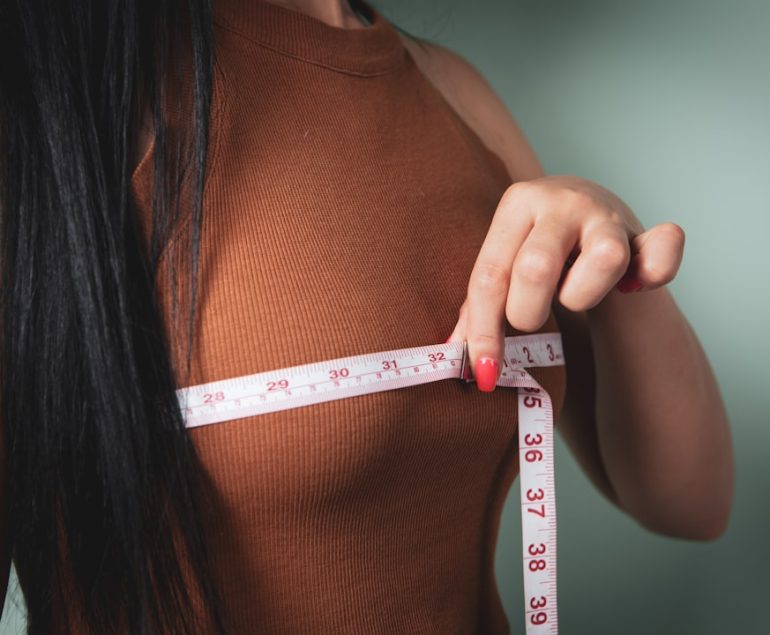
- Body measurements (waist, hips, thighs) for a more comprehensive view.
- Progress photos every 4–6 weeks.
- SMART goals – Specific, Measurable, Achievable, Relevant, Time‑bound.
- Example: “I will add 15 minutes of strength training three times per week for the next month.”
Actionable tip: Stabilize blood sugar by pairing carbs with protein or healthy fats, get 7–9 hours of sleep, and practice stress‑reduction techniques (e.g., deep breathing, meditation).
—
2. Building a Nutrition Plan That Fuels Fat Loss
2.1 Choose Whole, Nutrient‑Dense Foods
Processed snacks are calorie‑dense but nutrient‑poor. Swap them for whole foods that keep you satisfied longer:
These foods provide the vitamins, minerals, and satiety signals your body craves while staying within your calorie budget.
2.2 Master the Power of Protein
Protein is the cornerstone of a weight‑loss diet for three reasons:
1. Thermic effect: Your body burns more calories digesting protein than carbs or fat.
2. Satiety: Protein‑rich meals keep hunger at bay for longer.
3. Muscle preservation: When you’re in a calorie deficit, adequate protein protects lean tissue.
Goal: Aim for 0.8–1.0 g of protein per pound of body weight (1.8–2.2 g/kg). For a 150‑lb individual, that’s 120–150 g of protein daily.
2.3 Smart Carb Strategies – Not All Carbs Are Created Equal
Carbohydrates fuel high‑intensity workouts and brain function, but timing and quality matter:
Carb cycling can be useful for athletes: higher carb days on intense training days, lower carbs on rest days.
2.4 Healthy Fats – The “Good” Fat Myth Debunked
Fat is essential for hormone production, including the hormones that regulate weight. Include sources like:
Keep total fat intake around 25–35 % of total calories.
2.5 Practical Meal‑Prep Hacks
1. Batch‑cook proteins (grill chicken, bake tofu) on Sundays.
2. Portion out veggies into zip‑lock bags for quick stir‑fries.
3. Use a digital food scale for accurate portion control.
4. Prep snack packs of nuts, fruit, or Greek yogurt to avoid impulse purchases.
—
3. Exercise: The Dynamic Duo of Cardio and Strength
3.1 Why Cardio Alone Isn’t Enough
Steady‑state cardio (jogging, cycling) burns calories during the activity, but the afterburn effect (EPOC – excess post‑exercise oxygen consumption) is modest. Relying solely on cardio can also lead to muscle loss if protein intake is insufficient.
3.2 Strength Training – Preserve and Build Muscle
Resistance training is the most effective way to boost metabolism because muscle tissue burns more calories at rest than fat. Aim for 3–4 sessions per week, focusing on compound movements:
| Exercise | Primary Muscles | Why It Works |
|———-|—————-|————–|
| Squats | Quads, glutes, core | Engages large muscle groups, high calorie burn |
| Deadlifts | Hamstrings, back, glutes | Full‑body activation |
| Bench Press | Chest, shoulders, triceps | Upper‑body strength |
| Pull‑ups/Rows | Back, biceps | Improves posture & functional strength |
| Overhead Press | Shoulders, core | Enhances stability |
Actionable tip: Start with 3 sets of 8–12 reps per exercise, progressively increasing weight as you become comfortable.
3.3 High‑Intensity Interval Training (HIIT) for Time‑Pressed Individuals
HIIT alternates short bursts of maximal effort with brief recovery periods. A typical 20‑minute HIIT session can torch calories, elevate EPOC, and preserve muscle mass.
Sample HIIT circuit (30 seconds work / 15 seconds rest, repeat 4 rounds):
1. Jump squats
2. Push‑up to shoulder tap
3. Mountain climbers
4. Kettlebell swings
Finish with a 2‑minute cool‑down stretch.
3.4 Active Recovery – The Secret Weapon
Rest days don’t have to mean couch‑potato mode. Light activities like walking, yoga, or gentle swimming improve circulation, reduce soreness, and keep metabolism humming.
—
4. Lifestyle Factors That Accelerate Fat Loss
4.1 Sleep – The Underrated Fat‑Burner
Studies show that 7–9 hours of quality sleep per night supports leptin production (fullness hormone) and reduces ghrelin (hunger hormone). Sleep deprivation can increase cravings for high‑carb, high‑fat foods.
Sleep hygiene checklist:
4.2 Stress Management
Chronic stress elevates cortisol, which encourages visceral fat storage and can trigger emotional eating.
Stress‑reduction techniques:
4.3 Hydration – More Than Just Thirst Quenching
Water supports metabolism, digestion, and satiety. Drinking ½ liter (≈2 cups) of water before meals can reduce calorie intake by up to 13 %.
Tip: Carry a reusable bottle and set reminders to sip every hour.
4.4 Tracking Progress Without Obsessing
Avoid daily scale fixation; weight fluctuates due to water, glycogen, and hormonal shifts.
—
5. Overcoming Common Plateaus and Staying Motivated
5.1 Why Plateaus Happen
When you lose weight, your TDEE drops because a lighter body requires fewer calories. If you keep the same calorie deficit, progress stalls.
Solution: Re‑calculate your TDEE after every 5–10 lb loss and adjust your intake accordingly.
5.2 Mini‑Refeeds and Diet Breaks
A refeed day (increase carbs by 20–30 % for 1–2 days) can replenish glycogen, boost leptin, and reset metabolism.
Diet break: Take a 1‑week “maintenance” period after 8–12 weeks of dieting to give hormones a breather.
5.3 Keep the Momentum with Goal Setting
5.4 Community and Accountability
Join a supportive group—online forums, local fitness clubs, or a buddy system. Sharing successes and challenges makes the journey less lonely and more sustainable.
—
Conclusion – Your Roadmap to Lasting Weight Loss
Weight loss isn’t a quick fix; it’s a lifestyle transformation built on balanced nutrition, consistent movement, and mindful habits. By understanding the science of calories, metabolism, and hormones, you can craft a personalized plan that fits your life.
Key takeaways:
1. Create a modest calorie deficit (250–500 cal/day) and monitor it with reliable tools.
2. Prioritize protein (0.8–1 g per lb) and whole, nutrient‑dense foods to stay full and preserve muscle.
3. Combine strength training with cardio or HIIT to maximize calorie burn while protecting lean mass.
4. Optimize sleep, manage stress, and stay hydrated—these “invisible” factors dramatically affect weight loss.
5. Expect plateaus, adjust calories as you shed pounds, and use refeed days or diet breaks to keep metabolism humming.
Remember, the most successful weight‑loss journeys are those that become habitual, not temporary. Start with one small change today—whether it’s swapping sugary soda for water or adding a 15‑minute walk after dinner—and build momentum from there. Your future, healthier self will thank you.
—
Ready to take the first step? Download our free “7‑Day Healthy Meal Planner” and start tracking your progress with confidence!