—
Introduction – Why Nutrition Is the Real Super‑Power We All Need
Imagine you have a high‑performance sports car, but you keep filling the tank with cheap gasoline. No matter how polished the engine is, the car will sputter, stall, or even break down. The same principle applies to our bodies. Nutrition is the premium fuel that keeps every system—brain, heart, muscles, immune defenses—running at its best.
In today’s fast‑paced world, we’re bombarded with diet trends, miracle “detox” teas, and endless snack options that promise quick fixes. Yet the science of nutrition is remarkably simple: provide the right balance of macronutrients (carbohydrates, proteins, fats) and micronutrients (vitamins, minerals) from whole, minimally processed foods, and your body will reward you with steady energy, sharper focus, and a stronger immune shield.
This post will cut through the noise. Over the next several sections you’ll discover:
1. How to decode macronutrients and use them strategically.
2. Why micronutrients matter more than you think.
3. A step‑by‑step method to build a balanced meal plan that fits any lifestyle.
4. Common nutrition myths debunked with evidence‑based facts.
5. Actionable, everyday tips you can start using right now.
Ready to fuel your life with the nutrition it deserves? Let’s dive in.
—
1. Mastering Macronutrients: The Building Blocks of a Balanced Diet
1.1 Carbohydrates – The Body’s Preferred Energy Source
Carbohydrates often get a bad rap, but they’re essential for brain function, high‑intensity exercise, and even fat metabolism. The key is quality over quantity.
| Good Carbs (Complex) | Why They’re Beneficial |
|———————-|————————|
| Whole grains (quinoa, oats, brown rice) | Provide steady glucose release and fiber |
| Legumes (lentils, chickpeas) | High in protein + fiber, support satiety |
| Starchy veggies (sweet potatoes, squash) | Rich in vitamins A & C, low glycemic load |
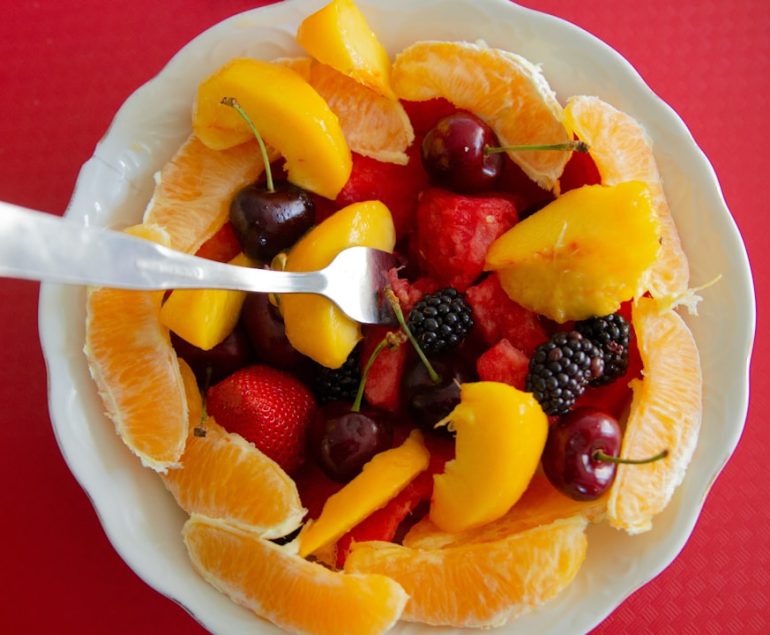
| Fruit (berries, apples, oranges) | Natural sugars paired with antioxidants |
Actionable tip: Swap refined white bread or sugary cereals for a bowl of steel‑cut oats topped with fresh berries and a sprinkle of nuts. This simple switch adds fiber, slows glucose spikes, and keeps you full longer.
1.2 Protein – The Repair Crew
Protein is the “repair crew” that rebuilds muscle tissue, supports hormone production, and fuels the immune system. Aim for 0.8–1.2 g of protein per kilogram of body weight daily, adjusting upward if you’re strength‑training or in a calorie deficit.
Top protein sources (complete & plant‑based):
- Animal: Chicken breast, turkey, lean beef, eggs, Greek yogurt, wild‑caught fish (salmon, sardines).
- Plant: Tempeh, tofu, edamame, quinoa, hemp seeds, pea protein powder.
- Calculate your daily calories (e.g., 2,200 kcal).
- Carbs: 40 % → 880 kcal ÷ 4 kcal/g = 220 g.
- Protein: 30 % → 660 kcal ÷ 4 kcal/g = 165 g.
- Fat: 30 % → 660 kcal ÷ 9 kcal/g = 73 g.
- Calcium – Bone health, muscle contraction (dairy, fortified plant milks, leafy greens).
- Magnesium – Sleep, stress regulation, enzyme function (pumpkin seeds, dark chocolate, bananas).
- Iron – Oxygen transport (red meat, lentils, spinach with vitamin C to improve absorption).
- Zinc – Immune function, wound healing (oysters, beef, chickpeas).
- Turmeric (curcumin) – Anti‑inflammatory; add to soups or smoothies.
- Green tea (EGCG) – Metabolism support; sip 2–3 cups daily.
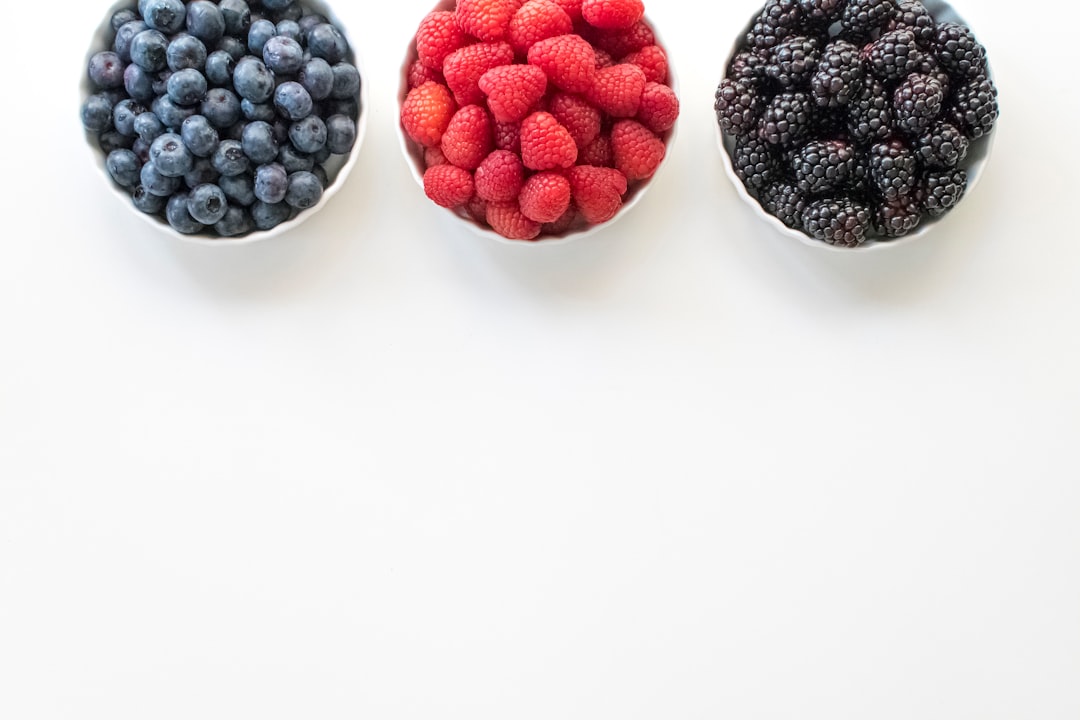
- Berries (anthocyanins) – Brain health; enjoy as a snack or topping.
- Hand method:
- Plate size: Use a 9‑inch plate; filling half with veggies automatically limits calorie density.
- Pre‑portion snacks: Divide nuts, seeds, or dried fruit into single‑serve bags to avoid mindless over‑eating.
Actionable tip: Include a protein source in every meal and snack. For example, add a hard‑boiled egg to a salad, blend a scoop of pea protein into a morning smoothie, or sprinkle roasted chickpeas over roasted veggies.
1.3 Fats – The Unsung Heroes
Healthy fats are vital for hormone balance, brain health, and the absorption of fat‑soluble vitamins (A, D, E, K). Not all fats are created equal.
| Healthy Fats | Sources | Benefits |
|————–|———|———-|
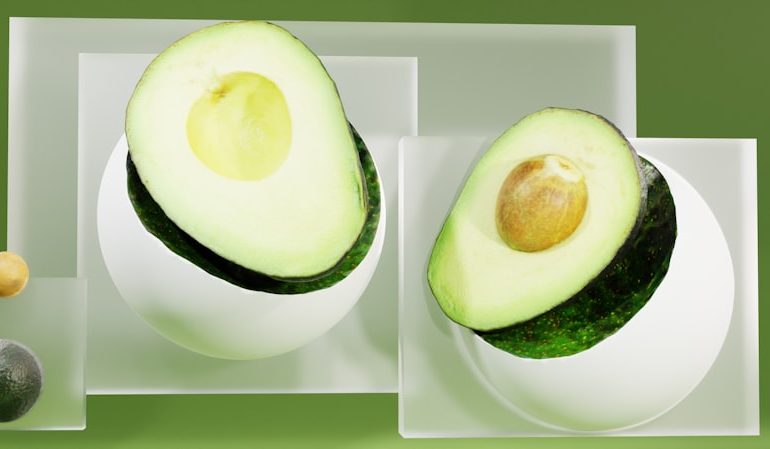
| Monounsaturated | Olive oil, avocados, almonds | Improves cholesterol, anti‑inflammatory |
| Polyunsaturated (Omega‑3) | Fatty fish, flaxseed, walnuts | Supports heart health, brain function |
| Saturated (in moderation) | Coconut oil, grass‑fed butter | Energy source, hormone synthesis (choose quality) |
Actionable tip: Replace a tablespoon of butter with extra‑virgin olive oil when sautéing vegetables. Drizzle a teaspoon of flaxseed oil over a finished salad for an Omega‑3 boost that won’t degrade from heat.
1.4 Balancing the Plate – The 40/30/30 Rule (A Simple Starting Point)
For many people, a practical macronutrient split is 40 % carbs, 30 % protein, 30 % fat. This ratio provides enough carbohydrate for energy, sufficient protein for muscle maintenance, and enough healthy fat for satiety and hormone health.
How to apply it:
Use a food‑tracking app for the first week to see where you stand, then adjust portions until you hit the targets. Over time you’ll develop an intuitive feel for portion sizes.
—
2. Micronutrients Matter: Vitamins, Minerals, and the Little Things That Make a Big Difference
2.1 The Vitamin Checklist – What Your Body Can’t Do Without
| Vitamin | Primary Function | Food Sources |
|———|——————-|————–|
| Vitamin A (beta‑carotene) | Vision, immune health | Carrots, sweet potatoes, kale |
| Vitamin C | Antioxidant, collagen synthesis | Citrus, strawberries, bell peppers |
| Vitamin D | Calcium absorption, mood regulation | Sunlight, fortified dairy, fatty fish |
| Vitamin E | Cell membrane protection | Almonds, sunflower seeds, spinach |
| B‑Complex (B6, B12, folate) | Energy metabolism, red blood cell formation | Whole grains, legumes, meat, leafy greens |
Actionable tip: Build a “rainbow plate” at each meal—include at least three colors (e.g., red tomato, orange carrot, green spinach). This visual cue naturally diversifies your vitamin intake.
2.2 Minerals – The Structural Support System
Actionable tip: Pair iron‑rich plant foods with a source of vitamin C (e.g., lentil soup with a squeeze of lemon) to boost absorption by up to 300 %.
2.3 Phytonutrients – The “Super‑Foods” Beyond Vitamins
Phytonutrients like flavonoids, polyphenols, and carotenoids act as powerful antioxidants. While not essential in the same way as vitamins, they reduce inflammation and protect against chronic disease.
Actionable tip: Keep a small stash of frozen mixed berries in the freezer. Toss a handful into morning oatmeal or a post‑workout protein shake for an effortless phytonutrient boost.
—
3. Building a Balanced Meal Plan – From Theory to Your Kitchen
3.1 The “Plate Method” Simplified
1. Half the plate – non‑starchy vegetables (broccoli, peppers, leafy greens).
2. One quarter – lean protein (chicken, tofu, fish).
3. One quarter – complex carbs (brown rice, quinoa, sweet potato).
4. Add a healthy fat (olive oil drizzle, avocado slices).
This visual guide works whether you’re cooking at home or ordering at a restaurant.
3.2 Sample 7‑Day Meal Blueprint (≈2,000 kcal/day)
| Day | Breakfast | Lunch | Dinner | Snack |
|—–|———–|——-|——–|——-|
| Mon | Greek yogurt + berries + 1 tbsp chia | Quinoa salad w/ chickpeas, cucumber, feta, olive oil | Grilled salmon, roasted Brussels sprouts, sweet potato | Apple + 10 almonds |
| Tue | Oatmeal + banana + walnut butter | Turkey wrap (whole‑grain tortilla, lettuce, avocado) | Stir‑fry tofu, mixed veg, brown rice | Carrot sticks + hummus |
| Wed | Smoothie (spinach, frozen mango, pea protein, almond milk) | Lentil soup + side mixed greens | Baked chicken thigh, quinoa pilaf, steamed green beans | Greek yogurt + honey |
| Thu | Scrambled eggs (2) + sautéed mushrooms + whole‑grain toast | Tuna salad (olive oil mayo) over mixed greens | Beef kebabs, grilled zucchini, couscous | Dark chocolate (1‑2 squares) |
| Fri | Cottage cheese + pineapple + flaxseed | Veggie‑loaded whole‑grain pasta with marinara | Shrimp tacos (corn tortillas, cabbage slaw, lime) | Handful of mixed nuts |
| Sat | Protein pancakes (oat flour) + berries | Buddha bowl (brown rice, roasted chickpeas, avocado, tahini) | Turkey meatballs, spaghetti squash, pesto | Celery + almond butter |
| Sun | Chia pudding (coconut milk) + kiwi | Chicken Caesar salad (Greek yogurt dressing) | Grilled swordfish, quinoa salad, roasted carrots | Protein bar (low sugar) |
How to use this: Pick a day, shop the ingredient list, prep in bulk (cook grains, roast veggies, portion proteins). Store in airtight containers for quick assembly throughout the week.
3.3 Portion Control Hacks
– Palm = protein portion (≈3‑4 oz).
– Fist = carbs (½ cup cooked grains or starchy veg).
– Thumb = healthy fat (1 tbsp oil or nut butter).
3.4 Adjusting for Specific Goals
| Goal | Calorie Adjustment | Macro Tweaks |
|——|——————–|————–|
| Weight loss | -10‑20 % of maintenance calories | Increase protein to 35 %, keep carbs 30‑35 % |
| Muscle gain | +10‑15 % of maintenance calories | Boost carbs to 45 %, protein 30 % |
| Endurance training | Slight surplus or maintenance | Carbs 50‑55 % for glycogen, protein 20‑25 % |
| Gut health | Maintenance | Add prebiotic fibers (onion, garlic, chicory) + probiotic foods (yogurt, kefir, fermented veg) |
Actionable tip: If you’re unsure of your maintenance calories, start with the Mifflin‑St Jeor equation, then track for a week. Adjust based on weight trends (½ kg per week is a safe target).
—
4. Nutrition Myths Debunked – What Science Actually Says
| Myth | Reality |
|——|———-|
| “Carbs make you gain weight.” | Weight gain is caused by a calorie surplus, not carbs per se. Complex carbs provide essential fiber and energy for brain function. |
| “You need to eat meat to get enough protein.” | Plant proteins (beans, lentils, quinoa, soy) can meet and exceed protein needs when combined properly. |
| “All fats are bad.” | Saturated fats in moderation (e.g., from grass‑fed dairy) are fine; the problem lies with trans‑fats and excessive processed vegetable oils. |
| “Detox diets cleanse your body.” | The liver and kidneys already detoxify efficiently. Extreme fasting can actually stress these organs. |
| “Gluten‑free is healthier for everyone.” | Only those with celiac disease or gluten sensitivity benefit. Gluten‑free processed foods can be lower in fiber and higher in sugar. |
| “You must drink 8 glasses of water a day.” | Hyd