—
Introduction – Why “Another Diet” Doesn’t Have to Be a Guessing Game
You’ve probably heard the phrase “diet is what you eat” a thousand times, yet the word “diet” still feels like a synonym for restriction, cravings, and the dreaded yo‑yo cycle. The truth is, a diet plan isn’t a temporary punishment; it’s a personalized roadmap that aligns your food choices with your life goals—whether that’s shedding a few pounds, fueling a marathon, or simply feeling more energetic day‑to‑day.
In 2024, the conversation has shifted from “quick fixes” to sustainable nutrition. Science‑backed research, real‑world meal‑prep hacks, and a deeper understanding of macronutrients, micronutrients, and behavioral psychology have made it possible to create a diet plan that fits you—not the other way around.
In this comprehensive guide, we’ll break down everything you need to know to design a diet plan that works for your body, schedule, and preferences. Grab a cup of tea (or a protein‑rich smoothie) and let’s dive in!
—
1. Understanding Your Nutritional Foundations
1.1. What Your Body Actually Needs
Before you count calories or pick a meal‑prep container, ask yourself: What does my body need to thrive? The answer lies in the three core macronutrients—carbohydrates, proteins, and fats—plus a host of micronutrients (vitamins, minerals, phytonutrients).
| Nutrient | Primary Role | Best Food Sources |
|———-|————–|——————-|
| Carbohydrates | Energy (especially for the brain & muscles) | Whole grains, fruits, starchy vegetables, legumes |
| Protein | Muscle repair, hormone production, satiety | Lean meats, fish, eggs, dairy, tofu, beans |
| Fats | Hormone balance, cell structure, absorption of fat‑soluble vitamins | Avocado, nuts, seeds, olive oil, fatty fish |
| Fiber | Gut health, blood‑sugar regulation | Whole grains, beans, fruits, veggies |
| Vitamins & Minerals | Metabolic pathways, immune support | Colorful produce, nuts, seeds, fortified foods |
A balanced diet doesn’t mean each meal must contain the exact same gram amounts of each macronutrient; instead, it means your daily intake should reflect the proportions that support your activity level and goals.
1.2. Calculating Your Calorie Needs (The Science of Energy Balance)
The simplest formula to estimate maintenance calories is the Mifflin‑St Jeor Equation:
- For women:
- For men:
- BMR = (10 × 68) + (6.25 × 165) – (5 × 30) – 161 = 1,433 kcal
- Maintenance calories = 1,433 × 1.55 ≈ 2,222 kcal
- ½ Plate – Non‑starchy vegetables (leafy greens, broccoli, peppers)
- ¼ Plate – Whole grains or starchy veggies (brown rice, quinoa, sweet potatoes)
- ¼ Plate – Lean protein (fish, poultry, legumes, tofu)
- A Small Side – Healthy fats (olive oil, avocado, nuts)
- A Glass – Water or unsweetened beverage
- Swap proteins: If you’re vegetarian, replace animal proteins with tempeh, seitan, or a larger portion of legumes.
- Seasonal produce: Use whatever is in season to keep costs low and flavor high.
- Batch cooking: Cook a big pot of quinoa or brown rice on Sunday; portion into containers for the week.
- Scout the Menu Ahead: Most restaurants post nutritional info online; choose a dish that aligns with your macro goals.
- Control Portion Size: Ask for a to‑go box at the start; place half of the meal in it before you begin.
- Customize: Swap fries for a side salad, request sauces on the side, or ask for grilled instead of fried.
- Mindful Choices: Slow down, chew thoroughly, and savor flavors—this reduces the tendency to over‑eat.
- Body measurements (waist, hips, thighs) – often change before the scale moves.
- Photos – take a front, side, and back photo every 4‑6 weeks.
- Energy levels – a simple daily rating (1‑10) can highlight nutritional gaps.
- Performance – note improvements in strength, endurance, or flexibility.
[
text{BMR} = (10 times text{weight in kg}) + (6.25 times text{height in cm}) – (5 times text{age}) – 161
]
[
text{BMR} = (10 times text{weight in kg}) + (6.25 times text{height in cm}) – (5 times text{age}) + 5
]
Multiply the resulting Basal Metabolic Rate (BMR) by an activity factor:
| Activity Level | Multiplier |
|—————-|————|
| Sedentary (little or no exercise) | 1.2 |
| Lightly active (light exercise/sports 1‑3 days/week) | 1.375 |
| Moderately active (moderate exercise 3‑5 days/week) | 1.55 |
| Very active (hard exercise 6‑7 days/week) | 1.725 |
| Extra active (very hard daily training or physical job) | 1.9 |
Example: A 30‑year‑old woman, 165 cm tall, 68 kg, moderately active:
From there, decide whether you want a calorie deficit (for weight loss), maintenance, or a surplus (for muscle gain). A safe deficit is -500 to -750 kcal/day, which typically yields 0.5–1 lb of weight loss per week.
1.3. Macro Ratios—Finding the Sweet Spot
| Goal | Typical Carb % | Typical Protein % | Typical Fat % |
|——|—————-|——————-|—————|
| Weight loss (moderate) | 40‑45% | 25‑30% | 30‑35% |
| Muscle building (lean bulk) | 40‑45% | 30‑35% | 20‑25% |
| Endurance training | 50‑55% | 15‑20% | 25‑30% |
| General health/maintenance | 45‑50% | 20‑25% | 30‑35% |
These ratios are starting points. The best macro split is the one you can adhere to without feeling deprived. Use a tracking app (e.g., MyFitnessPal, Cronometer) for a week to see where you naturally fall, then adjust toward your target.
—
2. Building a Balanced, Real‑World Meal Plan
2.1. The “Plate” Method – A Visual Shortcut
If numbers overwhelm you, the Harvard Healthy Eating Plate is a practical visual guide:
Aim to fill your plate with colors—different pigments often mean diverse phytonutrients.
2.2. Sample 7‑Day Meal Blueprint (≈2,200 kcal/day)
Below is a flexible template you can swap ingredients around while keeping the macro ratios intact. All meals are ≈400‑550 kcal and 30‑35 g protein each.
| Day | Breakfast | Lunch | Snack | Dinner |
|—–|———–|——-|——-|——–|
| Mon | Greek yogurt (200 g) + ½ cup berries + 1 tbsp chia seeds | Quinoa salad with chickpeas, cucumber, tomato, feta, olive oil | Apple + 15 g almonds | Grilled salmon (150 g) + roasted Brussels sprouts + sweet potato mash |
| Tue | Oatmeal (½ cup dry) + whey protein scoop + banana + cinnamon | Turkey wrap (whole‑grain tortilla) + mixed greens + hummus + side of carrot sticks | Cottage cheese (½ cup) + pineapple chunks | Stir‑fry tofu (150 g) + mixed bell peppers + brown rice (¾ cup) |
| Wed | Smoothie: spinach, frozen mango, protein powder, almond milk, flaxseed | Lentil soup (1 cup) + mixed greens salad with avocado + whole‑grain roll | Greek yogurt (plain) + 1 tbsp honey | Baked chicken thighs (2 small) + quinoa pilaf + steamed broccoli |
| Thu | Scrambled eggs (2) + sautéed mushrooms + whole‑grain toast | Tuna salad (canned in water) + mixed veggies + olive oil vinaigrette | Protein bar (≈200 kcal) | Beef kebabs (150 g lean) + couscous + grilled zucchini |
| Fri | Cottage cheese bowl with sliced peach, walnuts, and a drizzle of maple syrup | Veggie‑laden whole‑grain pasta (whole‑grain spaghetti, marinara, spinach, olives) | Edamame (1 cup) | Baked cod (150 g) + cauliflower rice + roasted carrots |
| Sat | Protein pancakes (banana‑oat blend) + berries + Greek yogurt | Chicken Caesar salad (light dressing, romaine, grilled chicken, parmesan, whole‑grain croutons) | Dark chocolate (20 g) + a handful of strawberries | Veggie‑filled omelet (3 eggs) + side of sweet potato hash |
| Sun | Avocado toast (whole‑grain bread) + poached egg + salsa | Black bean burrito bowl (brown rice, black beans, corn, salsa, lime, cilantro) | Smoothie: kefir, frozen berries, protein powder | Turkey meatballs (150 g) + spaghetti squash + marinara sauce |
Tips for customization
2.3. Meal‑Prep Strategies That Save Time (and Money)
| Strategy | How to Implement | Time Saved |
|———-|——————|————|
| Batch‑Cook Grains & Legumes | Cook 3‑4 cups of quinoa, rice, or lentils on the weekend; store in portioned containers. | 30‑45 min weekly |
| Pre‑Chop Veggies | Slice carrots, peppers, and cucumbers; keep in water‑filled jars for crispness. | 15‑20 min daily |
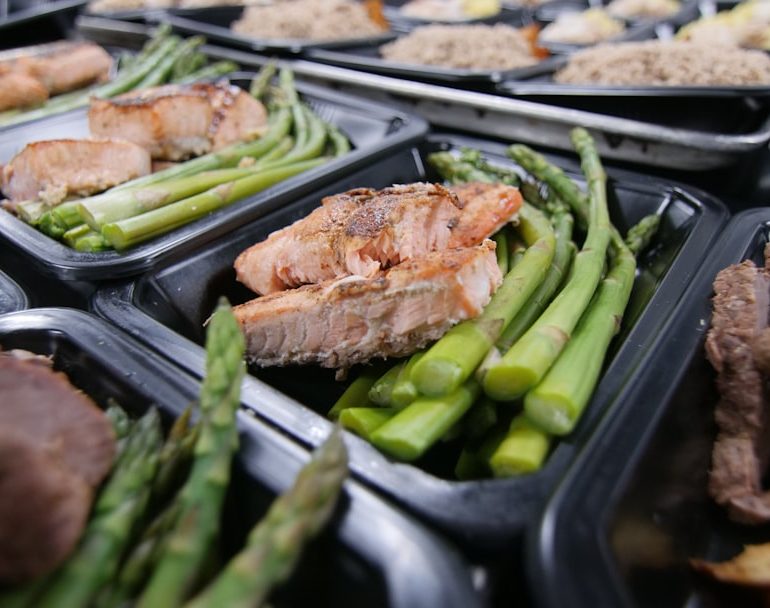
| Portion‑Control Containers | Use 4‑compartment containers (protein, carbs, veg, fats) for each meal. | Eliminates guesswork |
| Freezer‑Friendly Meals | Prepare soups, chili, and casseroles in bulk; freeze in individual servings. | 20‑30 min cooking on busy days |
| One‑Pot/Sheet‑Pan Dinners | Toss protein + veggies + seasoning on a sheet pan; roast at 200 °C (400 °F). | Minimal cleanup |
Remember, the goal is consistency, not perfection. Even a couple of prep sessions a week can dramatically improve adherence.
—
3. Staying on Track – Practical Tips for Real‑Life Challenges
3.1. Managing Hunger and Cravings
1. Prioritize Protein & Fiber: Both increase satiety hormones (like peptide YY). Aim for 20‑30 g protein and ≥10 g fiber per meal.
2. Hydration Hack: Sometimes thirst masquerades as hunger. Drink a glass of water before reaching for a snack.
3. The 10‑Minute Rule: When a craving hits, wait 10 minutes. Many urges fade once the brain registers that the need isn’t urgent.
4. Healthy “Cheat” Swaps: If you’re craving chocolate, opt for 70% cacao squares (≤2 pieces) or cocoa‑dusted almonds—still satisfying but lower in sugar.
3.2. Eating Out Without Derailing Your Plan
3.3. Social Events & Holiday Meals
| Situation | Strategy |
|———–|———-|
| Family gatherings | Bring a healthy dish you love; you’ll have at least one guaranteed nutritious option. |
| Work parties | Eat a balanced snack (e.g., a protein bar) 1‑2 hours before to avoid over‑indulging. |
| Travel | Pack portable snacks like roasted chickpeas, nuts, or a protein shake powder. |
| Celebrations | Use the “80/20 rule”—enjoy 20% of the indulgent foods, keep 80% of the meal nutrient‑dense. |
3.4. Tracking Progress Beyond the Scale
Weight is just one metric. For a holistic view, track:
Use a simple journal or a digital app