Title: Unlocking the Power of Movement: 10 Proven Benefits of Exercise and How to Make Them Work for You

Introduction – The Surprising Reason You’ll Want to Move Today

Imagine feeling more energetic after a short walk, sleeping like a baby after a quick jog, and tackling stressful meetings with a calm, clear mind—all without a single pill. Sounds like a dream, right? The truth is, this isn’t fantasy—it’s the everyday reality of people who harness the benefits of exercise.

Physical activity isn’t just a chore on a to‑do list; it’s a natural, science‑backed prescription for a longer, healthier, and happier life. In the next 2,000 words, we’ll dive deep into the most compelling health benefits of exercise, break down how they affect your body and mind, and give you actionable steps to turn those benefits into habit. Whether you’re a seasoned gym‑goer or someone who’s never set foot on a treadmill, you’ll walk away with a clear, practical roadmap to make regular exercise work for you.

1. Physical Health Benefits: From Heart Health to Stronger Muscles

1.1 Boosts Cardiovascular Fitness

One of the most celebrated exercise benefits is a stronger heart. When you engage in aerobic activities—like brisk walking, cycling, or swimming—your heart pumps more efficiently, delivering oxygen-rich blood to muscles and organs. Over time, this leads to:

  • Lower resting heart rate – your heart doesn’t need to work as hard when you’re at rest.
  • Reduced blood pressure – regular cardio can shave off 5‑10 mmHg, a significant drop for those at risk of hypertension.
  • Improved cholesterol profile – HDL (“good”) cholesterol rises while LDL (“bad”) cholesterol drops, lowering the risk of plaque buildup.
  • Actionable tip: Aim for 150 minutes of moderate‑intensity cardio per week (e.g., 30 minutes, five days a week). Use a smartwatch or phone app to track minutes and keep yourself accountable.

    1.2 Strengthens Muscles and Bones

    Resistance training—think weightlifting, bodyweight exercises, or resistance‑band workouts—does more than sculpt a toned physique. It triggers muscle protein synthesis, which:

  • Increases lean muscle mass, boosting metabolism and helping you burn more calories at rest.
  • Enhances bone density, reducing the risk of osteoporosis, especially important for women over 50.
  • Actionable tip: Incorporate two full‑body strength sessions each week. Start with compound movements (squats, push‑ups, rows) and use a weight that lets you complete 8‑12 reps with good form.

    1.3 Regulates Blood Sugar and Supports Weight Management

    Exercise is a powerful tool for controlling blood glucose. Muscle contractions during activity help cells absorb glucose without needing insulin, which can:

  • Lower the risk of type 2 diabetes.
  • Aid weight loss by increasing caloric expenditure and preserving muscle during calorie deficits.
  • Actionable tip: Pair a 30‑minute brisk walk after meals with a balanced plate (protein, fiber, healthy fats). This “post‑meal walk” can blunt blood‑sugar spikes and support digestion.

    2. Mental and Emotional Benefits: The Brain‑Boosting Power of Movement

    2.1 Reduces Stress and Anxiety

    Physical activity triggers the release of endorphins, often called “feel‑good” hormones. These neurochemicals act as natural painkillers and mood elevators, delivering a calming effect that can:

  • Lower cortisol (the stress hormone) levels.
  • Reduce symptoms of generalized anxiety disorder (GAD) and panic attacks.
  • Actionable tip: Try a 10‑minute “stress‑relief circuit”: 2 minutes of jumping jacks, 2 minutes of high‑knees, 2 minutes of yoga sun salutations, repeat. The combination of cardio and mindful movement works double duty for stress.

    2.2 Enhances Cognitive Function and Memory

    Regular aerobic exercise increases blood flow to the brain, promoting the growth of brain‑derived neurotrophic factor (BDNF). BDNF supports:

  • Improved memory consolidation and learning.
  • Slower age‑related cognitive decline, protecting against Alzheimer’s disease.
  • Actionable tip: Incorporate “brain‑boosting intervals”—30 seconds of intense effort (e.g., sprint, burpee) followed by 90 seconds of recovery—twice a week. The high‑intensity bursts stimulate BDNF production more effectively than steady‑state cardio.

    2.3 Improves Mood and Fights Depression

    Exercise is a proven adjunct treatment for depression. Consistent activity can:

  • Elevate serotonin and dopamine levels, neurotransmitters linked to happiness and motivation.
  • Provide a sense of accomplishment and self‑efficacy, combating negative thought patterns.
  • Actionable tip: Schedule a “mood‑lifting workout” on days you feel low—choose an activity you enjoy (dance, cycling, gardening). Even 20 minutes can shift your emotional baseline.

    3. Longevity and Disease Prevention: Adding Years to Your Life

    3.1 Lowers Risk of Chronic Diseases

    A robust body of research shows that people who engage in regular physical activity have a 30‑40% lower risk of developing chronic conditions such as:

  • Heart disease – the leading cause of death worldwide.
  • Certain cancers – notably breast, colon, and prostate cancers.
  • Metabolic syndrome – a cluster of risk factors including high blood pressure, high blood sugar, excess abdominal fat, and abnormal cholesterol levels.
  • Actionable tip: Adopt a “mix‑and‑match” weekly routine: 2 days of cardio, 2 days of strength, 1 day of flexibility/mobility work (e.g., yoga). Variety hits multiple health pathways simultaneously.

    3.2 Extends Lifespan and Improves Quality of Life

    Studies from the Harvard Alumni Health Study and the Nurses’ Health Study reveal that regular exercisers live up to 5 years longer than sedentary peers. Moreover, they experience:

  • Better functional independence in later years (easier to climb stairs, carry groceries).
  • Reduced incidence of falls due to improved balance and muscle strength.
  • Actionable tip: Focus on functional movements—lunges, step‑ups, and core stabilization exercises—that mimic daily activities. This prepares your body for real‑world tasks and preserves independence.

    3.3 Enhances Immune System Function

    Moderate exercise acts like a vaccine for your immune system. It:

  • Increases circulation of immune cells (natural killer cells, T‑cells) that patrol for pathogens.
  • Reduces inflammation, a key driver of many chronic illnesses.
  • Actionable tip: Keep your workouts moderate, not excessive. Overtraining can suppress immunity, so aim for a balanced schedule and prioritize recovery (sleep, hydration, nutrition).

    4. Building a Sustainable Exercise Routine: From Planning to Habit

    4.1 Set SMART Goals

    Your fitness journey should start with SMART (Specific, Measurable, Achievable, Relevant, Time‑bound) goals. Instead of “I want to get fit,” try:

  • “I will walk briskly for 30 minutes, five days a week, for the next 4 weeks.”
  • Actionable tip: Write your goal in a journal or phone note, and revisit it weekly. Adjust if needed, but keep the structure clear.

    4.2 Choose Activities You Enjoy

    Enjoyment is the single biggest predictor of adherence. Whether it’s dancing, hiking, swimming, or playing a sport, fun fuels consistency.

    Actionable tip: Create a “joy list” of 5–7 activities. Rotate through them each week to keep things fresh and prevent boredom.

    4.3 Schedule Workouts Like Appointments

    Treat your exercise sessions as non‑negotiable meetings. Block out time on your calendar, set reminders, and protect those slots.

    Actionable tip: Use the “two‑minute rule”—if you’re tempted to skip, commit to just two minutes of activity. You’ll often find the momentum carries you through the full session.

    4.4 Track Progress and Celebrate Wins

    Data fuels motivation. Use a fitness tracker, spreadsheet, or simple notebook to record:

  • Duration, intensity, and type of each workout.
  • How you felt before and after (energy level, mood).
  • Actionable tip: Celebrate milestones (e.g., 10‑workout streak, 5 kg weight loss) with non‑food rewards: a new workout outfit, a massage, or a weekend hike.

    4.5 Prioritize Recovery

    Recovery isn’t a luxury; it’s a necessity for long‑term success. Include:

  • Sleep: 7‑9 hours per night to support muscle repair and hormone balance.
  • Nutrition: Protein (0.8‑1 g per kg body weight) for muscle synthesis; carbs to replenish glycogen.
  • Active recovery: Light activities like walking or gentle yoga on rest days.

Actionable tip: Schedule at least one “rest day” per week and a 30‑minute mobility session after each strength workout.

5. Overcoming Common Barriers: Making Exercise Work for a Busy Life

5.1 “I Don’t Have Time”

Solution: Break workouts into micro‑sessions. Three 10‑minute bouts spread throughout the day equal a full 30‑minute workout.

5.2 “I’m Too Tired”

Solution: Exercise actually boosts energy. Start with low‑intensity movement (e.g., a 5‑minute walk) to jump‑start circulation and combat fatigue.

5.3 “I Feel Self‑Conscious at the Gym”

Solution: Begin at home with bodyweight exercises or follow free online classes. As confidence grows, transition to a gym environment that feels welcoming.

5.4 “I Don’t See Results Quickly”

Solution: Focus on process metrics (consistency, mood, sleep quality) rather than only scale weight. Results compound over weeks and months.

5.5 “I’m Injured or Have a Health Condition”

Solution: Consult a healthcare professional for a personalized exercise prescription. Low‑impact options like swimming, water aerobics, or seated strength work can still deliver massive benefits.

Conclusion – Your Roadmap to a Healthier, Happier You

The benefits of exercise extend far beyond a slimmer waistline. From a resilient heart and stronger bones to sharper cognition and a brighter mood, regular physical activity is a cornerstone of holistic well‑being. The science is clear: moving your body consistently adds years to your life and, more importantly, improves the quality of those years.

Key Takeaways

1. Physical health: Cardiovascular fitness, muscle strength, bone density, and blood‑sugar regulation are all amplified by regular activity.
2. Mental health: Exercise reduces stress, fights depression, and enhances memory and focus through hormone and neurotrophic pathways.
3. Longevity: Consistent movement lowers chronic disease risk, strengthens immunity, and preserves functional independence as you age.
4. Sustainable habits: Set SMART goals, choose enjoyable activities, schedule workouts, track progress, and prioritize recovery.
5. Barrier busting: Use micro‑sessions, start low‑intensity, work out at home, focus on process metrics, and adapt to health limitations.

Remember, the journey isn’t about perfection; it’s about progress. Start small, stay consistent, and let the science‑backed benefits of exercise transform your body, mind, and life. Your future self will thank you—one step, one rep, one breath at a time.

Ready to move? Pick one activity from your joy list, set a 7‑day challenge, and experience the first wave of positive change. The path to a healthier you begins now. 🌟

Title: Unlocking the Power of Movement: 10 Proven Benefits of Exercise and How to Make Them Work for You

Hooking You In: Why “Just One More Episode” Isn’t Worth the Cost

We’ve all been there—after a long day, the couch looks like a magnetic field and the next episode of that binge‑worthy series seems like the only sensible choice. Yet, while streaming marathons keep us entertained, they also silently steal precious health capital. The good news? You don’t need to become a marathon‑running Olympian to reap the rewards. Even modest, consistent movement can flip the script on fatigue, stress, and chronic disease. In this post we’ll dive deep into the science‑backed benefits of exercise, translate them into everyday language, and give you concrete, actionable steps to start (or supercharge) your fitness journey today.

1. Boost Your Physical Health: From Heartbeat to Muscle Tone

1.1 Cardiovascular Health – The Lifeline of Longevity

Regular aerobic activity—think brisk walking, cycling, or swimming—strengthens the heart muscle, improves blood vessel elasticity, and lowers resting heart rate. Studies show that just 150 minutes of moderate‑intensity cardio per week can reduce the risk of coronary artery disease by up to 30 %.

Actionable Tips

  • Chunk It Up: Break the 150 minutes into 30‑minute sessions, five days a week.
  • Mix the Pace: Alternate 2 minutes of moderate effort with 1 minute of higher intensity (interval training) to maximize heart‑health benefits in less time.
  • Track Your Beats: Use a smartwatch or phone app to monitor heart rate zones; aim for 50‑70 % of your max heart rate during steady‑state cardio.
  • 1.2 Strength Training – Building a Resilient Body

    Resistance work (weights, resistance bands, body‑weight moves) isn’t just for bodybuilders. It preserves lean muscle mass, enhances bone density, and boosts metabolism—critical factors for weight management and injury prevention. The American College of Sports Medicine recommends two to three full‑body strength sessions per week.

    Actionable Tips

  • Starter Circuit: 3 sets of 12‑15 reps for squats, push‑ups, rows, and planks—no equipment needed.
  • Progressive Overload: Add a small amount of weight (5‑10 lb) or a few extra reps each week to keep muscles adapting.
  • Recovery Ritual: Finish each session with 5‑10 minutes of gentle stretching to aid muscle repair and flexibility.
  • 1.3 Flexibility & Mobility – The Unsung Heroes

    Static stretching, yoga, or dynamic mobility drills keep joints lubricated, improve posture, and reduce the likelihood of strains. Incorporating 10‑15 minutes of flexibility work after each workout can dramatically improve range of motion over time.

    Actionable Tips

  • Morning Flow: 5 minutes of cat‑cow, hip circles, and shoulder rolls to wake up the body.
  • Evening Unwind: 10 minutes of seated forward folds and ankle stretches to release tension before bed.
  • 2. Sharpen Your Mind: Mental Health Benefits That Matter

    2.1 Stress Reduction & Mood Elevation

    Exercise triggers the release of endorphins, dopamine, and serotonin—neurochemicals that act as natural mood elevators. A 30‑minute walk can lower cortisol (the stress hormone) by up to 20 % and improve feelings of well‑being for up to 12 hours post‑activity.

    Actionable Tips

  • Nature Prescription: Schedule a 20‑minute outdoor walk three times a week—green spaces amplify stress‑relief benefits.
  • Mindful Movement: Pair cardio with deep breathing (inhale for 4 counts, exhale for 6) to enhance relaxation.
  • 2.2 Cognitive Boost & Brain Health

    Regular physical activity stimulates neurogenesis (the growth of new brain cells) in the hippocampus, a region essential for memory and learning. Research links consistent aerobic exercise to a 20‑30 % lower risk of age‑related cognitive decline.

    Actionable Tips

  • Brain‑Gym Combo: Combine cardio with coordination drills (e.g., ladder drills, dance steps) to challenge both heart and mind.
  • Learning While Moving: Listen to podcasts or audiobooks during low‑intensity cardio to reinforce new knowledge while you move.
  • 2.3 Better Sleep Quality

    Exercise raises body temperature; the subsequent post‑exercise cooling period signals the body it’s time to rest. People who engage in regular moderate exercise report 30‑60 % faster sleep onset and deeper REM cycles.

    Actionable Tips

  • Timing Matters: Finish vigorous workouts at least 2‑3 hours before bedtime to avoid sleep interference.
  • Evening Stretch: A brief yoga sequence (e.g., child’s pose, legs‑up‑the‑wall) can transition the nervous system toward sleep.
  • 3. Weight Management & Metabolic Mastery

    3.1 Calorie Burning and Metabolic Rate

    While diet often takes the spotlight, exercise is a powerful lever for increasing total daily energy expenditure. Strength training, in particular, elevates resting metabolic rate because muscle tissue burns more calories at rest than fat tissue.

    Actionable Tips

  • Afterburn Effect: Incorporate high‑intensity interval training (HIIT) 1‑2 times weekly; the “EPOC” (excess post‑exercise oxygen consumption) can keep metabolism elevated for up to 48 hours.
  • Fuel Smart: Pair post‑workout meals with protein (20‑30 g) and complex carbs to replenish glycogen and support muscle repair.
  • 3.2 Blood Sugar Regulation

    Aerobic and resistance exercise improve insulin sensitivity, allowing cells to absorb glucose more efficiently. For people with pre‑diabetes, 150 minutes of moderate cardio plus two strength sessions per week can lower fasting blood glucose by up to 15 %.

    Actionable Tips

  • Post‑Meal Walks: A 10‑minute walk after meals blunts blood sugar spikes.
  • Resistance on Empty Stomach: Light resistance work (e.g., body‑weight circuits) before breakfast can further enhance insulin response.
  • 3.3 Fat Loss Without Muscle Loss

    The myth that “cardio burns belly fat” alone is incomplete. Combining cardio with strength training preserves lean mass while targeting adipose tissue. This dual approach yields a higher proportion of fat loss versus muscle loss, leading to a toned appearance.

    Actionable Tips

  • Hybrid Sessions: Start with 20 minutes of moderate cardio, then transition to a 30‑minute strength circuit.
  • Protein Timing: Consume a protein‑rich snack (e.g., Greek yogurt, whey shake) within 30 minutes of finishing the workout to protect muscle.
  • 4. Longevity, Disease Prevention, and Quality of Life

    4.1 Reducing Chronic Disease Risk

    Regular exercise is linked to lower incidence of hypertension, type 2 diabetes, certain cancers (colon, breast), and osteoporosis. The World Health Organization estimates that physical inactivity accounts for 5 % of global deaths each year.

    Actionable Tips

  • Screening Schedule: Pair your annual health check‑up with a fitness assessment—track blood pressure, cholesterol, and VO₂ max.
  • Community Moves: Join group classes (e.g., Zumba, boot‑camp) to stay accountable and add a social component, which itself reduces disease risk.
  • 4.2 Enhancing Immune Function

    Moderate exercise stimulates circulation of immune cells, improving the body’s surveillance against pathogens. However, overtraining can suppress immunity, so balance is key.

    Actionable Tips

  • Goldilocks Zone: Aim for 30‑45 minutes of moderate activity most days; avoid excessive high‑intensity sessions without adequate rest.
  • Recovery Nutrition: Include antioxidant‑rich foods (berries, leafy greens) post‑workout to support immune repair.
  • 4.3 Improving Functional Independence

    Strength, balance, and flexibility exercises preserve the ability to perform daily tasks—climbing stairs, carrying groceries, or playing with grandchildren—well into older age.

    Actionable Tips

  • Balance Drills: Practice single‑leg stands while brushing teeth or cooking; progress by closing eyes or adding gentle arm movements.
  • Functional Strength: Incorporate movements that mimic real life, such as farmer’s walks (holding heavy objects) and step‑ups onto a sturdy bench.
  • 5. Building a Sustainable Exercise Habit: From “Will‑Do” to “Did‑It”

    5.1 Setting SMART Goals

    Specific, Measurable, Achievable, Relevant, Time‑bound (SMART) goals turn vague intentions into concrete actions.

    Example:

  • Specific: “Walk briskly for 30 minutes.”
  • Measurable: Use a pedometer to hit 4,000 steps per session.
  • Achievable: Start with three days a week, then add a fourth after two weeks.
  • Relevant: Improves cardiovascular health and reduces stress.
  • Time‑Bound: Reach 12 weeks of consistency.

5.2 Habit‑Stacking and Cue‑Response

Pair a new exercise habit with an existing routine (e.g., “After I brew my morning coffee, I’ll do a 5‑minute mobility flow”). The cue (coffee) triggers the response (movement), making the habit easier to adopt.

5.3 Tracking Progress & Celebrating Wins

Use a journal, app, or spreadsheet to log workouts, duration, and how you felt. Celebrate milestones—complete a 5‑k run, lift a new weight, or simply hit 30 consecutive days of activity. Positive reinforcement solidifies the habit loop.

5.4 Overcoming Common Barriers

| Barrier | Quick Fix |
|———|———–|
| Time constraints | Do “micro‑workouts” (3 × 10‑minute bursts) throughout the day. |
| Lack of motivation | Join an accountability group or sign up for a virtual challenge. |
| Physical limitations | Opt for low‑impact options like swimming, elliptical, or seated resistance bands. |
| Gym intimidation | Start at home with body‑weight circuits; many gyms offer beginner‑friendly classes. |

Conclusion: Your Blueprint for a Healthier, Happier Life

Exercise is far more than a calorie‑burning chore—it’s a multi‑dimensional tool that fortifies the heart, sharpens the mind, balances hormones, and extends lifespan. By integrating cardiovascular, strength, and flexibility training into a realistic weekly schedule, you unlock a cascade of benefits: reduced stress, better sleep, improved blood sugar, and greater functional independence.

Key Takeaways

1. Aim for 150 minutes of moderate cardio + 2–3 strength sessions weekly for optimal heart, muscle, and metabolic health.
2. Pair movement with mindfulness (breathing, nature exposure) to amplify mental‑health gains.
3. Use SMART goals and habit‑stacking to turn exercise from a fleeting intention into a lifelong habit.
4. Track, celebrate, and adjust—the feedback loop keeps you motivated and prevents plateaus.

Remember, the journey isn’t about perfection; it’s about consistent, purposeful motion. Start with a 10‑minute walk tomorrow, add a body‑weight circuit next week, and watch how those small steps compound into a healthier, more vibrant you. Your future self will thank you—one stride, one rep, one breath at a time.

Ready to get moving? Grab a journal, set your first SMART goal, and let the transformation begin today!

Title: The Ultimate 2024 Diet Plan Guide: How to Build a Sustainable, Balanced Eating Strategy for Real Results

Introduction – Why “Another Diet” Doesn’t Have to Be a Guessing Game

You’ve probably heard the phrase “diet is what you eat” a thousand times, yet the word “diet” still feels like a synonym for restriction, cravings, and the dreaded yo‑yo cycle. The truth is, a diet plan isn’t a temporary punishment; it’s a personalized roadmap that aligns your food choices with your life goals—whether that’s shedding a few pounds, fueling a marathon, or simply feeling more energetic day‑to‑day.

In 2024, the conversation has shifted from “quick fixes” to sustainable nutrition. Science‑backed research, real‑world meal‑prep hacks, and a deeper understanding of macronutrients, micronutrients, and behavioral psychology have made it possible to create a diet plan that fits you—not the other way around.

In this comprehensive guide, we’ll break down everything you need to know to design a diet plan that works for your body, schedule, and preferences. Grab a cup of tea (or a protein‑rich smoothie) and let’s dive in!

1. Understanding Your Nutritional Foundations

1.1. What Your Body Actually Needs

Before you count calories or pick a meal‑prep container, ask yourself: What does my body need to thrive? The answer lies in the three core macronutrientscarbohydrates, proteins, and fats—plus a host of micronutrients (vitamins, minerals, phytonutrients).

| Nutrient | Primary Role | Best Food Sources |
|———-|————–|——————-|
| Carbohydrates | Energy (especially for the brain & muscles) | Whole grains, fruits, starchy vegetables, legumes |
| Protein | Muscle repair, hormone production, satiety | Lean meats, fish, eggs, dairy, tofu, beans |
| Fats | Hormone balance, cell structure, absorption of fat‑soluble vitamins | Avocado, nuts, seeds, olive oil, fatty fish |
| Fiber | Gut health, blood‑sugar regulation | Whole grains, beans, fruits, veggies |
| Vitamins & Minerals | Metabolic pathways, immune support | Colorful produce, nuts, seeds, fortified foods |

A balanced diet doesn’t mean each meal must contain the exact same gram amounts of each macronutrient; instead, it means your daily intake should reflect the proportions that support your activity level and goals.

1.2. Calculating Your Calorie Needs (The Science of Energy Balance)

The simplest formula to estimate maintenance calories is the Mifflin‑St Jeor Equation:

  • For women:
  • [
    text{BMR} = (10 times text{weight in kg}) + (6.25 times text{height in cm}) – (5 times text{age}) – 161
    ]

  • For men:
  • [
    text{BMR} = (10 times text{weight in kg}) + (6.25 times text{height in cm}) – (5 times text{age}) + 5
    ]

    Multiply the resulting Basal Metabolic Rate (BMR) by an activity factor:

    | Activity Level | Multiplier |
    |—————-|————|
    | Sedentary (little or no exercise) | 1.2 |
    | Lightly active (light exercise/sports 1‑3 days/week) | 1.375 |
    | Moderately active (moderate exercise 3‑5 days/week) | 1.55 |
    | Very active (hard exercise 6‑7 days/week) | 1.725 |
    | Extra active (very hard daily training or physical job) | 1.9 |

    Example: A 30‑year‑old woman, 165 cm tall, 68 kg, moderately active:

  • BMR = (10 × 68) + (6.25 × 165) – (5 × 30) – 161 = 1,433 kcal
  • Maintenance calories = 1,433 × 1.55 ≈ 2,222 kcal
  • From there, decide whether you want a calorie deficit (for weight loss), maintenance, or a surplus (for muscle gain). A safe deficit is -500 to -750 kcal/day, which typically yields 0.5–1 lb of weight loss per week.

    1.3. Macro Ratios—Finding the Sweet Spot

    | Goal | Typical Carb % | Typical Protein % | Typical Fat % |
    |——|—————-|——————-|—————|
    | Weight loss (moderate) | 40‑45% | 25‑30% | 30‑35% |
    | Muscle building (lean bulk) | 40‑45% | 30‑35% | 20‑25% |
    | Endurance training | 50‑55% | 15‑20% | 25‑30% |
    | General health/maintenance | 45‑50% | 20‑25% | 30‑35% |

    These ratios are starting points. The best macro split is the one you can adhere to without feeling deprived. Use a tracking app (e.g., MyFitnessPal, Cronometer) for a week to see where you naturally fall, then adjust toward your target.

    2. Building a Balanced, Real‑World Meal Plan

    2.1. The “Plate” Method – A Visual Shortcut

    If numbers overwhelm you, the Harvard Healthy Eating Plate is a practical visual guide:

  • ½ Plate – Non‑starchy vegetables (leafy greens, broccoli, peppers)
  • ¼ Plate – Whole grains or starchy veggies (brown rice, quinoa, sweet potatoes)
  • ¼ Plate – Lean protein (fish, poultry, legumes, tofu)
  • A Small Side – Healthy fats (olive oil, avocado, nuts)
  • A Glass – Water or unsweetened beverage
  • Aim to fill your plate with colors—different pigments often mean diverse phytonutrients.

    2.2. Sample 7‑Day Meal Blueprint (≈2,200 kcal/day)

    Below is a flexible template you can swap ingredients around while keeping the macro ratios intact. All meals are ≈400‑550 kcal and 30‑35 g protein each.

    | Day | Breakfast | Lunch | Snack | Dinner |
    |—–|———–|——-|——-|——–|
    | Mon | Greek yogurt (200 g) + ½ cup berries + 1 tbsp chia seeds | Quinoa salad with chickpeas, cucumber, tomato, feta, olive oil | Apple + 15 g almonds | Grilled salmon (150 g) + roasted Brussels sprouts + sweet potato mash |
    | Tue | Oatmeal (½ cup dry) + whey protein scoop + banana + cinnamon | Turkey wrap (whole‑grain tortilla) + mixed greens + hummus + side of carrot sticks | Cottage cheese (½ cup) + pineapple chunks | Stir‑fry tofu (150 g) + mixed bell peppers + brown rice (¾ cup) |
    | Wed | Smoothie: spinach, frozen mango, protein powder, almond milk, flaxseed | Lentil soup (1 cup) + mixed greens salad with avocado + whole‑grain roll | Greek yogurt (plain) + 1 tbsp honey | Baked chicken thighs (2 small) + quinoa pilaf + steamed broccoli |
    | Thu | Scrambled eggs (2) + sautéed mushrooms + whole‑grain toast | Tuna salad (canned in water) + mixed veggies + olive oil vinaigrette | Protein bar (≈200 kcal) | Beef kebabs (150 g lean) + couscous + grilled zucchini |
    | Fri | Cottage cheese bowl with sliced peach, walnuts, and a drizzle of maple syrup | Veggie‑laden whole‑grain pasta (whole‑grain spaghetti, marinara, spinach, olives) | Edamame (1 cup) | Baked cod (150 g) + cauliflower rice + roasted carrots |
    | Sat | Protein pancakes (banana‑oat blend) + berries + Greek yogurt | Chicken Caesar salad (light dressing, romaine, grilled chicken, parmesan, whole‑grain croutons) | Dark chocolate (20 g) + a handful of strawberries | Veggie‑filled omelet (3 eggs) + side of sweet potato hash |
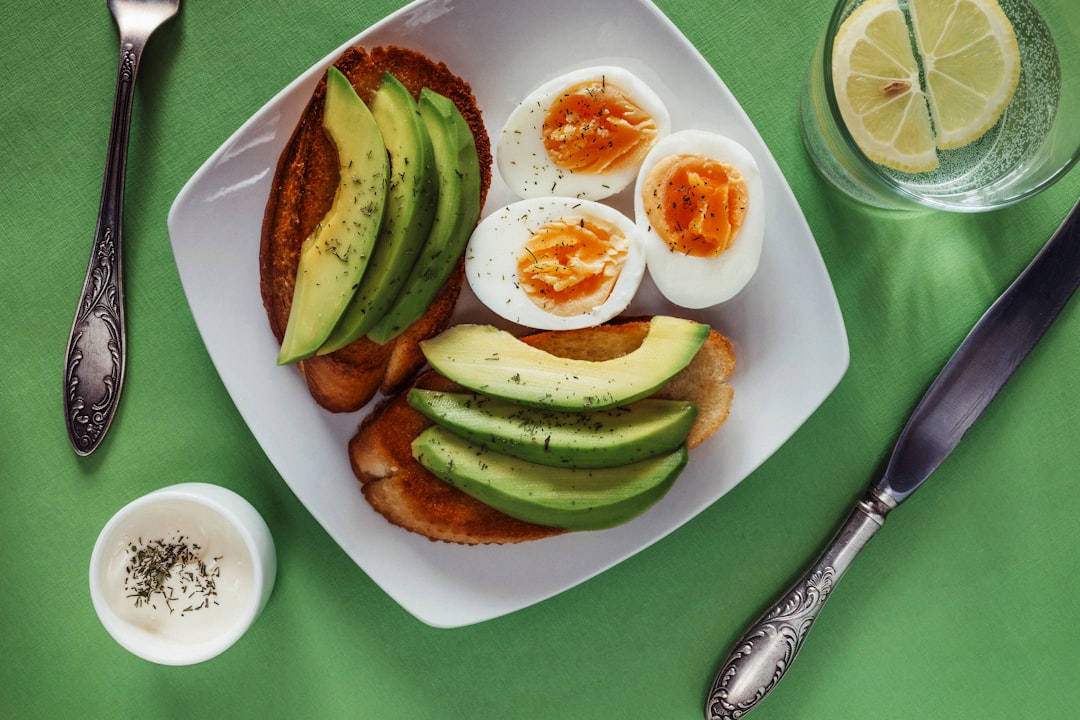
    | Sun | Avocado toast (whole‑grain bread) + poached egg + salsa | Black bean burrito bowl (brown rice, black beans, corn, salsa, lime, cilantro) | Smoothie: kefir, frozen berries, protein powder | Turkey meatballs (150 g) + spaghetti squash + marinara sauce |

    Tips for customization

  • Swap proteins: If you’re vegetarian, replace animal proteins with tempeh, seitan, or a larger portion of legumes.
  • Seasonal produce: Use whatever is in season to keep costs low and flavor high.
  • Batch cooking: Cook a big pot of quinoa or brown rice on Sunday; portion into containers for the week.
  • 2.3. Meal‑Prep Strategies That Save Time (and Money)

    | Strategy | How to Implement | Time Saved |
    |———-|——————|————|
    | Batch‑Cook Grains & Legumes | Cook 3‑4 cups of quinoa, rice, or lentils on the weekend; store in portioned containers. | 30‑45 min weekly |
    | Pre‑Chop Veggies | Slice carrots, peppers, and cucumbers; keep in water‑filled jars for crispness. | 15‑20 min daily |
    | Portion‑Control Containers | Use 4‑compartment containers (protein, carbs, veg, fats) for each meal. | Eliminates guesswork |
    | Freezer‑Friendly Meals | Prepare soups, chili, and casseroles in bulk; freeze in individual servings. | 20‑30 min cooking on busy days |
    | One‑Pot/Sheet‑Pan Dinners | Toss protein + veggies + seasoning on a sheet pan; roast at 200 °C (400 °F). | Minimal cleanup |

    Remember, the goal is consistency, not perfection. Even a couple of prep sessions a week can dramatically improve adherence.

    3. Staying on Track – Practical Tips for Real‑Life Challenges

    3.1. Managing Hunger and Cravings

    1. Prioritize Protein & Fiber: Both increase satiety hormones (like peptide YY). Aim for 20‑30 g protein and ≥10 g fiber per meal.
    2. Hydration Hack: Sometimes thirst masquerades as hunger. Drink a glass of water before reaching for a snack.
    3. The 10‑Minute Rule: When a craving hits, wait 10 minutes. Many urges fade once the brain registers that the need isn’t urgent.
    4. Healthy “Cheat” Swaps: If you’re craving chocolate, opt for 70% cacao squares (≤2 pieces) or cocoa‑dusted almonds—still satisfying but lower in sugar.

    3.2. Eating Out Without Derailing Your Plan

  • Scout the Menu Ahead: Most restaurants post nutritional info online; choose a dish that aligns with your macro goals.
  • Control Portion Size: Ask for a to‑go box at the start; place half of the meal in it before you begin.
  • Customize: Swap fries for a side salad, request sauces on the side, or ask for grilled instead of fried.
  • Mindful Choices: Slow down, chew thoroughly, and savor flavors—this reduces the tendency to over‑eat.
  • 3.3. Social Events & Holiday Meals

    | Situation | Strategy |
    |———–|———-|
    | Family gatherings | Bring a healthy dish you love; you’ll have at least one guaranteed nutritious option. |
    | Work parties | Eat a balanced snack (e.g., a protein bar) 1‑2 hours before to avoid over‑indulging. |
    | Travel | Pack portable snacks like roasted chickpeas, nuts, or a protein shake powder. |
    | Celebrations | Use the “80/20 rule”—enjoy 20% of the indulgent foods, keep 80% of the meal nutrient‑dense. |

    3.4. Tracking Progress Beyond the Scale

    Weight is just one metric. For a holistic view, track:

  • Body measurements (waist, hips, thighs) – often change before the scale moves.
  • Photos – take a front, side, and back photo every 4‑6 weeks.
  • Energy levels – a simple daily rating (1‑10) can highlight nutritional gaps.
  • Performance – note improvements in strength, endurance, or flexibility.

Use a simple journal or a digital app

Title: Unlocking the Power of Nutrition: Your Ultimate Guide to Eating for Health, Energy, and Longevity

Introduction – Why Nutrition Is the Real Super‑Power You’ve Been Ignoring

Imagine you could boost your mood, sharpen your focus, and keep chronic disease at bay—all without a single pill. The secret isn’t a new gadget or a fancy supplement; it’s the food on your plate. Nutrition is the foundation of every bodily function, from the brain’s lightning‑fast neurotransmission to the muscles that power your daily moves. Yet, despite its importance, most of us navigate meals with guesswork, trends, or “quick‑fix” diets that leave us feeling unsatisfied and confused.

In this comprehensive guide, we’ll cut through the noise and give you actionable, science‑backed nutrition strategies you can start using today. Whether you’re a busy professional, a student juggling deadlines, or a parent looking to raise healthier kids, these tips will help you build a balanced diet that fuels performance, supports weight management, and promotes long‑term wellness.

Let’s dive in and discover how to make every bite count!

1. Mastering the Basics: Macronutrients, Micronutrients, and the Balanced Diet Blueprint

1.1 What Are Macronutrients and Why Do They Matter?

Macronutrients—carbohydrates, proteins, and fats—are the three energy‑providing pillars of any diet. They each play distinct roles:

| Macro | Primary Role | Best Food Sources | Recommended % of Daily Calories |
|——-|————–|——————-|———————————|
| Carbohydrates | Quick energy for brain & muscles | Whole grains, fruits, legumes, starchy veggies | 45–55% |
| Proteins | Tissue repair, hormone production, enzyme function | Lean meats, fish, eggs, dairy, beans, tofu | 15–25% |
| Fats | Cell membrane integrity, hormone synthesis, fat‑soluble vitamin absorption | Avocado, nuts, seeds, olive oil, fatty fish | 25–35% |

Actionable tip: Use the “plate method” to visualize balance—fill half your plate with colorful vegetables and fruits (carbs + fiber), one‑quarter with lean protein, and one‑quarter with healthy fats. This simple visual cue helps you hit macro targets without counting every gram.

1.2 Micronutrients: The Tiny Titans of Health

Vitamins and minerals—though needed in minute amounts—are essential for immune function, bone health, and metabolic pathways. Common deficiencies (iron, vitamin D, B12) can cause fatigue, mood swings, and weakened immunity.

Quick Micronutrient Checklist

| Micronutrient | Key Benefits | Food Powerhouses |
|—————|————–|——————|
| Vitamin D | Bone health, immune modulation | Sunlight, fortified milk, salmon |
| Iron | Oxygen transport, energy production | Red meat, lentils, spinach, pumpkin seeds |
| Calcium | Strong bones & teeth, nerve signaling | Dairy, kale, fortified plant milks |
| Omega‑3 (EPA/DHA) | Brain health, anti‑inflammatory | Fatty fish, chia seeds, walnuts |
| Magnesium | Muscle relaxation, sleep quality | Almonds, black beans, dark chocolate |

Actionable tip: Schedule a quarterly “micronutrient audit.” Pick three nutrients each quarter, track your intake using a food diary or app, and add at least one new source to your meals each week.

1.3 The Balanced Diet: A Flexible Framework, Not a Rigid Rulebook

The term “balanced diet” often conjures images of bland, restrictive meals. In reality, balance means variety, moderation, and adequacy:

1. Variety – Eat a rainbow of colors to cover a broad spectrum of phytonutrients.
2. Moderation – Portion control keeps excess calories in check without depriving yourself.
3. Adequacy – Ensure you meet your daily macro and micronutrient needs based on age, gender, activity level, and health goals.

Actionable tip: Adopt the “8‑color rule.” Aim to include at least eight different colors of fruits and vegetables each week. This naturally diversifies your nutrient intake and keeps meals exciting.

2. Building a Sustainable Meal Plan: From Grocery List to Plate

2.1 Planning Your Week in 30 Minutes

A solid meal plan saves time, cuts food waste, and eliminates the temptation of fast‑food shortcuts. Here’s a step‑by‑step workflow:

| Step | What to Do | Time Investment |
|——|————|—————–|
| 1. Set Goals | Define primary focus (weight loss, muscle gain, gut health) | 5 min |
| 2. Inventory | Check pantry, fridge, freezer for staples | 5 min |
| 3. Choose Recipes | Pick 3‑4 breakfast, 5‑6 lunch/dinner, 2‑3 snacks | 10 min |
| 4. Create Shopping List | List ingredients by category (produce, proteins, pantry) | 5 min |
| 5. Batch Prep | Cook grains, roast veggies, portion proteins on Sunday | 30‑45 min (optional) |

Actionable tip: Use a free template (Google Sheets or a printable PDF) that includes columns for “Meal,” “Ingredients,” “Prep Time,” and “Portion Size.” Fill it in each Sunday night—your brain will thank you on Monday morning.

2.2 Smart Grocery Shopping – The “Nutrition‑First” Checklist

| Category | Must‑Have Items | Why They’re Important |
|———-|—————-|———————–|
| Proteins | Chicken breast, canned tuna, chickpeas, Greek yogurt | Lean, versatile, high‑quality protein |
| Whole Grains | Quinoa, brown rice, oats, whole‑wheat tortillas | Sustained energy, fiber |
| Healthy Fats | Extra‑virgin olive oil, avocado, mixed nuts | Satiety, brain health |
| Fruits & Veggies | Berries, oranges, leafy greens, bell peppers, sweet potatoes | Antioxidants, vitamins, fiber |
| Spices & Herbs | Turmeric, garlic, ginger, fresh basil | Flavor without added sodium or sugar |
| Convenient Extras | Hummus, pre‑washed salad mixes, frozen mixed berries | Speedy meals, reduce prep time |

Actionable tip: Stick to the perimeter of the store first—this is where fresh produce, proteins, and dairy are located. Then, only venture into the aisles for whole‑grain staples and spices. This reduces impulse buys of processed snacks.

2.3 Quick, Nutrient‑Dense Recipes for Busy Lifestyles

#### 2.3.1 15‑Minute Power Breakfast: Greek Yogurt Parfait

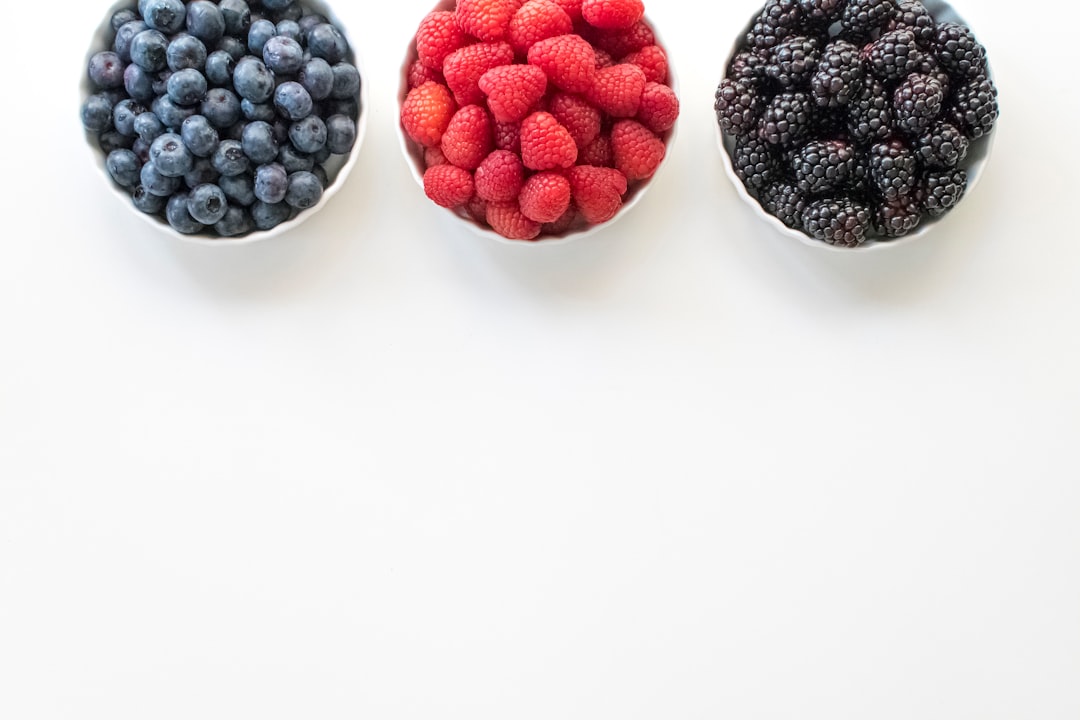
  • Ingredients: 1 cup plain Greek yogurt, ½ cup mixed berries, 2 tbsp granola, 1 tsp honey, sprinkle of chia seeds.
  • Why It Works: Protein from yogurt stabilizes blood sugar; berries deliver antioxidants; chia seeds add omega‑3s and fiber.
  • #### 2.3.2 One‑Pan Mediterranean Chicken & Veggies

  • Ingredients: 2 chicken thighs (skinless), 1 cup cherry tomatoes, 1 cup zucchini slices, ½ cup olives, 2 tbsp olive oil, 1 tsp dried oregano, salt & pepper.
  • Method: Toss everything on a sheet pan, roast at 400°F for 20‑25 minutes.
  • Why It Works: Balanced macros in a single dish; olive oil provides monounsaturated fats; vegetables add fiber and micronutrients.
  • #### 2.3.3 5‑Minute Post‑Workout Recovery Smoothie

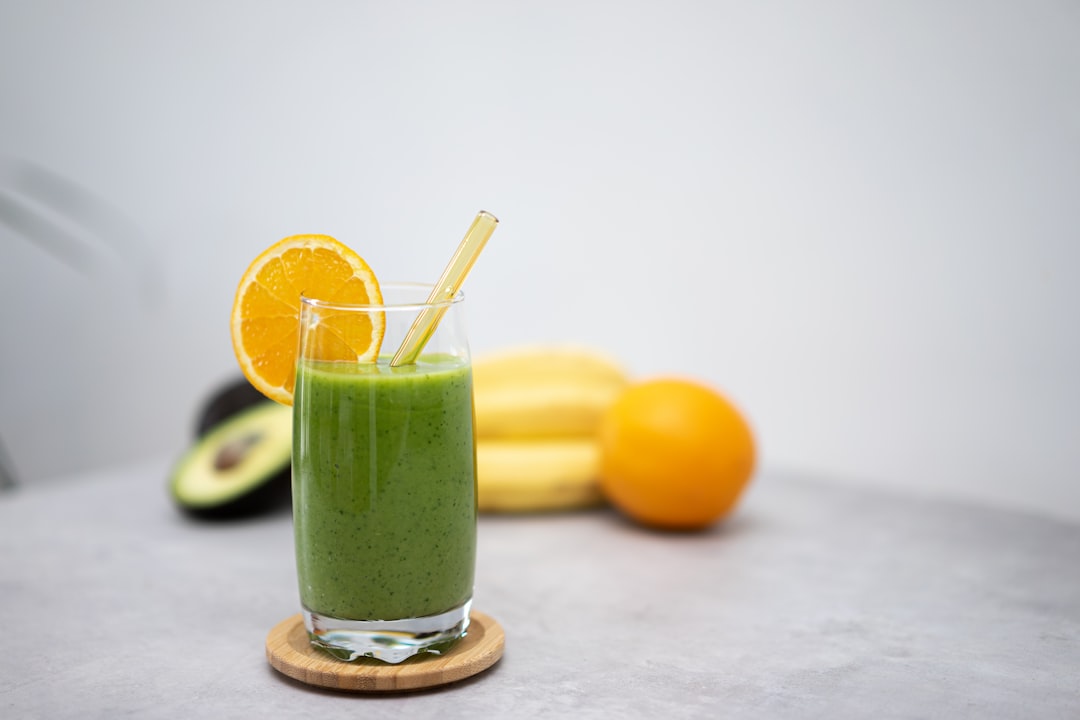
  • Ingredients: 1 scoop plant‑based protein powder, 1 banana, 1 cup spinach, 1 tbsp almond butter, 1 cup unsweetened almond milk.
  • Why It Works: Protein for muscle repair, potassium from banana for electrolyte balance, spinach for iron and magnesium.
  • Actionable tip: Batch‑cook the chicken and veggies on Sunday, then portion into containers for 3‑4 lunches. Pair with a side of quinoa (pre‑cooked) for a complete meal ready in minutes.

    3. Nutrition for Specific Goals: Weight Management, Gut Health, and Performance

    3.1 Weight Management – The Science of Calories vs. Nutrient Density

    Weight loss (or maintenance) isn’t just about “eating less”; it’s about eating smarter. Two meals with the same calorie count can have vastly different effects on hunger, metabolism, and body composition.

    | Factor | Low‑Nutrient‑Density Food | High‑Nutrient‑Density Food |
    |——–|—————————|—————————-|
    | Satiety | White bread, sugary cereal | Oatmeal topped with nuts & berries |
    | Thermic Effect | Processed snacks (low) | Lean protein, high‑fiber veggies (high) |
    | Blood Sugar Impact | Refined carbs → spikes & crashes | Complex carbs + fiber → stable glucose |

    Actionable tip: Adopt the “90/10 rule.” Aim for 90% of your plate to be nutrient‑dense whole foods and limit the remaining 10% to treat foods (e.g., a small piece of dark chocolate). This keeps calories in check while satisfying cravings.

    #### Practical Portion Control Hack

  • Hand Method:
  • Protein: Palm‑size portion (≈3‑4 oz)
    Carbs: Fist‑size portion (≈½ cup cooked)
    Fats: Thumb‑size portion (≈1 tbsp)
    Veggies: Both hands cupped together (≈2 cups)

    3.2 Gut Health – Feeding Your Microbiome for Better Digestion & Immunity

    Your gut houses trillions of bacteria that influence digestion, mood, and immunity. A diverse microbiome thrives on prebiotic fibers and probiotic foods.

    | Food Type | Examples | How It Helps |
    |———–|———-|————–|
    | Prebiotic Fiber | Chicory root, garlic, onions, asparagus, oats, bananas | Fuels beneficial bacteria |
    | Probiotic Foods | Yogurt with live cultures, kefir, sauerkraut, kimchi, miso | Directly adds good bacteria |
    | Polyphenol‑Rich | Berries, green tea, dark chocolate | Acts as antioxidants and supports microbial diversity |

    Actionable tip: Incorporate at least one prebiotic and one probiotic food into your daily meals. Example: A morning bowl of oatmeal (prebiotic) topped with kefir and berries (probiotic + polyphenols).

    3.3 Athletic Performance – Fueling Your Body for Strength & Endurance

    Whether you’re training for a marathon or lifting weights, nutrition is your most powerful performance enhancer.

    | Goal | Key Nutrient Focus | Sample Meal |
    |——|——————–|————-|
    | Endurance | Carbohydrate loading (4–7 g/kg body weight) + electrolytes | Whole‑grain pasta with tomato sauce, grilled chicken, side of steamed broccoli |
    | Strength | High‑quality protein (1.6–2.2 g/kg) + creatine (optional) | Beef stir‑fry with quinoa, mixed veggies, topped with sesame seeds |
    | Recovery | Protein + fast‑acting carbs + omega‑3s | Chocolate milk (protein + carbs) + a handful of walnuts |

    Actionable tip: Follow the “30‑30‑30” post‑workout rule—within 30 minutes, consume 30 g of protein, 30 g of carbs, and 30 g of healthy fats (e.g., a protein shake with a banana and a spoonful of almond butter). This optimizes muscle glycogen replenishment and protein synthesis.

    4. Overcoming Common Nutrition Challenges

    4.1 Time Constraints – Quick Hacks for Busy Days

  • Batch‑Cook Staples: Cook a big pot of quinoa, brown rice, or lentils on the weekend; store in portioned containers.
  • Prep “Snack Boxes”: Combine raw veggies, hummus, nuts, and fruit in a grab‑and‑go container.
  • Utilize the Freezer: Freeze pre‑chopped veggies and cooked proteins for instant stir‑fry or soup additions.

Actionable tip: Set a weekly “30‑Minute Meal Prep” alarm on your phone. When it rings, spend just half an hour prepping at least three components for the upcoming days.

4.2 Budget-Friendly Nutrition – Eating Well Without Breaking the Bank

| Budget Strategy | Example |
|—————–|———|
| Buy Seasonal Produce | Strawberries in summer, squash in fall – cheaper and fresher |
| Choose Plant‑Based Proteins | Lentils, beans, and eggs cost far less per gram of protein than meat |
| Shop Bulk | Oats, nuts, and frozen berries in bulk reduce per‑serving cost |
| Use Coupons & Loyalty Programs | Many grocery stores offer discounts on healthy items like nuts and yogurt |

Actionable tip: Plan a “Meat‑less Monday” each week. Replace animal protein with beans or tofu, saving money while boosting fiber intake.

4.3 Managing Cr

Title: 50 Fresh Wellness Blog Ideas to Ignite Your Content Calendar and Grow Your Audience

Introduction – Why a Great Idea Is the Heartbeat of a Successful Wellness Blog

Imagine scrolling through Instagram, TikTok, or a Google search and landing on a blog post that feels like a warm hug, a clear roadmap, and a burst of motivation—all at once. That’s the power of a well‑crafted wellness article. In the crowded world of health and self‑care content, the idea behind each post is what separates a fleeting click from a loyal reader who returns day after day.

If you’re staring at a blank screen wondering, “What should I write about next?” you’re not alone. Even seasoned wellness writers hit creative blocks. The good news? Wellness is a vast, ever‑evolving landscape, and with a little strategic thinking you can generate a never‑ending stream of compelling topics that resonate with both search engines and human hearts.

In this guide we’ll walk through 50 actionable wellness blog ideas, organized into five core sections that cover everything from niche discovery to monetization. By the end, you’ll have a ready‑to‑use content calendar, SEO shortcuts, and a clear plan to turn ideas into traffic, engagement, and revenue.

1. Discover Your Unique Wellness Niche – The Foundation of Every Great Blog

1.1. Identify the “Why” Behind Your Wellness Passion

  • Self‑Reflection Exercise: Write down three personal health challenges you’ve overcome (e.g., anxiety, gut issues, sedentary lifestyle).
  • Audience Match: For each challenge, note who else might be seeking solutions (busy professionals, new parents, retirees).
  • Actionable tip: Create a “Wellness Persona” worksheet that combines your story with the target reader’s goals, fears, and preferred content format. This persona will guide every future blog idea.

    1.2. Spot Gaps in the Existing Wellness Space

  • Google Trends & Keyword Gap Analysis: Search for broad terms like “mindfulness for beginners” and scroll to the “Related queries” section. Look for questions with low competition but high intent (e.g., “mindfulness for chronic pain”).
  • Community Listening: Join niche Facebook groups, subreddits, or Discord servers. Note recurring questions that never get a thorough blog post answer.
  • Actionable tip: List at least five “undercovered” topics you discover and prioritize them based on your expertise and audience demand.

    1.3. Blend Multiple Disciplines for a Hybrid Niche

    Wellness isn’t one‑dimensional. Combine two or more fields to stand out:

    | Primary Focus | Complementary Angle | Example Blog Idea |
    |—————|——————–|——————-|
    | Nutrition | Mental Health | “How Gut‑Brain Connection Impacts Anxiety – 5 Foods to Calm Your Mind” |
    | Fitness | Sustainability | “Eco‑Friendly Home Workouts: Gear-Free Exercises for a Greener Routine” |
    | Mindfulness | Parenting | “Mindful Parenting Hacks for the First 100 Days with a Newborn” |

    Actionable tip: Draft a “Hybrid Niche Statement” (e.g., “I help eco‑conscious professionals achieve peak fitness without a gym”). Use this as your brand tagline and SEO anchor.

    2. Core Content Pillars – 15 Evergreen Wellness Blog Topics That Never Go Out of Style

    A content pillar is a broad, timeless theme that supports dozens of sub‑posts. Building solid pillars ensures you always have a well of ideas to draw from.

    2.1. Pillar #1: Holistic Nutrition

    1. “The Ultimate Guide to Balanced Macro‑and Micronutrients” – Break down carbs, proteins, fats, vitamins, and minerals with easy meal‑planning templates.
    2. “Seasonal Superfoods: What to Eat in Spring, Summer, Fall, and Winter” – Include printable seasonal grocery lists.
    3. “Meal Prep for Busy Bees: 5‑Day Recipes Under 30 Minutes” – Offer downloadable PDF and a short video walkthrough.

    SEO Keywords: holistic nutrition, balanced diet guide, seasonal superfoods, meal prep for beginners

    2.2. Pillar #2: Mind‑Body Practices

    1. “Beginner’s Blueprint to Daily Mindfulness in 5 Minutes” – Step‑by‑step breathing exercise with a timer embed.
    2. “Yoga Flow for Desk Workers: Relieve Neck & Back Tension” – Include illustrated pose sequence.
    3. “Guided Journaling Prompts for Stress Relief” – Offer a printable journal page.

    SEO Keywords: daily mindfulness routine, yoga for desk workers, guided journaling stress

    2.3. Pillar #3: Fitness & Functional Movement

    1. “The 20‑Minute Full‑Body HIIT Workout You Can Do Anywhere” – Add a GIF for each move.
    2. “Understanding Your Body’s Mobility Score: Simple Tests & Fixes” – Provide a self‑assessment checklist.
    3. “Strength Training for Women Over 40: Myths & Realities” – Include expert interview snippets.

    SEO Keywords: 20‑minute HIIT, mobility assessment, strength training over 40

    2.4. Pillar #4: Mental Health & Emotional Resilience

    1. “Cognitive‑Behavioral Tools for Overcoming Negative Self‑Talk” – Offer a downloadable worksheet.
    2. “Digital Detox Challenge: 7‑Day Plan to Reclaim Your Focus” – Include a daily tracker.
    3. “How to Build a Support System When You’re Introverted” – Feature real‑life stories.

    SEO Keywords: CBT self‑help, digital detox plan, introvert support network

    2.5. Pillar #5: Lifestyle & Self‑Care Rituals

    1. “Night‑time Rituals for Better Sleep: Science‑Backed Steps” – Link to sleep‑tracking apps.
    2. “Minimalist Skincare Routine for Sensitive Skin” – Provide a product‑free alternative list.
    3. “Creating a Home Sanctuary: Declutter, Light, and Aroma” – Offer a room‑by‑room checklist.

    SEO Keywords: bedtime routine for sleep, minimalist skincare, home sanctuary tips

    Actionable tip: For each pillar, create a “Pillar Page” on your site that links to all sub‑posts. This boosts internal linking, improves SEO, and offers readers a one‑stop resource hub.

    3. Creative Formats to Keep Readers Hooked – From Listicles to Interactive Tools

    Even the best topic can fall flat if the format feels stale. Mix up your delivery to cater to different learning styles and increase dwell time.

    3.1. Listicles with a Twist

  • “12‑Week Wellness Reset: One Action per Week” – Use a progress bar graphic that readers can click to reveal the weekly task.
  • “7‑Day Mindful Meal Plan (No Cooking Required)” – Include QR codes linking to short recipe videos.
  • Why it works: Listicles are highly shareable, and adding interactive elements boosts engagement metrics that search engines love.

    3.2. Step‑by‑Step Guides & Checklists

  • “The 10‑Step Stress‑Free Morning Routine” – Offer a downloadable PDF checklist.
  • “How to Set Up a Home Meditation Corner in 5 Simple Steps” – Include a printable floor‑plan template.
  • Why it works: Readers love actionable takeaways they can implement immediately.

    3.3. Expert Interviews & Round‑Ups

  • “Top 5 Nutritionists Share Their Go‑To Post‑Workout Snacks” – Embed audio snippets or short video clips.
  • “Wellness Influencer Round‑Up: 10 Books That Changed My Life” – Link each book to an affiliate store (if applicable).
  • Why it works: Authority signals improve credibility and can attract backlinks from the experts featured.

    3.4. Interactive Quizzes & Self‑Assessments

  • “What’s Your Wellness Personality? Take the 7‑Question Quiz” – Use a free quiz plugin and provide personalized content recommendations based on results.
  • “Gut Health Score: How Balanced Is Your Microbiome?” – Offer a downloadable action plan for each score tier.
  • Why it works: Quizzes increase time on page and generate email leads when you ask for an address to receive results.

    3.5. Video‑First Posts & Reels

  • “5‑Minute Desk Stretches You Can Do on Zoom Calls” – Post a short Reel embedded in the article.
  • “Live Q&A: Ask a Certified Nutritionist Anything” – Record and repurpose the session as a blog transcript.
  • Why it works: Video boosts SEO (Google indexes YouTube content) and caters to the visual‑learning audience that dominates social platforms.

    Actionable tip: Plan a “Format Calendar” where each week you rotate between listicles, guides, interviews, quizzes, and videos. This ensures variety without extra brainstorming time.

    4. SEO & Promotion Strategies – Making Your Wellness Ideas Discoverable

    Great content is only as good as its visibility. Below are proven tactics to rank higher and attract organic traffic.

    4.1. Keyword Research Made Simple

    1. Start with Seed Keywords: “wellness blog ideas”, “holistic health tips”, “mindfulness exercises”.
    2. Use Free Tools: Google Keyword Planner, Ubersuggest, AnswerThePublic. Look for long‑tail phrases with 500–5,000 monthly searches and low competition (e.g., “mindful breathing for anxiety”).
    3. Cluster Keywords: Group related terms under each pillar (e.g., “gut health”, “probiotic foods”, “digestive yoga”).

    Implementation: Add the primary keyword to the title, first 100 words, H2 subheading, and meta description. Sprinkle LSI (Latent Semantic Indexing) terms naturally throughout the article.

    4.2. On‑Page Optimization Checklist

    | Element | Best Practice |
    |———|—————|
    | Title Tag | ≤ 60 characters, include primary keyword near the beginning |
    | Meta Description | 150‑160 characters, compelling call‑to‑action, keyword usage |
    | Header Structure | H1 = title, H2 = main sections, H3 = sub‑points |
    | Image Alt Text | Describe image + keyword (e.g., “mindful‑breathing‑exercise‑diagram”) |
    | Internal Links | Link to at least 2‑3 other relevant posts or pillar pages |
    | URL Slug | Short, hyphenated, keyword‑rich (e.g., /wellness-blog-ideas) |
    | Schema Markup | Use “Article” schema; add “FAQ” schema for question‑based posts |

    4.3. Link‑Building Tactics Specific to Wellness

  • Guest Post on Niche Sites: Offer a 1,500‑word piece titled “10 Quick Self‑Care Hacks for Remote Workers” with a link back to your “Self‑Care Routine” pillar.
  • Resource Page Outreach: Find university or corporate wellness resource pages and suggest your comprehensive guide as a free addition.
  • Skyscraper Method: Identify a top‑ranking article (e.g., “Best Morning Routines”) and create a more detailed version with updated research, infographics, and expert quotes. Then reach out to sites that linked to the original, offering your superior resource.
  • 4.4. Social Amplification & Community Engagement

  • Pinterest Boards: Design vertical pins (735 × 1102 px) for each “how‑to” post. Use keywords in pin description and link back to the article.
  • Instagram Carousel: Break down a listicle into 10 slides, each with a concise tip and a CTA to “Read the full guide on the blog.”
  • Email Newsletter: Send a weekly “Wellness Idea of the Week” featuring a short excerpt, a personal anecdote, and a link to the full post.
  • Actionable tip: Create a “Content Promotion Checklist” for each post that includes Pinterest, Instagram, Facebook group shares, and an email blast. Track click‑through rates in Google Analytics to refine future promotion.

    4.5. Technical SEO Quick Wins

  • Page Speed: Compress images using TinyPNG, enable lazy loading, and use a CDN. Aim for < 2 seconds load time (Google PageSpeed Insights).
  • Mobile‑First Design: Ensure headings are readable, buttons are tappable, and the layout adapts fluidly.
  • Structured Data: Add FAQ schema for posts that answer common questions (e.g., “How often should I meditate?”). This can earn rich snippets in SERPs.
  • 5. Monetization Ideas – Turning Your Wellness Blog Into a Sustainable Business

    You’ve built an audience; now it’s time to reward your effort without compromising authenticity.

    5.1. Affiliate Partnerships (Thoughtful & Transparent)

  • **

Title: The Ultimate Guide to Sustainable Weight Loss: Science‑Backed Strategies That Actually Work

Introduction – Why “Quick Fixes” Never Cut It

You’ve probably seen the endless stream of miracle‑diet ads promising “lose 10 lbs in a week!” They sound tempting, but the reality is that most of these shortcuts lead to rebound weight gain, metabolic slowdown, and frustration.

If you’re ready for a real, lasting transformation, you need a plan that respects how your body works, fits into your lifestyle, and fuels you with the right nutrients and movement. In this comprehensive guide, we’ll break down the science of weight loss, share actionable tips you can start today, and give you a roadmap for sustainable, healthy results.

Grab a notebook, because the strategies below are designed to be practical, evidence‑based, and easy to adapt—no gimmicks, just solid fundamentals.

1. Master the Basics: Calories, Metabolism, and the Power of a Deficit

1.1 Understanding Energy Balance

At its core, weight loss is a matter of energy balance:

  • Calories In = the energy you obtain from food and beverages.
  • Calories Out = the energy your body uses for basal functions (BMR), digestion (TEF), daily activity, and exercise.
  • When Calories In > Calories Out, you gain weight. When Calories In < Calories Out, you lose weight. This simple equation is the foundation of every effective weight‑loss plan.

    > Pro tip: Use a reputable online calculator to estimate your Total Daily Energy Expenditure (TDEE). Subtract 10‑20 % from that number to create a modest calorie deficit—enough to lose 0.5‑1 lb per week without starving yourself.

    1.2 The Role of Metabolism

    Your metabolic rate isn’t a static number. It fluctuates based on:

  • Muscle mass: More lean tissue burns more calories at rest.
  • Hormones: Thyroid hormones, insulin, leptin, and cortisol all influence how efficiently you burn fuel.
  • Age & genetics: Metabolism naturally slows with age, but lifestyle choices can offset that decline.
  • Actionable tip: Prioritize strength training 2‑3 times per week to preserve or build muscle, which helps keep your metabolism humming even while you’re in a calorie deficit.

    1.3 Quality Over Quantity: Why Not All Calories Are Equal

    While a calorie is technically a unit of energy, nutrient density matters for satiety, hormone regulation, and overall health.

  • Protein has the highest thermic effect (≈20‑30 % of calories burned during digestion) and promotes fullness.
  • Fiber‑rich carbs (vegetables, fruits, whole grains) stabilize blood sugar and curb cravings.
  • Healthy fats (avocado, nuts, olive oil) support hormone production and brain health.
  • Quick win: Aim for 30 g of protein per meal and fill half your plate with non‑starchy vegetables. This strategy naturally reduces total calories while keeping you satisfied.

    2. Nutrition Strategies That Deliver Results

    2.1 Build a Balanced Plate

    | Food Group | Portion (per meal) | Example |
    |————|——————–|———|
    | Protein | 1‑2 palm‑sized servings | Grilled chicken breast, tofu, lentils |
    | Veggies | 2‑3 fist‑sized servings | Broccoli, spinach, bell peppers |
    | Whole Grains / Starchy Veggies | 1‑2 cupped‑hand servings | Quinoa, sweet potato, brown rice |
    | Healthy Fats | 1 thumb‑sized serving | Olive oil drizzle, a handful of almonds |
    | Fruit (optional) | 1 small piece or ½ cup | Apple, berries |

    Visualizing your plate this way helps you automatically control portions without endless calorie counting.

    2.2 The Power of Protein Timing

    Research shows that spreading protein intake evenly across meals maximizes muscle protein synthesis and preserves lean mass during weight loss.

  • Breakfast: 20‑30 g (Greek yogurt + berries, or eggs + spinach).
  • Lunch: 20‑30 g (turkey wrap, chickpea salad).
  • Dinner: 20‑30 g (salmon, tempeh stir‑fry).
  • If you train in the afternoon, consider a post‑workout protein shake (15‑20 g) within 30‑60 minutes to aid recovery.

    2.3 Smart Carbohydrate Choices

    Carbs aren’t the enemy, but refined carbs (white bread, sugary drinks) spike insulin and can trigger hunger. Opt for complex carbs that release glucose slowly:

  • Whole oats for breakfast (add nuts & fruit).
  • Legumes (beans, lentils) for lunch or dinner.
  • Starchy vegetables (sweet potatoes, squash) in moderate portions.
  • Action step: Swap any processed snack for a protein‑fiber combo—e.g., apple slices with almond butter or cottage cheese with berries.

    2.4 Healthy Fats: Don’t Fear the Fat

    Fat is essential for satiety and hormone balance. Include sources like:

  • Avocado (½ per meal).
  • Nuts & seeds (a small handful).
  • Olive or avocado oil (1‑2 teaspoons for cooking).
  • Avoid trans fats (partially hydrogenated oils) and limit excess saturated fat from fried foods.

    2.5 Hydration & Appetite Control

    Dehydration can masquerade as hunger. Aim for 2‑3 L of water daily (more if you exercise heavily).

  • Start each meal with a glass of water.
  • Keep a reusable bottle at your desk.
  • Bonus tip: Green tea contains catechins that may modestly boost metabolism—enjoy 1‑2 cups per day without added sugar.

    3. Exercise Blueprint: Burn Fat, Preserve Muscle, Boost Mood

    3.1 Cardio – The Fat‑Burn Engine

    Steady‑state cardio (walking, cycling, swimming) at moderate intensity burns calories during the session.

  • Frequency: 3‑5 days per week.
  • Duration: 30‑45 minutes per session.
  • High‑Intensity Interval Training (HIIT) offers a time‑efficient alternative:

  • 20‑30 minutes total (including warm‑up).
  • 30‑60 seconds of all‑out effort (e.g., sprint, burpees) followed by 60‑90 seconds of active recovery.
  • 6‑10 intervals per workout.
  • HIIT can increase post‑exercise oxygen consumption (EPOC), meaning you keep burning calories for hours after you finish.

    3.2 Strength Training – The Muscle‑Preserving Powerhouse

    Losing weight without losing muscle is crucial for a healthy metabolism.

  • Schedule: 2‑4 sessions per week.
  • Structure: Full‑body workouts (compound lifts) or split routines (upper/lower).
  • Key moves: Squats, deadlifts, push‑ups, rows, lunges, overhead presses.
  • Progression tip: Increase weight, reps, or sets every 1‑2 weeks (the “progressive overload” principle). Even a small, consistent increase fuels muscle growth and calorie burn.

    3.3 Flexibility & Mobility – Prevent Injuries

    Incorporate dynamic stretching before workouts and static stretching after. Yoga or mobility drills (hip circles, thoracic rotations) improve range of motion, reduce soreness, and keep you consistent.

    3.4 Activity‑Throughout the Day – The “Non‑Exercise Activity Thermogenesis” (NEAT) Edge

    Small movements add up:

  • Take the stairs instead of the elevator.
  • Walk or bike to nearby errands.
  • Use a standing desk or do “desk‑ercises” (leg lifts, shoulder rolls).
  • Goal: Add 200‑400 extra calories burned daily by simply moving more.

    4. Mindset & Lifestyle Hacks for Long‑Term Success

    4.1 Set SMART Goals

  • Specific: “Lose 12 lb in 12 weeks.”
  • Measurable: Track weight, body measurements, or progress photos.
  • Achievable: A realistic deficit of 500 cal/day → ~1 lb/week.
  • Relevant: Align with your health priorities (e.g., improve blood pressure).
  • Time‑Bound: Set checkpoints (4‑week review, 8‑week review).
  • Write your goals down and revisit them weekly.

    4.2 Track, But Don’t Obsess

    Use a food diary or app (MyFitnessPal, Cronometer) to log meals for the first few weeks. This creates awareness and helps you spot hidden calories. Once habits solidify, you can transition to mindful eating without constant logging.

    4.3 Sleep – The Underrated Fat‑Loss Ally

    Aim for 7‑9 hours of quality sleep per night. Poor sleep disrupts leptin and ghrelin, increasing hunger and cravings.

  • Keep a consistent bedtime routine.
  • Dim lights 30 minutes before sleep.
  • Avoid caffeine after 2 pm.
  • 4.4 Stress Management

    Chronic stress elevates cortisol, which can promote fat storage, especially around the midsection.

  • Practice deep breathing (4‑7‑8 technique).
  • Meditate for 5‑10 minutes daily (apps like Headspace).
  • Engage in hobbies that relax you (reading, gardening, music).
  • 4.5 Social Support & Accountability

    Tell a friend or join a community (online forum, local fitness group). Sharing progress, challenges, and recipes makes the journey less lonely and more motivating.

    4.6 Flexible Dieting – The “If It Fits Your Macros” (IIFYM) Approach

    Instead of rigid “no‑carb days,” use a flexible dieting model:

    1. Calculate your macro targets (protein, carbs, fat).
    2. Plan meals that meet those targets, allowing occasional treats.

    This method reduces feelings of deprivation and improves adherence.

    5. Common Pitfalls & How to Overcome Them

    | Pitfall | Why It Happens | Fix |
    |———|—————-|—–|
    | Plateau after 3‑4 weeks | Metabolic adaptation, inaccurate tracking | Re‑calculate TDEE, add a refeed day (higher carbs), or switch workout intensity |
    | All‑or‑nothing thinking | Emotional eating after a “cheat” | Adopt a 80/20 rule: 80 % consistent healthy choices, 20 % flexibility |
    | Skipping meals | Belief it cuts calories | Eat regular, balanced meals to maintain blood sugar and prevent bingeing |
    | Relying solely on the scale | Scale doesn’t show body composition changes | Use measurements, progress photos, and how clothes fit as additional metrics |
    | Over‑training | Trying to burn extra calories | Schedule rest days, listen to your body, and prioritize recovery (sleep, nutrition) |

    Conclusion – Your Roadmap to Sustainable Weight Loss

    Weight loss isn’t a mysterious secret reserved for a select few; it’s a predictable process rooted in energy balance, smart nutrition, consistent movement, and a resilient mindset. By:

    1. Creating a modest calorie deficit while preserving muscle through protein and strength training,
    2. Choosing nutrient‑dense foods that keep you full and energized,
    3. Incorporating a mix of cardio, HIIT, and resistance work,
    4. Prioritizing sleep, stress management, and social support,

    you set yourself up for steady, healthy fat loss—typically 0.5‑1 lb per week—without the dreaded rebound effect.

    Remember, the goal isn’t just a number on the scale; it’s a lifestyle that feels good, looks great, and supports long‑term health. Start with one small change today—perhaps swapping sugary soda for water or adding a 20‑minute walk after dinner—and build from there. Consistency beats perfection every time.

    Key Takeaways

  • Calculate your TDEE and aim for a 10‑20 % calorie deficit.
  • Protein matters: 30 g per meal helps preserve muscle and curb cravings.
  • Strength training 2‑3×/week is non‑negotiable for metabolic health.
  • Hydration, sleep, and stress control are essential “hidden” weight‑loss factors.
  • Track progress with multiple metrics—scale, measurements, photos, and how you feel.

Ready to start? Grab a notebook, set your SMART goal, and take the first actionable step. Your healthier, more energetic self is just around the corner.

Happy losing (the right way)!

Title: 50 Fresh Wellness Blog Ideas to Boost Your Content Calendar and Engage Readers

Introduction – Hooking Your Audience with the Power of Wellness

Ever scrolled through your feed and felt a sudden urge to breathe deeper, stretch a little, or sip a calming tea? That moment of “aha!” is exactly what a great wellness blog can create for its readers—an instant connection that turns casual browsers into loyal followers. In a world where stress, burnout, and screen fatigue dominate daily life, people are actively hunting for trustworthy, actionable advice that helps them feel better—physically, mentally, and emotionally.

If you’re a wellness blogger, a health coach, a fitness professional, or simply someone passionate about holistic living, you know the challenge: What fresh, valuable topics can keep the content flowing without sounding repetitive? The answer lies in a well‑crafted list of wellness blog ideas that blend trending topics, evergreen advice, and niche specialties.

In this post, we’ll dive deep into 50 proven blog ideas—organized into five strategic sections—that will fill your editorial calendar for months, improve SEO, and most importantly, deliver real value to your audience. Grab a notebook (or open a new Google Doc) and let’s get inspired!

1. Evergreen Foundations – Core Topics Every Wellness Blog Needs

1.1. “Beginner’s Guide to Holistic Wellness”

Keyword focus: holistic wellness, beginner wellness guide, holistic health basics

Start with the fundamentals. Break down the three pillars—physical, mental, and spiritual health—and give readers a simple roadmap they can follow. Include printable checklists, a weekly planner template, and actionable steps like “drink eight glasses of water daily” or “practice 5‑minute mindful breathing each morning.”

1.2. “10 Daily Self‑Care Rituals That Actually Work”

Keyword focus: daily self-care, self-care rituals, simple self-care ideas

Self‑care is a buzzword, but many people struggle to translate it into daily habits. Offer a list of quick, science‑backed rituals (e.g., “10‑minute stretch routine,” “gratitude journaling,” “digital sunset”). Provide a short video demonstration or an infographic for visual learners.

1.3. “The Ultimate Sleep Optimization Checklist”

Keyword focus: sleep optimization, improve sleep quality, bedtime routine

Sleep is a cornerstone of wellness. Walk readers through the ideal bedtime environment (cool temperature, blackout curtains, no screens), a wind‑down routine, and natural sleep aids like magnesium or melatonin. Add a downloadable sleep tracker to encourage consistency.

1.4. “Understanding Macronutrients: A Simple Guide for Non‑Nerds”

Keyword focus: macronutrients explained, nutrition basics, balanced diet

Demystify carbs, proteins, and fats with relatable analogies (e.g., “macros are the building blocks of your body’s LEGO set”). Include a quick macro calculator and a sample meal plan for different goals (weight loss, muscle gain, maintenance).

1.5. “Mindful Breathing Techniques for Stress Relief”

Keyword focus: mindful breathing, stress relief breathing, breathing exercises

Teach at least three breathing methods—Box Breathing, 4‑7‑8 Breath, and Alternate Nostril Breathing. Explain the physiological benefits (lower cortisol, improved oxygenation) and embed a short audio guide so readers can practice instantly.

Why these ideas matter: Evergreen content builds a strong SEO foundation, attracts steady organic traffic, and establishes you as a reliable authority. By covering these basics, you also give newcomers a welcoming entry point into your wellness community.

2. Trending Topics – Riding the Wave of Current Wellness Movements

2.1. “Plant‑Based Nutrition: 7 Delicious Recipes for Beginners”

Keyword focus: plant‑based recipes, beginner vegan meals, plant‑based nutrition

Plant‑based diets are exploding in popularity. Share simple, budget‑friendly recipes (e.g., lentil tacos, chickpea “tuna” salad) with step‑by‑step photos. Include a grocery shopping list and tips for transitioning without feeling deprived.

2.2. “Digital Detox: How to Unplug and Reclaim Your Focus”

Keyword focus: digital detox, reduce screen time, unplugging tips

Offer a 7‑day digital detox challenge, complete with daily prompts, a printable “screen‑time log,” and recommended offline activities (nature walks, reading, crafting). Highlight research linking reduced screen time to better sleep and mental clarity.

2.3. “The Rise of Functional Fitness: 5 Workouts You Can Do at Home”

Keyword focus: functional fitness, home workouts, functional training

Explain functional fitness’s focus on movement patterns that improve everyday life (squats, lunges, carries). Provide a video series or GIFs demonstrating each exercise, plus modifications for different fitness levels.

2.4. “Adaptogens 101: What They Are and How to Use Them Safely”

Keyword focus: adaptogens guide, adaptogen benefits, natural stress relievers

Break down popular adaptogens—ashwagandha, rhodiola, holy basil—covering their benefits, dosage, and potential interactions. Offer a simple “adaptogen starter pack” recipe (e.g., golden latte) and link to reputable supplement sources.

5. “Eco‑Wellness: Sustainable Practices for a Healthier Planet and Body”

Keyword focus: eco‑wellness, sustainable living tips, green wellness

Combine environmental consciousness with personal health. Suggest reusable water bottles, zero‑waste skincare, plant‑based meals, and outdoor activities that foster a connection with nature. Include a printable “eco‑wellness pledge” for readers to sign.

Why these ideas matter: Trending topics capture timely search traffic and position your blog as current and relevant. By providing actionable steps (recipes, challenges, workouts), you turn fleeting interest into lasting engagement.

3. Niche Deep Dives – Catering to Specific Audiences

3.1. “Wellness for Busy Professionals: 15‑Minute Office Stretch Routine”

Keyword focus: office stretch routine, workplace wellness, quick wellness tips

Create a series of short video clips or illustrated guides that can be performed at a desk. Include modifications for limited space and tips for integrating movement into meetings.

3.2. “Post‑Pregnancy Recovery: A Holistic Guide for New Moms”

Keyword focus: post‑pregnancy wellness, new mom recovery, postpartum health

Address physical recovery (core strengthening, pelvic floor exercises), mental health (postpartum depression signs, support groups), and nutrition (lactation‑friendly foods). Offer a printable “30‑Day Post‑Partum Wellness Planner.”

3.3. “Wellness for Seniors: Low‑Impact Exercises to Boost Mobility”

Keyword focus: senior wellness, low‑impact exercises, mobility for seniors

Provide gentle strength‑training routines, balance drills, and joint‑friendly cardio options (water aerobics, chair yoga). Include safety tips and a guide for choosing appropriate equipment.

3.4. “Teen Mental Health: Coping Strategies for Anxiety and Social Pressure”

Keyword focus: teen mental health, anxiety coping for teens, teen wellness

Offer relatable stories, mindfulness apps suitable for teens, and a parent‑guide section on how to support adolescents. Include downloadable “stress‑relief toolkit” worksheets.

3.5. “Corporate Wellness Programs: Building a Culture of Health at Work”

Keyword focus: corporate wellness ideas, employee health programs, workplace wellness strategy

Outline steps for creating a wellness committee, budgeting for wellness perks, and measuring ROI (e.g., reduced sick days). Provide case studies from companies that saw measurable improvements.

Why these ideas matter: Niche content attracts highly targeted traffic, often with lower competition for keywords. It also fosters a sense of community, as readers feel you truly understand their unique challenges.

4. Interactive & Community‑Driven Content – Boosting Engagement

4.1. “30‑Day Wellness Challenge: Printable Calendar & Daily Prompts”

Keyword focus: 30‑day wellness challenge, wellness calendar, daily wellness prompts

Design a visually appealing PDF calendar with daily actions (drink extra water, practice gratitude, try a new veggie). Encourage readers to share progress on social media using a branded hashtag.

4.2. “Live Q&A: Ask a Nutritionist Anything About Gut Health”

Keyword focus: gut health Q&A, live nutrition chat, interactive wellness webinar

Promote a live Instagram or YouTube session where followers can submit questions. Follow up with a blog recap that includes the top 10 questions and detailed answers, optimized for “gut health FAQs.”

4.3. “Reader‑Submitted Success Stories: How I Transformed My Life with Mindful Eating”

Keyword focus: mindful eating success stories, reader wellness stories, real-life wellness transformations

Invite readers to share their journeys. Curate the best stories, add before‑and‑after photos (with permission), and highlight actionable tips they used. This builds social proof and community trust.

4.4. “Interactive Quiz: What’s Your Wellness Personality?”

Keyword focus: wellness personality quiz, health style quiz, personalized wellness plan

Create a fun, shareable quiz (using Typeform or similar) that categorizes users (e.g., “The Energizer,” “The Zen Master,” “The Foodie”). After the quiz, direct them to a personalized blog post or resource list matching their style.

4.5. “Monthly Wellness Book Club: Reviews & Discussion Guides”

Keyword focus: wellness book club, health books review, wellness reading list

Select a health‑focused book each month (e.g., “Atomic Habits,” “The Body Keeps the Score”). Publish a review, provide discussion questions, and host a virtual meetup. This positions your blog as a hub for continuous learning.

Why these ideas matter: Interactive content increases dwell time, encourages social sharing, and builds a loyal community—key signals for search engines and brand growth.

5. Seasonal & Lifestyle‑Specific Content – Timing Is Everything

5.1. “Spring Detox: 5 Simple Recipes to Reset Your Body”

Keyword focus: spring detox recipes, seasonal detox plan, spring wellness

Focus on fresh, seasonal produce (asparagus, strawberries, citrus). Include a 7‑day meal plan, a grocery list, and tips for supporting liver health naturally.

5.2. “Summer Hydration Hacks: Staying Cool While Staying Healthy”

Keyword focus: summer hydration tips, stay cool summer wellness, hydrating drinks

Offer creative infused water recipes, electrolyte snack ideas, and reminders about sunscreen and heatstroke prevention.

5.3. “Fall Immune Boost: Foods and Practices to Keep You Healthy”

Keyword focus: fall immune boost, seasonal immunity, autumn wellness

Highlight immune‑supporting foods (pumpkin, kale, mushrooms) and lifestyle habits (adequate sleep, stress reduction). Provide a printable “immune-boosting grocery list.”

5.4. “Holiday Stress Management: Mindful Strategies for a Calm Season”

Keyword focus: holiday stress relief, mindful holiday tips, festive wellness

Give practical advice for navigating family gatherings, budgeting, and maintaining healthy routines amid indulgent meals. Include a “holiday self‑care checklist.”

5.5. “New Year, New You: Goal‑Setting Blueprint for Sustainable Change”

Keyword focus: new year wellness goals, sustainable habit formation, 2027 wellness plan

Walk readers through SMART goal setting, habit stacking, and quarterly check‑ins. Provide a free “2027 Wellness Planner” download.

Why these ideas matter: Seasonal posts capture timely search spikes (e.g., “summer hydration”) and allow you to align content with readers’ immediate needs, driving higher click‑through rates.

Conclusion – Key Takeaways for Building a Thriving Wellness Blog

1. Blend evergreen foundations with trending topics to maintain steady traffic while tapping into current search interest.
2. Target niche audiences (busy professionals, new moms, seniors) to lower keyword competition and deepen community loyalty.
3. Incorporate interactive elements—challenges, quizzes, live Q&As—to boost engagement, dwell time, and social sharing.
4. Leverage seasonal hooks to align your content calendar with readers’ real‑world needs, increasing relevance and click‑through rates.
5. Deliver actionable value in every post: checklists, templates, videos, or printable resources that readers can implement right away.

By rotating through the five sections above and consistently delivering high‑quality, SEO‑optimized content, you’ll not only fill your editorial calendar for months but also position your blog as the go‑to destination for holistic wellness. Remember, the best wellness blogs don’t just inform—they inspire transformation.

Ready to start? Pick three ideas from each section, map them onto your next three months, and watch your traffic, engagement, and community grow. Happy writing, and here’s to a healthier, happier you—and audience!

*Keywords woven naturally throughout: wellness blog ideas, holistic wellness, self‑care, mental health, wellness trends, health and wellness, wellness content, wellness challenges,

Title: Power Up Your Defenses: The Ultimate Guide to Immunity‑Boosting Foods

Introduction – Why Your Plate Is the First Line of Defense

Imagine your immune system as a high‑tech security team, constantly scanning for intruders, repairing damage, and keeping everything running smoothly. But just like any elite squad, the team needs the right gear, training, and fuel to stay on top of its game.

That “fuel” is the food you eat. From bright‑colored berries that pack a punch of antioxidants to hearty soups brimming with gut‑friendly broth, the right choices can supercharge your body’s natural defenses, shorten the duration of a cold, and even help you bounce back faster after a night of late‑night work or a stressful deadline.

In this 2,000‑word deep dive we’ll explore immunity‑boosting foods that are easy to find, simple to prepare, and scientifically backed to support a resilient immune system. Whether you’re a busy professional, a parent juggling school runs, or a fitness enthusiast looking to stay healthy year‑round, you’ll walk away with a practical grocery list, tasty recipe ideas, and a clear plan to turn every meal into a shield against illness.

1. The Science of a Strong Immune System – What Your Body Really Needs

Before we load up the shopping cart, let’s decode what the immune system actually looks for in food. Understanding the underlying biology makes it easier to spot the nutrients that truly matter.

1.1 Key Nutrients That Power Immunity

| Nutrient | Primary Role in Immunity | Top Food Sources |
|———-|————————–|——————|
| Vitamin C | Enhances white‑blood‑cell function, antioxidant protection, skin barrier health | Citrus fruits, strawberries, kiwi, bell peppers |
| Vitamin D | Modulates immune response, reduces inflammation, supports antimicrobial peptide production | Fatty fish, fortified dairy, sunlight‑derived synthesis |
| Zinc | Crucial for lymphocyte development, antiviral activity | Oysters, pumpkin seeds, chickpeas, beef |
| Selenium | Antioxidant enzyme (glutathione peroxidase) that protects cells from oxidative stress | Brazil nuts, tuna, sunflower seeds |
| Vitamin A (beta‑carotene) | Maintains mucosal surfaces (gut, respiratory tract) that block pathogens | Sweet potatoes, carrots, spinach |
| Omega‑3 fatty acids | Anti‑inflammatory, help regulate immune cell signaling | Salmon, mackerel, chia seeds, walnuts |
| Probiotic‑friendly fiber (prebiotics) | Feeds beneficial gut bacteria, which train immune cells | Garlic, onions, asparagus, bananas |
| Polyphenols & flavonoids | Powerful antioxidants that neutralize free radicals, support immune signaling | Berries, green tea, dark chocolate, turmeric |

1.2 Gut Health = Immune Health

Roughly 70% of the body’s immune cells reside in the gut‑associated lymphoid tissue (GALT). A balanced microbiome acts like a well‑trained intelligence unit, recognizing friendly microbes and flagging invaders. That’s why prebiotic‑rich foods (fibers that feed good bacteria) and probiotic foods (live beneficial microbes) are cornerstones of an immunity‑boosting diet.

1.3 Timing and Bioavailability

  • Fat‑soluble vitamins (A, D, E, K) are best absorbed with a small amount of healthy fat (e.g., olive oil, avocado).
  • Vitamin C is water‑soluble and best retained when foods are eaten raw or lightly cooked.
  • Minerals like zinc compete with phytates (found in raw beans and grains); soaking, sprouting, or fermenting can improve absorption.
  • With this blueprint in mind, let’s explore the food groups that deliver these nutrients in delicious, everyday forms.

    2. Colorful Powerhouses: Fruits and Vegetables That Supercharge Immunity

    2.1 Citrus & Berries – Vitamin C’s Frontline Soldiers

    Why they matter: Vitamin C is a potent antioxidant that protects immune cells from oxidative damage and enhances the production of interferon, a protein that fights viral infections.

    Top picks & how to use them

    | Food | Vitamin C (mg per 100 g) | Quick Prep Ideas |
    |——|————————–|——————|
    | Oranges | 53 | Slice into a morning oatmeal or blend into a citrus‑mint smoothie |
    | Kiwi | 93 | Toss into a tropical fruit salad with pineapple and mint |
    | Strawberries | 59 | Top Greek yogurt with sliced berries and a drizzle of honey |
    | Red bell pepper | 80 | Roast with olive oil, garlic, and serve over quinoa |
    | Papaya | 62 | Blend with coconut water for a post‑workout refresher |

    Actionable tip: Aim for 2–3 servings of vitamin‑C‑rich produce daily. Pair with a handful of nuts (healthy fat) to improve absorption of other fat‑soluble nutrients in the same meal.

    2.2 Dark Leafy Greens – The Vitamin A & K Duo

    Why they matter: Beta‑carotene (converted to vitamin A) maintains the integrity of mucosal linings in the nose, throat, and gut—our first physical barrier against pathogens. Vitamin K supports immune cell signaling and bone health.

    Top picks & how to use them

    | Food | Beta‑carotene (µg) | Prep Ideas |
    |——|——————-|————|
    | Spinach | 5,626 | Sauté with garlic, add to scrambled eggs |
    | Kale | 9,990 | Blend into a green smoothie with banana and almond milk |
    | Swiss chard | 5,000 | Add to soups or stir‑fries for a color boost |
    | Collard greens | 7,500 | Slow‑cook with smoked turkey for a hearty side |

    Actionable tip: Massage raw kale with a splash of lemon juice and a pinch of sea salt before tossing into salads. The gentle abrasion breaks down cell walls, making nutrients more bioavailable.

    2.3 Cruciferous Crusaders – Sulforaphane & Antimicrobial Compounds

    Why they matter: Broccoli, cauliflower, Brussels sprouts, and cabbage contain glucosinolates that convert to sulforaphane—a compound that stimulates the body’s detox enzymes and boosts the activity of natural killer (NK) cells.

    Top picks & how to use them

    | Food | Key Compound | Quick Prep |
    |——|————–|————|
    | Broccoli florets | Sulforaphane | Steam 4‑5 min, then drizzle with tahini |
    | Brussels sprouts | Indole‑3‑carbinol | Roast with balsamic glaze |
    | Cauliflower | Glucosinolates | Mash with cauliflower, garlic, and a splash of cheese |
    | Red cabbage | Anthocyanins (antioxidants) | Shred for a vibrant slaw with apple cider vinaigrette |

    Actionable tip: Lightly steam cruciferous veggies (instead of boiling) to preserve sulforaphane. Adding a squeeze of lemon after cooking can further enhance absorption.

    2.4 Garlic & Onions – Natural Antimicrobials

    Why they matter: Allicin, the sulfur compound released when garlic is crushed, has demonstrated antiviral, antibacterial, and antifungal properties. Onions share similar sulfur‑rich compounds and also act as prebiotics.

    How to incorporate

  • Garlic‑infused oil: Gently warm minced garlic in olive oil, then drizzle over roasted vegetables.
  • Caramelized onions: Slow‑cook sliced onions with a pinch of salt; add to burgers, grain bowls, or soups for sweet depth and immune support.
  • Raw garlic: Mix a clove of minced garlic with honey and warm water for a morning “immune tonic.”
  • Actionable tip: Let crushed garlic sit for 10 minutes before cooking. This pause allows the enzyme alliinase to convert alliin into allicin, maximizing its health benefits.

    3. Protein Power: Animal & Plant Sources That Fortify Defenses

    3.1 Fatty Fish – Omega‑3s for Inflammation Control

    Why they matter: EPA and DHA (the two main omega‑3s) modulate inflammatory pathways, helping the immune system stay balanced—strong enough to fight infection but not over‑reactive (which can lead to autoimmune issues).

    Top picks & serving suggestions

    | Fish | EPA/DHA (mg per 100 g) | Easy Prep |
    |——|————————|———–|
    | Salmon (wild) | 2,260 | Grill with lemon‑herb rub, serve over mixed greens |
    | Mackerel | 4,100 | Pan‑sear with soy‑ginger glaze |
    | Sardines (canned in olive oil) | 2,200 | Mash onto whole‑grain toast with avocado |
    | Herring | 1,800 | Pickle with dill for a tangy snack |

    Actionable tip: Pair fish with a source of vitamin C (e.g., a citrus salsa) to aid iron absorption from the fish and boost overall antioxidant capacity.

    3.2 Poultry & Lean Meat – Zinc & Iron Essentials

    Why they matter: Zinc is pivotal for the development and communication of immune cells, while iron is needed for the proliferation of lymphocytes. Chicken and turkey also provide high‑quality protein for tissue repair.

    Smart preparation

  • Bone broth: Simmer chicken bones for 12‑24 hours with carrots, celery, and a splash of apple cider vinegar. The resulting broth is rich in collagen, glycine, and minerals that support gut lining health.
  • Stir‑fry: Slice lean chicken breast thin, marinate in ginger‑garlic sauce, and toss with broccoli and bell peppers for a quick, immunity‑focused dinner.
  • Turkey lettuce wraps: Use ground turkey seasoned with cumin, coriander, and a dash of turmeric (anti‑inflammatory) wrapped in crisp lettuce leaves.
  • Actionable tip: Cook poultry with the skin on initially to retain moisture, then remove the skin before serving to keep saturated fat intake moderate while preserving flavor.

    3.3 Plant‑Based Protein – Legumes, Nuts, and Seeds

    Why they matter: Legumes provide zinc, iron, and a wealth of prebiotic fiber. Nuts and seeds add selenium, vitamin E, and healthy fats.

    Key foods & usage

    | Food | Highlight Nutrient | Quick Ideas |
    |——|——————-|————|
    | Lentils | Iron, folate, prebiotic fiber | Add to soups, salads, or make a lentil “bolognese” |
    | Chickpeas | Zinc, protein, resistant starch | Roast with paprika for a crunchy snack |
    | Pumpkin seeds | Zinc, magnesium | Sprinkle over oatmeal or smoothie bowls |
    | Brazil nuts | Selenium (1‑2 nuts meet daily need) | Eat a couple as an afternoon bite |
    | Almonds | Vitamin E (antioxidant) | Blend into almond butter for toast spread |

    Actionable tip: Soak beans overnight before cooking. This reduces phytate content (which can inhibit mineral absorption) and shortens cooking time, preserving nutrients.

    4. Gut‑Friendly Foods – Probiotics, Prebiotics, and Fermented Favorites

    4.1 Yogurt, Kefir, and Fermented Milk – Live Cultures for a Balanced Microbiome

    Why they matter: These dairy (or non‑dairy) products deliver strains like Lactobacillus and Bifidobacterium, which compete with harmful bacteria, enhance the gut barrier, and modulate immune responses.

    Choosing the right product

  • Look for “live and active cultures” on the label.
  • Opt for low‑sugar varieties or plain versions; you can sweeten naturally with fresh fruit.
  • Consider kefir for a higher diversity of probiotic strains and a thinner consistency that works well in smoothies.
  • Simple serving ideas

  • Morning parfait: Layer plain kefir, mixed berries, and a sprinkle of chia seeds.
  • Savory dip: Mix Greek yogurt with minced garlic, dill, and a dash of lemon juice; serve with raw veggies.
  • Smoothie boost: Blend kefir with spinach, banana, and a spoonful of almond butter for a gut‑friendly breakfast.
  • 4.2 Fermented Vegetables – Sauerkraut, Kimchi, and Pickles

    Why they matter: Fermented veggies are rich in lactic acid bacteria (LAB) and also contain vitamins K2 and B12 (in some fermented foods). The natural fermentation process creates compounds that stimulate immune cells.

    How to incorporate

  • Sauerkraut: Add a few tablespoons to a baked potato or a grain bowl for tangy crunch.
  • Kimchi: Stir into fried rice, top a tofu scramble, or enjoy as a side with grilled fish.
  • Quick pickles: Slice cucumbers, carrots, and radishes; soak in a brine of water, sea salt, and a splash of apple cider vinegar for 24 hours.

Actionable tip: Start with small portions (1–2 tbsp) if you’re new to fermented foods to allow your gut to adjust to the increased probiotic load.

4.3 Prebiotic‑Rich Foods – Feeding the

Title: Unlocking the Power of Nutrition: Your Complete Guide to Eating Better, Feeling Better, and Living Healthier

Introduction – Why Nutrition Is the Real Super‑Power You’ve Been Ignoring

Imagine you could upgrade your body’s performance with a simple, everyday habit—no expensive gadgets, no extreme workouts, just the food on your plate. That’s the magic of nutrition. It’s the silent engine that fuels every cell, shapes your mood, sharpens your focus, and determines how well you bounce back from life’s stresses.

Yet, despite the avalanche of diet trends, “miracle” foods, and conflicting advice flooding social media, most people still feel lost when it comes to eating in a way that truly supports their health goals. The good news? You don’t need a Ph.D. in biochemistry to master the fundamentals. All you need is a clear roadmap, practical tools, and a sprinkle of curiosity.

In this 2,000‑word deep dive, we’ll break down nutrition into bite‑size, actionable pieces. From the science of macronutrients and micronutrients to everyday strategies like meal prepping and label reading, you’ll walk away with a personalized blueprint for a balanced diet that fits your lifestyle. Ready to turn the plate into your personal health powerhouse? Let’s get started.

1. Nutrition 101: The Building Blocks of a Healthy Diet

1.1. Macronutrients – The Energy Trio

| Nutrient | Primary Role | Typical Sources | Daily Recommended %* |
|———-|————–|—————-|———————-|
| Carbohydrates | Quick energy, brain fuel | Whole grains, fruits, legumes, starchy veggies | 45‑65% |
| Proteins | Tissue repair, enzyme production | Lean meat, fish, tofu, beans, dairy | 10‑35% |
| Fats | Hormone synthesis, nutrient absorption, long‑term energy | Avocado, nuts, olive oil, fatty fish | 20‑35% |

*Percentages refer to total daily calories.

Actionable tip: Use the “hand‑portion” method to estimate macros without a scale. A palm‑sized portion equals protein, a cupped hand equals carbs, and a thumb‑sized portion equals healthy fats.

1.2. Micronutrients – The Tiny Titans

While calories come from macros, vitamins and minerals are the unsung heroes that keep your body running smoothly. Think of them as the maintenance crew for your internal machinery:

  • Vitamin D – Supports bone health and immune function. Get it from sunlight, fortified dairy, and fatty fish.
  • Iron – Crucial for oxygen transport. Pair plant‑based iron (spinach, lentils) with vitamin C (citrus) to boost absorption.
  • Magnesium – Helps regulate blood sugar and muscle function. Snack on pumpkin seeds, almonds, or dark chocolate.
  • Actionable tip: Aim for a rainbow plate at each meal—different colored fruits and vegetables usually mean a broader spectrum of micronutrients.

    1.3. Hydration – The Overlooked Nutrient

    Water makes up about 60% of your body weight and is essential for digestion, nutrient transport, and temperature regulation. Dehydration can masquerade as fatigue, headaches, or even hunger.

    Actionable tip: Carry a 1‑liter reusable bottle and set a reminder to sip every 30 minutes. Add a slice of lemon or cucumber for flavor without added sugars.

    2. Building a Balanced Plate: From Theory to Real‑World Meals

    2.1. The MyPlate Blueprint

    The USDA’s MyPlate model is a visual cheat‑sheet that simplifies portion control:

  • Half the plate = vegetables & fruits (aim for 2‑3 servings of veg, 1‑2 servings of fruit)
  • Quarter = lean proteins (fish, poultry, beans)
  • Quarter = whole grains or starchy vegetables (brown rice, quinoa, sweet potatoes)
  • Actionable tip: When you sit down to eat, pause for 10 seconds, then mentally divide your plate using the MyPlate guide before you start serving.

    2.2. Portion Control Without Counting Calories

    Counting every calorie can become tedious and unsustainable. Instead, rely on visual cues:

  • Protein: A deck of cards or the size of your palm.
  • Carbs: A cupped hand or a tennis ball.
  • Fats: A thumb or a small walnut.
  • Actionable tip: Use smaller plates (10‑12 inches) to automatically reduce portion sizes while still feeling satisfied.

    2.3. Colorful Foods = Nutrient Density

    Each color group offers unique phytonutrients:

  • Red & pink (tomatoes, watermelon) → lycopene, anthocyanins – antioxidant power.
  • Orange & yellow (carrots, peppers) → beta‑carotene – supports eye health.
  • Green (kale, broccoli) → folate, vitamin K – bone & heart health.
  • Blue & purple (berries, eggplant) → resveratrol – anti‑inflammatory.
  • Actionable tip: Challenge yourself to include at least three different colors in every lunch and dinner.

    3. Practical Strategies for Everyday Nutrition

    3.1. Meal Prep Like a Pro

    Meal prepping saves time, reduces stress, and prevents impulse eating of processed snacks. Here’s a simple 3‑step system:

    1. Plan – Choose 2‑3 recipes that share core ingredients (e.g., quinoa, roasted veggies, grilled chicken).
    2. Shop – Write a detailed grocery list organized by produce, proteins, pantry, and dairy. Stick to the perimeter of the store to avoid aisles of processed foods.
    3. Cook & Portion – Batch‑cook grains, proteins, and veggies on Sunday. Divide into airtight containers for 3‑4 days of lunches and dinners.

    Actionable tip: Use glass containers with compartments to keep sauces separate and maintain texture.

    3.2. Smart Shopping – The “Eat the Perimeter” Rule

    The outer edges of most grocery stores house fresh produce, meats, dairy, and whole‑grain breads—generally less processed. The inner aisles are where you’ll find sugary cereals, refined flours, and high‑sodium snacks.

    Actionable tip: Before you head to the store, write down three “must‑have” nutritious items (e.g., baby spinach, canned salmon, unsweetened almond milk). This keeps you focused and reduces temptation.

    3.3. Decoding Nutrition Labels

    Understanding the Nutrition Facts panel can empower you to make healthier choices:

  • Serving size: Always compare the listed nutrients to the amount you actually eat.
  • % Daily Value (%DV): Aim for 20% DV for fiber, vitamin D, calcium, iron, and potassium.
  • Ingredient list: Ingredients are listed in descending order by weight. The first three should be recognizable whole foods.
  • Actionable tip: Use the “4‑step label test”: 1) Check serving size, 2) Look for added sugars, 3) Scan for fiber (≥3 g per serving), 4) Verify the top three ingredients are real foods.

    3.4. Snack Smarter: Nutrient‑Dense Options

    Instead of reaching for chips or candy, opt for snacks that combine protein, fiber, and healthy fats:

  • Greek yogurt + berries – probiotic + antioxidants.
  • Apple slices + almond butter – fiber + monounsaturated fats.
  • Hummus + carrot sticks – plant protein + beta‑carotene.
  • Actionable tip: Pre‑portion snacks into small containers or zip‑top bags to avoid mindless overeating.

    4. Nutrition for Specific Goals

    4.1. Weight Management – The Calorie‑Quality Balance

    While calorie balance (calories in vs. calories out) remains a core principle, nutrient quality determines satiety and metabolic health.

  • High‑fiber foods (legumes, oats, berries) keep you full longer, reducing overall calorie intake.
  • Protein‑rich meals boost the thermic effect of food (TEF), meaning you burn more calories digesting protein.
  • Actionable tip: Incorporate 30 g of protein within the first 30 minutes of every meal to curb cravings.

    4.2. Athletic Performance – Fueling the Engine

    Athletes need precise timing of carbs, protein, and electrolytes:

  • Pre‑workout: 1‑2 g carbs per kg body weight 30‑60 min before exercise (e.g., banana + oat toast).
  • During: For sessions >60 min, sip a drink containing 30‑60 g carbs per hour (sports drink or diluted juice).
  • Post‑workout: 3‑4 g protein + 1‑1.2 g carbs per kg within 30 min (e.g., chocolate milk, protein shake with fruit).
  • Actionable tip: Keep a recovery kit in your gym bag: a reusable bottle of water, a small pack of dried fruit, and a whey or plant‑based protein bar.

    4.3. Gut Health – The Microbiome Connection

    A diverse gut microbiome supports digestion, immunity, and even mental health.

  • Prebiotic foods (onions, garlic, asparagus, chicory) feed beneficial bacteria.
  • Probiotic foods (yogurt, kefir, sauerkraut, kimchi) introduce live cultures.
  • Polyphenol‑rich foods (green tea, dark chocolate) act as antioxidants for gut cells.

Actionable tip: Aim for 5‑7 servings of fiber‑rich foods daily and include one fermented food at least three times a week.

5. Debunking Common Nutrition Myths

5.1. “Low‑Fat = Healthy”

Fat was once demonized, but we now know healthy fats are essential. Cutting all fat can lead to deficiencies in fat‑soluble vitamins (A, D, E, K) and hormone imbalances.

Truth: Focus on quality (avocado, nuts, olive oil) rather than quantity.

5.2. “Detox Diets Cleanse Your Body”

Your liver, kidneys, and intestines already detoxify efficiently. Extreme “detox” regimens often lack essential nutrients and can cause rebound weight gain.

Truth: Support natural detox pathways with hydration, fiber, and antioxidant‑rich foods.

5.3. “Supplements Can Replace Whole Foods”

While supplements can fill gaps (e.g., vitamin B12 for vegans), they lack the synergistic matrix of nutrients found in whole foods.

Truth: Use supplements only when a documented deficiency exists; prioritize a varied diet first.

Conclusion – Your Nutrition Action Plan

1. Master the basics: Know your macronutrient ratios, prioritize micronutrient‑rich foods, and stay hydrated.
2. Visualize a balanced plate: Use MyPlate, portion‑control visuals, and a rainbow of colors to guide every meal.
3. Implement practical habits: Meal prep weekly, shop the perimeter, read labels, and snack smart.
4. Tailor nutrition to your goals: Adjust macros for weight loss, fuel timing for performance, and include gut‑friendly foods for overall wellness.
5. Stay myth‑smart: Rely on evidence‑based information, not fad diets or quick fixes.

By integrating these strategies into your daily routine, you’ll transform nutrition from a confusing buzzword into a reliable, empowering tool for lifelong health. Remember, every bite is an opportunity to nourish your body, mind, and spirit. Start today, stay consistent, and watch the ripple effects unfold—more energy, sharper focus, better mood, and a stronger, more resilient you.

Ready to take the first step? Pick one actionable tip from each section, add it to your calendar, and commit to a 30‑day “Nutrition Upgrade Challenge.” Share your progress in the comments below—let’s build a community of healthier, happier eaters together!

*Keywords used naturally: nutrition, healthy eating, balanced diet,

Title: Unlocking the Power of Movement: 7 Life‑Changing Benefits of Exercise You Can’t Afford to Miss

Introduction – Why Sitting Isn’t the New Normal

Imagine a simple, cost‑free prescription that can boost your mood, sharpen your mind, protect you from chronic disease, and even add years to your life. That prescription exists, and it’s called exercise. Yet, in a world dominated by screens and sedentary jobs, many of us treat physical activity as an optional extra rather than a daily necessity. The truth is, moving your body isn’t just about looking good in a swimsuit; it’s a cornerstone of holistic health that touches every system in the body.

In this post, we’ll dive deep into the top benefits of exercise, breaking down the science into practical, actionable steps you can start using today. Whether you’re a seasoned gym‑goer, a weekend warrior, or someone who’s never set foot on a treadmill, the insights below will help you harness the transformative power of movement—one rep, one walk, and one breath at a time.

1. Boost Your Heart Health and Lower the Risk of Chronic Disease

1.1 Cardiovascular Fitness: The Engine of Longevity

One of the most well‑documented benefits of exercise is its ability to strengthen the heart and improve circulation. Regular aerobic activities—like brisk walking, cycling, swimming, or jogging—raise your heart rate, prompting the heart muscle to pump more efficiently. Over time, this leads to:

  • Reduced resting heart rate – a sign of a stronger heart.
  • Improved blood vessel elasticity, which helps lower blood pressure.
  • Higher “good” HDL cholesterol and lower “bad” LDL cholesterol levels.
  • A 2022 meta‑analysis of over 1 million participants found that people who engaged in at least 150 minutes of moderate‑intensity aerobic exercise per week reduced their risk of coronary heart disease by 31% and stroke by 25%.

    1.2 Actionable Steps to Protect Your Heart

    | Goal | How to Achieve It | Time Commitment |
    |——|——————-|—————–|
    | Meet the weekly cardio target | Choose activities you enjoy—dance, hiking, rowing, or a family bike ride. | 30 min, 5 days/week (moderate) or 20 min, 3 days/week (vigorous) |
    | Incorporate interval training | Alternate 1‑minute bursts of high intensity (e.g., sprint) with 2‑minutes of low‑intensity recovery. | 10‑15 min per session, 2‑3 times/week |
    | Track progress | Use a smartwatch or phone app to log heart rate zones and total minutes. | Ongoing |

    Tip: If you’re new to exercise, start with low‑impact cardio like brisk walking or water aerobics and gradually increase intensity. Consistency beats intensity for long‑term heart health.

    2. Strengthen Muscles, Bones, and Metabolism

    2.1 Why Strength Training Is a Game‑Changer

    While cardio gets most of the spotlight, strength training is equally vital for overall wellness. Lifting weights, using resistance bands, or performing body‑weight moves (push‑ups, squats, planks) stimulate muscle fibers, leading to:

  • Increased lean muscle mass, which boosts basal metabolic rate (BMR).
  • Improved insulin sensitivity, helping prevent type 2 diabetes.
  • Enhanced bone density, reducing the risk of osteoporosis.
  • Research published in The Journal of Bone and Mineral Research shows that adults who performed resistance training at least twice a week increased their bone mineral density by up to 2% over two years—a significant protective factor against fractures.

    2.2 Practical Strength‑Building Routine for All Levels

    | Exercise | Sets | Reps | Equipment |
    |———-|——|——|———–|
    | Squats (bodyweight or goblet) | 3 | 12‑15 | No/ dumbbell |
    | Push‑ups (knees or full) | 3 | 8‑12 | No |
    | Bent‑over rows | 3 | 10‑12 | Dumbbells or resistance band |
    | Plank | 3 | 30‑60 sec | No |
    | Glute bridges | 3 | 15‑20 | No or barbell |

    Progression Tips

    1. Add weight once you can complete the top rep range with perfect form.
    2. Increase sets or reduce rest intervals to raise intensity.
    3. Switch variations (e.g., incline push‑ups, single‑leg squats) to keep muscles guessing.

    Aim for two to three strength sessions per week, spaced at least 48 hours apart to allow muscle recovery.

    3. Sharpen Your Mind: Cognitive and Mental Health Benefits

    3.1 Exercise as a Natural Antidepressant

    Physical activity triggers the release of endorphins, dopamine, serotonin, and norepinephrine—neurotransmitters that elevate mood and reduce feelings of anxiety and depression. A landmark 2021 review in The Lancet Psychiatry concluded that regular exercise can be as effective as psychotherapy for mild to moderate depression.

    Beyond mood, exercise stimulates brain‑derived neurotrophic factor (BDNF), a protein that supports the growth of new neurons and synapses. Higher BDNF levels are linked to improved memory, faster learning, and a reduced risk of cognitive decline.

    3.2 Brain‑Boosting Exercise Strategies

    | Desired Outcome | Exercise Type | Frequency | Duration |
    |—————-|—————|———–|———-|
    | Elevate mood & reduce stress | Moderate‑intensity cardio (e.g., jogging, cycling) | 3‑5 days/week | 30‑45 min |
    | Enhance focus & creativity | Short high‑intensity interval training (HIIT) | 2‑3 days/week | 15‑20 min |
    | Improve memory & executive function | Mind‑body activities (yoga, tai chi) | 2‑4 days/week | 30‑60 min |
    | Combat age‑related cognitive decline | Combined cardio + strength training | 4‑5 days/week | 45‑60 min |

    Pro tip: Pair a 10‑minute walk with a mental task (e.g., listening to a podcast or brainstorming ideas). Movement increases blood flow to the prefrontal cortex, sharpening the very area responsible for planning and problem‑solving.

    4. Manage Weight and Enhance Energy Levels

    4.1 The Metabolic Magic of Moving

    Weight management often feels like a tug‑of‑war between calories in and calories out. Exercise tips the scale by:

  • Burning calories during activity (the immediate effect).
  • Elevating post‑exercise oxygen consumption (EPOC), meaning you continue to burn extra calories for hours after the workout.
  • Preserving lean muscle, which burns more calories at rest than fat tissue.
  • A study in Obesity Reviews reported that participants who combined moderate cardio with resistance training lost 2‑3 kg more over six months than those who relied on diet alone.

    4.2 Simple Ways to Supercharge Your Daily Energy

    1. Morning Movement – A 10‑minute dynamic stretch or quick jog jump‑starts metabolism and reduces morning sluggishness.
    2. Active Breaks – Every 60‑90 minutes, stand up, do 20 jumping jacks, or walk around the office for 2‑3 minutes. This prevents the “energy slump” that follows prolonged sitting.
    3. Evening Walks – A leisurely 20‑minute stroll after dinner aids digestion and stabilizes blood sugar, preventing late‑night cravings.

    Sample 7‑Day Energy‑Boost Plan

    | Day | Morning | Mid‑day | Evening |
    |—–|———|———|———-|
    | Mon | 10‑min bodyweight circuit | 5‑min walk after lunch | 20‑min brisk walk |
    | Tue | 15‑min yoga flow | 3‑min stair climbs | 30‑min strength (upper body) |
    | Wed | 5‑min dynamic stretch | 5‑min desk‑side marching | 20‑min bike ride |
    | Thu | 10‑min HIIT (30 sec on/30 sec off) | 5‑min walk | 30‑min swimming |
    | Fri | 12‑min Pilates | 5‑min desk stretch | 20‑min jog |
    | Sat | 30‑min hike | — | Stretch & foam roll |
    | Sun | Rest or gentle yoga | — | Light walk or family activity |

    5. Build Resilience and Longevity

    5.1 Exercise as a Longevity Tool

    The World Health Organization estimates that regular physical activity adds 3‑5 years to the average lifespan. Mechanisms include:

  • Reduced systemic inflammation (lower C‑reactive protein levels).
  • Enhanced immune surveillance, making the body more efficient at fighting infections.
  • Improved sleep quality, which is vital for cellular repair and hormone regulation.
  • People who engage in at least 150 minutes of moderate exercise per week have a 20% lower risk of premature death compared to sedentary peers.

    5.2 Longevity‑Focused Lifestyle Checklist

  • Mix modalities: Combine cardio, strength, flexibility, and balance training.
  • Stay consistent: Aim for a minimum of 30 minutes of moderate activity most days—even a brisk walk counts.
  • Prioritize recovery: Include rest days, stretch, hydrate, and get 7‑9 hours of sleep nightly.
  • Monitor health markers: Keep an eye on blood pressure, resting heart rate, and waist circumference.

Real‑world tip: Join a community class (e.g., Zumba, CrossFit, senior yoga) to add social interaction—another proven factor that boosts longevity.

Conclusion – Your Move, Your Future

The benefits of exercise are far more than a list of physical perks; they weave together heart health, muscular strength, mental clarity, weight control, energy, and long‑term resilience into a single, powerful habit. The science is clear: regular movement is one of the most effective, low‑cost strategies for a healthier, happier life.

Key Takeaways

1. Heart & disease prevention: 150 min/week of moderate cardio cuts cardiovascular risk dramatically.
2. Strength matters: Resistance training builds muscle, boosts metabolism, and protects bone health.
3. Mind‑body connection: Exercise lifts mood, reduces anxiety, and supports cognitive function.
4. Weight & energy: Combining cardio with strength training optimizes calorie burn and sustains daily vigor.
5. Longevity: Consistent activity adds years to your life and improves quality of those years.

You don’t need a gym membership or a marathon plan to reap these rewards. Start small—take the stairs, park farther away, stretch while you watch TV, or schedule a 10‑minute walk after lunch. As the habit solidifies, layer in more variety and intensity. Remember, every movement counts, and the cumulative effect can transform your health story.

So, lace up those shoes, set a realistic goal, and let the rhythm of your own heartbeat be the soundtrack to a stronger, brighter you. Your future self will thank you.

Ready to dive deeper? Subscribe for weekly tips on workout programming, nutrition, and lifestyle hacks that keep you moving forward.