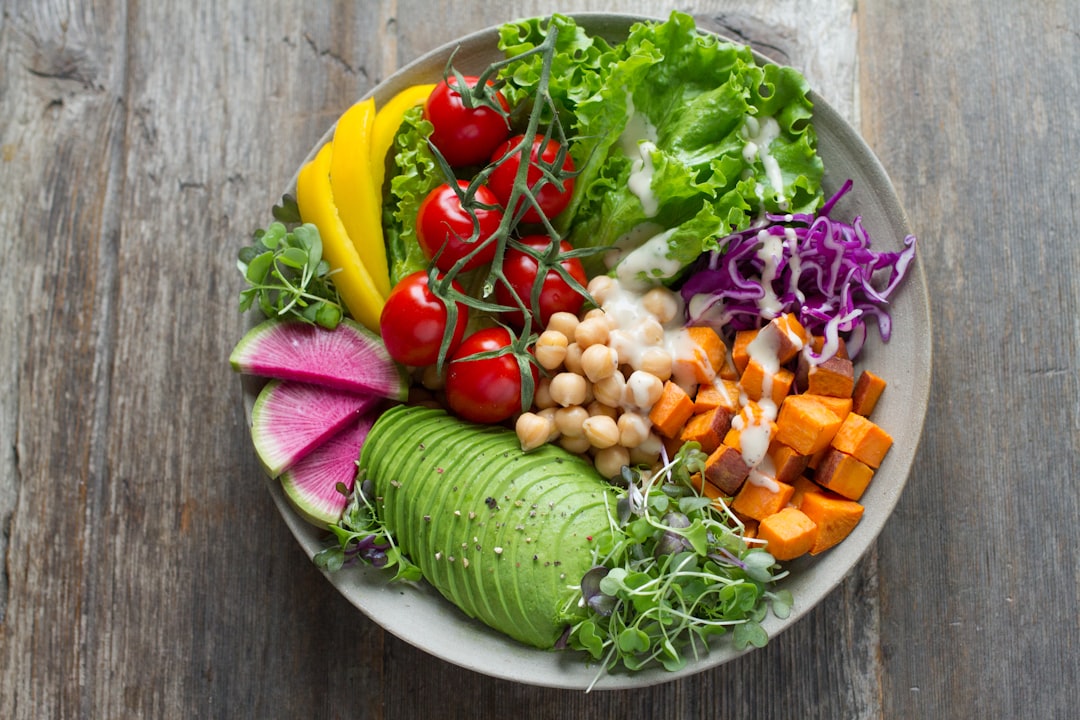
Are you tired of feeling sluggish, run down, and unsure of how to fuel your body for optimal health? In today’s fast-paced world, it’s easy to get caught up in the hustle and bustle of daily life and neglect one of the most important aspects of our well-being: nutrition. But the truth is, a well-balanced diet is the foundation of a healthy, happy life. In this comprehensive guide, we’ll delve into the world of nutrition, exploring the latest research, debunking common myths, and providing you with actionable tips to transform your eating habits and unlock the power of nutrition.
Understanding the Basics of Nutrition
Before we dive into the nitty-gritty of healthy eating, it’s essential to understand the basics of nutrition. Nutrition refers to the process by which our bodies use food to fuel growth, maintenance, and repair. The three main macronutrients – carbohydrates, protein, and fat – provide energy, build and repair tissues, and regulate various bodily functions. A balanced diet that includes a variety of whole foods, such as fruits, vegetables, whole grains, lean proteins, and healthy fats, is crucial for maintaining optimal health. Additionally, staying hydrated by drinking plenty of water and limiting sugary drinks is vital for overall nutrition and well-being.
When it comes to nutrition, it’s not just about what we eat, but also how we eat. Mindful eating, which involves paying attention to our hunger and fullness cues, savoring our food, and eating slowly, can help us develop a healthier relationship with food. By adopting a mindful eating approach, we can reduce stress, improve digestion, and increase our overall satisfaction with meals. Furthermore, being aware of our individual nutritional needs, such as considering dietary restrictions, allergies, or intolerances, is crucial for creating a personalized nutrition plan that works best for our unique bodies.
Debunking Common Nutrition Myths
With the constant stream of information available online, it’s easy to get caught up in nutrition myths and misconceptions. One common myth is that low-fat or fat-free foods are always healthier. However, many of these products are highly processed and contain added sugars, salt, and unhealthy fillers. Another myth is that all calories are created equal, but the truth is that the quality of our calories matters. For example, 100 calories of broccoli will have a vastly different impact on our bodies than 100 calories of soda.
It’s also important to separate fact from fiction when it comes to popular diets and trends. While some diets, such as the keto or vegan diet, may be effective for certain individuals, they may not be suitable for everyone. It’s essential to consult with a healthcare professional or registered dietitian to determine the best approach for our unique needs and goals. Moreover, being aware of the latest nutrition research and recommendations, such as the importance of gut health and the benefits of omega-3 fatty acids, can help us make informed decisions about our diets.
The Importance of Meal Planning and Preparation
Meal planning and preparation are essential components of a healthy nutrition plan. By taking the time to plan and prepare our meals, we can ensure that we’re getting the nutrients we need, while also saving time and money. One of the most effective ways to meal plan is to focus on whole foods, such as fruits, vegetables, whole grains, lean proteins, and healthy fats. We can also consider meal prepping, which involves preparing and portioning out meals in advance, to save time during the week.
In addition to meal planning, being mindful of our food choices when eating out or ordering takeout is crucial. By opting for healthier options, such as grilled chicken or fish, and avoiding processed and fried foods, we can make healthier choices even when we’re not cooking at home. Furthermore, considering our environmental impact and choosing sustainable food options, such as locally sourced and organic produce, can have a positive effect on our health and the planet.
Nutrition and Lifestyle: The Connection
Nutrition is not just about food; it’s also closely linked to our lifestyle. Regular exercise, adequate sleep, and stress management are all essential components of a healthy nutrition plan. When we exercise regularly, we build muscle, boost our metabolism, and increase our energy levels. Getting enough sleep is also crucial, as it helps our bodies repair and recharge, while chronic stress can have a negative impact on our digestion, mood, and overall health.
By incorporating physical activity, such as walking, running, or yoga, into our daily routine, we can improve our overall health and well-being. Additionally, practicing stress-reducing techniques, such as meditation or deep breathing, can help us manage stress and anxiety, leading to a healthier and happier life. Moreover, being aware of our mental health and seeking support when needed is essential for maintaining a positive relationship with food and our bodies.
Conclusion and Key Takeaways
In conclusion, nutrition is a complex and multifaceted topic, but by understanding the basics, debunking common myths, and incorporating meal planning and preparation, we can unlock the power of nutrition and transform our health. Remember, nutrition is not a one-size-fits-all approach; it’s about finding a personalized plan that works best for our unique needs and goals. By being mindful of our food choices, staying hydrated, and incorporating physical activity and stress management into our daily routine, we can achieve optimal health and well-being.
Key takeaways from this comprehensive guide to nutrition include:
- Focus on whole foods, such as fruits, vegetables, whole grains, lean proteins, and healthy fats
- Stay hydrated by drinking plenty of water and limiting sugary drinks
- Incorporate mindful eating and meal planning into your daily routine
- Debunk common nutrition myths and stay informed about the latest research and recommendations
- Prioritize physical activity, sleep, and stress management for overall health and well-being
- Seek support from a healthcare professional or registered dietitian to create a personalized nutrition plan
By following these key takeaways and incorporating the principles outlined in this guide, you’ll be well on your way to unlocking the power of nutrition and achieving a healthier, happier you. Remember, nutrition is a journey, not a destination, and it’s never too late to start making positive changes to your diet and lifestyle. So, start today, and get ready to unlock the incredible benefits of nutrition!