Are you tired of trying fad diets that promise the world but deliver nothing but disappointment? Do you struggle to stick to a meal plan that leaves you feeling deprived and unsatisfied? It’s time to break free from the cycle of dieting frustration and discover the secret to achieving your health and wellness goals. A personalized diet plan is the key to unlocking your full potential, and in this comprehensive guide, we’ll show you how to create a tailored approach that works for you.
Understanding Your Nutrition Needs
Before we dive into the nitty-gritty of diet planning, it’s essential to understand your unique nutrition needs. Everyone’s body is different, and what works for your friend or family member may not work for you. Factors such as age, sex, weight, height, and activity level all play a role in determining your daily calorie and nutrient requirements. For example, if you’re an athlete or engage in regular physical activity, you may require more protein to support muscle growth and repair. On the other hand, if you’re trying to lose weight, you may need to focus on reducing your daily calorie intake while still getting enough nutrients.
To get started, it’s a good idea to consult with a healthcare professional or registered dietitian who can help you assess your nutrition needs. They can also help you identify any dietary restrictions or allergies that may impact your meal planning. Some popular diet plans, such as the keto diet or vegan diet, may be too restrictive for certain individuals, while others may find them highly effective. The key is to find a balance that works for you and your lifestyle.
Creating a Balanced Diet Plan
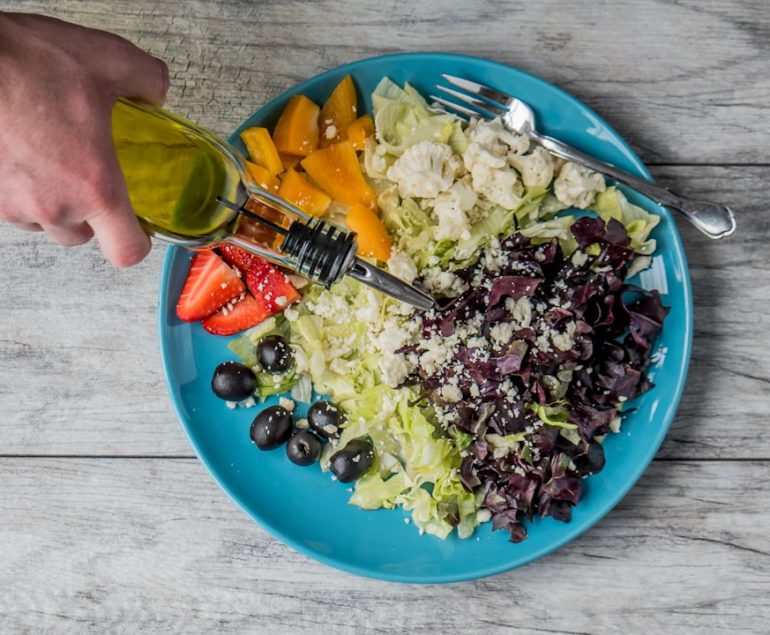
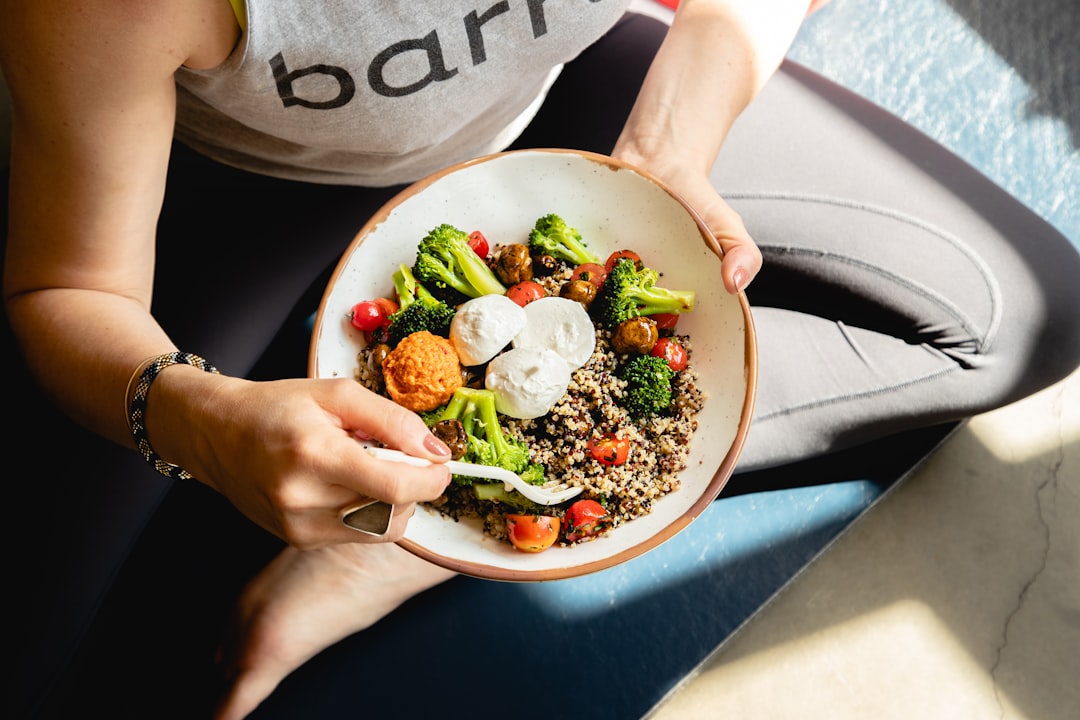
A well-balanced diet plan should include a variety of whole foods, such as fruits, vegetables, whole grains, lean proteins, and healthy fats. Aim to include a rainbow of colors on your plate to ensure you’re getting a broad range of vitamins and minerals. Here are some tips for creating a balanced diet plan:
- Focus on whole foods: Whole foods, such as apples, carrots, and brown rice, are rich in nutrients and fiber, making them more filling and satisfying.
- Include a source of protein at every meal: Protein takes more energy to digest, which can help boost your metabolism and support weight loss.
- Healthy fats are essential: Nuts, seeds, avocados, and olive oil are all great sources of healthy fats that support heart health and satisfy hunger.
- Don’t forget about fiber: Fiber-rich foods, such as legumes, whole grains, and fruits, can help regulate digestion and support healthy blood sugar levels.
- Start with a grocery list: Make a list of the whole foods you want to include in your diet plan, and stick to it when you’re at the store.
- Plan your meals around your schedule: If you have a busy week ahead, consider meal prepping on the weekends or one day a week.
- Cook in bulk: Cooking large batches of rice, quinoa, or lentils can save time during the week and provide a healthy base for meals.
- Don’t forget about snacks: Healthy snacks, such as fruits, nuts, or energy balls, can help curb hunger and support healthy eating.
- Find a workout buddy or accountability partner: Having someone to share your goals and progress with can be a great motivator.
- Track your progress: Keep a food diary or use a habit-tracking app to monitor your eating habits and physical activity.
- Celebrate milestones: Reward yourself for reaching milestones, such as completing a week of healthy eating or reaching a new personal best in the gym.
- Don’t be too hard on yourself: Remember that setbacks are a normal part of the journey. Don’t give up if you have a bad day or week – simply get back on track and keep moving forward.
- A personalized diet plan is tailored to your unique nutrition needs and lifestyle.
- Whole foods, such as fruits, vegetables, whole grains, lean proteins, and healthy fats, are the foundation of a balanced diet plan.
- Meal planning and prep are essential for staying on track and avoiding last-minute takeout or fast food.
- Staying motivated and accountable, whether through a workout buddy or habit-tracking app, can help you achieve your goals.
- Focus on progress, not perfection, and be kind to yourself along the way.
Some popular diet plans, such as the Mediterranean diet or Flexitarian diet, emphasize whole foods and balanced eating. These plans can be a great starting point, but it’s essential to remember that everyone’s nutritional needs are different. Be sure to consult with a healthcare professional before making any significant changes to your diet.
Meal Planning and Prep
Meal planning and prep are crucial components of a successful diet plan. By planning your meals in advance, you can ensure you’re getting the nutrients you need while avoiding last-minute takeout or fast food. Here are some tips for meal planning and prep:
Some popular meal planning tools, such as meal planning apps or printable templates, can help you stay organized and on track. Remember to be flexible and make adjustments as needed. Life can be unpredictable, and it’s essential to have a plan B (or C, or D) in place.
Staying Motivated and Accountable
Staying motivated and accountable is crucial when it comes to achieving your health and wellness goals. Here are some tips for staying on track:
Some popular fitness trackers or health apps, such as MyFitnessPal or Habitica, can help you stay motivated and accountable. Remember to focus on progress, not perfection, and be kind to yourself along the way.
Conclusion and Key Takeaways
Creating a personalized diet plan is a powerful way to transform your body and mind. By understanding your unique nutrition needs, creating a balanced diet plan, meal planning and prepping, and staying motivated and accountable, you can achieve your health and wellness goals. Remember to be patient, flexible, and kind to yourself throughout the journey. Here are the key takeaways:
By following these tips and staying committed to your goals, you can unlock the power of a personalized diet plan and transform your body and mind. Remember to consult with a healthcare professional before making any significant changes to your diet, and don’t be afraid to seek support along the way. With patience, persistence, and the right mindset, you can achieve a healthier, happier you.