Title: Unlocking the Power of Nutrition: A Practical Guide to Eating for Health, Energy, and Longevity

—

Introduction – Why Nutrition Is the Real Super‑Power You’ve Been Waiting For

Imagine you could boost your mood, sharpen your focus, and protect yourself from chronic disease simply by choosing what lands on your plate. That isn’t a futuristic fantasy—it’s the everyday reality of good nutrition. In a world flooded with diet fads, quick‑fix supplements, and conflicting headlines, it’s easy to feel overwhelmed. Yet the truth is far simpler: the foods you eat provide the building blocks for every cell, hormone, and brain signal in your body.

In this comprehensive guide, we’ll cut through the noise and give you actionable, science‑backed strategies to master your nutrition. Whether you’re a busy professional, a parent juggling meals, or anyone who wants to feel better and live longer, the principles below will help you design a balanced, nutrient‑dense diet that fits your lifestyle. Let’s dive in!

—

1. Mastering the Basics: Macronutrients and How They Fuel Your Body

1.1 What Are Macronutrients?

Macronutrients—carbohydrates, proteins, and fats—are the three primary sources of energy and structural material for the body. Unlike micronutrients (vitamins and minerals), you need them in relatively large amounts, measured in grams rather than milligrams.

| Macro | Primary Function | Typical Sources |
|——-|——————|—————–|
| Carbohydrates | Quick energy for brain & muscles | Whole grains, fruits, vegetables, legumes |
| Proteins | Tissue repair, enzyme & hormone production | Lean meats, fish, eggs, dairy, beans, tofu |
| Fats | Long‑lasting energy, hormone synthesis, brain health | Avocado, nuts, seeds, olive oil, fatty fish |

1.2 How Much Is Enough?

The Acceptable Macronutrient Distribution Range (AMDR) provides a flexible starting point:

  • Carbohydrates: 45–65 % of total daily calories
  • Protein: 10–35 % of total daily calories
  • Fat: 20–35 % of total daily calories
  • Your exact ratio depends on goals (e.g., weight loss, muscle gain, endurance training) and personal preferences. A good rule of thumb for most adults is 50 % carbs, 25 % protein, 25 % fat.

    1.3 Actionable Tips to Optimize Your Macros

    1. Track Your Intake for One Week – Use a free app (MyFitnessPal, Cronometer) to see where you currently stand.
    2. Prioritize Complex Carbs – Swap refined white bread for whole‑grain options like quinoa, oats, or sprouted rye.
    3. Aim for 0.8–1.2 g Protein per Pound of Body Weight – Spread protein evenly across 3–4 meals to maximize muscle protein synthesis.
    4. Choose Healthy Fats – Replace butter with olive oil, snack on a handful of almonds, and include fatty fish (salmon, sardines) twice a week.
    5. Balance Each Meal – A simple plate model: ½ vegetables, ¼ lean protein, ¼ whole‑grain carbs, plus a drizzle of healthy fat.

    —

    2. Micronutrients: The Tiny Titans That Keep You Thriving

    2.1 Why Micronutrients Matter

    Vitamins and minerals—collectively called micronutrients—don’t provide calories, but they are essential for metabolic pathways, immune function, and cellular repair. Deficiencies, even subtle ones, can lead to fatigue, poor concentration, and long‑term health issues.

    2.2 Key Micronutrients and Their Food Sources

    | Micronutrient | Why It’s Critical | Top Food Sources |
    |—————|——————-|——————|
    | Vitamin D | Bone health, immune modulation | Sunlight, fortified milk, fatty fish, egg yolk |
    | Vitamin C | Antioxidant, collagen synthesis | Citrus, strawberries, bell peppers, broccoli |
    | Iron | Oxygen transport, energy production | Red meat, lentils, spinach, pumpkin seeds |
    | Calcium | Bone strength, muscle contraction | Dairy, fortified plant milks, kale, almonds |
    | Magnesium | Nerve function, sleep quality | Dark leafy greens, nuts, whole grains, dark chocolate |
    | Omega‑3 Fatty Acids | Brain health, inflammation control | Salmon, chia seeds, walnuts, algae oil |

    2.3 Practical Strategies to Meet Micronutrient Needs

    1. Eat the Rainbow Daily – Aim for at least five different colored fruits/vegetables each day; each hue signals a unique set of phytonutrients.
    2. Incorporate a “Power Bowl” Once a Week – Combine leafy greens, a colorful mix of veggies, a protein source, and a sprinkle of seeds/nuts for a micronutrient punch.
    3. Mind the Pairings – Vitamin C boosts iron absorption; pair spinach (iron) with citrus dressing.
    4. Consider a Targeted Supplement Only When Needed – If you’re vegan, a B12 supplement is often necessary; otherwise, focus on whole foods first.
    5. Season with Herbs & Spices – Turmeric (curcumin), ginger, and garlic add anti‑inflammatory benefits and extra micronutrients.

    —

    3. Building a Balanced Plate: The Blueprint for Every Meal

    3.1 The “Half‑Plate” Method

    The Harvard Healthy Eating Plate is a visual, evidence‑based guide that translates nutrition science into a simple plate layout:

  • ½ Plate Vegetables & Fruits – Prioritize non‑starchy veggies (broccoli, zucchini) and a modest portion of fruit.
  • ¼ Plate Whole Grains – Brown rice, farro, barley, or whole‑wheat pasta.
  • ¼ Plate Protein – Lean meats, beans, tofu, tempeh, or fish.
  • Add Healthy Fats – A small amount of olive oil, avocado, or nuts.
  • Stay Hydrated – Water, herbal tea, or infused water; limit sugary drinks.
  • 3.2 Customizing for Lifestyle

    | Lifestyle | Adjustments |
    |———–|————-|
    | Busy Professional | Prep “grab‑and‑go” salads with pre‑washed greens, canned beans, and pre‑cooked quinoa. |
    | Family with Kids | Make “build‑your‑own‑bowl” nights; let kids choose veggies and proteins to increase engagement. |
    | Athlete/Active | Increase carbohydrate portion to 60 % on training days; add a post‑workout protein shake. |
    | Plant‑Based | Combine legumes + grains (e.g., beans + rice) for complete protein; include fortified plant milks for calcium & B12. |

    3.3 Actionable Meal‑Planning Checklist

  • Plan Ahead: Spend 15 minutes each Sunday to outline breakfast, lunch, dinner, and snacks for the week.
  • Batch‑Cook Staples: Cook a large pot of quinoa, roast a tray of mixed veggies, and grill chicken breasts; store in portioned containers.
  • Create a “Snack Station”: Keep sliced fruit, raw nuts, Greek yogurt, and hummus within arm’s reach to avoid impulse junk food.
  • Use Portion Guides: A deck of cards ≈ 3 oz protein, a tennis ball ≈ ½ cup cooked grains, a fist ≈ 1 cup veggies.
  • Review & Adjust: At the end of each week, note energy levels, hunger cues, and any cravings to fine‑tune portions.
  • —

    4. Meal Planning & Practical Tips for Sustainable Nutrition

    4.1 The 7‑Day Sample Meal Plan (≈2,000 kcal)

    | Day | Breakfast | Lunch | Dinner | Snack |
    |—–|———–|——-|——–|——-|
    | Mon | Overnight oats with berries, chia seeds, almond milk | Quinoa salad with chickpeas, cucumber, tomato, feta, olive oil | Grilled salmon, roasted sweet potatoes, steamed broccoli | Apple + 1 tbsp peanut butter |
    | Tue | Veggie omelet (spinach, bell pepper) + whole‑grain toast | Turkey wrap with whole‑grain tortilla, lettuce, avocado, mustard | Stir‑fry tofu, mixed veggies, brown rice, soy‑ginger sauce | Greek yogurt + honey |
    | Wed | Smoothie (banana, spinach, protein powder, oat milk) | Lentil soup + side mixed greens with vinaigrette | Baked chicken thighs, quinoa pilaf, roasted carrots | Handful of almonds |
    | Thu | Whole‑grain English muffin, scrambled eggs, tomato slice | Mediterranean bowl: falafel, hummus, tabbouleh, olives | Shrimp tacos (corn tortillas), cabbage slaw, salsa | Dark chocolate (1 oz) |
    | Fri | Cottage cheese, pineapple, walnuts | Grilled veggie & mozzarella panini on whole‑grain bread | Beef stir‑fry with bell peppers, snap peas, brown rice | Carrot sticks + hummus |
    | Sat | Pancakes (whole‑grain flour) topped with fresh berries | Sushi bowl: brown rice, avocado, cucumber, smoked salmon, soy sauce | Veggie pizza on cauliflower crust, side arugula salad | Protein bar (low sugar) |
    | Sun | Greek yogurt parfait with granola, mixed fruit | Chicken Caesar salad (light dressing, whole‑grain croutons) | Roast pork tenderloin, mashed cauliflower, green beans | Pear + cheese slice |

    Feel free to swap days, adjust portion sizes, or replace proteins to match your preferences.

    4.2 Grocery Shopping Hacks

  • Shop the Perimeter First: This is where fresh produce, lean proteins, and dairy reside.
  • Buy Seasonal Produce: It’s cheaper, fresher, and more nutrient‑dense.
  • Choose “Clean” Labels: Look for “no added sugar,” “no artificial preservatives,” and “whole grain.”
  • Bulk & Freeze: Purchase beans, nuts, and whole grains in bulk; freeze extra portions of cooked proteins for later use.

4.3 Time‑Saving Kitchen Tools

| Tool | How It Helps |
|——|————–|
| Instant Pot / Slow Cooker | Set it and forget it; perfect for soups, stews, and whole‑grain cooking. |
| Food Processor | Quickly chop veggies, make nut butter, or blend sauces. |
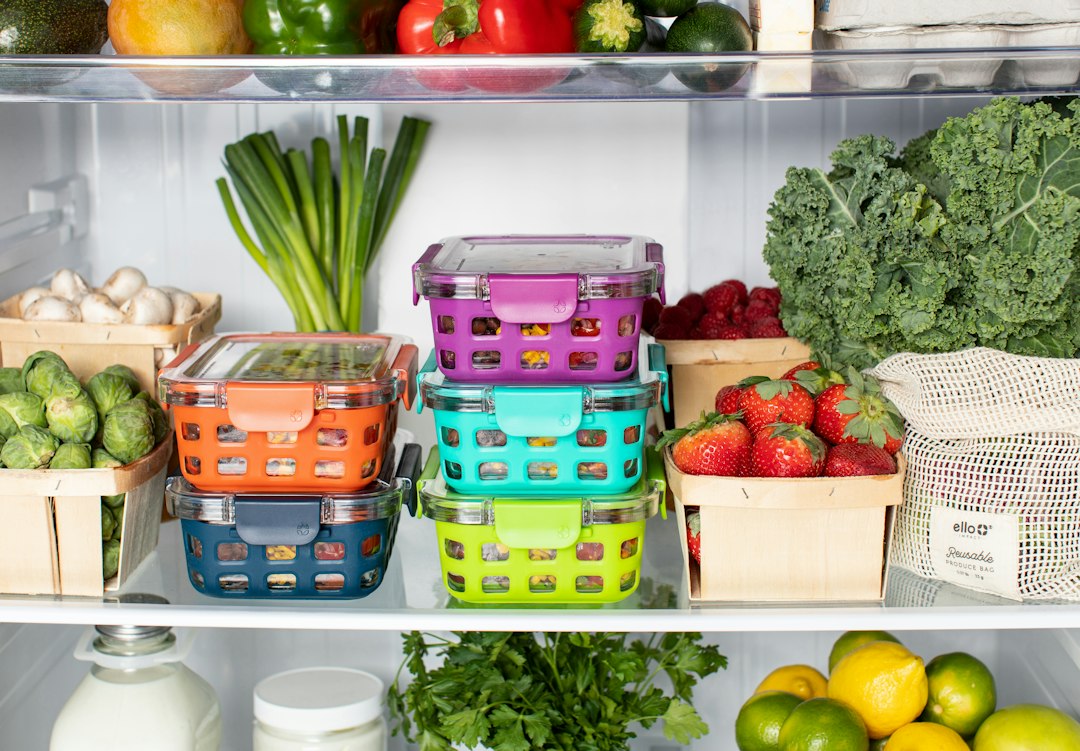
| Meal Prep Containers | Portion‑control and keep meals fresh for up to 5 days. |
| Digital Kitchen Scale | Accurate portion sizes, especially for protein and carbs. |

4.4 Mindful Eating Practices

1. Eat Without Distractions: Put away phones/computers; focus on taste, texture, and satiety cues.
2. Chew Thoroughly: Aim for 20–30 chews per bite to aid digestion and signal fullness.
3. Pause Mid‑Meal: After 10–15 minutes, assess hunger—stop when you’re comfortably satisfied, not stuffed.
4. Hydrate First: Drink a glass of water 30 minutes before meals; it can curb overeating.

—

5. Debunking Common Nutrition Myths (Bonus Section)

| Myth | Reality |
|——|———-|
| “All carbs make you gain weight.” | Carbohydrates are essential for energy; it’s the type (refined vs. complex) and portion that matters. |
| “You need to eat meat to get enough protein.” | Plant proteins (beans, lentils, quinoa, tofu) can meet and even exceed protein needs when varied. |
| “Fat makes you fat.” | Healthy fats are vital for hormone production and satiety; they actually help regulate weight when consumed in moderation. |
| “Detox diets cleanse your body.” | Your liver, kidneys, and gut already detoxify; focus on supporting them with nutrient‑dense foods instead of extreme cleanses. |
| “Supplements can replace a balanced diet.” | Whole foods provide fiber, phytonutrients, and synergistic compounds that supplements can’t replicate. |

Understanding the truth behind these myths empowers you to make choices grounded in science, not hype.

—

Conclusion – Key Takeaways for a Healthier, More Energized You

1. Balance Your Macros: Aim for a flexible ratio (≈50 % carbs, 25 % protein, 25 % fat) that supports your activity level and goals.
2. Prioritize Micronutrients: Fill your plate with colorful fruits, vegetables, nuts, and seeds to cover vitamins and

Title: Unlocking the Power of Nutrition: A Practical Guide to Eating Well, Feeling Great, and Living Longer

—

Introduction – Why Nutrition Is the Real “Secret Sauce” of Life

Imagine you’ve just bought a brand‑new smartphone. You’re thrilled about the sleek design, the powerful processor, and the endless apps that promise to make life easier. But what if the battery was faulty? No matter how impressive the hardware, the device would die the moment you need it most.

Your body works the exact same way. All the amazing genetics, training routines, and lifestyle hacks you invest in are useless if the fuel you give it is low‑quality or unbalanced. Nutrition is that battery—​the fundamental source of energy, repair, and growth.

In this post we’ll break down the science and the everyday practice of good nutrition into bite‑size, actionable steps. Whether you’re a busy professional, a student juggling meals between classes, or someone looking to fine‑tune a health condition, the strategies here are designed to fit real life. By the end, you’ll have a clear roadmap for building a balanced diet, mastering macronutrients, leveraging micronutrients, and turning nutrition into a habit that sticks.

—

1. Building a Balanced Plate: The Foundations of a Healthy Diet

1.1 The Classic Food Pyramid—Reimagined for 2024

The traditional food pyramid has evolved into the MyPlate model, which emphasizes proportion over strict food groups. Picture a plate divided into four sections:

| Section | What to Fill It With | Why It Matters |
|———|———————-|—————-|
| Half the plate – Vegetables | Dark leafy greens, cruciferous veggies, colorful peppers, carrots | Rich in fiber, vitamins (A, C, K), minerals, and phytonutrients that support immunity and gut health. |
| One quarter – Protein | Lean meats, fish, eggs, legumes, tofu, tempeh, nuts | Supplies essential amino acids for muscle repair, hormone production, and enzyme function. |
| One quarter – Whole Grains | Brown rice, quinoa, whole‑wheat pasta, oats | Provides complex carbohydrates, B‑vitamins, and sustained energy. |
| Side – Fruit & Dairy (or alternatives) | Fresh fruit, low‑fat yogurt, fortified plant milks | Offers natural sugars, calcium, vitamin D, and antioxidants. |

Actionable tip: At your next grocery shop, place a large plate on the table. As you load your cart, aim to fill each “section” visually. This simple visual cue helps you avoid over‑loading on any one category.

1.2 Macronutrient Ratios That Actually Work

While the MyPlate model gives a visual guide, the macronutrient distribution (carbs, protein, fat) tailors nutrition to individual goals:

| Goal | Carbs | Protein | Fat |
|——|——-|———|—–|
| General health | 45‑55% | 15‑25% | 25‑35% |
| Weight loss (moderate) | 35‑45% | 25‑35% | 20‑30% |
| Muscle gain / strength | 40‑50% | 30‑40% | 20‑30% |
| Endurance training | 55‑65% | 15‑20% | 20‑25% |

How to apply: Use a free macro‑tracking app (MyFitnessPal, Cronometer) for a week. Log everything you eat, then adjust portion sizes until you hit the target percentages for your goal. You’ll quickly see which meals need more protein or fewer refined carbs.

1.3 Quality Over Quantity: Choosing Nutrient‑Dense Foods

A 200‑calorie bag of chips vs. a 200‑calorie bowl of lentil soup—​both deliver the same energy, but the soup packs protein, fiber, iron, and folate, while the chips offer mostly empty calories and unhealthy fats.

Action steps for nutrient density:

1. Swap refined grains for whole grains – Replace white bread with 100 % whole‑grain or sprouted grain options.
2. Prioritize lean protein sources – Choose skinless poultry, fish, or plant‑based proteins like edamame.
3. Add a “color splash” – Aim for at least three different colors of vegetables per meal; each hue signals a unique set of phytonutrients.

—

2. Micronutrients & Superfoods: Small Compounds, Big Impact

2.1 The Micronutrient Checklist You Can Keep in Your Pocket

Micronutrients (vitamins & minerals) don’t provide calories, but they are essential for metabolic pathways, immune function, and disease prevention. Here’s a quick reference for the most common deficiencies and the foods that fix them:

| Micronutrient | Common Deficiency Signs | Top Food Sources |
|—————|————————|——————|
| Vitamin D | Fatigue, bone pain, mood swings | Fatty fish (salmon, mackerel), fortified dairy/plant milks, sunlight (10‑15 min daily) |
| Iron | Low energy, pale skin, hair loss | Red meat, lentils, spinach, pumpkin seeds |
| Calcium | Muscle cramps, brittle nails | Dairy, fortified tofu, kale, almonds |
| Magnesium | Insomnia, anxiety, muscle twitches | Dark chocolate, nuts, seeds, whole grains |
| Vitamin B12 | Numbness, memory fog | Animal products, fortified cereals, nutritional yeast (vegans) |
| Omega‑3 (EPA/DHA) | Joint stiffness, dry skin | Chia seeds, walnuts, flaxseed oil, fish oil |

Quick habit: Keep a small “micronutrient cheat sheet” on your fridge. Each time you plan a meal, glance at the list and ask, “Which vitamin or mineral am I missing today?”

2.2 Superfoods—Marketing Hype or Real Benefits?

The term “superfood” is often a buzzword, but many of these foods truly pack a high concentration of antioxidants, fiber, and essential nutrients. Below are five evidence‑backed options and how to incorporate them:

| Superfood | Key Benefits | Easy Ways to Use |
|———–|————–|—————–|
| Blueberries | Antioxidants (anthocyanins) support brain health | Toss into oatmeal, blend into smoothies, or snack fresh |
| Kale | Vitamin K, calcium, lutein for eye health | Sauté with garlic, blend into green smoothies, or add to soups |
| Quinoa | Complete protein, gluten‑free, high fiber | Use as a base for grain bowls, replace rice, or add to salads |
| Greek Yogurt | Probiotics + protein for gut and satiety | Mix with honey & nuts, use as a base for dips, or replace sour cream |
| Turmeric | Curcumin reduces inflammation (enhanced with black pepper) | Stir into curries, blend into golden milk, or add to roasted veggies |

Action tip: Pick one superfood each week and experiment with three different recipes. This keeps variety high without overwhelming you.

2.3 Micronutrient Timing – Does It Matter?

While the overall intake of vitamins and minerals is most important, timing can enhance absorption:

  • Vitamin C boosts iron absorption—​pair iron‑rich foods (spinach) with citrus or bell peppers.
  • Fat‑soluble vitamins (A, D, E, K) need dietary fat—​add avocado or olive oil to a salad with carrots or sweet potatoes.
  • Calcium competes with iron and zinc for absorption—​space high‑calcium foods (dairy) away from iron‑rich meals if you’re prone to anemia.
  • Practical plan: If you take a multivitamin, consume it with a balanced breakfast that includes healthy fats (e.g., eggs + avocado) to maximize uptake.

    —

    3. Meal Planning & Prep: Turning Nutrition Theory into Daily Reality

    3.1 The 5‑Day Meal Planning Blueprint

    A solid meal plan reduces decision fatigue, cuts food waste, and ensures nutrient balance. Follow this simple framework:

    | Day | Breakfast | Lunch | Dinner | Snack |
    |—–|———–|——-|——–|——-|
    | Mon | Overnight oats with chia, berries, almond milk | Quinoa bowl with roasted chickpeas, kale, tahini | Grilled salmon, sweet potato, steamed broccoli | Greek yogurt + walnuts |
    | Tue | Veggie omelet + whole‑grain toast | Turkey & avocado wrap, side carrot sticks | Stir‑fry tofu, bell peppers, brown rice | Apple slices + peanut butter |
    | Wed | Smoothie (spinach, banana, protein powder, flax) | Lentil soup + mixed greens salad | Baked chicken breast, quinoa, roasted Brussels sprouts | Hummus + cucumber |
    | Thu | Cottage cheese, pineapple, toasted nuts | Mediterranean grain bowl (farro, olives, feta, tomatoes) | Shrimp tacos with cabbage slaw, corn tortillas | Dark chocolate (≥70% cacao) |
    | Fri | Whole‑grain pancakes, maple syrup, turkey bacon | Leftover night (use any leftovers) | Veggie‑loaded pizza on cauliflower crust | Mixed berries |

    Prep steps on Sunday:

    1. Batch‑cook grains (quinoa, brown rice, farro) – store in airtight containers.
    2. Roast a tray of mixed veggies (sweet potatoes, broccoli, carrots) – they’re ready for any meal.
    3. Protein prep – grill chicken, bake salmon, or press tofu.
    4. Portion snacks – divide nuts, cut fruit, and portion hummus into grab‑and‑go containers.

    3.2 Grocery Shopping Hacks for a Nutrition‑Focused Cart

  • Shop the perimeter first – Fresh produce, meats, dairy are usually along the store’s outer ring.
  • Read labels quickly – Look for ≤5 ingredients, avoid added sugars, artificial sweeteners, and trans fats.
  • Buy frozen when fresh isn’t in season – Frozen berries, peas, and spinach retain most nutrients and cost less.
  • Create a “swap list” – For every processed item you’d normally buy, write a healthier alternative (e.g., replace instant noodles with whole‑grain ramen or spiralized zucchini).
  • 3.3 Staying Flexible: The 80/20 Rule

    Life is unpredictable; you’ll have dinner parties, travel, or simply crave pizza. The 80/20 rule helps you stay on track without feeling deprived:

  • 80 % of your meals should follow your nutrition plan.
  • 20 % can be flexible, indulgent, or “cheat” foods.
  • How to implement: If you know you’ll have a pizza night, plan lighter meals earlier in the day (e.g., a protein‑rich salad) and keep portions modest. This prevents a single indulgence from derailing your overall progress.

    —

    4. Nutrition for Specific Goals: Weight Management, Gut Health, and Performance

    4.1 Weight Loss – The Science of a Sustainable Caloric Deficit

    The core principle is simple: energy out > energy in. However, sustainability hinges on nutrient quality and behavior change.

    | Strategy | Why It Works | How to Apply |
    |———-|————–|————–|
    | High‑protein meals | Increases satiety, preserves lean muscle | Aim for 25‑30 g protein per meal (eggs, Greek yogurt, beans) |
    | Fiber‑rich foods | Slows digestion, reduces hunger spikes | Include at least 25 g fiber daily (vegetables, legumes, whole grains) |
    | Mindful eating | Reduces mindless snacking, improves portion awareness | Put utensils down between bites, chew slowly, focus on flavors |
    | Strength training | Boosts resting metabolic rate by building muscle | 2–3 sessions/week, compound movements (squat, deadlift, push‑up) |

    Sample calorie‑controlled breakfast: 2 scrambled eggs + 1 cup sautéed spinach + ½ avocado + 1 slice whole‑grain toast (~350 kcal, 20 g protein, 10 g fiber).

    4.2 Gut Health – Feeding the Microbiome

    A healthy gut microbiome influences digestion, immunity, and even mood. Key dietary components:

  • Prebiotic fibers (inulin, resistant starch) feed beneficial bacteria. Sources: garlic, onions, bananas, oats, chicory root.
  • Probiotic foods introduce live cultures. Sources: kefir, kimchi, sauerkraut, miso, kombucha.
  • Polyphenol‑rich foods act as antioxidants and support bacterial diversity. Sources: berries, green tea, dark chocolate, coffee.

Action plan:
1. Add a prebiotic to each meal (e.g., a spoonful of chicory coffee, a side of roasted garlic).
2. Include a probiotic snack daily (a cup of kefir or a small serving of kimchi).
3. Limit ultra‑processed foods that can disrupt gut balance (high sugar, artificial additives).

4.3 Athletic Performance – Fueling the Body for Peak Output

For athletes, nutrition isn’t

Title: 50 Fresh Wellness Blog Ideas to Boost Your Site’s Traffic, Engagement, and Impact

—

Introduction – Hook, Problem, Promise

Ever scroll through your favorite wellness blog and think, “I could write that too—but where do I start?” You’re not alone. The wellness niche is booming, with millions of people searching daily for tips on sleep, stress relief, nutrition, and holistic living. Yet, the sheer volume of content can feel overwhelming, and many bloggers struggle to keep their ideas fresh, their readers engaged, and their SEO rankings climbing.

What if you could walk away with a ready‑to‑publish list of wellness blog ideas that are not only SEO‑friendly but also genuinely helpful? In this post, you’ll discover 50 actionable topics organized into five powerhouse sections. Each idea comes with a quick outline, keyword suggestions, and a step‑by‑step action plan so you can start writing (or recording) today. Let’s turn that creative block into a content calendar that drives traffic, builds community, and positions you as a trusted authority in health and wellness.

—

1. Get to Know Your Audience & Define Your Niche

Before you even think about topics, you need a crystal‑clear picture of who you’re speaking to. A well‑defined audience informs every keyword, headline, and call‑to‑action you’ll use.

1.1. Create Detailed Reader Personas

| Persona | Age | Primary Goal | Pain Point | Preferred Content Format |
|——–|—–|————–|————|————————–|
| Busy Mom | 30‑45 | Quick stress‑relief hacks | No time for long workouts | Listicles, short videos |
| Millennial Fitness Buff | 22‑35 | Optimize performance | Plateaus in strength | In‑depth guides, podcasts |
| Retiree Wellness Seeker | 60+ | Longevity & mobility | Joint pain | Printable PDFs, infographics |

Action Steps
1. Survey your email list or social followers (Google Forms works well).
2. Analyze Google Analytics demographics and behavior flow.
3. Draft 2‑3 personas and keep them visible on your editorial board.

1.2. Conduct Keyword Research Tailored to Your Niche

  • Primary keyword: “wellness blog ideas” (search volume ~2.9K/mo, KD 32)
  • Long‑tail variations: “wellness blog topics for beginners,” “holistic health blog post ideas,” “seasonal wellness content calendar.”
  • Tool Cheat‑Sheet
    | Tool | Best Use | Free Tier? |
    |——|———-|————|
    | Google Keyword Planner | Search volume & competition | Yes |
    | Ubersuggest | Content ideas & SERP features | Yes (limited) |
    | AnswerThePublic | Question‑based keywords | Yes |
    | Ahrefs Keywords Explorer | Advanced metrics | 10‑day trial |

    Action Steps
    1. Plug your primary keyword into each tool.
    2. Export the top 20‑30 related terms.
    3. Group them by intent (informational, transactional, navigational).

    1.3. Map Topics to the Buyer’s Journey

    | Stage | Goal | Example Blog Idea |
    |——-|——|——————-|
    | Awareness | Discover a problem | “10 Hidden Signs You’re Chronically Stressed” |
    | Consideration | Compare solutions | “Yoga vs. Pilates: Which Is Better for Lower Back Pain?” |
    | Decision | Choose a product/service | “The Best Sleep Trackers for Light Sleepers (2024 Review)” |

    Action Steps

  • For each persona, assign 2‑3 topics per stage.
  • Use a spreadsheet to track the stage, keyword, headline, and publishing date.
  • > Result: A strategic foundation that turns generic “wellness blog ideas” into targeted, high‑intent content that Google loves.

    —

    2. Evergreen Wellness Topics – The Backbone of Your Blog

    Evergreen posts keep pulling traffic months (or even years) after they’re published. They answer timeless questions, solve persistent problems, and often rank on the first page for high‑volume keywords. Below are 15 evergreen ideas, each with a quick outline and SEO tip.

    | # | Blog Idea | Primary Keyword | Quick Outline |
    |—|———–|—————-|—————|
    | 1 | The Ultimate Guide to Mindful Eating | mindful eating guide | Intro → Benefits → 5 Practical Techniques → Meal Planning Tips → FAQs |
    | 2 | How to Build a Sustainable Morning Routine | sustainable morning routine | Hook → Science of Habits → 7‑Step Routine → Printable Checklist |
    | 3 | Top 10 Superfoods for Immune Support | superfoods for immune support | List → Nutrient Breakdown → Simple Recipes → Shopping List |
    | 4 | Beginner’s Guide to Meditation: 5 Minutes a Day | beginner meditation guide | Myth‑busting → 5‑minute script → Apps review → Progress tracker |
    | 5 | Understanding the Sleep Cycle: What 90 Minutes Means | sleep cycle explained | Anatomy of sleep → 90‑minute cycles → Ideal bedtime calculator |
    | 6 | Stress‑Relief Techniques That Actually Work | stress relief techniques | Quick wins → Deep breathing → Progressive muscle relaxation → Resources |
    | 7 | How to Read Food Labels Like a Pro | how to read food labels | Label anatomy → Hidden sugars → Red flags → Cheat sheet PDF |
    | 8 | The Science Behind Hydration and Brain Function | hydration and brain function | Research summary → Daily water goal calculator → Tips for picky drinkers |
    | 9 | DIY Aromatherapy Blends for Better Sleep | DIY aromatherapy sleep blends | Essential oil basics → 3 recipes → Safety guide |
    |10 | A Complete Bodyweight Workout for Home | bodyweight workout at home | Warm‑up → 5‑move circuit → Progressions → Video demo |
    |11 | How to Set Realistic Wellness Goals (SMART Method) | SMART wellness goals | Goal‑setting theory → Worksheet → Tracking tools |
    |12 | Gut Health 101: Probiotics, Prebiotics, and Fermented Foods | gut health basics | Microbiome intro → Food list → Recipe ideas |
    |13 | The Benefits of Digital Detox: 7-Day Challenge | digital detox benefits | Why detox → 7‑day plan → Reflection journal |
    |14 | Understanding Hormonal Imbalance in Women | hormonal imbalance symptoms | Hormones overview → Common signs → Lifestyle fixes |
    |15 | Holistic Self‑Care Checklist for Busy Professionals | holistic self‑care checklist | Physical, mental, emotional, spiritual → Printable |

    SEO Boosters for Evergreen Posts

  • Include a “Table of Contents” with anchor links (helps both readers and Google’s scroll depth).
  • Add a downloadable PDF (e.g., checklist, worksheet) and embed a “Download” CTA.
  • Use schema markup (Article, FAQ, How‑To) to increase SERP visibility.
  • Action Plan
    1. Choose 3‑5 topics that align with your personas.
    2. Draft a 1,200‑1,500‑word post for each, using the outline above.
    3. Schedule them over the next two months and promote via Pinterest (great for wellness).

    —

    3. Seasonal & Trendy Content – Ride the Wave of Current Interest

    While evergreen posts are the foundation, timely content can skyrocket traffic when you catch a trend early. Seasonal topics also let you tie in holidays, weather changes, and cultural events.

    3.1. Seasonal Wellness Calendars

    | Season | Theme | Sample Blog Idea | Primary Keyword |
    |——–|——-|——————|—————–|
    | Spring | Detox & Renewal | “Spring Clean Your Mind: 7-Day Mental Declutter Challenge” | spring mental detox |
    | Summer | Outdoor Fitness | “Top 5 Summer HIIT Workouts You Can Do at the Park” | summer HIIT workouts |
    | Fall | Immune Boost | “5 Autumn Superfoods to Strengthen Your Immune System” | autumn immune foods |
    | Winter | Cozy Self‑Care | “Winter Self‑Care Rituals to Beat the Blues” | winter self‑care ideas |

    Action Steps

  • Create a seasonal editorial calendar (Google Sheet) with at least 2 posts per month.
  • Use Google Trends to confirm search spikes (e.g., “summer detox recipes” spikes in May).
  • 3.2. Trending Topics & Viral Formats

    | Trend | How to Adapt for Wellness | Example Title |
    |——-|—————————|—————|
    | TikTok “What I Eat in a Day” | Show a day of anti‑inflammatory meals | “What I Eat in a Day for Joint Health (TikTok Style)” |
    | AI‑generated meal plans | Review a free AI tool, compare with nutritionist advice | “Can AI Meal Planners Replace a Dietitian? Our 30‑Day Test” |
    | “Micro‑Habits” movement | Break big goals into 1‑minute actions | “Micro‑Habits for Better Sleep: 5 One‑Minute Tricks” |
    | Plant‑based challenge | Document a 30‑day plant‑based trial | “30‑Day Plant‑Based Challenge: My Health Results” |

    SEO Tips

  • Add “2024” or “2025” to the title for freshness (e.g., “2024 Summer HIIT Workouts”).
  • Include “how to” or “guide” for question‑based searches.
  • Action Plan
    1. Set up Google Alerts for keywords like “wellness trend,” “TikTok wellness,” “AI diet.”
    2. When a trend emerges, brainstorm a spin‑off that fits your brand voice.
    3. Publish within 48‑72 hours for maximum relevance.

    —

    4. Interactive & Multimedia Wellness Ideas

    People love to do rather than just read. Interactive posts, videos, podcasts, and downloadable tools increase dwell time—a strong ranking signal. Below are 10 ideas that blend content formats with the “wellness blog ideas” theme.

    | # | Interactive/Multimedia Idea | Core Value |
    |—|—————————–|————|
    | 1 | Wellness Quiz: “What’s Your Stress Personality?” | Self‑assessment, shareable |
    | 2 | Printable Habit Tracker (PDF) | Daily accountability |
    | 3 | YouTube Mini‑Series: “5‑Minute Desk Stretches” | Visual learning, cross‑platform traffic |
    | 4 | Podcast Episode: Interview with a sleep scientist | Authority building |
    | 5 | Live Instagram Q&A: “Ask a Nutritionist Anything” | Community engagement |
    | 6 | Infographic: “The Hormone Cycle Explained” | Quick reference, Pinterest‑friendly |
    | 7 | Virtual 7‑Day Challenge: Email drip with daily tasks | Lead generation |
    | 8 | Interactive Calculator: “Ideal Daily Water Intake” | Personalized data |
    | 9 | Guided Audio Meditation (MP3 download) | Immediate value, email capture |
    |10 | User‑Generated Content Campaign: “My Wellness Wins of the Week” | Social proof, brand loyalty |

    How to Build a Simple Quiz (Step‑by‑Step)
    1. Choose a niche question – e.g., “Which type of mindfulness practice suits you?”
    2. Write 4‑6 outcome results (e.g., “Guided Meditation Lover,” “Nature Walker”).
    3. Create 8‑10 multiple‑choice questions that map to outcomes.
    4. Use a free tool like Typeform or Interact to host the quiz.
    5. Embed on a blog post titled “Find Your Perfect Mindfulness Practice – Free Quiz.”
    6. Add an email opt‑in before showing results to capture leads.

    SEO & Promotion

  • Optimize the quiz landing page with the keyword “wellness quiz.”
  • Share the quiz on Pinterest (create a tall pin with “Take the Quiz”).
  • Encourage participants to share results on social media (add social sharing buttons).
  • —

    5. Monetization & Community Building – Turning Readers into Loyal Fans

    Great content is only half the battle. To sustain a wellness blog, you need revenue streams and a thriving community that keeps coming back.

    5.1. Affiliate Partnerships

  • Health‑focused platforms: Amazon (supplements, yoga mats), Thrive Market, iHerb.
  • High‑ticket items: Sleep trackers, ergonomic chairs, premium online courses.

Action Steps
1. Write review posts (e.g., “Best Sleep Tracker for Light Sleepers – 2024 Review”).
2. Include pros/cons tables, a price comparison, and a clear CTA (“Buy on Amazon”).
3. Use disclosure to stay compliant (FTC).

5.2. Digital Products

| Product | Why It Works | Quick Creation Plan |
|———|————–|———————|
| E‑book: “30‑Day Self‑Care Blueprint” | High perceived value, easy to price | Outline → Write → Design in Canva → Sell via Gumroad |
| Meal‑Plan Pack:

Title: Supercharge Your Defenses – The Ultimate Guide to Immunity‑Boosting Foods

—

Introduction: Why Your Plate Is the First Line of Defense

Imagine your immune system as a highly trained security team—always on patrol, ready to spot and neutralize intruders. Just like any elite squad, it needs the right gear, constant training, and regular maintenance to perform at its peak. In the world of health, food is that gear. The nutrients you consume act as ammunition, communication tools, and repair kits for the cells that keep you healthy.

In recent years, headlines about “immune‑boosting foods” have exploded, but the buzz can be overwhelming. Which foods truly make a difference? How much should you eat? And how can you weave these power‑houses into a realistic, tasty everyday diet?

This guide cuts through the hype and delivers actionable, science‑backed information on the best foods for strengthening your immune system. From vitamin‑C‑rich citrus to gut‑nurturing fermented delights, you’ll walk away with a clear roadmap for building an immune‑boosting diet that fits your lifestyle—and your taste buds.

—

1. Vitamin C Powerhouses: The Classic Immune‑Boosters

Why Vitamin C Matters

Vitamin C (ascorbic acid) is the poster child of immunity. It supports:

  • White‑blood‑cell function – helps neutrophils and lymphocytes identify and destroy pathogens.
  • Antioxidant protection – neutralizes free radicals that can damage immune cells.
  • Collagen synthesis – maintains the integrity of skin and mucosal barriers, the body’s first physical line of defense.
  • A deficiency can increase susceptibility to infections, especially respiratory illnesses.

    Top Vitamin C Sources (and How to Use Them)

    | Food | Approx. Vitamin C per Serving | Quick Action Tip |
    |——|——————————|——————|
    | Acerola cherry (raw) | 1,678 mg per 100 g | Blend ½ cup frozen acerola into a morning smoothie. |
    | Guava (raw) | 228 mg per 100 g | Slice fresh guava as a snack or add to a fruit salad. |
    | Red bell pepper (raw) | 190 mg per 100 g | Toss diced peppers into salads, stir‑fries, or omelets. |
    | Kiwi (raw) | 93 mg per 100 g | Top Greek yogurt with sliced kiwi for a probiotic‑plus‑vitamin C combo. |
    | Strawberries (raw) | 59 mg per 100 g | Blend into a chilled soup or drizzle over oatmeal. |
    | Oranges (raw) | 53 mg per 100 g | Classic: sip fresh orange juice or eat a whole orange for fiber. |

    > Pro tip: Vitamin C is water‑soluble and sensitive to heat. To retain the most benefit, enjoy these foods raw or lightly cooked (e.g., quick‑steam bell peppers for 2‑3 minutes).

    Actionable Meal Idea: Citrus‑Berry Breakfast Bowl

    1. Base: ½ cup rolled oats cooked in almond milk.
    2. Toppings: Sliced kiwi, a handful of fresh strawberries, and a drizzle of orange‑zest-infused honey.
    3. Boost: Sprinkle 1 tbsp chia seeds (omega‑3s for added anti‑inflammatory power).

    This bowl delivers ~120 mg of vitamin C—about 130 % of the daily value—plus fiber and antioxidants to keep your gut and immune system humming.

    —

    2. Antioxidant‑Rich Foods: Guarding Cells From Damage

    The Antioxidant Arsenal

    Beyond vitamin C, a broad spectrum of antioxidants works together to protect immune cells from oxidative stress. Key players include:

  • Beta‑carotene & other carotenoids (found in orange and deep‑green veggies).
  • Flavonoids (in berries, tea, and dark chocolate).
  • Polyphenols (in turmeric, grapes, and nuts).
  • Selenium (a mineral that fuels antioxidant enzymes).
  • When oxidative stress overwhelms the body, it can impair the immune response, making you more vulnerable to infection.

    Must‑Eat Antioxidant Foods

    | Food | Primary Antioxidant(s) | Serving Suggestion |
    |——|————————|——————–|
    | Sweet potatoes | Beta‑carotene | Roast wedges with olive oil and rosemary. |
    | Spinach & kale | Lutein, zeaxanthin, vitamin E | Sauté with garlic for a quick side. |
    | Blueberries | Anthocyanins | Toss into cereal or blend into a protein shake. |
    | Green tea | EGCG (epigallocatechin gallate) | Sip 2–3 cups daily; add lemon for vitamin C synergy. |
    | Turmeric | Curcumin | Whisk into golden milk or soups; pair with black pepper for absorption. |
    | Brazil nuts | Selenium | Keep a handful (≈6 nuts) as a snack; meets 100 % of selenium RDA. |

    Practical Ways to Maximize Antioxidant Intake

    1. Color‑First Shopping: Choose produce that covers the rainbow—red, orange, yellow, green, blue/purple. Each hue signals a different antioxidant profile.
    2. Combine Fat‑Soluble Antioxidants with Healthy Fats: Carotenoids are better absorbed when paired with a little oil. Drizzle avocado oil over roasted carrots or add a few slices of avocado to a kale salad.
    3. Mind the Cooking Method: Light steaming preserves most antioxidants; deep‑frying destroys them. If you love the flavor of roasted veggies, keep the temperature ≤ 425 °F and limit cooking time to 20‑25 minutes.

    Actionable Recipe: Turmeric‑Spiced Sweet Potato & Black Bean Power Bowl

  • Ingredients: 1 medium sweet potato (cubed), 1 cup canned black beans (rinsed), 1 tbsp olive oil, ½ tsp ground turmeric, pinch of black pepper, 2 cups baby spinach, ¼ avocado (sliced), 1 tbsp pumpkin seeds.
  • Directions:
  • 1. Toss sweet potato cubes with oil, turmeric, and pepper. Roast at 400 °F for 20 minutes.
    2. Warm black beans in a saucepan with a splash of water.
    3. Assemble bowl: base of spinach, topped with roasted sweet potato, beans, avocado, and pumpkin seeds.

  • Why It Works: Sweet potatoes supply beta‑carotene; turmeric adds curcumin; black beans provide zinc and protein; pumpkin seeds contribute selenium and healthy fats.
  • —

    3. Probiotic & Fermented Foods: The Gut‑Immune Connection

    Gut Health = Immune Health

    Approximately 70 % of the immune system resides in the gut. The intestinal lining houses a massive network of immune cells that constantly sample microbes. A balanced gut microbiome teaches these cells to differentiate friend from foe, reducing unnecessary inflammation and enhancing pathogen defense.

    Probiotics (live beneficial bacteria) and prebiotics (fibrous foods that feed them) are the dynamic duo that keeps this ecosystem thriving.

    Star Probiotic Foods

    | Food | Key Strains | Serving Idea |
    |——|————-|————–|
    | Yogurt (plain, live‑culture) | Lactobacillus spp., Bifidobacterium spp. | Mix with berries and a drizzle of honey. |
    | Kefir | Diverse lactobacilli & yeasts | Use as a base for smoothies. |
    | Sauerkraut | Lactobacillus plantarum | Add a spoonful to a turkey sandwich. |
    | Kimchi | Leuconostoc, Lactobacillus | Serve as a side with grilled fish. |
    | Miso | Tetragenococcus spp. | Whisk into miso soup or a vinaigrette. |
    | Tempeh | Rhizopus mold (fermented soy) | Marinate and grill for a protein‑rich entrée. |

    Prebiotic Powerhouses

  • Garlic & onions – inulin fibers.
  • Jerusalem artichoke – chicory root (high in fructooligosaccharides).
  • Bananas (slightly green) – resistant starch.
  • Whole oats & barley – β‑glucan.
  • Legumes – galactooligosaccharides.
  • Putting It Together: A Daily Gut‑Boosting Blueprint

    | Time | Food | Reason |
    |——|——|——–|
    | Morning | ½ cup kefir + ½ cup sliced banana | Probiotic + prebiotic resistant starch. |
    | Mid‑day | Mixed greens salad with ¼ cup sauerkraut, sliced radish, and a drizzle of olive‑oil‑lemon dressing | Live cultures + fiber. |
    | Snack | Handful of raw almonds + a small piece of dark chocolate (≥ 70 % cacao) | Prebiotic fiber + polyphenols. |
    | Dinner | Stir‑fried tempeh with broccoli, garlic, and ginger over quinoa | Fermented protein + prebiotic garlic + antioxidant broccoli. |
    | Evening | Warm cup of ginger‑turmeric tea (add a splash of kefir if you like) | Anti‑inflammatory compounds + optional probiotic boost. |

    Quick Action Tip

    If you’re new to fermented foods, start with a modest serving (1‑2 tbsp) and gradually increase to avoid temporary digestive upset. Pair with a fiber‑rich meal to smooth the transition.

    —

    4. Zinc, Selenium, and Vitamin D: Micronutrients That Supercharge Immunity

    Zinc – The Immune Cell Coordinator

    Zinc is essential for:

  • DNA synthesis in rapidly dividing immune cells.
  • Cytokine production (signaling proteins).
  • Maintaining skin and mucosal barriers.
  • A mild zinc deficiency can lengthen the duration of colds.

    Top Zinc Sources

    | Food | Zinc per Serving | Serving Suggestion |
    |——|——————|——————–|
    | Oysters (cooked) | 74 mg per 100 g (≈ 500 % DV) | 3‑4 oysters as an appetizer. |
    | Pumpkin seeds | 7.8 mg per ¼ cup | Sprinkle on salads or yogurt. |
    | Lean beef | 5 mg per 100 g | Grill a steak or stir‑fry strips. |
    | Chickpeas | 1.3 mg per ½ cup cooked | Add to soups or hummus. |
    | Cashews | 1.6 mg per ¼ cup | Snack on unsalted cashews. |

    Selenium – The Antioxidant Enabler

    Selenium fuels glutathione peroxidase, an enzyme that neutralizes harmful peroxides. Adequate selenium improves the body’s ability to fight viral infections.

    Key Selenium Foods

    | Food | Selenium per Serving | Serving Idea |
    |——|———————-|————–|
    | Brazil nuts | 191 µg per 2 nuts (≈ 350 % DV) | Keep a small container at your desk. |
    | Sunflower seeds | 27 µg per ¼ cup | Toss into grain bowls. |
    | Tuna (canned in water) | 92 µg per 100 g | Mix with avocado for a quick salad. |
    | Eggs | 15 µg per large egg | Soft‑boil and add to toast. |

    Vitamin D – The Seasonal Immune Modulator

    Vitamin D receptors are present on almost all immune cells. Sufficient levels help:

  • Regulate innate immunity (first‑line defense).
  • Modulate adaptive immunity (prevent over‑reaction).

Sunlight is the primary source, but dietary options are valuable—especially in winter.

Vitamin D‑Rich Foods

| Food | Vitamin D per Serving | Serving Idea |
|——|———————–|————–|
| Fatty fish (salmon, mackerel) | 570 IU per 100 g | Grill with lemon and herbs. |
| Mushrooms (UV‑exposed) | 400 IU per 100 g | Sauté with garlic as a side. |
| Fortified plant milks | 100 IU per cup | Use in smoothies or coffee. |
| Egg yolk | 41 IU per large egg | Add to a veggie scramble. |

Practical Integration Checklist

Title: The Ultimate Guide to Good Sleep: Science‑Backed Strategies for Restful Nights and Energized Days

—

Introduction – Why a Good Night’s Sleep Is the Real Super‑Power

Imagine waking up feeling refreshed, focused, and ready to tackle anything the day throws at you—without that lingering “I need coffee” mantra. That’s the magic of good sleep. Yet, in a world that glorifies hustle and 24/7 connectivity, many of us treat sleep like an afterthought, sacrificing precious hours for work, scrolling, or binge‑watching. The result? Sleep deprivation, brain fog, mood swings, and a host of long‑term health risks.

The good news? Sleep isn’t a mysterious, uncontrollable force. It’s a habit you can shape, a routine you can fine‑tune, and a pillar of wellness you can strengthen with simple, evidence‑based steps. In this 2,000‑word deep‑dive, we’ll unpack the science behind sleep hygiene, explore why sleep quality matters as much as quantity, and give you a toolbox of actionable tips to turn every night into a restorative experience. Ready to reclaim the power of a good night’s sleep? Let’s dive in.

—

1. The Real Benefits of Good Sleep – More Than Just Feeling Rested

1.1 Physical Health: Healing, Hormones, and Heart Health

When you close your eyes, your body isn’t idle. During deep slow‑wave sleep, growth hormone surges, repairing muscle tissue, strengthening the immune system, and stimulating cellular regeneration. Consistent, high‑quality sleep also helps regulate leptin and ghrelin, the hormones that control hunger and satiety, which is why sleep‑deprived individuals often crave sugary, high‑calorie foods.

Research links chronic sleep deficiency to increased risk of hypertension, type 2 diabetes, obesity, and even cardiovascular disease. In short, good sleep is a natural prescription for a healthier heart and metabolism.

1.2 Cognitive Edge: Memory, Creativity, and Decision‑Making

Your brain uses the night to sort, store, and integrate the day’s experiences. REM (Rapid Eye Movement) sleep consolidates procedural memory—think learning a new language or mastering a musical instrument—while non‑REM sleep strengthens declarative memory (facts, dates, concepts). Studies show that after a solid 7‑9 hours of sleep, people perform up to 30% better on problem‑solving tasks and exhibit sharper focus, faster reaction times, and heightened creativity.

1.3 Emotional Resilience: Mood, Stress, and Mental Health

Sleep acts as an emotional reset button. Lack of sleep amplifies activity in the amygdala—the brain’s alarm system—making you more reactive to stressors. Over time, this can contribute to anxiety, depression, and irritability. Conversely, restorative sleep supports the prefrontal cortex, which governs rational thinking and emotional regulation, helping you stay calm under pressure.

Bottom line: Good sleep is a multi‑dimensional performance booster—physically, mentally, and emotionally. Understanding these benefits sets the stage for making sleep a non‑negotiable priority.

—

2. Crafting a Sleep‑Friendly Environment – Your Bedroom Should Be a Sanctuary

2.1 Light Control: Darkness Is Your Ally

Exposure to blue light from phones, tablets, and LED bulbs suppresses melatonin—the hormone that tells your body it’s time to wind down. Aim for a dark‑room environment at least 30 minutes before bedtime:

  • Use blackout curtains or an eye mask to block streetlight.
  • Switch to warm‑tone bulbs (around 2700 K) in the evening.
  • Install blue‑light filtering apps (e.g., f.lux, Night Shift) on devices.
  • 2.2 Temperature Matters: The Ideal Sleep Climate

    Your core body temperature naturally drops by about 1‑2 °F (0.5‑1 °C) as you fall asleep. A cool bedroom (60‑67 °F / 15‑19 °C) supports this dip, promoting deeper sleep cycles. If you tend to feel chilly, keep a light blanket handy rather than cranking up the thermostat.

    2.3 Noise Management: Quiet or “White” Sound?

    Sudden noises can trigger micro‑awakenings, fragmenting sleep. Options for a quieter environment:

  • White‑noise machines or fan sounds mask disruptive noises.
  • Earplugs are a low‑tech solution for light sleepers.
  • Sound‑absorbing rugs, curtains, and wall hangings reduce echo.
  • 2.4 Mattress & Pillow Health Check

    A supportive mattress and pillow are the foundation of sleep ergonomics. General guidelines:

  • Mattress age: Replace every 7‑10 years or when you notice sagging.
  • Firmness: Choose a firmness that aligns your spine—medium‑firm works for most sleepers.
  • Pillow type: Side sleepers need thicker, loftier pillows; back sleepers benefit from medium loft; stomach sleepers should opt for low‑profile pillows to avoid neck strain.
  • 2.5 Declutter for Calm

    A tidy bedroom signals to your brain that it’s time to relax. Keep surfaces clear, limit work‑related items, and consider a minimalist aesthetic to reduce visual stress.

    Actionable Checklist:
    1. Install blackout curtains or eye mask.
    2. Set thermostat to 65 °F (18 °C).
    3. Add a white‑noise device or fan.
    4. Evaluate mattress/pillow comfort (replace if needed).
    5. Declutter nightstand and keep electronics out of sight.

    —

    3. Mastering Your Sleep Schedule – Consistency Is the Secret Sauce

    3.1 The Power of a Fixed Bedtime & Wake‑Time

    Your body runs on a circadian rhythm, an internal 24‑hour clock that regulates hormone release, body temperature, and alertness. Going to bed and waking up at the same time each day—even on weekends—strengthens this rhythm, making it easier to fall asleep quickly and enjoy uninterrupted REM cycles.

    Tip: Choose a bedtime that allows 7‑9 hours of sleep before your required wake‑time, then stick to it for at least two weeks to notice improvements.

    3.2 The 15‑Minute “Wind‑Down” Buffer

    Signal to your brain that sleep is approaching by establishing a pre‑sleep buffer. For 15‑30 minutes before lights out:

  • Dim lights.
  • Avoid screens or use blue‑light filters.
  • Engage in calming activities (reading a paperback, gentle stretching, meditation).
  • 3.3 Strategic Naps: Boost or Bust?

    Short naps (10‑20 minutes) can improve alertness without entering deep sleep, which might otherwise cause grogginess. If you need a midday boost, aim for a power nap before 3 PM to avoid disrupting your night‑time sleep drive.

    3.4 Adjusting for Shift Work or Travel

    Irregular schedules demand extra planning:

  • Shift workers: Use blackout curtains and a sleep mask to simulate darkness during daytime sleep.
  • Jet lag: Gradually shift your bedtime by 15‑30 minutes per day toward the destination’s time zone; expose yourself to bright light in the morning to reset the circadian clock.
  • Quick‑Start Schedule Builder:
    | Goal | Bedtime | Wake‑Time | Pre‑Sleep Routine (min) |
    |——|———|———–|————————–|
    | Standard (7 h) | 10:30 PM | 5:30 AM | 20 (reading, dim lights) |
    | Early Riser | 9:30 PM | 4:30 AM | 20 (stretch, journal) |
    | Night Owl (8 h) | 12:30 AM | 8:30 AM | 30 (meditation, no screens) |

    —

    4. Nighttime Rituals & Lifestyle Hacks – Small Changes, Big Impact

    4.1 Nutrition & Hydration: Eat Smart, Sleep Better

  • Avoid caffeine after 2 PM. Caffeine’s half‑life can be 5‑7 hours, lingering in your system.
  • Limit alcohol: While it may make you drowsy, alcohol disrupts REM sleep and leads to nighttime awakenings.
  • Light snack: A small carbohydrate‑protein combo (e.g., banana with almond butter) can stabilize blood sugar and promote melatonin production.
  • Stay hydrated, but stop drinking large amounts 60‑90 minutes before bed to reduce bathroom trips.
  • 4.2 Exercise Timing: Move to Improve Sleep

    Regular physical activity boosts sleep efficiency and deep‑sleep proportion. Aim for at least 150 minutes of moderate aerobic exercise per week, but schedule workouts at least 2‑3 hours before bedtime. Evening yoga or gentle stretching can be a relaxing pre‑sleep ritual.

    4.3 Mindfulness & Relaxation Techniques

  • Progressive muscle relaxation (tensing then releasing each muscle group) eases physical tension.
  • Box breathing (4‑4‑4‑4) calms the nervous system.
  • Guided meditation apps (Calm, Insight Timer) offer sleep‑specific sessions that gradually lower heart rate.
  • 4.4 Digital Detox: The 30‑Minute Screen Curfew

    Research shows that exposure to blue light suppresses melatonin for up to two hours. Set a screen curfew at least 30 minutes before bedtime. If you must use devices, enable night mode, use a blue‑light filter, or wear blue‑light blocking glasses.

    4.5 Natural Sleep Aids (When Needed)

  • Melatonin supplements: 0.5‑3 mg taken 30‑60 minutes before bed can help reset the sleep‑wake cycle, especially for shift workers or travelers.
  • Herbal teas: Chamomile, valerian root, or lemon balm have mild sedative properties.
  • Magnesium: A 200‑400 mg dose can relax muscles and support GABA activity, aiding sleep onset.
  • > Pro tip: Always consult a healthcare professional before starting supplements, especially if you’re on medication.

    —

    5. Troubleshooting Common Sleep Problems – When Good Sleep Feels Out of Reach

    5.1 Insomnia: The Art of “Stimulus Control”

  • Only use the bed for sleep (and intimacy). If you can’t fall asleep within 20 minutes, get up, dim the lights, and do a quiet activity (reading a physical book) until you feel sleepy.
  • Avoid clock‑watching; turn the alarm clock face away to reduce anxiety.
  • 5.2 Restless Legs Syndrome (RLS) & Periodic Limb Movement

  • Stretch the calves before bed.
  • Check iron levels; low ferritin can exacerbate RLS.
  • Warm baths or a heating pad can ease symptoms.
  • 5.3 Sleep Apnea: When Breathing Interrupts Rest

  • Watch for loud snoring, gasping, or daytime fatigue.
  • Maintain a healthy weight; excess neck tissue can narrow airways.
  • Sleep on your side; positional therapy reduces apnea episodes.
  • Seek a professional evaluation—CPAP machines are highly effective.
  • 5.4 Nighttime Anxiety & Racing Thoughts

  • Write a “brain dump”: Jot down worries on paper before bed to clear mental clutter.
  • Practice gratitude journaling: List three things you’re grateful for each night to shift focus.
  • Use a weighted blanket: The deep‑pressure stimulation can calm the nervous system.

5.5 Over‑reliance on Sleep Apps & Trackers

While data can be insightful, obsessing over sleep metrics can create anxiety. Use trackers as a guideline, not a verdict. Focus on how you feel during the day rather than perfect numbers.

Action Plan for Persistent Issues:
1. Identify the primary symptom (difficulty falling asleep, staying asleep, waking early).
2. Apply targeted strategies from the relevant subsection above for 2‑3 weeks.
3. If no improvement, schedule a consultation with a sleep specialist or primary care provider.

—

Conclusion – Key Takeaways for a Night of Truly Restorative Sleep

1. Sleep is a non‑negotiable pillar of health—it fuels physical repair, sharpens cognition, and stabilizes emotions.
2. Optimize your bedroom: dark, cool, quiet, and clutter‑free, with a supportive mattress and pillow.

Title: Unlocking the Power of Movement: 10 Surprising Benefits of Exercise You Can Start Today

—

Introduction – Why “Just One More Episode” Isn’t Enough

You’ve probably heard the phrase “exercise is good for you” a thousand times, but it still feels like a distant, vague promise—especially when the couch looks cozier than the treadmill. What if I told you that a 30‑minute walk, a quick body‑weight circuit, or a short yoga flow can do far more than just burn calories?

In this post we’ll dive deep into the benefits of exercise that go beyond the typical “lose weight” headline. From boosting brain power to strengthening your immune system, each benefit is backed by science and paired with practical, actionable steps you can take right now. By the end, you’ll have a toolbox of evidence‑based reasons (and simple routines) to make movement a non‑negotiable part of your day.

—

1. Physical Health Benefits – The Body’s Built‑In Upgrade

1.1 Cardiovascular Health: Keep Your Heart Pumping Strong

Regular aerobic activity—think brisk walking, cycling, swimming, or dancing—raises your heart rate and improves the efficiency of your circulatory system. Here’s what that means in plain English:

  • Lower blood pressure – Exercise helps blood vessels relax, reducing the force needed to push blood through them.
  • Reduced “bad” LDL cholesterol – Physical activity clears excess LDL particles from the bloodstream, lowering plaque buildup.
  • Higher “good” HDL cholesterol – HDL transports cholesterol away from arteries, acting as a natural cleanser.
  • Actionable tip: Aim for 150 minutes of moderate‑intensity cardio per week (e.g., 30 minutes, five days a week). If you’re short on time, break it into three 10‑minute brisk walks—your heart will thank you just the same.

    1.2 Weight Management & Metabolic Boost

    Exercise isn’t a magic “eat less, move more” equation; it’s a metabolic catalyst. Strength training and high‑intensity interval training (HIIT) increase lean muscle mass, which burns more calories at rest than fat does.

  • Afterburn effect (EPOC) – Post‑exercise oxygen consumption stays elevated for up to 48 hours, meaning you continue to burn calories after the workout ends.
  • Improved insulin sensitivity – Muscles become more efficient at using glucose, reducing the risk of type‑2 diabetes.
  • Actionable tip: Incorporate 2–3 strength sessions per week (bodyweight squats, dumbbell rows, or resistance bands). Even a 20‑minute routine can tip the scale in your favor over time.

    1.3 Bone Density & Joint Health

    Weight‑bearing activities such as walking, jogging, or resistance training stimulate bone remodeling, increasing bone mineral density and lowering osteoporosis risk. Meanwhile, dynamic movement lubricates joints and strengthens the surrounding muscles, reducing the likelihood of arthritis flare‑ups.

    Actionable tip: Add 30 seconds of calf raises, lunges, or step‑ups at the end of each cardio session to give your bones a gentle loading stimulus.

    —

    2. Mental Health Benefits – A Workout for the Brain

    2.1 Stress Reduction & Mood Elevation

    When you exercise, your brain releases a cocktail of feel‑good chemicals: endorphins, dopamine, serotonin, and norepinephrine. This natural “high” can rival the effects of caffeine or even a short‑term antidepressant.

  • Acute stress relief – A 20‑minute walk can lower cortisol (the stress hormone) by up to 20%.
  • Long‑term resilience – Regular activity builds a psychological buffer, making you better equipped to handle everyday pressures.
  • Actionable tip: Try a “stress‑release walk”: step outside, breathe deeply, and focus on the sights and sounds around you. No phone, no music—just you and the environment.

    2.2 Cognitive Boost & Memory Sharpening

    Exercise stimulates brain‑derived neurotrophic factor (BDNF), a protein that supports the growth of new neurons and synaptic connections. The result? Sharper memory, faster information processing, and a lower risk of cognitive decline.

  • Improved executive function – Tasks that require planning, multitasking, and decision‑making become easier after regular aerobic exercise.
  • Neuroprotective effect – Studies show a 35% reduction in Alzheimer’s risk among adults who engage in consistent moderate exercise.
  • Actionable tip: Schedule a 15‑minute “brain‑boost” session three times a week—alternating between brisk walking and a short set of coordination drills (e.g., ladder footwork or juggling).

    2.3 Better Sleep Quality

    Physical activity helps regulate your circadian rhythm, making it easier to fall asleep and stay asleep. Moderate‑intensity exercise increases slow‑wave (deep) sleep, which is essential for recovery and memory consolidation.

    Actionable tip: Finish vigorous workouts at least 2–3 hours before bedtime. If you’re a night owl, opt for a calming yoga flow or gentle stretching routine in the evening instead.

    —

    3. Longevity & Disease Prevention – Adding Years and Life to Your Years

    3.1 Chronic Disease Defense

    Regular exercise is a frontline defense against a host of chronic illnesses:

    | Condition | How Exercise Helps |
    |———–|——————-|
    | Heart disease | Lowers blood pressure, improves lipid profile |
    | Type‑2 diabetes | Enhances insulin sensitivity |
    | Certain cancers (breast, colon) | Reduces inflammation, regulates hormones |
    | Hypertension | Improves arterial elasticity |
    | Obesity | Burns calories, preserves lean mass |

    Actionable tip: Use the “5‑2‑1 rule” to track activity: 5 days of movement (≥30 min), 2 strength sessions, and 1 flexibility or mobility workout per week.

    3.2 Immune System Boost

    Exercise promotes healthy circulation, allowing immune cells (like natural killer cells and macrophages) to travel more efficiently throughout the body. Moderate activity has been shown to reduce the incidence of upper‑respiratory infections by up to 40%.

    Actionable tip: Incorporate moderate‑intensity activities (e.g., a 30‑minute bike ride) rather than extreme, marathon‑level training, which can temporarily suppress immunity.

    3.3 Longevity – Living Longer, Living Better

    A meta‑analysis of over 1 million participants found that people who met the World Health Organization’s physical activity guidelines lived on average 3–4 years longer than sedentary peers. The benefits are dose‑dependent: the more consistently you move, the greater the lifespan extension.

    Actionable tip: Treat movement as a daily appointment with yourself. Put it on your calendar, set reminders, and protect that time as you would a work meeting.

    —

    4. Functional Benefits – Making Everyday Life Easier

    4.1 Strength, Balance, and Flexibility

    Functional fitness focuses on movements you use daily—lifting groceries, climbing stairs, or playing with kids. By improving muscle strength, joint range of motion, and proprioception, you reduce the risk of falls and injuries.

  • Core stability supports posture and reduces lower‑back pain.
  • Balance drills (single‑leg stands, tai chi) improve coordination.
  • Dynamic stretching (leg swings, arm circles) prepares muscles for activity and reduces stiffness.
  • Actionable tip: End each workout with a 5‑minute “functional finishers” circuit: 10 bodyweight squats, 10 push‑ups, 30‑second plank, 10 single‑leg dead‑lifts (each side).

    4.2 Energy Levels & Productivity

    Paradoxically, expending energy through exercise actually increases overall daily energy. Physical activity boosts mitochondrial density (the cell’s power plants), leading to more efficient energy production.

  • Morning workouts can jump‑start alertness for the rest of the day.
  • Mid‑day movement breaks (5‑minute walk) counteract the “afternoon slump.”
  • Actionable tip: Set a “movement alarm” for 10 am and 3 pm—stand, stretch, or do a quick set of jumping jacks to recharge your brain.

    4.3 Confidence & Self‑Image

    Accomplishing fitness goals, no matter how small, triggers a sense of mastery and self‑efficacy. Over time, this translates into higher confidence in other life domains—career, relationships, and personal projects.

    Actionable tip: Keep a “wins journal.” After each workout, write down one thing you did better than last time (e.g., “held plank 10 seconds longer”). Review it weekly for a confidence boost.

    —

    5. Getting Started & Staying Consistent – Your Action Plan

    5.1 Set SMART Goals

  • Specific: “Walk 3 km, 4 times a week.”
  • Measurable: Track distance with a phone app or pedometer.
  • Achievable: Start with a level that feels doable; gradually increase.
  • Relevant: Align with your personal “why” (e.g., “I want more energy for my kids”).
  • Time‑bound: Set a 4‑week checkpoint to reassess.
  • 5.2 Choose Activities You Enjoy

    Enjoyment is the strongest predictor of adherence. Experiment with different modalities—dance, swimming, hiking, or online fitness classes—until you find a “move that feels like play.”

    5.3 Build a Support System

  • Workout buddy: Accountability partner who shares similar goals.
  • Community: Join a local running club, virtual challenge, or social media fitness group.
  • Professional guidance: A certified trainer can design a personalized program and correct form.
  • 5.4 Make It Easy (The “Low‑Barrier” Strategy)

  • Lay out workout clothes the night before.
  • Keep equipment visible: A yoga mat rolled out, dumbbells by the couch.
  • Use micro‑workouts: 5‑minute bursts of movement when you’re pressed for time.
  • 5.5 Track Progress & Celebrate Milestones

  • Digital tools: Apps like Strava, MyFitnessPal, or a simple spreadsheet.
  • Physical logs: A wall calendar with colored stickers for each completed session.
  • Rewards: Treat yourself to a massage, new workout gear, or a guilt‑free movie night after hitting a target.
  • —

    Conclusion – Your Blueprint for a Healthier, Happier Life

    The benefits of exercise extend far beyond a slimmer waistline. Regular movement:

    1. Supercharges cardiovascular health and helps you maintain a healthy weight.
    2. Elevates mood, reduces stress, and sharpens cognition—the brain’s natural antidepressant.
    3. Protects against chronic disease, boosts immunity, and adds years to your life.
    4. Improves functional strength, balance, and flexibility, making everyday tasks easier.
    5. Increases energy, confidence, and overall quality of life—the ripple effect of feeling good inside and out.

    The good news? You don’t need a gym membership or a marathon‑training plan to reap these rewards. Small, consistent actions—like a 20‑minute walk, a quick body‑weight circuit, or a calming yoga flow—can set off a cascade of positive changes.

    Key takeaways:

  • Start small, stay consistent – 150 minutes of moderate cardio + 2–3 strength sessions per week is a proven sweet spot.
  • Mix it up – Combine aerobic, strength, and flexibility work for a balanced program.
  • Make it enjoyable – Choose activities that make you smile; the habit will stick.
  • Track and celebrate – Visible progress fuels motivation and turns exercise into a lifelong habit.

Now that you’ve discovered the science‑backed, actionable benefits of exercise, it’s time to lace up those shoes, roll out that mat, or simply step outside. Your future self will thank you—one healthier, happier day at a time.

Ready to move? Pick one of the actionable tips from each section, add it to your calendar, and watch the transformation begin. Happy exercising!

Title: Master Your Day with a Powerful Self‑Care Routine: Practical Tips, Daily Rituals, and Long‑Lasting Wellness

—

Introduction – Why a Self‑Care Routine Is the Secret Weapon You’ve Been Missing

Imagine waking up feeling refreshed, cruising through work without that familiar “afternoon slump,” and heading to bed with a calm mind instead of a racing to‑do list. It sounds like a dream, right? Yet, for many of us, the daily grind leaves us exhausted, distracted, and constantly chasing the next deadline.

The difference between surviving and thriving often comes down to one simple habit: a self‑care routine. Not the occasional bubble bath or weekend spa day, but a purposeful, repeatable set of actions that nurture your body, mind, and spirit every single day.

In this post, we’ll break down the science behind self‑care, show you how to design a routine that fits your lifestyle, and give you a toolbox of actionable tips you can start using today. Whether you’re a busy professional, a student juggling classes, or a parent managing a household, these strategies will help you reclaim energy, boost mental clarity, and build lasting resilience.

> Pro tip: As you read, highlight any habit that resonates with you. By the end, you’ll have a personalized checklist ready to implement.

—

1. Understanding Self‑Care: More Than a Trend, It’s a Lifestyle

1.1 What Exactly Is Self‑Care?

Self‑care is any intentional activity that maintains or improves your physical, emotional, or mental health. It’s not selfish; it’s essential. Think of it as regular maintenance for a car—oil changes, tire rotations, and check‑ups keep the vehicle running smoothly. Skipping those tasks leads to breakdowns; the same principle applies to our bodies and minds.

Key components of a well‑rounded self‑care routine:

| Dimension | Examples | Why It Matters |
|———–|———-|—————-|
| Physical | Exercise, hydration, balanced meals, sleep hygiene | Fuels energy, supports immune function |
| Emotional | Journaling, gratitude practice, therapy | Regulates mood, reduces anxiety |
| Mental | Reading, puzzles, skill‑building | Enhances focus, promotes neuroplasticity |
| Social | Quality time with loved ones, community groups | Boosts sense of belonging |
| Spiritual (optional) | Meditation, nature walks, prayer | Provides purpose and inner peace |

1.2 The Science: How Consistent Self‑Care Impacts Your Brain

  • Stress reduction: Regular relaxation triggers the parasympathetic nervous system, lowering cortisol levels and protecting the heart.
  • Neuroplasticity: Engaging in new, rewarding activities (like learning a language) strengthens neural pathways, improving memory and cognitive speed.
  • Hormonal balance: Adequate sleep and balanced nutrition stabilize insulin, leptin, and ghrelin, which control appetite and mood.
  • 1.3 Common Myths That Sabotage Your Routine

    | Myth | Reality |
    |——|———-|
    | “Self‑care is only for people with extra time.” | Even 5‑minute micro‑breaks count. |
    | “I need to do everything perfectly.” | Consistency beats perfection; small wins add up. |
    | “If I miss a day, I’ve failed.” | One slip doesn’t erase progress; get back on track quickly. |

    Action Step: Write down one myth you’ve believed about self‑care and replace it with the truth from the table above. Keep this note visible on your desk or phone as a quick reminder.

    —

    2. Building a Personalized Self‑Care Routine That Sticks

    2.1 Assess Your Current Habits (The Self‑Care Audit)

    Grab a notebook or open a digital document and answer these quick prompts:

    1. Morning: What’s the first thing you do after waking? (e.g., snooze alarm, scroll phone)
    2. Midday: How often do you take breaks? What do those breaks look like?
    3. Evening: When do you stop working and start winding down?
    4. Weekly: Which activities bring you joy? Which drain you?

    Identify gaps (e.g., “I never hydrate before coffee”) and opportunities (e.g., “I have a 15‑minute commute that could become a mindfulness walk”).

    2.2 Set SMART Self‑Care Goals

    | Element | Example |
    |——–|———|
    | Specific | “Drink 8 cups of water daily.” |
    | Measurable | “Track water intake with a phone app.” |
    | Achievable | “Start with 4 cups, add one cup each week.” |
    | Relevant | “Hydration improves focus for my remote job.” |
    | Time‑bound | “Reach 8 cups by the end of month 1.” |

    Write down 3‑5 SMART goals that cover different dimensions (physical, emotional, mental). Keep them realistic; the goal is sustainable momentum, not burnout.

    2.3 Choose Your “Anchor Habits”

    An anchor habit is a well‑established behavior you use as a cue for a new self‑care action. For example:

  • After I brush my teeth (anchor), I will do a 2‑minute breathing exercise (new habit).
  • When I sit down at my desk (anchor), I will sip a glass of water (new habit).
  • Pick 2‑3 anchors that already exist in your day and attach a new self‑care micro‑action to each. This technique leverages the brain’s habit loop (cue → routine → reward) to make adoption easier.

    2.4 Create a Visual Schedule

    Use a simple template—Google Calendar, a printable habit tracker, or a bullet‑journal spread—to map out:

  • Morning ritual (15‑30 min)
  • Midday reset (5‑10 min)
  • Evening wind‑down (20‑30 min)
  • Color‑code each dimension (e.g., blue for physical, pink for emotional). Visual cues reinforce commitment and make it easy to see where you’re consistent or where gaps appear.

    Quick Template (copy‑paste into your notes):

    “`
    🕖 6:30 am – Hydration + Light Stretch (Physical)
    🕗 7:00 am – Gratitude Journal (Emotional)
    🕘 12:00 pm – 5‑minute Walk + Deep Breathing (Mental)
    🕒 3:30 pm – Healthy Snack + Hydration Check (Physical)
    🕖 9:00 pm – Screen‑Free Reading + Stretch (Mental/Physical)
    🕙 10:00 pm – Nightly Reflection + Sleep Prep (Emotional)
    “`

    2.5 Prepare for Obstacles

  • Time constraints: Batch similar tasks (e.g., prep meals on Sundays).
  • Motivation dips: Keep a “why” reminder—post a sticky note with your primary goal (e.g., “More energy for my kids”).
  • Unexpected interruptions: Have a 2‑minute “reset” routine (e.g., close eyes, inhale 4‑2‑4 breathing) to regain focus instantly.
  • Action Step: Write down your top three potential obstacles and one concrete solution for each. Review this list weekly.

    —

    3. Morning Rituals – Setting the Tone for a Productive Day

    A chaotic morning often leads to a chaotic day. By establishing a structured morning self‑care routine, you prime your brain for focus, creativity, and calm.

    3.1 Hydration + Light Movement (5‑10 min)

  • Why: Overnight dehydration can cause fatigue and headaches. Light movement jump‑starts circulation and releases endorphins.
  • How: Keep a glass of water by your bedside. Drink it as soon as you sit up. Follow with 5 minutes of gentle stretching or a short yoga flow (sun salutations work great).
  • Tip: Use a smart water bottle that glows when it’s time to drink, reinforcing the habit.
  • 3.2 Mindful Breathing or Meditation (3‑7 min)

  • Why: Meditation lowers cortisol, improves attention, and enhances emotional regulation.
  • How: Sit comfortably, close your eyes, and try the 4‑7‑8 breathing technique: inhale 4 seconds, hold 7 seconds, exhale 8 seconds. Repeat for 4 cycles.
  • Tools: Apps like Insight Timer or Calm offer free guided meditations ranging from 3 to 10 minutes.
  • 3.3 Nutritious Breakfast + Brain‑Boosting Nutrients (10‑15 min)

  • Why: A balanced breakfast stabilizes blood sugar, preventing mid‑morning crashes.
  • What to include:
  • – Protein: Greek yogurt, eggs, or plant‑based tofu scramble.
    – Healthy fats: Avocado, nuts, or chia seeds.
    – Complex carbs: Oats, whole‑grain toast, or quinoa.
    – Micronutrients: Berries (antioxidants), spinach (iron), or a dash of turmeric (anti‑inflammatory).

  • Quick recipe: Overnight oats—mix ½ cup rolled oats, ¾ cup almond milk, 1 tbsp chia seeds, a handful of berries, and a drizzle of honey. Refrigerate overnight; grab it in the morning.
  • 3.4 Goal‑Setting Snapshot (2‑3 min)

  • Why: Clarifying your top 3 priorities prevents overwhelm and keeps you aligned.
  • How: Write a short “Today’s Focus” list on a sticky note or digital note. Include one personal goal (e.g., 10‑minute walk) alongside work tasks.
  • Sample format:

    “`
    🟢 Work: Finish client proposal (2 hrs)
    🟢 Health: 30‑min jog
    🟢 Relationship: Call Mom
    “`

    3.5 “Power‑Up” Outfit & Environment

  • Dress in something that makes you feel confident, even if you’re working from home. A change of clothes signals to your brain that it’s time for productivity.
  • Open curtains for natural light; it regulates your circadian rhythm and boosts serotonin.
  • Morning Routine Checklist (Print & Stick on Mirror):

  • [ ] Drink water
  • [ ] Stretch / Yoga (5 min)
  • [ ] 4‑7‑8 breathing (4 cycles)
  • [ ] Eat balanced breakfast
  • [ ] Write “Today’s Focus”
  • [ ] Dress for success
  • —

    4. Midday Reset – Recharging Without Losing Momentum

    Even the best‑planned day can hit a slump after lunch. A strategic midday self‑care reset restores energy, sharpens focus, and prevents the dreaded “afternoon crash.”

    4.1 The 90‑Minute Work Cycle + 15‑Minute Break

    Research shows the brain works in 90‑minute ultradian rhythms. After a focused work block, a short break enhances productivity.

  • Work: Set a timer for 90 minutes of deep work (no phone, no email).
  • Break: Use the next 15 minutes for a reset ritual—move, hydrate, and breathe.
  • 4.2 Active Break: Micro‑Exercise (5 min)

  • Options:
  • – Desk push‑ups (10 reps)
    – Standing calf raises (20 reps)
    – Wall sit (30‑seconds)
    – Quick dance party to a favorite song

  • Why: Increases blood flow to the brain, improves mood, and reduces musculoskeletal tension.
  • 4.3 Nutrient‑Rich Lunch + Mindful Eating (20‑30 min)

  • Balanced plate: ½ vegetables, ¼ lean protein, ¼ whole grains.
  • Mindful tip: Put away screens, chew each bite 20–30 times, and notice flavors and textures. This practice improves digestion and prevents overeating.
  • Quick lunch idea: Quinoa bowl with roasted chickpeas, kale, cherry tomatoes, avocado, and a lemon‑tahini dressing.

    4.4 Digital Detox & Nature Connection (5‑10 min)

  • Step outside: Even a 5‑minute walk around the block or a brief sit on a balcony can reset the nervous system.
  • Nature exposure: Look at green foliage or the sky; research links it to lower blood pressure and improved mood.
  • 4.5 Midday Mindfulness Reset (2‑3 min)

  • Box breathing: Inhale 4 sec, hold 4 sec, exhale 4 sec, hold 4 sec. Repeat 4 cycles.
  • Result: Calms the sympathetic nervous system, making the second half of the day smoother.

Midday Reset Cheat Sheet (Put on your desk):

| Time | Action | Duration |
|——|——–|———-|
| 9:30 am – 11:00 am | Deep work

Title: Unlock the Power of Good Sleep: Proven Strategies for Restful Nights and Energized Days

—

Introduction – Why a Good Night’s Sleep Is the Secret Super‑Power You’ve Been Missing

Imagine waking up feeling refreshed, focused, and ready to conquer the day—no coffee required, no groggy haze, no “I wish I could just stay in bed” thoughts. That’s the reality for millions of people who have cracked the code of good sleep.

But for the rest of us, sleep often feels like a fickle friend: we stare at the ceiling, toss and turn, and end up scrolling on our phones until the early hours, only to drag ourselves through the day on autopilot. The truth is, sleep isn’t a luxury; it’s a biological necessity that fuels everything from memory consolidation to immune function, mood regulation to metabolic health.

In this comprehensive guide we’ll dive deep into the science of sleep, uncover the hidden culprits that sabotage it, and give you actionable, step‑by‑step strategies to improve sleep quality, lengthen sleep duration, and wake up feeling like the best version of yourself. Whether you’re a chronic insomniac, a busy professional, a student pulling all‑night study sessions, or simply someone who wants to upgrade their nightly routine, this post is your roadmap to better sleep hygiene and a healthier, happier life.

—

1. The Science Behind Good Sleep: What Happens When We Close Our Eyes

1.1 The Sleep Architecture – Stages, Cycles, and Why They Matter

Sleep isn’t a monolithic state; it’s a dynamic, cyclical process composed of five distinct stages that repeat roughly every 90 minutes:

| Stage | Description | Brain Activity | Primary Benefits |
|——-|————-|—————-|——————|
| N1 (Light Sleep) | Transition from wakefulness to sleep | Theta waves begin | Easy arousal; prepares body for deeper sleep |
| N2 (Light Sleep) | Slightly deeper; heart rate slows | Sleep spindles & K‑complexes | Memory consolidation; protects sleep continuity |
| N3 (Slow‑Wave/Deep Sleep) | The deepest, most restorative stage | Delta waves dominate | Tissue repair, growth hormone release, immune strengthening |
| REM (Rapid Eye Movement) | Dream‑rich stage, brain activity similar to wakefulness | Mixed frequency waves, vivid dreaming | Emotional regulation, creativity, procedural memory |
| REM (Second Cycle & Beyond) | Longer REM periods as night progresses | Increased brain activity | Learning, problem‑solving, mood balance |

A good night’s sleep typically includes 4–6 complete cycles, giving the body ample time in each stage. Skipping or truncating any stage can impair specific functions—e.g., missing deep sleep may leave you feeling physically weak, while insufficient REM can affect mood and cognition.

1.2 Circadian Rhythm: Your Body’s Internal Clock

The circadian rhythm is a 24‑hour biological clock governed by the suprachiasmatic nucleus (SCN) in the hypothalamus. Light exposure, meal timing, and physical activity all send signals that either phase‑advance (move the clock earlier) or phase‑delay (move it later). When the rhythm aligns with the external environment, you experience:

  • Peak alertness during daytime hours
  • Melatonin surge about 2–3 hours before bedtime, promoting sleep onset
  • Disruptions—jet lag, shift work, irregular sleep schedules—lead to circadian misalignment, which can cause insomnia, metabolic disturbances, and even increased cardiovascular risk.

    1.3 Hormones that Influence Sleep

    | Hormone | Role in Sleep | Tips to Optimize |
    |———|—————-|——————|
    | Melatonin | Signals darkness, induces sleepiness | Dim lights 1–2 hrs before bed, avoid blue‑light screens, consider a low‑dose supplement if needed |
    | Cortisol | “Stress hormone”; peaks in the morning, dips at night | Manage stress (mindfulness, breathing), keep bedtime routine calm |
    | Growth Hormone | Released during deep sleep; aids tissue repair | Prioritize deep‑sleep stages (cool bedroom, limit alcohol) |
    | Leptin & Ghrelin | Regulate hunger; poor sleep raises ghrelin (appetite) and lowers leptin (satiety) | Aim for 7–9 hrs to support weight management |

    Understanding these mechanisms helps you see why sleep hygiene—the set of habits that promote consistent, high‑quality sleep—is essential for overall health.

    —

    2. Common Sleep Saboteurs and How to Defeat Them

    2.1 Screen Time & Blue Light

    The problem: Smartphones, tablets, and laptops emit short‑wavelength blue light that suppresses melatonin production, delaying sleep onset.

    Actionable fixes:

    1. Enable “Night Shift” or “Blue Light Filter” on devices after sunset.
    2. Adopt the “2‑hour rule” – no screens at least two hours before bed.
    3. Replace screen time with calming activities (reading a paperback, journaling, gentle stretching).

    2.2 Caffeine & Stimulants

    The problem: Caffeine blocks adenosine receptors, the chemical that builds up to create sleep pressure. Its half‑life ranges from 3–7 hours, meaning a late‑afternoon latte can still affect you at night.

    Actionable fixes:

  • Set a caffeine cut‑off time (usually 12 p.m.–2 p.m., depending on sensitivity).
  • Swap coffee for herbal tea (chamomile, rooibos) in the afternoon.
  • Stay hydrated; dehydration can amplify caffeine’s jittery effects.
  • 2.3 Stress & Racing Thoughts

    The problem: Elevated cortisol and an overactive mind can keep you awake, even when you’re physically tired.

    Actionable fixes:

    1. Practice the 4‑7‑8 breathing technique (inhale 4 sec, hold 7 sec, exhale 8 sec) for 4 cycles.
    2. Write a “brain dump”: spend 5–10 minutes jotting down worries, tasks, or ideas before bed to clear mental clutter.
    3. Incorporate progressive muscle relaxation (tensing and releasing each muscle group) for 5–10 minutes.

    2.4 Inconsistent Sleep Schedule

    The problem: Irregular bedtimes confuse the circadian system, making it harder to fall asleep and wake up naturally.

    Actionable fixes:

  • Set a fixed wake‑up time (even on weekends) and anchor your bedtime around 7–9 hours earlier.
  • Use “social light cues”: expose yourself to bright natural light in the morning and dim lights in the evening.
  • Gradually adjust (15‑minute increments) if you need to shift your schedule.
  • 2.5 Environmental Factors

    | Factor | Why It Matters | Quick Fixes |
    |——–|—————-|————-|
    | Room Temperature | Core body temperature drops 1–2 °F to initiate sleep | Keep bedroom at 60‑67 °F (15‑19 °C) |
    | Noise | Sudden sounds trigger micro‑awakenings | Use white‑noise machines, earplugs, or soft fans |
    | Light | Light exposure suppresses melatonin | Install blackout curtains, wear an eye mask |
    | Mattress & Pillow | Poor support leads to discomfort and fragmented sleep | Replace every 7–10 years; choose firmness that aligns spine |

    —

    3. Building a Bulletproof Sleep Routine – Step‑by‑Step Guide

    3.1 The Pre‑Sleep Wind‑Down (60–90 Minutes Before Bed)

    | Time | Activity | Why It Works |
    |——|———-|————–|
    | -90 min | Dim lights, turn off bright screens | Reduces blue‑light exposure, triggers melatonin |
    | -75 min | Light stretch or yoga (10‑15 min) | Lowers heart rate, releases tension |
    | -60 min | Warm shower or bath (5‑10 min) | Raises body temperature; subsequent drop promotes sleepiness |
    | -45 min | Journaling or “brain dump” (5 min) | Clears mental clutter, reduces rumination |
    | -30 min | Herbal tea (chamomile, valerian) + light reading | Calming ritual; reading (paper) helps eyes relax |
    | -15 min | Set bedroom environment (temperature, white noise, eye mask) | Optimizes sleep‑friendly surroundings |
    | -5 min | 4‑7‑8 breathing or meditation (2‑3 min) | Activates parasympathetic nervous system |

    Pro tip: Consistency is king. Your brain learns to associate these cues with sleep, making the transition smoother over time.

    3.2 The Ideal Sleep Environment Checklist

  • Temperature: 60‑67 °F (15‑19 °C)
  • Lighting: < 30 lux (use dim lamps, blackout curtains)
  • Noise: < 35 dB (white‑noise or fan)
  • Bedding: Clean, breathable sheets (cotton, linen)
  • Air Quality: Fresh, slightly cool air; consider a plant or air purifier
  • Electronics: Keep phones, tablets, TVs out of the bedroom (or at least on airplane mode)
  • 3.3 Nutrition for Nighttime Recovery

    | Food | Timing | Sleep Benefit |
    |——|——–|—————-|
    | Complex carbs (oatmeal, whole‑grain toast) | 30‑60 min before bed | Boosts serotonin, promotes relaxation |
    | Protein (Greek yogurt, cottage cheese) | 30‑60 min before bed | Supplies tryptophan for melatonin synthesis |
    | Magnesium‑rich (almonds, pumpkin seeds) | Evening snack | Muscle relaxation, reduces cortisol |
    | Tryptophan‑rich (turkey, tofu) | Dinner | Precursor to serotonin & melatonin |
    | Avoid heavy, spicy, or high‑fat meals within 2 hrs of bedtime – they can cause indigestion and disrupt sleep.

    Hydration tip: Limit fluids after dinner to reduce nighttime bathroom trips, but sip a small glass of water if you feel thirsty.

    3.4 Exercise Timing – When to Move for Better Sleep

  • Morning/early afternoon: Ideal for boosting daytime alertness and setting a strong circadian cue.
  • Late‑evening (within 2 hrs of bedtime): May increase core temperature and adrenaline, delaying sleep onset for some people.
  • If you’re a night owl: Light, gentle activities (stretching, walking) after dinner can still be beneficial without overstimulating the system.
  • Bottom line: Aim for 150 minutes of moderate aerobic activity (e.g., brisk walking, cycling) or 75 minutes of vigorous activity per week, plus 2–3 strength‑training sessions.

    3.5 Tracking & Tweaking – Using Data to Optimize Sleep

    1. Sleep Diary: Record bedtime, wake time, perceived sleep quality, caffeine/alcohol intake, exercise, and stress levels.
    2. Wearable Tracker (optional): Devices that monitor heart rate variability (HRV) and REM/Deep sleep percentages can give insight, but treat numbers as guides, not absolutes.
    3. Identify Patterns: Look for correlations (e.g., “I slept poorly on nights I drank coffee after 2 p.m.”).
    4. Iterate: Make one change at a time, give it 1–2 weeks, then assess impact.

    —

    4. Special Situations: Tailoring Sleep Strategies to Your Lifestyle

    4.1 Shift Workers & Rotating Schedules

  • Create a “dark sanctuary”: Use blackout curtains and eye masks even during daylight sleep periods.
  • Strategic light exposure: Bright light during the “work” portion of the shift, dim lights on the way home to signal wind‑down.
  • Consistent sleep block: Even if the timing changes, keep the length of sleep consistent (e.g., 7 hrs).
  • Consider melatonin (0.5–3 mg) taken 30 min before desired sleep, after consulting a healthcare provider.
  • 4.2 Parents of Young Children

  • Synchronize sleep windows: Align your bedtime with your child’s nap schedule when possible.
  • Utilize “power naps”: 20‑minute naps can boost alertness without entering deep sleep, reducing grogginess.
  • Share nighttime duties: Alternate who handles night feedings or diaper changes to protect at least one uninterrupted sleep stretch.
  • 4.3 Frequent Travelers & Jet Lag

  • Pre‑travel adjustment: Shift sleep and meal times by 30 min each day toward the destination’s time zone, starting 3–4 days prior.
  • In‑flight strategy: Stay hydrated, avoid alcohol, and use an eye mask/neck pillow to rest.
  • Morning sunlight: Upon arrival, seek bright natural light within the first hour to reset the circadian clock.

4.4 Ath

Title: 10 Proven Stress‑Management Tips to Reclaim Your Calm, Focus, and Energy

—

Introduction – The Unexpected Guest Nobody Invites

Imagine you’re at a bustling coffee shop, the aroma of roasted beans swirling around you, the hum of conversation a comforting backdrop. You settle in, ready to enjoy a moment of peace, when suddenly your phone buzzes, your inbox pings, and a mental checklist of everything you should be doing for the day flashes across your mind. Your heart rate spikes, your shoulders tighten, and the simple pleasure of that coffee turns into a fleeting moment of anxiety.

Stress is the uninvited guest that shows up in the most ordinary places—at work, at home, even in the quiet corners of a café. According to the American Psychological Association, more than 75 % of adults report feeling at least one symptom of stress in a typical week. While a certain amount of stress can be motivating, chronic stress erodes our health, hampers productivity, and steals the joy out of everyday life.

The good news? Stress isn’t a permanent fixture. With the right tools and a bit of daily practice, you can manage stress, boost resilience, and transform those nervous spikes into calm, focused energy. Below, we’ll walk through 10 evidence‑backed stress‑management tips that you can start using today—each one broken down into practical, bite‑size actions that fit even the busiest schedule.

—

1. Master Your Breath: The Foundation of Instant Stress Relief

Why Breath Matters

Your breath is the bridge between the conscious mind and the autonomic nervous system (the part of your body that controls the “fight‑or‑flight” response). When you’re stressed, you tend to take shallow, rapid breaths, which signal your brain to stay on high alert. Slowing down and deepening your breathing sends a clear message: relax.

Actionable Techniques

| Technique | How to Do It | When to Use It |
|———–|————–|—————-|
| Box Breathing (4‑4‑4‑4) | Inhale for 4 counts → hold for 4 → exhale for 4 → hold for 4. Repeat 4–5 cycles. | Before a presentation, during a tight deadline. |
| 4‑7‑8 Breath | Inhale through nose for 4 counts, hold for 7, exhale slowly through mouth for 8. | When you feel a panic surge or can’t fall asleep. |
| Diaphragmatic (Belly) Breathing | Place one hand on chest, the other on belly. Breathe in through the nose, letting the belly rise; exhale slowly, feeling the belly fall. | Anytime you notice tension in shoulders/neck. |

Quick “Stress‑Reset” Routine (2 minutes)

1. Sit upright with feet flat on the floor.
2. Close your eyes and place a hand on your belly.
3. Inhale for a count of 4, feeling the belly rise.
4. Hold for 2 seconds.
5. Exhale for a count of 6, feeling the belly fall.
6. Repeat 8–10 times.

You’ll notice a drop in heart rate and a calmer mental state within seconds—perfect for those “just‑in‑time” stress bursts.

—

2. Move Your Body: Exercise as a Natural Anti‑Anxiety Drug

The Science Behind Sweat and Serenity

Physical activity triggers the release of endorphins, dopamine, and serotonin—neurotransmitters that elevate mood and reduce perception of pain. Even light movement increases blood flow to the brain, enhancing cognitive clarity and diminishing the cortisol spikes that accompany chronic stress.

Choose the Right Activity for Your Lifestyle

| Activity | Duration | Intensity | Best For |
|———-|———-|———–|———-|
| Brisk Walking | 30 min | Moderate | Busy professionals, beginners |
| HIIT (High‑Intensity Interval Training) | 15–20 min | High | Time‑pressed athletes |
| Yoga / Stretch Flow | 20–45 min | Low‑to‑moderate | Those needing flexibility and mindfulness |
| Strength Training | 30–45 min | Moderate‑to‑high | Building resilience and confidence |

Action Plan: The “Stress‑Sweat” Schedule

1. Morning Boost (5‑10 min) – Perform a quick series of bodyweight moves (squats, push‑ups, lunges) to kick‑start circulation.
2. Midday Reset (15 min) – Take a brisk walk outside; exposure to natural light also regulates circadian rhythms, improving sleep later.
3. Evening Unwind (20 min) – Follow a guided yoga video focusing on hip openers and forward bends—poses that release stored tension in the lower back and pelvis.

Tip: If you’re short on time, try “micro‑workouts” of 2–3 minutes every hour. Even a few jumping jacks or a quick stretch can break up prolonged sitting and lower stress hormones.

—

3. Cultivate Mindfulness: Training the Brain to Stay Present

What Is Mindfulness?

Mindfulness is the practice of paying non‑judgmental attention to the present moment—your breath, sensations, thoughts, and emotions—without getting swept away by them. Research from Harvard Medical School shows that regular mindfulness practice can shrink the amygdala (the brain’s fear center) and increase gray matter in regions responsible for learning and emotional regulation.

Simple Daily Practices

1. 5‑Minute Body Scan
– Sit comfortably, close eyes.
– Starting at the toes, slowly bring awareness to each body part, noting any tension.
– Release the tension as you exhale.

2. Mindful Eating
– Before each bite, pause and notice the food’s color, aroma, texture.
– Chew slowly, savoring each mouthful. This reduces impulsive overeating—a common stress coping habit.

3. Digital “Mindful Minute”
– Every time you unlock your phone, take one breath and observe the surroundings for a count of five before diving into notifications.

Building a Consistent Routine

  • Set a cue: Pair mindfulness with an existing habit (e.g., after brushing teeth).
  • Start small: 2–3 minutes a day, gradually increasing to 20 minutes.
  • Use apps: Insight Timer, Headspace, or Calm provide guided meditations ranging from 1 to 30 minutes.
  • —

    4. Optimize Your Environment: External Factors That Influence Stress

    Declutter for Mental Clarity

    A chaotic physical space can amplify mental clutter. The “visual noise” of a messy desk or bedroom sends signals to the brain that there’s still work to be done, keeping the stress response active.

    Action Steps:

  • 5‑Minute Nightly Reset: Before bed, spend five minutes putting away items that are out of place.
  • One‑In‑One‑Out Rule: For every new item you bring home, donate or discard an old one.
  • Light, Sound, and Aroma

  • Natural Light: Aim for at least 30 minutes of daylight exposure daily. It regulates melatonin, improves mood, and reduces cortisol.
  • Soundscape: Soft instrumental music or nature sounds (rain, forest) can lower heart rate. Consider a low‑volume playlist during focused work.
  • Aromatherapy: Scents like lavender, bergamot, or chamomile have been shown to reduce sympathetic nervous system activity. Use a diffuser or a few drops on a cotton ball near your workstation.
  • Nutrition as a Stress Buffer

    Certain foods act as stress‑relief allies:

  • Complex carbs (oats, quinoa) stabilize blood sugar, preventing irritability.
  • Omega‑3 fatty acids (salmon, walnuts) support brain health and reduce inflammation.
  • Magnesium‑rich foods (spinach, almonds) help regulate the stress hormone cortisol.

Quick Stress‑Friendly Snack: Greek yogurt topped with berries, a drizzle of honey, and a sprinkle of chia seeds—provides protein, antioxidants, and omega‑3s in one bite.

—

5. Build a Support System: Connection Over Isolation

Why Social Ties Matter

Humans are wired for connection. Studies from the University of Oxford reveal that strong social relationships can increase lifespan by up to 50 %, comparable to quitting smoking. Social support buffers the physiological impact of stress by releasing oxytocin, a hormone that counteracts cortisol.

Practical Ways to Strengthen Your Network

1. Schedule “Check‑In” Calls – Set a recurring 15‑minute video or phone call with a friend or family member.
2. Join Interest Groups – Whether it’s a book club, a running group, or an online forum related to a hobby, shared activities foster belonging.
3. Volunteer – Helping others triggers the “helper’s high,” a surge of dopamine and serotonin. Even a few hours a month can dramatically improve mood.

Professional Help Is a Strength, Not a Weakness

If stress feels overwhelming, consider reaching out to a mental‑health professional. Cognitive‑behavioral therapy (CBT), mindfulness‑based stress reduction (MBSR), and even short‑term coaching can equip you with tailored coping strategies.

—

Putting It All Together: A 7‑Day Stress‑Management Blueprint

| Day | Focus | Action |
|—–|——-|——–|
| Monday | Breath & Morning Movement | 5‑minute box breathing + 10‑minute brisk walk before work. |
| Tuesday | Mindful Eating | Eat lunch without screens; notice flavors for 5 minutes. |
| Wednesday | Digital Declutter | Spend 10 minutes organizing desktop files and email inbox. |
| Thursday | Social Connection | Call a friend for a 15‑minute catch‑up. |
| Friday | Evening Yoga | Follow a 20‑minute guided yoga video focusing on hip openers. |
| Saturday | Nature & Light | Outdoor activity (hike, bike ride) for at least 30 minutes. |
| Sunday | Reflection & Planning | 10‑minute body scan + journal three stress triggers and three coping ideas for the week ahead. |

By rotating focus areas, you avoid overwhelm and reinforce multiple stress‑relief pathways simultaneously.

—

Conclusion – Your Stress‑Management Toolbox Is Ready

Stress is inevitable, but how you respond determines whether it becomes a catalyst for growth or a drain on your well‑being. The ten tips outlined above—grounded in breath work, movement, mindfulness, environmental tweaks, nutrition, social connection, and professional support—form a comprehensive, actionable toolkit you can tailor to your unique lifestyle.

Key Takeaways

1. Breathe intentionally to signal your nervous system to relax.
2. Move daily, even in short bursts, to release mood‑boosting neurotransmitters.
3. Practice mindfulness to stay anchored in the present and reduce rumination.
4. Optimize your surroundings—declutter, harness natural light, and use soothing scents.
5. Fuel your body with stress‑balancing nutrients and stay hydrated.
6. Nurture relationships; social support is a powerful antidote to chronic stress.
7. Seek professional help when stress feels unmanageable—there’s no shame in it.

Implement one or two of these strategies this week, observe the shift in your energy and mindset, then gradually add more. Remember, stress management isn’t a one‑size‑fits‑all prescription; it’s a personalized practice that evolves with you.

Start today, breathe deep, step forward, and reclaim the calm, focus, and vitality you deserve. 🌿

—

Keywords used naturally throughout: stress management, stress relief, how to reduce stress, stress management tips, coping with stress, mindfulness, breathing techniques, exercise for stress, social support, stress‑free lifestyle.

Title: Unlocking the Power of Nutrition: Your Complete Guide to Eating for Health, Energy, and Longevity

—

Introduction – Why Nutrition Matters More Than Ever

Imagine waking up each morning feeling refreshed, focused, and ready to tackle the day—without that mid‑afternoon slump or the lingering “what did I eat?” guilt. The secret isn’t a magic pill or a trendy diet; it’s solid, science‑backed nutrition. In a world flooded with processed snacks, confusing food labels, and endless diet fads, understanding the fundamentals of nutrition can feel overwhelming. Yet, mastering these basics is the most reliable way to boost energy, support a healthy weight, improve mental clarity, and protect against chronic disease.

In this post, we’ll break down nutrition into bite‑size, actionable pieces. You’ll learn how to build balanced meals, choose the right macronutrients, harness the benefits of micronutrients, and adopt sustainable habits that fit your lifestyle. Whether you’re a busy professional, a parent planning family meals, or someone simply curious about better eating, the strategies here are practical, evidence‑based, and easy to implement today.

—

1. The Building Blocks: Macronutrients and Their Role in a Balanced Diet

1.1 Carbohydrates – Fuel for Brain and Body

Carbohydrates are the body’s primary energy source, especially for the brain, which consumes roughly 120 grams of glucose daily. Not all carbs are created equal:

| Type | Sources | Why It Matters |
|——|———|—————-|
| Complex carbs | Whole grains, legumes, starchy vegetables | Release glucose slowly, keep blood sugar stable, provide fiber |
| Simple carbs | Fruit, dairy, honey | Offer quick energy and essential vitamins (when natural) |
| Refined carbs | White bread, sugary drinks, pastries | Spike blood sugar, often lack fiber and nutrients |

Actionable tip: Swap refined grains for whole‑grain alternatives (e.g., brown rice, quinoa, whole‑wheat pasta). Aim for at least 3–5 servings of complex carbs per day, focusing on color and variety.

1.2 Protein – The Repair Crew

Protein supplies the amino acids needed for muscle repair, hormone production, enzyme function, and immune support. The Recommended Dietary Allowance (RDA) for most adults is 0.8 g per kilogram of body weight, but active individuals may need 1.2–2.0 g/kg.

High‑quality protein sources include:

  • Animal: Chicken breast, turkey, lean beef, fish, eggs, Greek yogurt
  • Plant‑based: Lentils, chickpeas, tofu, tempeh, edamame, quinoa, nuts & seeds
  • Actionable tip: Incorporate a protein source in every meal and snack. A quick formula: hand‑size portion of meat or fish, palm‑size of tofu/beans, and thumb‑size of nuts or seeds.

    1.3 Fats – The Essential, Not the Evil

    Fats are essential for hormone production, nutrient absorption (fat‑soluble vitamins A, D, E, K), brain health, and satiety. The key is focusing on healthy fats while limiting saturated and trans fats.

    | Fat Type | Sources | Health Impact |
    |———-|———|—————|
    | Monounsaturated | Olive oil, avocado, almonds | Improves cholesterol, supports heart health |
    | Polyunsaturated (Omega‑3 & Omega‑6) | Fatty fish, flaxseeds, walnuts, sunflower oil | Anti‑inflammatory, supports brain function |
    | Saturated | Butter, coconut oil, fatty cuts of meat | Should be ≤10 % of total calories |
    | Trans | Processed baked goods, fried foods | Linked to heart disease; avoid whenever possible |

    Actionable tip: Use olive oil or avocado oil for cooking, add a handful of nuts or seeds to salads, and aim for two servings of fatty fish (e.g., salmon, sardines) per week.

    —

    2. Micronutrients – Small Molecules, Big Impact

    2.1 Vitamins: The Body’s Chemical Helpers

    Vitamins are organic compounds that support metabolism, immunity, and cellular repair. While a varied diet usually covers most needs, certain groups are at higher risk for deficiencies:

    | Vitamin | Key Functions | Food Sources | Common Deficiency Signs |
    |———|—————-|————–|————————|
    | Vitamin D | Calcium absorption, bone health, immune modulation | Sunlight, fortified milk, fatty fish, egg yolk | Fatigue, bone pain, mood changes |
    | Vitamin B12 | Red blood cell formation, nerve health | Animal products (meat, dairy, eggs) | Numbness, memory issues, anemia |
    | Vitamin C | Antioxidant, collagen synthesis, iron absorption | Citrus, berries, bell peppers, broccoli | Scurvy (rare), slow wound healing |
    | Vitamin A | Vision, skin health, immunity | Sweet potatoes, carrots, leafy greens, liver | Night blindness, dry skin |

    Actionable tip: Create a weekly “rainbow plate”—include at least five different colored vegetables or fruits per day to naturally hit a broad spectrum of vitamins.

    2.2 Minerals – The Structural Foundations

    Minerals such as calcium, iron, magnesium, and potassium are vital for bone strength, oxygen transport, nerve signaling, and fluid balance.

  • Calcium: Dairy, fortified plant milks, kale, tofu. Aim for 1,000 mg/day (1,200 mg for women over 50).
  • Iron: Red meat, lentils, spinach, pumpkin seeds. Pair plant iron with vitamin C for better absorption.
  • Magnesium: Nuts, seeds, whole grains, dark chocolate. Supports muscle relaxation and sleep quality.
  • Potassium: Bananas, potatoes, beans, yogurt. Helps regulate blood pressure.
  • Actionable tip: If you’re vegetarian or vegan, consider a B12 supplement and monitor iron status with a blood test. For most people, a multivitamin can fill minor gaps but isn’t a replacement for whole foods.

    2.3 Phytonutrients – Nature’s Hidden Powerhouses

    Phytonutrients (or phytochemicals) are plant compounds that provide antioxidant, anti‑inflammatory, and hormone‑balancing benefits. Examples include:

  • Flavonoids (berries, tea) – support heart health.
  • Carotenoids (tomatoes, carrots) – boost eye health.
  • Polyphenols (dark chocolate, red wine) – aid brain function.
  • Actionable tip: Aim for 30 g of plant‑based foods per meal (roughly a fist‑size portion) to reap phytonutrient benefits without counting calories.

    —

    3. Designing Balanced Meals – The Practical Blueprint

    3.1 The “Plate Method” Made Simple

    Visual tools help translate nutrition theory into everyday meals. The MyPlate model (U.S. Dietary Guidelines) divides a plate into:

  • ½ vegetables & fruits
  • ¼ lean protein
  • ¼ whole grains
  • A side of healthy fats (optional drizzle of olive oil, avocado slices, nuts)
  • Example Breakfast:

  • ½ cup oatmeal (whole grain) topped with ½ cup mixed berries (fruit) and a scoop of Greek yogurt (protein) plus a sprinkle of chia seeds (healthy fats).
  • 3.2 Meal Timing & Portion Control

    While total daily intake matters most, strategic timing can improve energy levels and support weight management:

    | Time | Goal | Practical Approach |
    |——|——|———————|
    | Morning | Kick‑start metabolism, stabilize blood sugar | Include protein + complex carbs (e.g., eggs + whole‑grain toast) |
    | Mid‑day | Sustain focus, prevent afternoon crash | Balanced lunch with veggies, protein, and healthy fats |
    | Pre‑workout | Fuel performance | Light snack with carbs + a bit of protein (banana + nut butter) |
    | Post‑workout | Muscle recovery | Protein + carbs within 30‑60 min (smoothie with whey protein and fruit) |
    | Evening | Support sleep, avoid excess calories | Light dinner, moderate carbs, higher veg‑to‑protein ratio |

    Portion trick: Use your hand as a guide—palm for protein, fist for carbs, thumb for fats, and two cupped hands for vegetables.

    3.3 Smart Swaps for Everyday Convenience

    | Situation | Unhealthy Choice | Healthier Swap |
    |———–|——————|—————-|
    | Breakfast cereal | Sugary flakes | Unsweetened whole‑grain muesli + fresh fruit |
    | Lunch on‑the‑go | Fast‑food burger | Whole‑grain wrap with grilled chicken, hummus, and veggies |
    | Snack | Potato chips | Air‑popped popcorn + a sprinkle of nutritional yeast |
    | Dessert | Ice cream | Greek yogurt parfait with berries and a drizzle of honey |
    | Beverage | Soda | Sparkling water with a splash of 100 % fruit juice |

    Actionable tip: Keep a “swap list” on your fridge. When cravings hit, glance at the list and choose the healthier alternative without overthinking.

    —

    4. Nutrition for Specific Goals – Tailoring Your Plate

    4.1 Weight Management – Calories Meet Quality

    Weight loss isn’t just about cutting calories; it’s about creating a modest calorie deficit while preserving lean muscle. Combine:

  • High‑protein meals (satiety boost)
  • Fiber‑rich carbs (slow digestion)
  • Healthy fats (reduce cravings)
  • Sample 1,800‑calorie day:

  • Breakfast: Veggie omelet (2 eggs, spinach, mushrooms) + 1 slice whole‑grain toast
  • Snack: Apple + 10 almonds
  • Lunch: Grilled salmon salad with mixed greens, quinoa, olive‑oil vinaigrette
  • Snack: Cottage cheese + sliced cucumber
  • Dinner: Stir‑fry tofu, broccoli, bell peppers, brown rice
  • Track progress using a food diary or a reputable app (MyFitnessPal, Cronometer). Adjust portions by 5‑10 % each week based on weight trends.

    4.2 Muscle Gain – Protein + Strength Training

    For those aiming to build muscle, prioritize protein timing and overall calorie surplus:

  • Target protein: 1.6–2.2 g/kg body weight daily.
  • Post‑workout window: 20‑30 g high‑quality protein within 30 minutes.
  • Carb strategy: Include carbs around workouts to replenish glycogen.
  • Sample muscle‑building snack:

  • 1 cup low‑fat chocolate milk + 1 banana + 1 scoop whey protein (≈30 g protein, 45 g carbs).
  • 4.3 Brain Health – Nutrients for Focus and Mood

    Certain nutrients directly support cognition:

  • Omega‑3 fatty acids (EPA/DHA) – found in fatty fish, algae supplements.
  • B‑vitamins – especially B6, B9 (folate), B12 – support neurotransmitter synthesis.
  • Antioxidants (vitamin C, vitamin E, flavonoids) – protect neurons from oxidative stress.
  • Brain‑boosting breakfast:

  • Overnight oats with flaxseed, blueberries, and a splash of almond milk; add a hard‑boiled egg for B‑vitamins.
  • 4.4 Gut Health – The Microbiome Connection

    A diverse gut microbiome is linked to better digestion, immunity, and even mental health. Feed it with:

  • Prebiotic fibers (inulin, resistant starch) – chicory root, garlic, onions, bananas.
  • Probiotic foods – kefir, yogurt with live cultures, sauerkraut, kimchi.
  • Polyphenol‑rich foods – berries, green tea, dark chocolate.
  • Gut‑friendly lunch:

  • Mixed‑bean salad with chickpeas, black beans, kale, red cabbage, topped with a ginger‑turmeric dressing and a side of kimchi.
  • —

    5. Sustainable Nutrition – Making Healthy Eating a Lifestyle

    5.1 Meal Planning & Prep

  • Batch‑cook grains and proteins on Sundays (e.g., quinoa, grilled chicken).
  • Pre‑portion veggies into snack bags for easy grab‑and‑go.
  • Use template meals (e.g., “Protein + Veg + Grain” combos) to reduce decision fatigue.
  • 5.2 Mindful Eating Practices

  • Eat without screens for at least 20 minutes to notice fullness cues.
  • Chew thoroughly (aim for 20–30 chews per bite) to aid digestion.
  • Practice the “half‑plate rule”—fill half your plate with non‑starchy vegetables before adding carbs and protein.
  • 5.3 Navigating Social Situations

  • Plan ahead: Review restaurant menus online; choose grilled,