Unlock the Power of Immunity Boosting Foods: Your Path to a Healthier Life

As the old adage goes, “an apple a day keeps the doctor away.” But what if we told you that there’s more to boosting your immunity than just munching on an apple? In today’s fast-paced world, our bodies are constantly exposed to toxins, stress, and pollutants that can weaken our immune system. The good news is that incorporating immunity boosting foods into your diet can be a game-changer. In this comprehensive guide, we’ll delve into the world of nutrient-dense foods that can help supercharge your immune system, reducing the risk of illnesses and infections.

Understanding the Importance of Immunity Boosting Foods

Before we dive into the delicious world of immunity boosting foods, let’s understand why they’re so crucial for our overall health. A strong immune system is the body’s first line of defense against infections, diseases, and toxins. When our immune system is functioning optimally, it can fight off pathogens, repair damaged cells, and even prevent chronic diseases like cancer and heart disease. However, a weakened immune system can leave us vulnerable to a plethora of health issues. This is where immunity boosting foods come into play.

Foods rich in vitamins, minerals, antioxidants, and other essential nutrients can help support immune function, reducing the risk of illnesses and infections. For instance, vitamin C-rich foods like citrus fruits, bell peppers, and broccoli can help stimulate the production of white blood cells, which are vital for fighting off infections. Similarly, foods high in omega-3 fatty acids like salmon, walnuts, and chia seeds can help reduce inflammation, which can weaken the immune system.

Top Immunity Boosting Foods to Add to Your Diet

So, which foods should you be adding to your diet to give your immune system a boost? Here are some of the top immunity boosting foods that you should consider:

  • Leafy Greens: Leafy greens like spinach, kale, and collard greens are packed with vitamins A, C, and E, as well as minerals like iron and calcium. These nutrients can help support immune function, reduce inflammation, and even prevent chronic diseases.
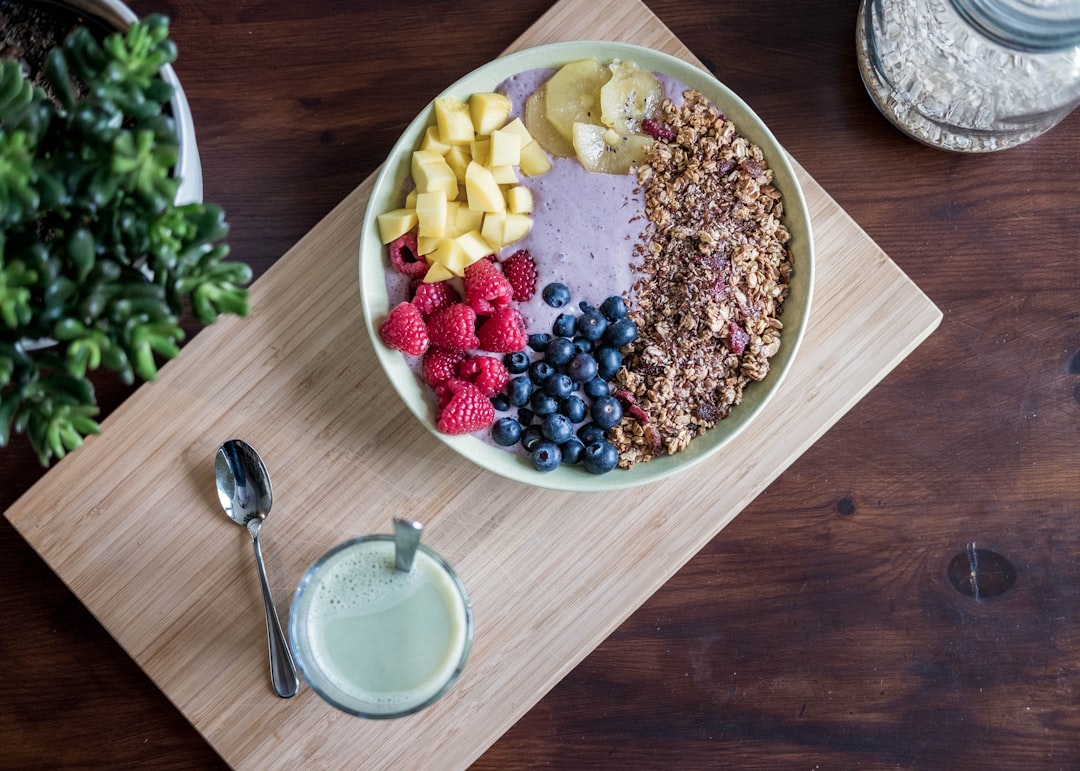
  • Berries: Berries like blueberries, strawberries, and raspberries are rich in antioxidants, which can help protect cells from damage and reduce the risk of chronic diseases.
  • Nuts and Seeds: Nuts and seeds like almonds, sunflower seeds, and pumpkin seeds are rich in healthy fats, protein, and fiber, making them an excellent snack for supporting immune function.
  • Fatty Fish: Fatty fish like salmon, tuna, and mackerel are rich in omega-3 fatty acids, which can help reduce inflammation and support immune function.
  • Sweet Potatoes: Sweet potatoes are rich in vitamin A, which can help stimulate the production of white blood cells and support immune function.
  • Incorporating Immunity Boosting Foods into Your Diet

    Incorporating immunity boosting foods into your diet can be easier than you think. Here are some tips to get you started:

  • Start with Small Changes: Begin by adding one or two immunity boosting foods to your diet each week. This can be as simple as adding spinach to your omelets or snacking on almonds.
  • Experiment with New Recipes: Try new recipes that incorporate immunity boosting foods. For instance, you can make a delicious salmon stir-fry with leafy greens and berries.
  • Make it Fun: Involve your family and friends in the process of incorporating immunity boosting foods into your diet. You can have a cooking competition or a potluck where everyone brings a dish made with immune-boosting ingredients.
  • Be Consistent: Consistency is key when it comes to incorporating immunity boosting foods into your diet. Aim to eat a balanced diet that includes a variety of whole foods, and limit your intake of processed and sugary foods.
  • Additional Tips for Boosting Your Immunity

    In addition to incorporating immunity boosting foods into your diet, there are several other tips that can help support immune function. Here are some additional tips to keep in mind:

  • Stay Hydrated: Drinking plenty of water can help flush out toxins and support immune function. Aim to drink at least eight glasses of water a day.
  • Exercise Regularly: Exercise can help reduce stress, improve circulation, and support immune function. Aim to exercise for at least 30 minutes a day, five days a week.
  • Get Enough Sleep: Getting enough sleep is essential for immune function. Aim to get at least seven hours of sleep a night.
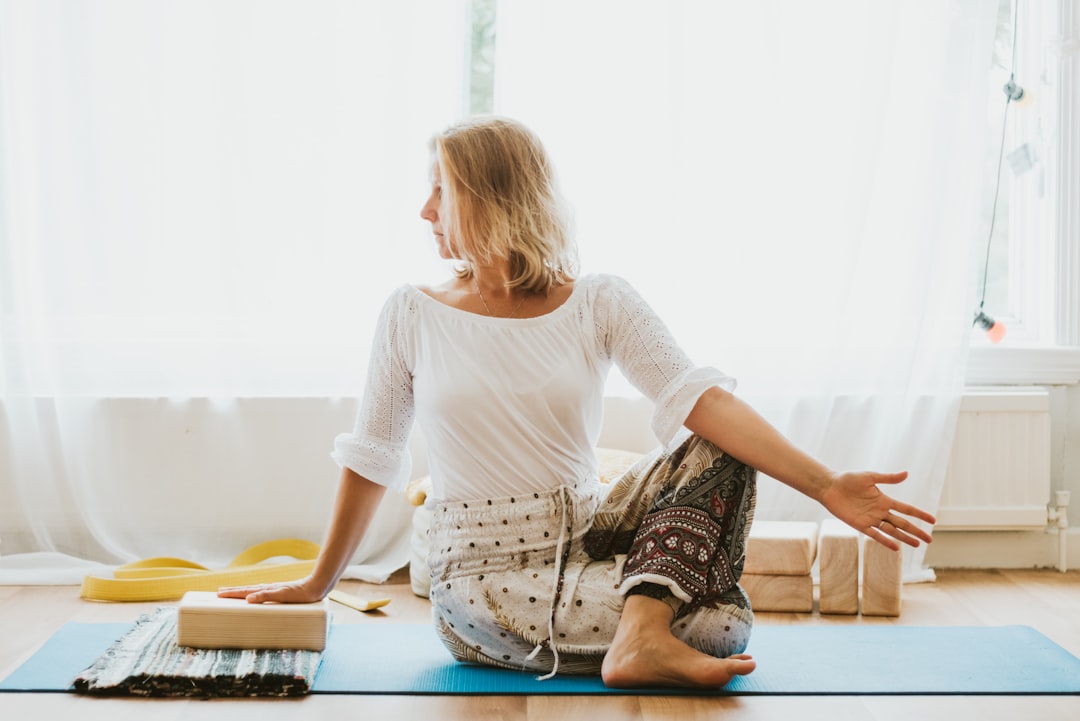
  • Manage Stress: Chronic stress can weaken the immune system. Try stress-reducing techniques like meditation, yoga, or deep breathing exercises to help manage stress.
  • In conclusion, incorporating immunity boosting foods into your diet can be a powerful way to support immune function and reduce the risk of illnesses and infections. By understanding the importance of immunity boosting foods, adding top immunity boosting foods to your diet, incorporating them into your meals, and following additional tips for boosting your immunity, you can take a proactive approach to protecting your health. Remember, a strong immune system is the key to a healthy and happy life. So, go ahead and unlock the power of immunity boosting foods – your body will thank you!

    Key takeaways:

  • Immunity boosting foods can help support immune function and reduce the risk of illnesses and infections.
  • Top immunity boosting foods include leafy greens, berries, nuts and seeds, fatty fish, and sweet potatoes.
  • Incorporating immunity boosting foods into your diet can be easy and fun, and can be done by starting with small changes, experimenting with new recipes, making it fun, and being consistent.
  • Additional tips for boosting your immunity include staying hydrated, exercising regularly, getting enough sleep, and managing stress.

By following these tips and incorporating immunity boosting foods into your diet, you can take a proactive approach to protecting your health and unlocking the power of a strong immune system.


Unlock the Power of Exercise: Transform Your Body and Mind with Regular Physical Activity

Are you tired of feeling sluggish, stressed, and stuck in a rut? Do you want to boost your energy levels, improve your mood, and increase your overall well-being? If so, it’s time to get moving! Exercise is a powerful tool that can transform your body and mind, helping you to feel more confident, capable, and in control. In this comprehensive guide, we’ll explore the numerous benefits of exercise, from weight loss and improved physical health to enhanced mental well-being and increased productivity. Whether you’re a fitness enthusiast or just starting out, you’ll discover how regular physical activity can revolutionize your life and help you to achieve your goals.

The Physical Benefits of Exercise: A Healthier, Happier You

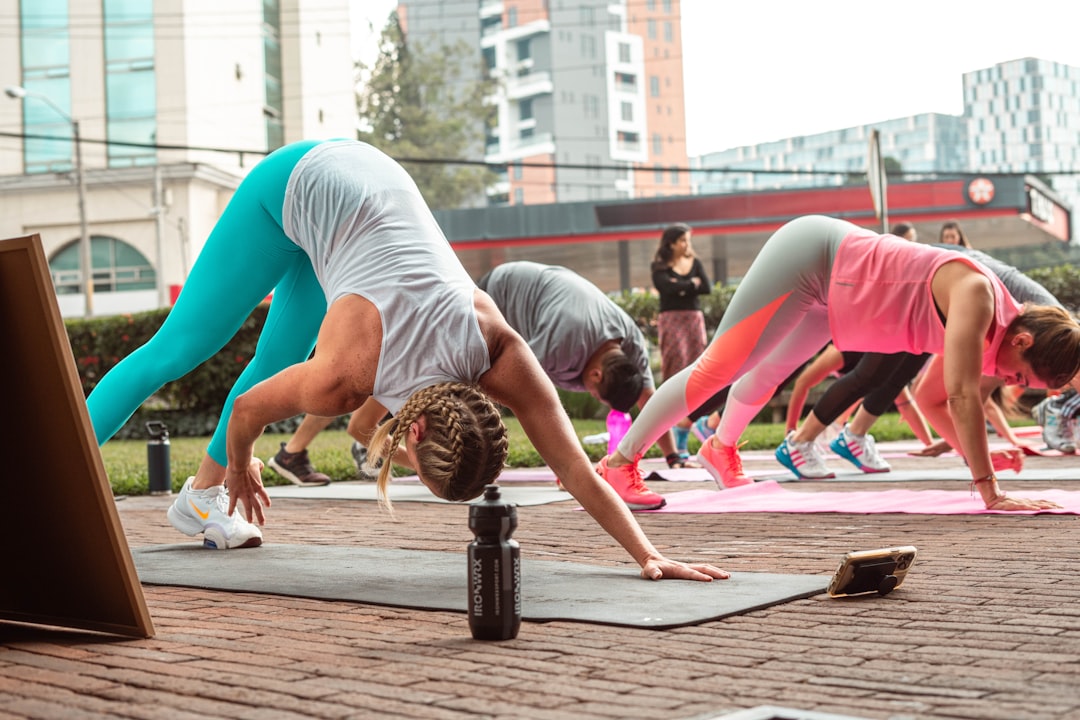
Regular exercise is essential for maintaining a healthy body and preventing chronic diseases. When you engage in physical activity, you’re not only burning calories and building muscle, but you’re also improving your cardiovascular health, boosting your immune system, and increasing your flexibility and mobility. Some of the most significant physical benefits of exercise include:

  • Weight loss: Exercise helps you to burn calories, build muscle, and increase your metabolism, making it easier to lose weight and maintain weight loss over time.
  • Improved heart health: Regular physical activity lowers your risk of heart disease, stroke, and high blood pressure, helping you to stay healthy and active for years to come.
  • Increased strength and flexibility: Exercise helps you to build strong muscles and bones, improving your overall physical function and reducing your risk of injury.
  • Better sleep: Physical activity can help you to fall asleep faster, sleep more soundly, and wake up feeling refreshed and revitalized.
  • To experience these physical benefits for yourself, aim to engage in at least 150 minutes of moderate-intensity exercise or 75 minutes of vigorous-intensity exercise per week. You can also incorporate strength training, high-intensity interval training (HIIT), and other forms of physical activity into your routine to keep things interesting and prevent plateaus.

    The Mental and Emotional Benefits of Exercise: A Happier, Healthier Mind

    Exercise is not just good for your body; it’s also a powerful tool for improving your mental and emotional well-being. When you engage in physical activity, you’re releasing endorphins, also known as “feel-good” hormones, which can help to alleviate symptoms of anxiety and depression, improve your mood, and enhance your overall sense of well-being. Some of the most significant mental and emotional benefits of exercise include:

  • Reduced stress and anxiety: Exercise helps you to manage stress and anxiety by releasing tension, improving your mood, and enhancing your ability to cope with challenging situations.
  • Improved mood: Physical activity boosts your production of endorphins, which can help to alleviate symptoms of depression, improve your mood, and increase your overall sense of happiness and well-being.
  • Enhanced cognitive function: Exercise improves your concentration, memory, and problem-solving skills, helping you to stay focused, productive, and mentally sharp.
  • Increased self-esteem: Regular physical activity can help you to feel more confident, capable, and in control, improving your overall self-esteem and body image.
  • To experience these mental and emotional benefits for yourself, try incorporating physical activity into your daily routine, such as taking a walk during your lunch break, practicing yoga or meditation, or engaging in a hobby that you enjoy. You can also experiment with different types of exercise, such as swimming, cycling, or dancing, to find what works best for you and your unique needs and preferences.

    The Social Benefits of Exercise: Connecting with Others and Building Community

    Exercise is not just a solo activity; it’s also a great way to connect with others, build relationships, and develop a sense of community and belonging. When you engage in physical activity with others, you’re not only improving your physical health, but you’re also enhancing your mental and emotional well-being, reducing stress and anxiety, and increasing your overall sense of happiness and fulfillment. Some of the most significant social benefits of exercise include:

  • Meeting new people: Joining a fitness class, sports team, or recreational club can help you to meet new people, make friends, and develop a sense of connection and community.
  • Building relationships: Exercise can help you to build stronger, more meaningful relationships with family and friends, improving your communication skills, trust, and overall sense of connection.
  • Increased accountability: Working out with others can help you to stay motivated, accountable, and committed to your fitness goals, reducing your risk of injury and improving your overall progress.
  • Fun and enjoyment: Exercise can be a fun and enjoyable activity, helping you to laugh, play, and experience a sense of joy and fulfillment.
  • To experience these social benefits for yourself, try joining a fitness class, sports team, or recreational club that aligns with your interests and goals. You can also invite friends, family, or coworkers to join you in physical activity, helping you to stay motivated, accountable, and connected.

    The Productivity Benefits of Exercise: Boosting Energy and Achieving Your Goals

    Exercise is not just good for your body and mind; it’s also a powerful tool for improving your productivity, boosting your energy, and achieving your goals. When you engage in physical activity, you’re increasing your energy levels, improving your focus and concentration, and enhancing your overall sense of motivation and drive. Some of the most significant productivity benefits of exercise include:

  • Increased energy: Exercise can help you to feel more energized, alert, and focused, reducing your risk of fatigue, burnout, and decreased productivity.
  • Improved focus and concentration: Physical activity can help you to stay focused, motivated, and committed to your goals, improving your overall sense of direction and purpose.
  • Enhanced creativity: Exercise can help you to think outside the box, generate new ideas, and find innovative solutions to challenging problems.
  • Better time management: Regular physical activity can help you to prioritize your tasks, manage your time more effectively, and achieve your goals with greater ease and efficiency.
  • To experience these productivity benefits for yourself, try incorporating physical activity into your daily routine, such as taking a walk during your lunch break, practicing yoga or meditation, or engaging in a hobby that you enjoy. You can also experiment with different types of exercise, such as HIIT, strength training, or cardio, to find what works best for you and your unique needs and preferences.

    Conclusion: Unlocking the Power of Exercise and Transforming Your Life

    Exercise is a powerful tool that can transform your body, mind, and life. By incorporating physical activity into your daily routine, you can experience a wide range of benefits, from weight loss and improved physical health to enhanced mental and emotional well-being, increased productivity, and a greater sense of connection and community. Whether you’re a fitness enthusiast or just starting out, remember that exercise is a journey, not a destination. It’s a process of discovery, growth, and transformation that can help you to unlock your full potential, achieve your goals, and live a happier, healthier, and more fulfilling life.

    Key takeaways:

  • Exercise is essential for maintaining a healthy body and preventing chronic diseases.
  • Regular physical activity can improve your mental and emotional well-being, reducing stress and anxiety, and enhancing your mood and overall sense of happiness.
  • Exercise can help you to connect with others, build relationships, and develop a sense of community and belonging.
  • Physical activity can boost your energy levels, improve your focus and concentration, and enhance your overall sense of motivation and drive.
  • Incorporating exercise into your daily routine can help you to achieve your goals, improve your productivity, and live a happier, healthier, and more fulfilling life.

Remember, exercise is a journey, not a destination. It’s a process of discovery, growth, and transformation that can help you to unlock your full potential, achieve your goals, and live a life that is truly extraordinary. So why not get started today? Find an activity that you enjoy, schedule it into your routine, and experience the many benefits of exercise for yourself. Your body, mind, and spirit will thank you!

Unlocking the Power of Wellness: 20 Blog Ideas to Nurture Body, Mind, and Spirit

As we navigate the complexities of modern life, it’s easy to get caught up in the hustle and bustle and forget to prioritize our most valuable asset: our well-being. The pursuit of wellness has become a cornerstone of contemporary culture, with millions of people seeking to cultivate a deeper connection with their bodies, minds, and spirits. If you’re a wellness enthusiast or a blogger looking to tap into this thriving community, you’re in luck! In this comprehensive guide, we’ll explore 20 wellness blog ideas designed to inspire, educate, and nurture your audience.

Introduction to Wellness Blogging

Wellness blogging has become a powerful medium for sharing knowledge, experiences, and expertise with a wider audience. By creating content that resonates with people’s desires for health, happiness, and fulfillment, you can establish yourself as a trusted authority in the wellness space. But where do you start? The key to successful wellness blogging lies in understanding your niche and identifying topics that genuinely interest and benefit your readers. Whether you’re passionate about nutrition, fitness, mindfulness, or self-care, there are countless angles to explore. To get you started, let’s dive into some actionable wellness blog ideas that cater to different aspects of well-being.

Physical Wellness: Nourishing the Body

Physical wellness is the foundation of overall health, and there’s a wealth of topics to explore in this realm. Here are a few ideas to get you started:

  • Nutrition and Meal Planning: Share recipes, cooking tips, and meal planning strategies that promote healthy eating and balanced nutrition. You could focus on specific diets, such as vegan, gluten-free, or keto, or explore the benefits of intermittent fasting.
  • Fitness and Exercise: Create workout routines, review fitness trends, or discuss the benefits of various exercise styles, such as yoga, Pilates, or HIIT (High-Intensity Interval Training).
  • Sleep and Recovery: Delve into the science of sleep, offering tips on how to improve sleep quality, and discuss the importance of recovery techniques like stretching, foam rolling, and meditation.
  • Mental and Emotional Wellness: Cultivating Mindfulness

    Mental and emotional well-being are just as crucial as physical health, and there’s a growing interest in mindfulness practices that nurture the mind and spirit. Consider these ideas:

  • Mindfulness and Meditation: Share guided meditations, explore the benefits of mindfulness, and discuss how these practices can reduce stress and increase self-awareness.
  • Mental Health Awareness: Write about mental health topics, such as anxiety, depression, or trauma, and offer resources and support for those struggling with these issues.
  • Self-Care and Personal Growth: Discuss the importance of self-care, providing tips on how to prioritize self-love, set boundaries, and cultivate a growth mindset.
  • Spiritual Wellness: Connecting with Something Greater

    Spiritual wellness often involves exploring our connection to the world around us and finding meaning and purpose in life. Here are some ideas to explore:

  • Mind-Body Connection: Discuss the intricate relationship between our thoughts, emotions, and physical well-being, and offer practices that foster a deeper sense of connection.
  • Nature and Outdoor Activities: Share the benefits of spending time in nature, whether it’s hiking, gardening, or simply spending time outdoors, and explore how these activities can enhance our sense of well-being.
  • Personal Development and Spirituality: Write about topics like manifestation, energy healing, or spiritual growth, and offer insights into how these practices can help readers cultivate a more profound sense of purpose and fulfillment.
  • Conclusion and Key Takeaways

    Wellness blogging is a powerful way to share your passion for health, happiness, and fulfillment with a wider audience. By focusing on topics that genuinely interest and benefit your readers, you can establish yourself as a trusted authority in the wellness space. Remember, the key to successful wellness blogging lies in understanding your niche and creating content that resonates with your audience. Whether you’re just starting out or looking to refresh your content strategy, these 20 wellness blog ideas offer a solid foundation for inspiring, educating, and nurturing your readers. As you embark on your wellness blogging journey, keep in mind the following key takeaways:

  • Stay authentic and genuine in your approach, sharing your personal experiences and insights to build trust with your audience.
  • Focus on evergreen topics that remain relevant over time, rather than trending fads or fleeting interests.
  • Optimize your content with relevant keywords, meta descriptions, and optimizing images to improve your search engine rankings.
  • Engage with your audience through comments, social media, and email newsletters to build a loyal community around your blog.
  • Continuously educate yourself on the latest wellness trends, research, and best practices to ensure your content remains informative, engaging, and valuable to your readers.

By embracing these principles and exploring the wealth of wellness blog ideas outlined in this guide, you’ll be well on your way to creating a thriving online presence that nurtures body, mind, and spirit – and inspires others to do the same.

The Ultimate Guide to Good Sleep: Unlock the Secrets to a Restful Night’s Rest

Are you tired of feeling tired? Do you struggle to get a good night’s sleep, only to wake up feeling groggy and unrefreshed? You’re not alone. Millions of people around the world suffer from sleep deprivation, which can have serious consequences for our physical and mental health. But the good news is that getting a good night’s sleep is within your reach. In this comprehensive guide, we’ll explore the importance of sleep, the benefits of good sleep, and provide actionable tips to help you improve the quality of your sleep.

Understanding the Importance of Sleep

Sleep is essential for our bodies to function properly. During sleep, our bodies repair and regenerate damaged cells, build bone and muscle, and strengthen our immune systems. Sleep also plays a critical role in brain function, with research showing that sleep deprivation can impair cognitive function, memory, and mood. The National Sleep Foundation recommends that adults aim for 7-9 hours of sleep per night, with children and teenagers needing even more. But despite the importance of sleep, many of us are not getting enough. In fact, according to the Centers for Disease Control and Prevention (CDC), more than one-third of Americans are not getting the recommended amount of sleep.

So, what happens when we don’t get enough sleep? The consequences can be severe. Sleep deprivation has been linked to an increased risk of chronic diseases, such as diabetes, high blood pressure, and heart disease. It can also impair our mental health, leading to depression, anxiety, and mood disorders. Furthermore, sleep deprivation can affect our daily lives, making it harder to concentrate, make decisions, and perform daily tasks. In contrast, getting good sleep has been shown to have numerous benefits, including improved physical health, mental clarity, and a stronger immune system.

Creating a Sleep-Conducive Environment

Creating a sleep-conducive environment is crucial for getting a good night’s sleep. This includes ensuring that your bedroom is dark, quiet, and cool. Consider using blackout curtains, earplugs, or a white noise machine to create a sleep-friendly atmosphere. Investing in a comfortable mattress and pillows can also make a big difference. Look for a mattress that provides the right level of support and comfort for your body, and consider replacing your pillows every few years to ensure they remain supportive and comfortable.

In addition to creating a sleep-conducive environment, it’s also important to establish a bedtime routine that signals to your body that it’s time to sleep. This can include activities such as reading a book, taking a warm bath, or practicing relaxation techniques, such as deep breathing or meditation. Avoid screens, such as smartphones and tablets, for at least an hour before bedtime, as the blue light they emit can interfere with your body’s production of melatonin, the hormone that regulates sleep.

Developing Healthy Sleep Habits

Developing healthy sleep habits is essential for getting a good night’s sleep. This includes establishing a consistent sleep schedule, avoiding caffeine and nicotine, and getting regular exercise. Aim to go to bed and wake up at the same time every day, including weekends, to regulate your body’s internal clock. Avoid consuming caffeine and nicotine in the hours leading up to bedtime, as they can disrupt your sleep patterns. Regular exercise can also help improve sleep quality, but avoid vigorous exercise within a few hours of bedtime, as it can actually interfere with sleep.

Another important habit to develop is to avoid stimulating activities before bedtime. This includes activities such as watching TV, playing video games, or engaging in intense conversations. Instead, focus on relaxing activities that help you unwind and prepare for sleep. Consider keeping a sleep diary to track your sleep patterns and identify any habits or activities that may be disrupting your sleep. By making a few simple changes to your daily routine, you can improve the quality of your sleep and wake up feeling rested and refreshed.

Overcoming Sleep Disorders and Challenges

For some people, getting a good night’s sleep can be challenging due to underlying sleep disorders or other health issues. Sleep disorders, such as insomnia, sleep apnea, and restless leg syndrome, can significantly impact sleep quality and duration. If you’re struggling with a sleep disorder, it’s essential to seek medical attention to receive proper diagnosis and treatment. This may include lifestyle changes, such as weight loss or stress management, or medication to help regulate sleep.

In addition to sleep disorders, other health issues can also impact sleep quality. Chronic pain, for example, can make it difficult to fall asleep or stay asleep, while mental health conditions, such as anxiety and depression, can disrupt sleep patterns. If you’re struggling with a health issue that’s impacting your sleep, it’s essential to work with your healthcare provider to develop a treatment plan that addresses your specific needs. This may include medication, therapy, or lifestyle changes to help manage your symptoms and improve sleep quality.

Conclusion and Key Takeaways

Getting a good night’s sleep is essential for our physical and mental health. By understanding the importance of sleep, creating a sleep-conducive environment, developing healthy sleep habits, and overcoming sleep disorders and challenges, we can improve the quality of our sleep and wake up feeling rested and refreshed. Here are the key takeaways from this guide:

  • Aim for 7-9 hours of sleep per night to help regulate your body’s internal clock and support physical and mental health.
  • Create a sleep-conducive environment by ensuring your bedroom is dark, quiet, and cool, and investing in a comfortable mattress and pillows.
  • Establish a bedtime routine that signals to your body that it’s time to sleep, and avoid screens and stimulating activities before bedtime.
  • Develop healthy sleep habits, such as avoiding caffeine and nicotine, getting regular exercise, and avoiding stimulating activities before bedtime.
  • If you’re struggling with a sleep disorder or other health issue, seek medical attention to receive proper diagnosis and treatment.

By following these tips and making a few simple changes to your daily routine, you can improve the quality of your sleep and wake up feeling rested, refreshed, and ready to take on the day. Remember, good sleep is within your reach – start prioritizing your sleep tonight and wake up to a healthier, happier you tomorrow.

Finding Inner Peace in a Chaotic World: Effective Stress Management Tips for a Happier You

Are you tired of feeling like you’re drowning in a sea of stress and anxiety? Do you often find yourself wondering how to manage the overwhelming demands of modern life? You’re not alone. In today’s fast-paced world, stress has become an unwelcome companion for many of us. But here’s the good news: stress management is a skill that can be learned, and with the right techniques, you can take back control of your life and find inner peace. In this comprehensive guide, we’ll explore the best stress management tips to help you navigate life’s challenges with ease and confidence.

Understanding Stress: The Silent Killer

Before we dive into the nitty-gritty of stress management, it’s essential to understand what stress is and how it affects our bodies. Stress is a natural response to a perceived threat or pressure, triggering the release of hormones like cortisol and adrenaline. While some stress can be beneficial, motivating us to take action and meet deadlines, chronic stress can have devastating effects on our physical and mental health. Prolonged exposure to stress can lead to anxiety, depression, digestive problems, and even cardiovascular disease. It’s crucial to recognize the signs of stress, such as headaches, fatigue, and irritability, and take proactive steps to manage it.

Effective Stress Management Techniques

So, how can you manage stress and reclaim your sense of calm and well-being? Here are some evidence-based techniques to get you started:

  • Mindfulness Meditation: This powerful practice involves focusing on the present moment, without judgment or distraction. Regular mindfulness meditation can reduce stress and anxiety by teaching you to stay grounded and centered. You can start with guided meditation apps like Headspace or Calm, and gradually move on to independent practice.
  • Deep Breathing Exercises: Deep, slow breathing can help calm the nervous system and reduce stress hormones. Try inhaling for a count of four, holding your breath for a count of seven, and exhaling for a count of eight. Repeat this cycle several times, feeling your body relax with each exhalation.
  • Physical Activity: Exercise is a natural stress-reliever, releasing endorphins that boost your mood and energy levels. Engage in activities that bring you joy, such as walking, yoga, or dancing, and aim for at least 30 minutes of moderate-intensity exercise per day.
  • Journaling: Writing down your thoughts and emotions can help you process and release stress. Reflect on your experiences, identify patterns and triggers, and explore solutions to challenges. Journaling can be a therapeutic outlet, allowing you to gain perspective and clarity.
  • Building Resilience: Lifestyle Changes for Stress Management

    While stress management techniques are essential, it’s equally important to make lifestyle changes that promote resilience and well-being. Here are some key strategies to incorporate into your daily routine:

  • Get Enough Sleep: Adequate sleep is crucial for stress regulation, with most adults needing 7-9 hours per night. Establish a consistent sleep schedule, create a relaxing bedtime routine, and avoid screens before bed.
  • Eat a Balanced Diet: A healthy diet rich in whole foods, fruits, and vegetables can help support stress management. Include stress-reducing foods like leafy greens, berries, and fatty fish in your meals, and limit processed and sugary foods.
  • Set Boundaries: Learn to say “no” to non-essential commitments and prioritize self-care. Set realistic goals, delegate tasks when possible, and take regular breaks to recharge.
  • Connect with Nature: Spending time in nature can have a calming effect, reducing stress and improving mood. Take walks in parks, go hiking, or simply sit in a garden or on a balcony with plants.
  • Managing Stress in the Digital Age

    In today’s digital world, it’s easy to get caught up in the constant stream of notifications, social media updates, and endless information. Here are some tips to help you manage stress in the digital age:

  • Practice Digital Detox: Set aside device-free time each day, such as during meals or before bed. Use apps like Freedom or SelfControl to block distracting websites and social media.
  • Use Technology to Your Advantage: Explore stress-management apps like Happify, Pacifica, or Moodfit, which offer guided meditations, mood-tracking, and personalized coping strategies.
  • Stay Connected with Loved Ones: Social support is vital for stress management. Schedule regular video calls or in-person meetups with friends and family, and don’t be afraid to ask for help when you need it.
  • Conclusion: Taking Control of Your Stress

    Stress management is a journey, not a destination. By incorporating these effective techniques and lifestyle changes into your daily routine, you can develop the resilience and coping skills needed to navigate life’s challenges with confidence and poise. Remember, taking care of your mental health is not a luxury – it’s a necessity. So, take a deep breath, prioritize self-care, and start your journey towards a happier, healthier you. Key takeaways:

  • Recognize the signs of stress and take proactive steps to manage it
  • Practice mindfulness meditation, deep breathing exercises, and physical activity to reduce stress
  • Make lifestyle changes that promote resilience, such as getting enough sleep, eating a balanced diet, and setting boundaries
  • Manage stress in the digital age by practicing digital detox, using technology to your advantage, and staying connected with loved ones
  • Prioritize self-care and seek support when needed, remembering that taking care of your mental health is essential for overall well-being.

Nurturing Your Mind, Body, and Soul: The Ultimate Guide to Creating a Self-Care Routine

In today’s fast-paced world, it’s easy to get caught up in the hustle and bustle of daily life and forget to take care of one of the most important people – yourself. Self-care is not just a luxury, but a necessity for maintaining your mental, physical, and emotional well-being. By incorporating a consistent self-care routine into your daily life, you can improve your overall quality of life, increase productivity, and boost your mood. In this comprehensive guide, we’ll explore the importance of self-care, provide valuable tips and tricks for creating a personalized self-care routine, and discuss the benefits of prioritizing your own needs.

Understanding the Importance of Self-Care

Self-care is often misunderstood as being selfish or indulgent, but it’s actually a vital aspect of maintaining a healthy work-life balance. When you take care of yourself, you’re better equipped to handle stress, build resilience, and cultivate meaningful relationships. Self-care is not a one-size-fits-all approach; it’s about listening to your body and mind, and responding to your unique needs. By prioritizing self-care, you can:

  • Reduce stress and anxiety
  • Improve sleep quality
  • Boost mood and energy levels
  • Enhance creativity and productivity
  • Strengthen immune function
  • To get started with your self-care journey, it’s essential to identify your personal self-care needs. Take some time to reflect on what activities, habits, and practices make you feel relaxed, rejuvenated, and fulfilled. Do you enjoy reading, taking long baths, or practicing yoga? Perhaps you’re more of a creative type, and painting or writing is your go-to self-care activity. Whatever it is, make sure to prioritize it and schedule it into your daily or weekly routine.

    Building a Morning Self-Care Routine

    Your morning routine sets the tone for the rest of the day, and incorporating self-care practices into your morning ritual can have a significant impact on your overall well-being. Here are some ideas for building a morning self-care routine:

  • Start with a gentle wake-up routine, such as stretching, meditation, or deep breathing exercises
  • Get some natural light exposure by taking a short walk outside or opening your curtains
  • Practice gratitude by writing in a journal or sharing three things you’re thankful for with a friend or family member
  • Fuel your body with a nutritious breakfast, such as overnight oats or avocado toast
  • Take a few minutes to plan out your day, set intentions, and prioritize your tasks
  • Remember, the key to a successful morning self-care routine is to keep it simple, realistic, and enjoyable. Don’t try to cram too many activities into your morning routine, and be gentle with yourself if you don’t stick to it every day. The goal is to create a consistent habit that nourishes your mind, body, and soul, not to add more stress or pressure to your morning routine.

    Evening Self-Care Routine for Relaxation and Rejuvenation

    As the day comes to a close, it’s essential to wind down and prepare your body and mind for a restful night’s sleep. A consistent evening self-care routine can help you relax, recharge, and wake up feeling refreshed and revitalized. Here are some ideas for building an evening self-care routine:

  • Start by disconnecting from screens and electronic devices at least an hour before bedtime
  • Practice a calming activity, such as reading, listening to soothing music, or taking a warm bath
  • Get ready for bed with a relaxing bedtime routine, such as brushing your teeth, changing into comfortable pajamas, and dimming the lights
  • Reflect on your day, acknowledging accomplishments and letting go of any stress or anxiety
  • Write in a journal, practice gentle stretches, or meditate to calm your mind and body
  • In addition to these activities, consider incorporating self-care products into your evening routine, such as essential oils, scented candles, or a cozy throw blanket. These small indulgences can help create a peaceful and calming atmosphere, making it easier to drift off to sleep and wake up feeling refreshed and rejuvenated.

    Prioritizing Self-Care in a Busy Schedule

    One of the biggest challenges to maintaining a self-care routine is finding the time and energy to prioritize it. With work, family, and social obligations competing for your attention, it’s easy to let self-care fall by the wayside. However, it’s essential to remember that self-care is not a luxury, but a necessity for maintaining your overall well-being. Here are some tips for prioritizing self-care in a busy schedule:

  • Schedule self-care into your calendar, just as you would any other important appointment
  • Start small, with short, manageable self-care activities, such as taking a few deep breaths or stretching for a minute
  • Use your commute or lunch break to practice self-care, such as listening to a podcast or taking a short walk
  • Involve others in your self-care routine, such as scheduling a workout class with a friend or practicing yoga with a family member
  • Be flexible and adapt your self-care routine to fit your changing needs and schedule
  • Remember, self-care is not a one-size-fits-all approach; it’s about listening to your body and mind, and responding to your unique needs. By prioritizing self-care and making it a non-negotiable part of your daily routine, you can improve your overall quality of life, increase productivity, and boost your mood.

    Conclusion and Key Takeaways

    Creating a self-care routine is a personal and ongoing process that requires patience, kindness, and compassion. By understanding the importance of self-care, building a morning and evening routine, and prioritizing self-care in a busy schedule, you can cultivate a deeper sense of well-being and resilience. Remember, self-care is not a luxury, but a necessity for maintaining your mental, physical, and emotional health. By incorporating these self-care tips and tricks into your daily life, you can:

  • Reduce stress and anxiety
  • Improve sleep quality
  • Boost mood and energy levels
  • Enhance creativity and productivity
  • Strengthen immune function

As you embark on your self-care journey, remember to be gentle with yourself, and don’t be too hard on yourself if you don’t stick to your routine every day. The key is to create a consistent habit that nourishes your mind, body, and soul, and to prioritize your own needs in a way that feels authentic and enjoyable. By doing so, you’ll be better equipped to handle the challenges of daily life, cultivate meaningful relationships, and live a happier, healthier, and more fulfilling life.

Unlock the Secrets to Sustainable Weight Loss: A Comprehensive Guide to Achieving Your Dream Body

Are you tired of trying fad diets and quick fixes that promise the world but deliver nothing but disappointment? Do you dream of having a healthy, toned body that makes you feel confident and energetic? You’re not alone. Millions of people around the world struggle with weight loss, but the good news is that achieving your dream body is possible with the right approach. In this comprehensive guide, we’ll delve into the world of weight loss, exploring the latest research, expert advice, and proven strategies to help you shed those unwanted pounds and keep them off for good.

Understanding Weight Loss: The Basics

Before we dive into the nitty-gritty of weight loss, it’s essential to understand the basics. Weight loss occurs when you create a calorie deficit, meaning you burn more calories than you consume. This can be achieved through a combination of reducing your daily caloric intake and increasing your physical activity levels. However, it’s not just about cutting calories; it’s about making sustainable lifestyle changes that promote overall health and well-being. A healthy weight loss journey should focus on nutrient-dense foods, regular exercise, and stress management. By incorporating these elements into your daily routine, you’ll be well on your way to achieving your weight loss goals.

When it comes to nutrition, it’s essential to focus on whole, unprocessed foods like vegetables, fruits, whole grains, lean proteins, and healthy fats. These foods provide essential nutrients, fiber, and satiety, making it easier to stick to your diet. On the other hand, processed and high-calorie foods can hinder your progress, leading to weight gain and a range of health problems. By making informed food choices, you can take control of your weight loss journey and set yourself up for long-term success. Some of the best foods for weight loss include leafy greens, berries, nuts, and lean meats, which are rich in nutrients and low in calories.

Creating a Weight Loss Plan: Setting Yourself Up for Success

Creating a weight loss plan is a crucial step in achieving your goals. A well-structured plan should include specific, measurable, achievable, relevant, and time-bound (SMART) objectives, as well as a clear outline of the strategies you’ll use to reach them. This may involve setting a daily caloric intake, creating a meal plan, and scheduling regular exercise sessions. It’s also essential to track your progress, whether through a food diary, mobile app, or regular weigh-ins. By monitoring your progress, you can identify areas for improvement and make adjustments to your plan as needed.

In addition to nutrition and exercise, stress management plays a critical role in weight loss. Chronic stress can lead to overeating, poor food choices, and a range of other health problems, making it challenging to achieve your weight loss goals. By incorporating stress-reducing activities like meditation, yoga, or deep breathing exercises into your daily routine, you can better manage stress and stay on track with your weight loss plan. Other essential elements of a weight loss plan include getting enough sleep, staying hydrated, and building a support network of friends, family, or a weight loss community.

Staying Motivated: Overcoming Obstacles and Celebrating Successes

Staying motivated is one of the biggest challenges people face when trying to lose weight. It’s easy to get discouraged when progress is slow or when faced with setbacks, but it’s essential to remember that weight loss is a journey, not a destination. By celebrating small victories and focusing on the positive changes you’re making, you can stay motivated and engaged in the process. It’s also helpful to find a weight loss buddy or join a support group, where you can share experiences, advice, and encouragement with others who are on a similar journey.

Another key aspect of staying motivated is to focus on the benefits of weight loss beyond just the number on the scale. By emphasizing the positive impact of weight loss on your overall health and well-being, you can cultivate a more meaningful and sustainable relationship with food and exercise. For example, regular physical activity can improve your mood, boost energy levels, and reduce the risk of chronic diseases like heart disease, diabetes, and certain types of cancer. By focusing on these benefits, you can stay motivated and inspired, even when the journey gets tough.

Maintaining Weight Loss: The Key to Long-Term Success

Maintaining weight loss is often the most challenging part of the journey. Once you’ve reached your goal weight, it’s easy to slip back into old habits and regain the weight you’ve lost. However, with the right strategies and mindset, you can maintain your weight loss and enjoy the benefits of a healthy, toned body for years to come. One of the most critical elements of maintenance is to continue monitoring your progress, whether through regular weigh-ins or tracking your food and exercise habits. By staying accountable and making adjustments as needed, you can prevent weight regain and maintain your hard-won progress.

In addition to monitoring your progress, it’s essential to focus on sustainable lifestyle habits that promote overall health and well-being. This may involve continuing to prioritize whole, nutrient-dense foods, regular exercise, and stress management. It’s also helpful to find healthy ways to cope with emotions and challenges, such as through meditation, journaling, or spending time in nature. By building a strong foundation of healthy habits and coping mechanisms, you can maintain your weight loss and enjoy the many benefits of a healthy, active lifestyle.

In conclusion, weight loss is a journey that requires patience, dedication, and the right approach. By understanding the basics of weight loss, creating a comprehensive plan, staying motivated, and maintaining your progress, you can achieve your dream body and enjoy the many benefits of a healthy, active lifestyle. Remember to focus on nutrient-dense foods, regular exercise, and stress management, and don’t be afraid to seek support from friends, family, or a weight loss community. With the right mindset and strategies, you can unlock the secrets to sustainable weight loss and enjoy a healthier, happier you for years to come. Key takeaways include:

  • Focus on whole, unprocessed foods and nutrient-dense meals
  • Create a comprehensive weight loss plan with SMART objectives and a clear outline of strategies
  • Prioritize stress management and self-care
  • Stay motivated by celebrating small victories and focusing on the benefits of weight loss
  • Maintain your progress by continuing to monitor your habits and make adjustments as needed

By incorporating these tips and strategies into your daily routine, you’ll be well on your way to achieving your weight loss goals and enjoying the many benefits of a healthy, active lifestyle. So why wait? Start your journey today and unlock the secrets to sustainable weight loss.

Unlock the Power of Exercise: Transform Your Body and Mind

Are you tired of feeling sluggish, unmotivated, and stuck in a rut? Do you dream of having more energy, confidence, and a stronger, healthier body? If so, you’re not alone. Millions of people around the world are searching for a way to improve their overall well-being, and the answer is simpler than you might think: exercise. Regular physical activity is a game-changer, offering a wide range of benefits that can transform your body, mind, and spirit. In this comprehensive guide, we’ll delve into the amazing advantages of exercise, exploring how it can help you achieve your goals, boost your mood, and live a longer, happier life.

The Physical Benefits of Exercise

Exercise is often associated with physical health, and for good reason. Regular physical activity can have a profound impact on your body, from improving cardiovascular health to increasing strength and flexibility. One of the most significant benefits of exercise is its ability to reduce the risk of chronic diseases, such as heart disease, diabetes, and certain types of cancer. By incorporating physical activity into your daily routine, you can lower your blood pressure, improve your cholesterol levels, and enhance your overall health. Additionally, exercise can help you manage your weight, build strong bones, and reduce the risk of osteoporosis.

But that’s not all. Exercise can also improve your physical function, making everyday tasks easier and more manageable. Whether you’re running errands, playing with your kids, or simply getting around the house, regular physical activity can give you the energy and stamina you need to stay active and independent. And, as an added bonus, exercise can even help you sleep better, reducing the risk of insomnia and other sleep disorders. By prioritizing physical activity, you can wake up feeling refreshed, revitalized, and ready to take on the day.

The Mental and Emotional Benefits of Exercise

While the physical benefits of exercise are well-documented, the mental and emotional advantages are just as impressive. Regular physical activity has been shown to reduce stress and anxiety, improve mood, and even alleviate symptoms of depression. Exercise has a profound impact on your brain chemistry, releasing endorphins and other feel-good hormones that can leave you feeling happy, calm, and centered. Whether you’re dealing with the pressures of work, the challenges of relationships, or the stresses of everyday life, exercise can provide a much-needed escape, giving you a healthy outlet for your emotions and a sense of control over your well-being.

But exercise isn’t just about feeling good; it’s also about performing at your best. Regular physical activity can improve your focus, concentration, and productivity, making you more efficient and effective in all areas of your life. By incorporating exercise into your daily routine, you can stay motivated, inspired, and driven, achieving your goals and pursuing your passions with confidence and enthusiasm. And, as an added bonus, exercise can even improve your self-esteem, helping you develop a more positive body image and a greater sense of self-worth.

The Social Benefits of Exercise

Exercise isn’t just a solo activity; it can also be a powerful way to connect with others, build relationships, and strengthen your social bonds. Whether you join a fitness class, participate in a recreational sport, or simply take a walk with a friend, exercise can provide a sense of community and belonging, helping you feel more connected and engaged with the people around you. By exercising with others, you can share experiences, support each other, and celebrate each other’s successes, creating a sense of camaraderie and shared purpose.

But the social benefits of exercise don’t stop there. Regular physical activity can also improve your communication skills, helping you build stronger, more meaningful relationships with family, friends, and colleagues. By exercising with others, you can develop greater empathy, understanding, and trust, becoming a more effective and supportive partner, friend, and team player. And, as an added bonus, exercise can even provide a sense of accountability, helping you stay motivated and committed to your fitness goals.

The Long-Term Benefits of Exercise

While the short-term benefits of exercise are undeniable, the long-term advantages are just as impressive. Regular physical activity can add years to your life, reducing the risk of premature death and improving your overall health and well-being. By exercising regularly, you can reduce your risk of age-related diseases, such as Alzheimer’s and Parkinson’s, and maintain your cognitive function, staying sharp, focused, and mentally agile well into old age.

But that’s not all. Exercise can also improve your quality of life, enabling you to stay active, independent, and engaged, even as you age. By prioritizing physical activity, you can maintain your physical function, reducing the risk of disability and dependence, and stay connected with others, building strong social bonds and a sense of community. And, as an added bonus, exercise can even provide a sense of purpose and fulfillment, giving you a reason to get up in the morning and a sense of direction and meaning in life.

Conclusion and Key Takeaways

In conclusion, the benefits of exercise are undeniable. Regular physical activity can transform your body, mind, and spirit, improving your physical health, mental well-being, and social connections. By incorporating exercise into your daily routine, you can reduce your risk of chronic diseases, improve your mood and cognitive function, and stay active, independent, and engaged, even as you age.

So, what are the key takeaways from this comprehensive guide? Here are a few things to keep in mind:

  • Exercise is a powerful tool for improving physical health, reducing the risk of chronic diseases, and improving overall well-being.
  • Regular physical activity can have a profound impact on mental health, reducing stress and anxiety, improving mood, and alleviating symptoms of depression.
  • Exercise can provide a sense of community and belonging, helping you build stronger social bonds and connections with others.
  • The long-term benefits of exercise are undeniable, adding years to your life, reducing the risk of age-related diseases, and improving your quality of life.
  • By prioritizing physical activity, you can stay motivated, inspired, and driven, achieving your goals and pursuing your passions with confidence and enthusiasm.

So, what are you waiting for? Get moving, get active, and unlock the power of exercise. Your body, mind, and spirit will thank you.

Unlocking Holistic Health: 20 Wellness Blog Ideas to Nurture Your Audience

As we navigate the complexities of modern life, it’s becoming increasingly clear that wellness is not just a buzzword, but a vital aspect of our overall health and happiness. With the rise of the wellness industry, people are seeking more than just quick fixes; they’re looking for holistic approaches to cultivate physical, mental, and emotional well-being. If you’re a wellness enthusiast or a blogger looking to tap into this growing market, you’re in luck! In this comprehensive guide, we’ll delve into the world of wellness blogging, exploring 20 innovative ideas to inspire and educate your audience. From mindfulness and self-care to nutrition and fitness, we’ll cover it all, providing you with the tools and expertise to create engaging, informative content that resonates with your readers.

Embracing Mindfulness and Self-Care

In today’s fast-paced world, it’s easy to get caught up in the hustle and bustle of daily life. That’s why mindfulness and self-care have become essential components of any wellness routine. By incorporating these practices into your blog, you can help your audience cultivate a deeper sense of awareness, calm, and clarity. Here are a few ideas to get you started:

  • Morning meditation routines: Share your favorite meditation techniques, including guided meditations, breathing exercises, and mindfulness practices to help your readers start their day on a positive note.
  • Self-care Sunday rituals: Encourage your audience to prioritize self-care by sharing relaxing bath recipes, face mask tutorials, and other pampering activities to help them unwind and rejuvenate.
  • Mindful movement exercises: Explore the benefits of mindful movement, including yoga, tai chi, and walking, and provide tips and tutorials to help your readers incorporate these practices into their daily routine.
  • Nourishing Body and Soul with Nutrition and Fitness

    A healthy body and mind are intimately connected, which is why nutrition and fitness are fundamental aspects of any wellness journey. By sharing your knowledge and expertise in these areas, you can empower your audience to make informed choices about their diet and exercise routine. Here are some ideas to consider:

  • Meal planning and prep tips: Share your favorite healthy recipes, including vegan, gluten-free, and keto options, and provide guidance on meal planning, grocery shopping, and food preparation.
  • Fitness for beginners: Create a series of blog posts that cater to beginners, covering topics such as yoga for weight loss, bodyweight exercises, and cardio workouts for those just starting out.
  • Nutrition and mental health: Explore the complex relationship between nutrition and mental health, discussing the role of omega-3 fatty acids, probiotics, and other nutrients in supporting mental well-being.
  • Exploring Alternative Therapies and Holistic Practices

    As people become more aware of the limitations of conventional medicine, they’re turning to alternative therapies and holistic practices to address their health concerns. By incorporating these topics into your blog, you can provide your audience with a more comprehensive understanding of the wellness landscape. Here are a few ideas to consider:

  • Aromatherapy and essential oils: Delve into the world of aromatherapy, exploring the benefits of essential oils, including their uses in stress relief, sleep improvement, and mood enhancement.
  • Acupuncture and traditional Chinese medicine: Share your knowledge of acupuncture, acupressure, and other traditional Chinese medicine practices, discussing their applications in pain management, fertility, and overall health.
  • Energy healing and Reiki: Explore the realm of energy healing, including Reiki, qigong, and sound healing, and provide guidance on how to incorporate these practices into daily life.
  • Creating a Wellness Community and Encouraging Engagement

    As a wellness blogger, it’s not just about sharing information; it’s about creating a community that supports and inspires your audience. By encouraging engagement and fostering a sense of connection, you can build a loyal following and establish yourself as a trusted authority in the wellness space. Here are some ideas to help you get started:

  • Wellness challenges and contests: Host wellness challenges, contests, or giveaways that encourage your audience to share their own wellness journeys, tips, and experiences.
  • Guest blogging and collaborations: Invite other wellness experts, bloggers, or influencers to contribute to your blog, sharing their unique perspectives and expertise.
  • Social media engagement: Leverage social media platforms to engage with your audience, respond to comments and questions, and share behind-the-scenes glimpses into your own wellness journey.
  • In conclusion, the world of wellness blogging is vast and diverse, offering countless opportunities to educate, inspire, and nurture your audience. By incorporating these 20 wellness blog ideas into your content strategy, you’ll be well on your way to establishing yourself as a trusted authority in the wellness space. Remember to stay focused on your niche, engage with your audience, and continually provide value through informative, entertaining, and SEO-friendly content. With persistence, passion, and a commitment to holistic health, you can create a thriving wellness blog that resonates with your readers and leaves a lasting impact on the world.

    Key takeaways:

  • Mindfulness and self-care are essential components of any wellness routine
  • Nutrition and fitness are fundamental aspects of overall health and well-being
  • Alternative therapies and holistic practices can provide a more comprehensive approach to wellness
  • Creating a wellness community and encouraging engagement is crucial for building a loyal following
  • Staying focused on your niche and continually providing value is essential for success in the wellness blogging space.

Nurturing Your Mind, Body, and Soul: The Ultimate Guide to Creating a Self-Care Routine

In today’s fast-paced world, it’s easy to get caught up in the hustle and bustle of daily life and forget to take care of one of the most important people: yourself. Self-care is not just a luxury, but a necessity for maintaining your overall well-being and living a happy, healthy life. But what exactly is self-care, and how can you incorporate it into your daily routine? In this comprehensive guide, we’ll explore the world of self-care, providing you with valuable tips, tricks, and techniques to help you create a personalized self-care routine that nourishes your mind, body, and soul.

Understanding the Importance of Self-Care

Before we dive into the nitty-gritty of creating a self-care routine, it’s essential to understand why self-care is crucial for your overall well-being. Self-care is not just about pampering yourself with face masks and bubble baths (although, let’s be real, those things are amazing too!). It’s about taking intentional steps to care for your physical, emotional, and mental health. When you prioritize self-care, you’re better equipped to handle stress, build resilience, and cultivate a positive mindset. By incorporating self-care into your daily routine, you can experience a range of benefits, including improved mental health, increased energy levels, and a stronger immune system.

So, what are some common self-care practices that you can incorporate into your daily routine? Some popular self-care activities include exercise, meditation, journaling, and spending time in nature. These activities can help reduce stress and anxiety, improve your mood, and increase your overall sense of well-being. For example, regular exercise can help reduce symptoms of depression and anxiety, while meditation can help improve your focus and concentration. By incorporating these self-care practices into your daily routine, you can experience a range of benefits that can improve your overall quality of life.

Creating a Personalized Self-Care Routine

Now that we’ve explored the importance of self-care, it’s time to create a personalized self-care routine that works for you. The key to creating an effective self-care routine is to start small and be consistent. Begin by identifying your self-care goals and priorities. What areas of your life do you want to focus on? Do you want to improve your physical health, reduce stress, or boost your mood? Once you have a clear idea of what you want to achieve, you can start exploring different self-care activities and practices that align with your goals.

One of the most effective ways to create a self-care routine is to start with small, manageable habits. For example, you might start by committing to 10 minutes of meditation each day or taking a 30-minute walk outside during your lunch break. As you become more comfortable with your self-care routine, you can gradually add more activities and practices to your daily schedule. Remember, self-care is not a one-size-fits-all approach. What works for someone else may not work for you, and that’s okay. The most important thing is to find activities and practices that bring you joy, relaxation, and a sense of fulfillment.

Some other self-care activities you might consider incorporating into your routine include reading, listening to music, or practicing yoga. These activities can help reduce stress and anxiety, improve your mood, and increase your overall sense of well-being. For example, reading can be a great way to escape from the stresses of everyday life and explore new worlds and ideas. Listening to music can be a great way to boost your mood and energy levels, while practicing yoga can help improve your flexibility and balance.

Self-Care for Busy Lives

Let’s face it: life can get busy, and it’s easy to let self-care fall by the wayside. But the truth is, self-care is not a luxury that only those with ample free time can afford. Even with a packed schedule, you can still prioritize self-care and make it a non-negotiable part of your daily routine. So, how can you incorporate self-care into your busy life? One of the most effective ways is to start small and be intentional with your time.

For example, you might start by using your commute to practice deep breathing exercises or listen to a guided meditation. You could also use your lunch break to take a short walk or do a few stretching exercises. Even small moments of self-care, such as taking a few deep breaths or sipping a cup of herbal tea, can make a big difference in your overall well-being. Another way to prioritize self-care in a busy life is to schedule it into your calendar. Treat self-care as a non-negotiable appointment with yourself, and make sure to prioritize it just as you would any other important commitment.

Some other self-care activities that are perfect for busy lives include taking a relaxing bath, practicing gratitude, or getting a massage. These activities can help reduce stress and anxiety, improve your mood, and increase your overall sense of well-being. For example, taking a relaxing bath can be a great way to unwind and relax after a long day, while practicing gratitude can help shift your focus to the positive aspects of your life. Getting a massage can be a great way to reduce muscle tension and improve your overall physical health.

Self-Care and Mindfulness

Self-care and mindfulness are closely intertwined, and practicing mindfulness can be a powerful way to enhance your self-care routine. Mindfulness is the practice of being present in the moment, without judgment or distraction. By cultivating mindfulness, you can become more aware of your thoughts, emotions, and physical sensations, and make more intentional choices about how you want to care for yourself. One of the most effective ways to practice mindfulness is through meditation.

Meditation can help you cultivate a sense of inner peace and calm, reduce stress and anxiety, and increase your overall sense of well-being. You can start with just a few minutes of meditation each day, focusing on your breath or a mantra, and gradually increase your practice as you become more comfortable. Another way to practice mindfulness is through mindful movement, such as yoga or tai chi. These practices can help you cultivate a sense of awareness and presence in your body, and reduce stress and anxiety.

Some other mindfulness practices that you might find helpful include mindful walking, mindful eating, or mindful listening. These practices can help you cultivate a sense of awareness and presence in your daily life, and reduce stress and anxiety. For example, mindful walking can be a great way to get some exercise and fresh air, while also cultivating a sense of awareness and presence in your body. Mindful eating can be a great way to slow down and savor your food, while also cultivating a sense of gratitude and appreciation for the simple things in life.

Conclusion and Key Takeaways

Creating a self-care routine is a journey, not a destination. It’s about taking intentional steps to care for your physical, emotional, and mental health, and making self-care a non-negotiable part of your daily routine. By incorporating self-care into your daily life, you can experience a range of benefits, from improved mental health and increased energy levels to a stronger immune system and a more positive mindset. Remember, self-care is not a one-size-fits-all approach. What works for someone else may not work for you, and that’s okay.

The most important thing is to find activities and practices that bring you joy, relaxation, and a sense of fulfillment. By prioritizing self-care and making it a non-negotiable part of your daily routine, you can cultivate a deeper sense of self-awareness, self-acceptance, and self-love. So, what are you waiting for? Start your self-care journey today, and discover the transformative power of self-care for yourself. Some key takeaways to remember include:

  • Self-care is not a luxury, but a necessity for maintaining your overall well-being
  • Start small and be consistent with your self-care routine
  • Prioritize self-care and make it a non-negotiable part of your daily routine
  • Experiment with different self-care activities and practices to find what works best for you
  • Cultivate mindfulness and presence in your daily life to enhance your self-care routine

By following these key takeaways and incorporating self-care into your daily life, you can experience a range of benefits that can improve your overall quality of life. So, start your self-care journey today, and discover the transformative power of self-care for yourself. With a little practice and patience, you can create a self-care routine that nourishes your mind, body, and soul, and helps you live a happy, healthy, and fulfilling life.