—
Introduction – Why “Natural” Still Means Powerful
You’ve probably heard the phrase “nature is the best medicine.” While it sounds like a cliché, there’s solid science behind it. In a world saturated with quick‑fix supplements, fad diets, and high‑tech fitness gadgets, the most effective health tools are often the simplest ones—fresh air, whole foods, movement, and mindful habits.
But “natural” doesn’t mean “old‑fashioned” or “ineffective.” It means leveraging the body’s innate ability to heal, balance, and thrive when you give it the right conditions. In this post we’ll explore actionable, evidence‑based ways to stay healthy without relying on synthetic shortcuts. From nutrition tweaks to lifestyle hacks, each section gives you concrete steps you can start today.
Ready to boost your immunity, energy, and overall wellbeing the natural way? Let’s dive in.
—
1. Eat Whole, Real Foods – The Foundation of Natural Health
1.1 Prioritize Plant‑Based Nutrients
- Colorful vegetables and fruits: Aim for at least five servings a day. The diverse pigments (anthocyanins, carotenoids, flavonoids) act as antioxidants that combat oxidative stress.
- Leafy greens: Spinach, kale, and Swiss chard are rich in magnesium, calcium, and vitamin K—essential for bone health and blood clotting.
- Legumes and beans: Chickpeas, lentils, and black beans provide plant‑based protein, fiber, and iron, supporting satiety and stable blood sugar.
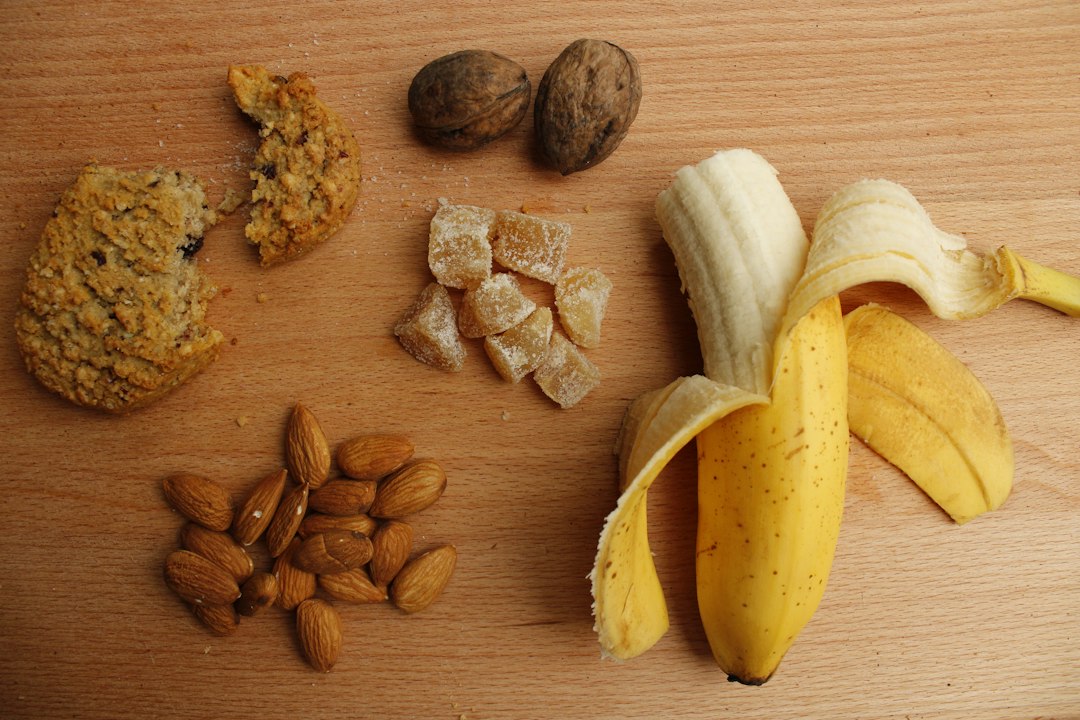
- Omega‑3 fatty acids (found in fatty fish, chia seeds, walnuts) reduce inflammation and support brain health.
- Monounsaturated fats (extra‑virgin olive oil, avocados, almonds) improve cholesterol profiles.
- Darkness: Use blackout curtains or an eye mask.
- Cool temperature: Aim for 60–67°F (15–19°C).
- Quiet: White noise machines or earplugs can block disruptive sounds.
- Magnesium: Helps relax muscles and calm the nervous system. Foods: pumpkin seeds, leafy greens, dark chocolate.
- Herbal teas: Chamomile, valerian root, and lemon balm have mild sedative properties.
- Box breathing: Inhale 4 seconds, hold 4, exhale 4, hold 4. Repeat for 5 cycles.
- Mindfulness meditation: Focus on the present moment, observing thoughts without judgment.
Action tip: Create a “rainbow plate” at each meal—include at least three different colors of produce. This visual cue ensures a broad spectrum of phytonutrients.
1.2 Choose Healthy Fats Over Processed Oils
Action tip: Swap a tablespoon of butter for olive oil when sautéing vegetables, and sprinkle a handful of walnuts on salads for crunch and omega‑3 boost.
1.3 Limit Added Sugars and Refined Carbs
Excess sugar spikes insulin, fuels inflammation, and can lead to weight gain. Replace sugary snacks with natural sweeteners like fresh fruit or a drizzle of raw honey (in moderation).
Action tip: Read nutrition labels—if a product lists “sugar,” “high‑fructose corn syrup,” or “sucrose” among the first three ingredients, choose a whole‑food alternative instead.
1.4 Hydration – The Unsung Hero
Water is essential for digestion, detoxification, and cellular function. Aim for 2–3 liters (about 8–12 cups) daily, more if you exercise or live in a hot climate.
Action tip: Keep a reusable water bottle on your desk and set a phone reminder to take a sip every 30 minutes. Add a slice of lemon or cucumber for a refreshing twist without added calories.
—
2. Move Your Body – Natural Exercise for Longevity
2.1 Embrace Daily Movement, Not Just “Workouts”
Research shows that non‑exercise activity thermogenesis (NEAT)—the calories burned during everyday activities—contributes significantly to overall health. Simple habits like taking the stairs, gardening, or walking while on phone calls add up.
Action tip: Set a goal of 10,000 steps per day. Use a pedometer or smartphone app to track progress, and break the goal into three 3,000‑step walks throughout the day.
2.2 Strength Training for Bone and Muscle Health
Maintaining muscle mass prevents sarcopenia (age‑related muscle loss) and supports metabolic health. You don’t need a gym—bodyweight exercises (push‑ups, squats, planks) are effective.
Action tip: Perform a full‑body circuit 2–3 times per week: 10 push‑ups, 15 squats, 30‑second plank, 12 lunges per leg. Rest 60 seconds, repeat 3 rounds.
2.3 Cardiovascular Fitness Through Nature
Outdoor cardio—jogging, cycling, hiking—delivers double benefits: heart health and exposure to fresh air, which improves mood and immune function.
Action tip: Schedule a “green cardio” session at least once a week. Even a 30‑minute brisk walk in a park can lower blood pressure and boost endorphins.
2.4 Flexibility and Balance: Yoga & Tai Chi
These mind‑body practices enhance joint range of motion, reduce injury risk, and lower stress hormones.
Action tip: Follow a 10‑minute sunrise yoga routine (sun salutations, cat‑cow stretches, seated twists) to start the day centered and limber.
—
3. Optimize Sleep – The Natural Healing Reset
3.1 Why Sleep Is a Non‑Negotiable Pillar
During deep sleep, the body releases growth hormone, repairs tissue, consolidates memory, and clears neurotoxic waste via the glymphatic system. Chronic sleep deprivation is linked to obesity, diabetes, cardiovascular disease, and impaired immunity.
3.2 Create a Sleep‑Friendly Environment
Action tip: Set a consistent bedtime routine—dim lights 30 minutes before sleep, read a physical book (no screens), and practice a brief breathing exercise (4‑7‑8 technique).
3.3 Natural Sleep Aids
Action tip: Sip a warm cup of chamomile tea 20 minutes before bed, and consider a magnesium glycinate supplement (200–400 mg) if you struggle with restless nights.
—
4. Manage Stress Naturally – Mind‑Body Balance
4.1 The Stress‑Inflammation Connection
Chronic stress elevates cortisol, which can suppress immune function, increase abdominal fat, and raise blood pressure. Managing stress is as vital as diet and exercise.
4.2 Breathwork and Meditation
Action tip: Use a free meditation app (e.g., Insight Timer) for a 10‑minute guided session each morning.
4.3 Nature Therapy (Ecotherapy)
Spending time in green spaces lowers cortisol, improves mood, and boosts immune markers.
Action tip: Incorporate a “nature break” daily—sit on a park bench, tend to houseplants, or simply walk barefoot on grass (grounding).
4.4 Social Connection
Positive relationships release oxytocin, a hormone that counteracts stress.
Action tip: Schedule a weekly “virtual coffee” or in‑person walk with a friend or family member. Even brief, meaningful conversations can enhance emotional resilience.
—
5. Strengthen Immunity with Everyday Practices
5.1 Vitamin D – The Sunshine Vitamin
Vitamin D modulates innate and adaptive immunity. Sun exposure (10–30 minutes on face, arms, and legs, 2–3 times per week) can maintain adequate levels, especially in spring and summer.
Action tip: If sunlight is limited, incorporate vitamin D‑rich foods (fatty fish, egg yolks, fortified plant milks) and consider a modest supplement (1,000–2,000 IU daily) after consulting a healthcare provider.
5.2 Probiotics and Gut Health
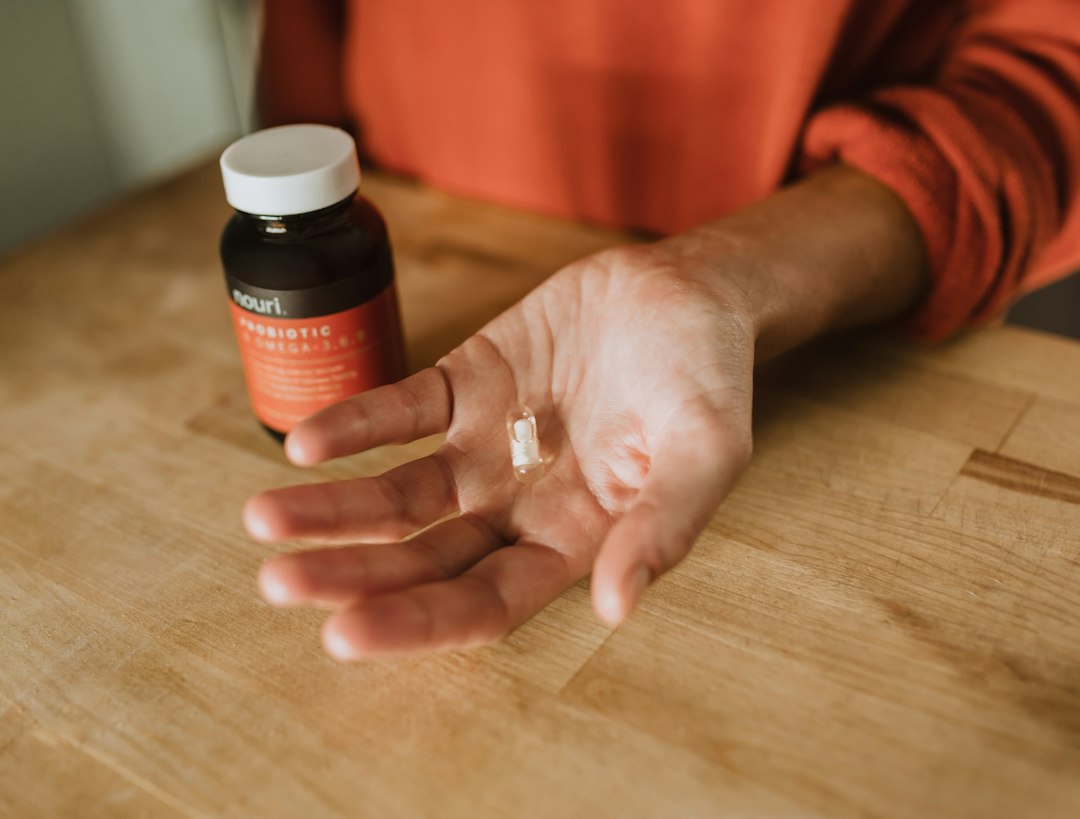
A healthy gut microbiome influences immune response. Fermented foods—kimchi, sauerkraut, kefir, yogurt—provide live cultures.
Action tip: Add a tablespoon of fermented veggies to salads or a serving of kefir to your morning smoothie.
5.3 Regular Hand Hygiene and Respiratory Etiquette
Simple habits like washing hands with soap for at least 20 seconds and covering coughs with a tissue or elbow can dramatically reduce pathogen transmission.
Action tip: Keep a small bottle of hand sanitizer (≥60% alcohol) in your bag for on‑the‑go protection.
—
Conclusion – Your Natural Health Blueprint
Staying healthy doesn’t require expensive gadgets or miracle pills. By feeding your body whole foods, moving regularly, prioritizing restorative sleep, managing stress mindfully, and supporting your immune system with natural habits, you create a resilient foundation for lifelong vitality.
Key Takeaways
1. Eat a colorful, plant‑rich diet while limiting added sugars and refined carbs.
2. Incorporate daily movement—NEAT, strength work, cardio, and flexibility training.
3. Protect sleep with a consistent routine, cool dark environment, and natural relaxants.
4. Manage stress through breathwork, nature exposure, and strong social ties.
5. Boost immunity with sunlight, vitamin D, probiotic foods, and good hygiene.
Start small—pick one habit from each section and integrate it into your routine over the next month. Consistency compounds; the cumulative effect of these natural strategies will be a healthier, more energetic you.
Here’s to thriving naturally!