—
Introduction – Why Your Plate Is the First Line of Defense
Imagine your immune system as a high‑tech security team, constantly patrolling for intruders—viruses, bacteria, and even the occasional stress‑induced “hack.” Just like any elite squad, it needs the right gear, training, and fuel to stay sharp. That fuel? The foods you eat every day.
In a world where colds, flu, and seasonal allergies feel like unwelcome house guests, immunity‑boosting foods have become more than a trendy buzzword—they’re a practical, science‑backed strategy for staying healthy. Whether you’re a busy professional juggling meetings, a parent trying to keep the whole family thriving, or a fitness enthusiast looking for that extra edge, the right nutrients can help your body fend off illness, recover faster, and maintain optimal energy levels.
In this comprehensive, 2,000‑word guide we’ll explore the powerhouse nutrients, the super‑foods that deliver them, and actionable ways to weave these immunity‑boosting ingredients into your everyday meals. Ready to turn your kitchen into a health‑fortress? Let’s dive in.
—
1. The Core Nutrients: Vitamins, Minerals, and Antioxidants Your Immune System Craves
Before we talk about specific foods, it’s essential to understand what the immune system actually needs to function at its peak. Think of these nutrients as the “ammo” that immune cells use to identify, attack, and neutralize pathogens.
1.1 Vitamin C – The Classic Defender
- Why it matters: Vitamin C is a potent antioxidant that protects immune cells from oxidative stress and supports the production of white blood cells.
- Daily target: 75 mg for women, 90 mg for men (the RDA). Most adults can meet this with just one serving of citrus or a handful of berries.
- Actionable tip: Add a splash of fresh lemon juice to your water, blend a morning smoothie with kiwi and orange, or snack on red bell pepper strips throughout the day.
- Why it matters: Vitamin D receptors are present on many immune cells, and adequate levels help regulate the body’s inflammatory response. Low vitamin D is linked with higher susceptibility to respiratory infections.
- Daily target: 600–800 IU (International Units) for most adults; many experts recommend 1,000–2,000 IU if you get limited sun exposure.
- Actionable tip: Incorporate fortified foods such as low‑fat milk, plant‑based milks, or eggs. If you live in a northern climate, consider a vitamin D supplement after consulting your doctor.
- Why it matters: Zinc is essential for the development of immune cells and acts as a signaling molecule that tells immune cells when to multiply.
- Daily target: 8 mg for women, 11 mg for men.
- Actionable tip: Sprinkle pumpkin seeds on salads, enjoy a handful of cashews as a snack, or add lentils to soups for a plant‑based zinc boost.
- Why it matters: Selenium works with antioxidant enzymes to reduce inflammation and supports the production of antibodies.
- Daily target: 55 µg for adults.
- Actionable tip: Include Brazil nuts (just 1–2 nuts a day can meet your requirement), or add brown rice and whole‑grain breads to your meals.
- Why it matters: EPA and DHA (found in fatty fish) help modulate the inflammatory response, which is crucial for preventing an overactive immune reaction.
- Weekly target: Two servings of fatty fish (salmon, mackerel, sardines) or a daily tablespoon of chia/flaxseed for plant‑based omega‑3s.
- Actionable tip: Grill a salmon fillet for dinner twice a week, or toss a tablespoon of ground flaxseed into oatmeal or smoothies.
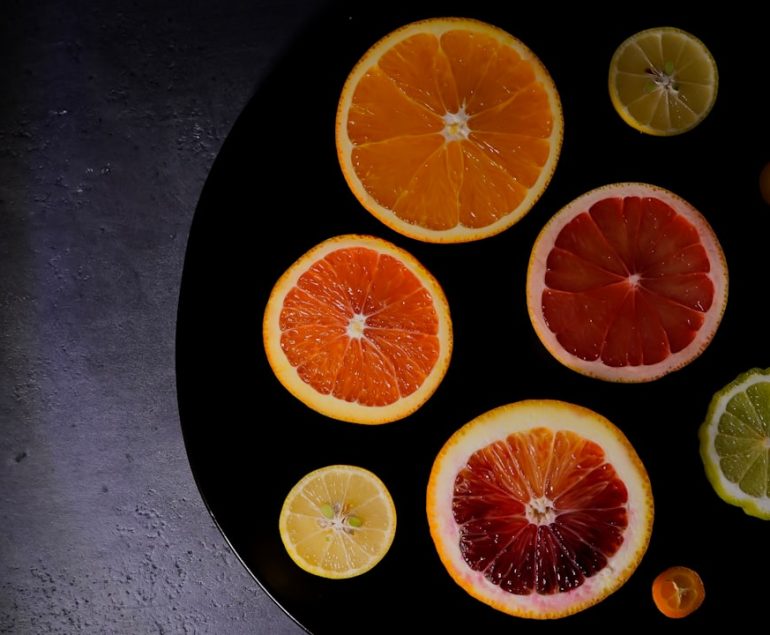
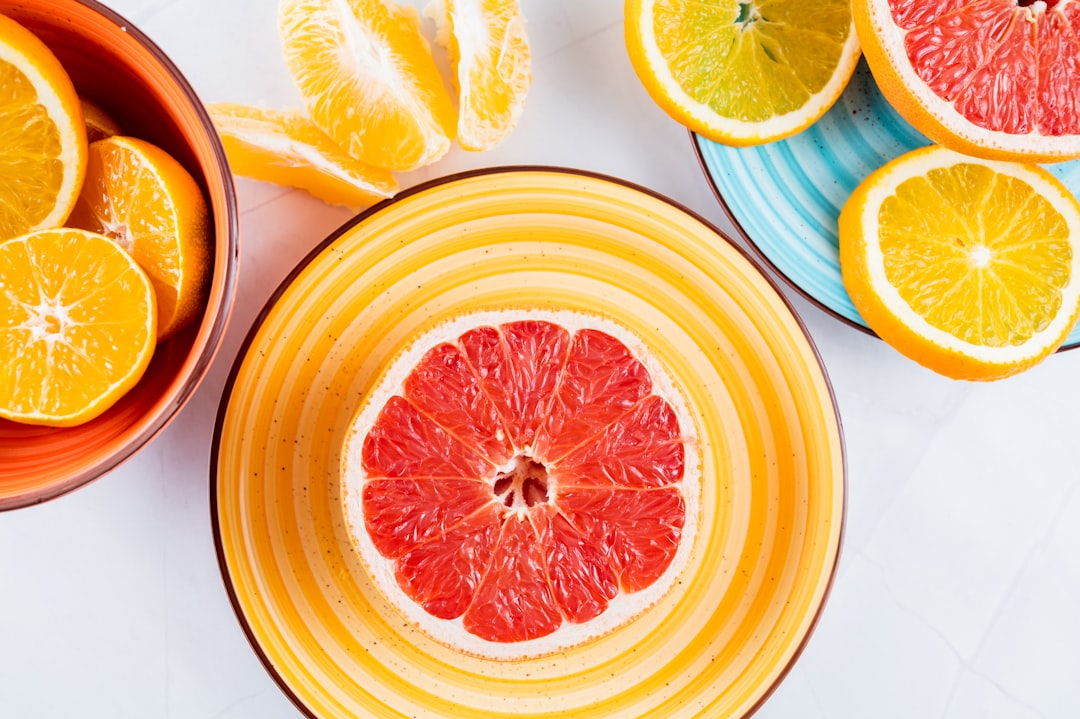
- Top picks: Oranges, grapefruits, lemons, limes, tangerines.
- How they help: Besides vitamin C, citrus fruits contain flavonoids like hesperidin, which have anti‑viral properties.
- Actionable ideas:
- Top picks: Blueberries, strawberries, raspberries, blackberries.
- How they help: Berries are loaded with anthocyanins, a type of antioxidant that protects immune cells from oxidative damage.
- Actionable ideas:
- Top picks: Spinach, kale, Swiss chard, collard greens.
- How they help: Greens deliver vitamin A, vitamin C, folate, and iron—all essential for the production and function of white blood cells.
- Actionable ideas:
- Why they help: Allicin (in garlic) and quercetin (in onions) have proven antimicrobial and anti‑inflammatory effects.
- Actionable ideas:
- Why they help: Curcumin (turmeric) and gingerol (ginger) are strong anti‑inflammatory compounds that support immune regulation.
- Actionable ideas:
- Top picks: Almonds, walnuts, pumpkin seeds, sunflower seeds, chia seeds.
- How they help: Provide zinc, selenium, vitamin E, and healthy fats that protect cell membranes and support antibody production.
- Actionable ideas:
- What they offer: Live cultures (Lactobacillus, Bifidobacterium) that improve gut barrier function and modulate inflammation.
- Actionable ideas:
- What they offer: High levels of lactobacilli, plus vitamin C and fiber.
- Actionable ideas:
- What they offer: Protein, B‑vitamins, and beneficial microbes.
- Actionable ideas:
- What it offers: A modest amount of live cultures and organic acids that may support digestion.
- Actionable ideas:
1.2 Vitamin D – The Immunomodulator
1.3 Zinc – The Cellular Coordinator
1.4 Selenium – The Antioxidant Ally
1.5 Omega‑3 Fatty Acids – The Inflammation Controllers
> Quick Reference:
> – Vitamin C: citrus, strawberries, bell peppers
> – Vitamin D: fortified dairy/plant milks, fatty fish, sunlight
> – Zinc: pumpkin seeds, chickpeas, beef
> – Selenium: Brazil nuts, whole grains, turkey
> – Omega‑3: salmon, walnuts, chia seeds
Understanding these core nutrients sets the stage for the next sections, where we’ll dive into the foods that deliver them in delicious, easy‑to‑prepare forms.
—
2. Superfood Staples: Everyday Foods That Supercharge Immunity
Now that you know which nutrients matter, let’s explore the immunity‑boosting foods that pack them in abundance. These items are versatile, affordable, and can be incorporated into almost any cuisine.
2.1 Citrus Fruits – The Bright, Tangy Vitamin C Powerhouses
1. Morning boost: Start your day with a warm glass of lemon water to hydrate and awaken digestion.
2. Snack hack: Keep a pre‑peeled orange or a small container of grapefruit segments at your desk.
3. Salad sparkle: Toss a citrus vinaigrette over mixed greens and avocado for a refreshing lunch.
2.2 Berries – Antioxidant‑Rich Mini Marvels
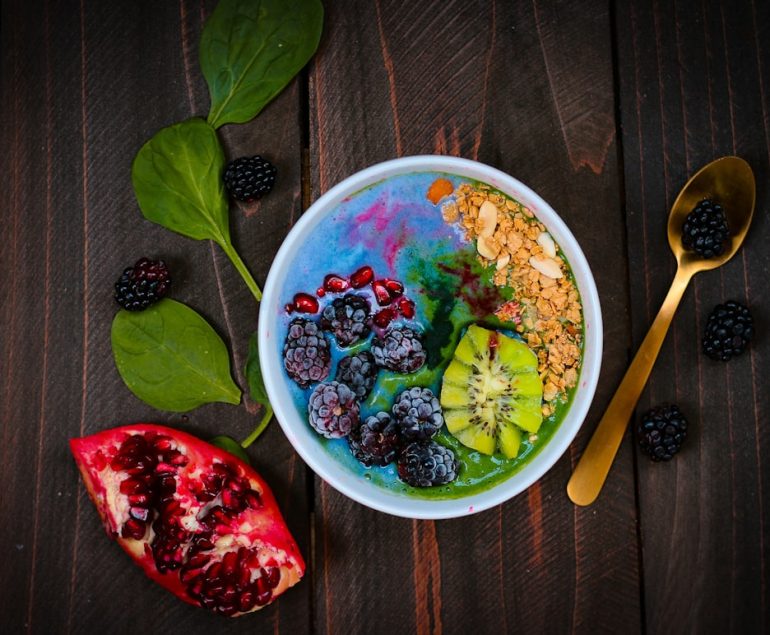
1. Smoothie starter: Blend frozen berries with Greek yogurt, a splash of almond milk, and a drizzle of honey for a probiotic‑rich, immunity‑supporting breakfast.
2. Yogurt parfait: Layer plain Greek yogurt, fresh berries, and a sprinkle of granola for a snack that also fuels gut health.
3. Baking boost: Add a cup of mashed berries to muffins or pancakes for a nutrient‑dense twist.
2.3 Leafy Greens – The Vitamin‑Dense Green Giants
1. Sautéed side: Lightly sauté kale with garlic and olive oil for a quick, flavorful side dish.
2. Green smoothies: Blend spinach with banana, pineapple, and a scoop of protein powder for a nutrient‑dense post‑workout drink.
3. Soup base: Add chopped collard greens to chicken or bean soups for an extra immune boost.
2.4 Garlic & Onion – Nature’s Antimicrobial Duo
1. Daily oil: Infuse olive oil with crushed garlic and use it as a base for stir‑fries or salad dressings.
2. Roasted veggies: Toss carrots, sweet potatoes, and onions with a drizzle of olive oil, roast, and serve as a hearty side.
3. Immune broth: Simmer garlic, onion, ginger, and turmeric in bone broth for a soothing, immunity‑enhancing sip.
2.5 Turmeric & Ginger – The Warm, Anti‑Inflammatory Powerhouses
1. Golden milk: Warm almond milk with turmeric, ginger, a pinch of black pepper, and honey for a bedtime immune tonic.
2. Stir‑fry spice: Add fresh ginger and a teaspoon of turmeric powder to vegetable stir‑fry for flavor and health benefits.
3. Tea time: Steep sliced ginger and turmeric in hot water, sweeten with a dash of maple syrup, and sip throughout the day.
2.6 Nuts & Seeds – Crunchy Micronutrient Bombs
1. Trail mix: Combine almonds, walnuts, pumpkin seeds, and a few dried cranberries for a portable snack.
2. Breakfast boost: Sprinkle chia seeds over oatmeal or blend them into smoothies for extra omega‑3s.
3. Salad topping: Add a handful of toasted sunflower seeds to salads for crunch and nutrition.
> Pro tip: To maximize nutrient absorption, pair fat‑soluble vitamins (A, D, E, K) with a source of healthy fat—think avocado on a spinach salad or a drizzle of olive oil over roasted vegetables.
—
3. Gut Health & Fermented Foods: The Hidden Immune Superhighway
Did you know that roughly 70% of your immune system resides in the gut? A balanced gut microbiome acts as a first‑line defense, training immune cells, producing short‑chain fatty acids, and preventing harmful pathogens from taking hold. Fermented foods are the easiest way to feed those beneficial bacteria.
3.1 Yogurt & Kefir – Probiotic‑Rich Dairy Powerhouses
1. Morning bowl: Mix plain Greek yogurt with berries, a drizzle of honey, and a tablespoon of ground flaxseed.
2. Smoothie base: Use kefir instead of milk for a tangy, probiotic‑packed smoothie.
3. Dipping sauce: Blend yogurt with minced garlic, cucumber, and dill for a gut‑friendly tzatziki.
3.2 Sauerkraut & Kimchi – Fermented Veggie Titans
1. Side dish: Serve a small portion of kimchi alongside grilled fish or tofu for a flavorful probiotic boost.
2. Sandwich topping: Add sauerkraut to a turkey or veggie sandwich for crunch and gut health.
3. Stir‑fry finish: Toss a spoonful of kimchi into a vegetable stir‑fry at the end of cooking to preserve its live cultures.
3.3 Miso & Tempeh – Fermented Soy Solutions
1. Miso soup: Whisk miso paste into hot (not boiling) water with tofu, seaweed, and scallions for a soothing immune‑supporting broth.
2. Tempeh stir‑fry: Marinate tempeh in soy sauce, ginger, and garlic, then stir‑fry with broccoli and bell peppers.
3. Salad protein: Crumble tempeh over salads, drizzle with tahini, and sprinkle with sesame seeds.
3.4 Kombucha – Fizzy Probiotic Drink
1. Post‑workout refresher: Sip a small glass (4–6 oz) of kombucha after exercising for a gentle probiotic lift.
2. Mocktail base: Mix kombucha with fresh fruit juice for a low‑sugar, immune‑friendly cocktail.
> Caution: If you have a compromised immune system or are pregnant, consult a