As the old adage goes, “an apple a day keeps the doctor away.” But what if we told you that there’s more to boosting your immunity than just munching on an apple? In today’s fast-paced world, our bodies are constantly exposed to toxins, stress, and pollutants that can weaken our immune system. The good news is that incorporating immunity boosting foods into your diet can be a game-changer. In this comprehensive guide, we’ll delve into the world of nutrient-dense foods that can help supercharge your immune system, reducing the risk of illnesses and infections.
Understanding the Importance of Immunity Boosting Foods
Before we dive into the delicious world of immunity boosting foods, let’s understand why they’re so crucial for our overall health. A strong immune system is the body’s first line of defense against infections, diseases, and toxins. When our immune system is functioning optimally, it can fight off pathogens, repair damaged cells, and even prevent chronic diseases like cancer and heart disease. However, a weakened immune system can leave us vulnerable to a plethora of health issues. This is where immunity boosting foods come into play.
Foods rich in vitamins, minerals, antioxidants, and other essential nutrients can help support immune function, reducing the risk of illnesses and infections. For instance, vitamin C-rich foods like citrus fruits, bell peppers, and broccoli can help stimulate the production of white blood cells, which are vital for fighting off infections. Similarly, foods high in omega-3 fatty acids like salmon, walnuts, and chia seeds can help reduce inflammation, which can weaken the immune system.
Top Immunity Boosting Foods to Add to Your Diet
So, which foods should you be adding to your diet to give your immune system a boost? Here are some of the top immunity boosting foods that you should consider:
- Leafy Greens: Leafy greens like spinach, kale, and collard greens are packed with vitamins A, C, and E, as well as minerals like iron and calcium. These nutrients can help support immune function, reduce inflammation, and even prevent chronic diseases.
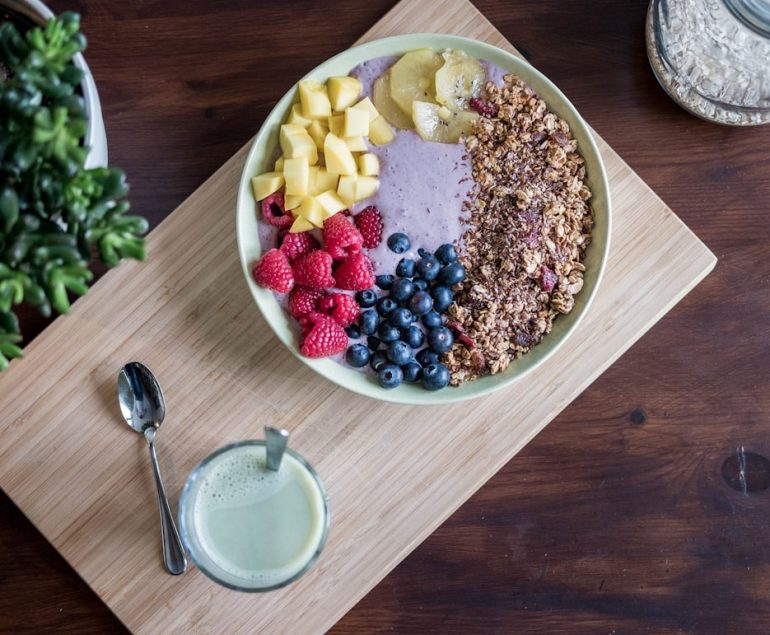
- Berries: Berries like blueberries, strawberries, and raspberries are rich in antioxidants, which can help protect cells from damage and reduce the risk of chronic diseases.
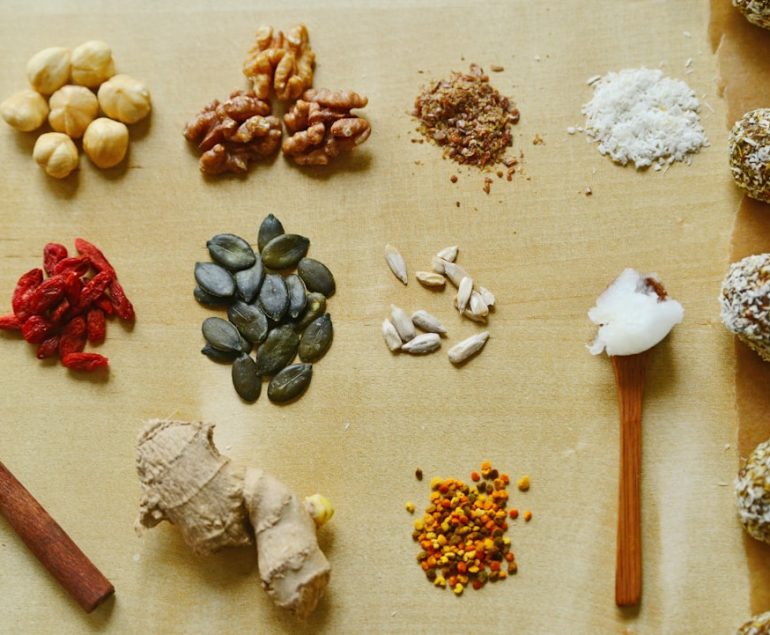
- Nuts and Seeds: Nuts and seeds like almonds, sunflower seeds, and pumpkin seeds are rich in healthy fats, protein, and fiber, making them an excellent snack for supporting immune function.
- Fatty Fish: Fatty fish like salmon, tuna, and mackerel are rich in omega-3 fatty acids, which can help reduce inflammation and support immune function.
- Sweet Potatoes: Sweet potatoes are rich in vitamin A, which can help stimulate the production of white blood cells and support immune function.
- Start with Small Changes: Begin by adding one or two immunity boosting foods to your diet each week. This can be as simple as adding spinach to your omelets or snacking on almonds.
- Experiment with New Recipes: Try new recipes that incorporate immunity boosting foods. For instance, you can make a delicious salmon stir-fry with leafy greens and berries.
- Make it Fun: Involve your family and friends in the process of incorporating immunity boosting foods into your diet. You can have a cooking competition or a potluck where everyone brings a dish made with immune-boosting ingredients.
- Be Consistent: Consistency is key when it comes to incorporating immunity boosting foods into your diet. Aim to eat a balanced diet that includes a variety of whole foods, and limit your intake of processed and sugary foods.
- Stay Hydrated: Drinking plenty of water can help flush out toxins and support immune function. Aim to drink at least eight glasses of water a day.
- Exercise Regularly: Exercise can help reduce stress, improve circulation, and support immune function. Aim to exercise for at least 30 minutes a day, five days a week.
- Get Enough Sleep: Getting enough sleep is essential for immune function. Aim to get at least seven hours of sleep a night.
- Manage Stress: Chronic stress can weaken the immune system. Try stress-reducing techniques like meditation, yoga, or deep breathing exercises to help manage stress.
- Immunity boosting foods can help support immune function and reduce the risk of illnesses and infections.
- Top immunity boosting foods include leafy greens, berries, nuts and seeds, fatty fish, and sweet potatoes.
- Incorporating immunity boosting foods into your diet can be easy and fun, and can be done by starting with small changes, experimenting with new recipes, making it fun, and being consistent.
- Additional tips for boosting your immunity include staying hydrated, exercising regularly, getting enough sleep, and managing stress.
Incorporating Immunity Boosting Foods into Your Diet
Incorporating immunity boosting foods into your diet can be easier than you think. Here are some tips to get you started:
Additional Tips for Boosting Your Immunity
In addition to incorporating immunity boosting foods into your diet, there are several other tips that can help support immune function. Here are some additional tips to keep in mind:
In conclusion, incorporating immunity boosting foods into your diet can be a powerful way to support immune function and reduce the risk of illnesses and infections. By understanding the importance of immunity boosting foods, adding top immunity boosting foods to your diet, incorporating them into your meals, and following additional tips for boosting your immunity, you can take a proactive approach to protecting your health. Remember, a strong immune system is the key to a healthy and happy life. So, go ahead and unlock the power of immunity boosting foods – your body will thank you!
Key takeaways:
By following these tips and incorporating immunity boosting foods into your diet, you can take a proactive approach to protecting your health and unlocking the power of a strong immune system.