Are you tired of feeling sluggish, run down, and stuck in a rut? Do you struggle with digestive issues, low energy, or persistent weight gain? The answer to these common health woes may lie in the way you fuel your body. Nutrition is the foundation of overall health and wellness, and making informed choices about what you eat can have a profound impact on your quality of life. In this comprehensive guide, we’ll delve into the world of nutrition, exploring the latest research, debunking common myths, and providing actionable tips to help you unlock the power of nutrition and achieve a healthier, happier you.
Understanding the Basics of Nutrition
Before we dive into the nitty-gritty of nutrition, it’s essential to understand the fundamental principles. Nutrition is the process by which our bodies convert food into energy, growth, and repair. The three main macronutrients – carbohydrates, protein, and fat – provide the building blocks for our bodily functions. Carbohydrates, found in foods like whole grains, fruits, and vegetables, are the body’s primary source of energy. Protein, found in foods like lean meats, fish, and legumes, is essential for building and repairing tissues. Fat, found in foods like nuts, seeds, and avocados, is vital for brain function, hormone production, and absorption of essential vitamins.
A well-balanced diet that includes a variety of whole, unprocessed foods can provide all the necessary nutrients for optimal health. However, with the rise of processed and convenience foods, many of us are falling short of our nutritional needs. A study by the National Institutes of Health found that nearly 90% of Americans fail to meet the daily recommended intake of essential nutrients like fiber, vitamin D, and omega-3 fatty acids. By prioritizing whole foods and being mindful of our nutritional intake, we can take the first step towards a healthier, more balanced lifestyle.
Debunking Common Nutrition Myths
With the constant influx of diet trends and nutritional advice, it’s easy to get caught up in misinformation. Let’s set the record straight on some common nutrition myths. Firstly, low-fat diets are not the key to weight loss. In fact, healthy fats like those found in nuts, seeds, and avocados are essential for satiety, hormone production, and absorption of essential vitamins. Secondly, all calories are not created equal. While it’s true that a calorie is a calorie, the source of those calories matters. A diet high in processed foods and added sugars can lead to insulin resistance, inflammation, and a host of other health problems.
Another common myth is that breakfast is the most important meal of the day. While breakfast can be an essential meal for many, the idea that it’s the most important is not backed by science. In fact, research suggests that the timing of our meals has little impact on our overall health and weight. What’s more important is the quality of our diet, including the types of foods we eat and the nutrients they provide. By focusing on whole, nutrient-dense foods and being mindful of our overall nutritional intake, we can cut through the noise and make informed choices about our diet.
Nutrition and Chronic Disease Prevention
The link between nutrition and chronic disease prevention is well-established. A diet high in whole, unprocessed foods can help reduce the risk of heart disease, type 2 diabetes, and certain types of cancer. The Mediterranean diet, which emphasizes whole grains, fruits, vegetables, lean proteins, and healthy fats, has been shown to have a profound impact on cardiovascular health. In fact, a study published in the New England Journal of Medicine found that the Mediterranean diet reduced the risk of heart disease by a staggering 30%.
In addition to its impact on chronic disease prevention, nutrition also plays a critical role in mental health. A diet high in processed foods and added sugars can lead to inflammation, oxidative stress, and impaired cognitive function. On the other hand, a diet rich in omega-3 fatty acids, antioxidants, and other essential nutrients can support brain health and reduce the risk of depression and anxiety. By prioritizing whole, nutrient-dense foods and being mindful of our nutritional intake, we can take a proactive approach to our mental health and wellbeing.
Nutrition and Performance
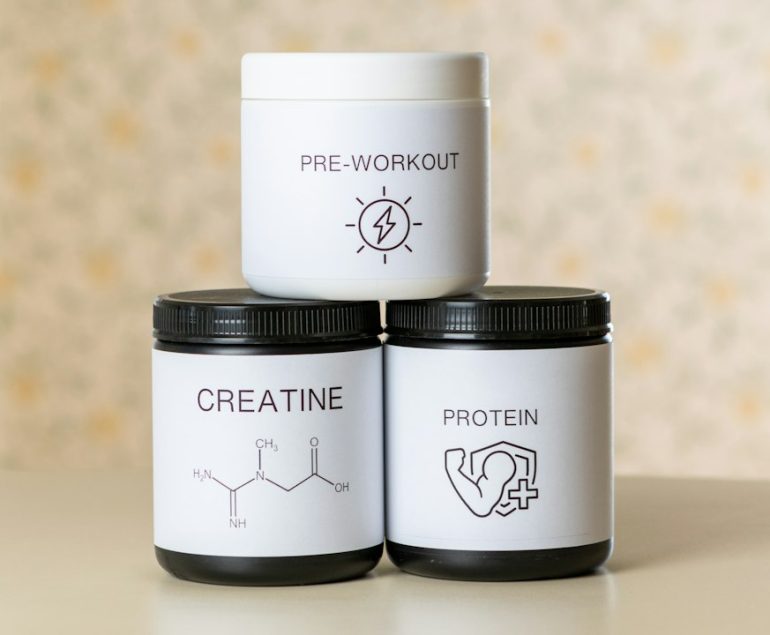
For athletes and fitness enthusiasts, nutrition is not just about health and wellness – it’s also about performance. The right combination of nutrients can help optimize energy levels, support muscle growth and repair, and enhance overall physical function. Carbohydrates, for example, are essential for energy production, while protein is critical for building and repairing muscle tissue. Healthy fats, like those found in nuts and seeds, can also support hormone production and reduce inflammation.
In addition to its impact on physical performance, nutrition also plays a critical role in recovery. After a workout, the body is in a state of heightened stress and inflammation, and the right combination of nutrients can help support the recovery process. A post-workout smoothie with protein, complex carbohydrates, and healthy fats can help promote muscle growth and repair, while also supporting immune function and reducing inflammation. By prioritizing nutrition and being mindful of our overall dietary intake, we can take our fitness and performance to the next level.
Conclusion and Key Takeaways
In conclusion, nutrition is the foundation of overall health and wellness. By prioritizing whole, unprocessed foods and being mindful of our nutritional intake, we can unlock the power of nutrition and achieve a healthier, happier us. Here are the key takeaways from this comprehensive guide:
- Focus on whole, unprocessed foods like fruits, vegetables, whole grains, lean proteins, and healthy fats
- Debunk common nutrition myths and prioritize nutrient-dense foods over processed and convenience foods
- Prioritize nutrition for chronic disease prevention, mental health, and physical performance
- Be mindful of your overall dietary intake and make informed choices about the foods you eat
- Consult with a healthcare professional or registered dietitian to create a personalized nutrition plan
By following these key takeaways and prioritizing nutrition, you can take the first step towards a healthier, more balanced lifestyle. Remember, nutrition is not just about food – it’s about fueling your body for optimal health, wellness, and performance. So why wait? Unlock the power of nutrition today and start achieving the health and wellness you deserve.