Are you tired of feeling like you’re stuck in a never-ending cycle of dieting and weight gain? Do you dream of having a healthy, toned body that makes you feel confident and energized? If so, you’re not alone. Millions of people around the world struggle with weight loss, but the good news is that achieving your dream body is within reach. In this comprehensive guide, we’ll explore the secrets of sustainable weight loss, providing you with valuable, actionable information to help you reach your goals and maintain a healthy weight for the long haul.
Understanding the Basics of Weight Loss
Weight loss is a complex process that involves a combination of physical, emotional, and psychological factors. At its core, weight loss occurs when you create a calorie deficit, meaning you burn more calories than you consume. This can be achieved through a variety of methods, including diet, exercise, and lifestyle changes. However, it’s not just about cutting calories or following a fad diet – it’s about adopting a holistic approach to health and wellness that nourishes your body and satisfies your hunger. To get started, it’s essential to understand the different types of weight loss, including:
- Water weight loss: This type of weight loss occurs when you lose water weight, which can be due to a variety of factors, including dehydration, hormonal changes, or the use of certain medications.
- Muscle loss: This type of weight loss occurs when you lose muscle mass, which can be due to a lack of protein in your diet, inadequate exercise, or certain medical conditions.
- Fat loss: This type of weight loss occurs when you lose body fat, which is the most desirable type of weight loss and can be achieved through a combination of diet, exercise, and lifestyle changes.
- Set specific, measurable, and achievable goals: Instead of setting a vague goal to “lose weight,” try setting a specific goal, such as “I want to lose 10 pounds in the next 3 months.”
- Identify your motivations: What drives you to want to lose weight? Is it to feel more confident, improve your health, or fit into a certain size? Understanding your motivations can help you stay focused and motivated on your weight loss journey.
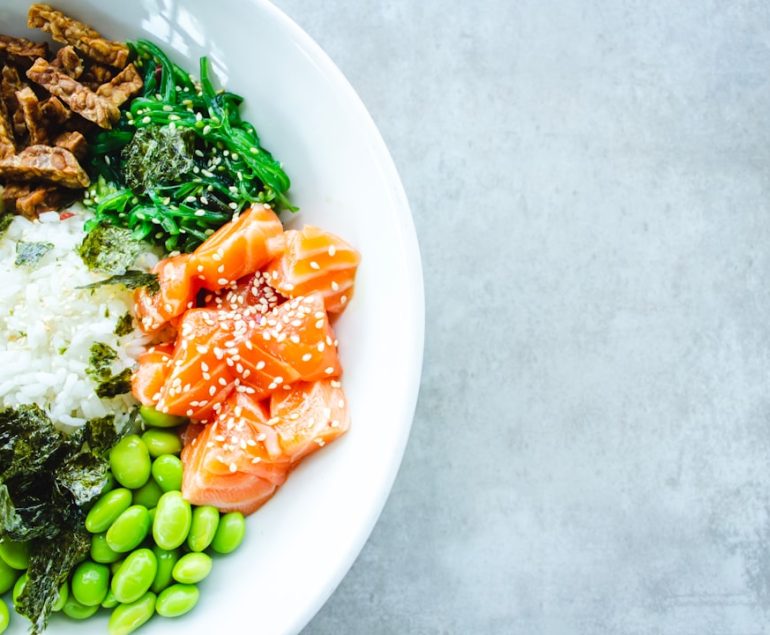
- Develop a healthy eating plan: Focus on whole, unprocessed foods, including fruits, vegetables, whole grains, lean proteins, and healthy fats. Aim to include a variety of colors on your plate to ensure you’re getting a range of nutrients.
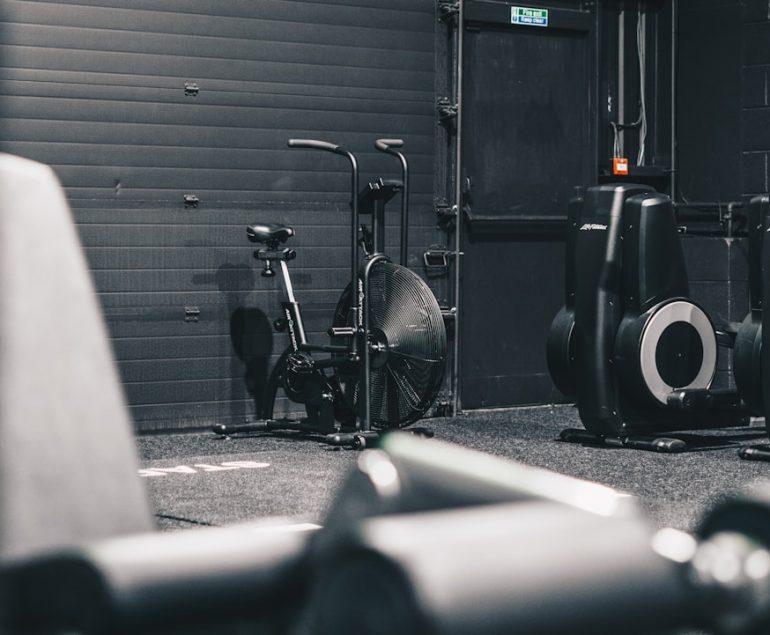
- Incorporate physical activity: Aim for at least 150 minutes of moderate-intensity exercise, or 75 minutes of vigorous-intensity exercise, or a combination of both, per week. You can also incorporate strength training, high-intensity interval training (HIIT), and other forms of physical activity to help you reach your goals.
- Keep track of your progress: Use a food diary or mobile app to track your eating habits, physical activity, and progress. This can help you identify patterns and make adjustments to your plan as needed.
- Find healthy ways to cope with emotions: Instead of turning to food when you’re stressed, anxious, or bored, try finding healthy ways to cope, such as meditation, yoga, or talking to a friend.
- Get support: Share your weight loss goals with a friend or family member and ask for their support. Having a support system can help you stay motivated and accountable on your weight loss journey.
- Be patient and persistent: Weight loss takes time, and it’s normal to experience setbacks along the way. Don’t get discouraged if you don’t see immediate results – stay patient, persistent, and focused on your long-term goals.
- Continue to monitor your progress: Regularly track your weight, measurements, and progress photos to ensure you’re staying on track.
- Make healthy habits a part of your lifestyle: Focus on developing healthy habits, such as regular physical activity, healthy eating, and stress management, that you can maintain for the long haul.
- Stay hydrated: Drinking plenty of water can help you stay full, boost your metabolism, and support overall health and wellness.
- Get enough sleep: Aim for 7-9 hours of sleep per night to help regulate your appetite, support weight loss, and overall health and wellness.
- Creating a calorie deficit through a combination of diet, exercise, and lifestyle changes
- Setting specific, measurable, and achievable goals
- Developing a healthy eating plan that focuses on whole, unprocessed foods
- Incorporating physical activity, such as strength training, HIIT, and other forms of exercise
- Staying hydrated, getting enough sleep, and managing stress to support overall health and wellness
- Seeking support from friends, family, or a healthcare professional when needed.
Creating a Weight Loss Plan That Works
Creating a weight loss plan that works for you involves setting realistic goals, identifying your motivations, and developing a strategy that takes into account your lifestyle, preferences, and needs. Here are some tips to help you get started:
Staying on Track and Overcoming Obstacles
Staying on track with your weight loss plan can be challenging, especially when faced with obstacles such as emotional eating, social pressures, and plateaus. Here are some tips to help you overcome common obstacles and stay on track:
Maintaining Weight Loss and Preventing Regain
Maintaining weight loss and preventing regain requires a long-term commitment to healthy habits and lifestyle changes. Here are some tips to help you maintain your weight loss and prevent regain:
In conclusion, achieving sustainable weight loss requires a comprehensive approach that takes into account your physical, emotional, and psychological needs. By understanding the basics of weight loss, creating a weight loss plan that works for you, staying on track, and maintaining your weight loss, you can unlock the secrets of sustainable weight loss and achieve your dream body. Remember to stay patient, persistent, and focused on your long-term goals, and don’t be afraid to seek support when you need it. With the right mindset and strategies, you can overcome common obstacles and achieve a healthy, toned body that makes you feel confident and energized. Key takeaways include: