Are you tired of feeling sluggish, run down, and stuck in a rut? Do you want to boost your energy levels, improve your overall health, and increase your chances of living a long and happy life? If so, it’s time to unlock the power of nutrition. As the old saying goes, “you are what you eat,” and the food you put into your body has a profound impact on your physical and mental well-being. In this comprehensive guide, we’ll delve into the world of nutrition, exploring the latest research, trends, and expert advice to help you make informed decisions about your diet and lifestyle.
Understanding the Basics of Nutrition
Before we dive into the nitty-gritty of nutrition, it’s essential to understand the basics. Nutrition is the process by which our bodies use food to grow, maintain, and repair themselves. The three main macronutrients – carbohydrates, protein, and fat – provide energy and support various bodily functions. Carbohydrates, such as whole grains, fruits, and vegetables, are the body’s primary source of energy. Protein, found in foods like lean meats, fish, eggs, and legumes, is essential for building and repairing tissues. Fat, which comes in both healthy and unhealthy forms, plays a crucial role in hormone production, brain function, and the absorption of vitamins.
In addition to macronutrients, our bodies also require a range of micronutrients, including vitamins and minerals. These essential nutrients help regulate various bodily functions, from immune system function to bone health. A well-balanced diet that includes a variety of whole foods can provide adequate amounts of these micronutrients. However, with the rise of processed and convenience foods, many of us are missing out on essential nutrients. This is where supplements come in – but more on that later.
The Importance of a Balanced Diet
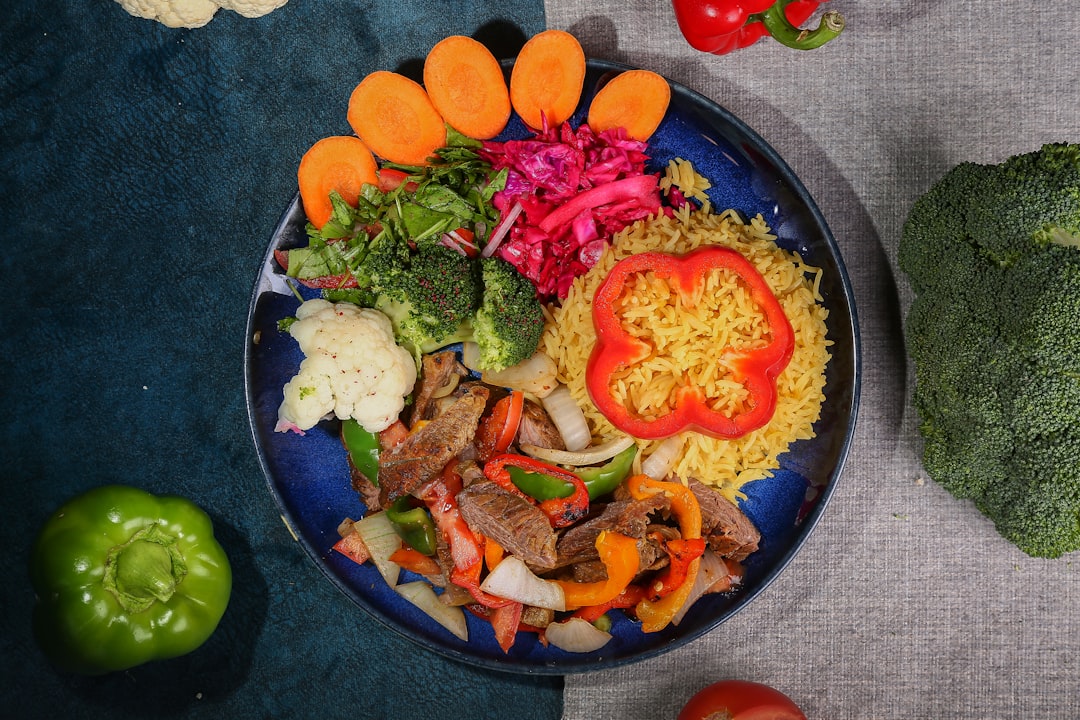
A balanced diet is the foundation of good nutrition. Eating a variety of whole, unprocessed foods can provide your body with the necessary nutrients, fiber, and energy to function optimally. A balanced diet typically includes:
- A variety of colorful fruits and vegetables, which provide essential vitamins, minerals, and antioxidants
- Whole grains, such as brown rice, quinoa, and whole-wheat bread, which offer complex carbohydrates and fiber
- Lean protein sources, like poultry, fish, and legumes, which support muscle growth and repair
- Healthy fats, found in foods like nuts, seeds, and avocados, which support heart health and satisfy hunger
- Follow a vegan or vegetarian diet, which may require additional sources of vitamin B12, iron, and omega-3 fatty acids
- Have a medical condition, such as celiac disease or lactose intolerance, which may require specialized supplements
- Are pregnant or breastfeeding, and require extra nutrients to support fetal development and maternal health
- Are athletes or engage in regular exercise, which may require additional protein, creatine, or other performance-enhancing supplements
- Plant-based diets, which have been shown to have numerous health benefits, including reduced risk of heart disease and certain types of cancer
- Keto and low-carb diets, which involve drastically reducing carbohydrate intake and increasing fat consumption
- Intermittent fasting, which involves restricting calorie intake for certain periods of time to promote weight loss and improve metabolic health
- Gluten-free and low-FODMAP diets, which involve restricting or eliminating certain types of carbohydrates to manage digestive issues
- Eat a variety of whole, unprocessed foods to provide your body with essential nutrients and energy
- Limit your intake of sugary drinks, fast food, and processed snacks
- Consider supplements to fill nutritional gaps, but always consult with a healthcare professional first
- Stay up-to-date with the latest research and trends in nutrition, but approach them with a critical eye
- Focus on mindful eating, stress management, and regular exercise to support overall health and well-being
A well-balanced diet can help prevent chronic diseases, such as heart disease, diabetes, and certain types of cancer. It can also support weight management, improve mental health, and boost energy levels. But with so many conflicting diet trends and fad diets out there, it can be challenging to know what to eat. The key is to focus on whole, unprocessed foods and limit your intake of sugary drinks, fast food, and processed snacks.
The Role of Supplements in Nutrition
While a balanced diet should always be the primary source of nutrients, supplements can play a helpful role in filling nutritional gaps. Supplements can be particularly useful for individuals who:
However, it’s essential to approach supplements with caution. Many supplements are not regulated by the FDA, and some may interact with medications or have adverse side effects. Always consult with a healthcare professional before adding any supplements to your diet. Additionally, be sure to choose high-quality supplements from reputable manufacturers, and follow the recommended dosage instructions.
Nutrition Trends and Controversies
The world of nutrition is constantly evolving, with new trends and research emerging all the time. Some of the current trends and controversies in nutrition include:
While some of these trends may be beneficial for certain individuals, it’s essential to approach them with a critical eye. Always consult with a healthcare professional before making significant changes to your diet, and be sure to focus on whole, unprocessed foods rather than relying on processed or packaged products.
Conclusion and Key Takeaways
Unlocking the power of nutrition requires a comprehensive approach that incorporates a balanced diet, mindful eating, and a healthy lifestyle. By understanding the basics of nutrition, focusing on whole foods, and being mindful of supplements and trends, you can take control of your health and well-being. Here are the key takeaways from this guide:
By following these principles and staying committed to a healthy lifestyle, you can unlock the power of nutrition and achieve a happier, healthier you. Remember, nutrition is a journey, not a destination – and with the right knowledge and mindset, you can achieve optimal health and well-being for years to come.