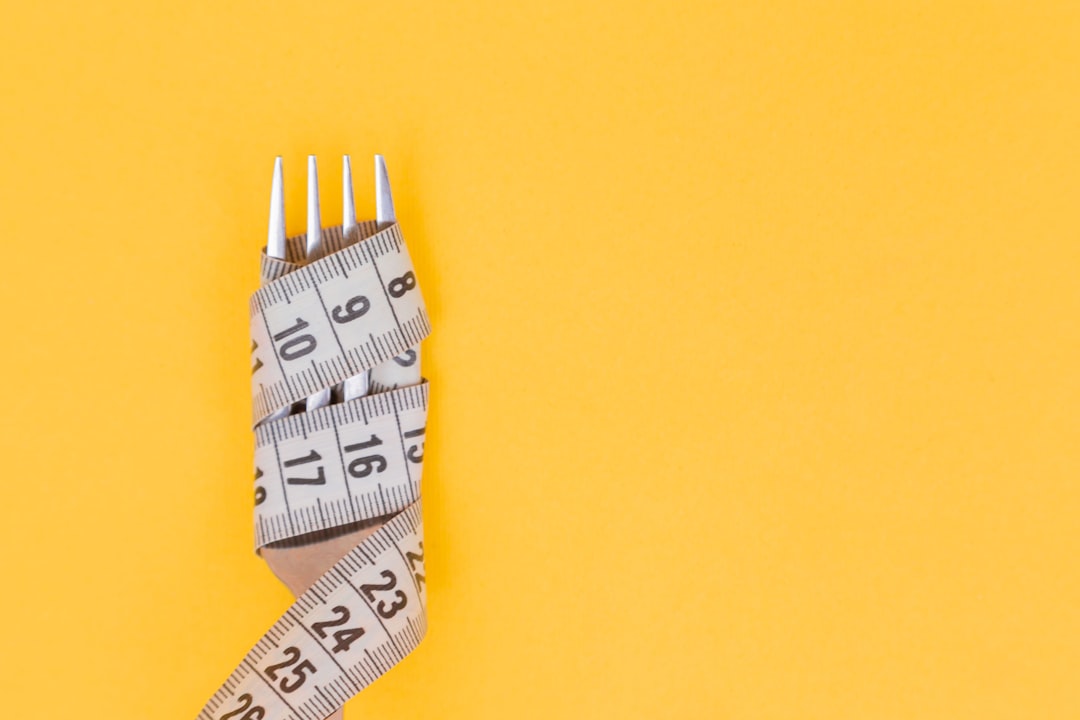
Are you tired of trying fad diets and quick fixes that promise the world but deliver nothing but disappointment? Do you dream of achieving a healthy, lean body that exudes confidence and energy? You’re not alone. With the constant barrage of weight loss misinformation and unrealistic expectations, it’s easy to get caught up in the cycle of frustration and failure. But what if you could crack the code to sustainable weight loss? What if you could unlock the secrets to a healthier, happier you? In this comprehensive guide, we’ll delve into the world of weight loss, exploring the most effective strategies, debunking common myths, and providing you with actionable tips to help you achieve your goals.
Understanding the Fundamentals of Weight Loss
Before we dive into the nitty-gritty of weight loss, it’s essential to understand the basics. Weight loss occurs when you create a calorie deficit, meaning you burn more calories than you consume. This can be achieved through a combination of diet, exercise, and lifestyle changes. But it’s not just about cutting calories; it’s about nourishing your body with whole, nutrient-dense foods that support overall health and well-being. A healthy weight loss plan should include a balanced diet that’s rich in fruits, vegetables, whole grains, lean proteins, and healthy fats. It’s also crucial to stay hydrated by drinking plenty of water throughout the day.
When it comes to exercise, it’s not just about burning calories; it’s about building strength, increasing metabolism, and boosting overall fitness. A well-rounded exercise routine should include a mix of cardio, strength training, and flexibility exercises. Cardio activities like running, cycling, or swimming can help you burn calories and improve cardiovascular health, while strength training can help you build muscle and boost metabolism. Flexibility exercises like yoga or Pilates can help improve flexibility, balance, and overall mobility.
Debunking Common Weight Loss Myths
With the constant influx of weight loss information, it’s easy to get caught up in the hype and misinformation. Let’s set the record straight: there’s no magic pill or quick fix for weight loss. Crash diets, fad diets, and restrictive eating plans may promise rapid results, but they’re often unsustainable and can lead to a cycle of yo-yo dieting. Sustainable weight loss is about making gradual, long-term changes that promote overall health and well-being.
Another common myth is that low-fat or low-carb diets are the key to weight loss. While it’s true that reducing fat or carb intake can lead to weight loss, it’s not the only factor. A balanced diet that includes a variety of whole foods is essential for overall health and well-being. Additionally, restrictive eating plans can lead to nutrient deficiencies and disordered eating patterns.
Creating a Sustainable Weight Loss Plan
So, how do you create a sustainable weight loss plan that works for you? It starts with setting realistic goals and expectations. Aim to lose 1-2 pounds per week for a sustainable weight loss journey. This may seem slow, but it’s a more maintainable pace that promotes long-term success.
Next, focus on building healthy habits that promote overall health and well-being. This includes:
- Eating a balanced diet that’s rich in whole foods
- Staying hydrated by drinking plenty of water
- Engaging in regular exercise that includes a mix of cardio, strength training, and flexibility exercises
- Getting enough sleep each night (7-9 hours for adults)
- Managing stress through relaxation techniques like meditation or deep breathing
- Lack of progress tracking
- Inconsistent eating habits
- Insufficient exercise or physical activity
- Poor sleep quality or duration
- Increased stress levels
- Continuing to challenge yourself with new exercises or physical activities
- Mixing up your diet with new recipes and ingredients
- Getting enough sleep and practicing stress-reducing techniques
- Staying hydrated and fueled with whole foods
- Celebrating small victories and milestones along the way
- Focus on creating a calorie deficit through a combination of diet, exercise, and lifestyle changes
- Prioritize whole, nutrient-dense foods and stay hydrated
- Engage in regular exercise that includes a mix of cardio, strength training, and flexibility exercises
- Set realistic goals and expectations, and track your progress along the way
- Stay accountable and make adjustments as needed to avoid plateaus and maintain progress
It’s also essential to track your progress and stay accountable. Use a food diary or mobile app to track your eating habits, and weigh yourself weekly to monitor your progress. Don’t be too hard on yourself if you encounter setbacks – simply get back on track and keep moving forward.
Maintaining Weight Loss and Avoiding Plateaus
Once you’ve achieved your weight loss goals, it’s essential to maintain your progress and avoid plateaus. This means continuing to prioritize healthy habits and making adjustments as needed. If you find yourself hitting a plateau, don’t get discouraged – simply reassess your plan and make changes to keep things moving.
Some common reasons for weight loss plateaus include:
To avoid plateaus, focus on:
Conclusion and Key Takeaways
Achieving sustainable weight loss is a journey, not a destination. It’s about creating a healthy, balanced lifestyle that promotes overall health and well-being. By understanding the fundamentals of weight loss, debunking common myths, creating a sustainable weight loss plan, and maintaining progress, you can unlock the secrets to a healthier, happier you.
Key takeaways include:
Remember, sustainable weight loss is a journey that takes time, patience, and dedication. But with the right mindset, strategies, and support, you can achieve your goals and unlock a healthier, happier you. So, what are you waiting for? Start your weight loss journey today and discover a more confident, energetic, and vibrant you.