Are you tired of feeling like you’re stuck in a rut with your diet? Do you struggle to lose weight, boost your energy, or simply feel like you’re fueling your body with the right foods? You’re not alone. With the overwhelming amount of diet information available, it can be daunting to know where to start. But, what if you could create a personalized diet plan that caters to your unique needs, preferences, and lifestyle? In this comprehensive guide, we’ll explore the world of diet planning, providing you with valuable insights, actionable tips, and expert advice to help you unlock the power of a tailored diet plan.
Understanding Your Dietary Needs
Before we dive into the nitty-gritty of creating a diet plan, it’s essential to understand your dietary needs. This involves considering your age, sex, weight, height, activity level, and any dietary restrictions or preferences you may have. For instance, if you’re a vegan or vegetarian, your diet plan will need to be tailored to ensure you’re getting enough protein, iron, and other essential nutrients. If you’re an athlete or engage in regular physical activity, your diet plan will need to be designed to support your energy needs and aid in muscle recovery.
To get started, take some time to reflect on your eating habits, lifestyle, and health goals. Ask yourself:
- What are my dietary goals? (e.g., weight loss, improved blood sugar control, increased energy)
- What are my dietary restrictions or preferences? (e.g., gluten-free, dairy-free, vegan)
- What is my activity level? (e.g., sedentary, moderately active, highly active)
- What are my health concerns or medical conditions? (e.g., diabetes, high blood pressure, food allergies)
- Eat a variety of fruits and vegetables: Aim for at least 5 servings a day, including dark leafy greens, citrus fruits, and berries.
- Incorporate whole grains: Choose whole grains, such as brown rice, quinoa, and whole-wheat bread, instead of refined or processed grains.
- Include lean protein sources: Opt for lean protein sources, such as poultry, fish, beans, and lentils, to support muscle growth and repair.
- Healthy fats are essential: Nuts, seeds, avocados, and olive oil are all great sources of healthy fats that support heart health and satisfaction.
- Stay hydrated: Drink plenty of water throughout the day, aiming for at least 8 cups (64 ounces) daily.
- Plan your meals in advance: Take some time each week to plan out your meals, considering your schedule, dietary needs, and ingredient availability.
- Make a grocery list: Write down the ingredients you need to buy and stick to your list to avoid impulse purchases.
- Prepare meals in bulk: Cook large batches of grains, proteins, and vegetables to use throughout the week.
- Use a slow cooker or instant pot: These kitchen tools can help you prepare healthy meals quickly and easily, even on busy days.
- Keep healthy snacks on hand: Stock your pantry and fridge with healthy snack options, such as nuts, fruits, and carrot sticks with hummus.
- Emotional eating: Identify your emotional triggers and find healthy ways to cope, such as meditation, exercise, or talking to a friend.
- Social pressures: Plan ahead for social events, choosing healthy options or bringing a dish to share.
- Cravings: Find healthy alternatives to your favorite treats, such as fruit or dark chocolate.
- Lack of motivation: Find a diet buddy or accountability partner to support and motivate you.
- Plateaus: Mix up your diet plan, trying new foods and recipes to keep things interesting and prevent boredom.
- Understand your dietary needs: Consider your age, sex, weight, height, activity level, and dietary restrictions or preferences.
- Create a balanced diet plan: Include a variety of whole, unprocessed foods, such as fruits, vegetables, whole grains, lean proteins, and healthy fats.
- Meal plan and prepare: Plan your meals in advance, make a grocery list, and prepare meals in bulk to save time and ensure a healthy diet.
- Overcome common challenges: Identify your emotional triggers, find healthy alternatives to tempting foods, and find a diet buddy or accountability partner to support and motivate you.
By understanding your unique dietary needs, you’ll be able to create a personalized diet plan that addresses your specific requirements and sets you up for success.
Creating a Balanced Diet Plan
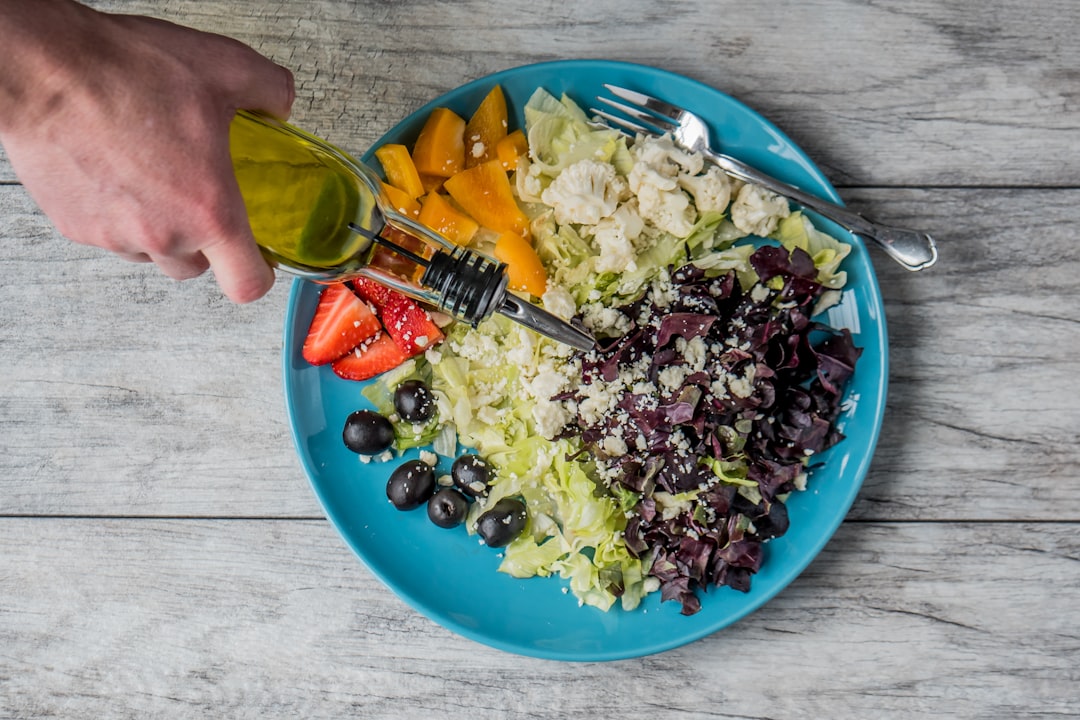
A well-balanced diet plan is the foundation of a healthy and sustainable eating approach. It should include a variety of whole, unprocessed foods, such as fruits, vegetables, whole grains, lean proteins, and healthy fats. Aim to include a rainbow of colors on your plate to ensure you’re getting a broad range of vitamins and minerals.
Here are some tips to help you create a balanced diet plan:
In addition to including a variety of whole foods, it’s also important to be mindful of portion sizes and meal frequency. Aim to eat three main meals and one or two snacks per day, spacing out your meals to maintain stable energy levels and support weight management.
Meal Planning and Preparation
Meal planning and preparation are essential components of a successful diet plan. By taking the time to plan and prepare your meals, you’ll be able to save time, reduce food waste, and ensure you’re eating a balanced and nutritious diet.
Here are some tips to help you meal plan and prepare like a pro:
By meal planning and preparing in advance, you’ll be able to save time, reduce stress, and ensure you’re eating a healthy and balanced diet.
Overcoming Common Diet Plan Challenges
Sticking to a diet plan can be challenging, especially when faced with tempting foods, emotional eating, or social pressures. Here are some common diet plan challenges and tips to help you overcome them:
By being aware of these common challenges and having strategies in place to overcome them, you’ll be better equipped to stick to your diet plan and achieve your health and wellness goals.
Conclusion and Key Takeaways
Creating a personalized diet plan is a powerful way to take control of your health and wellness. By understanding your dietary needs, creating a balanced diet plan, meal planning and preparing, and overcoming common challenges, you’ll be well on your way to achieving your goals.
Here are the key takeaways from this comprehensive guide:
By following these tips and staying committed to your diet plan, you’ll be able to unlock the power of a personalized diet plan and transform your body and life. Remember, a diet plan is not a one-size-fits-all approach; it’s a tailored plan that caters to your unique needs and preferences. So, take the first step today, and start your journey towards a healthier, happier you.