Are you tired of feeling sluggish, unmotivated, and stuck in a rut? Do you want to boost your energy levels, improve your mood, and increase your overall sense of well-being? If so, it’s time to get moving! Exercise is one of the most effective ways to transform your body and mind, and it’s easier than you think to get started. In this comprehensive guide, we’ll explore the numerous benefits of exercise, from weight loss and improved cardiovascular health to enhanced mental clarity and reduced stress levels. Whether you’re a seasoned athlete or a beginner, you’ll discover how regular physical activity can help you achieve your goals and live a happier, healthier life.
The Physical Benefits of Exercise: A Stronger, Leaner You
Regular exercise is essential for maintaining a healthy weight, building strong bones and muscles, and improving overall physical function. When you engage in physical activity, you’re not just burning calories; you’re also strengthening your cardiovascular system, increasing your flexibility, and enhancing your coordination and balance. Exercise can help you:
- Lose weight and maintain weight loss: Regular physical activity burns calories, builds muscle, and boosts metabolism, making it easier to shed unwanted pounds and keep them off.
- Improve cardiovascular health: Exercise strengthens your heart, lowers blood pressure, and increases blood flow, reducing your risk of heart disease, stroke, and other cardiovascular conditions.
- Build strong bones and muscles: Resistance training and weight-bearing exercises help build bone density, reducing your risk of osteoporosis and fractures, while also increasing muscle mass and strength.
- Enhance flexibility and mobility: Regular stretching and exercise can improve your range of motion, reduce stiffness, and make everyday activities easier and more enjoyable.
- Brisk walking: A low-impact, easy-to-do activity that’s perfect for beginners
- Swimming: A full-body workout that’s gentle on joints and excellent for cardiovascular health
- Strength training: Building muscle through resistance exercises, such as weightlifting or bodyweight exercises
- High-intensity interval training (HIIT): Short bursts of intense exercise followed by brief periods of rest, ideal for improving cardiovascular health and burning calories
- Reduce stress and anxiety: Physical activity releases endorphins, also known as “feel-good” hormones, which help calm your mind and body.
- Improve mood: Exercise has been shown to increase self-esteem, confidence, and overall sense of well-being, making it an excellent natural mood booster.
- Enhance cognitive function: Regular physical activity improves focus, concentration, and mental clarity, making it easier to tackle daily tasks and challenges.
- Support better sleep: Exercise can help regulate sleep patterns, improve sleep quality, and increase the amount of deep sleep you get each night.
- Yoga: A low-impact, mindfulness-based practice that combines physical movement with deep breathing and meditation
- Running: A high-intensity activity that releases endorphins and can help reduce stress and anxiety
- Dancing: A fun, energetic way to get moving and improve mood, while also providing a great cardio workout
- Meditation and mindfulness exercises: Practices that focus on breath awareness, body scan, and mindfulness, helping to calm the mind and reduce stress
- Meet new people and make friends: Exercise provides a shared interest and common ground, making it easier to meet like-minded individuals and build friendships.
- Build social connections and support networks: Regular physical activity can help you develop a sense of belonging and connection with others, which is essential for both physical and mental health.
- Improve communication skills and teamwork: Exercise, especially team sports, can help you develop essential communication skills, such as coordination, cooperation, and conflict resolution.
- Enhance overall sense of well-being: Social connections and a sense of community can increase feelings of happiness, life satisfaction, and overall well-being.
- Joining a fitness class or workout group: Many gyms and studios offer group classes, from yoga and Pilates to spinning and HIIT.
- Finding a workout buddy or accountability partner: Having someone to share the experience with can make exercise more enjoyable and help you stay motivated.
- Participating in charity events or fundraisers: Many charity events, such as walks, runs, or cycling events, provide an opportunity to exercise while giving back to the community.
- Joining a recreational sports team or league: Team sports, such as soccer, basketball, or volleyball, can be a fun way to stay active while building social connections and a sense of community.
- Start small and set achievable goals: Begin with short, manageable workouts and gradually increase duration and intensity as you become more comfortable.
- Find activities you enjoy: Experiment with different types of exercise to find what works best for you and makes you feel good.
- Schedule exercise into your daily routine: Treat exercise as a non-negotiable part of your daily schedule, just like brushing your teeth or taking a shower.
- Track progress and celebrate milestones: Use a fitness tracker, journal, or mobile app to monitor your progress and celebrate small victories along the way.
- Seek support and accountability: Share your goals and progress with a friend or family member and ask them to hold you accountable.
- Fitness apps and tracking devices: Apps like MyFitnessPal, Fitbit, or Strava can help you monitor progress, set goals, and stay accountable.
- Online workout platforms and videos: Websites like YouTube, Peloton, or Nike Training Club offer a wide range of workout videos and tutorials to suit different fitness levels and interests.
- Personal training or coaching: Working with a personal trainer or coach can provide customized guidance, support, and motivation.
- Fitness communities and forums: Joining online forums or social media groups dedicated to fitness and exercise can provide a sense of community, support, and motivation.
- Exercise is essential for physical and mental health: Regular physical activity can help you maintain a healthy weight, build strong bones and muscles, and improve overall physical function, while also reducing stress and anxiety, boosting mood, and enhancing cognitive function.
- Find activities you enjoy: Experiment with different types of exercise to find what works best for you and makes you feel good, whether it’s running, swimming, yoga, or dancing.
- Make exercise a social activity: Join a fitness class, sports team, or running group to connect with others, build relationships, and create a sense of community.
- Track progress and celebrate milestones: Use a fitness tracker, journal, or mobile app to monitor your progress and celebrate small victories along the way.
- Seek support and accountability: Share your goals and progress with a friend or family member and ask them to hold you accountable, or work with a personal trainer or coach for customized guidance and support.
Some of the best exercises for physical health include:
The Mental and Emotional Benefits of Exercise: A Happier, Healthier You
Exercise is not just good for your body; it’s also a powerful tool for improving your mental and emotional well-being. Regular physical activity can help reduce stress and anxiety, boost mood, and even alleviate symptoms of depression. Exercise can:
Some of the best exercises for mental and emotional health include:
The Social Benefits of Exercise: Connecting with Others and Building Community
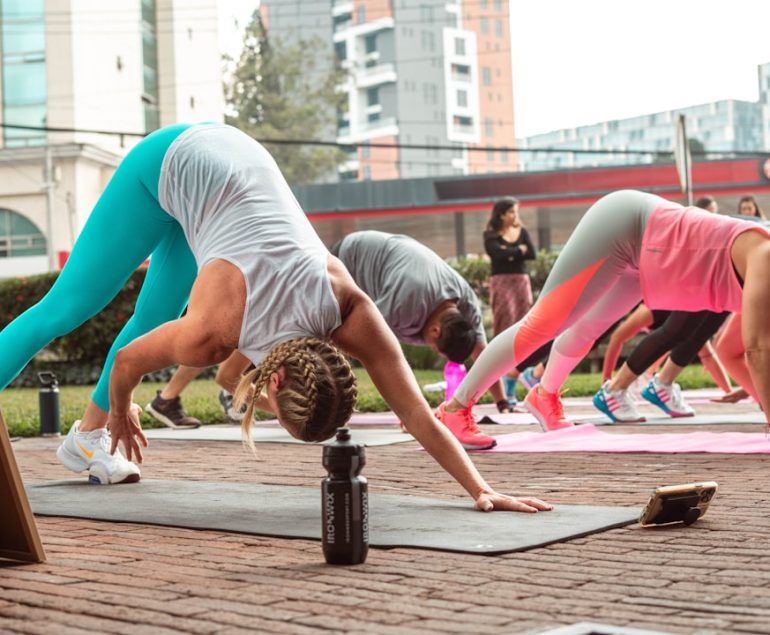
Exercise is not just a solo activity; it can also be a powerful way to connect with others, build relationships, and create a sense of community. Whether you join a fitness class, sports team, or running group, regular physical activity can help you:
Some of the best ways to make exercise a social activity include:
Overcoming Obstacles and Staying Motivated: Tips and Strategies for Success
While exercise offers numerous benefits, it can be challenging to get started and stay motivated. Here are some tips and strategies to help you overcome common obstacles and make exercise a sustainable part of your lifestyle:
Some of the best tools and resources for staying motivated include:
Conclusion:
Regular exercise is a powerful tool for transforming your body and mind, offering numerous physical, mental, and emotional benefits. By incorporating physical activity into your daily routine, you can improve your overall health and well-being, increase energy levels, and enhance your quality of life. Whether you’re a beginner or a seasoned athlete, remember to start small, find activities you enjoy, and seek support and accountability along the way. With persistence, patience, and the right mindset, you can unlock the full potential of exercise and live a happier, healthier, and more fulfilling life. Key takeaways include: