—
Introduction: Why Your Plate Is the First Line of Defense
Imagine your immune system as a highly trained security team—always on patrol, ready to spot and neutralize intruders. Just like any elite squad, it needs the right gear, constant training, and regular maintenance to perform at its peak. In the world of health, food is that gear. The nutrients you consume act as ammunition, communication tools, and repair kits for the cells that keep you healthy.
In recent years, headlines about “immune‑boosting foods” have exploded, but the buzz can be overwhelming. Which foods truly make a difference? How much should you eat? And how can you weave these power‑houses into a realistic, tasty everyday diet?
This guide cuts through the hype and delivers actionable, science‑backed information on the best foods for strengthening your immune system. From vitamin‑C‑rich citrus to gut‑nurturing fermented delights, you’ll walk away with a clear roadmap for building an immune‑boosting diet that fits your lifestyle—and your taste buds.
—
1. Vitamin C Powerhouses: The Classic Immune‑Boosters
Why Vitamin C Matters
Vitamin C (ascorbic acid) is the poster child of immunity. It supports:
- White‑blood‑cell function – helps neutrophils and lymphocytes identify and destroy pathogens.
- Antioxidant protection – neutralizes free radicals that can damage immune cells.
- Collagen synthesis – maintains the integrity of skin and mucosal barriers, the body’s first physical line of defense.
- Beta‑carotene & other carotenoids (found in orange and deep‑green veggies).
- Flavonoids (in berries, tea, and dark chocolate).
- Polyphenols (in turmeric, grapes, and nuts).
- Selenium (a mineral that fuels antioxidant enzymes).
- Ingredients: 1 medium sweet potato (cubed), 1 cup canned black beans (rinsed), 1 tbsp olive oil, ½ tsp ground turmeric, pinch of black pepper, 2 cups baby spinach, ¼ avocado (sliced), 1 tbsp pumpkin seeds.
- Directions:
- Why It Works: Sweet potatoes supply beta‑carotene; turmeric adds curcumin; black beans provide zinc and protein; pumpkin seeds contribute selenium and healthy fats.
- Garlic & onions – inulin fibers.
- Jerusalem artichoke – chicory root (high in fructooligosaccharides).
- Bananas (slightly green) – resistant starch.
- Whole oats & barley – β‑glucan.
- Legumes – galactooligosaccharides.
- DNA synthesis in rapidly dividing immune cells.
- Cytokine production (signaling proteins).
- Maintaining skin and mucosal barriers.
- Regulate innate immunity (first‑line defense).
- Modulate adaptive immunity (prevent over‑reaction).
A deficiency can increase susceptibility to infections, especially respiratory illnesses.
Top Vitamin C Sources (and How to Use Them)
| Food | Approx. Vitamin C per Serving | Quick Action Tip |
|——|——————————|——————|
| Acerola cherry (raw) | 1,678 mg per 100 g | Blend ½ cup frozen acerola into a morning smoothie. |
| Guava (raw) | 228 mg per 100 g | Slice fresh guava as a snack or add to a fruit salad. |
| Red bell pepper (raw) | 190 mg per 100 g | Toss diced peppers into salads, stir‑fries, or omelets. |
| Kiwi (raw) | 93 mg per 100 g | Top Greek yogurt with sliced kiwi for a probiotic‑plus‑vitamin C combo. |
| Strawberries (raw) | 59 mg per 100 g | Blend into a chilled soup or drizzle over oatmeal. |
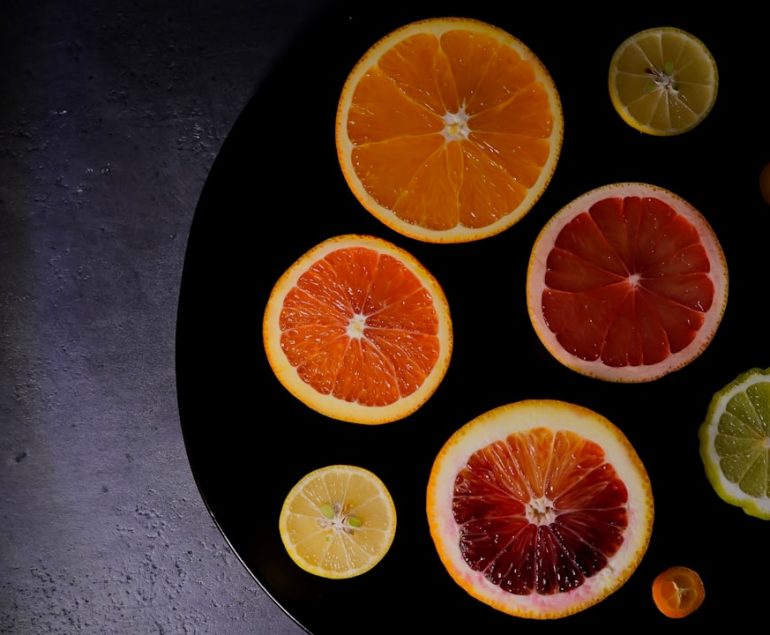
| Oranges (raw) | 53 mg per 100 g | Classic: sip fresh orange juice or eat a whole orange for fiber. |
> Pro tip: Vitamin C is water‑soluble and sensitive to heat. To retain the most benefit, enjoy these foods raw or lightly cooked (e.g., quick‑steam bell peppers for 2‑3 minutes).
Actionable Meal Idea: Citrus‑Berry Breakfast Bowl
1. Base: ½ cup rolled oats cooked in almond milk.
2. Toppings: Sliced kiwi, a handful of fresh strawberries, and a drizzle of orange‑zest-infused honey.
3. Boost: Sprinkle 1 tbsp chia seeds (omega‑3s for added anti‑inflammatory power).
This bowl delivers ~120 mg of vitamin C—about 130 % of the daily value—plus fiber and antioxidants to keep your gut and immune system humming.
—
2. Antioxidant‑Rich Foods: Guarding Cells From Damage
The Antioxidant Arsenal
Beyond vitamin C, a broad spectrum of antioxidants works together to protect immune cells from oxidative stress. Key players include:
When oxidative stress overwhelms the body, it can impair the immune response, making you more vulnerable to infection.
Must‑Eat Antioxidant Foods
| Food | Primary Antioxidant(s) | Serving Suggestion |
|——|————————|——————–|
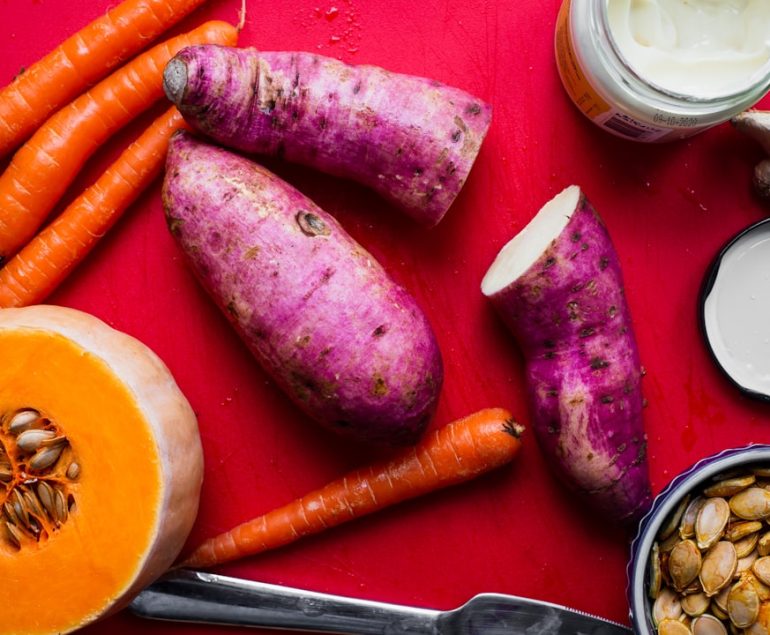
| Sweet potatoes | Beta‑carotene | Roast wedges with olive oil and rosemary. |
| Spinach & kale | Lutein, zeaxanthin, vitamin E | Sauté with garlic for a quick side. |
| Blueberries | Anthocyanins | Toss into cereal or blend into a protein shake. |
| Green tea | EGCG (epigallocatechin gallate) | Sip 2–3 cups daily; add lemon for vitamin C synergy. |
| Turmeric | Curcumin | Whisk into golden milk or soups; pair with black pepper for absorption. |
| Brazil nuts | Selenium | Keep a handful (≈6 nuts) as a snack; meets 100 % of selenium RDA. |
Practical Ways to Maximize Antioxidant Intake
1. Color‑First Shopping: Choose produce that covers the rainbow—red, orange, yellow, green, blue/purple. Each hue signals a different antioxidant profile.
2. Combine Fat‑Soluble Antioxidants with Healthy Fats: Carotenoids are better absorbed when paired with a little oil. Drizzle avocado oil over roasted carrots or add a few slices of avocado to a kale salad.
3. Mind the Cooking Method: Light steaming preserves most antioxidants; deep‑frying destroys them. If you love the flavor of roasted veggies, keep the temperature ≤ 425 °F and limit cooking time to 20‑25 minutes.
Actionable Recipe: Turmeric‑Spiced Sweet Potato & Black Bean Power Bowl
1. Toss sweet potato cubes with oil, turmeric, and pepper. Roast at 400 °F for 20 minutes.
2. Warm black beans in a saucepan with a splash of water.
3. Assemble bowl: base of spinach, topped with roasted sweet potato, beans, avocado, and pumpkin seeds.
—
3. Probiotic & Fermented Foods: The Gut‑Immune Connection
Gut Health = Immune Health
Approximately 70 % of the immune system resides in the gut. The intestinal lining houses a massive network of immune cells that constantly sample microbes. A balanced gut microbiome teaches these cells to differentiate friend from foe, reducing unnecessary inflammation and enhancing pathogen defense.
Probiotics (live beneficial bacteria) and prebiotics (fibrous foods that feed them) are the dynamic duo that keeps this ecosystem thriving.
Star Probiotic Foods
| Food | Key Strains | Serving Idea |
|——|————-|————–|
| Yogurt (plain, live‑culture) | Lactobacillus spp., Bifidobacterium spp. | Mix with berries and a drizzle of honey. |
| Kefir | Diverse lactobacilli & yeasts | Use as a base for smoothies. |
| Sauerkraut | Lactobacillus plantarum | Add a spoonful to a turkey sandwich. |
| Kimchi | Leuconostoc, Lactobacillus | Serve as a side with grilled fish. |
| Miso | Tetragenococcus spp. | Whisk into miso soup or a vinaigrette. |
| Tempeh | Rhizopus mold (fermented soy) | Marinate and grill for a protein‑rich entrée. |
Prebiotic Powerhouses
Putting It Together: A Daily Gut‑Boosting Blueprint
| Time | Food | Reason |
|——|——|——–|
| Morning | ½ cup kefir + ½ cup sliced banana | Probiotic + prebiotic resistant starch. |
| Mid‑day | Mixed greens salad with ¼ cup sauerkraut, sliced radish, and a drizzle of olive‑oil‑lemon dressing | Live cultures + fiber. |
| Snack | Handful of raw almonds + a small piece of dark chocolate (≥ 70 % cacao) | Prebiotic fiber + polyphenols. |
| Dinner | Stir‑fried tempeh with broccoli, garlic, and ginger over quinoa | Fermented protein + prebiotic garlic + antioxidant broccoli. |
| Evening | Warm cup of ginger‑turmeric tea (add a splash of kefir if you like) | Anti‑inflammatory compounds + optional probiotic boost. |
Quick Action Tip
If you’re new to fermented foods, start with a modest serving (1‑2 tbsp) and gradually increase to avoid temporary digestive upset. Pair with a fiber‑rich meal to smooth the transition.
—
4. Zinc, Selenium, and Vitamin D: Micronutrients That Supercharge Immunity
Zinc – The Immune Cell Coordinator
Zinc is essential for:
A mild zinc deficiency can lengthen the duration of colds.
Top Zinc Sources
| Food | Zinc per Serving | Serving Suggestion |
|——|——————|——————–|
| Oysters (cooked) | 74 mg per 100 g (≈ 500 % DV) | 3‑4 oysters as an appetizer. |
| Pumpkin seeds | 7.8 mg per ¼ cup | Sprinkle on salads or yogurt. |
| Lean beef | 5 mg per 100 g | Grill a steak or stir‑fry strips. |
| Chickpeas | 1.3 mg per ½ cup cooked | Add to soups or hummus. |
| Cashews | 1.6 mg per ¼ cup | Snack on unsalted cashews. |
Selenium – The Antioxidant Enabler
Selenium fuels glutathione peroxidase, an enzyme that neutralizes harmful peroxides. Adequate selenium improves the body’s ability to fight viral infections.
Key Selenium Foods
| Food | Selenium per Serving | Serving Idea |
|——|———————-|————–|
| Brazil nuts | 191 µg per 2 nuts (≈ 350 % DV) | Keep a small container at your desk. |
| Sunflower seeds | 27 µg per ¼ cup | Toss into grain bowls. |
| Tuna (canned in water) | 92 µg per 100 g | Mix with avocado for a quick salad. |
| Eggs | 15 µg per large egg | Soft‑boil and add to toast. |
Vitamin D – The Seasonal Immune Modulator
Vitamin D receptors are present on almost all immune cells. Sufficient levels help:
Sunlight is the primary source, but dietary options are valuable—especially in winter.
Vitamin D‑Rich Foods
| Food | Vitamin D per Serving | Serving Idea |
|——|———————–|————–|
| Fatty fish (salmon, mackerel) | 570 IU per 100 g | Grill with lemon and herbs. |
| Mushrooms (UV‑exposed) | 400 IU per 100 g | Sauté with garlic as a side. |
| Fortified plant milks | 100 IU per cup | Use in smoothies or coffee. |
| Egg yolk | 41 IU per large egg | Add to a veggie scramble. |