—
Introduction – Why “Quick Fixes” Never Stick
If you’ve ever stared at the scale, tried a new diet, and felt the frustration of watching the numbers bounce back, you’re not alone. The weight‑loss industry is flooded with miracle pills, “one‑size‑fits‑all” plans, and Instagram influencers promising a new body in 30 days. Yet the most successful transformations share a common thread: they’re built on real science, consistent habits, and a mindset shift—not on magic.
In this comprehensive guide, we’ll cut through the hype and give you a step‑by‑step roadmap to lose weight safely, keep it off, and feel healthier every day. Whether you’re a beginner who’s never counted a calorie or a seasoned gym‑goer looking to break a plateau, the strategies below are actionable, evidence‑based, and adaptable to any lifestyle.
Keywords: weight loss, lose weight, sustainable weight loss, calorie deficit, healthy eating, exercise, metabolism, diet plan, lifestyle change.
—
1. Understanding the Fundamentals of Weight Loss
1.1 The Simple Math: Calories In vs. Calories Out
At its core, weight loss follows the energy balance equation:
> Caloric deficit = calories consumed – calories burned
When you consistently eat fewer calories than your body uses, you tap into stored fat for energy, leading to weight loss. The reverse holds true for weight gain. While the concept sounds straightforward, the “how many calories?” part is where most people stumble.
Actionable Tip:
- Calculate your maintenance calories using an online calculator (input age, gender, weight, height, activity level).
- Subtract 250–500 calories to create a moderate deficit—this typically yields a safe loss of 0.5–1 lb (0.2–0.45 kg) per week.
- Prioritize strength training (2–3 sessions/week) to protect or increase lean muscle, which keeps your metabolism humming even on lower‑calorie days.
- Leptin (produced by fat cells) signals “I’m full.” In obesity, leptin resistance can blunt this signal.
- Ghrelin (produced in the stomach) spikes before meals, prompting hunger.
- Aim for 7–9 hours of quality sleep each night.
- Incorporate stress‑reduction practices (e.g., deep breathing, yoga, short walks) to keep cortisol—and consequently ghrelin—in check.
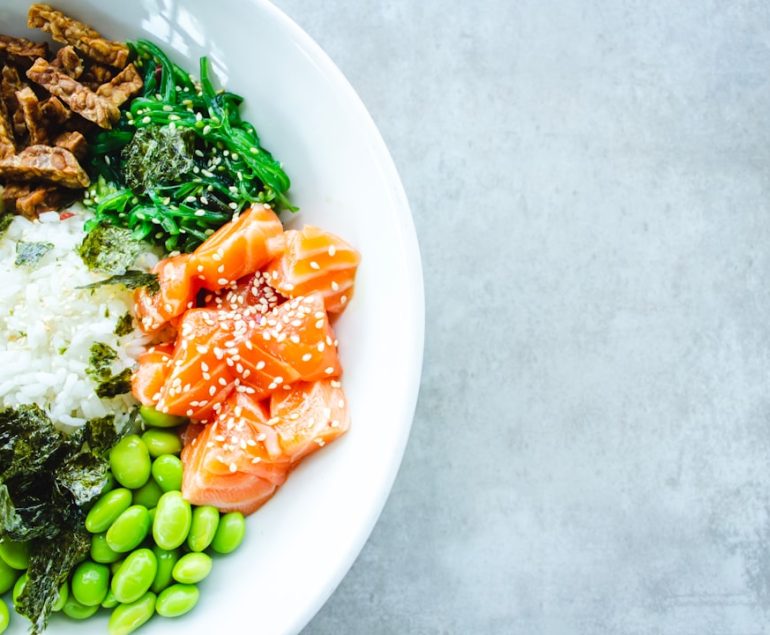
- Plate Method: Fill half your plate with non‑starchy veggies, a quarter with lean protein, and a quarter with whole grains or starchy veggies. This visual guide helps control portions without constant calorie counting.
- 0.8–1.2 g per pound of body weight (1.8–2.6 g/kg) for most adults aiming to lose weight.
- Athletes or those on very low‑calorie diets may need up to 1.5 g per pound.
- Include a protein source in every meal (e.g., Greek yogurt at breakfast, grilled salmon at dinner, a handful of almonds as a snack).
- Aim for 0.3–0.4 g of fat per pound of body weight (0.7–0.9 g/kg).
- Use olive oil for cooking, sprinkle nuts on salads, and include fatty fish (salmon, mackerel) twice weekly for omega‑3 benefits.
- Hand method: Palm = protein, fist = veggies, cupped hand = carbs, thumb = fats.
- Smaller plates trick the brain into perceiving larger portions.
- Pre‑portion snacks into bags or containers to avoid mindless grazing.
- Perform HIIT 2–3 times per week, alternating with lower‑intensity cardio (e.g., brisk walking, swimming) for recovery.
- Schedule 1–2 recovery days per week. Use a timer: 30 seconds per major muscle group for foam rolling, followed by 5‑minute gentle stretch.
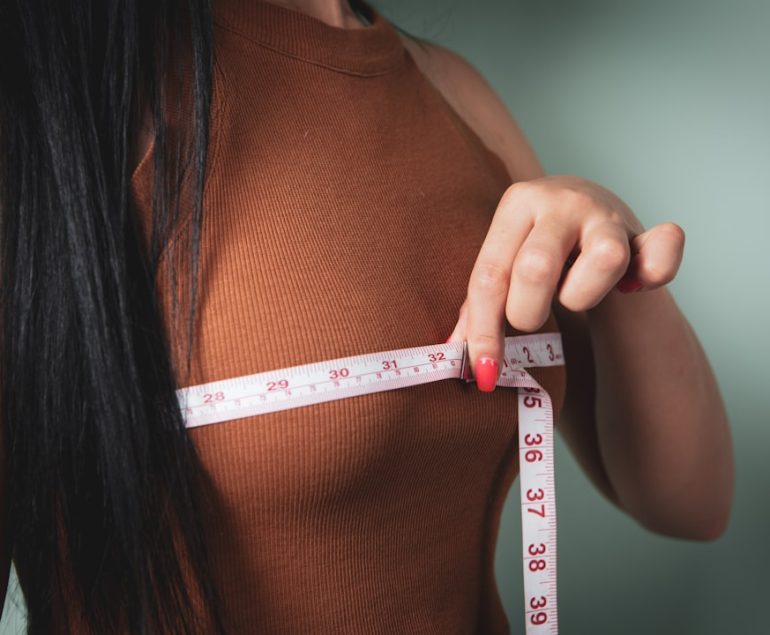
- Body measurements (waist, hips, thighs) every 2 weeks.
- Progress photos (front, side, back) monthly.
- Performance markers (how many push‑ups, run time).
- Box breathing: Inhale 4 sec, hold 4 sec, exhale 4 sec, hold 4 sec – repeat 5 cycles.
- 5‑minute walk outdoors—nature reduces cortisol.
- Journaling for 10 minutes to offload mental clutter.
- After brushing teeth (existing habit), drink a glass of water.
- After lunch, take a 5‑minute walk.
- Before bedtime, prepare tomorrow’s breakfast (overnight oats, protein‑rich snack).
- Find a “weight‑loss buddy.” Check in weekly on progress.
- Join a class (e.g., boot camp, yoga) for built‑in accountability.
- Use apps that let you log meals and workouts, then share summaries with a trusted group.
A moderate deficit preserves muscle mass and keeps hunger manageable, unlike drastic cuts that trigger metabolic slowdown and rebound weight gain.
1.2 Metabolism: Not a Fixed Number
Your Basal Metabolic Rate (BMR)—the calories your body needs at rest—accounts for roughly 60–75 % of daily energy expenditure. Factors influencing BMR include:
| Factor | Impact on Metabolism |
|——–|———————-|
| Age | Metabolism naturally declines ~1–2 % per decade after 30 |
| Muscle mass | More muscle = higher BMR (muscle burns ~6 calories per pound per day) |
| Hormones | Thyroid, cortisol, and insulin affect calorie burn |
| Genetics | 20–30 % of metabolic variation is inherited |
Actionable Tip:
1.3 The Role of Hormones in Appetite & Fat Storage
Two hormones dominate hunger and satiety:
Consistent sleep deprivation, chronic stress, and erratic eating patterns can disrupt these hormones, sabotaging weight‑loss efforts.
Actionable Tip:
—
2. Nutrition Strategies That Deliver Real Results
2.1 Choose Whole Foods Over Processed “Diet” Foods
Whole, minimally processed foods are naturally lower in added sugars, unhealthy fats, and empty calories. They also provide fiber, micronutrients, and protein—all essential for satiety and metabolic health.
| Whole‑Food Group | Example Choices | Why It Helps |
|——————|—————-|————–|
| Vegetables | Leafy greens, broccoli, peppers | Low calorie, high fiber, nutrient dense |
| Fruits | Berries, apples, oranges | Natural sweetness + fiber |
| Lean Proteins | Chicken breast, fish, tofu, legumes | Preserves muscle, boosts thermic effect |
| Whole Grains | Quinoa, brown rice, oats | Sustained energy, fiber |
| Healthy Fats | Avocado, nuts, olive oil | Improves satiety, supports hormone health |
Actionable Tip:
2.2 Master the Power of Protein
Protein is the king of satiety. It reduces hunger hormones, boosts the thermic effect of food (≈20–30 % of calories burned during digestion), and safeguards muscle during a calorie deficit.
Recommended Intake:
Actionable Tip:
2.3 Smart Carbohydrate Management
Carbs aren’t the enemy; it’s the type and timing that matter. Focus on complex, fiber‑rich carbs that release glucose slowly, preventing insulin spikes and cravings.
Actionable Tips:
1. Swap refined grains (white bread, pasta) for whole‑grain alternatives.
2. Add fiber (e.g., chia seeds, flaxseed) to smoothies or oatmeal to increase fullness.
3. Consider “carb cycling” if you’re highly active—higher carbs on training days, lower on rest days.
2.4 Healthy Fats for Hormone Balance
Skipping fats can backfire. Dietary fats are essential for vitamin absorption (A, D, E, K) and hormone production, including those that regulate appetite.
Actionable Tip:
2.5 Portion Control Without Counting Every Calorie
If you find strict calorie tracking tedious, use visual cues and portion tools:
—
3. Exercise Plans That Accelerate Fat Loss
3.1 Cardio: Quality Over Quantity
Traditional cardio (steady‑state jogging, cycling) burns calories during the session, but high‑intensity interval training (HIIT) can deliver a greater post‑exercise calorie burn (EPOC – excess post‑exercise oxygen consumption).
Sample HIIT Routine (20 min):
1. Warm‑up – 3 min light jog
2. 30 sec sprint (or max effort) → 90 sec walk/recovery (repeat 8×)
3. Cool‑down – 3 min stretch
Actionable Tip:
3.2 Strength Training: The Fat‑Loss Engine
Building muscle is arguably the most powerful tool for long‑term weight loss because muscle tissue is metabolically active. A well‑structured strength program also improves insulin sensitivity and bone density.
Beginner Full‑Body Routine (3 days/week):
| Day | Exercise | Sets × Reps |
|—–|———-|————-|
| Monday | Squats (bodyweight or goblet) | 3 × 12 |
| | Push‑ups (incline if needed) | 3 × 10 |
| | Bent‑over rows (dumbbells) | 3 × 12 |
| | Plank | 3 × 30 sec |
| Wednesday | Deadlifts (light‑to‑moderate) | 3 × 10 |
| | Overhead press | 3 × 12 |
| | Lunges | 3 × 12 each leg |
| | Side plank | 3 × 20 sec each side |
| Friday | Hip thrusts | 3 × 12 |
| | Pull‑ups or assisted pull‑ups | 3 × 8 |
| | Bulgarian split squat | 3 × 10 each leg |
| | Bicycle crunches | 3 × 20 |
Progression: Increase weight or reps by 5 % each week once you can comfortably complete the prescribed sets.
3.3 Mobility & Recovery: Preventing Plateaus
Overtraining can raise cortisol, impair sleep, and stall weight loss. Incorporate mobility work (dynamic stretches, foam rolling) and active recovery days (light yoga, walking) to keep joints healthy and muscles primed.
Actionable Tip:
3.4 Tracking Progress Beyond the Scale
Weight fluctuates due to water, glycogen, and hormonal shifts. Use multiple metrics:
These non‑scale victories keep motivation high and provide a realistic picture of body composition changes.
—
4. Lifestyle & Mindset Hacks for Long‑Term Success
4.1 Sleep: The Underrated Fat‑Burner
A consistent 7–9 hours of sleep each night optimizes leptin (satiety) and ghrelin (hunger) balance, improves insulin sensitivity, and supports muscle recovery.
Actionable Sleep Routine:
1. Set a bedtime alarm 30 minutes before you plan to sleep.
2. Dim lights and avoid screens (or use blue‑light filters).
3. Keep the bedroom cool (≈65 °F/18 °C) and dark.
4. Limit caffeine after 2 pm.
4.2 Stress Management: Keep Cortisol in Check
Chronic stress can trigger emotional eating and promote abdominal fat storage.
Quick Stress‑Relief Practices:
4.3 Building Sustainable Habits
Instead of “I’ll diet for 30 days,” aim for identity‑based habits—behaviors that align with the person you want to become.
Habit‑Stacking Example:
Actionable Tip: Use the “Two‑Minute Rule”: If a new habit takes ≤2 minutes, you’ll be more likely to start it and then expand over time.
4.4 Social Support & Accountability
Sharing goals with friends, family, or an online community dramatically improves adherence.
4.5 Reframing Setbacks as Learning Opportunities
Plateaus, missed workouts, or occasional indulgences are normal. The key is to analyze, adjust, and move forward.
Actionable Reflection Questions:
1. What triggered the slip‑up? (stress, boredom, social event?)
2. How did I feel afterward? (guilt, shame, motivation?)
3. What can I change next time? (prepare healthier snacks, schedule a stress break