—
Introduction – Why “Quick Fixes” Never Stick
Imagine stepping onto a scale, seeing the numbers drop, and feeling a surge of triumph—only to watch those same numbers creep back up a few weeks later. If this scenario sounds all too familiar, you’re not alone. The weight‑loss industry is flooded with fad diets, miracle pills, and “30‑day transformations” that promise rapid results but often deliver disappointment, frustration, and even health setbacks.
The truth is simple: lasting weight loss isn’t about magic; it’s about mastering a handful of core principles and turning them into daily habits. In this comprehensive guide, we’ll cut through the noise and give you a clear, actionable roadmap that blends the latest scientific research with practical, real‑world tips. Whether you’re a beginner just starting your journey or a seasoned “fitness‑junkie” looking to fine‑tune your approach, these evidence‑based strategies will help you lose weight safely, keep it off, and feel better than ever.
Keywords: weight loss, sustainable weight loss, healthy weight loss, lose weight, fat loss, diet plan, exercise routine, metabolism, calorie deficit, nutrition tips.
—
1. Understanding the Science of Weight Loss
1.1 Calories In vs. Calories Out – The Core Equation
At its core, weight loss follows the law of thermodynamics: energy balance. If you consume more calories than your body burns, the excess is stored as fat. Conversely, a calorie deficit—where you burn more than you eat—forces the body to tap into fat stores for energy, leading to weight loss.
But don’t mistake “calories” for a simple numbers game. The source of those calories (protein, carbs, fat) influences hunger hormones, metabolic rate, and muscle preservation. A well‑designed calorie deficit that prioritizes nutrient‑dense foods will keep you full, energized, and protect lean muscle mass.
1.2 Metabolism Matters—But It’s Not the Villain
Many people blame a “slow metabolism” for stubborn weight. While basal metabolic rate (BMR) does differ among individuals due to genetics, age, sex, and body composition, you can boost your metabolic rate with a few strategic moves:
| Factor | How It Affects Metabolism | Actionable Tip |
|——–|—————————|—————-|
| Muscle Mass | Muscle burns ~20% more calories at rest than fat. | Incorporate resistance training 2‑4 times/week. |
| Physical Activity | Increases total daily energy expenditure (TDEE). | Aim for at least 150 min of moderate cardio weekly. |
| Thermic Effect of Food (TEF) | Protein has the highest TEF (20‑30% of calories digested). | Prioritize lean protein at each meal. |
| Sleep | Poor sleep disrupts thyroid hormones & raises ghrelin. | Target 7‑9 hours of quality sleep nightly. |
1.3 Hormones: The Hidden Drivers
- Leptin signals satiety; chronic calorie restriction can lower leptin, increasing hunger.
- Ghrelin stimulates appetite; sleep deprivation spikes ghrelin.
- Insulin regulates blood sugar; high‑glycemic foods cause spikes, leading to cravings.
- Intermittent Fasting (IF) (e.g., 16:8) can simplify calorie restriction and improve insulin sensitivity for some.
- Regular meals (3‑4 balanced meals + optional snack) work better for those who experience intense hunger or low energy.
- Hand‑Portion Method: Palm = protein, fist = carbs, thumb = fats.
- Plate Method: Half plate veggies, quarter protein, quarter whole carbs.
- Pre‑Portion Snacks: Use small containers or zip‑top bags to avoid mindless munching.
- Sets & Reps: 3‑4 sets of 8‑12 reps for hypertrophy.
- Progressive Overload: Increase weight or reps weekly.
- Rest: 60‑90 seconds between sets.
- Dynamic warm‑ups (leg swings, arm circles) before workouts reduce injury risk.
- Static stretching post‑workout improves mobility and aids recovery.
- Foam rolling can alleviate muscle tightness, especially after heavy lifting.
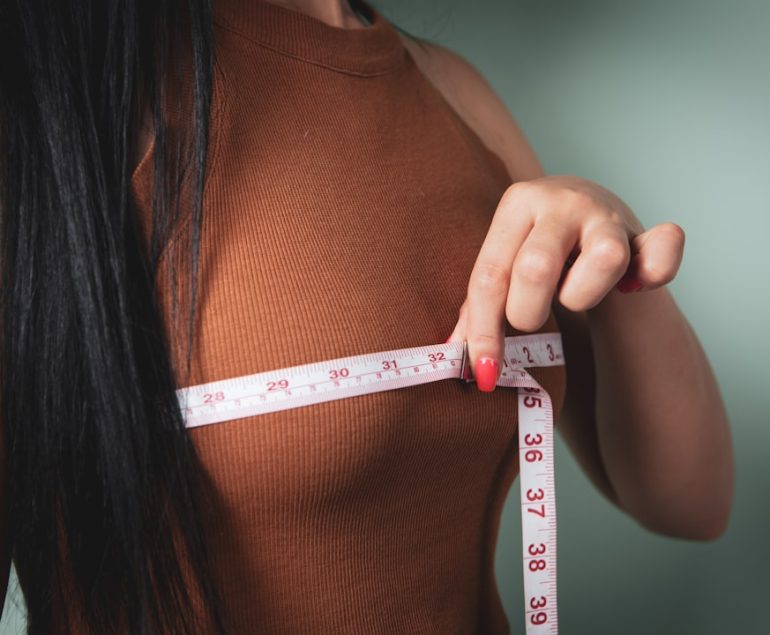
- Body measurements (waist, hips, thighs) every 2‑4 weeks.
- Progress photos in consistent lighting and clothing.
- Strength markers (e.g., can you lift 10 % more than last month?).
- Aim for 7‑9 hours of uninterrupted sleep.
- Create a bedtime routine: dim lights 30 min before, avoid screens, keep the room cool (~65°F).
- Sleep debt raises cortisol, which can promote abdominal fat storage.
- Mindfulness meditation (10‑15 min daily) lowers cortisol.
- Deep‑breathing exercises (4‑7‑8 technique) can be done anywhere.
- Physical activity itself is a powerful stress reliever.
- Drink 2‑3 L of water daily (adjust for activity level).
- Start meals with a glass of water to curb overeating.
- Limit sugary drinks (sodas, sweetened coffee) which add hidden calories.
- Find a buddy or join a community (online forums, local groups).
- Use accountability apps that let you share progress with friends.
- Celebrate non‑scale victories (e.g., fitting into old jeans, climbing stairs without gasping).
Balancing these hormones isn’t about magic pills; it’s about consistent nutrition, regular movement, stress management, and adequate rest.
—
2. Crafting a Personalized Nutrition Plan
2.1 Determine Your Daily Calorie Target
1. Calculate BMR (use the Mifflin‑St Jeor equation).
– For men: BMR = 10 × weight(kg) + 6.25 × height(cm) – 5 × age + 5
– For women: BMR = 10 × weight(kg) + 6.25 × height(cm) – 5 × age – 161
2. Multiply by Activity Factor (sedentary × 1.2, lightly active × 1.375, moderately active × 1.55, very active × 1.725).
3. Create a Deficit: Subtract 250‑500 kcal for a safe 0.5‑1 lb/week loss. Avoid dropping below 1,200 kcal (women) or 1,500 kcal (men) without medical supervision.
2.2 Macro‑Balancing for Fat Loss
| Macro | Recommended % of Total Calories | Why It Helps |
|——-|——————————–|————–|
| Protein | 30‑35% | Preserves muscle, boosts TEF, curbs appetite. |
| Carbohydrates | 35‑45% (focus on complex carbs) | Provides energy for workouts, supports brain function. |
| Fats | 20‑30% (emphasize unsaturated) | Hormone production, satiety, nutrient absorption. |
Practical tip: Use a food‑tracking app (MyFitnessPal, Cronometer) for the first 2‑3 weeks to ensure you’re hitting macro targets.
2.3 Meal Timing & Frequency – Does It Matter?
Research shows that total daily intake matters more than meal timing. However, many people find structured eating patterns helpful for hunger control.
Choose the pattern that fits your lifestyle and keeps you consistent.
2.4 Build a Sustainable Grocery List
| Category | Foods to Stock | Benefits |
|———-|—————-|———-|
| Lean Proteins | Chicken breast, turkey, tofu, Greek yogurt, lentils, eggs | High protein, low fat |
| Complex Carbs | Quinoa, brown rice, oats, sweet potatoes, whole‑grain pasta | Fiber, steady energy |
| Healthy Fats | Avocado, olive oil, nuts, seeds, fatty fish | Satiety, omega‑3s |
| Veggies & Fruits | Leafy greens, broccoli, berries, apples, citrus | Micronutrients, antioxidants |
| Spices & Condiments | Chili flakes, garlic, herbs, mustard, salsa (no added sugar) | Flavor without extra calories |
Shop the perimeter of the store first (fresh produce, proteins) and limit processed aisles.
2.5 Portion Control Hacks
—
3. Exercise Strategies That Accelerate Fat Loss
3.1 Resistance Training – Preserve Muscle, Burn Calories
Why it matters: Muscle tissue is metabolically active. Losing weight without preserving muscle can lead to a slower metabolism and a “skinny‑fat” look.
Program Blueprint (3‑day split):
| Day | Focus | Sample Exercises |
|—–|——-|——————-|
| Day 1 | Upper Body Push | Bench press, overhead press, push‑ups |
| Day 2 | Lower Body | Squats, deadlifts, lunges |
| Day 3 | Upper Body Pull + Core | Pull‑ups, rows, planks, Russian twists |
3.2 Cardiovascular Training – Boost Calorie Burn
| Type | Duration | Frequency | Benefits |
|——|———-|———–|———-|
| Steady‑State (e.g., brisk walking, cycling) | 30‑45 min | 3‑5 ×/week | Improves endurance, easy on joints |
| High‑Intensity Interval Training (HIIT) | 15‑20 min (e.g., 30 s sprint/90 s walk) | 2‑3 ×/week | Increases EPOC (post‑exercise calorie burn), preserves muscle |
| Low‑Impact (e.g., swimming, elliptical) | 30‑60 min | As needed | Joint‑friendly, great for recovery |
Tip: Alternate HIIT and steady‑state days to avoid overtraining.
3.3 Flexibility & Recovery
3.4 Tracking Progress Beyond the Scale
These metrics give a fuller picture of fat loss and muscle gain.
—
4. Lifestyle Factors That Make or Break Your Journey
4.1 Sleep – The Underrated Fat‑Loss Weapon
4.2 Stress Management
Chronic stress spikes cortisol, increasing appetite and cravings for high‑sugar foods.
4.3 Hydration – More Than Just Water
4.4 Social Support & Accountability
—
5. Common Pitfalls & How to Overcome Them
| Pitfall | Why It Happens | Solution |
|———|—————-|———-|
| “All‑or‑nothing” mindset | Perfectionism leads to binge after a slip. | Adopt a flexible diet—allow occasional treats and get back on track immediately. |
| Plateau after 4‑6 weeks | Metabolic adaptation or inaccurate calorie tracking. | Re‑calculate TDEE, add a refeed day (higher carbs) or increase activity intensity. |
| Relying solely on the scale | Muscle gain can mask fat loss. | Use measurements, photos, and performance metrics. |
| Skipping meals | Triggers extreme hunger, overeating later. | Eat balanced meals/snacks to keep blood sugar stable. |
| Over‑training | Leads to fatigue, injury, hormonal imbalance. | Schedule rest days, listen to your body, incorporate active recovery. |
—
Conclusion – Your Roadmap to Sustainable Weight Loss
Weight loss isn’t a sprint; it’s a marathon built on science, consistency, and self‑compassion. By mastering the fundamentals—creating a modest calorie deficit, fueling your body with the right macros, preserving muscle through resistance training, and nurturing sleep, stress, and hydration—you set the stage for lasting fat loss and improved health.
Key Takeaways
1. Calculate a realistic calorie target and monitor it for the first few weeks.
2. Prioritize protein and balanced macros to keep hunger at bay and metabolism humming.
3. Combine resistance training with cardio (mix of steady‑state and HIIT) for optimal fat loss while preserving lean tissue.
4. Sleep 7‑9 hours and manage stress to keep hormonal balance on your side.
5. Track progress beyond the scale—measurements, photos, and strength gains matter.
6. Build a supportive environment—friends, community, and realistic goal‑setting keep motivation high.
Remember, the most powerful tool in your weight‑loss arsenal is habit. Small, sustainable changes add up to massive results over time. Start today by picking one tip from each section, implement it consistently for 30 days, and watch the transformation begin.
Ready to take the first step? Grab a notebook, write down your personalized calorie goal, stock your pantry with whole foods, and schedule that first workout. Your healthier, more confident self is just around the corner.