—
Introduction – Why Self‑Care Is the Secret Sauce of Success
Ever felt like you’re running on autopilot, juggling work deadlines, family responsibilities, and a never‑ending to‑do list, only to end the day feeling drained and unfulfilled? You’re not alone. In today’s hyper‑connected world, self‑care has become more than a buzzword—it’s a vital practice that fuels productivity, mental clarity, and overall well‑being.
Imagine waking up refreshed, moving through your day with purpose, and winding down each night with a sense of calm. That’s the power of a well‑designed self‑care routine. In this comprehensive guide, we’ll break down everything you need to build a daily ritual that nurtures your body, mind, and spirit. From morning momentum boosters to evening wind‑down techniques, you’ll walk away with actionable steps you can start implementing today.
Ready to transform the way you live? Let’s dive in!
—
1. Morning Momentum: Kick‑Start Your Day with Energy and Intention
1.1. Wake Up with Light, Not Snooze
- Why it matters: Hitting the snooze button repeatedly disrupts your natural sleep cycles, leaving you groggy.
- Actionable tip: Place a smart alarm clock or a phone across the room so you have to get out of bed to turn it off. Choose a gentle sunrise simulation alarm that gradually brightens the room, signaling your body to wake naturally.
- Why it matters: After 7‑9 hours of sleep, your body is dehydrated, which can affect cognition and metabolism.
- Actionable tip: Keep a glass of filtered water or a reusable bottle on your nightstand. Drink at least 16‑20 oz (500‑600 ml) within the first 10 minutes of waking. Add a slice of lemon for a refreshing vitamin C boost.
- Why it matters: A short burst of movement jump‑starts circulation, releases endorphins, and improves focus.
- Actionable tip: Choose a simple routine—stretching, yoga sun salutations, or a quick body‑weight circuit (e.g., 10 squats, 10 push‑ups, 20 jumping jacks). Use a timer or an app like “7 Minute Workout” to stay on track.
- Why it matters: Setting clear intentions reduces decision fatigue and aligns your day with your priorities.
- Actionable tip: Spend 3‑5 minutes with a journal or a digital planner. Write down three top tasks, one gratitude statement, and a brief affirmation (“I am capable, focused, and calm”).
- Why it matters: A nutrient‑dense breakfast stabilizes blood sugar, supports brain function, and curbs cravings.
- Actionable tip: Aim for a mix of protein, healthy fats, and complex carbs. Example: Greek yogurt parfait with berries, chia seeds, and a drizzle of honey, or a veggie‑egg scramble with whole‑grain toast.
- Why it matters: Continuous work leads to mental fatigue and reduced efficiency.
- Actionable tip: Implement the Pomodoro Technique—25 minutes of focused work followed by a 5‑minute break. Use a timer and step away from your screen during breaks: stretch, hydrate, or glance outside for natural light.
- Why it matters: Skipping meals or relying on processed snacks spikes insulin and drags energy levels.
- Actionable tip: Pack a balanced lunch the night before. Include lean protein (chicken, tofu, beans), fiber‑rich veggies, and a whole‑grain source (quinoa, brown rice). Keep healthy snacks handy—nuts, fruit, or hummus with carrot sticks.
- Why it matters: Constant notifications increase cortisol and fragment attention.
- Actionable tip: Designate a 10‑minute “screen‑free” window after lunch. Use this time for a short walk, breathing exercise, or a quick meditation using apps like Headspace or Insight Timer.
- Why it matters: Poor ergonomics cause neck, shoulder, and back pain, which can affect mood and productivity.
- Actionable tip: Set a reminder every hour to perform the “20‑20‑20” rule: look at something 20 feet away for 20 seconds, and do a 20‑second shoulder roll or seated cat‑cow stretch. Consider a standing desk or a balance board for added movement.
- Why it matters: Blue light suppresses melatonin, delaying sleep onset.
- Actionable tip: Switch off screens at 9 pm (or 2‑3 hours before your desired bedtime). Replace scrolling with low‑stimulus activities: reading a physical book, journaling, or listening to calming music/podcasts.
- Why it matters: Light stretching releases tension accumulated throughout the day and signals the nervous system to relax.
- Actionable tip: Perform a 10‑minute bedtime yoga sequence (e.g., child’s pose, supine twist, legs‑up‑the‑wall). Focus on deep, diaphragmatic breathing—inhale for 4 counts, hold 2, exhale for 6.
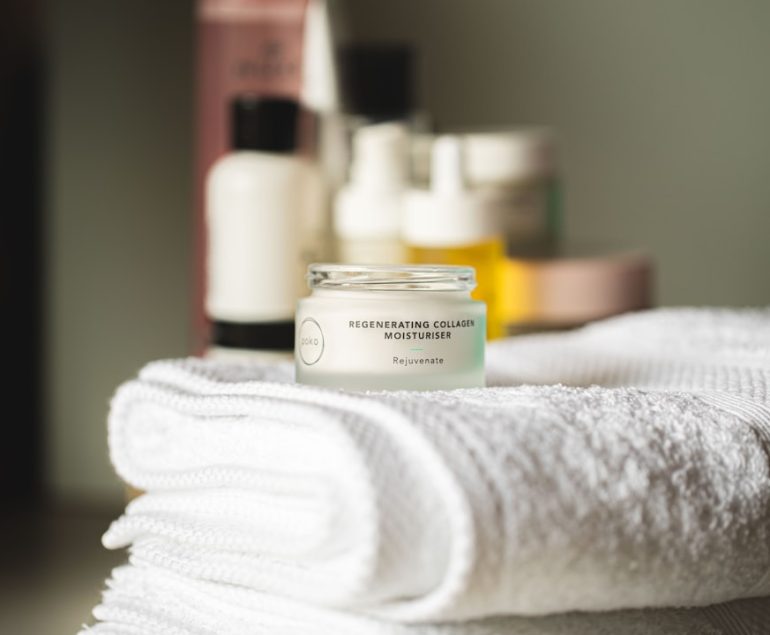
- Why it matters: A consistent skincare routine promotes skin health and provides a tactile cue that it’s time to unwind.
- Actionable tip: Follow a simple three‑step regimen: cleanse, tone, moisturize. Add a facial massage using a jade roller or gua sha stone to improve circulation and reduce stress.
- Why it matters: Writing about the day’s events helps process emotions, reduces rumination, and improves sleep quality.
- Actionable tip: Use a “5‑minute journal” format:
- Why it matters: Temperature, light, and sound heavily influence sleep depth.
- Actionable tip: Keep the bedroom cool (60‑67 °F / 15‑19 °C), dark (blackout curtains or a sleep mask), and quiet (white‑noise machine or earplugs). Invest in a supportive mattress and breathable linens.
- Why it matters: Intentional blocks of personal time prevent burnout and reinforce self‑value.
- Actionable tip: Pick a recurring slot (e.g., Saturday 10 am) and treat it like a meeting. Activities could include a spa day at home, a nature hike, or a creative workshop (painting, cooking class).
- Why it matters: Strong relationships buffer stress and boost happiness hormones like oxytocin.
- Actionable tip: Reach out to a friend or family member at least once a week for a coffee chat, video call, or a shared activity. If you’re introverted, opt for a small‑group setting or one‑on‑one conversation.
- Why it matters: Overloaded inboxes and endless app notifications drain mental energy.
- Actionable tip: Allocate 30 minutes every Sunday to delete unused apps, organize files, and unsubscribe from unwanted newsletters. Use tools like “Unroll.Me” for email clean‑up.
- Why it matters: Mixing cardio, strength, and flexibility training prevents plateaus and keeps exercise enjoyable.
- Actionable tip: Follow a weekly template:
- Why it matters: Practices like meditation, tai chi, or breathwork deepen self‑awareness and reduce chronic stress.
- Actionable tip: Start with a 5‑minute guided meditation on Mondays and gradually increase to 15‑20 minutes by month’s end. Apps such as Calm or Insight Timer offer free libraries.
- Why it matters: Visible data helps you see patterns, celebrate wins, and identify gaps.
- Actionable tip: Choose a simple habit‑tracking app (e.g., HabitBull, Streaks) or a printable chart. Log key activities: wake‑up time, water intake, exercise, meditation, and sleep duration.
- Why it matters: Regular reflection ensures your routine evolves with your life circumstances.
- Actionable tip: At the end of each month, answer these questions:
- Why it matters: Positive reinforcement strengthens habit formation.
- Actionable tip: Reward yourself with non‑food treats—new workout gear, a scented candle, or a mini‑getaway—when you hit a 30‑day streak on a core habit.
- Why it matters: Life is unpredictable; a rigid routine can lead to guilt and abandonment.
- Actionable tip: Build “buffer zones” into your schedule. If you miss a morning walk, swap it for an evening stretch. The goal is consistency over perfection.
- Higher energy levels throughout the day
- Improved focus and productivity at work or school
- Reduced stress and anxiety thanks to consistent mindfulness practices
- Better sleep quality, leading to faster recovery and a stronger immune system
- Enhanced relationships as you become more present and emotionally balanced
1.2. Hydrate Immediately
1.3. Move Your Body – 5‑10 Minutes of Light Exercise
1.4. Mindful Planning
1.5. Nourish with a Balanced Breakfast
SEO Keywords: morning self‑care routine, how to start your day, energizing morning habits, best breakfast for productivity
—
2. Mid‑Day Maintenance – Keeping Your Momentum Alive
2.1. The Power of a Structured Break
2.2. Nutrition on the Go
2.3. Digital Detox Mini‑Session
2.4. Posture Check & Micro‑Movements
SEO Keywords: midday self‑care tips, productivity breaks, healthy lunch ideas, office ergonomics
—
3. Evening Wind‑Down – Resetting Your Body and Mind for Restful Sleep
3.1. Unplug at Least One Hour Before Bed
3.2. Gentle Stretch or Yoga Flow
3.3. Skincare & Self‑Touch Ritual
3.4. Reflective Journaling
1. What went well today?
2. One challenge I faced.
3. Three things I’m grateful for.
4. One intention for tomorrow.
3.5. Optimize Your Sleep Environment
SEO Keywords: evening self‑care routine, bedtime habits for better sleep, how to unwind after work, sleep hygiene tips
—
4. Weekly Self‑Care Boosters – Going Beyond Daily Habits
4.1. Schedule “Me‑Time” Appointments
4.2. Social Connection Check‑In
4.3. Digital Declutter
4.4. Physical Activity Variety
– Monday: 30‑minute brisk walk or jog
– Wednesday: Strength training (body‑weight or dumbbells)
– Friday: Dance class or bike ride
– Sunday: Restorative yoga or foam‑rolling session
4.5. Mind‑Body Practices
SEO Keywords: weekly self‑care ideas, self‑care activities for mental health, how to prevent burnout, stress‑relief techniques
—
5. Tracking Progress & Adjusting Your Routine
5.1. Use a Self‑Care Tracker
5.2. Monthly Review
1. Which habits felt most beneficial?
2. What obstacles prevented consistency?
3. What new habit would I like to test next month?
5.3. Celebrate Small Wins
5.4. Flexibility Over Perfection
SEO Keywords: self‑care habit tracker, how to measure self‑care progress, habit building tips, flexible self‑care routine
—
Conclusion – Your Blueprint for Sustainable Self‑Care
Creating a self‑care routine isn’t about adding more tasks to an already packed day; it’s about strategically integrating small, intentional actions that nourish your body, calm your mind, and uplift your spirit. By mastering the three pillars—morning momentum, mid‑day maintenance, and evening wind‑down—and reinforcing them with weekly boosters and regular tracking, you’ll experience:
Remember, the most powerful self‑care routine is the one that fits your unique lifestyle and evolves with you. Start small, stay consistent, and celebrate each step forward. Your future self will thank you.
—
Quick Reference Checklist
| Time of Day | Core Habit | Duration | Tool/Tip |
|————-|————|———-|———-|
| Morning | Light‑based wake‑up | 5 min | Sunrise alarm |
| | Hydration | 5 min | Water bottle on nightstand |
| | Movement | 5‑10 min | Sun salutations |
| | Planning | 3‑5 min | Journal/Planner |
| | Breakfast | 15‑20 min | Protein + carbs |
| Mid‑Day | Pomodoro breaks | 5 min every 25 min | Timer app |
| | Balanced lunch | 30 min prep | Meal prep containers |
| | Digital detox | 10 min | Walk or meditation |
| | Posture micro‑moves | 20‑sec hourly | 20‑20‑20 rule |
| Evening | Screen‑off | 1 hr before bed | Blue‑light filter |
| | Stretch/Yoga | 10 min | Bedtime flow |
| | Skincare | 5 min | Cleanse‑tone‑moisturize |
| | Journaling | 5 min | 5‑minute journal |
| | Sleep environment | Ongoing | Cool, dark, quiet |
| Weekly | “Me‑time” | 1‑2 hrs | Schedule it |
| | Social check‑in | 30‑60 min | Call or coffee |
| | Digital declutter | 30 min | Sunday routine |
| | Varied exercise | 3‑4 sessions | Mix cardio/strength |
| | Mind‑body practice | 5‑20 min | Guided meditation |
Implement this blueprint step by step, adapt as needed, and watch your life transform from “surviving” to thriving. Happy self‑caring!