—
Introduction – Why “Natural” Still Means Effective
Imagine waking up each morning feeling refreshed, your mind clear, and your body ready to tackle the day—without relying on a cocktail of pills, fad diets, or expensive gym memberships. It might sound like a wellness fantasy, but the truth is that nature offers a toolbox of proven methods to boost immunity, improve mood, and keep chronic disease at bay.
In today’s fast‑paced world, the word natural is often tossed around as a buzzword. Yet, when we talk about natural ways to stay healthy, we’re really talking about time‑tested habits that align with our biology: whole‑food nutrition, movement that feels good, restorative sleep, stress‑reduction techniques, and mindful connection to the environment around us.
In this comprehensive guide, we’ll dive deep into five core pillars of natural health—each packed with actionable tips you can start implementing today. By the end, you’ll have a clear roadmap to a healthier, more energetic you, all without relying on synthetic shortcuts.
—
1. Eat Whole, Real Foods – The Foundation of Natural Health
1.1 Choose Nutrient‑Dense, Unprocessed Foods
The most powerful health hack starts on your plate. Whole foods—think fresh fruits, vegetables, nuts, seeds, legumes, and high‑quality proteins—provide the vitamins, minerals, antioxidants, and fiber your body needs to function optimally.
Action Steps
| Goal | How to Achieve It | Quick Tip |
|——|——————-|———–|
| Fill half your plate with veggies | Prep a large mixed salad each evening for next‑day lunches | Keep pre‑washed greens in the fridge |
| Swap refined carbs for whole grains | Replace white rice/pasta with quinoa, brown rice, or oats | Cook a big batch on Sunday |
| Prioritize lean protein | Choose fish, poultry, beans, or tofu | Grill or bake in bulk, store in containers |
| Add healthy fats | Include avocado, olive oil, nuts, and seeds | Sprinkle chia or flax seeds on smoothies |
1.2 Harness the Power of Antioxidants
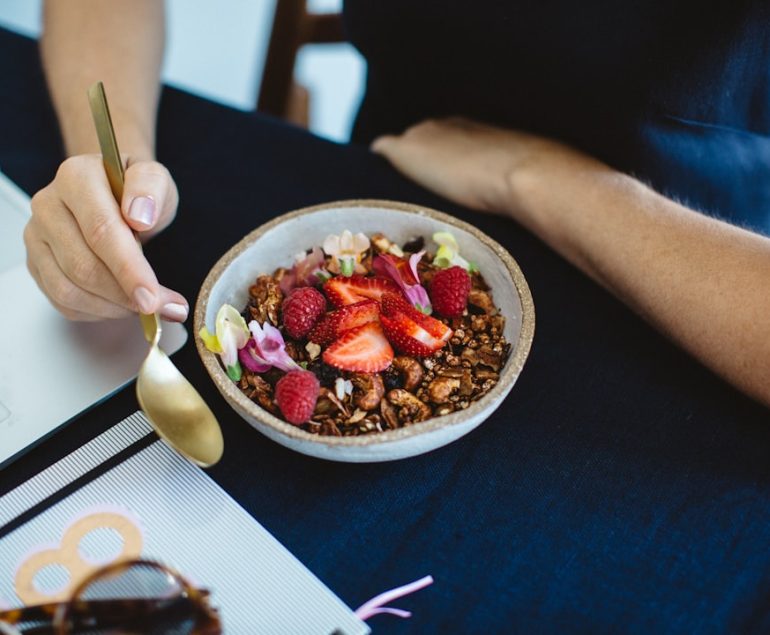
Antioxidants neutralize free radicals—unstable molecules that can damage cells and accelerate aging. Berries, dark leafy greens, green tea, and spices like turmeric are antioxidant powerhouses.
Actionable Idea: Start your day with a berry‑rich smoothie: blend 1 cup mixed berries, a handful spinach, ½ banana, 1 tbsp chia seeds, and unsweetened almond milk. You’ll get a burst of vitamin C, polyphenols, and fiber—all natural protectors against oxidative stress.
1.3 Mindful Eating – Listen to Your Body
Eating isn’t just about nutrients; it’s also about signals. Practicing mindful eating—slowing down, chewing thoroughly, and paying attention to hunger/fullness cues—helps regulate appetite and improves digestion.
Simple Practice: Before each meal, pause for three breaths, notice the colors and aromas of your food, and set an intention to eat without distractions (no phone or TV).
—
2. Move Your Body Naturally – Exercise That Feels Good
2.1 Find Joyful Movement
The best workout is the one you’ll actually do. Whether it’s dancing in your living room, hiking a nearby trail, or gardening, any activity that raises your heart rate counts. Consistency trumps intensity for long‑term health.
Weekly Blueprint (30‑minute sessions):
| Day | Activity | Why It Works |
|—–|———-|————–|
| Monday | Brisk walk or jog | Improves cardiovascular health |
| Tuesday | Bodyweight circuit (push‑ups, squats, planks) | Builds functional strength |
| Wednesday | Yoga or stretching | Enhances flexibility & reduces stress |
| Thursday | Bike ride or swim | Low‑impact cardio |
| Friday | Dance party or Zumba | Boosts mood via endorphins |
| Saturday | Outdoor hike or gardening | Connects you with nature |
| Sunday | Restorative stretching or light walk | Promotes recovery |
2.2 Incorporate Strength Training
Preserving muscle mass is crucial for metabolism, bone density, and joint stability. You don’t need a gym—resistance bands, dumbbells, or even household items (water bottles, backpacks) work well.
Starter Routine (3 sets, 10‑12 reps):
1. Squats (bodyweight or holding a kettlebell)
2. Push‑ups (knees down if needed)
3. Bent‑over rows with a band or dumbbell
4. Glute bridges
5. Plank – hold 30‑60 seconds
Do this routine twice a week, progressively adding weight or reps as you get stronger.
2.3 Flexibility & Mobility – The Unsung Heroes
Tight muscles can lead to poor posture, aches, and limited range of motion. Incorporating dynamic stretches before activity and static stretches afterward keeps joints healthy.
Quick Stretch Flow (5 minutes):
- Neck circles (30 sec)
- Arm swings across chest (30 sec)
- Hip openers – seated figure‑four stretch (1 min each side)
- Hamstring stretch – standing forward fold (1 min)
- Cat‑cow spinal mobility (1 min)
- Valerian root – promotes relaxation (tea or capsule)
- Magnesium – supports GABA production; a magnesium glycinate supplement or magnesium‑rich foods (pumpkin seeds, leafy greens) can help
- Lavender aromatherapy – a few drops on a pillow or a diffuser can calm the nervous system
- Inhale 4 seconds
- Hold 4 seconds
- Exhale 4 seconds
- Hold 4 seconds
- Green tea – rich in catechins, supports metabolism and brain health.
- Peppermint tea – eases digestive discomfort.
- Ginger tea – anti‑inflammatory, helps with nausea.
- Fiber-rich foods (vegetables, fruits, whole grains) to promote bowel regularity.
- Cruciferous veggies (broccoli, cauliflower, kale) which contain glucosinolates that enhance liver enzymes.
- Probiotic foods (yogurt, kefir, sauerkraut) to maintain a healthy gut flora, crucial for toxin metabolism.
- Base: Mixed greens + shredded red cabbage + carrots
- Protein: Grilled salmon (rich in omega‑3s)
- Add‑ins: ¼ cup roasted chickpeas, sliced avocado, sprinkle of sesame seeds
- Dressing: Lemon‑ginger vinaigrette (olive oil, lemon juice, grated ginger, a pinch of sea salt)
—
3. Restorative Sleep – Recharge Naturally
3.1 Prioritize Sleep Hygiene
Adults need 7‑9 hours of quality sleep per night. Sleep is when the body repairs cells, consolidates memory, and balances hormones like cortisol and leptin (which influence stress and appetite).
Sleep‑Boosting Checklist:
| Habit | Implementation |
|——-|—————-|
| Consistent schedule | Go to bed and wake up at the same time daily, even weekends |
| Dark, cool bedroom | Keep temperature ~65°F (18‑19°C); use blackout curtains |
| Limit screens | Turn off phones/computers 30‑60 min before bed; use “night mode” |
| Wind‑down routine | Read, meditate, or sip caffeine‑free herbal tea (e.g., chamomile) |
| Avoid heavy meals & alcohol | Finish dinner 2‑3 hrs before bedtime; limit alcohol to occasional use |
3.2 Natural Sleep Aids
If you struggle to fall asleep, consider herbal remedies that have a long safety record:
3.3 Power of Naps
A short 20‑minute nap can boost alertness, mood, and cognitive performance without disrupting nighttime sleep. If you have the flexibility, schedule a mid‑day nap in a quiet, dim environment.
—
4. Stress Management – Cultivating Calm Naturally
4.1 Mindfulness & Meditation
Chronic stress elevates cortisol, which can impair immunity, increase belly fat, and disrupt sleep. Mindfulness practices train the brain to stay present, reducing the stress response.
5‑Minute Daily Meditation:
1. Sit comfortably, spine tall.
2. Close eyes, inhale for 4 counts, exhale for 6 counts.
3. Gently bring attention to breath; notice thoughts, then let them pass.
4. Continue for 5 minutes, gradually extending to 10‑20 minutes over weeks.
4.2 Breathwork for Instant Relief
Box breathing (4‑4‑4‑4) can calm the nervous system in minutes—great before a stressful meeting or after a workout.
Repeat 4‑5 cycles.
4.3 Connect with Nature
Spending time outdoors—walking in a park, gardening, or simply sitting under a tree—lowers blood pressure and improves mood. The concept of “forest bathing” (Shinrin‑yoku) is backed by research showing reduced cortisol and increased natural killer cell activity.
Actionable Idea: Schedule a 30‑minute “green break” at least three times a week. No phone, just observation of sights, sounds, and smells.
4.4 Social Support
Strong relationships buffer stress. Prioritize quality time with family, friends, or community groups. Even a brief, genuine conversation can release oxytocin, the “bonding hormone,” which counteracts stress hormones.
—
5. Hydration & Natural Detox – Cleanse From Within
5.1 Drink Sufficient Water
Water is essential for digestion, nutrient transport, temperature regulation, and toxin elimination. Aim for 2‑3 liters (about 8‑12 cups) daily, adjusting for activity level, climate, and body size.
Tip: Start the day with a glass of warm lemon water. Lemon adds a gentle dose of vitamin C and stimulates digestive enzymes.
5.2 Herbal Teas as Functional Beverages
Herbal teas provide hydration plus specific health benefits:
Swap sugary sodas or energy drinks for these natural alternatives.
5.3 Support the Body’s Natural Detox Pathways
The liver, kidneys, lymphatic system, and gut microbiome handle detoxification. You can aid them with:
Weekly “Detox Boost” Meal:
—
Conclusion – Your Natural Health Blueprint
Staying healthy doesn’t require expensive gadgets or extreme diets. By embracing whole foods, enjoyable movement, restorative sleep, mindful stress management, and proper hydration, you align your lifestyle with the body’s innate wisdom.
Key Takeaways
1. Eat real, unprocessed foods and make antioxidants a daily staple.
2. Move joyfully—mix cardio, strength, and flexibility for balanced fitness.
3. Prioritize sleep with consistent routines, a cool dark room, and natural sleep aids if needed.
4. Manage stress through mindfulness, breathwork, nature exposure, and strong social connections.
5. Hydrate wisely and support the body’s natural detox systems with fiber, cruciferous veggies, and probiotic foods.
Implementing even a few of these strategies can create a ripple effect—better energy, sharper focus, stronger immunity, and a happier outlook on life. Start small, stay consistent, and watch how natural habits transform your health from the inside out.
Here’s to thriving naturally—one mindful choice at a time!