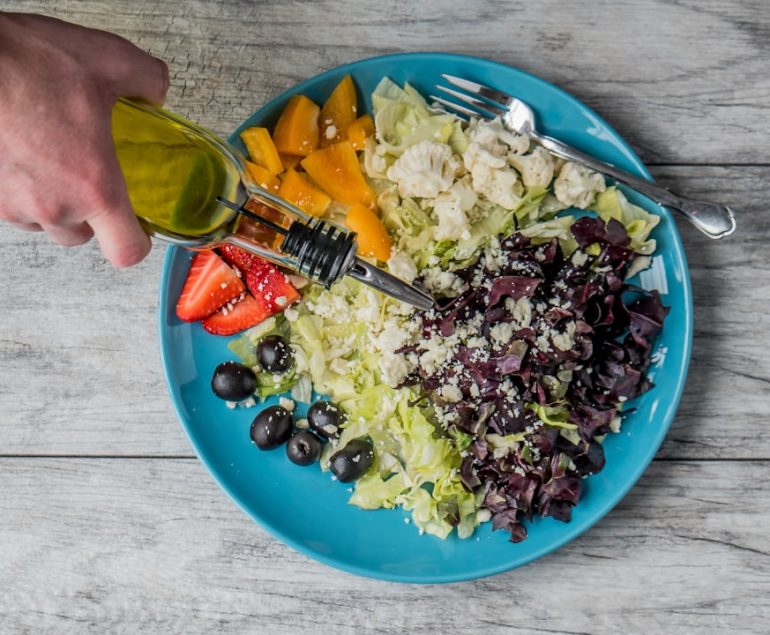
—
Introduction – Why “One‑Size‑Fits‑All” Diets Don’t Cut It Anymore
Imagine stepping onto a scale, seeing the number you’ve been hoping for, and feeling a surge of confidence that lasts for weeks—maybe even months. That moment is the payoff many diet plans promise, yet most people find themselves stuck in a cycle of restrictive eating, cravings, and inevitable binge‑backs.
Why does this happen? Because the most popular diet trends—whether it’s keto, intermittent fasting, or a juice cleanse—often ignore three critical factors: individual lifestyle, personal preferences, and long‑term nutritional balance. The result? Short‑term weight loss that’s hard to maintain and, in some cases, detrimental to health.
The good news is that you don’t need to chase the next fad to achieve lasting results. By building a personalized, flexible diet plan rooted in solid nutrition science, you can enjoy steady progress, better energy, and a healthier relationship with food. In this 2,000‑word guide we’ll walk you through the exact steps to design a diet plan that fits your life, meets your health goals, and stays sustainable for the long haul.
> Quick takeaway: A successful diet plan isn’t about drastic restrictions; it’s about balanced eating, realistic goals, and a plan you can actually follow.
—
1. Setting the Foundation – Define Your Goals, Needs, and Baseline
1.1 Clarify Your “Why”
Before you even count calories, ask yourself: What am I truly aiming for?
- Weight loss: Do you want to shed a specific number of pounds, fit into a favorite pair of jeans, or improve a health marker like blood pressure?
- Performance: Are you training for a marathon, building muscle, or simply wanting more stamina for daily chores?
- Health management: Managing diabetes, high cholesterol, or digestive issues?
- BMR ≈ 1,400 kcal
- TDEE ≈ 1,400 × 1.55 ≈ 2,170 kcal
- Calorie “leakages” (e.g., sugary drinks, oversized portions)
- Nutrient gaps (low fiber, insufficient micronutrients)
- Timing issues (late‑night snacking, long gaps between meals)
- ½ of the plate: Non‑starchy vegetables (broccoli, spinach, peppers) – low‑calorie, high fiber.
- ¼ of the plate: Lean protein (chicken breast, tofu, fish, legumes).
- ¼ of the plate: Complex carbs (sweet potatoes, quinoa, brown rice).
- A small side: Healthy fats (avocado, nuts, olive oil).
- Consistent meal timing helps regulate blood sugar and hunger hormones.
- 3 main meals + 1‑2 snacks works well for most people, especially when snacks contain protein and fiber (e.g., Greek yogurt + berries).
- Intermittent fasting (e.g., 16:8) can be effective for calorie control, but only if it fits your lifestyle and you can meet nutrient needs within the eating window.
- One‑Pot Wonders: Chili, stir‑fry, or sheet‑pan meals require minimal cleanup and can be portioned out for several days.
- Freezer‑Friendly Meals: Soups, casseroles, and marinated proteins freeze beautifully. Cook a double batch on the weekend, freeze half, and thaw for a stress‑free weekday dinner.
- Grab‑and‑Go Snacks: Pre‑portion nuts, seeds, and fruit into zip‑lock bags. Keep a small cooler bag at work for a protein‑rich snack.
- Weekly weigh‑ins: Same day, same time, after bathroom, before breakfast.
- Body measurements: Track waist, hips, thighs, and arms every two weeks.
- Energy & mood journal: Note how you feel after meals—this helps identify foods that boost or drain your energy.
- Calorie Deficit + High Protein: Preserves lean muscle while shedding fat. Aim for 1.2‑1.5 g protein per kg body weight.
- Fiber‑Rich Foods: Soluble fiber (oats, apples, legumes) slows digestion, reduces hunger hormones.
- Mindful Eating: Slow down, chew thoroughly, and pause before reaching for seconds. Studies show mindful eaters consume ~15 % fewer calories.
- Calorie Surplus + Strength Training: Add 200–300 kcal above maintenance, focusing on nutrient‑dense foods.
- Protein Timing: Aim for 20–30 g of high‑quality protein within 30
Writing down a clear, measurable goal (e.g., “lose 12 lb in 12 weeks” or “increase protein intake to 1.2 g/kg body weight”) gives you a concrete target to calibrate your diet plan around.
1.2 Calculate Your Daily Calorie Needs
Your Total Daily Energy Expenditure (TDEE) is the number of calories you burn each day, factoring in basal metabolic rate (BMR) plus activity. Use an online calculator or the Mifflin‑St Jeor equation:
“`
For men: BMR = (10 × weight kg) + (6.25 × height cm) – (5 × age) + 5
For women: BMR = (10 × weight kg) + (6.25 × height cm) – (5 × age) – 161
“`
Multiply the BMR by an activity factor (sedentary = 1.2, lightly active = 1.375, moderately active = 1.55, very active = 1.725, extra active = 1.9).
Example: A 30‑year‑old woman, 65 kg, 165 cm, moderately active:
To lose weight, create a modest deficit of 250–500 kcal per day (roughly 0.5–1 lb per week). For muscle gain, aim for a slight surplus of 200–300 kcal.
1.3 Determine Your Macro Ratio
Macronutrients—protein, carbohydrates, and fats—are the building blocks of any diet plan. A balanced macro split supports satiety, muscle preservation, and metabolic health.
| Goal | Protein | Carbs | Fat |
|——|———|——-|—–|
| Weight loss (moderate) | 30 % | 40 % | 30 % |
| Muscle gain | 35 % | 45 % | 20 % |
| General health | 25 % | 45 % | 30 % |
Tip: Adjust based on personal tolerance. Some thrive on higher carbs, others feel better with more fat. The key is to stay within your calorie target while meeting protein needs (≈ 0.8‑1.2 g per kg body weight for most adults, higher for athletes).
1.4 Assess Your Current Eating Patterns
Spend a week logging everything you eat—use a free app like MyFitnessPal or a simple notebook. Look for:
This audit provides the baseline data you’ll need to fine‑tune your upcoming diet plan.
—
2. Building a Balanced Meal Structure – The Blueprint for Every Day
2.1 The Power of the Plate Method
A visual, hassle‑free way to hit macro goals without counting every gram is the Plate Method:
This approach automatically delivers a balanced diet rich in vitamins, minerals, and satiety‑boosting fiber.
2.2 Meal Timing & Frequency – What Works Best?
There’s no universal rule for how many meals you should eat per day, but research suggests:
Action step: Choose a schedule you can stick to—whether it’s classic three meals or a 12‑hour eating window—and keep it consistent for at least two weeks before judging effectiveness.
2.3 Smart Substitutions – Keep It Delicious Without Derailing
| Want to Reduce | Swap With | Why It Works |
|—————-|———–|————–|
| Refined carbs (white bread, pasta) | Whole‑grain alternatives (whole‑wheat, spelt, legume pasta) | Higher fiber → longer satiety |
| Added sugars (sodas, candy) | Natural sweeteners (stevia, monk fruit) or fruit | Lower glycemic impact |
| Saturated fats (butter, fatty cuts) | Unsaturated fats (olive oil, avocado, fatty fish) | Improves heart health |
| Processed snacks (chips, crackers) | Veggie sticks, air‑popped popcorn, nuts | More nutrients, less empty calories |
These swaps keep the taste factor high while aligning with your calorie and macro targets.
2.4 Sample One‑Day Meal Plan (≈ 2,100 kcal, 30 % protein)
| Meal | Food | Approx. Calories | Macro Breakdown |
|——|——|——————|—————–|
| Breakfast | 2 scrambled eggs + 1 cup sautéed spinach + 1 slice whole‑grain toast + ½ avocado | 420 | P: 22 g, C: 30 g, F: 22 g |
| Mid‑Morning Snack | Greek yogurt (150 g) + ½ cup mixed berries + 1 tbsp chia seeds | 210 | P: 15 g, C: 22 g, F: 7 g |
| Lunch | Grilled chicken breast (150 g) + quinoa (¾ cup cooked) + roasted broccoli & carrots (2 cups) + drizzle olive oil | 560 | P: 45 g, C: 55 g, F: 15 g |
| Afternoon Snack | Handful almonds (¼ cup) + an apple | 250 | P: 6 g, C: 30 g, F: 14 g |
| Dinner | Baked salmon (180 g) + sweet potato mash (1 cup) + mixed green salad with vinaigrette | 560 | P: 40 g, C: 45 g, F: 20 g |
| Evening Snack (optional) | Cottage cheese (½ cup) + cucumber slices | 140 | P: 15 g, C: 5 g, F: 5 g |
| Total | — | 2,140 kcal | P: 143 g (≈ 27 %), C: 187 g (≈ 35 %), F: 83 g (≈ 38 %) |
Feel free to swap proteins, carbs, or veggies based on preference—just keep the macro ratios in the same ballpark.
—
3. Meal Planning & Prep – Turning Theory Into Daily Reality
3.1 The 4‑Step Meal‑Prep Workflow
1. Plan (Sunday): Choose recipes for the week that meet your macro goals. Use a spreadsheet or meal‑planning app to list ingredients and portion sizes.
2. Shop Smart: Stick to the perimeter of the grocery store (produce, lean proteins, dairy) and avoid aisles heavy with processed snacks.
3. Batch Cook: Cook staples in bulk—grains, legumes, roasted veggies, and proteins. Store them in portion‑controlled containers.
4. Assemble & Store: Mix and match components for each meal. Use airtight containers for fridge (3‑4 days) or freezer (up to 3 months).
Pro tip: Label each container with the date, meal name, and macro breakdown. This eliminates guesswork and keeps you accountable.
3.2 Quick‑Prep Strategies for Busy Lifestyles
3.3 Tracking Progress Without Obsessing
If you notice a plateau after 4–6 weeks, adjust your calorie intake by ± 100 kcal or tweak macro ratios (e.g., increase protein, reduce carbs slightly). Small, data‑driven changes keep momentum alive.
3.4 Overcoming Common Roadblocks
| Challenge | Practical Fix |
|———–|—————-|
| Time crunch | Use a slow cooker or Instant Pot; set it the night before. |
| Boredom with food | Rotate recipes every 2–3 weeks; experiment with herbs, spices, and new cuisines. |
| Social events | Plan ahead—eat a light, protein‑rich snack before a party, and fill half the plate with veggies at the event. |
| Cravings | Keep healthy “sweet” options (dark chocolate, fruit) and high‑protein snacks handy. |
| Budget constraints | Buy in bulk (rice, beans, frozen veg), choose cheaper protein sources like eggs, canned fish, or plant‑based beans. |
—
4. Fine‑Tuning for Specific Goals – Weight Loss, Muscle Gain, and Health Management
4.1 Weight‑Loss Focused Diet Plans
Sample tweak: If you’re stuck at a plateau, try a “re‑feed” day once every 10–14 days—add 300–500 extra calories from carbs to reset leptin levels and boost metabolism.