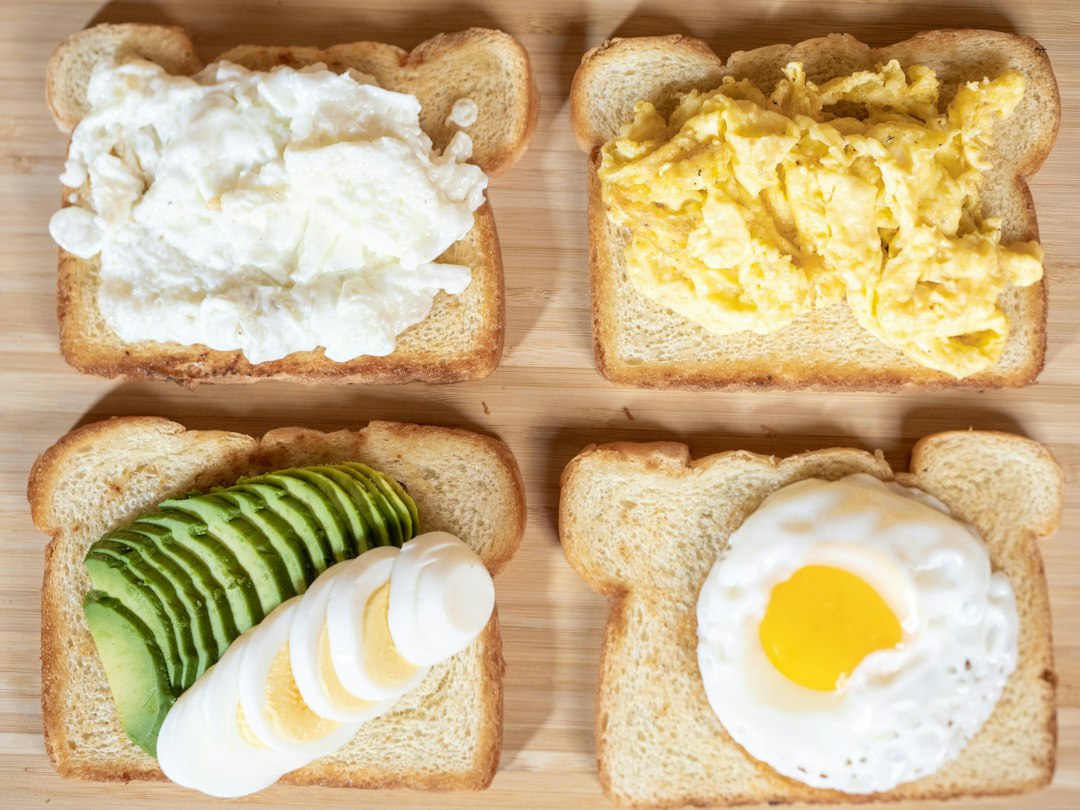
Title: The Ultimate Guide to Sustainable Weight Loss: Science‑Backed Strategies That Actually Work

—

Introduction – Why “Quick Fixes” Never Cut It

If you’ve ever stared at the scale, watched the numbers bounce up and down, and wondered why the “miracle diet” you tried last month didn’t stick, you’re not alone. The weight‑loss industry is a multi‑billion‑dollar machine that thrives on hype, fad diets, and promises of “lose 10 pounds in a week.” The reality? Real, lasting weight loss is less about magic pills and more about mastering a handful of core principles that align with how your body actually works.

In this guide we’ll cut through the noise and give you a clear, actionable roadmap to shed pounds safely, sustainably, and without losing your sanity. Whether you’re a beginner who’s never counted a calorie before, or a seasoned fitness enthusiast looking to fine‑tune your approach, the strategies below are grounded in solid science, practical experience, and—most importantly—real‑world results.

> Quick takeaway: Weight loss isn’t a sprint; it’s a marathon built on consistent habits, a balanced calorie deficit, and a mindset that embraces progress over perfection.

—

1. Master the Math: Understanding Calories, Metabolism, and the Deficit

1.1 What Is a Calorie, Really?

A calorie is simply a unit of energy—think of it as the “fuel” your body burns to keep the heart beating, the brain thinking, and the muscles moving. When you eat more calories than your body needs for daily functions (your Total Daily Energy Expenditure, or TDEE), the excess is stored as fat. Conversely, eating fewer calories than you expend forces the body to dip into those fat stores for energy, leading to weight loss.

Key SEO terms: calorie deficit, total daily energy expenditure, TDEE, calorie counting

1.2 Calculating Your Personal TDEE

Your TDEE is the sum of three components:

| Component | What It Covers | How to Estimate |
|———–|—————-|—————–|
| Basal Metabolic Rate (BMR) | Energy needed at rest (breathing, circulation) | Use the Mifflin‑St Jeor equation or an online calculator |
| Physical Activity Level (PAL) | Exercise, daily steps, non‑exercise activity | Multiply BMR by an activity factor (1.2 – 2.5) |
| Thermic Effect of Food (TEF) | Energy used to digest, absorb, and store food | Roughly 10 % of total calories consumed |

Example: A 35‑year‑old woman, 5’6”, 150 lb, moderately active (PAL ≈ 1.55)

  • BMR ≈ 1,400 kcal
  • TDEE = 1,400 × 1.55 ≈ 2,170 kcal
  • 1.3 Setting a Realistic Deficit

    A safe, sustainable deficit is 500–750 kcal per day, which typically translates to 1–1.5 lb of weight loss per week. Anything steeper may lead to muscle loss, metabolic slowdown, and rebound weight gain.

    > Pro tip: Use a tracking app (MyFitnessPal, Cronometer, etc.) for a few weeks to see where you actually stand. Most people underestimate intake by 20‑30 %.

    1.4 The Myth of “Starvation Mode”

    While extreme caloric restriction can lower thyroid hormones and reduce metabolic rate, a modest deficit does not trigger a catastrophic “starvation mode.” The body adapts gradually, and you can preserve metabolism by:

    1. Keeping protein intake high (0.8–1.0 g per lb of body weight).
    2. Incorporating resistance training (see Section 2).
    3. Avoiding prolonged “diet breaks” longer than 2 weeks.

    —

    2. Nutrition Foundations – Eat to Fuel, Not to Punish

    2.1 Build a Balanced Plate

    A simple visual cue works wonders: Half the plate = non‑starchy vegetables, ¼ = lean protein, ¼ = complex carbs, plus a small amount of healthy fat. This structure automatically:

  • Keeps calories in check (veg are low‑calorie, high‑volume).
  • Provides essential micronutrients.
  • Stabilizes blood sugar, curbing cravings.
  • SEO keywords: balanced diet, portion control, macronutrients, micronutrients

    2.2 Prioritize Protein

    Protein is the MVP of weight loss because:

  • Thermic effect: It burns ~20‑30 % of its calories during digestion.
  • Satiety: It keeps you full longer, reducing overall intake.
  • Muscle preservation: Crucial when you’re in a calorie deficit.
  • Sources: Chicken breast, turkey, lean beef, fish, eggs, Greek yogurt, cottage cheese, legumes, and plant‑based powders.

    Goal: 1.0–1.2 g protein per lb of target body weight daily.

    2.3 Choose Quality Carbs Over “Carb‑Free”

    Carbohydrates aren’t the enemy—refined sugars and processed grains are. Opt for fiber‑rich, low‑glycemic carbs that release glucose slowly, sustaining energy and preventing insulin spikes.

    Top picks: Sweet potatoes, quinoa, oats, brown rice, lentils, berries, apples, and whole‑grain breads.

    2.4 Healthy Fats for Hormonal Balance

    Fat is essential for hormone production (including the hormones that regulate hunger). Include omega‑3 rich foods (salmon, chia seeds, walnuts) and monounsaturated fats (olive oil, avocado) while keeping total fat to about 25–30 % of daily calories.

    2.5 The Power of Meal Timing & Frequency

    You don’t need to eat 6 tiny meals a day. What matters most is total daily intake and consistency. However, some strategies can help:

  • Intermittent fasting (IF): 16:8 or 14:10 windows can simplify calorie control for many people.
  • Pre‑workout carbs: A small carb‑protein combo 30‑60 min before training fuels performance.
  • Post‑workout protein: 20‑30 g of high‑quality protein within 2 hours supports muscle repair.
  • 2.6 Hydration & Its Hidden Role

    Even mild dehydration can masquerade as hunger. Aim for ½ – 1 L of water per 30 lb of body weight daily, plus extra on training days. Adding a pinch of sea salt or a splash of lemon can make it more enjoyable.

    > Quick tip: Carry a reusable bottle and set reminders on your phone to sip regularly.

    —

    3. Move Smart: Exercise Strategies That Accelerate Fat Loss

    3.1 Cardio – The Fat‑Burn Engine

    Cardiovascular exercise raises calorie expenditure and improves heart health. Two main categories:

    | Type | Typical Duration | Intensity | Best For |
    |——|——————-|———–|———-|
    | Steady‑State (jog, brisk walk, cycling) | 30‑60 min | Moderate (60‑70 % HRmax) | Beginners, recovery days |
    | High‑Intensity Interval Training (HIIT) | 10‑20 min | Very high (80‑95 % HRmax) in bursts | Time‑crunched, advanced athletes |

    Science snapshot: A 2019 meta‑analysis found that HIIT can burn up to 30 % more fat than steady‑state cardio when matched for total time, largely due to the afterburn effect (excess post‑exercise oxygen consumption, EPOC).

    3.2 Resistance Training – Preserve Muscle, Boost Metabolism

    Weight training is non‑negotiable for sustainable weight loss. Benefits include:

  • Muscle retention: More muscle = higher resting metabolic rate.
  • Improved insulin sensitivity: Helps the body use carbs more efficiently.
  • Bone health: Critical as you age.
  • Program blueprint (3‑day split):

    | Day | Focus | Sample Exercises |
    |—–|——-|——————-|
    | Day 1 | Upper Body Push | Bench press, overhead press, dips |
    | Day 2 | Lower Body | Squats, deadlifts, lunges, leg press |
    | Day 3 | Upper Body Pull + Core | Pull‑ups, rows, face pulls, planks |

    Aim for 8‑12 reps per set, 3‑4 sets, with 2‑3 minutes rest between sets. Increase weight progressively (the “progressive overload” principle) to keep muscles challenged.

    3.3 The “Non‑Exercise Activity Thermogenesis” (NEAT) Edge

    NEAT includes everything you do that isn’t formal exercise: walking to the kitchen, fidgeting, taking stairs, even cleaning. Small tweaks can add 200‑400 extra calories burned daily:

  • Stand while on phone calls.
  • Use a pedometer goal of 10,000 steps.
  • Opt for a sit‑stand desk.
  • 3.4 Recovery – The Unsung Hero

    Overtraining can sabotage weight loss by raising cortisol (stress hormone) and impairing sleep. Prioritize:

  • 7‑9 hours of quality sleep per night.
  • Active recovery (light yoga, walking).
  • Stretching or foam rolling to maintain mobility.
  • > Pro tip: A well‑rested body burns more fat during workouts and recovers faster, allowing you to stay consistent.

    —

    4. Mindset & Lifestyle Hacks – Making Weight Loss Stick

    4.1 Goal Setting That Motivates

    Instead of vague “I want to lose weight,” set SMART goals (Specific, Measurable, Achievable, Relevant, Time‑bound). Example:

  • “I will lose 12 lb in 12 weeks by creating a 500‑kcal daily deficit and strength‑training three times per week.”
  • Write the goal down, review weekly, and celebrate micro‑wins (e.g., hitting a new PR, mastering a healthy recipe).

    4.2 Tracking Beyond the Scale

    Weight is just one metric. Use a multi‑dimensional tracking system:

  • Body measurements (waist, hips, thighs).
  • Progress photos (monthly).
  • Performance markers (how many push‑ups, run distance).
  • Energy levels and sleep quality.
  • These data points provide a fuller picture and keep motivation high when the scale stalls (which is normal due to water fluctuations).

    4.3 Managing Cravings & Emotional Eating

  • Identify triggers (stress, boredom, social cues).
  • Swap: Replace high‑calorie comfort foods with healthier versions (e.g., Greek yogurt with berries instead of ice cream).
  • Delay technique: Wait 15 minutes before giving in; cravings often fade.
  • Mindful eating: Eat slowly, savor each bite, and put utensils down between mouthfuls.
  • 4.4 Social Support & Accountability

  • Find a buddy: Workout partners boost adherence by ~30 %.
  • Join a community: Online forums, local clubs, or a weight‑loss challenge at work.
  • Consider a coach: A certified nutritionist or personal trainer can tailor plans and keep you on track.

4.5 Sustainable Habits Over “Diets”

The most successful weight‑loss plans are those you can live with long term. Instead of “dieting for 8 weeks,” think in terms of lifestyle redesign:

1. Meal prep on Sundays – reduces decision fatigue.
2. Batch‑cook proteins (chicken, beans) for quick lunches.
3. Keep healthy snacks (nuts, fruit, hummus) within arm’s reach.
4. Set a weekly “cheat meal” rather than a cheat day, preserving calorie control while satisfying cravings.

—

5. Common Pitfalls & How to Overcome Them

| Pitfall | Why It Happens | Fix |
|———|—————-|—–|
| Plateau after 4‑6 weeks | Metabolic adaptation, loss of water weight, or inaccurate tracking. | Re‑calculate TDEE, introduce a “diet break” of 1‑2 weeks at maintenance, add HIIT or increase resistance load. |
| All‑or‑nothing mentality | Strict rules lead to binge when broken. | Adopt a flexible “80/20” rule: 80 % consistent healthy choices, 20 % indulgence. |
| Skipping meals | Belief that fewer meals = fewer calories. | Eat regular, balanced meals to maintain energy and prevent overeating later. |
| Relying on “fat‑burning” supplements | Many are ineffective or unsafe. | Focus on proven tools: diet, exercise, sleep. If considering supplements, consult a healthcare professional. |
| Neglecting fiber | Low fiber leads to poor satiety and digestive issues. | Aim for 25‑30 g fiber daily from veggies, fruits, legumes, and whole grains. |

—

Conclusion – Your Roadmap to a Healthier, Lean

Title: Unlocking the Power of Movement: 10 Surprising Benefits of Exercise You Can’t Afford to Miss

—

Introduction – Why Your Next Workout Might Be the Best Decision You Ever Make

Imagine a single habit that can boost your mood, sharpen your mind, protect you from chronic disease, and even add years to your life—all without a prescription or a pricey supplement. That habit exists, and it’s called regular exercise.

In a world where screens dominate our free time and sedentary jobs keep us glued to desks, the idea of moving more can feel like a chore. Yet the science behind the benefits of exercise is nothing short of astonishing. From strengthening the heart to rewiring the brain, physical activity delivers a cascade of positive effects that ripple through every system in the body.

In this comprehensive guide, we’ll dive deep into the most compelling reasons to lace up those sneakers, explore how each benefit translates into real‑world improvements, and give you actionable steps to make exercise a seamless part of your daily routine. Ready to transform your health, mood, and longevity? Let’s get moving.

—

1. Physical Health Benefits – Building a Stronger, More Resilient Body

1.1 Cardiovascular Health: Your Heart’s Best Friend

One of the most well‑documented health benefits of exercise is the boost it gives to cardiovascular function. Aerobic activities—such as brisk walking, cycling, swimming, or jogging—stimulate the heart to pump more efficiently, increasing stroke volume and lowering resting heart rate. Over time, this leads to:

  • Reduced blood pressure – regular cardio helps keep arteries flexible, easing the flow of blood and lowering systolic/diastolic numbers.
  • Improved cholesterol profile – exercise raises HDL (“good”) cholesterol while lowering LDL (“bad”) cholesterol and triglycerides.
  • Lower risk of heart disease – studies show that people who engage in at least 150 minutes of moderate‑intensity cardio per week cut their risk of coronary artery disease by up to 30%.
  • Actionable tip: Set a timer for a 20‑minute walk after dinner three times a week. Gradually increase speed or distance until you hit the 150‑minute weekly goal recommended by the American Heart Association.

    1.2 Muscular Strength & Bone Density: The Power Duo

    Resistance training—think weightlifting, body‑weight circuits, or resistance‑band workouts—does more than sculpt a toned physique. It triggers muscle protein synthesis, leading to:

  • Increased lean muscle mass – essential for maintaining metabolic rate and functional independence as you age.
  • Stronger bones – weight‑bearing activity stimulates osteoblast activity, boosting bone mineral density and reducing osteoporosis risk.
  • Actionable tip: Incorporate two full‑body strength sessions per week. Start with 3 sets of 12 repetitions for major lifts (squat, push‑up, row) using a weight that feels challenging by the last rep.

    1.3 Immune System Boost: A Natural Defense Upgrade

    Regular moderate exercise has been shown to circulate immune cells more efficiently, enhancing the body’s ability to detect and fight pathogens. While intense, prolonged training can temporarily suppress immunity, a balanced routine supports:

  • Higher levels of anti‑inflammatory cytokines – reducing chronic low‑grade inflammation linked to many diseases.
  • Improved vaccine response – research indicates that physically active adults develop stronger antibodies after flu vaccination.
  • Actionable tip: Aim for at least 30 minutes of moderate activity (e.g., brisk walking) most days. If you’re feeling fatigued, swap a high‑intensity session for a gentle yoga or stretching routine to keep the immune benefits without overtraining.

    —

    2. Mental & Emotional Benefits – Exercise for a Sharper, Happier Mind

    2.1 Mood Enhancement: The Endorphin Explosion

    The phrase “runner’s high” is more than a myth. Physical activity triggers the release of endorphins, dopamine, serotonin, and norepinephrine—neurotransmitters that elevate mood and reduce feelings of anxiety. Regular exercise can:

  • Decrease symptoms of depression – meta‑analyses show that moderate aerobic exercise is as effective as some antidepressant medications for mild‑to‑moderate depression.
  • Lower stress levels – cortisol, the stress hormone, drops after consistent workouts, helping you stay calmer under pressure.
  • Actionable tip: If you’re low on motivation, start with a 10‑minute “mood‑boost” walk outside. The fresh air and sunlight boost serotonin, and you’ll likely feel energized enough to extend the session.

    2.2 Cognitive Function & Memory: Brain‑Boosting Benefits

    Physical activity increases blood flow to the brain, delivering oxygen and nutrients that support neurogenesis—the creation of new brain cells—particularly in the hippocampus, a region crucial for memory. Benefits include:

  • Improved focus and attention – acute bouts of exercise raise alertness for up to 2 hours post‑workout.
  • Enhanced learning capacity – regular cardio improves executive functions such as planning, problem‑solving, and multitasking.
  • Reduced risk of cognitive decline – seniors who stay active have a 40‑50% lower chance of developing Alzheimer’s disease.
  • Actionable tip: Integrate “brain breaks” into your day: 5 minutes of jumping jacks or stair climbs before a study session or meeting to sharpen concentration.

    2.3 Sleep Quality: Restful Nights Through Movement

    Exercise regulates circadian rhythms and helps you fall asleep faster, enjoy deeper REM cycles, and wake up feeling refreshed. However, timing matters:

  • Morning or early afternoon workouts tend to promote better sleep onset.
  • Late‑night high‑intensity sessions may interfere with melatonin production for some people.
  • Actionable tip: Schedule your most vigorous workouts at least 3‑4 hours before bedtime. If you prefer evening activity, opt for low‑intensity yoga or stretching to unwind without disrupting sleep.

    —

    3. Weight Management & Metabolism – Turning Your Body into a Fat‑Burning Machine

    3.1 Calorie Expenditure: The Energy Equation

    Exercise creates a calorie deficit, the cornerstone of weight loss. But the benefits extend beyond the minutes you’re moving:

  • Afterburn effect (EPOC – excess post‑exercise oxygen consumption) – high‑intensity interval training (HIIT) can elevate metabolism for up to 24‑48 hours post‑workout.
  • Improved insulin sensitivity – muscles become more efficient at absorbing glucose, reducing fat storage.
  • Actionable tip: Incorporate one HIIT session per week (e.g., 30 seconds sprint, 90 seconds walk, repeat 8‑10 times). Pair it with steady‑state cardio on other days for balanced calorie burn.

    3.2 Lean Muscle Preservation: The Metabolic Engine

    Muscle tissue burns more calories at rest than fat tissue (approximately 6‑10 calories per pound per day). Maintaining or building lean mass through resistance training ensures:

  • Higher basal metabolic rate (BMR) – you continue to burn calories even on rest days.
  • Better body composition – you lose fat while preserving muscle, leading to a toned, healthy look.
  • Actionable tip: Prioritize protein intake (0.8‑1.0 g per pound of body weight) on training days and schedule a post‑workout protein snack (e.g., Greek yogurt with berries) within 30 minutes of finishing.

    3.3 Appetite Regulation: Hormonal Balance

    Exercise influences hunger hormones:

  • Ghrelin (the “hunger hormone”) often decreases after moderate aerobic activity.
  • Peptide YY and GLP‑1 (satiety hormones) increase, helping you feel fuller longer.
  • Actionable tip: If you notice cravings after a workout, reach for a balanced snack that includes protein, healthy fats, and fiber (e.g., apple slices with almond butter) to stabilize blood sugar and curb overeating.

    —

    4. Longevity & Disease Prevention – The Long‑Term Payoff

    4.1 Chronic Disease Risk Reduction

    Consistent physical activity is a powerful preventive tool against a host of conditions:

    | Condition | Exercise‑Related Risk Reduction |
    |———–|———————————|
    | Type 2 Diabetes | 30‑50% lower incidence |
    | Hypertension | 20‑35% lower risk |
    | Certain Cancers (breast, colon) | 10‑20% reduced risk |
    | Stroke | 25‑30% lower probability |
    | Osteoarthritis | Slower joint degeneration |

    Actionable tip: Aim for a mix of cardio, strength, and flexibility training each week (the “triad” approach). This balanced routine covers the spectrum of disease‑preventing mechanisms.

    4.2 Telomere Length & Cellular Aging

    Telomeres are protective caps at the ends of chromosomes that shorten with age. Research shows that physically active individuals have longer telomeres, suggesting slower cellular aging.

    Actionable tip: Adopt a “move‑every‑hour” habit—stand, stretch, or walk for 2‑3 minutes each hour. Small, frequent movements contribute to overall activity levels and may support telomere health.

    4.3 Quality of Life in Older Adults

    Beyond statistics, exercise preserves independence:

  • Better balance and coordination reduce fall risk.
  • Improved joint mobility makes daily tasks easier (e.g., climbing stairs, carrying groceries).
  • Enhanced mood combats loneliness and depression common in senior populations.
  • Actionable tip: For older adults, incorporate low‑impact activities like water aerobics, tai chi, or walking clubs. These provide cardio, strength, and social interaction in one package.

    —

    5. Practical Strategies – Making Exercise a Habit That Sticks

    5.1 Set SMART Goals

    Specific, Measurable, Achievable, Relevant, Time‑bound (SMART) goals turn vague intentions into concrete plans.

  • Example: “Walk 10,000 steps daily for the next 30 days” or “Complete three 30‑minute strength sessions each week for the next two months.”
  • Actionable tip: Write your goal on a sticky note and place it on your fridge or computer monitor. Review it each morning to keep motivation high.

    5.2 Find Your “Exercise Identity”

    People who view themselves as “runners,” “yogis,” or “dance enthusiasts” are more likely to stay consistent. Experiment with different modalities until one clicks.

    Actionable tip: Try a free trial class each week (e.g., spin, pilates, kickboxing) until you discover a style you enjoy. The pleasure factor is a major adherence driver.

    5.3 Leverage Technology

    Fitness trackers, smartphone apps, and online communities provide accountability and data insights.

  • Track steps, heart rate, and sleep to see the holistic impact of activity.
  • Join challenges (e.g., 30‑day plank challenge) for social motivation.

Actionable tip: Set a weekly “movement goal” in your favorite app and enable push notifications for reminders.

5.4 Build a Support System

Working out with a friend, family member, or virtual group adds accountability and makes sessions more enjoyable.

Actionable tip: Schedule a “workout buddy” call or meet‑up every Monday, Wednesday, and Friday. If in‑person isn’t possible, sync a video call while you both follow the same routine.

5.5 Overcome Common Barriers

| Barrier | Solution |
|———|———-|
| Lack of time | Use “micro‑workouts” (5‑10 minutes) during breaks. |
| Gym intimidation | Start at home with body‑weight exercises; progress to a gym when comfortable. |
| Physical limitations | Choose low‑impact options (swimming, elliptical, seated resistance bands). |
| Motivation dips | Keep a “why” journal—list reasons you started and revisit during low‑energy days. |

Actionable tip: When you feel a barrier emerging, pause and apply the “5‑minute rule”: commit to moving for just five minutes. Often the momentum carries you through a full session.

—

Conclusion – Your Roadmap to a Healthier, Happier You

The benefits of exercise extend far beyond the obvious calorie burn. From a stronger heart and resilient muscles to a sharper mind, better sleep, and a longer, disease‑free life, regular physical activity is the most accessible, cost‑effective prescription available to anyone, anywhere.

By understanding the science behind each advantage, you can appreciate why even modest, consistent movement matters. More importantly, the actionable strategies outlined above empower you to weave exercise into the fabric of your daily routine—no matter how busy, limited, or inexperienced you feel.

Key Takeaways

1. Physical health: Cardiovascular fitness, muscular strength, and immune support are foundational benefits that protect against chronic disease.
2. Mental wellness: Exercise lifts mood, reduces anxiety, sharpens cognition, and improves sleep quality.
3. Weight & metabolism: Cardio, strength training, and proper nutrition together create a sustainable calorie deficit and boost metabolic rate.
4. Longevity: Regular activity slows cellular aging, lowers disease risk, and preserves independence in later years.
5. Sustainable habits: Set SMART goals, discover an activity you love,

Title: Mastering Calm: Proven Stress Management Tips to Reclaim Your Peace and Productivity

—

Introduction – Why Stress Feels Like a Never‑Ending Storm (and How You Can Calm It)

Imagine you’re stuck in traffic, your phone buzzes with another urgent email, and the deadline for that big project is breathing down your neck. Your heart races, thoughts whirl, and suddenly you feel like you’re standing in the middle of a thunderstorm with no shelter in sight.

That, my friend, is stress in action – a natural, evolutionary response that once helped our ancestors outrun predators. In the modern world, however, the “predators” are endless to‑do lists, constant notifications, and the pressure to perform at work and home. If left unchecked, chronic stress can sap your energy, cloud your judgment, and even jeopardize your health.

The good news? Stress isn’t an unstoppable force. It’s a signal that can be managed, redirected, and, in many cases, dramatically reduced. In this 2,000‑word guide we’ll dive deep into practical stress management tips that you can start using today—whether you have five minutes between meetings or an entire weekend to reset.

Grab a cup of tea, settle in, and let’s transform that storm into a gentle breeze.

—

1. Rewire Your Brain: The Power of Mindful Awareness

1.1. What Is Mindfulness and Why Does It Matter for Stress Relief?

Mindfulness is the practice of paying purposeful, non‑judgmental attention to the present moment. Research consistently shows that mindful meditation can lower cortisol (the body’s primary stress hormone), improve emotional regulation, and boost resilience. In plain English, it trains your brain to notice stress triggers before they spiral into full‑blown anxiety.

Key SEO Keywords: mindfulness for stress, stress reduction meditation, benefits of mindfulness

1.2. Quick 5‑Minute Mindfulness Exercises You Can Do Anywhere

| Exercise | How It Works | Time Needed |
|———-|————–|————-|
| Box Breathing | Inhale for 4 counts, hold 4, exhale 4, hold 4. This rhythmic pattern calms the autonomic nervous system. | 2‑3 minutes |
| 5‑Senses Grounding | Identify 5 things you see, 4 you can touch, 3 you hear, 2 you smell, 1 you taste. Pulls you out of mental loops. | 3‑5 minutes |
| Mini Body Scan | Starting at the toes, mentally note any tension, then consciously relax each muscle group. | 4‑5 minutes |

Set a reminder on your phone or place a sticky note on your monitor—these micro‑breaks are the secret weapons of high‑performers who need to stay sharp under pressure.

1.3. Building a Sustainable Mindfulness Routine

1. Start Small: Commit to just one minute of breathing awareness each morning.
2. Use Apps: Guided sessions from Insight Timer, Headspace, or Calm can keep you accountable.
3. Pair with Existing Habits: Practice mindfulness while brushing your teeth or waiting for coffee to brew.
4. Track Progress: Journaling for a week about how you felt before and after each session helps reinforce the habit.

—

2. Move Your Body: Physical Activity as a Natural Stress Antidote

2.1. Why Exercise Beats Caffeine for Stress Management

When you engage in physical activity, your brain releases endorphins—natural mood‑boosters that create a sense of euphoria known as the “runner’s high.” Exercise also increases the production of brain‑derived neurotrophic factor (BDNF), a protein that supports mental clarity and reduces anxiety.

Key SEO Keywords: exercise for stress relief, how physical activity reduces stress, stress‑busting workouts

2.2. Choose the Right Workout for Your Lifestyle

| Goal | Best Type of Exercise | Time Commitment |
|——|———————-|—————–|
| Quick stress burst | High‑Intensity Interval Training (HIIT) – 10‑minute circuit | 10‑15 mins |
| Long‑term calm | Yoga or Tai Chi – focus on breath and flow | 30‑60 mins |
| Endurance & mood lift | Running, cycling, or swimming | 45‑60 mins |
| Desk‑bound relief | Desk stretches, standing desk, or short walk | 5‑10 mins every hour |

Remember: Consistency trumps intensity. A 20‑minute walk after dinner, five days a week, can be more effective than a single marathon session.

2.3. Integrating Movement Into a Busy Day

  • Micro‑Workouts: Use the Pomodoro technique (25 min work, 5 min stretch).
  • Active Commutes: Bike or walk to work when possible.
  • Lunchtime Power Walk: Step outside, breathe fresh air, and reset your nervous system.
  • Deskercise: Simple calf raises, shoulder rolls, and neck stretches can keep tension at bay.
  • —

    3. Nutrition & Hydration: Feeding Your Body to Fight Stress

    3.1. The Stress‑Hormone Diet: Foods That Calm vs. Foods That Ignite

  • Stress‑Calming Superstars:
  • – Omega‑3‑rich fish (salmon, sardines) – lower inflammation and cortisol.
    – Magnesium‑laden greens (spinach, kale) – support the nervous system.
    – Complex carbs (quinoa, oats) – stabilize blood sugar, preventing mood swings.
    – Probiotic foods (yogurt, kefir, kimchi) – gut health influences stress hormones.

  • Stress‑Triggering Culprits:
  • – Excess caffeine and sugary drinks – cause spikes in adrenaline.
    – Processed snacks high in refined carbs – lead to rapid glucose crashes.
    – Alcohol in large quantities – disrupts sleep, a key stress‑recovery factor.

    Key SEO Keywords: foods that reduce stress, stress‑relieving diet, nutrition for anxiety

    3.2. Simple Meal Planning for Stress Management

    1. Breakfast Power Bowl: Rolled oats, chia seeds, blueberries, almond butter, and a dash of cinnamon.
    2. Mid‑day Reset Salad: Mixed greens, grilled salmon, avocado, pumpkin seeds, olive‑oil vinaigrette.
    3. Afternoon Snack: Greek yogurt with a handful of walnuts and honey.
    4. Dinner Wind‑Down: Quinoa pilaf, roasted broccoli, and a lean protein (tofu or chicken).

    Batch‑cook on Sundays, store in portioned containers, and you’ll avoid the temptation of fast‑food stress traps.

    3.3. Hydration – The Unsung Hero of Stress Control

    Dehydration can mimic anxiety symptoms: rapid heartbeat, irritability, and brain fog. Aim for 2–2.5 liters of water daily, more if you exercise. Keep a reusable bottle on your desk and set hourly reminders to sip.

    —

    4. Sleep Hygiene: The Bedrock of Stress Resilience

    4.1. How Poor Sleep Fuels the Stress Cycle

    When you skimp on sleep, the amygdala (the brain’s alarm center) becomes hyper‑reactive, while the prefrontal cortex (decision‑making hub) weakens. The result? Heightened emotional reactivity and reduced coping ability.

    Key SEO Keywords: improve sleep quality, sleep tips for stress, bedtime routine for anxiety

    4.2. Proven Sleep‑Optimizing Practices

    | Practice | Why It Works | Implementation Tips |
    |———-|————–|———————-|
    | Consistent Schedule | Regulates circadian rhythm | Go to bed & wake up at same time, even weekends |
    | Screen Curfew | Blue light suppresses melatonin | Power off devices 30‑60 min before bed |
    | Cool, Dark Environment | Signals body it’s time to rest | Keep bedroom at 65‑68°F, use blackout curtains |
    | Pre‑Sleep Ritual | Signals transition to sleep mode | Read a paperback, practice gentle stretches, or use a gratitude journal |
    | Limit Stimulants | Caffeine & nicotine raise cortisol | Avoid after 2 PM; replace with herbal tea |

    4.3. Quick “Wind‑Down” Routine (10‑Minute Blueprint)

    1. Dim Lights – Switch to low‑intensity amber bulbs.
    2. Breathing Reset – 4‑7‑8 technique: inhale 4, hold 7, exhale 8.
    3. Gratitude List – Write three things that went well today.
    4. Stretch – Cat‑cow pose, forward fold, and child’s pose for 2 minutes each.

    Consistently following this routine can shave off at least 30 minutes of sleep latency (time to fall asleep) and improve overall sleep quality.

    —

    5. Cognitive Strategies: Re‑programming Your Stress Response

    5.1. Cognitive‑Behavioral Techniques (CBT) for Everyday Stress

    CBT teaches you to identify distorted thoughts (e.g., catastrophizing) and replace them with balanced perspectives. Even a five‑minute “thought record” can break the cycle of rumination.

    Key SEO Keywords: CBT stress management, how to stop overthinking, thought restructuring

    Step‑by‑Step Thought Record:

    1. Trigger: What event sparked the stress?
    2. Automatic Thought: Write the first thought that popped up.
    3. Evidence For/Against: List facts that support and contradict the thought.
    4. Balanced Thought: Craft a realistic, compassionate alternative.
    5. Outcome: Notice how your emotional intensity changes.

    5.2. The “STOP” Technique – A Mini‑Pause for High‑Pressure Moments

  • S – Stop whatever you’re doing.
  • T – Take a deep breath (inhale for 4, exhale for 6).
  • O – Observe your thoughts, emotions, and body sensations.
  • P – Proceed with a conscious choice rather than an automatic reaction.
  • Use STOP before replying to a stressful email, entering a heated meeting, or when you feel the urge to “snap” at a loved one.

    5.3. Set Boundaries & Say “No” Without Guilt

    Many stressors stem from over‑commitment. Learning to protect your time is a vital stress‑management skill.

  • Prioritize: Use the Eisenhower Matrix (Urgent/Important) to decide what truly needs your attention.
  • Communicate Clearly: “I’m happy to help, but I need to finish X first.”
  • Practice Saying No: Start with low‑stakes situations (e.g., declining an extra coffee) to build confidence.

Boundaries not only reduce external pressure but also reinforce self‑respect, a cornerstone of mental well‑being.

—

Conclusion – Your Stress‑Management Toolbox in One Quick Glance

Stress is inevitable, but how you respond determines whether it becomes a catalyst for growth or a drain on your life. By integrating the following actionable stress management tips, you’ll equip yourself with a robust, multi‑dimensional toolkit:

| Category | Core Action | Frequency |
|———-|————-|———–|
| Mindfulness | 5‑minute breathing or grounding exercise | 2–3×/day |
| Physical Activity | Move—walk, stretch, or do a short workout | 30 min most days |
| Nutrition | Balanced meals with omega‑3, magnesium, and complex carbs; stay hydrated | Every meal & sip water |
| Sleep | Consistent bedtime routine, screen curfew, cool dark room | 7–9 hrs/night |
| Cognitive Strategies | Thought record, STOP technique, set boundaries | As needed, daily practice |

Key Takeaways

1. Start Small: Tiny habits (a single mindful breath) compound into major stress reduction over weeks.
2. Consistency Beats Intensity: A short walk daily trumps a marathon once a month.
3. Holistic Approach Wins: Combining mind, body, and lifestyle changes yields the greatest resilience.
4. Track Your Progress: Use a simple journal or app to note stress levels before and after each technique.

Remember, the goal isn’t to eliminate stress completely— that would be unrealistic and even counterproductive. Instead, aim to manage it, turning each challenge into an opportunity to practice calm, clarity, and confidence.

Now, take a deep breath, pick one tip from each section, and start building your personalized stress‑relief routine today. Your future self will thank you with a clearer mind, steadier heart, and a life that feels a little less like a storm and more like a gentle, steady breeze.

—

Feel free to share your favorite stress‑management tip in the comments below, and let’s support each other on the journey to a calmer, more productive life!

Title: Unlocking the Power of Nutrition: A Practical Guide to Eating Better, Feeling Better, and Living Healthier

—

Introduction – Why Nutrition Matters More Than Ever

Imagine your body as a high‑performance car. You could fill the tank with cheap gasoline and expect the engine to sputter, overheat, and eventually break down. Or you could choose premium fuel—clean, efficient, and designed to keep every component running smoothly. The food you put on your plate is that fuel, and nutrition is the science that tells you exactly what your body needs to thrive.

In today’s fast‑paced world, we’re bombarded with diet trends, “miracle” supplements, and conflicting advice. It’s easy to feel overwhelmed, but the truth is simple: mastering the fundamentals of nutrition empowers you to make informed choices, boost energy, support weight management, and protect long‑term health. This comprehensive guide breaks down the essentials, delivers actionable strategies, and equips you with a roadmap to a healthier, more vibrant life.

—

1. Understanding the Basics of Nutrition

1️⃣ What Is Nutrition, Anyway?

Nutrition is the study of how foods and beverages affect the body’s structure, function, and overall health. It’s not just about calories—it’s about nutrients—the building blocks that support everything from cellular repair to hormone balance.

Key nutrients include:

| Category | Primary Functions | Examples |
|———-|——————-|———-|
| Macronutrients | Provide energy & structural components | Carbohydrates, Proteins, Fats |
| Micronutrients | Support metabolism, immunity, and tissue health | Vitamins (A, C, D, E, K, B‑complex) & Minerals (Calcium, Iron, Magnesium, Zinc) |
| Water | Hydration, nutrient transport, temperature regulation | Pure water, herbal teas, high‑water foods (cucumber, watermelon) |

2️⃣ Calories vs. Nutrient Density

  • Calories measure energy. One gram of carbohydrate or protein provides ~4 kcal, while a gram of fat provides ~9 kcal.
  • Nutrient density refers to the amount of vitamins, minerals, and beneficial compounds per calorie. Foods like leafy greens, berries, and legumes are high‑density, whereas sugary drinks and processed snacks are low‑density.
  • Actionable tip: When grocery shopping, aim to fill at least half your cart with nutrient‑dense items. This simple shift can dramatically improve the quality of your diet without drastically changing portion sizes.

    3️⃣ The Role of the Digestive System

    Your gut is the gateway for nutrients. A healthy digestive tract (thanks to fiber, probiotics, and adequate hydration) ensures:

  • Efficient breakdown of macronutrients
  • Optimal absorption of vitamins/minerals
  • A balanced gut microbiome, which influences immunity, mood, and even weight regulation
  • Quick win: Add a serving of fermented foods (kimchi, sauerkraut, kefir) or a probiotic supplement to your daily routine to nurture a thriving microbiome.

    —

    2. Building a Balanced Plate – The Blueprint for Every Meal

    1️⃣ The Plate Method (A Visual Guide)

    The USDA’s MyPlate model is a timeless, easy‑to‑remember framework:

  • Half the plate: Non‑starchy vegetables (broccoli, peppers, spinach)
  • Quarter: Lean protein (chicken breast, beans, tofu)
  • Quarter: Whole grains or starchy veg (brown rice, quinoa, sweet potatoes)
  • Side: A small portion of healthy fats (avocado, nuts, olive oil)
  • Beverage: Water or unsweetened tea
  • 2️⃣ Macronutrient Ratios for Different Goals

    | Goal | Carbs | Protein | Fat |
    |——|——-|———|—–|
    | General health | 45‑55% | 15‑25% | 25‑35% |
    | Weight loss | 35‑45% | 25‑35% | 20‑30% |
    | Muscle gain | 40‑50% | 30‑35% | 20‑30% |
    | Endurance training | 55‑60% | 15‑20% | 20‑25% |

    How to apply: Use a food tracking app to see where you currently sit, then adjust portion sizes or swap foods to hit your target range. For instance, if you’re aiming for weight loss, increase protein (lean meats, legumes) and reduce refined carbs (white bread, sugary cereals).

    3️⃣ Choosing Quality Carbohydrates

    Not all carbs are created equal. Focus on complex carbs that provide fiber, steady blood sugar, and sustained energy.

    | High‑Quality Carbs | Benefits |
    |——————–|———-|
    | Whole oats | Satiety, cholesterol support |
    | Legumes (lentils, chickpeas) | Plant protein + fiber |
    | Sweet potatoes | Vitamin A, potassium |
    | Quinoa | Complete protein + minerals |

    Swap suggestion: Replace a sugary breakfast cereal with a bowl of steel‑cut oats topped with berries and a sprinkle of chia seeds.

    4️⃣ Prioritizing Lean Protein

    Protein is essential for muscle repair, hormone production, and satiety. Aim for 0.8‑1.2 g per kilogram of body weight daily, adjusting upward for active individuals.

    Top picks:

  • Animal sources: Skinless poultry, fish, low‑fat dairy, eggs
  • Plant sources: Tempeh, edamame, lentils, Greek yogurt (if you tolerate dairy)
  • Actionable tip: Prepare a batch of grilled chicken breast or baked tofu at the start of the week. Store in portioned containers for quick add‑ons to salads, wraps, or stir‑fries.

    5️⃣ Healthy Fats – The Good, The Bad, and The Essential

    Fats are not the enemy; they’re vital for brain health, hormone balance, and nutrient absorption (especially fat‑soluble vitamins A, D, E, K).

    | Type | Sources | Why It Matters |
    |——|———|—————-|
    | Monounsaturated | Olive oil, avocados, almonds | Improves heart health |
    | Polyunsaturated (Omega‑3) | Fatty fish, flaxseeds, walnuts | Anti‑inflammatory, supports brain |
    | Saturated | Coconut oil, butter (in moderation) | Energy source, but keep <10% of calories |
    | Trans | Processed snacks, fried foods | Avoid – raises bad cholesterol |

    Practical tip: Drizzle a teaspoon of extra‑virgin olive oil over roasted veggies instead of butter for a heart‑healthy upgrade.

    —

    3. Micronutrients – The Unsung Heroes of Health

    1️⃣ Vitamins: What They Do & Where to Find Them

    | Vitamin | Primary Role | Food Sources |
    |———|————–|————–|
    | A | Vision, immune function | Carrots, sweet potatoes, kale |
    | C | Antioxidant, collagen synthesis | Citrus fruits, strawberries, bell peppers |
    | D | Bone health, immune modulation | Sunlight, fortified milk, fatty fish |
    | E | Cell protection | Nuts, seeds, spinach |
    | K | Blood clotting, bone metabolism | Leafy greens, broccoli |
    | B‑Complex (B1, B2, B3, B6, B12, Folate) | Energy metabolism, nerve function | Whole grains, legumes, eggs, meat |

    Actionable tip: Rotate a “color of the week” on your plate—red (vitamin C), orange (beta‑carotene), green (vitamin K) — to naturally diversify vitamin intake.

    2️⃣ Minerals: Building Blocks for Every System

    | Mineral | Key Benefits | Food Sources |
    |———|————–|————–|
    | Calcium | Bone strength, muscle contraction | Dairy, fortified plant milks, leafy greens |
    | Iron | Oxygen transport, energy production | Red meat, lentils, spinach (pair with vitamin C) |
    | Magnesium | Nerve function, sleep regulation | Nuts, seeds, whole grains |
    | Zinc | Immune support, wound healing | Oysters, pumpkin seeds, chickpeas |
    | Potassium | Blood pressure regulation | Bananas, potatoes, tomatoes |

    Quick fix: If you’re vegetarian or vegan, pair iron‑rich foods (lentils) with vitamin C (bell peppers) to boost absorption.

    3️⃣ Antioxidants & Phytochemicals

    Beyond vitamins/minerals, plant compounds like polyphenols, flavonoids, and carotenoids combat oxidative stress and reduce chronic disease risk.

  • Blueberries – rich in anthocyanins (brain health)
  • Turmeric – contains curcumin (anti‑inflammatory)
  • Green tea – packed with catechins (metabolism boost)
  • Daily habit: Brew a cup of green tea in the morning and enjoy a handful of mixed berries as a snack.

    —

    4. Nutrition for Specific Goals – Tailoring Your Diet to What You Want

    1️⃣ Weight Management: Lose Fat, Keep Muscle

    Core principles:

    1. Create a modest calorie deficit (≈ 10‑20% below maintenance). Extreme restriction triggers metabolic slowdown.
    2. Prioritize protein (≈ 30% of calories) to preserve lean mass.
    3. Incorporate resistance training to stimulate muscle synthesis.
    4. Spread meals to 3 main meals + 1‑2 snacks to maintain steady blood sugar.

    Sample day (≈ 1,600 kcal):

    | Meal | Foods | Approx. Calories |
    |——|——-|——————|
    | Breakfast | 2 eggs, spinach, ½ cup quinoa, 1 tsp olive oil | 350 |
    | Snack | Greek yogurt + ½ cup berries | 150 |
    | Lunch | Grilled chicken salad (mixed greens, cherry tomatoes, ¼ avocado, balsamic vinaigrette) | 400 |
    | Snack | Handful almonds (15 g) | 120 |
    | Dinner | Baked salmon, roasted broccoli, sweet potato mash | 500 |
    | Total | | ≈ 1,520 |

    2️⃣ Muscle Gain: Fueling Hypertrophy

    Key strategies:

  • Caloric surplus of 250‑500 kcal above maintenance.
  • Protein intake of 1.6‑2.2 g/kg body weight.
  • Carbohydrate timing – consume carbs pre‑ and post‑workout for glycogen replenishment.
  • Strength training 3‑5 days/week focusing on progressive overload.
  • Sample post‑workout shake: 1 cup unsweetened almond milk, 1 scoop whey protein, ½ banana, 1 tbsp peanut butter, 1 tsp honey.

    3️⃣ Boosting Energy & Mental Clarity

  • Complex carbs for sustained glucose release (oats, brown rice).
  • Omega‑3 fatty acids (salmon, chia) for brain health.
  • Hydration – aim for 2‑3 L water daily; dehydration impairs cognition.
  • Avoid sugar spikes – limit refined sugars and high‑glycemic snacks.
  • Morning routine: Start with a glass of water + lemon, followed by a balanced breakfast (e.g., avocado toast on whole‑grain bread with a poached egg).

    4️⃣ Supporting Immune Health

  • Vitamin C (citrus, kiwi) and zinc (pumpkin seeds) for frontline defense.
  • Vitamin D – especially in winter months; consider a supplement (1,000‑2,000 IU/day) after consulting a healthcare professional.
  • Probiotic‑rich foods to maintain gut integrity.

Immunity boost snack: Apple slices with almond butter + a sprinkle of cinnamon.

—

5. Practical Tips & Meal Planning – Turning Knowledge into Daily Action

1️⃣ The 5‑Step Meal Prep Blueprint

1. Plan your menu (choose 2‑3 dinner recipes, then build lunch & breakfast around leftovers).
2. Create a shopping list based on the menu; stick to the perimeter of the grocery store (produce, protein, dairy).
3. Batch‑cook staples (brown rice, quinoa, roasted veggies) on Sunday.
4. Portion out proteins into single‑serve containers.
5. Assemble meals in the morning or the night before; store in microwave‑safe containers.

Time saver: Use a slow cooker or Instant Pot for “set‑and‑forget” dishes like chili, lentil soup, or shredded chicken.

2️⃣ Smart Snacking – Keep Hunger at Bay

| Snack | Nutrient Profile | Why It Works |
|——-|——————|————–|
| Apple + 1 tbsp almond butter | Fiber + healthy fat + protein | Stabilizes blood sugar |
| Hummus + carrot sticks | Plant protein + fiber | Satisfying crunch |
| Greek yogurt + mixed berries | Protein + antioxidants | Supports muscle recovery |
| Hard‑boiled egg + whole‑grain

Title: 10 Natural Ways to Stay Healthy – A Holistic Guide to Feeling Your Best Every Day

—

Introduction: Why “Natural” Isn’t Just a Buzzword

You’ve probably heard the phrase “natural ways to stay healthy” tossed around on social media, in wellness podcasts, and even on the back of grocery store juice bottles. But what does it really mean to live healthily naturally?

It’s not about abandoning modern medicine or surviving on kale smoothies alone. It’s about harnessing the body’s innate wisdom—through food, movement, sleep, and mindset—to build a resilient, vibrant life. Think of your body as a finely tuned garden. When you give it the right soil, sunlight, water, and care, it flourishes without the need for synthetic shortcuts.

In this 2,000‑word guide we’ll explore ten evidence‑backed, natural strategies that you can start using today. Each section offers clear, actionable steps, so you can move from “I wish I were healthier” to “I’m living my healthiest life—naturally!”

(Keywords: natural ways to stay healthy, holistic health, healthy lifestyle, natural health tips, wellness)

—

1. Eat Whole, Plant‑Powered Foods – The Foundation of Natural Health

1.1. Prioritize Plant‑Based Nutrition

A plant‑rich diet isn’t a trendy fad; it’s a cornerstone of holistic health. Vegetables, fruits, legumes, nuts, and whole grains deliver fiber, antioxidants, vitamins, and minerals that support immunity, digestion, and heart health.

Action Steps:

1. Color‑Check Your Plate – Aim for at least three different colors at each meal. The deeper the hue, the higher the phytonutrient content.
2. Batch‑Cook Legumes – Cook a big pot of beans or lentils on Sunday and store them for quick salads, soups, or veggie‑packed bowls all week.
3. Swap Refined Grains – Replace white rice or pasta with quinoa, farro, or brown rice for added protein and fiber.

1.2. Mindful Portion Control Without Counting Calories

Instead of obsessively tracking numbers, use the “hand‑portion” method:

  • Protein: A palm‑sized serving (≈3‑4 oz) of fish, poultry, tofu, or beans.
  • Carbs: A cupped hand of whole grains or starchy veg.
  • Veggies: Two fists of non‑starchy vegetables.
  • This visual guide keeps you satiated while naturally regulating calorie intake.

    1.3. Hydration – The Overlooked Nutrient

    Water is the most natural health booster you can consume. Proper hydration aids digestion, supports joint lubrication, and even improves mood.

    Quick Hydration Hacks:

  • Morning Ritual: Drink a glass of water with a squeeze of lemon as soon as you wake up.
  • Flavor Boosters: Add cucumber slices, mint leaves, or berries to your water bottle for a subtle taste without added sugars.
  • Set Reminders: Use a phone app or a simple timer to sip every 30‑minutes during work hours.
  • (Keywords: plant‑based diet, whole foods, natural health tips, hydration, healthy lifestyle)

    —

    2. Move Your Body Daily – Exercise That Feels Like Play

    2.1. Find the Activity You Love

    Exercise doesn’t have to mean a grueling gym session. The most sustainable workouts are the ones you actually enjoy. Whether it’s dancing, hiking, swimming, or a brisk walk with a friend, movement should feel like a celebration of what your body can do.

    Action Steps:

  • Try a “Movement Menu.” Write down five activities you’re curious about, then schedule one each week.
  • Use the “10‑Minute Rule.” Commit to just ten minutes of movement—then you’ll often end up staying longer because you feel good.
  • 2.2. Incorporate Strength Training for Longevity

    Building muscle preserves bone density, boosts metabolism, and improves balance—crucial for staying healthy into your 60s and beyond.

    Beginner Strength Routine (15 minutes):

    | Exercise | Reps | Sets | Equipment |
    |———-|——|——|———–|
    | Bodyweight Squats | 12 | 3 | None |
    | Push‑Ups (knees if needed) | 10 | 3 | None |
    | Plank | 30 sec | 3 | None |
    | Glute Bridge | 15 | 3 | None |
    | Bent‑Over Row (water bottle) | 12 | 3 | 2 L bottle |

    Perform this circuit 2‑3 times a week, progressively increasing reps or adding resistance bands as you get stronger.

    2.3. Stretch & Recover – The Power of Mobility

    Flexibility and mobility work reduces injury risk and eases everyday aches. A short daily stretch routine can also signal your nervous system to relax, aiding stress reduction.

    5‑Minute Daily Stretch Flow:

    1. Neck Rolls – 5 each direction.
    2. Cat‑Cow Pose – 10 cycles to mobilize the spine.
    3. Standing Forward Fold – Hold 30 seconds, feeling the stretch in hamstrings.
    4. Chest Opener – Interlace fingers behind back, lift gently for 30 seconds.
    5. Ankle Circles – 10 each direction per foot.

    (Keywords: natural ways to stay healthy, exercise, strength training, mobility, holistic health)

    —

    3. Prioritize Quality Sleep – Your Body’s Night‑Time Reset

    3.1. Understand Why Sleep Matters

    During deep sleep, the body repairs tissues, balances hormones, and consolidates memory. Chronic sleep deprivation is linked to inflammation, weight gain, and a weakened immune system—exactly what natural health advocates aim to avoid.

    3.2. Create a Sleep‑Friendly Environment

    Actionable Sleep Hacks:

  • Cool, Dark, Quiet: Keep the bedroom at 65‑68 °F, use blackout curtains, and consider a white‑noise machine or earplugs.
  • Screen Curfew: Turn off phones, tablets, and TVs at least 60 minutes before bedtime. Blue‑light filters can help, but the best practice is a full digital detox.
  • Consistent Schedule: Go to bed and wake up at the same time every day, even on weekends. Your circadian rhythm will thank you.
  • 3.3. Night‑Time Rituals for Faster Sleep Onset

  • Herbal Tea: Sip a cup of chamomile or valerian root tea 30 minutes before bed.
  • Gentle Breathing: Try the 4‑7‑8 technique—inhale for 4 seconds, hold for 7, exhale for 8. Repeat four times.
  • Journaling: Write down three gratitude notes or a quick to‑do list to clear mental clutter.
  • 3.4. Natural Supplements (When Needed)

    If you struggle with sleep despite good habits, consider natural options:

  • Magnesium Glycinate: Supports muscle relaxation and calmness.
  • Melatonin (0.3–1 mg): Short‑term aid for resetting circadian rhythm, especially after travel.
  • Always consult a healthcare professional before adding supplements.

    (Keywords: natural ways to stay healthy, sleep hygiene, quality sleep, natural sleep remedies, holistic health)

    —

    4. Manage Stress With Mind‑Body Practices

    4.1. The Cost of Chronic Stress

    Elevated cortisol levels can impair digestion, raise blood pressure, and suppress immunity. Natural stress management is therefore a non‑negotiable pillar of a healthy lifestyle.

    4.2. Daily Mindfulness – 5‑Minute Reset

    Sit comfortably, close your eyes, and focus on the breath. Count each inhale and exhale up to ten, then start again. This simple practice reduces cortisol within minutes and can be done anywhere—at your desk, in line at the grocery store, or before bedtime.

    4.3. Incorporate Gentle Movement for Calm

  • Yoga: A 20‑minute morning flow (sun salutations, warrior poses, and seated twists) awakens the body while soothing the nervous system.
  • Tai Chi: Slow, flowing movements improve balance and promote a meditative state. Many community centers offer beginner classes.
  • 4.4. Nature Therapy – “Forest Bathing”

    Spending time in green spaces lowers heart rate and blood pressure. Even a 15‑minute walk in a city park can boost mood‑enhancing serotonin.

    Action Plan:

  • Weekly Nature Goal: Schedule at least one hour of outdoor activity—hiking, gardening, or simply sitting on a balcony with a plant.
  • Digital Detox in Nature: Leave devices at home or in your bag to fully engage your senses.
  • 4.5. Creative Outlets as Stress Relievers

    Painting, playing an instrument, cooking, or even doodling can shift brain activity from the analytical to the creative, providing a natural antidote to stress.

    (Keywords: natural ways to stay healthy, stress reduction techniques, mindfulness, yoga, forest bathing, holistic health)

    —

    5. Strengthen Immunity With Everyday Natural Practices

    5.1. Nutrient Powerhouses for Immune Support

  • Vitamin C: Citrus fruits, bell peppers, and kiwi.
  • Vitamin D: Sunlight exposure (10‑15 minutes daily) and fortified foods.
  • Zinc: Pumpkin seeds, chickpeas, and oysters.
  • Probiotics: Yogurt, kefir, sauerkraut, and kombucha.
  • Quick Immunity Boost Breakfast: Blend spinach, frozen berries, a scoop of plant‑based protein, a tablespoon of kefir, and a dash of turmeric for an antioxidant‑rich smoothie.

    5.2. Breathwork for Respiratory Health

    Deep diaphragmatic breathing (inhale through the nose for 4 seconds, exhale through the mouth for 6) clears mucus, improves oxygenation, and can reduce the severity of colds. Practice three rounds each morning.

    5.3. Hand Hygiene & Natural Disinfectants

    While hand‑washing is a modern practice, using natural ingredients like tea tree oil or diluted apple cider vinegar as a surface cleaner can reduce pathogen load without harsh chemicals.

    5.4. Seasonal Adjustments

  • Spring: Focus on detoxifying foods (asparagus, dandelion greens) to support liver function.
  • Summer: Hydrate heavily, include watermelon and cucumber for electrolytes.
  • Fall: Incorporate immune‑boosting soups with garlic, ginger, and bone broth (if you consume animal products).
  • Winter: Warm spices like cinnamon, clove, and cardamom help maintain circulation and comfort.

(Keywords: natural ways to stay healthy, boost immunity naturally, natural remedies, holistic health, immune support)

—

Conclusion: Your Natural Health Blueprint in One Glance

Living a healthier life doesn’t require a radical overhaul or expensive gadgets. By integrating these ten natural strategies into everyday routines, you create a sustainable, holistic foundation for well‑being.

Key Takeaways

1. Eat Whole, Plant‑Based Foods – Fill your plate with colorful produce, use hand‑portion guides, and stay hydrated.
2. Move Joyfully – Choose activities you love, add simple strength training, and stretch daily.
3. Prioritize Sleep – Optimize your bedroom, follow a calming bedtime ritual, and consider natural supplements only when needed.
4. Manage Stress Naturally – Practice mindfulness, engage in yoga or Tai Chi, spend time in nature, and nurture creative hobbies.
5. Boost Immunity Daily – Load up on vitamins, practice breathwork, keep hygiene natural, and adjust nutrition seasonally.

Start small—pick one tip from each section and implement it over the next week. Consistency beats perfection, and every natural choice compounds into a healthier, more vibrant you.

Ready to take the next step? Share your favorite natural health habit in the comments below, and let’s inspire each other to stay healthy—naturally!

(SEO Keywords woven throughout: natural ways to stay healthy, holistic health, healthy lifestyle, natural health tips, wellness, plant‑based diet, exercise, sleep hygiene, stress reduction techniques, boost immunity naturally)

Title: Unlocking Sustainable Weight Loss: Science‑Backed Strategies for Real‑World Results

—

Introduction – The Weight‑Loss Puzzle You’ve Been Waiting to Solve

If you’ve ever stared at the scale, tried every fad diet, and still felt stuck, you’re not alone. Weight loss is one of the most searched‑for topics on the internet, and for good reason: it touches every aspect of health, confidence, and daily energy. But the truth is, there’s no magic pill or overnight miracle. Sustainable weight loss is a balanced blend of science, mindset, and practical habits that fits your unique lifestyle.

In this post, we’ll break down the weight‑loss puzzle into four actionable pieces:

1. The science behind shedding pounds – why calories, metabolism, and hormones matter.
2. Designing a personalized, calorie‑controlled diet that you can actually enjoy.
3. Choosing the right exercise routine to boost fat loss and preserve muscle.
4. Lifestyle hacks and mindset shifts that keep the scale moving in the right direction for the long haul.

By the end, you’ll have a clear, step‑by‑step roadmap to lose weight safely, effectively, and sustainably—no crash diets, no extreme workouts, just real‑world tactics that work for busy lives.

—

1. Understanding the Science of Weight Loss

1.1 Calories In vs. Calories Out – The Core Equation

At its most basic level, weight loss follows the energy balance equation:

> Calorie deficit = calories consumed – calories expended

When you consistently eat fewer calories than your body burns, you create a deficit, and your body taps into stored fat for energy. Conversely, a surplus leads to weight gain. This concept is simple, but the how and why behind the numbers are where most confusion (and misinformation) lives.

1.2 Metabolism: More Than a Number

Your metabolic rate determines how many calories you burn at rest (Basal Metabolic Rate, BMR) and during activity. Factors influencing BMR include:

| Factor | Impact on Metabolism |
|——–|———————-|
| Age | Metabolism naturally slows after 30–35 years. |
| Sex | Men typically have higher BMR due to more muscle mass. |
| Body Composition | Muscle tissue burns ~6‑10 calories per pound per day, while fat burns ~2‑3. |
| Genetics | Some people are naturally “fast” or “slow” burners. |
| Hormones | Thyroid hormones, cortisol, and insulin play key roles. |

Understanding your personal metabolic baseline helps you set realistic calorie goals and avoid the “plateau” many dieters experience.

1.3 Hormones & Appetite Regulation

Two hormones dominate hunger and satiety:

  • Ghrelin – the “hunger hormone.” Levels rise before meals and drop after eating.
  • Leptin – the “fullness hormone.” Produced by fat cells, it signals the brain that you have enough energy.
  • When you diet aggressively, ghrelin spikes (making you feel hungrier) while leptin can drop (reducing satiety). This hormonal tug‑of‑war is why slow, steady calorie deficits tend to be more sustainable than drastic cuts.

    1.4 The Role of Thermogenesis

    Beyond basal metabolism, your body expends calories through thermic effect of food (TEF) and non‑exercise activity thermogenesis (NEAT):

  • TEF – Digestion, absorption, and nutrient processing burn about 10 % of the calories you eat. Protein has the highest TEF (20‑30 % of its calories), which is why higher‑protein diets can modestly boost calorie burn.
  • NEAT – All the small movements you do throughout the day (fidgeting, walking to the kitchen, standing while working). Increasing NEAT can add 200‑500 calories burned daily without a formal workout.
  • Takeaway: Weight loss isn’t just about diet or gym time; it’s about the whole energy ecosystem—calories, metabolism, hormones, and everyday movement.

    —

    2. Crafting a Personalized, Calorie‑Controlled Diet

    2.1 Calculate Your Maintenance Calories

    Before you can create a deficit, you need to know how many calories you currently maintain. A reliable method is the Mifflin‑St Jeor equation, followed by an activity multiplier:

    > Men: BMR = (10 × weight kg) + (6.25 × height cm) – (5 × age) + 5
    > Women: BMR = (10 × weight kg) + (6.25 × height cm) – (5 × age) – 161

    Multiply the BMR by an activity factor:

    | Activity Level | Multiplier |
    |—————-|————|
    | Sedentary (little/no exercise) | 1.2 |
    | Lightly active (light exercise 1‑3 days/week) | 1.375 |
    | Moderately active (moderate exercise 3‑5 days/week) | 1.55 |
    | Very active (hard exercise 6‑7 days/week) | 1.725 |
    | Extra active (very hard training, physical job) | 1.9 |

    The result is your maintenance calories—the amount you need to stay at your current weight.

    2.2 Set a Sustainable Deficit

    A 500‑calorie daily deficit typically yields ~1 lb (0.45 kg) of weight loss per week, which is considered safe and sustainable. If you’re new to dieting, start with a 250‑calorie deficit to allow your body to adjust without triggering extreme hunger hormones.

    > Example: Maintenance = 2,400 kcal → Target = 1,900 kcal (500‑calorie deficit).

    2.3 Macro‑Nutrient Ratios That Support Fat Loss

    While total calories drive the scale, macronutrient distribution influences satiety, muscle retention, and metabolic rate.

    | Goal | Protein | Carbs | Fat |
    |——|———-|——-|—–|
    | General fat loss | 30‑35 % | 40‑45 % | 25‑30 % |
    | Preserving muscle (strength training) | 35‑40 % | 30‑35 % | 20‑25 % |
    | Low‑carb preference | 30‑35 % | 20‑30 % | 35‑45 % |

    Why protein matters:

  • Increases TEF (20‑30 % vs. 5‑10 % for carbs/fat).
  • Preserves lean muscle during a calorie deficit.
  • Improves satiety, reducing overall calorie intake.
  • Aim for 0.8‑1.0 g of protein per pound of lean body mass (≈1.6‑2.2 g/kg). For a 150‑lb individual with ~30 % body fat, that translates to roughly 105‑130 g of protein daily.

    2.4 Build a Flexible “Eat‑What‑You‑Want” Meal Plan

    Rigid meal plans often backfire. Instead, adopt a flexible dieting (also known as “If It Fits Your Macros” – IIFYM) approach:

    1. Track your macros using a free app (MyFitnessPal, Cronometer).
    2. Choose whole, nutrient‑dense foods most of the time: lean proteins, leafy greens, berries, nuts, whole grains.
    3. Reserve 10‑15 % of calories for “flex foods” (pizza, ice cream, etc.) to keep cravings in check and avoid feelings of deprivation.

    #### Sample 1,900‑Calorie Day (30 % Protein, 40 % Carbs, 30 % Fat)

    | Meal | Food | Calories | Protein | Carbs | Fat |
    |——|——|———-|———|——-|—–|
    | Breakfast | Greek yogurt (1 cup) + mixed berries (½ cup) + 1 tbsp chia seeds | 300 | 25 g | 35 g | 8 g |
    | Snack | Apple + 2 tbsp almond butter | 250 | 6 g | 22 g | 16 g |
    | Lunch | Grilled chicken breast (5 oz) + quinoa (½ cup cooked) + roasted broccoli (1 cup) | 450 | 45 g | 45 g | 8 g |
    | Snack | Cottage cheese (½ cup) + cucumber slices | 150 | 15 g | 6 g | 5 g |
    | Dinner | Baked salmon (4 oz) + sweet potato (½ medium) + mixed salad with olive oil vinaigrette | 550 | 38 g | 45 g | 20 g |
    | Total | | 1,700 | 129 g | 153 g | 57 g |
    | Flex allowance (200 kcal) | Dark chocolate (2 squares) + small glass red wine | 200 | 2 g | 20 g | 12 g |

    Adjust portion sizes to hit your exact calorie target.

    2.5 Meal Timing & Frequency – Does It Matter?

    Research shows that total daily calories trump meal timing for weight loss. However, some people find benefits in:

  • Eating protein‑rich meals every 3‑4 hours to keep hunger at bay.
  • Front‑loading calories (larger breakfast, smaller dinner) which can improve insulin sensitivity for some individuals.
  • Intermittent fasting (e.g., 16:8) – effective for those who prefer a structured eating window, but not a requirement.
  • Choose the pattern that fits your schedule and keeps you consistent.

    2.6 Hydration & Micronutrients

  • Water: Aim for at least 2‑3 L per day (≈8‑12 cups). Proper hydration supports metabolism, reduces false‑hunger signals, and improves workout performance.
  • Fiber: 25‑30 g daily from vegetables, fruits, legumes, and whole grains to aid digestion and satiety.
  • Vitamins & Minerals: A balanced diet should cover most needs, but consider a multivitamin if you’re on a very low‑calorie plan or have dietary restrictions.
  • —

    3. Exercise Strategies That Accelerate Fat Loss

    3.1 Why Exercise Is More Than “Burning Calories”

    Exercise does three things for weight loss:

    1. Increases total daily energy expenditure (TDEE).
    2. Preserves (or builds) lean muscle, which keeps BMR higher.
    3. Improves insulin sensitivity and hormonal balance, making your body more efficient at using stored fat.

    3.2 Strength Training – The Muscle‑Preserving Powerhouse

    Frequency: 3‑4 sessions per week, targeting all major muscle groups.

    Structure:

  • Compound lifts (squat, deadlift, bench press, overhead press, rows) work multiple joints and burn more calories.
  • Reps & Sets: 3‑5 sets of 6‑12 reps at 70‑80 % of your 1RM (one‑rep max) is ideal for hypertrophy (muscle growth).
  • Progressive Overload: Continuously increase weight, reps, or sets to keep muscles adapting.

    Sample Upper‑Body Strength Day

    | Exercise | Sets | Reps | Load |
    |———-|——|——|——|
    | Barbell bench press | 4 | 8 | 70 % 1RM |
    | Bent‑over barbell row | 4 | 10 | 65 % 1RM |
    | Dumbbell shoulder press | 3 | 12 | Moderate |
    | Pull‑ups (assisted if needed) | 3 | 8‑10 | Bodyweight |
    | Triceps push‑downs | 3 | 12 | Light |
    | Bicep curls (EZ bar) | 3 | 12 | Light |

    Benefits:

  • Higher post‑exercise oxygen consumption (EPOC) – you keep burning calories for hours after the workout.
  • Improved body composition – you lose fat while maintaining muscle, leading to a leaner look even if the scale moves slowly.

3.3 Cardio – The Fat‑Burning Engine

Two main categories:

| Type | Description | Ideal Use |
|——|————-|———–|
| Steady‑State Cardio | Moderate intensity (55‑70 % HRmax) for 30‑60 min (e.g., brisk walking, jogging, cycling). | Good for beginners, active recovery, and building aerobic base. |
| High‑Intensity Interval Training (HIIT) | Short bursts (20‑90 sec) of near‑max effort followed by equal or longer rest. Sessions last 10‑20

Title: Unlocking the Power of Nutrition: A Practical Guide to Eating for Health, Energy, and Longevity

—

Introduction – Why Nutrition Is the Real Super‑Power You’ve Been Waiting For

Imagine you could boost your mood, sharpen your focus, and protect yourself from chronic disease simply by choosing what lands on your plate. That isn’t a futuristic fantasy—it’s the everyday reality of good nutrition. In a world flooded with diet fads, quick‑fix supplements, and conflicting headlines, it’s easy to feel overwhelmed. Yet the truth is far simpler: the foods you eat provide the building blocks for every cell, hormone, and brain signal in your body.

In this comprehensive guide, we’ll cut through the noise and give you actionable, science‑backed strategies to master your nutrition. Whether you’re a busy professional, a parent juggling meals, or anyone who wants to feel better and live longer, the principles below will help you design a balanced, nutrient‑dense diet that fits your lifestyle. Let’s dive in!

—

1. Mastering the Basics: Macronutrients and How They Fuel Your Body

1.1 What Are Macronutrients?

Macronutrients—carbohydrates, proteins, and fats—are the three primary sources of energy and structural material for the body. Unlike micronutrients (vitamins and minerals), you need them in relatively large amounts, measured in grams rather than milligrams.

| Macro | Primary Function | Typical Sources |
|——-|——————|—————–|
| Carbohydrates | Quick energy for brain & muscles | Whole grains, fruits, vegetables, legumes |
| Proteins | Tissue repair, enzyme & hormone production | Lean meats, fish, eggs, dairy, beans, tofu |
| Fats | Long‑lasting energy, hormone synthesis, brain health | Avocado, nuts, seeds, olive oil, fatty fish |

1.2 How Much Is Enough?

The Acceptable Macronutrient Distribution Range (AMDR) provides a flexible starting point:

  • Carbohydrates: 45–65 % of total daily calories
  • Protein: 10–35 % of total daily calories
  • Fat: 20–35 % of total daily calories
  • Your exact ratio depends on goals (e.g., weight loss, muscle gain, endurance training) and personal preferences. A good rule of thumb for most adults is 50 % carbs, 25 % protein, 25 % fat.

    1.3 Actionable Tips to Optimize Your Macros

    1. Track Your Intake for One Week – Use a free app (MyFitnessPal, Cronometer) to see where you currently stand.
    2. Prioritize Complex Carbs – Swap refined white bread for whole‑grain options like quinoa, oats, or sprouted rye.
    3. Aim for 0.8–1.2 g Protein per Pound of Body Weight – Spread protein evenly across 3–4 meals to maximize muscle protein synthesis.
    4. Choose Healthy Fats – Replace butter with olive oil, snack on a handful of almonds, and include fatty fish (salmon, sardines) twice a week.
    5. Balance Each Meal – A simple plate model: ½ vegetables, ¼ lean protein, ¼ whole‑grain carbs, plus a drizzle of healthy fat.

    —

    2. Micronutrients: The Tiny Titans That Keep You Thriving

    2.1 Why Micronutrients Matter

    Vitamins and minerals—collectively called micronutrients—don’t provide calories, but they are essential for metabolic pathways, immune function, and cellular repair. Deficiencies, even subtle ones, can lead to fatigue, poor concentration, and long‑term health issues.

    2.2 Key Micronutrients and Their Food Sources

    | Micronutrient | Why It’s Critical | Top Food Sources |
    |—————|——————-|——————|
    | Vitamin D | Bone health, immune modulation | Sunlight, fortified milk, fatty fish, egg yolk |
    | Vitamin C | Antioxidant, collagen synthesis | Citrus, strawberries, bell peppers, broccoli |
    | Iron | Oxygen transport, energy production | Red meat, lentils, spinach, pumpkin seeds |
    | Calcium | Bone strength, muscle contraction | Dairy, fortified plant milks, kale, almonds |
    | Magnesium | Nerve function, sleep quality | Dark leafy greens, nuts, whole grains, dark chocolate |
    | Omega‑3 Fatty Acids | Brain health, inflammation control | Salmon, chia seeds, walnuts, algae oil |

    2.3 Practical Strategies to Meet Micronutrient Needs

    1. Eat the Rainbow Daily – Aim for at least five different colored fruits/vegetables each day; each hue signals a unique set of phytonutrients.
    2. Incorporate a “Power Bowl” Once a Week – Combine leafy greens, a colorful mix of veggies, a protein source, and a sprinkle of seeds/nuts for a micronutrient punch.
    3. Mind the Pairings – Vitamin C boosts iron absorption; pair spinach (iron) with citrus dressing.
    4. Consider a Targeted Supplement Only When Needed – If you’re vegan, a B12 supplement is often necessary; otherwise, focus on whole foods first.
    5. Season with Herbs & Spices – Turmeric (curcumin), ginger, and garlic add anti‑inflammatory benefits and extra micronutrients.

    —

    3. Building a Balanced Plate: The Blueprint for Every Meal

    3.1 The “Half‑Plate” Method

    The Harvard Healthy Eating Plate is a visual, evidence‑based guide that translates nutrition science into a simple plate layout:

  • ½ Plate Vegetables & Fruits – Prioritize non‑starchy veggies (broccoli, zucchini) and a modest portion of fruit.
  • ¼ Plate Whole Grains – Brown rice, farro, barley, or whole‑wheat pasta.
  • ¼ Plate Protein – Lean meats, beans, tofu, tempeh, or fish.
  • Add Healthy Fats – A small amount of olive oil, avocado, or nuts.
  • Stay Hydrated – Water, herbal tea, or infused water; limit sugary drinks.
  • 3.2 Customizing for Lifestyle

    | Lifestyle | Adjustments |
    |———–|————-|
    | Busy Professional | Prep “grab‑and‑go” salads with pre‑washed greens, canned beans, and pre‑cooked quinoa. |
    | Family with Kids | Make “build‑your‑own‑bowl” nights; let kids choose veggies and proteins to increase engagement. |
    | Athlete/Active | Increase carbohydrate portion to 60 % on training days; add a post‑workout protein shake. |
    | Plant‑Based | Combine legumes + grains (e.g., beans + rice) for complete protein; include fortified plant milks for calcium & B12. |

    3.3 Actionable Meal‑Planning Checklist

  • Plan Ahead: Spend 15 minutes each Sunday to outline breakfast, lunch, dinner, and snacks for the week.
  • Batch‑Cook Staples: Cook a large pot of quinoa, roast a tray of mixed veggies, and grill chicken breasts; store in portioned containers.
  • Create a “Snack Station”: Keep sliced fruit, raw nuts, Greek yogurt, and hummus within arm’s reach to avoid impulse junk food.
  • Use Portion Guides: A deck of cards ≈ 3 oz protein, a tennis ball ≈ ½ cup cooked grains, a fist ≈ 1 cup veggies.
  • Review & Adjust: At the end of each week, note energy levels, hunger cues, and any cravings to fine‑tune portions.
  • —

    4. Meal Planning & Practical Tips for Sustainable Nutrition

    4.1 The 7‑Day Sample Meal Plan (≈2,000 kcal)

    | Day | Breakfast | Lunch | Dinner | Snack |
    |—–|———–|——-|——–|——-|
    | Mon | Overnight oats with berries, chia seeds, almond milk | Quinoa salad with chickpeas, cucumber, tomato, feta, olive oil | Grilled salmon, roasted sweet potatoes, steamed broccoli | Apple + 1 tbsp peanut butter |
    | Tue | Veggie omelet (spinach, bell pepper) + whole‑grain toast | Turkey wrap with whole‑grain tortilla, lettuce, avocado, mustard | Stir‑fry tofu, mixed veggies, brown rice, soy‑ginger sauce | Greek yogurt + honey |
    | Wed | Smoothie (banana, spinach, protein powder, oat milk) | Lentil soup + side mixed greens with vinaigrette | Baked chicken thighs, quinoa pilaf, roasted carrots | Handful of almonds |
    | Thu | Whole‑grain English muffin, scrambled eggs, tomato slice | Mediterranean bowl: falafel, hummus, tabbouleh, olives | Shrimp tacos (corn tortillas), cabbage slaw, salsa | Dark chocolate (1 oz) |
    | Fri | Cottage cheese, pineapple, walnuts | Grilled veggie & mozzarella panini on whole‑grain bread | Beef stir‑fry with bell peppers, snap peas, brown rice | Carrot sticks + hummus |
    | Sat | Pancakes (whole‑grain flour) topped with fresh berries | Sushi bowl: brown rice, avocado, cucumber, smoked salmon, soy sauce | Veggie pizza on cauliflower crust, side arugula salad | Protein bar (low sugar) |
    | Sun | Greek yogurt parfait with granola, mixed fruit | Chicken Caesar salad (light dressing, whole‑grain croutons) | Roast pork tenderloin, mashed cauliflower, green beans | Pear + cheese slice |

    Feel free to swap days, adjust portion sizes, or replace proteins to match your preferences.

    4.2 Grocery Shopping Hacks

  • Shop the Perimeter First: This is where fresh produce, lean proteins, and dairy reside.
  • Buy Seasonal Produce: It’s cheaper, fresher, and more nutrient‑dense.
  • Choose “Clean” Labels: Look for “no added sugar,” “no artificial preservatives,” and “whole grain.”
  • Bulk & Freeze: Purchase beans, nuts, and whole grains in bulk; freeze extra portions of cooked proteins for later use.

4.3 Time‑Saving Kitchen Tools

| Tool | How It Helps |
|——|————–|
| Instant Pot / Slow Cooker | Set it and forget it; perfect for soups, stews, and whole‑grain cooking. |
| Food Processor | Quickly chop veggies, make nut butter, or blend sauces. |
| Meal Prep Containers | Portion‑control and keep meals fresh for up to 5 days. |
| Digital Kitchen Scale | Accurate portion sizes, especially for protein and carbs. |

4.4 Mindful Eating Practices

1. Eat Without Distractions: Put away phones/computers; focus on taste, texture, and satiety cues.
2. Chew Thoroughly: Aim for 20–30 chews per bite to aid digestion and signal fullness.
3. Pause Mid‑Meal: After 10–15 minutes, assess hunger—stop when you’re comfortably satisfied, not stuffed.
4. Hydrate First: Drink a glass of water 30 minutes before meals; it can curb overeating.

—

5. Debunking Common Nutrition Myths (Bonus Section)

| Myth | Reality |
|——|———-|
| “All carbs make you gain weight.” | Carbohydrates are essential for energy; it’s the type (refined vs. complex) and portion that matters. |
| “You need to eat meat to get enough protein.” | Plant proteins (beans, lentils, quinoa, tofu) can meet and even exceed protein needs when varied. |
| “Fat makes you fat.” | Healthy fats are vital for hormone production and satiety; they actually help regulate weight when consumed in moderation. |
| “Detox diets cleanse your body.” | Your liver, kidneys, and gut already detoxify; focus on supporting them with nutrient‑dense foods instead of extreme cleanses. |
| “Supplements can replace a balanced diet.” | Whole foods provide fiber, phytonutrients, and synergistic compounds that supplements can’t replicate. |

Understanding the truth behind these myths empowers you to make choices grounded in science, not hype.

—

Conclusion – Key Takeaways for a Healthier, More Energized You

1. Balance Your Macros: Aim for a flexible ratio (≈50 % carbs, 25 % protein, 25 % fat) that supports your activity level and goals.
2. Prioritize Micronutrients: Fill your plate with colorful fruits, vegetables, nuts, and seeds to cover vitamins and

Title: Unlocking the Power of Nutrition: A Practical Guide to Eating Well, Feeling Great, and Living Longer

—

Introduction – Why Nutrition Is the Real “Secret Sauce” of Life

Imagine you’ve just bought a brand‑new smartphone. You’re thrilled about the sleek design, the powerful processor, and the endless apps that promise to make life easier. But what if the battery was faulty? No matter how impressive the hardware, the device would die the moment you need it most.

Your body works the exact same way. All the amazing genetics, training routines, and lifestyle hacks you invest in are useless if the fuel you give it is low‑quality or unbalanced. Nutrition is that battery—​the fundamental source of energy, repair, and growth.

In this post we’ll break down the science and the everyday practice of good nutrition into bite‑size, actionable steps. Whether you’re a busy professional, a student juggling meals between classes, or someone looking to fine‑tune a health condition, the strategies here are designed to fit real life. By the end, you’ll have a clear roadmap for building a balanced diet, mastering macronutrients, leveraging micronutrients, and turning nutrition into a habit that sticks.

—

1. Building a Balanced Plate: The Foundations of a Healthy Diet

1.1 The Classic Food Pyramid—Reimagined for 2024

The traditional food pyramid has evolved into the MyPlate model, which emphasizes proportion over strict food groups. Picture a plate divided into four sections:

| Section | What to Fill It With | Why It Matters |
|———|———————-|—————-|
| Half the plate – Vegetables | Dark leafy greens, cruciferous veggies, colorful peppers, carrots | Rich in fiber, vitamins (A, C, K), minerals, and phytonutrients that support immunity and gut health. |
| One quarter – Protein | Lean meats, fish, eggs, legumes, tofu, tempeh, nuts | Supplies essential amino acids for muscle repair, hormone production, and enzyme function. |
| One quarter – Whole Grains | Brown rice, quinoa, whole‑wheat pasta, oats | Provides complex carbohydrates, B‑vitamins, and sustained energy. |
| Side – Fruit & Dairy (or alternatives) | Fresh fruit, low‑fat yogurt, fortified plant milks | Offers natural sugars, calcium, vitamin D, and antioxidants. |

Actionable tip: At your next grocery shop, place a large plate on the table. As you load your cart, aim to fill each “section” visually. This simple visual cue helps you avoid over‑loading on any one category.

1.2 Macronutrient Ratios That Actually Work

While the MyPlate model gives a visual guide, the macronutrient distribution (carbs, protein, fat) tailors nutrition to individual goals:

| Goal | Carbs | Protein | Fat |
|——|——-|———|—–|
| General health | 45‑55% | 15‑25% | 25‑35% |
| Weight loss (moderate) | 35‑45% | 25‑35% | 20‑30% |
| Muscle gain / strength | 40‑50% | 30‑40% | 20‑30% |
| Endurance training | 55‑65% | 15‑20% | 20‑25% |

How to apply: Use a free macro‑tracking app (MyFitnessPal, Cronometer) for a week. Log everything you eat, then adjust portion sizes until you hit the target percentages for your goal. You’ll quickly see which meals need more protein or fewer refined carbs.

1.3 Quality Over Quantity: Choosing Nutrient‑Dense Foods

A 200‑calorie bag of chips vs. a 200‑calorie bowl of lentil soup—​both deliver the same energy, but the soup packs protein, fiber, iron, and folate, while the chips offer mostly empty calories and unhealthy fats.

Action steps for nutrient density:

1. Swap refined grains for whole grains – Replace white bread with 100 % whole‑grain or sprouted grain options.
2. Prioritize lean protein sources – Choose skinless poultry, fish, or plant‑based proteins like edamame.
3. Add a “color splash” – Aim for at least three different colors of vegetables per meal; each hue signals a unique set of phytonutrients.

—

2. Micronutrients & Superfoods: Small Compounds, Big Impact

2.1 The Micronutrient Checklist You Can Keep in Your Pocket

Micronutrients (vitamins & minerals) don’t provide calories, but they are essential for metabolic pathways, immune function, and disease prevention. Here’s a quick reference for the most common deficiencies and the foods that fix them:

| Micronutrient | Common Deficiency Signs | Top Food Sources |
|—————|————————|——————|
| Vitamin D | Fatigue, bone pain, mood swings | Fatty fish (salmon, mackerel), fortified dairy/plant milks, sunlight (10‑15 min daily) |
| Iron | Low energy, pale skin, hair loss | Red meat, lentils, spinach, pumpkin seeds |
| Calcium | Muscle cramps, brittle nails | Dairy, fortified tofu, kale, almonds |
| Magnesium | Insomnia, anxiety, muscle twitches | Dark chocolate, nuts, seeds, whole grains |
| Vitamin B12 | Numbness, memory fog | Animal products, fortified cereals, nutritional yeast (vegans) |
| Omega‑3 (EPA/DHA) | Joint stiffness, dry skin | Chia seeds, walnuts, flaxseed oil, fish oil |

Quick habit: Keep a small “micronutrient cheat sheet” on your fridge. Each time you plan a meal, glance at the list and ask, “Which vitamin or mineral am I missing today?”

2.2 Superfoods—Marketing Hype or Real Benefits?

The term “superfood” is often a buzzword, but many of these foods truly pack a high concentration of antioxidants, fiber, and essential nutrients. Below are five evidence‑backed options and how to incorporate them:

| Superfood | Key Benefits | Easy Ways to Use |
|———–|————–|—————–|
| Blueberries | Antioxidants (anthocyanins) support brain health | Toss into oatmeal, blend into smoothies, or snack fresh |
| Kale | Vitamin K, calcium, lutein for eye health | Sauté with garlic, blend into green smoothies, or add to soups |
| Quinoa | Complete protein, gluten‑free, high fiber | Use as a base for grain bowls, replace rice, or add to salads |
| Greek Yogurt | Probiotics + protein for gut and satiety | Mix with honey & nuts, use as a base for dips, or replace sour cream |
| Turmeric | Curcumin reduces inflammation (enhanced with black pepper) | Stir into curries, blend into golden milk, or add to roasted veggies |

Action tip: Pick one superfood each week and experiment with three different recipes. This keeps variety high without overwhelming you.

2.3 Micronutrient Timing – Does It Matter?

While the overall intake of vitamins and minerals is most important, timing can enhance absorption:

  • Vitamin C boosts iron absorption—​pair iron‑rich foods (spinach) with citrus or bell peppers.
  • Fat‑soluble vitamins (A, D, E, K) need dietary fat—​add avocado or olive oil to a salad with carrots or sweet potatoes.
  • Calcium competes with iron and zinc for absorption—​space high‑calcium foods (dairy) away from iron‑rich meals if you’re prone to anemia.
  • Practical plan: If you take a multivitamin, consume it with a balanced breakfast that includes healthy fats (e.g., eggs + avocado) to maximize uptake.

    —

    3. Meal Planning & Prep: Turning Nutrition Theory into Daily Reality

    3.1 The 5‑Day Meal Planning Blueprint

    A solid meal plan reduces decision fatigue, cuts food waste, and ensures nutrient balance. Follow this simple framework:

    | Day | Breakfast | Lunch | Dinner | Snack |
    |—–|———–|——-|——–|——-|
    | Mon | Overnight oats with chia, berries, almond milk | Quinoa bowl with roasted chickpeas, kale, tahini | Grilled salmon, sweet potato, steamed broccoli | Greek yogurt + walnuts |
    | Tue | Veggie omelet + whole‑grain toast | Turkey & avocado wrap, side carrot sticks | Stir‑fry tofu, bell peppers, brown rice | Apple slices + peanut butter |
    | Wed | Smoothie (spinach, banana, protein powder, flax) | Lentil soup + mixed greens salad | Baked chicken breast, quinoa, roasted Brussels sprouts | Hummus + cucumber |
    | Thu | Cottage cheese, pineapple, toasted nuts | Mediterranean grain bowl (farro, olives, feta, tomatoes) | Shrimp tacos with cabbage slaw, corn tortillas | Dark chocolate (≥70% cacao) |
    | Fri | Whole‑grain pancakes, maple syrup, turkey bacon | Leftover night (use any leftovers) | Veggie‑loaded pizza on cauliflower crust | Mixed berries |

    Prep steps on Sunday:

    1. Batch‑cook grains (quinoa, brown rice, farro) – store in airtight containers.
    2. Roast a tray of mixed veggies (sweet potatoes, broccoli, carrots) – they’re ready for any meal.
    3. Protein prep – grill chicken, bake salmon, or press tofu.
    4. Portion snacks – divide nuts, cut fruit, and portion hummus into grab‑and‑go containers.

    3.2 Grocery Shopping Hacks for a Nutrition‑Focused Cart

  • Shop the perimeter first – Fresh produce, meats, dairy are usually along the store’s outer ring.
  • Read labels quickly – Look for ≤5 ingredients, avoid added sugars, artificial sweeteners, and trans fats.
  • Buy frozen when fresh isn’t in season – Frozen berries, peas, and spinach retain most nutrients and cost less.
  • Create a “swap list” – For every processed item you’d normally buy, write a healthier alternative (e.g., replace instant noodles with whole‑grain ramen or spiralized zucchini).
  • 3.3 Staying Flexible: The 80/20 Rule

    Life is unpredictable; you’ll have dinner parties, travel, or simply crave pizza. The 80/20 rule helps you stay on track without feeling deprived:

  • 80 % of your meals should follow your nutrition plan.
  • 20 % can be flexible, indulgent, or “cheat” foods.
  • How to implement: If you know you’ll have a pizza night, plan lighter meals earlier in the day (e.g., a protein‑rich salad) and keep portions modest. This prevents a single indulgence from derailing your overall progress.

    —

    4. Nutrition for Specific Goals: Weight Management, Gut Health, and Performance

    4.1 Weight Loss – The Science of a Sustainable Caloric Deficit

    The core principle is simple: energy out > energy in. However, sustainability hinges on nutrient quality and behavior change.

    | Strategy | Why It Works | How to Apply |
    |———-|————–|————–|
    | High‑protein meals | Increases satiety, preserves lean muscle | Aim for 25‑30 g protein per meal (eggs, Greek yogurt, beans) |
    | Fiber‑rich foods | Slows digestion, reduces hunger spikes | Include at least 25 g fiber daily (vegetables, legumes, whole grains) |
    | Mindful eating | Reduces mindless snacking, improves portion awareness | Put utensils down between bites, chew slowly, focus on flavors |
    | Strength training | Boosts resting metabolic rate by building muscle | 2–3 sessions/week, compound movements (squat, deadlift, push‑up) |

    Sample calorie‑controlled breakfast: 2 scrambled eggs + 1 cup sautéed spinach + ½ avocado + 1 slice whole‑grain toast (~350 kcal, 20 g protein, 10 g fiber).

    4.2 Gut Health – Feeding the Microbiome

    A healthy gut microbiome influences digestion, immunity, and even mood. Key dietary components:

  • Prebiotic fibers (inulin, resistant starch) feed beneficial bacteria. Sources: garlic, onions, bananas, oats, chicory root.
  • Probiotic foods introduce live cultures. Sources: kefir, kimchi, sauerkraut, miso, kombucha.
  • Polyphenol‑rich foods act as antioxidants and support bacterial diversity. Sources: berries, green tea, dark chocolate, coffee.

Action plan:
1. Add a prebiotic to each meal (e.g., a spoonful of chicory coffee, a side of roasted garlic).
2. Include a probiotic snack daily (a cup of kefir or a small serving of kimchi).
3. Limit ultra‑processed foods that can disrupt gut balance (high sugar, artificial additives).

4.3 Athletic Performance – Fueling the Body for Peak Output

For athletes, nutrition isn’t

Title: 50 Fresh Wellness Blog Ideas to Boost Your Site’s Traffic, Engagement, and Impact

—

Introduction – Hook, Problem, Promise

Ever scroll through your favorite wellness blog and think, “I could write that too—but where do I start?” You’re not alone. The wellness niche is booming, with millions of people searching daily for tips on sleep, stress relief, nutrition, and holistic living. Yet, the sheer volume of content can feel overwhelming, and many bloggers struggle to keep their ideas fresh, their readers engaged, and their SEO rankings climbing.

What if you could walk away with a ready‑to‑publish list of wellness blog ideas that are not only SEO‑friendly but also genuinely helpful? In this post, you’ll discover 50 actionable topics organized into five powerhouse sections. Each idea comes with a quick outline, keyword suggestions, and a step‑by‑step action plan so you can start writing (or recording) today. Let’s turn that creative block into a content calendar that drives traffic, builds community, and positions you as a trusted authority in health and wellness.

—

1. Get to Know Your Audience & Define Your Niche

Before you even think about topics, you need a crystal‑clear picture of who you’re speaking to. A well‑defined audience informs every keyword, headline, and call‑to‑action you’ll use.

1.1. Create Detailed Reader Personas

| Persona | Age | Primary Goal | Pain Point | Preferred Content Format |
|——–|—–|————–|————|————————–|
| Busy Mom | 30‑45 | Quick stress‑relief hacks | No time for long workouts | Listicles, short videos |
| Millennial Fitness Buff | 22‑35 | Optimize performance | Plateaus in strength | In‑depth guides, podcasts |
| Retiree Wellness Seeker | 60+ | Longevity & mobility | Joint pain | Printable PDFs, infographics |

Action Steps
1. Survey your email list or social followers (Google Forms works well).
2. Analyze Google Analytics demographics and behavior flow.
3. Draft 2‑3 personas and keep them visible on your editorial board.

1.2. Conduct Keyword Research Tailored to Your Niche

  • Primary keyword: “wellness blog ideas” (search volume ~2.9K/mo, KD 32)
  • Long‑tail variations: “wellness blog topics for beginners,” “holistic health blog post ideas,” “seasonal wellness content calendar.”
  • Tool Cheat‑Sheet
    | Tool | Best Use | Free Tier? |
    |——|———-|————|
    | Google Keyword Planner | Search volume & competition | Yes |
    | Ubersuggest | Content ideas & SERP features | Yes (limited) |
    | AnswerThePublic | Question‑based keywords | Yes |
    | Ahrefs Keywords Explorer | Advanced metrics | 10‑day trial |

    Action Steps
    1. Plug your primary keyword into each tool.
    2. Export the top 20‑30 related terms.
    3. Group them by intent (informational, transactional, navigational).

    1.3. Map Topics to the Buyer’s Journey

    | Stage | Goal | Example Blog Idea |
    |——-|——|——————-|
    | Awareness | Discover a problem | “10 Hidden Signs You’re Chronically Stressed” |
    | Consideration | Compare solutions | “Yoga vs. Pilates: Which Is Better for Lower Back Pain?” |
    | Decision | Choose a product/service | “The Best Sleep Trackers for Light Sleepers (2024 Review)” |

    Action Steps

  • For each persona, assign 2‑3 topics per stage.
  • Use a spreadsheet to track the stage, keyword, headline, and publishing date.
  • > Result: A strategic foundation that turns generic “wellness blog ideas” into targeted, high‑intent content that Google loves.

    —

    2. Evergreen Wellness Topics – The Backbone of Your Blog

    Evergreen posts keep pulling traffic months (or even years) after they’re published. They answer timeless questions, solve persistent problems, and often rank on the first page for high‑volume keywords. Below are 15 evergreen ideas, each with a quick outline and SEO tip.

    | # | Blog Idea | Primary Keyword | Quick Outline |
    |—|———–|—————-|—————|
    | 1 | The Ultimate Guide to Mindful Eating | mindful eating guide | Intro → Benefits → 5 Practical Techniques → Meal Planning Tips → FAQs |
    | 2 | How to Build a Sustainable Morning Routine | sustainable morning routine | Hook → Science of Habits → 7‑Step Routine → Printable Checklist |
    | 3 | Top 10 Superfoods for Immune Support | superfoods for immune support | List → Nutrient Breakdown → Simple Recipes → Shopping List |
    | 4 | Beginner’s Guide to Meditation: 5 Minutes a Day | beginner meditation guide | Myth‑busting → 5‑minute script → Apps review → Progress tracker |
    | 5 | Understanding the Sleep Cycle: What 90 Minutes Means | sleep cycle explained | Anatomy of sleep → 90‑minute cycles → Ideal bedtime calculator |
    | 6 | Stress‑Relief Techniques That Actually Work | stress relief techniques | Quick wins → Deep breathing → Progressive muscle relaxation → Resources |
    | 7 | How to Read Food Labels Like a Pro | how to read food labels | Label anatomy → Hidden sugars → Red flags → Cheat sheet PDF |
    | 8 | The Science Behind Hydration and Brain Function | hydration and brain function | Research summary → Daily water goal calculator → Tips for picky drinkers |
    | 9 | DIY Aromatherapy Blends for Better Sleep | DIY aromatherapy sleep blends | Essential oil basics → 3 recipes → Safety guide |
    |10 | A Complete Bodyweight Workout for Home | bodyweight workout at home | Warm‑up → 5‑move circuit → Progressions → Video demo |
    |11 | How to Set Realistic Wellness Goals (SMART Method) | SMART wellness goals | Goal‑setting theory → Worksheet → Tracking tools |
    |12 | Gut Health 101: Probiotics, Prebiotics, and Fermented Foods | gut health basics | Microbiome intro → Food list → Recipe ideas |
    |13 | The Benefits of Digital Detox: 7-Day Challenge | digital detox benefits | Why detox → 7‑day plan → Reflection journal |
    |14 | Understanding Hormonal Imbalance in Women | hormonal imbalance symptoms | Hormones overview → Common signs → Lifestyle fixes |
    |15 | Holistic Self‑Care Checklist for Busy Professionals | holistic self‑care checklist | Physical, mental, emotional, spiritual → Printable |

    SEO Boosters for Evergreen Posts

  • Include a “Table of Contents” with anchor links (helps both readers and Google’s scroll depth).
  • Add a downloadable PDF (e.g., checklist, worksheet) and embed a “Download” CTA.
  • Use schema markup (Article, FAQ, How‑To) to increase SERP visibility.
  • Action Plan
    1. Choose 3‑5 topics that align with your personas.
    2. Draft a 1,200‑1,500‑word post for each, using the outline above.
    3. Schedule them over the next two months and promote via Pinterest (great for wellness).

    —

    3. Seasonal & Trendy Content – Ride the Wave of Current Interest

    While evergreen posts are the foundation, timely content can skyrocket traffic when you catch a trend early. Seasonal topics also let you tie in holidays, weather changes, and cultural events.

    3.1. Seasonal Wellness Calendars

    | Season | Theme | Sample Blog Idea | Primary Keyword |
    |——–|——-|——————|—————–|
    | Spring | Detox & Renewal | “Spring Clean Your Mind: 7-Day Mental Declutter Challenge” | spring mental detox |
    | Summer | Outdoor Fitness | “Top 5 Summer HIIT Workouts You Can Do at the Park” | summer HIIT workouts |
    | Fall | Immune Boost | “5 Autumn Superfoods to Strengthen Your Immune System” | autumn immune foods |
    | Winter | Cozy Self‑Care | “Winter Self‑Care Rituals to Beat the Blues” | winter self‑care ideas |

    Action Steps

  • Create a seasonal editorial calendar (Google Sheet) with at least 2 posts per month.
  • Use Google Trends to confirm search spikes (e.g., “summer detox recipes” spikes in May).
  • 3.2. Trending Topics & Viral Formats

    | Trend | How to Adapt for Wellness | Example Title |
    |——-|—————————|—————|
    | TikTok “What I Eat in a Day” | Show a day of anti‑inflammatory meals | “What I Eat in a Day for Joint Health (TikTok Style)” |
    | AI‑generated meal plans | Review a free AI tool, compare with nutritionist advice | “Can AI Meal Planners Replace a Dietitian? Our 30‑Day Test” |
    | “Micro‑Habits” movement | Break big goals into 1‑minute actions | “Micro‑Habits for Better Sleep: 5 One‑Minute Tricks” |
    | Plant‑based challenge | Document a 30‑day plant‑based trial | “30‑Day Plant‑Based Challenge: My Health Results” |

    SEO Tips

  • Add “2024” or “2025” to the title for freshness (e.g., “2024 Summer HIIT Workouts”).
  • Include “how to” or “guide” for question‑based searches.
  • Action Plan
    1. Set up Google Alerts for keywords like “wellness trend,” “TikTok wellness,” “AI diet.”
    2. When a trend emerges, brainstorm a spin‑off that fits your brand voice.
    3. Publish within 48‑72 hours for maximum relevance.

    —

    4. Interactive & Multimedia Wellness Ideas

    People love to do rather than just read. Interactive posts, videos, podcasts, and downloadable tools increase dwell time—a strong ranking signal. Below are 10 ideas that blend content formats with the “wellness blog ideas” theme.

    | # | Interactive/Multimedia Idea | Core Value |
    |—|—————————–|————|
    | 1 | Wellness Quiz: “What’s Your Stress Personality?” | Self‑assessment, shareable |
    | 2 | Printable Habit Tracker (PDF) | Daily accountability |
    | 3 | YouTube Mini‑Series: “5‑Minute Desk Stretches” | Visual learning, cross‑platform traffic |
    | 4 | Podcast Episode: Interview with a sleep scientist | Authority building |
    | 5 | Live Instagram Q&A: “Ask a Nutritionist Anything” | Community engagement |
    | 6 | Infographic: “The Hormone Cycle Explained” | Quick reference, Pinterest‑friendly |
    | 7 | Virtual 7‑Day Challenge: Email drip with daily tasks | Lead generation |
    | 8 | Interactive Calculator: “Ideal Daily Water Intake” | Personalized data |
    | 9 | Guided Audio Meditation (MP3 download) | Immediate value, email capture |
    |10 | User‑Generated Content Campaign: “My Wellness Wins of the Week” | Social proof, brand loyalty |

    How to Build a Simple Quiz (Step‑by‑Step)
    1. Choose a niche question – e.g., “Which type of mindfulness practice suits you?”
    2. Write 4‑6 outcome results (e.g., “Guided Meditation Lover,” “Nature Walker”).
    3. Create 8‑10 multiple‑choice questions that map to outcomes.
    4. Use a free tool like Typeform or Interact to host the quiz.
    5. Embed on a blog post titled “Find Your Perfect Mindfulness Practice – Free Quiz.”
    6. Add an email opt‑in before showing results to capture leads.

    SEO & Promotion

  • Optimize the quiz landing page with the keyword “wellness quiz.”
  • Share the quiz on Pinterest (create a tall pin with “Take the Quiz”).
  • Encourage participants to share results on social media (add social sharing buttons).
  • —

    5. Monetization & Community Building – Turning Readers into Loyal Fans

    Great content is only half the battle. To sustain a wellness blog, you need revenue streams and a thriving community that keeps coming back.

    5.1. Affiliate Partnerships

  • Health‑focused platforms: Amazon (supplements, yoga mats), Thrive Market, iHerb.
  • High‑ticket items: Sleep trackers, ergonomic chairs, premium online courses.

Action Steps
1. Write review posts (e.g., “Best Sleep Tracker for Light Sleepers – 2024 Review”).
2. Include pros/cons tables, a price comparison, and a clear CTA (“Buy on Amazon”).
3. Use disclosure to stay compliant (FTC).

5.2. Digital Products

| Product | Why It Works | Quick Creation Plan |
|———|————–|———————|
| E‑book: “30‑Day Self‑Care Blueprint” | High perceived value, easy to price | Outline → Write → Design in Canva → Sell via Gumroad |
| Meal‑Plan Pack:

Title: Supercharge Your Defenses – The Ultimate Guide to Immunity‑Boosting Foods

—

Introduction: Why Your Plate Is the First Line of Defense

Imagine your immune system as a highly trained security team—always on patrol, ready to spot and neutralize intruders. Just like any elite squad, it needs the right gear, constant training, and regular maintenance to perform at its peak. In the world of health, food is that gear. The nutrients you consume act as ammunition, communication tools, and repair kits for the cells that keep you healthy.

In recent years, headlines about “immune‑boosting foods” have exploded, but the buzz can be overwhelming. Which foods truly make a difference? How much should you eat? And how can you weave these power‑houses into a realistic, tasty everyday diet?

This guide cuts through the hype and delivers actionable, science‑backed information on the best foods for strengthening your immune system. From vitamin‑C‑rich citrus to gut‑nurturing fermented delights, you’ll walk away with a clear roadmap for building an immune‑boosting diet that fits your lifestyle—and your taste buds.

—

1. Vitamin C Powerhouses: The Classic Immune‑Boosters

Why Vitamin C Matters

Vitamin C (ascorbic acid) is the poster child of immunity. It supports:

  • White‑blood‑cell function – helps neutrophils and lymphocytes identify and destroy pathogens.
  • Antioxidant protection – neutralizes free radicals that can damage immune cells.
  • Collagen synthesis – maintains the integrity of skin and mucosal barriers, the body’s first physical line of defense.
  • A deficiency can increase susceptibility to infections, especially respiratory illnesses.

    Top Vitamin C Sources (and How to Use Them)

    | Food | Approx. Vitamin C per Serving | Quick Action Tip |
    |——|——————————|——————|
    | Acerola cherry (raw) | 1,678 mg per 100 g | Blend ½ cup frozen acerola into a morning smoothie. |
    | Guava (raw) | 228 mg per 100 g | Slice fresh guava as a snack or add to a fruit salad. |
    | Red bell pepper (raw) | 190 mg per 100 g | Toss diced peppers into salads, stir‑fries, or omelets. |
    | Kiwi (raw) | 93 mg per 100 g | Top Greek yogurt with sliced kiwi for a probiotic‑plus‑vitamin C combo. |
    | Strawberries (raw) | 59 mg per 100 g | Blend into a chilled soup or drizzle over oatmeal. |
    | Oranges (raw) | 53 mg per 100 g | Classic: sip fresh orange juice or eat a whole orange for fiber. |

    > Pro tip: Vitamin C is water‑soluble and sensitive to heat. To retain the most benefit, enjoy these foods raw or lightly cooked (e.g., quick‑steam bell peppers for 2‑3 minutes).

    Actionable Meal Idea: Citrus‑Berry Breakfast Bowl

    1. Base: ½ cup rolled oats cooked in almond milk.
    2. Toppings: Sliced kiwi, a handful of fresh strawberries, and a drizzle of orange‑zest-infused honey.
    3. Boost: Sprinkle 1 tbsp chia seeds (omega‑3s for added anti‑inflammatory power).

    This bowl delivers ~120 mg of vitamin C—about 130 % of the daily value—plus fiber and antioxidants to keep your gut and immune system humming.

    —

    2. Antioxidant‑Rich Foods: Guarding Cells From Damage

    The Antioxidant Arsenal

    Beyond vitamin C, a broad spectrum of antioxidants works together to protect immune cells from oxidative stress. Key players include:

  • Beta‑carotene & other carotenoids (found in orange and deep‑green veggies).
  • Flavonoids (in berries, tea, and dark chocolate).
  • Polyphenols (in turmeric, grapes, and nuts).
  • Selenium (a mineral that fuels antioxidant enzymes).
  • When oxidative stress overwhelms the body, it can impair the immune response, making you more vulnerable to infection.

    Must‑Eat Antioxidant Foods

    | Food | Primary Antioxidant(s) | Serving Suggestion |
    |——|————————|——————–|
    | Sweet potatoes | Beta‑carotene | Roast wedges with olive oil and rosemary. |
    | Spinach & kale | Lutein, zeaxanthin, vitamin E | Sauté with garlic for a quick side. |
    | Blueberries | Anthocyanins | Toss into cereal or blend into a protein shake. |
    | Green tea | EGCG (epigallocatechin gallate) | Sip 2–3 cups daily; add lemon for vitamin C synergy. |
    | Turmeric | Curcumin | Whisk into golden milk or soups; pair with black pepper for absorption. |
    | Brazil nuts | Selenium | Keep a handful (≈6 nuts) as a snack; meets 100 % of selenium RDA. |

    Practical Ways to Maximize Antioxidant Intake

    1. Color‑First Shopping: Choose produce that covers the rainbow—red, orange, yellow, green, blue/purple. Each hue signals a different antioxidant profile.
    2. Combine Fat‑Soluble Antioxidants with Healthy Fats: Carotenoids are better absorbed when paired with a little oil. Drizzle avocado oil over roasted carrots or add a few slices of avocado to a kale salad.
    3. Mind the Cooking Method: Light steaming preserves most antioxidants; deep‑frying destroys them. If you love the flavor of roasted veggies, keep the temperature ≤ 425 °F and limit cooking time to 20‑25 minutes.

    Actionable Recipe: Turmeric‑Spiced Sweet Potato & Black Bean Power Bowl

  • Ingredients: 1 medium sweet potato (cubed), 1 cup canned black beans (rinsed), 1 tbsp olive oil, ½ tsp ground turmeric, pinch of black pepper, 2 cups baby spinach, ¼ avocado (sliced), 1 tbsp pumpkin seeds.
  • Directions:
  • 1. Toss sweet potato cubes with oil, turmeric, and pepper. Roast at 400 °F for 20 minutes.
    2. Warm black beans in a saucepan with a splash of water.
    3. Assemble bowl: base of spinach, topped with roasted sweet potato, beans, avocado, and pumpkin seeds.

  • Why It Works: Sweet potatoes supply beta‑carotene; turmeric adds curcumin; black beans provide zinc and protein; pumpkin seeds contribute selenium and healthy fats.
  • —

    3. Probiotic & Fermented Foods: The Gut‑Immune Connection

    Gut Health = Immune Health

    Approximately 70 % of the immune system resides in the gut. The intestinal lining houses a massive network of immune cells that constantly sample microbes. A balanced gut microbiome teaches these cells to differentiate friend from foe, reducing unnecessary inflammation and enhancing pathogen defense.

    Probiotics (live beneficial bacteria) and prebiotics (fibrous foods that feed them) are the dynamic duo that keeps this ecosystem thriving.

    Star Probiotic Foods

    | Food | Key Strains | Serving Idea |
    |——|————-|————–|
    | Yogurt (plain, live‑culture) | Lactobacillus spp., Bifidobacterium spp. | Mix with berries and a drizzle of honey. |
    | Kefir | Diverse lactobacilli & yeasts | Use as a base for smoothies. |
    | Sauerkraut | Lactobacillus plantarum | Add a spoonful to a turkey sandwich. |
    | Kimchi | Leuconostoc, Lactobacillus | Serve as a side with grilled fish. |
    | Miso | Tetragenococcus spp. | Whisk into miso soup or a vinaigrette. |
    | Tempeh | Rhizopus mold (fermented soy) | Marinate and grill for a protein‑rich entrée. |

    Prebiotic Powerhouses

  • Garlic & onions – inulin fibers.
  • Jerusalem artichoke – chicory root (high in fructooligosaccharides).
  • Bananas (slightly green) – resistant starch.
  • Whole oats & barley – β‑glucan.
  • Legumes – galactooligosaccharides.
  • Putting It Together: A Daily Gut‑Boosting Blueprint

    | Time | Food | Reason |
    |——|——|——–|
    | Morning | ½ cup kefir + ½ cup sliced banana | Probiotic + prebiotic resistant starch. |
    | Mid‑day | Mixed greens salad with ¼ cup sauerkraut, sliced radish, and a drizzle of olive‑oil‑lemon dressing | Live cultures + fiber. |
    | Snack | Handful of raw almonds + a small piece of dark chocolate (≥ 70 % cacao) | Prebiotic fiber + polyphenols. |
    | Dinner | Stir‑fried tempeh with broccoli, garlic, and ginger over quinoa | Fermented protein + prebiotic garlic + antioxidant broccoli. |
    | Evening | Warm cup of ginger‑turmeric tea (add a splash of kefir if you like) | Anti‑inflammatory compounds + optional probiotic boost. |

    Quick Action Tip

    If you’re new to fermented foods, start with a modest serving (1‑2 tbsp) and gradually increase to avoid temporary digestive upset. Pair with a fiber‑rich meal to smooth the transition.

    —

    4. Zinc, Selenium, and Vitamin D: Micronutrients That Supercharge Immunity

    Zinc – The Immune Cell Coordinator

    Zinc is essential for:

  • DNA synthesis in rapidly dividing immune cells.
  • Cytokine production (signaling proteins).
  • Maintaining skin and mucosal barriers.
  • A mild zinc deficiency can lengthen the duration of colds.

    Top Zinc Sources

    | Food | Zinc per Serving | Serving Suggestion |
    |——|——————|——————–|
    | Oysters (cooked) | 74 mg per 100 g (≈ 500 % DV) | 3‑4 oysters as an appetizer. |
    | Pumpkin seeds | 7.8 mg per ¼ cup | Sprinkle on salads or yogurt. |
    | Lean beef | 5 mg per 100 g | Grill a steak or stir‑fry strips. |
    | Chickpeas | 1.3 mg per ½ cup cooked | Add to soups or hummus. |
    | Cashews | 1.6 mg per ¼ cup | Snack on unsalted cashews. |

    Selenium – The Antioxidant Enabler

    Selenium fuels glutathione peroxidase, an enzyme that neutralizes harmful peroxides. Adequate selenium improves the body’s ability to fight viral infections.

    Key Selenium Foods

    | Food | Selenium per Serving | Serving Idea |
    |——|———————-|————–|
    | Brazil nuts | 191 µg per 2 nuts (≈ 350 % DV) | Keep a small container at your desk. |
    | Sunflower seeds | 27 µg per ¼ cup | Toss into grain bowls. |
    | Tuna (canned in water) | 92 µg per 100 g | Mix with avocado for a quick salad. |
    | Eggs | 15 µg per large egg | Soft‑boil and add to toast. |

    Vitamin D – The Seasonal Immune Modulator

    Vitamin D receptors are present on almost all immune cells. Sufficient levels help:

  • Regulate innate immunity (first‑line defense).
  • Modulate adaptive immunity (prevent over‑reaction).

Sunlight is the primary source, but dietary options are valuable—especially in winter.

Vitamin D‑Rich Foods

| Food | Vitamin D per Serving | Serving Idea |
|——|———————–|————–|
| Fatty fish (salmon, mackerel) | 570 IU per 100 g | Grill with lemon and herbs. |
| Mushrooms (UV‑exposed) | 400 IU per 100 g | Sauté with garlic as a side. |
| Fortified plant milks | 100 IU per cup | Use in smoothies or coffee. |
| Egg yolk | 41 IU per large egg | Add to a veggie scramble. |

Practical Integration Checklist