—
Introduction – Why Nutrition Is the Real Super‑Power We All Need
Imagine you could boost your mood, sharpen your focus, and protect yourself from chronic disease—all without a single pill. The secret isn’t a magic supplement or a trendy diet; it’s the food you put on your plate every day. Nutrition is the foundation of every bodily system, from the brain that fuels your creativity to the muscles that keep you moving. Yet most of us navigate meals with guesswork, relying on fad headlines instead of solid science.
In this comprehensive guide, we’ll demystify nutrition, translate the latest research into practical steps, and give you a roadmap to make every bite count. Whether you’re a busy professional, a parent feeding a family, or someone simply curious about how food shapes your health, the information below will empower you to eat smarter, feel better, and thrive long‑term.
Keywords: nutrition, healthy eating, balanced diet, macronutrients, micronutrients, diet tips, whole foods, meal planning, gut health, weight management.
—
1. The Building Blocks of a Balanced Diet
1.1 Understanding Macronutrients: Carbs, Protein, and Fat
| Macronutrient | Primary Functions | Best Food Sources | Recommended % of Daily Calories |
|—————|——————-|——————-|———————————|
| Carbohydrates | Quick energy for brain & muscles; fiber for digestion | Whole grains, legumes, fruits, vegetables | 45‑55% |
| Protein | Tissue repair, hormone production, immune support | Lean meats, fish, eggs, dairy, beans, tofu, nuts | 15‑25% |
| Fat | Cell membrane health, hormone synthesis, vitamin absorption | Avocado, nuts, seeds, olive oil, fatty fish | 25‑35% |
Actionable tip: Use the “plate method” at each meal—fill half your plate with colorful vegetables, one‑quarter with lean protein, and one‑quarter with whole‑grain carbs. Add a small drizzle of healthy fat (e.g., olive oil or a few nuts) to round it out.
1.2 Micronutrients: The Tiny Titans
Vitamins and minerals don’t provide calories, but they are essential co‑workers for every metabolic reaction. Common deficiencies (especially in modern diets) include vitamin D, iron, magnesium, and B‑vitamins.
Quick Micronutrient Checklist
| Micronutrient | Why It Matters | Top Food Sources |
|—————|—————-|——————|
| Vitamin D | Bone health, immune regulation | Sunlight, fortified milk, fatty fish, mushrooms |
| Iron | Oxygen transport, energy production | Red meat, lentils, spinach, pumpkin seeds |
| Magnesium | Muscle relaxation, nerve function | Almonds, black beans, quinoa, dark chocolate |
| Vitamin B12 | Red blood cell formation, brain health | Animal products, fortified plant milks, nutritional yeast |
Actionable tip: Aim for a “rainbow” diet—include at least five different colored fruits/vegetables each day to naturally cover a broad spectrum of micronutrients.
1.3 Hydration – The Overlooked Macronutrient
Water is the medium for every biochemical reaction in the body. Dehydration can impair cognition, reduce exercise performance, and even affect mood.
How much?
- General guideline: 2.7 L (women) / 3.7 L (men) of total water per day (including food).
- Adjust upward for intense exercise, hot climates, or pregnancy.
- Omega‑3 fatty acids (EPA/DHA) – Support neuronal membrane fluidity and reduce inflammation. Sources: wild salmon, sardines, chia seeds, algae oil.
- B‑vitamins (especially B6, B9, B12) – Critical for neurotransmitter synthesis. Sources: leafy greens, legumes, eggs, fortified cereals.
- Antioxidant‑rich foods – Combat oxidative stress that can impair cognition. Sources: blueberries, dark chocolate (≥70% cacao), green tea.
- Complex carbs – Provide steady glucose. Sources: oats, brown rice, sweet potatoes.
- Prebiotic fibers feed beneficial bacteria. Top foods: garlic, onions, leeks, asparagus, bananas, chicory root.
- Probiotic foods introduce live cultures. Top foods: kefir, yogurt with live cultures, sauerkraut, kimchi, miso.
- Fermented drinks (kombucha, water kefir) can diversify microbiota.
- Pre‑workout (30‑60 min): 30‑60 g of easily digestible carbs (e.g., banana, rice cake with honey) to top off glycogen.
- Post‑workout (within 30 min): 1‑1.2 g protein per kg body weight + 0.5‑0.7 g carbs per kg to replenish glycogen and kick‑start muscle repair.
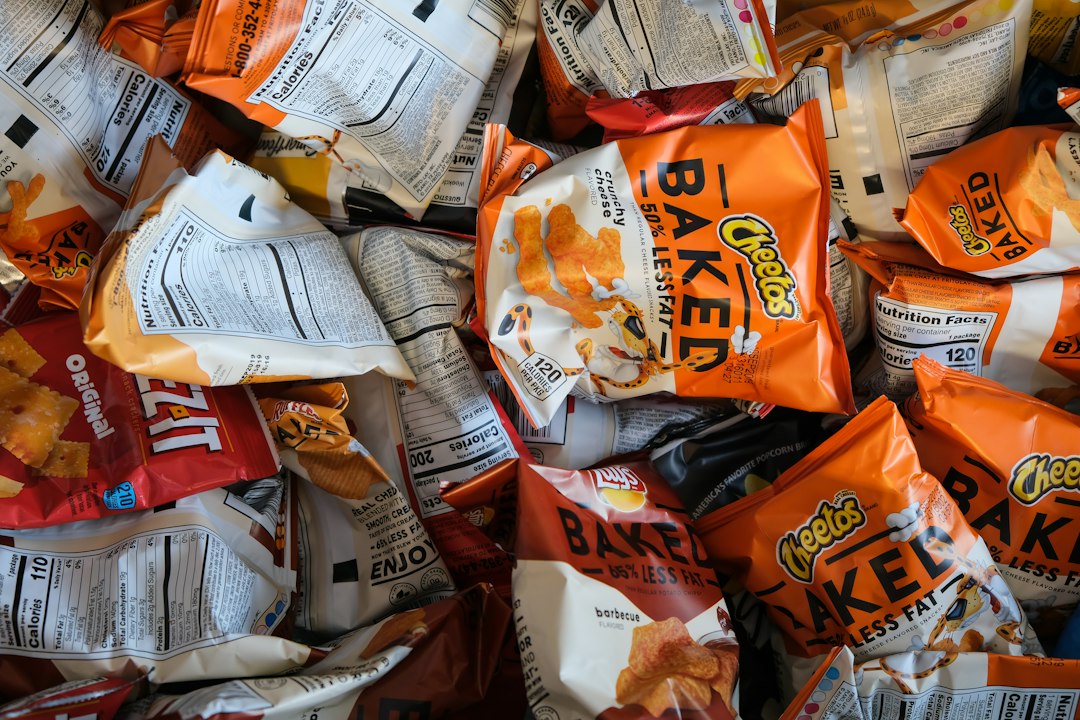
- Serving Size: Always check the “per serving” numbers; the package may contain multiple servings.
- Added Sugars: Aim for <5 g per serving. Look for terms like “sucrose,” “high‑fructose corn syrup,” “de‑xtrose,” “maltitol.”
- Fiber: ≥3 g per serving is a good benchmark for a “high‑fiber” claim.
- Ingredient List: Fewer ingredients usually mean less processing. Whole foods appear first (e.g., “whole wheat flour” vs. “enriched wheat flour”).
- Plan Ahead: If you know you’ll attend a dinner, eat a light, protein‑rich snack beforehand to avoid overeating.
- Portion Control: Use the “hand” method – a palm-sized protein portion, a fist of carbs, and two thumb‑sized servings of fats.
- Mindful Substitutions: Swap creamy dressings for vinaigrettes, choose grilled over fried, request sauce on the side.
- Alcohol Awareness: Alcohol adds empty calories and can impair judgment. Limit to 1‑2 drinks, and drink water between each.
- Food Diary Apps (MyFitnessPal, Cronometer) can help you monitor macro ratios and micronutrient gaps.
- Body Metrics: Track weight, waist circumference, and body composition (if possible) every 2‑4 weeks.
- Energy & Mood Log: Note how you feel after meals; patterns often reveal sensitivities (e.g., dairy, gluten).
Actionable tip: Keep a reusable water bottle at your desk, set a phone reminder every hour, and start each meal with a glass of water to boost intake.
—
2. Nutrition for Specific Goals
2.1 Weight Management – Lose Fat, Keep Muscle
The science: Weight change hinges on energy balance (calories in vs. calories out). However, how those calories are sourced dramatically influences hunger, metabolism, and body composition.
| Strategy | Why It Works | Practical Implementation |
|———-|————–|—————————|
| Prioritize Protein | Increases satiety, preserves lean mass | Aim for 1.2‑1.6 g protein/kg body weight daily |
| Fiber‑Rich Foods | Slows digestion, steadies blood sugar | Add beans, oats, berries, and leafy greens |
| Strength Training | Boosts resting metabolic rate | 2‑3 sessions/week, focusing on compound lifts |
| Mindful Eating | Reduces unconscious snacking | Eat without screens, chew thoroughly, pause before second serving |
Sample 1,800‑Calorie Day for Fat Loss
| Meal | Food | Approx. Calories |
|——|——|——————|
| Breakfast | Greek yogurt (150 g) + mixed berries + 1 tbsp chia seeds | 300 |
| Snack | Apple + 15 g almonds | 180 |
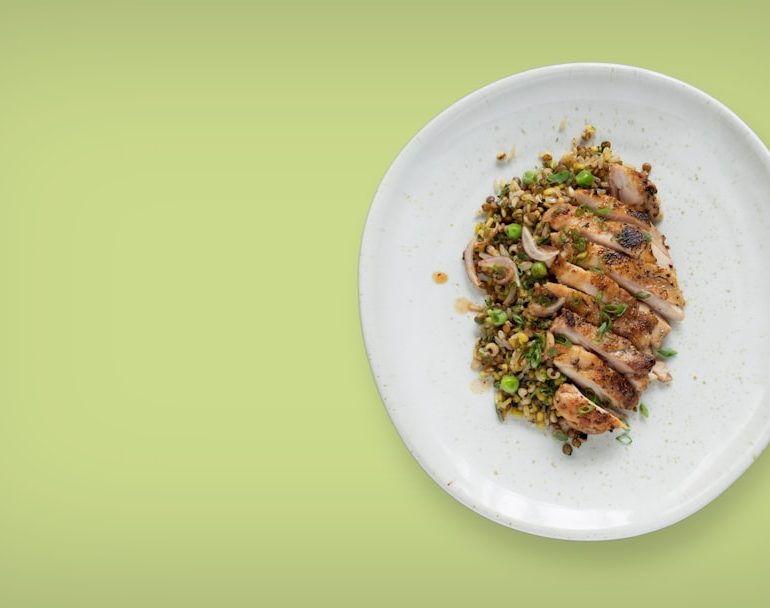
| Lunch | Grilled chicken salad (150 g chicken, mixed greens, quinoa ½ cup, olive‑oil vinaigrette) | 450 |
| Snack | Veggie sticks + hummus (2 tbsp) | 150 |
| Dinner | Baked salmon (120 g) + roasted sweet potatoes (½ cup) + steamed broccoli | 520 |
| Total | | 1,600 (Add a small extra snack if needed) |
2.2 Boosting Brain Power – Nutrition for Focus & Mood
Your brain consumes ~20% of daily calories, primarily glucose. Stable blood‑sugar levels and anti‑oxidant protection are key.
Actionable tip: Start your workday with a “brain‑boosting smoothie”: blend unsweetened almond milk, frozen blueberries, a scoop of plant‑based protein powder, a tablespoon of ground flaxseed, and a handful of spinach.
2.3 Gut Health – The Foundation of Immunity and Metabolism
The gut microbiome (trillions of bacteria) influences digestion, immune response, and even mental health.
Actionable tip: Incorporate at least one fermented food into your daily routine and aim for 25‑30 g of fiber per day (gradually increase to avoid bloating).
2.4 Athletic Performance – Fueling the Active Body
Carb timing:
Electrolytes: For sessions >60 min, replace sodium, potassium, and magnesium with a balanced electrolyte drink or natural options (coconut water, salted veggie juice).
Actionable tip: Prepare a “recovery kit” – a shaker with whey or plant protein, a scoop of maltodextrin or fruit, and a pinch of sea salt. Mix and drink within the post‑exercise window.
—
3. Practical Strategies to Make Nutrition Work for You
3.1 Meal Planning & Prep – The Secret Weapon of Consistency
1. Set a Weekly Theme – e.g., “Mediterranean Monday,” “Stir‑Fry Friday.” This reduces decision fatigue.
2. Create a Master Grocery List – Group items by produce, protein, pantry, dairy, and frozen sections.
3. Batch‑Cook Staples – Cook a large pot of quinoa, roast a sheet of mixed vegetables, grill several chicken breasts, and store in portion‑size containers.
4. Use the “5‑Minute Rule” – If a meal can be assembled in ≤5 minutes (e.g., salad + pre‑cooked protein), it’s a go‑to for busy days.
Sample 3‑Day Prep Sheet
| Day | Breakfast | Lunch | Dinner | Snack |
|—–|———–|——-|——–|——-|
| Mon | Overnight oats (rolled oats, almond milk, chia, berries) | Quinoa bowl (quinoa, black beans, corn, avocado, salsa) | Sheet‑pan salmon + roasted Brussels sprouts | Greek yogurt + walnuts |
| Tue | Veggie‑egg muffins (egg, spinach, bell pepper) | Turkey wrap (whole‑grain tortilla, turkey, hummus, lettuce) | Stir‑fry tofu + mixed veg + brown rice | Apple + peanut butter |
| Wed | Smoothie (spinach, banana, protein powder, oat milk) | Lentil soup + side salad | Grilled chicken + sweet potato mash + green beans | Dark chocolate (20 g) |
3.2 Reading Food Labels – Decode the Marketing Speak
Actionable tip: When grocery shopping, bring a small notebook or use a phone app to record the best choices you find. Over time, you’ll develop an instinct for healthier brands.
3.3 Navigating Social Situations – Stay on Track Without Missing Out
3.4 Tracking Progress – Data‑Driven Adjustments
Actionable tip: Set a weekly “review hour” – 15 minutes to log meals, 15 minutes to analyze trends, 15 minutes to adjust the upcoming week’s plan.
—
4. Debunking Common Nutrition Myths
| Myth | Reality | Practical Takeaway |
|——|———-|——————–|
| “All fats make you gain weight.” | Not all fats are equal. Unsaturated fats (olive oil, nuts) support heart health, while trans‑fats are harmful. | Include healthy fats daily; avoid processed foods with “partially hydrogenated” oils. |
| “Carbs are the enemy.” | Carbohydrates are the body’s primary fuel, especially for brain and high‑intensity activity. | Choose complex carbs with fiber; limit refined sugars. |
| “You need to eat 6‑8 small meals to boost metabolism.” | Meal frequency does not significantly affect basal metabolic rate. Total calories and nutrient quality matter more. | Eat when you’re hungry; focus on balanced meals rather than strict timing. |
| “Gluten‑free is automatically healthier.” | Gluten‑free products can be high in sugar and low in fiber. Only people with celiac disease or gluten sensitivity need to avoid gluten. | If you don’t have a medical reason, choose whole‑grain wheat options for added nutrients. |
| “Detox diets cleanse your body.” | The liver and kidneys already detoxify efficiently; extreme “detox” regimens can cause nutrient deficiencies. | Support natural detox pathways with water, fiber, and antioxidant‑rich foods. |
—
Conclusion – Your Nutrition Blueprint for a Healthier Life
Nutrition isn’t a one‑size‑fits‑all prescription; it’s a flexible, evidence‑based toolkit that you can tailor to your unique goals, lifestyle, and preferences. By mastering the fundamentals—balanced