Are you tired of trying fad diets that promise the world but deliver nothing but disappointment? Do you struggle to stick to a diet plan that doesn’t take into account your unique needs, lifestyle, and goals? You’re not alone. With the overwhelming amount of diet information available, it’s easy to get lost in the sea of conflicting advice and quick fixes. But what if you could create a diet plan that’s tailored to your individual needs, preferences, and health objectives? In this comprehensive guide, we’ll explore the world of personalized diet planning, providing you with the knowledge and tools to transform your body and mind.
Understanding Your Nutritional Needs
Before creating a diet plan, it’s essential to understand your nutritional needs. This involves considering your age, sex, weight, height, activity level, and overall health goals. For example, if you’re an athlete, you’ll require a different diet plan than someone who’s sedentary. Similarly, if you’re trying to manage a health condition like diabetes or high blood pressure, your diet plan will need to take into account specific nutritional requirements. A well-structured diet plan should include a balance of macronutrients (carbohydrates, protein, and fat) and micronutrients (vitamins and minerals) to support optimal health.
To determine your nutritional needs, you can use online calculators or consult with a registered dietitian or healthcare professional. They can help you assess your daily caloric needs, macronutrient ratios, and identify any nutritional deficiencies. Additionally, you can use a food diary or mobile app to track your eating habits, identifying patterns and areas for improvement. By understanding your nutritional needs, you’ll be able to create a diet plan that’s tailored to your unique requirements, setting you up for success and reducing the risk of nutrient deficiencies.
Creating a Personalized Diet Plan
Now that you understand your nutritional needs, it’s time to create a personalized diet plan. This involves setting specific, measurable, achievable, relevant, and time-bound (SMART) goals. For example, you might aim to lose 10 pounds in the next 3 months or reduce your body fat percentage by 5%. Your diet plan should also take into account your lifestyle, including your work schedule, travel frequency, and social habits. By considering these factors, you can create a diet plan that’s realistic, flexible, and sustainable.
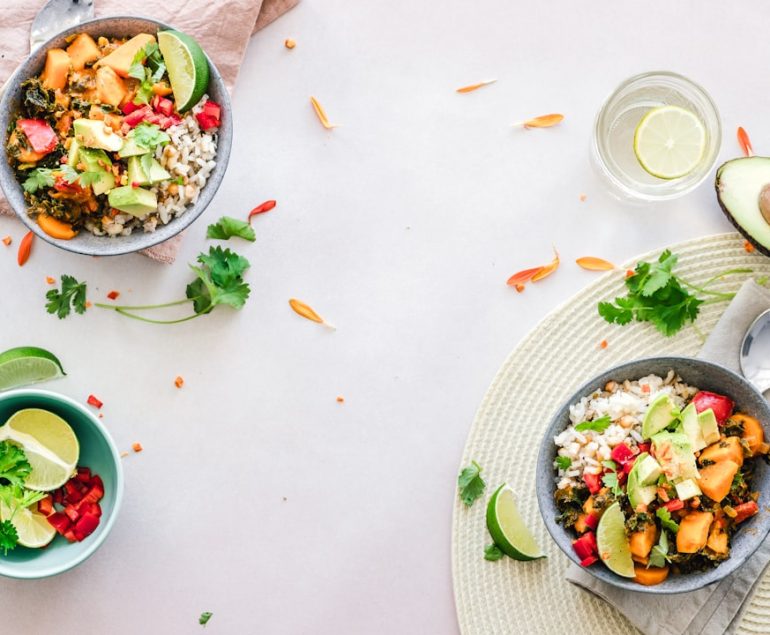
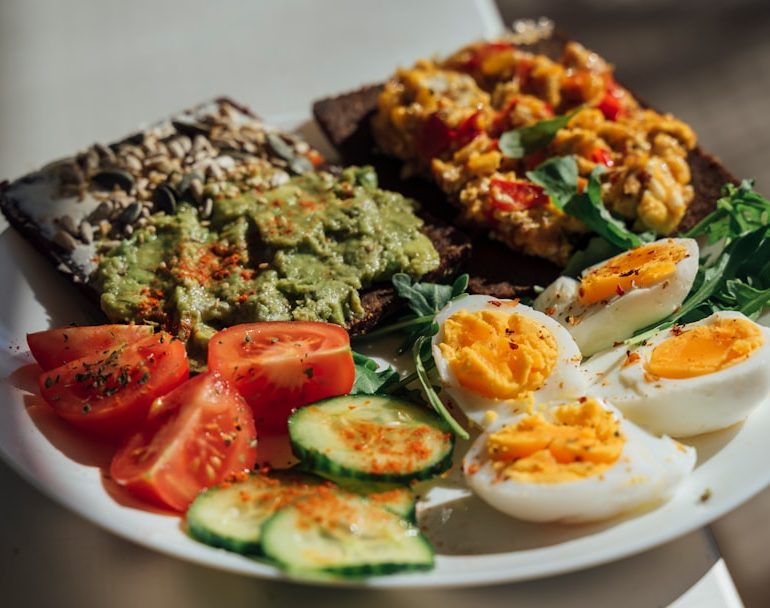
A well-structured diet plan should include a variety of whole, unprocessed foods, such as fruits, vegetables, whole grains, lean proteins, and healthy fats. It’s also essential to stay hydrated by drinking plenty of water throughout the day. You can use a meal planning template or consult with a registered dietitian to create a personalized meal plan that meets your nutritional needs and preferences. Additionally, you can explore different diet approaches, such as the Mediterranean diet, keto diet, or intermittent fasting, to find what works best for you.
Overcoming Common Dieting Challenges
Despite the best intentions, many people struggle to stick to their diet plan. Common challenges include lack of motivation, emotional eating, and social pressure. To overcome these challenges, it’s essential to develop a growth mindset, focusing on progress rather than perfection. You can also use strategies like mindfulness, meditation, and journaling to manage stress and emotional eating. Additionally, you can find a diet buddy or join a support group to stay accountable and motivated.
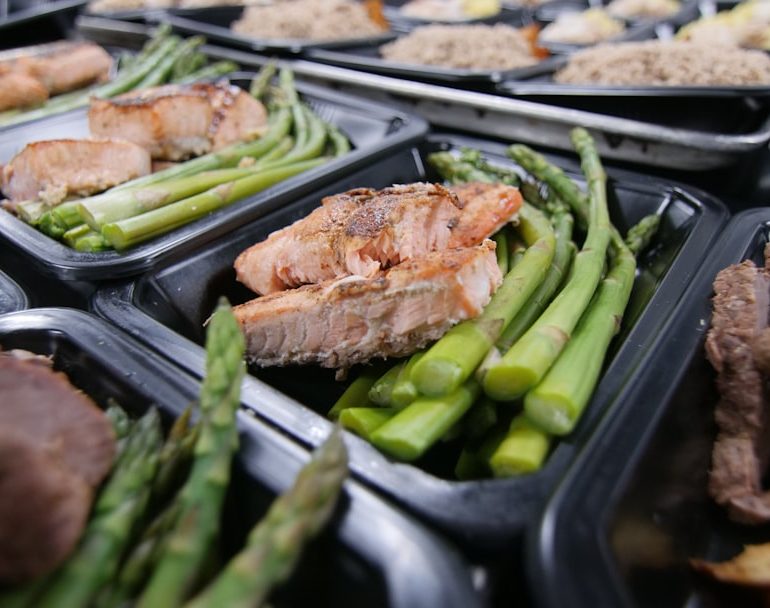
Another challenge many people face is navigating social situations while following a diet plan. This can include eating out, attending parties, or traveling. To overcome these challenges, you can use strategies like meal prepping, packing healthy snacks, and researching restaurants in advance. You can also communicate your dietary needs and preferences with friends and family, asking for their support and understanding. By being prepared and flexible, you can stay on track with your diet plan, even in challenging social situations.
Maintaining a Healthy Relationship with Food
A healthy diet plan is not just about losing weight or achieving a specific body shape; it’s about developing a positive relationship with food and your body. This involves cultivating self-awareness, self-acceptance, and self-compassion. You can practice mindful eating, savoring each bite and paying attention to your hunger and fullness cues. You can also focus on addition rather than subtraction, adding healthy foods to your diet rather than restricting or eliminating certain foods.
It’s also essential to recognize that dieting is not a one-size-fits-all approach. What works for someone else may not work for you, and that’s okay. You can experiment with different diet approaches, finding what works best for your unique needs, preferences, and lifestyle. Additionally, you can prioritize self-care, engaging in activities that bring you joy and relaxation, such as exercise, meditation, or creative pursuits. By maintaining a healthy relationship with food and your body, you’ll be more likely to stick to your diet plan and achieve long-term success.
Conclusion and Key Takeaways
Creating a personalized diet plan is a powerful way to transform your body and mind. By understanding your nutritional needs, setting SMART goals, and developing a growth mindset, you can overcome common dieting challenges and achieve long-term success. Remember to focus on addition rather than subtraction, prioritizing whole, unprocessed foods and staying hydrated. Don’t be too hard on yourself, and practice self-compassion and self-awareness.
Key takeaways from this comprehensive guide include:
- Understanding your nutritional needs is essential for creating a personalized diet plan
- Setting SMART goals and developing a growth mindset can help you overcome common dieting challenges
- A well-structured diet plan should include a variety of whole, unprocessed foods and plenty of water
- Mindful eating, self-awareness, and self-acceptance are essential for maintaining a healthy relationship with food and your body
- Prioritizing self-care and self-compassion can help you stay motivated and focused on your diet plan
By following these principles and tips, you can unlock the power of a personalized diet plan, transforming your body and mind in the process. Remember to be patient, flexible, and kind to yourself, and don’t be afraid to seek support and guidance along the way. With the right mindset and approach, you can achieve your health and wellness goals, living a happier, healthier, and more balanced life.