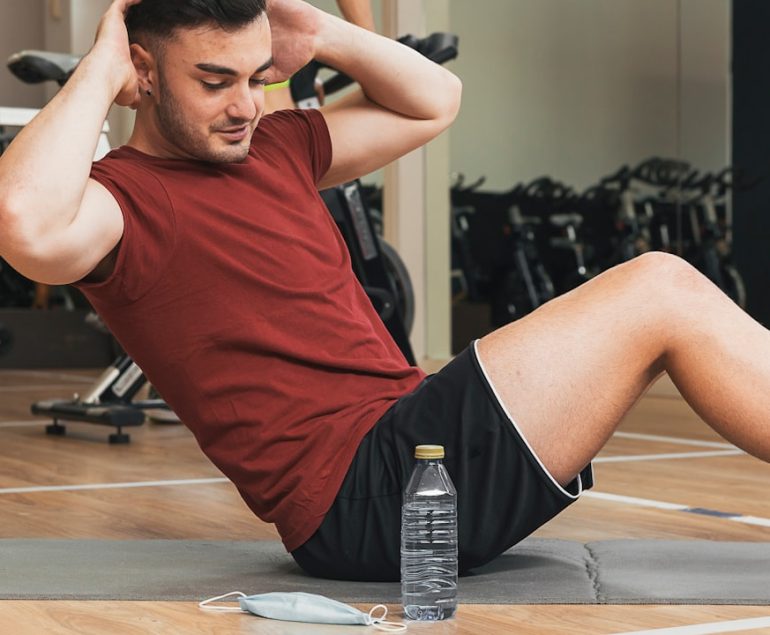
Are you tired of feeling sluggish, stressed, and stuck in a rut? Do you dream of having more energy, confidence, and a stronger, healthier body? If so, you’re not alone. Millions of people around the world are searching for a solution to their health and wellness woes, and the answer is simpler than you might think: exercise. Regular physical activity is a powerful tool that can transform your body and mind, improving your overall quality of life and setting you up for long-term success. In this comprehensive guide, we’ll explore the numerous benefits of exercise, from weight loss and improved cardiovascular health to enhanced mental well-being and increased productivity.
The Physical Benefits of Exercise: A Stronger, Healthier You
When it comes to exercise, many of us think about the physical benefits first. And for good reason – regular physical activity can have a profound impact on our bodies, from weight loss and improved body composition to enhanced athletic performance and reduced risk of chronic disease. Some of the most significant physical benefits of exercise include:
- Weight loss and management: Exercise is a key component of any successful weight loss plan, helping you burn calories, build muscle, and boost your metabolism. Whether you’re looking to shed a few pounds or maintain a healthy weight, regular physical activity can help you achieve your goals.
- Improved cardiovascular health: Exercise is essential for a healthy heart, helping to lower blood pressure, improve circulation, and reduce the risk of heart disease. Regular physical activity can also help improve overall cardiovascular function, increasing endurance and reducing fatigue.
- Increased strength and flexibility: Exercise can help you build strong, toned muscles, improving overall strength and flexibility. This can be especially beneficial for older adults, who may be at risk of age-related muscle loss and decreased mobility.
- Better sleep: Regular physical activity can help improve sleep quality, duration, and depth, leading to better rest and recovery. This can be especially beneficial for individuals who struggle with insomnia or other sleep disorders.
- Reduced stress and anxiety: Exercise is a natural stress-reliever, helping to reduce anxiety and promote relaxation. This can be especially beneficial for individuals who struggle with anxiety disorders or other mental health conditions.
- Improved mood and cognitive function: Regular physical activity can help improve mood, reducing symptoms of depression and anxiety while boosting cognitive function and overall brain health.
- Increased self-esteem and confidence: Exercise can be a powerful confidence-booster, helping you feel stronger, more capable, and more empowered. This can be especially beneficial for individuals who struggle with body image issues or low self-esteem.
- Enhanced creativity and productivity: Exercise can help improve creativity, productivity, and overall focus, making it an essential tool for anyone looking to boost their career or achieve their goals.
- Find an activity you enjoy: Exercise shouldn’t be a chore – it should be something you look forward to. Find an activity that you enjoy, whether it’s walking, running, swimming, or dancing, and make it a regular part of your routine.
- Start small and be consistent: Don’t try to do too much too soon – start small and gradually increase your intensity and duration over time. Consistency is key when it comes to exercise, so aim to make physical activity a regular part of your daily routine.
- Find a workout buddy or accountability partner: Exercising with a friend or family member can be a great way to stay motivated and accountable. Look for a workout buddy or join a fitness community to help you stay on track.
- Track your progress and celebrate your successes: Tracking your progress and celebrating your successes can be a great way to stay motivated and encouraged. Use a fitness tracker or journal to monitor your progress, and reward yourself for reaching your goals.
- Lack of time: One of the most common excuses for not exercising is lack of time. However, the truth is that there are always ways to fit physical activity into your schedule, whether it’s waking up earlier, taking a lunch break workout, or incorporating more movement into your daily routine.
- Lack of motivation: Staying motivated can be a challenge, especially when it comes to exercise. Find ways to make physical activity more enjoyable, such as listening to music or podcasts, exercising with a friend, or trying a new activity.
- Injury or self-doubt: Injury or self-doubt can be a significant barrier to exercise, making it difficult to stay motivated and engaged. Be gentle with yourself, and don’t be afraid to take rest days or modify your routine as needed.
- Exercise is a powerful tool for improving physical and mental health
- Regular physical activity can have a profound impact on weight loss, cardiovascular health, and overall well-being
- Finding an activity you enjoy and starting small can be key to success
- Overcoming common barriers to exercise, such as lack of time and motivation, is crucial for staying on track
- Tracking progress and celebrating successes can help you stay motivated and engaged.
The Mental and Emotional Benefits of Exercise: A Happier, Healthier You
While the physical benefits of exercise are well-documented, the mental and emotional benefits are just as significant. Regular physical activity can have a profound impact on our mood, cognitive function, and overall sense of well-being, reducing stress and anxiety while boosting self-esteem and confidence. Some of the most significant mental and emotional benefits of exercise include:
Getting Started with Exercise: Tips and Strategies for Success
If you’re new to exercise or looking to get back on track, it can be daunting to know where to start. The good news is that getting started with exercise is easier than you might think – and with the right mindset and support, you can achieve your fitness goals and unlock the many benefits of regular physical activity. Here are some tips and strategies for success:
Overcoming Common Barriers to Exercise: Staying Motivated and Engaged
Despite the many benefits of exercise, there are often barriers that can get in the way of our fitness goals. From lack of time and motivation to injury and self-doubt, it’s common to encounter obstacles that can make it difficult to stick with a regular exercise routine. Here are some common barriers to exercise and strategies for overcoming them:
Conclusion: Unlocking the Power of Exercise for a Healthier, Happier You
In conclusion, exercise is a powerful tool that can transform your body and mind, improving your overall quality of life and setting you up for long-term success. From weight loss and improved cardiovascular health to enhanced mental well-being and increased productivity, the benefits of regular physical activity are numerous and well-documented. By finding an activity you enjoy, starting small and being consistent, and overcoming common barriers to exercise, you can unlock the power of exercise and achieve your fitness goals. Remember to stay motivated and engaged, tracking your progress and celebrating your successes along the way. With the right mindset and support, you can harness the many benefits of exercise and live a healthier, happier, more fulfilling life. Key takeaways include: