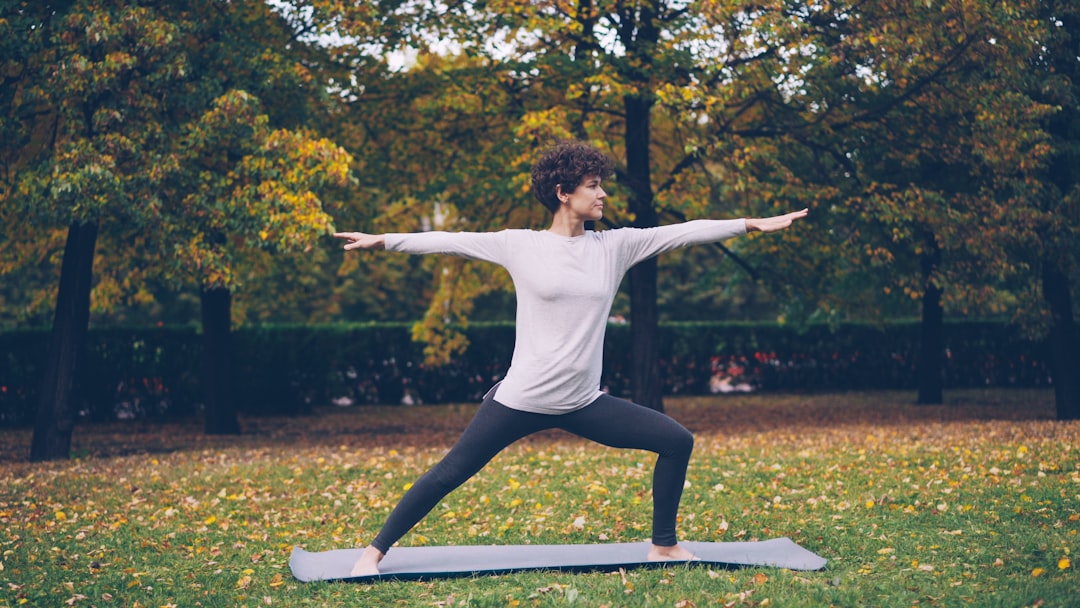
Unlock the Power of Nature: 5 Proven Ways to Stay Healthy and Thrive

As we navigate the complexities of modern life, it’s easy to get caught up in the hustle and bustle and forget about the most important thing: our health. With the constant barrage of processed foods, environmental toxins, and stress, it’s no wonder that many of us are feeling drained, sluggish, and just plain unwell. But what if I told you that there’s a way to break free from the cycle of sickness and disease, and unlock a life of vibrant health and energy? The answer lies in nature, and in this article, we’ll explore the top 5 natural ways to stay healthy, from the food we eat to the way we move our bodies.

The Power of Nutrition: Eating Your Way to Health

When it comes to staying healthy, what we eat plays a huge role. A diet rich in whole, unprocessed foods like fruits, vegetables, whole grains, and lean proteins can provide our bodies with the nutrients we need to function at our best. But it’s not just about what we eat, it’s also about what we avoid. Processed and packaged foods, sugary drinks, and saturated fats can all have a negative impact on our health, leading to chronic diseases like heart disease, diabetes, and certain types of cancer. By making a few simple changes to our diet, such as incorporating more plant-based meals, drinking plenty of water, and limiting our intake of unhealthy snacks, we can significantly reduce our risk of illness and improve our overall well-being.

One of the most effective ways to boost our nutrition is by incorporating more superfoods into our diet. Superfoods are nutrient-dense foods that are packed with vitamins, minerals, and antioxidants, and have been shown to have a range of health benefits, from reducing inflammation to improving cognitive function. Some examples of superfoods include leafy greens like kale and spinach, berries like blueberries and raspberries, and nuts and seeds like walnuts and chia seeds. By adding these foods to our meals and snacks, we can give our bodies the nutrients they need to thrive.

The Importance of Movement: Exercise for a Healthy Body and Mind

Exercise is another crucial component of a healthy lifestyle, and it’s not just about physical health. Regular physical activity has been shown to have a range of benefits, from reducing stress and anxiety to improving mood and cognitive function. Exercise can also help us maintain a healthy weight, reduce our risk of chronic disease, and even improve our sleep quality. But it’s not just about hitting the gym or running a marathon – any type of physical activity can be beneficial, whether it’s walking, swimming, or simply taking the stairs instead of the elevator.

One of the most effective ways to incorporate more exercise into our lives is by finding activities that we enjoy. Whether it’s hiking, dancing, or practicing yoga, exercise shouldn’t be a chore – it should be something that we look forward to. By finding activities that bring us joy and make us feel good, we’re more likely to stick with them and make exercise a regular part of our routine. Additionally, incorporating high-intensity interval training (HIIT) and strength training into our workouts can help us build muscle, boost our metabolism, and improve our overall physical fitness.

The Healing Power of Nature: How Spending Time Outdoors Can Improve Our Health

Spending time in nature has been shown to have a range of health benefits, from reducing stress and anxiety to improving mood and cognitive function. Being in nature can also help us feel more connected to the world around us, and can even inspire a sense of awe and wonder. Whether it’s walking in the woods, hiking in the mountains, or simply spending time in our own backyard, getting outside and into nature can be a powerful way to improve our health and well-being.

One of the most effective ways to incorporate more nature into our lives is by making it a regular part of our routine. This could mean taking a walk outside during our lunch break, spending time in a park or garden on the weekends, or simply sitting outside and enjoying the fresh air. We can also try activities like gardening, birdwatching, or simply taking a few minutes each day to appreciate the beauty of the natural world. By making nature a priority, we can reduce our stress levels, improve our mood, and even reduce our risk of chronic disease.

The Power of Mindfulness: How Meditation and Mindfulness Can Improve Our Health

Mindfulness and meditation are two powerful tools that can help us reduce stress, improve our mood, and even reduce our risk of chronic disease. By taking a few minutes each day to focus on our breath, our body, and the present moment, we can calm our minds, reduce our stress levels, and even improve our cognitive function. Mindfulness and meditation can also help us develop a greater sense of self-awareness, allowing us to better understand our thoughts, feelings, and behaviors, and make positive changes in our lives.

One of the most effective ways to incorporate more mindfulness into our lives is by starting small. This could mean taking a few minutes each day to focus on our breath, practicing yoga or tai chi, or simply paying attention to our thoughts and feelings. We can also try guided meditation, which can help us get started and stay on track. By making mindfulness a regular part of our routine, we can reduce our stress levels, improve our mood, and even improve our overall health and well-being.

Conclusion: Key Takeaways for a Healthier, Happier Life

In conclusion, staying healthy and thriving in today’s fast-paced world requires a holistic approach that incorporates nutrition, movement, nature, and mindfulness. By making a few simple changes to our diet, incorporating more physical activity into our lives, spending time in nature, and practicing mindfulness and meditation, we can significantly improve our health and well-being. Remember, it’s not about making drastic changes or following a specific diet or exercise plan – it’s about making small, sustainable changes that we can maintain over time. By prioritizing our health and well-being, and taking a natural and holistic approach to wellness, we can unlock the power of nature and live a healthier, happier life.

Some key takeaways to keep in mind include:

  • Eating a balanced diet rich in whole, unprocessed foods
  • Incorporating more physical activity into our daily routine
  • Spending time in nature to reduce stress and improve our mood
  • Practicing mindfulness and meditation to reduce stress and improve our cognitive function
  • Making small, sustainable changes that we can maintain over time

By following these simple tips and making a few small changes to our daily routine, we can improve our health, increase our energy, and live a happier, more fulfilling life. So why not give it a try? Unlock the power of nature and start your journey to optimal health and wellness today.


Finding Calm in Chaos: Effective Stress Management Tips for a Healthier You

Are you tired of feeling like you’re drowning in a sea of stress and anxiety? Do you struggle to stay afloat in a world that seems to be moving at an increasingly frantic pace? You’re not alone. Stress has become an unwelcome companion for many of us, affecting not only our mental well-being but also our physical health. The good news is that there are many effective stress management techniques that can help you regain control and find calm in the midst of chaos. In this comprehensive guide, we’ll explore the best stress management tips to help you reduce stress, improve your mood, and increase your overall sense of well-being.

Understanding Stress and Its Impact on Our Lives

Before we dive into the stress management techniques, it’s essential to understand what stress is and how it affects our bodies. Stress is a natural response to a perceived threat or pressure, triggering the release of stress hormones like cortisol and adrenaline. While some stress can be beneficial, helping us stay motivated and focused, chronic stress can have severe consequences on our physical and mental health. Chronic stress has been linked to anxiety, depression, digestive problems, and even cardiovascular disease. It’s crucial to recognize the signs of stress, such as irritability, insomnia, and difficulty concentrating, and take proactive steps to manage it. By acknowledging the impact of stress on our lives, we can begin to develop effective coping strategies and make positive changes.

Effective Stress Management Techniques

Fortunately, there are many stress management techniques that can help you reduce stress and improve your overall well-being. Here are some of the most effective methods:

  • Deep Breathing Exercises: Deep breathing is a simple yet powerful technique that can help calm your mind and body. By focusing on slow, deliberate breaths, you can slow down your heart rate, lower your blood pressure, and reduce stress hormones. Try incorporating deep breathing exercises into your daily routine, such as during your morning meditation or before bed.
  • Physical Activity: Regular exercise is a natural stress-reliever, releasing endorphins that boost your mood and reduce anxiety. Find an activity you enjoy, whether it’s walking, running, yoga, or dancing, and make it a regular part of your routine. Exercise can help reduce stress, improve sleep, and increase energy levels.
  • Mindfulness and Meditation: Mindfulness and meditation are powerful tools for reducing stress and increasing self-awareness. By focusing on the present moment and letting go of worries about the past or future, you can cultivate a sense of calm and clarity. Try incorporating mindfulness exercises, such as body scan meditation or guided meditation, into your daily routine.
  • Time Management: Poor time management can be a significant source of stress, leading to feelings of overwhelm and anxiety. By prioritizing tasks, setting realistic goals, and avoiding procrastination, you can reduce stress and increase productivity. Try using tools like to-do lists, calendars, or project management software to stay organized and focused.
  • Social Support: Social support from friends, family, or a therapist can be a vital component of stress management. Talking to someone about your feelings and concerns can help you process and release emotions, gain new perspectives, and develop coping strategies. Don’t be afraid to reach out to loved ones or seek professional help when you need it.
  • Nutrition and Stress Management

    What we eat can have a significant impact on our stress levels and overall well-being. A healthy diet rich in whole foods, fruits, vegetables, and lean proteins can help reduce stress and improve mood. Here are some nutrition tips to help you manage stress:

  • Stay Hydrated: Dehydration can exacerbate stress, leading to feelings of fatigue, headaches, and irritability. Make sure to drink plenty of water throughout the day, aiming for at least eight glasses.
  • Balance Blood Sugar: Blood sugar fluctuations can contribute to stress and anxiety. Eat regular meals and snacks, including complex carbohydrates, protein, and healthy fats, to maintain stable blood sugar levels.
  • Incorporate Stress-Reducing Foods: Certain foods, such as leafy greens, berries, and fatty fish, contain nutrients and antioxidants that can help reduce stress and improve mood. Try incorporating these foods into your diet, such as adding spinach to your smoothies or snacking on walnuts.
  • Avoid Processed and Sugary Foods: Processed and sugary foods can exacerbate stress, leading to energy crashes, mood swings, and decreased cognitive function. Try to limit your intake of these foods, opting for whole, nutrient-dense foods instead.
  • Conclusion and Key Takeaways

    Stress management is a journey, not a destination. By incorporating these effective stress management techniques into your daily routine, you can reduce stress, improve your mood, and increase your overall sense of well-being. Remember, it’s essential to be patient and compassionate with yourself as you work through the process. Here are the key takeaways from this comprehensive guide:

  • Recognize the signs of stress and take proactive steps to manage it
  • Incorporate stress-reducing techniques, such as deep breathing, physical activity, mindfulness, and meditation, into your daily routine
  • Prioritize time management, social support, and nutrition to reduce stress and improve overall well-being
  • Be patient and compassionate with yourself as you work through the stress management process

By following these stress management tips and making positive changes to your lifestyle, you can find calm in the chaos and cultivate a healthier, happier you. Remember, stress management is a journey, and it’s okay to take it one step at a time. Start today, and take the first step towards a more balanced, peaceful life.

Unlocking the Secrets of Sustainable Weight Loss: A Comprehensive Guide to Achieving Your Dream Body

Are you tired of feeling like you’re stuck in a never-ending cycle of dieting and weight gain? Do you dream of having a healthy, toned body that makes you feel confident and energized? If so, you’re not alone. Millions of people around the world struggle with weight loss, but the good news is that achieving your dream body is within reach. In this comprehensive guide, we’ll explore the secrets of sustainable weight loss, providing you with valuable, actionable information to help you reach your goals and maintain a healthy weight for the long haul.

Understanding the Basics of Weight Loss
Weight loss is a complex process that involves a combination of physical, emotional, and psychological factors. At its core, weight loss occurs when you create a calorie deficit, meaning you burn more calories than you consume. This can be achieved through a variety of methods, including diet, exercise, and lifestyle changes. However, it’s not just about cutting calories or following a fad diet – it’s about adopting a holistic approach to health and wellness that nourishes your body and satisfies your hunger. To get started, it’s essential to understand the different types of weight loss, including:

  • Water weight loss: This type of weight loss occurs when you lose water weight, which can be due to a variety of factors, including dehydration, hormonal changes, or the use of certain medications.
  • Muscle loss: This type of weight loss occurs when you lose muscle mass, which can be due to a lack of protein in your diet, inadequate exercise, or certain medical conditions.
  • Fat loss: This type of weight loss occurs when you lose body fat, which is the most desirable type of weight loss and can be achieved through a combination of diet, exercise, and lifestyle changes.
  • Creating a Weight Loss Plan That Works
    Creating a weight loss plan that works for you involves setting realistic goals, identifying your motivations, and developing a strategy that takes into account your lifestyle, preferences, and needs. Here are some tips to help you get started:

  • Set specific, measurable, and achievable goals: Instead of setting a vague goal to “lose weight,” try setting a specific goal, such as “I want to lose 10 pounds in the next 3 months.”
  • Identify your motivations: What drives you to want to lose weight? Is it to feel more confident, improve your health, or fit into a certain size? Understanding your motivations can help you stay focused and motivated on your weight loss journey.
  • Develop a healthy eating plan: Focus on whole, unprocessed foods, including fruits, vegetables, whole grains, lean proteins, and healthy fats. Aim to include a variety of colors on your plate to ensure you’re getting a range of nutrients.
  • Incorporate physical activity: Aim for at least 150 minutes of moderate-intensity exercise, or 75 minutes of vigorous-intensity exercise, or a combination of both, per week. You can also incorporate strength training, high-intensity interval training (HIIT), and other forms of physical activity to help you reach your goals.
  • Staying on Track and Overcoming Obstacles
    Staying on track with your weight loss plan can be challenging, especially when faced with obstacles such as emotional eating, social pressures, and plateaus. Here are some tips to help you overcome common obstacles and stay on track:

  • Keep track of your progress: Use a food diary or mobile app to track your eating habits, physical activity, and progress. This can help you identify patterns and make adjustments to your plan as needed.
  • Find healthy ways to cope with emotions: Instead of turning to food when you’re stressed, anxious, or bored, try finding healthy ways to cope, such as meditation, yoga, or talking to a friend.
  • Get support: Share your weight loss goals with a friend or family member and ask for their support. Having a support system can help you stay motivated and accountable on your weight loss journey.
  • Be patient and persistent: Weight loss takes time, and it’s normal to experience setbacks along the way. Don’t get discouraged if you don’t see immediate results – stay patient, persistent, and focused on your long-term goals.
  • Maintaining Weight Loss and Preventing Regain
    Maintaining weight loss and preventing regain requires a long-term commitment to healthy habits and lifestyle changes. Here are some tips to help you maintain your weight loss and prevent regain:

  • Continue to monitor your progress: Regularly track your weight, measurements, and progress photos to ensure you’re staying on track.
  • Make healthy habits a part of your lifestyle: Focus on developing healthy habits, such as regular physical activity, healthy eating, and stress management, that you can maintain for the long haul.
  • Stay hydrated: Drinking plenty of water can help you stay full, boost your metabolism, and support overall health and wellness.
  • Get enough sleep: Aim for 7-9 hours of sleep per night to help regulate your appetite, support weight loss, and overall health and wellness.
  • In conclusion, achieving sustainable weight loss requires a comprehensive approach that takes into account your physical, emotional, and psychological needs. By understanding the basics of weight loss, creating a weight loss plan that works for you, staying on track, and maintaining your weight loss, you can unlock the secrets of sustainable weight loss and achieve your dream body. Remember to stay patient, persistent, and focused on your long-term goals, and don’t be afraid to seek support when you need it. With the right mindset and strategies, you can overcome common obstacles and achieve a healthy, toned body that makes you feel confident and energized. Key takeaways include:

  • Creating a calorie deficit through a combination of diet, exercise, and lifestyle changes
  • Setting specific, measurable, and achievable goals
  • Developing a healthy eating plan that focuses on whole, unprocessed foods
  • Incorporating physical activity, such as strength training, HIIT, and other forms of exercise
  • Staying hydrated, getting enough sleep, and managing stress to support overall health and wellness
  • Seeking support from friends, family, or a healthcare professional when needed.

Unlock the Power of Exercise: Transform Your Body, Mind, and Life

Are you tired of feeling sluggish, unmotivated, and stuck in a rut? Do you dream of having a leaner, stronger, and more energetic body? Look no further than exercise, the ultimate game-changer for your overall health and wellbeing. Regular physical activity is a potent tool that can transform your body, mind, and life in countless ways, from boosting your mood and energy levels to improving your sleep, cognitive function, and overall quality of life. In this comprehensive guide, we’ll delve into the numerous benefits of exercise, exploring the science behind its effects and providing you with actionable tips to get you started on your fitness journey.

The Physical Benefits of Exercise: A Deeper Dive

Exercise is often associated with physical health, and for good reason. Regular physical activity can have a profound impact on your body, from improving your cardiovascular health to enhancing your muscular strength and endurance. Some of the key physical benefits of exercise include:

  • Weight management: Exercise is a crucial component of any weight loss or weight management plan, as it helps you burn calories, build muscle, and increase your metabolism. Whether you’re looking to shed a few pounds or maintain your current weight, regular physical activity is essential.
  • Improved cardiovascular health: Exercise has been shown to lower blood pressure, improve circulation, and reduce the risk of heart disease, stroke, and other cardiovascular conditions. Aerobic exercises, such as running, cycling, or swimming, are particularly effective at improving cardiovascular health.
  • Increased strength and flexibility: Resistance training, such as weightlifting or bodyweight exercises, can help you build stronger muscles and improve your flexibility, balance, and overall functional ability. This can be especially beneficial for older adults or individuals with mobility issues.
  • Enhanced bone density: Exercise, particularly weight-bearing activities like running or jumping, can help improve bone density, reducing the risk of osteoporosis and fractures. This is especially important for older adults or individuals with a family history of osteoporosis.
  • The Mental and Emotional Benefits of Exercise: A Holistic Approach

    While the physical benefits of exercise are well-documented, the mental and emotional benefits are just as significant. Regular physical activity can have a profound impact on your mood, cognitive function, and overall mental wellbeing. Some of the key mental and emotional benefits of exercise include:

  • Reduced stress and anxiety: Exercise has been shown to reduce stress and anxiety by releasing endorphins, also known as “feel-good” hormones, which can help calm your mind and body. Activities like yoga, Pilates, or tai chi can be particularly effective at reducing stress and promoting relaxation.
  • Improved mood: Exercise can help alleviate symptoms of depression and anxiety by releasing endorphins and other neurotransmitters that regulate mood. Regular physical activity can also help improve your self-esteem and body confidence.
  • Enhanced cognitive function: Exercise has been shown to improve cognitive function, including memory, concentration, and problem-solving ability. This can be especially beneficial for older adults or individuals with cognitive impairment.
  • Better sleep: Regular physical activity can help improve sleep quality, duration, and depth, which is essential for physical and mental restoration. Aim for at least 30 minutes of moderate-intensity exercise per day to promote better sleep.
  • The Social Benefits of Exercise: Connecting with Others

    Exercise is often seen as a solo activity, but it can also be a powerful tool for social connection and community-building. Some of the key social benefits of exercise include:

  • Meeting new people: Joining a fitness class, gym, or sports team can be a great way to meet new people who share similar interests and goals. This can help you build a sense of community and belonging.
  • Building relationships: Exercise can be a fun and engaging way to spend time with friends and family, whether it’s going for a run, playing a sport, or taking a fitness class together. This can help strengthen your relationships and create lasting memories.
  • Accountability and motivation: Exercising with others can provide a sense of accountability and motivation, helping you stay on track with your fitness goals. Find a workout buddy or join a fitness community to stay motivated and inspired.
  • Social support: Exercise can provide a sense of social support and connection, which is essential for mental and emotional wellbeing. Join a fitness group or find a workout buddy to experience the social benefits of exercise.
  • Getting Started with Exercise: Tips and Strategies

    If you’re new to exercise or looking to get back into a regular routine, it can be overwhelming to know where to start. Here are some tips and strategies to help you get started:

  • Find an activity you enjoy: Engage in physical activities that bring you joy and make you feel good, whether it’s walking, running, swimming, or dancing. This will help you stay motivated and consistent.
  • Start small: Begin with short, manageable sessions (20-30 minutes) and gradually increase the duration and intensity as you become more comfortable. This will help you avoid burnout and prevent injury.
  • Schedule it in: Treat exercise as a non-negotiable part of your daily routine, just like brushing your teeth or taking a shower. Aim for at least 30 minutes of moderate-intensity exercise per day.
  • Find a workout buddy: Exercise with a friend, family member, or personal trainer to provide accountability and motivation. This can help you stay on track and reach your fitness goals.
  • Track your progress: Use a fitness tracker, journal, or mobile app to monitor your progress, set goals, and celebrate your achievements. This will help you stay motivated and inspired.
  • In conclusion, the benefits of exercise are numerous and well-documented, ranging from physical and mental health benefits to social and emotional benefits. By incorporating regular physical activity into your lifestyle, you can transform your body, mind, and life in countless ways. Remember to find an activity you enjoy, start small, schedule it in, find a workout buddy, and track your progress. With consistency and patience, you can unlock the full potential of exercise and experience the many benefits it has to offer. So why not get started today and take the first step towards a healthier, happier, and more fulfilling life?

    Key takeaways:

  • Exercise can have a profound impact on your physical health, including weight management, cardiovascular health, and muscular strength and endurance.
  • Regular physical activity can also have a significant impact on your mental and emotional wellbeing, including reduced stress and anxiety, improved mood, and enhanced cognitive function.
  • Exercise can be a powerful tool for social connection and community-building, helping you meet new people, build relationships, and find accountability and motivation.
  • To get started with exercise, find an activity you enjoy, start small, schedule it in, find a workout buddy, and track your progress.
  • With consistency and patience, you can unlock the full potential of exercise and experience the many benefits it has to offer.

Unlocking the Secrets to Successful Weight Loss: A Comprehensive Guide

Are you tired of feeling self-conscious about your body, struggling to fit into your favorite clothes, or exhausted from the constant cycle of dieting and weight gain? You’re not alone. Millions of people around the world are on a quest to achieve their ideal weight, but with so much misinformation and conflicting advice, it’s easy to get lost in the process. As a seasoned health and wellness enthusiast, I’m here to share with you the most effective strategies for weight loss, backed by science and proven by results. So, if you’re ready to embark on a journey to a healthier, happier you, keep reading!

Understanding Your Body: The Science of Weight Loss

Before we dive into the nitty-gritty of weight loss, it’s essential to understand how our bodies work. Weight loss occurs when we create a calorie deficit, meaning we burn more calories than we consume. This can be achieved through a combination of diet, exercise, and lifestyle changes. Our bodies are composed of various tissues, including fat, muscle, and water, and each plays a unique role in our overall weight. Fat, in particular, is a vital component of our bodies, as it provides energy, insulates our organs, and helps regulate our hormones. However, excess fat can lead to a range of health problems, including obesity, diabetes, and heart disease.

To achieve successful weight loss, it’s crucial to focus on sustainable, long-term changes rather than quick fixes or fad diets. This means adopting a balanced diet that includes plenty of whole foods, such as fruits, vegetables, whole grains, lean proteins, and healthy fats. A well-balanced diet provides our bodies with the necessary nutrients, vitamins, and minerals to function optimally, while also supporting our weight loss goals. Additionally, regular exercise, such as cardio, strength training, and high-intensity interval training (HIIT), can help us build muscle, boost our metabolisms, and burn excess fat.

Nutrition and Meal Planning: The Key to Weight Loss Success

When it comes to weight loss, nutrition plays a vital role. A healthy, balanced diet provides our bodies with the necessary fuel to function optimally, while also supporting our weight loss goals. So, what does a balanced diet look like? Here are some key principles to keep in mind:

  • Eat plenty of protein: Protein is essential for building and repairing muscle tissue, which helps support our metabolisms and burn fat. Aim for 0.8-1 gram of protein per pound of body weight from sources like lean meats, fish, eggs, dairy, and plant-based options.
  • Focus on whole foods: Whole foods, such as fruits, vegetables, whole grains, and lean proteins, provide our bodies with the necessary nutrients, vitamins, and minerals to function optimally. Aim for a variety of colorful fruits and vegetables, whole grains, and lean proteins at each meal.
  • Healthy fats are essential: Healthy fats, such as avocado, nuts, and olive oil, provide our bodies with energy, support our heart health, and help regulate our hormones. Include a source of healthy fat at each meal.
  • Stay hydrated: Adequate hydration is essential for overall health and weight loss. Aim for at least 8 cups (64 ounces) of water per day, and limit sugary drinks and caffeine.
  • Meal planning is also a crucial component of successful weight loss. By planning our meals in advance, we can ensure that we’re getting the necessary nutrients, while also saving time and money. Here are some tips for effective meal planning:

  • Plan your meals around whole foods: Focus on whole foods, such as fruits, vegetables, whole grains, and lean proteins, and plan your meals around these foods.
  • Cook at home: Cooking at home allows us to control the ingredients and portion sizes of our meals, which is essential for weight loss. Aim to cook at home most nights of the week.
  • Prep in advance: Prepping our meals in advance can save us time and money, while also ensuring that we’re getting the necessary nutrients. Consider prepping our lunches and dinners for the next day or two.
  • Exercise and Physical Activity: Boosting Our Metabolisms and Burning Fat

    Regular exercise is a vital component of successful weight loss. Exercise not only helps us burn excess fat, but it also builds muscle, boosts our metabolisms, and improves our overall health. Here are some effective ways to incorporate exercise into our weight loss routine:

  • Find an exercise you enjoy: Exercise shouldn’t be a chore. Find an exercise that you enjoy, whether it’s walking, running, swimming, or dancing, and aim to do it for at least 30 minutes per day.
  • Incorporate strength training: Strength training helps build muscle, which supports our metabolisms and burns fat. Aim for 2-3 strength training sessions per week, focusing on compound exercises like squats, deadlifts, and bench press.
  • Try HIIT: High-intensity interval training (HIIT) is a highly effective way to burn fat and boost our metabolisms. HIIT involves short bursts of high-intensity exercise followed by brief periods of rest. Aim for 2-3 HIIT sessions per week.
  • Overcoming Obstacles and Staying Motivated: The Key to Long-Term Weight Loss Success

    Weight loss can be a challenging and emotional journey, and it’s common to encounter obstacles along the way. Here are some strategies for overcoming common obstacles and staying motivated:

  • Set realistic goals: Setting realistic goals is essential for weight loss success. Aim to lose 1-2 pounds per week, and focus on progress, not perfection.
  • Find a support system: Having a support system, such as a friend, family member, or weight loss group, can help us stay motivated and accountable.
  • Track our progress: Tracking our progress, whether it’s through a food diary, weight loss app, or progress photos, can help us stay motivated and see the results of our hard work.
  • Conclusion: Key Takeaways for Successful Weight Loss

    Weight loss is a journey, not a destination. By focusing on sustainable, long-term changes, rather than quick fixes or fad diets, we can achieve our ideal weight and improve our overall health. Here are the key takeaways from this comprehensive guide to weight loss:

  • Focus on whole foods: Whole foods, such as fruits, vegetables, whole grains, and lean proteins, provide our bodies with the necessary nutrients, vitamins, and minerals to function optimally.
  • Incorporate regular exercise: Regular exercise, such as cardio, strength training, and HIIT, helps us build muscle, boost our metabolisms, and burn excess fat.
  • Stay hydrated: Adequate hydration is essential for overall health and weight loss. Aim for at least 8 cups (64 ounces) of water per day.
  • Get enough sleep: Adequate sleep is essential for weight loss, as it helps regulate our hormones, supports our metabolisms, and reduces inflammation. Aim for 7-9 hours of sleep per night.
  • Be patient and persistent: Weight loss takes time, patience, and persistence. Focus on progress, not perfection, and celebrate small victories along the way.

By following these principles and strategies, we can achieve our ideal weight, improve our overall health, and live a happier, healthier life. Remember, weight loss is a journey, and it’s okay to take it one step at a time. So, let’s get started today and unlock the secrets to successful weight loss!

Nurturing Your Mind, Body, and Soul: The Ultimate Guide to Creating a Self-Care Routine

In today’s fast-paced world, it’s easy to get caught up in the hustle and bustle of daily life and forget to take care of one of the most important people – yourself. Self-care is not just a luxury, it’s a necessity for maintaining your physical, mental, and emotional well-being. By incorporating a self-care routine into your daily life, you can improve your mood, increase your energy levels, and even boost your productivity. But where do you start? In this comprehensive guide, we’ll explore the world of self-care and provide you with actionable tips and tricks to create a routine that nourishes your mind, body, and soul.

Understanding the Importance of Self-Care

Self-care is often misunderstood as being selfish or indulgent, but it’s actually an essential part of maintaining a healthy and happy life. When you take care of yourself, you’re better equipped to handle the challenges that come your way, and you’re more likely to achieve your goals. Self-care is not just about pampering yourself with spa days and massages (although, let’s be real, those things are amazing too). It’s about making intentional choices that promote your overall well-being. This can include things like exercise, meditation, journaling, and spending time in nature. By prioritizing self-care, you can reduce stress and anxiety, improve your sleep, and even boost your immune system.

Building a Self-Care Routine

So, how do you create a self-care routine that works for you? It’s all about experimentation and finding what makes you feel good. Here are some tips to get you started:

  • Start small: Begin with one or two self-care activities per day, such as taking a short walk or practicing deep breathing exercises.
  • Listen to your body: Pay attention to what your body is telling you. If you’re feeling tired, it may be time for a nap or a relaxing bath. If you’re feeling anxious, it may be time for some meditation or yoga.
  • Make it a habit: Incorporate self-care into your daily routine, just like brushing your teeth or taking a shower.
  • Be kind to yourself: Remember that self-care is not a one-size-fits-all approach. It’s okay to try new things and make mistakes. The most important thing is to be kind to yourself and listen to your needs.
  • Some popular self-care activities include:

  • Exercise: Whether it’s yoga, running, or weightlifting, exercise is a great way to release endorphins and improve your mood.
  • Mindfulness: Practices like meditation and deep breathing can help reduce stress and anxiety.
  • Creative expression: Engage in creative activities like painting, writing, or photography to express yourself and tap into your imagination.
  • Social connection: Spend time with loved ones, join a community group, or volunteer to build meaningful relationships and a sense of belonging.
  • Self-Care for Busy Lives

    One of the biggest excuses for not prioritizing self-care is lack of time. But the truth is, self-care is not a luxury that only people with lots of free time can afford. Even if you have a busy schedule, there are still ways to incorporate self-care into your daily life. Here are some tips for busy people:

  • Take advantage of micro-moments: Use short breaks throughout the day to practice deep breathing, stretch, or do a quick meditation.
  • Incorporate self-care into your daily commute: Listen to a podcast, audiobook, or guided meditation on your way to work.
  • Use technology to your advantage: Download self-care apps, like Headspace or Calm, that offer guided meditations and relaxation techniques.
  • Schedule self-care into your calendar: Treat self-care as a non-negotiable appointment and schedule it into your daily planner.
  • Some self-care activities that are perfect for busy lives include:

  • Morning routines: Start your day with a consistent morning routine that sets you up for success, such as drinking a glass of water, journaling, or practicing yoga.
  • Lunch breaks: Use your lunch break to take a walk, do some stretching, or practice deep breathing exercises.
  • Bedtime routines: Wind down before bed with a relaxing bath, a good book, or a calming tea.
  • Self-Care for Mental Health

    Self-care is especially important for mental health. When you prioritize self-care, you’re better equipped to manage stress, anxiety, and other mental health challenges. Here are some self-care activities that are specifically beneficial for mental health:

  • Therapy: Consider seeking professional help from a therapist or counselor to work through challenging emotions and develop coping strategies.
  • Journaling: Write down your thoughts and feelings to process and release emotions.
  • Creative expression: Engage in creative activities like art, music, or writing to express yourself and tap into your imagination.
  • Social connection: Build meaningful relationships with loved ones, join a community group, or volunteer to build a sense of belonging and connection.
  • Some self-care tips for mental health include:

  • Practice self-compassion: Treat yourself with kindness and understanding, just as you would a close friend.
  • Challenge negative thoughts: Notice when you’re engaging in negative self-talk and challenge those thoughts with more positive and realistic ones.
  • Take breaks: Allow yourself time to rest and recharge, especially when you’re feeling overwhelmed or burnt out.
  • Seek support: Don’t be afraid to reach out for help when you need it, whether it’s a friend, family member, or mental health professional.
  • Conclusion and Key Takeaways

    Creating a self-care routine is a personal and ongoing process that requires patience, kindness, and compassion. By prioritizing self-care, you can improve your overall well-being, reduce stress and anxiety, and increase your energy levels. Remember, self-care is not a one-size-fits-all approach, and it’s okay to try new things and make mistakes. The most important thing is to listen to your body and mind, and make intentional choices that promote your health and happiness. Here are the key takeaways from this guide:

  • Self-care is essential for maintaining physical, mental, and emotional well-being.
  • Experiment with different self-care activities to find what works best for you.
  • Incorporate self-care into your daily routine, even if it’s just a few minutes per day.
  • Be kind to yourself and listen to your body and mind.
  • Prioritize self-care for mental health, and don’t be afraid to seek help when you need it.

By following these tips and making self-care a priority, you can live a happier, healthier, and more fulfilling life. So, take a deep breath, be kind to yourself, and start nurturing your mind, body, and soul today.

Nourishing Your Body: The Ultimate Guide to Unlocking Optimal Nutrition

As the old adage goes, “you are what you eat.” In today’s fast-paced world, it’s easy to get caught up in the hustle and bustle of daily life and neglect our diets. But the truth is, proper nutrition is the foundation of a healthy, happy, and thriving existence. With the overwhelming amount of information available, it can be daunting to navigate the world of nutrition and make informed decisions about what to put in your body. That’s why we’ve put together this comprehensive guide to help you unlock the secrets of optimal nutrition and start nourishing your body from the inside out.

Understanding the Basics of Nutrition

Before we dive into the nitty-gritty of nutrition, it’s essential to understand the fundamental principles. Nutrition refers to the process of providing your body with the necessary nutrients, vitamins, and minerals to function properly. A well-balanced diet should include a variety of whole foods, including fruits, vegetables, whole grains, lean proteins, and healthy fats. These foods provide the essential building blocks for energy production, growth, and repair, and can help prevent chronic diseases like heart disease, diabetes, and certain types of cancer.

When it comes to nutrition, it’s not just about what you eat, but also how you eat. Developing healthy eating habits, such as eating regular meals, staying hydrated, and avoiding excessive sugar and salt, can have a significant impact on your overall health and wellbeing. Additionally, being mindful of your food choices and paying attention to your body’s nutritional needs can help you make informed decisions and avoid common pitfalls like overeating or undereating.

The Importance of Macronutrients

Macronutrients are the three main categories of nutrients that provide energy and support growth and maintenance of body tissues. They include carbohydrates, protein, and fat, and are essential for maintaining optimal health. Carbohydrates, such as whole grains, fruits, and vegetables, provide energy for the body and are an important source of fiber, vitamins, and minerals. Protein, found in foods like lean meats, fish, eggs, and legumes, is necessary for building and repairing tissues, including muscles, bones, and skin. Healthy fats, like those found in nuts, seeds, avocados, and olive oil, support heart health and provide sustained energy.

Understanding the importance of macronutrients can help you make informed decisions about your diet and ensure you’re getting the necessary nutrients to support optimal health. For example, if you’re an athlete or engage in regular physical activity, you may require more protein to support muscle growth and repair. On the other hand, if you’re trying to manage your weight, you may need to focus on balancing your carbohydrate and fat intake to support a healthy metabolism.

The Role of Micronutrients

Micronutrients, including vitamins and minerals, play a vital role in maintaining optimal health and preventing chronic diseases. These essential nutrients help regulate various bodily functions, such as energy production, immune function, and nerve function, and can have a significant impact on overall wellbeing. Vitamin D, for example, is essential for bone health and immune function, while iron is necessary for healthy red blood cells. Other important micronutrients include calcium, vitamin B12, and omega-3 fatty acids, which support heart health, nerve function, and brain function.

Incorporating a variety of whole foods into your diet can help ensure you’re getting the necessary micronutrients to support optimal health. Foods like leafy greens, bell peppers, and citrus fruits are rich in vitamins and minerals, while fatty fish, nuts, and seeds provide essential omega-3 fatty acids. Additionally, considering supplements or fortified foods can help fill any nutritional gaps and support overall health and wellbeing.

Nutrition and Lifestyle

While nutrition is a critical component of overall health, it’s not the only factor. Lifestyle habits, such as physical activity, sleep, and stress management, also play a significant role in maintaining optimal health and wellbeing. Regular physical activity, for example, can help regulate appetite, support weight management, and improve overall mental and physical health. Aim for at least 150 minutes of moderate-intensity exercise or 75 minutes of vigorous-intensity exercise per week, and incorporate strength training, high-intensity interval training (HIIT), and other forms of physical activity to keep things interesting and prevent plateaus.

Getting enough sleep is also essential for overall health and wellbeing. During sleep, your body repairs and regenerates tissues, builds bone and muscle, and strengthens your immune system. Aim for 7-9 hours of sleep per night and prioritize relaxation techniques, such as meditation, deep breathing, or yoga, to help manage stress and promote a restful night’s sleep.

Putting it All Together

Nourishing your body with optimal nutrition is a journey, not a destination. By understanding the basics of nutrition, incorporating a variety of whole foods into your diet, and developing healthy lifestyle habits, you can unlock the secrets of optimal nutrition and start thriving from the inside out. Remember, it’s not about perfection – it’s about progress. Start by making small changes to your diet and lifestyle, and gradually work your way towards a healthier, happier you.

In conclusion, nutrition is a complex and multifaceted field, but by breaking it down into manageable components, you can take control of your health and wellbeing. Remember to focus on whole, nutrient-dense foods, stay hydrated, and prioritize lifestyle habits like physical activity, sleep, and stress management. With patience, persistence, and a willingness to learn, you can unlock the secrets of optimal nutrition and start living your best life. Key takeaways include:

  • Eating a variety of whole foods to ensure adequate macronutrient and micronutrient intake
  • Developing healthy lifestyle habits, such as regular physical activity and stress management
  • Prioritizing sleep and relaxation techniques to support overall health and wellbeing
  • Staying informed and up-to-date on the latest nutrition research and recommendations
  • Being patient and kind to yourself as you navigate the journey towards optimal nutrition and overall health.

By following these principles and staying committed to your health and wellbeing, you can unlock the secrets of optimal nutrition and start thriving from the inside out. So why wait? Start your journey today and discover the transformative power of nutrition for yourself.

Unlock the Power of Self-Care: A Comprehensive Guide to Transforming Your Life

As we navigate the complexities of modern life, it’s easy to get caught up in the hustle and bustle of daily routines, leaving our own well-being on the backburner. But what if we told you that prioritizing self-care could be the key to unlocking a happier, healthier, and more fulfilling life? In this comprehensive guide, we’ll delve into the world of self-care, exploring the benefits, essential practices, and expert tips to help you create a personalized routine that nourishes your mind, body, and soul.

What is Self-Care and Why is it Important?

Self-care is often misunderstood as a luxury or an indulgence, but in reality, it’s a vital aspect of maintaining our overall health and well-being. Self-care refers to the intentional actions we take to care for our physical, emotional, and mental health. It’s about recognizing our own needs and taking proactive steps to meet them, rather than relying on others to fill the gap. By prioritizing self-care, we can improve our resilience, boost our mood, and enhance our overall quality of life. In fact, studies have shown that self-care can have a positive impact on our mental health, reducing stress and anxiety while promoting relaxation and calmness.

When it comes to self-care, it’s essential to understand that it’s not a one-size-fits-all approach. What works for one person may not work for another, and that’s okay. The key is to experiment and find what works best for you. Whether it’s reading a book, taking a relaxing bath, or practicing yoga, self-care is all about making intentional choices that promote our well-being. By incorporating self-care into our daily routines, we can experience a range of benefits, including improved sleep, increased energy, and a stronger immune system.

Building a Self-Care Routine: Essential Practices

Creating a self-care routine can seem daunting, but it doesn’t have to be. Start by identifying your needs and priorities, and then experiment with different practices to find what works best for you. Here are some essential self-care practices to get you started:

  • Mindfulness and meditation: Mindfulness and meditation are powerful tools for reducing stress and anxiety. Take a few minutes each day to sit quietly, focus on your breath, and let go of distractions.
  • Physical activity: Regular exercise is essential for our physical and mental health. Find an activity you enjoy, whether it’s walking, running, or dancing, and aim to do it for at least 30 minutes a day.
  • Journaling: Journaling is a great way to process your thoughts and emotions, and can be a powerful tool for self-reflection and growth. Take a few minutes each day to write down your thoughts, feelings, and gratitudes.
  • Social connection: Social connection is vital for our emotional and mental well-being. Make time for activities that bring you joy and connection, such as spending time with loved ones, joining a club or group, or volunteering.
  • Remember, self-care is not a one-time event, but a continuous process. It’s about making intentional choices each day to prioritize your well-being and take care of yourself. By incorporating these essential practices into your daily routine, you can experience a range of benefits and improve your overall quality of life.

    Advanced Self-Care Techniques: Taking Your Routine to the Next Level

    Once you’ve established a solid self-care routine, it’s time to take it to the next level. Here are some advanced self-care techniques to help you deepen your practice and experience even greater benefits:

  • Self-compassion: Self-compassion is the practice of treating yourself with kindness, understanding, and patience. Take time to reflect on your self-talk and work on cultivating a more compassionate and supportive inner voice.
  • Boundary-setting: Boundary-setting is essential for maintaining healthy relationships and prioritizing your own needs. Learn to say “no” without guilt or apology, and set clear boundaries with others to protect your time and energy.
  • Self-care rituals: Self-care rituals are intentional practices that promote relaxation, calmness, and connection. Try incorporating rituals such as lighting candles, taking a relaxing bath, or practicing yoga into your daily routine.
  • Digital detox: Digital detox is the practice of disconnecting from technology and social media to promote relaxation and calmness. Try taking a break from your devices each day or setting aside device-free time to relax and unwind.
  • By incorporating these advanced self-care techniques into your routine, you can experience even greater benefits and take your self-care practice to the next level. Remember, self-care is a journey, not a destination, and it’s okay to take things one step at a time.

    Overcoming Self-Care Obstacles: Tips and Strategies

    Despite our best intentions, it’s easy to let self-care fall by the wayside. Here are some common obstacles to self-care, along with tips and strategies for overcoming them:

  • Lack of time: If you’re struggling to find time for self-care, try incorporating small moments of self-care into your daily routine, such as taking a few deep breaths or stretching during commercial breaks.
  • Self-care guilt: If you’re feeling guilty about prioritizing self-care, remind yourself that taking care of yourself is essential for your overall well-being and ability to show up for others.
  • Self-care burnout: If you’re feeling burned out or exhausted from trying to prioritize self-care, take a step back and reassess your routine. Remember that self-care is not a one-size-fits-all approach, and it’s okay to take things one step at a time.
  • By acknowledging these common obstacles and using these tips and strategies, you can overcome any challenges that come your way and maintain a consistent self-care routine.

    Conclusion: Key Takeaways and Next Steps

    In conclusion, self-care is a powerful tool for transforming our lives and promoting overall health and well-being. By prioritizing self-care and incorporating intentional practices into our daily routines, we can experience a range of benefits, from improved mental health and resilience to increased energy and relaxation. Remember, self-care is not a luxury or an indulgence, but a vital aspect of maintaining our overall health and well-being.

    As you embark on your own self-care journey, keep the following key takeaways in mind:

  • Self-care is a personal and individualized practice that requires experimentation and patience.
  • Prioritizing self-care is essential for maintaining our overall health and well-being.
  • Self-care is not a one-size-fits-all approach, and it’s okay to take things one step at a time.

By incorporating these key takeaways into your daily routine and making intentional choices to prioritize your own well-being, you can unlock the power of self-care and transform your life from the inside out. So why not start today? Take a deep breath, grab a journal, and begin your self-care journey. Your mind, body, and soul will thank you.

Unlock the Power of Exercise: Transform Your Body and Mind with Regular Physical Activity

Are you tired of feeling sluggish, unmotivated, and stuck in a rut? Do you want to boost your energy levels, improve your mood, and enhance your overall well-being? If so, it’s time to unlock the power of exercise and discover the numerous benefits that regular physical activity can bring to your life. Exercise is often touted as a magic bullet for weight loss, but its advantages extend far beyond the number on the scale. From improving mental health and cognitive function to reducing chronic disease risk and increasing longevity, the benefits of exercise are vast and varied. In this comprehensive guide, we’ll delve into the world of exercise and explore the many ways it can transform your body and mind.

The Physical Benefits of Exercise

Regular exercise is a powerful tool for improving physical health, and its benefits are evident in numerous aspects of our bodily functions. For starters, exercise is essential for maintaining a healthy weight, as it helps to burn calories, build muscle, and boost metabolism. This, in turn, can reduce the risk of obesity-related diseases, such as diabetes, heart disease, and certain types of cancer. Exercise also plays a critical role in maintaining strong bones and joints, reducing the risk of osteoporosis and fractures. Additionally, regular physical activity has been shown to improve sleep quality, increase energy levels, and enhance overall physical function, making it easier to perform daily tasks and maintain independence as we age.

One of the most significant physical benefits of exercise is its impact on cardiovascular health. Regular physical activity helps to lower blood pressure, improve blood lipid profiles, and enhance blood flow, all of which can reduce the risk of heart disease, stroke, and other cardiovascular conditions. Exercise has also been shown to reduce inflammation, improve immune function, and enhance the body’s natural antioxidant defenses, all of which can help to protect against chronic diseases. Furthermore, exercise can help to improve physical function in individuals with chronic diseases, such as arthritis, Parkinson’s disease, and multiple sclerosis, making it an essential component of disease management.

The Mental and Emotional Benefits of Exercise

While the physical benefits of exercise are well-documented, the mental and emotional advantages are just as significant. Exercise has been shown to have a profound impact on mental health, reducing symptoms of anxiety and depression, improving mood, and enhancing overall sense of well-being. This is due, in part, to the release of endorphins, also known as “feel-good” hormones, which are produced by the body during physical activity. Endorphins interact with the brain’s opioid receptors, producing a natural high that can help to alleviate symptoms of anxiety and depression.

Exercise has also been shown to improve cognitive function, enhancing memory, concentration, and problem-solving skills. This is particularly important for older adults, as regular physical activity can help to reduce the risk of age-related cognitive decline and dementia. Additionally, exercise has been shown to improve self-esteem, body image, and overall confidence, making it an essential component of mental health and wellness. By incorporating exercise into your daily routine, you can experience the many mental and emotional benefits that it has to offer, from reduced stress and anxiety to improved mood and overall sense of well-being.

The Social Benefits of Exercise

While exercise is often viewed as a solo activity, it can also have a profound impact on our social lives. Joining a fitness class, sports team, or exercise group can provide opportunities to meet new people, build relationships, and develop a sense of community. This can be particularly important for individuals who are new to an area, looking to expand their social circle, or seeking to meet like-minded individuals. Exercise can also provide a sense of accountability and motivation, as working out with others can help to keep you on track and inspired to reach your fitness goals.

Furthermore, exercise can be a fun and enjoyable activity, providing a much-needed break from the stresses of daily life. Whether it’s playing a sport, hiking in nature, or simply taking a walk around the block, exercise can be a great way to get outside, enjoy the fresh air, and connect with others. By incorporating social elements into your exercise routine, you can experience the many benefits that it has to offer, from improved mental health and well-being to increased motivation and accountability.

Getting Started with Exercise

If you’re new to exercise or looking to get back into a regular routine, it can be overwhelming to know where to start. The good news is that there are countless ways to get moving, and the most important thing is to find an activity that you enjoy and can stick to in the long term. This might involve trying out a new fitness class, working with a personal trainer, or simply taking a walk around the block. The key is to start small, set realistic goals, and gradually increase the intensity and duration of your workouts over time.

It’s also important to listen to your body and honor its needs, particularly if you’re just starting out. This might involve taking rest days, modifying exercises to accommodate injuries or chronic conditions, or seeking guidance from a healthcare professional or fitness expert. By prioritizing your health and well-being, you can experience the many benefits of exercise and enjoy a happier, healthier life. Remember, exercise is a journey, not a destination, and the most important thing is to find a routine that works for you and that you can maintain in the long term.

Conclusion and Key Takeaways

In conclusion, the benefits of exercise are vast and varied, extending far beyond the physical realm to impact our mental, emotional, and social well-being. By incorporating regular physical activity into your daily routine, you can experience the many advantages that exercise has to offer, from improved physical health and mental well-being to increased energy levels and enhanced overall quality of life. Whether you’re a seasoned athlete or just starting out, the key is to find an activity that you enjoy, set realistic goals, and prioritize your health and well-being above all else.

Some key takeaways to keep in mind include:

  • Exercise is essential for maintaining physical health, reducing chronic disease risk, and improving overall well-being.
  • Regular physical activity can have a profound impact on mental health, reducing symptoms of anxiety and depression, improving mood, and enhancing overall sense of well-being.
  • Exercise can be a fun and social activity, providing opportunities to meet new people, build relationships, and develop a sense of community.
  • The most important thing is to find an activity that you enjoy and can stick to in the long term, rather than trying to follow a specific workout routine or regimen.
  • Listen to your body, honor its needs, and prioritize your health and well-being above all else.

By following these tips and incorporating exercise into your daily routine, you can unlock the power of physical activity and transform your body and mind in the process. So why not get started today, and experience the many benefits that exercise has to offer? Your body – and mind – will thank you.

Unlocking the Power of Daily Wellness: A Comprehensive Guide to Transforming Your Life

Are you tired of feeling sluggish, stressed, and rundown? Do you struggle to find the energy and motivation to tackle your daily tasks and pursue your passions? You’re not alone. In today’s fast-paced world, it’s easy to get caught up in the hustle and bustle of life and neglect our own well-being. However, by incorporating a daily wellness routine into your lifestyle, you can experience a profound transformation that will leave you feeling refreshed, revitalized, and ready to take on the world. In this article, we’ll explore the importance of daily wellness, provide actionable tips and strategies for creating a personalized routine, and discuss the benefits of prioritizing self-care in your daily life.

Understanding the Importance of Daily Wellness

Daily wellness is not just a buzzword or a trend; it’s a vital aspect of maintaining a healthy and balanced lifestyle. By incorporating wellness practices into your daily routine, you can improve your physical health, boost your mental clarity and focus, and enhance your overall quality of life. Daily wellness encompasses a wide range of activities, including exercise, meditation, nutrition, and self-care. By making wellness a priority, you can reduce your risk of chronic diseases, such as heart disease, diabetes, and obesity, and increase your energy levels, resilience, and overall sense of well-being.

One of the key benefits of daily wellness is its ability to reduce stress and anxiety. Chronic stress can have a devastating impact on both physical and mental health, leading to conditions such as depression, anxiety disorders, and even cardiovascular disease. By incorporating stress-reducing activities, such as yoga, deep breathing, or meditation, into your daily routine, you can mitigate the negative effects of stress and cultivate a sense of calm and clarity. Additionally, daily wellness practices can help improve sleep quality, which is essential for physical and mental restoration, and enhance cognitive function, including concentration, memory, and creativity.

Creating a Personalized Daily Wellness Routine

Creating a personalized daily wellness routine is a highly individualized process that requires experimentation, patience, and self-awareness. The key is to identify activities that nourish your body, mind, and spirit, and make them a non-negotiable part of your daily schedule. Here are some actionable tips to help you get started:

  • Start small: Begin with one or two activities that you enjoy, such as taking a short walk, practicing deep breathing, or journaling, and gradually add more activities to your routine as you become more comfortable.
  • Listen to your body: Pay attention to your physical and emotional needs, and tailor your routine accordingly. If you’re feeling tired or sluggish, you may want to focus on restorative activities, such as yoga or meditation, while if you’re feeling energized and motivated, you may want to engage in more dynamic activities, such as exercise or creative pursuits.
  • Make it a habit: Incorporate your wellness activities into your daily schedule, just as you would any other important task or appointment. Consistency is key when it comes to developing a daily wellness routine.
  • Be flexible: Don’t be too hard on yourself if you miss a day or two. Simply acknowledge the setback, and gently get back on track. Remember, the goal is to cultivate a long-term relationship with wellness, not to achieve perfection.
  • Some popular daily wellness activities include:

  • Exercise: Engage in physical activities that bring you joy, such as walking, running, swimming, or dancing.
  • Meditation and mindfulness: Practice mindfulness meditation, deep breathing, or guided meditation to reduce stress and increase calm.
  • Nutrition: Focus on whole, nutrient-dense foods, including fruits, vegetables, whole grains, lean proteins, and healthy fats.
  • Self-care: Engage in activities that promote relaxation and pleasure, such as reading, taking a bath, or practicing yoga.
  • Sleep: Prioritize getting 7-9 hours of sleep per night to help your body and mind recharge.
  • Overcoming Common Obstacles to Daily Wellness

    Despite the many benefits of daily wellness, it’s common to encounter obstacles that can derail even the best intentions. Here are some common challenges and strategies for overcoming them:

  • Lack of time: Start small, and prioritize activities that can be done in a short amount of time, such as taking a few deep breaths, stretching, or practicing a quick meditation.
  • Lack of motivation: Find an accountability partner, join a wellness community, or hire a health coach to help you stay motivated and inspired.
  • Injury or illness: Modify your routine to accommodate your physical limitations, and focus on activities that promote relaxation and recovery, such as meditation, deep breathing, or gentle stretching.
  • Travel or work schedule: Pack a wellness kit with essentials, such as a yoga mat, meditation app, or healthy snacks, and prioritize self-care activities that can be done on-the-go, such as deep breathing or stretching.
  • Sustaining Your Daily Wellness Routine

    Sustaining a daily wellness routine requires commitment, patience, and self-compassion. Here are some tips to help you stay on track:

  • Track your progress: Keep a wellness journal or use a mobile app to track your activities, progress, and setbacks.
  • Celebrate milestones: Reward yourself for reaching milestones, such as completing a week of daily meditation or reaching a new personal best in exercise.
  • Find a community: Connect with like-minded individuals who share your passion for wellness, and participate in group activities, such as yoga classes or wellness workshops.
  • Be kind to yourself: Remember that setbacks are a normal part of the journey, and don’t be too hard on yourself if you miss a day or two. Simply acknowledge the setback, and gently get back on track.
  • In conclusion, incorporating a daily wellness routine into your lifestyle can have a profound impact on your physical, mental, and emotional health. By understanding the importance of daily wellness, creating a personalized routine, overcoming common obstacles, and sustaining your practice, you can experience a transformation that will leave you feeling refreshed, revitalized, and ready to take on the world. Remember, daily wellness is a journey, not a destination, and it’s the small, consistent actions that add up to make a big difference in the long run. So, start small, be patient, and prioritize your well-being – your body, mind, and spirit will thank you.

    Key takeaways:

  • Daily wellness is essential for maintaining a healthy and balanced lifestyle.
  • Creating a personalized daily wellness routine requires experimentation, patience, and self-awareness.
  • Overcoming common obstacles, such as lack of time or motivation, requires strategies, such as starting small, finding an accountability partner, or modifying your routine.
  • Sustaining a daily wellness routine requires commitment, patience, and self-compassion.
  • Prioritizing daily wellness can have a profound impact on physical, mental, and emotional health, and can help reduce stress, improve sleep quality, and increase energy levels.