Are you tired of trying fad diets and quick fixes that promise the world but deliver nothing but disappointment and frustration? Do you dream of having a healthy, toned body that makes you feel confident and energized? If so, you’re not alone. Millions of people around the world struggle with weight loss, but the good news is that it’s achievable with the right mindset, knowledge, and strategies. In this comprehensive guide, we’ll delve into the world of weight loss, exploring the latest research, expert tips, and proven techniques to help you unlock the secrets of sustainable weight loss and achieve your dream body.
Understanding Weight Loss: The Basics
Before we dive into the nitty-gritty of weight loss, it’s essential to understand the basics. Weight loss occurs when you create a calorie deficit, meaning you burn more calories than you consume. This can be achieved through a combination of diet, exercise, and lifestyle changes. However, it’s not just about cutting calories or following a restrictive diet; it’s about adopting a holistic approach that nourishes your body and promotes overall well-being. To get started, it’s crucial to set realistic goals and understand your body composition, including your body mass index (BMI), body fat percentage, and waist circumference. These metrics will help you track your progress and make informed decisions about your weight loss journey.
When it comes to diet, the key is to focus on whole, unprocessed foods like vegetables, fruits, whole grains, lean proteins, and healthy fats. These foods provide essential nutrients, fiber, and satiety, making it easier to stick to your diet and avoid unhealthy cravings. On the other hand, processed and high-calorie foods like sugary drinks, refined carbohydrates, and saturated fats can hinder your weight loss efforts and increase your risk of chronic diseases. By making informed food choices and developing a balanced eating plan, you’ll be well on your way to achieving your weight loss goals.
Creating a Weight Loss Plan: Diet and Nutrition
A well-structured weight loss plan should include a combination of diet, exercise, and lifestyle changes. When it comes to diet, it’s essential to focus on nutrient-dense foods that provide energy, satisfaction, and support overall health. Here are some actionable tips to help you create a weight loss-friendly diet:
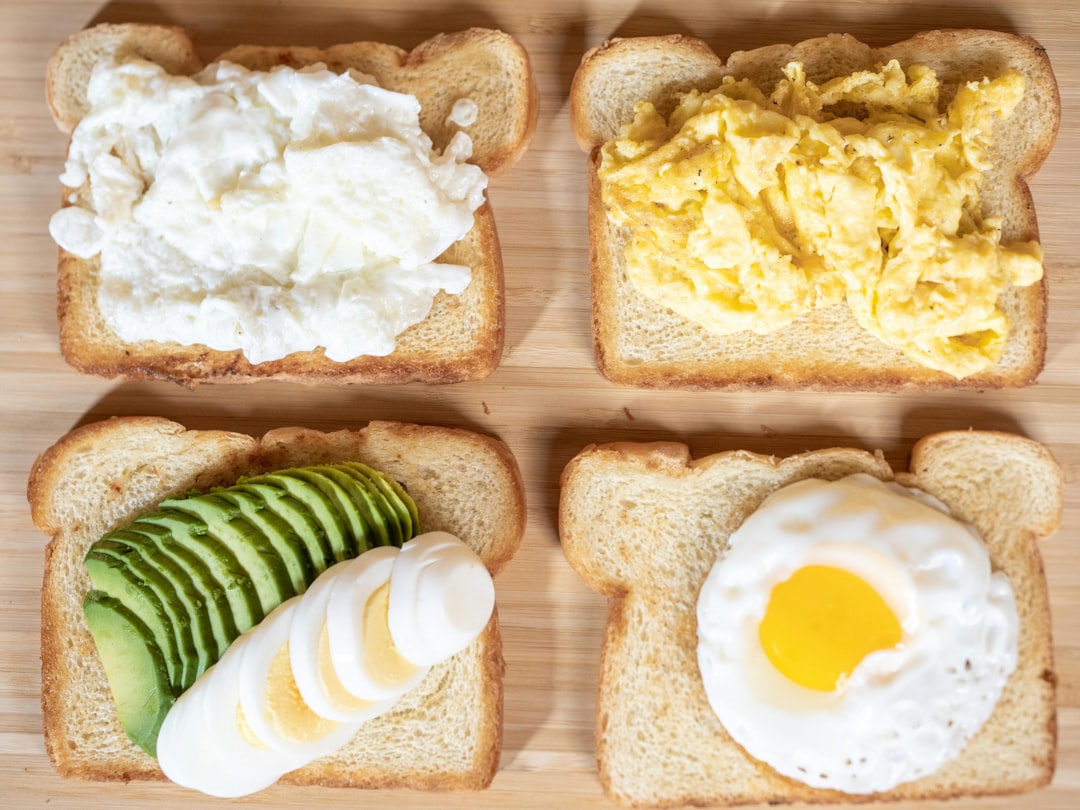
- Eat more protein: Protein takes more energy to digest, which can help increase your metabolism and reduce hunger. Aim for 0.8-1 gram of protein per pound of body weight from sources like lean meats, fish, eggs, tofu, and legumes.
- Incorporate healthy fats: Healthy fats like avocado, nuts, and seeds provide sustained energy, support hormone production, and aid in the absorption of essential vitamins and minerals.
- Focus on fiber-rich foods: Fiber-rich foods like fruits, vegetables, and whole grains provide satiety, support healthy digestion, and promote the growth of beneficial gut bacteria.
- Stay hydrated: Drinking plenty of water can help suppress appetite, boost metabolism, and support overall health. Aim for at least 8 cups (64 ounces) of water per day.
- Limit processed foods: Processed foods are often high in empty calories, added sugars, and unhealthy fats. Try to limit your intake of processed foods and opt for whole, unprocessed foods instead.
- Find an activity you enjoy: Engage in physical activities that bring you joy, whether it’s walking, running, swimming, cycling, or dancing. This will help you stay motivated and consistent.
- Incorporate strength training: Strength training helps build muscle mass, which can increase your resting metabolic rate (RMR) and support weight loss. Aim for 2-3 strength training sessions per week.
- Try high-intensity interval training (HIIT): HIIT involves short bursts of intense exercise followed by brief periods of rest. This type of exercise has been shown to be effective for weight loss and improving cardiovascular health.
- Schedule regular exercise: Treat exercise as a non-negotiable part of your daily routine, just like brushing your teeth or taking a shower. Aim for at least 150 minutes of moderate-intensity exercise per week.
- Get enough sleep: Poor sleep can disrupt hormones that regulate hunger and fullness, leading to overeating and weight gain. Aim for 7-9 hours of sleep per night.
- Manage stress: Chronic stress can increase cortisol levels, leading to belly fat and weight gain. Engage in stress-reducing activities like meditation, yoga, or deep breathing exercises.
- Stay connected with friends and family: Social support is critical for weight loss maintenance. Surround yourself with people who encourage and support your healthy habits.
- Be kind to yourself: Weight loss is not a linear journey; it’s normal to experience setbacks and plateaus. Practice self-compassion, and don’t be too hard on yourself when you make mistakes.
- Celebrate milestones: Celebrate your weight loss milestones, no matter how small they may seem. This will help you stay motivated and encouraged throughout your journey.
- Focus on whole, unprocessed foods: Prioritize whole, unprocessed foods like vegetables, fruits, whole grains, lean proteins, and healthy fats.
- Incorporate physical activity: Engage in regular exercise, including strength training, cardio, and flexibility exercises.
- Stay hydrated and get enough sleep: Prioritize hydration and sleep to support overall health and weight loss.
- Manage stress and practice self-compassion: Engage in stress-reducing activities and practice self-compassion to support mental and emotional well-being.
- Celebrate milestones and focus on progress: Celebrate your weight loss milestones and focus on progress, not perfection.
In addition to diet, nutrition plays a critical role in weight loss. Certain nutrients like vitamin D, iron, and omega-3 fatty acids can support weight loss and overall health. Consider consulting with a registered dietitian or healthcare professional to determine the best nutrition plan for your individual needs.
The Role of Exercise in Weight Loss
Exercise is a crucial component of any weight loss plan, as it helps you burn calories, build muscle, and boost metabolism. Here are some exercise tips to help you get started:
Remember, exercise is not a one-size-fits-all approach. It’s essential to listen to your body, start slowly, and gradually increase the intensity and duration of your workouts. Consult with a healthcare professional or fitness expert to determine the best exercise plan for your individual needs and goals.
Maintaining Weight Loss: Lifestyle Changes and Mindset Shifts
Losing weight is just the first step; maintaining weight loss is a long-term journey that requires commitment, patience, and persistence. Here are some lifestyle changes and mindset shifts to help you maintain your weight loss:
In addition to these lifestyle changes, it’s essential to adopt a growth mindset and focus on progress, not perfection. Weight loss is a journey, and it’s okay to make mistakes along the way. By embracing a positive mindset and focusing on the process, you’ll be more likely to achieve your weight loss goals and maintain a healthy, balanced lifestyle.
Conclusion: Key Takeaways for Sustainable Weight Loss
Losing weight and maintaining weight loss requires a comprehensive approach that incorporates diet, exercise, lifestyle changes, and mindset shifts. Here are the key takeaways from this guide:
By following these key takeaways and adopting a holistic approach to weight loss, you’ll be well on your way to achieving your dream body and maintaining a healthy, balanced lifestyle. Remember, weight loss is a journey, and it’s okay to take it one step at a time. With patience, persistence, and the right mindset, you can unlock the secrets of sustainable weight loss and achieve your goals.