Are you tired of feeling sluggish, run down, and stuck in a rut? Do you struggle to make healthy food choices, only to find yourself reaching for junk food or skipping meals altogether? You’re not alone. In today’s fast-paced world, it’s easy to get caught up in the hustle and bustle of daily life and neglect one of the most important aspects of our overall health: nutrition. But the truth is, a well-balanced diet is the key to unlocking a happier, healthier, and more energetic you. In this comprehensive guide, we’ll dive into the world of nutrition, exploring the latest research, trends, and expert advice to help you make informed decisions about your diet and start living your best life.
Understanding the Basics of Nutrition
Before we can start making healthy changes, it’s essential to understand the basics of nutrition. Nutrition refers to the process by which our bodies use food to fuel growth, maintenance, and repair. The three main macronutrients – carbohydrates, protein, and fat – provide energy and support various bodily functions, from building and repairing tissues to regulating hormones and metabolism. A balanced diet that includes a variety of whole foods, such as fruits, vegetables, whole grains, lean proteins, and healthy fats, is essential for maintaining optimal health. But with so many conflicting dietary recommendations and fad diets out there, it can be tough to know where to start.
One of the most important things to keep in mind is that everyone’s nutritional needs are different. Factors such as age, sex, weight, height, and activity level all play a role in determining your individual nutritional requirements. For example, athletes or individuals who engage in regular physical activity may require more protein to support muscle growth and repair, while older adults may need to focus on getting enough calcium and vitamin D to support bone health. By understanding your unique nutritional needs, you can start making informed decisions about your diet and develop a personalized plan that works for you.
The Benefits of a Balanced Diet
So, why is a balanced diet so important? The benefits are numerous, and the research is clear: a well-balanced diet can help prevent chronic diseases, such as heart disease, diabetes, and certain types of cancer. A healthy diet has also been shown to improve cognitive function, boost mood, and support weight management. But that’s not all – a balanced diet can also have a significant impact on our overall quality of life. When we fuel our bodies with the right foods, we have more energy, we sleep better, and we’re able to tackle daily tasks with greater ease and confidence.
But what exactly does a balanced diet look like? The good news is that it’s not about deprivation or restriction – it’s about making healthy choices and finding a balance that works for you. The USDA’s MyPlate initiative recommends filling your plate with a variety of foods, including plenty of fruits and vegetables, whole grains, lean proteins, and healthy fats. Aim to include a rainbow of colors on your plate to ensure you’re getting a range of vitamins and minerals. And don’t forget to stay hydrated by drinking plenty of water throughout the day.
Debunking Common Nutrition Myths
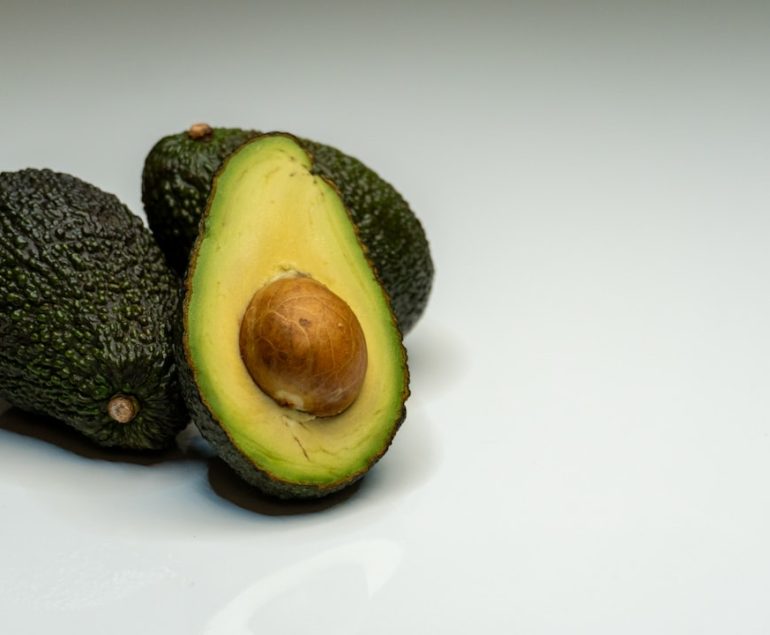
With so much misinformation out there, it’s easy to get caught up in common nutrition myths and misconceptions. One of the most prevalent myths is that low-fat or fat-free foods are always the healthiest choice. But the truth is, not all fats are created equal. Healthy fats, such as those found in nuts, seeds, avocados, and olive oil, are essential for brain function, hormone production, and the absorption of vitamins and minerals. In fact, a diet that’s too low in fat can lead to nutrient deficiencies and decreased satisfaction, making it harder to stick to a healthy eating plan.
Another common myth is that all calories are created equal. But the truth is, the quality of the calories we consume matters just as much as the quantity. A diet that’s high in processed and packaged foods, added sugars, and saturated fats can lead to a range of negative health effects, from weight gain and inflammation to increased risk of chronic disease. On the other hand, a diet that’s rich in whole, nutrient-dense foods can provide a range of benefits, from improved digestion and satiety to enhanced energy and mental clarity.
Nutrition and Lifestyle: Making Healthy Choices
So, how can you start making healthy choices and incorporating more nutrition into your lifestyle? It all starts with small, incremental changes. Begin by taking a closer look at your current diet and identifying areas for improvement. Do you tend to skip breakfast or rely on convenience foods? Try meal prepping or planning your meals in advance to ensure you’re getting a balanced mix of nutrients. Do you struggle to get enough fruits and vegetables? Try adding a daily smoothie or salad to your routine, or experimenting with new recipes and cooking methods.
In addition to making healthy food choices, it’s also essential to prioritize other aspects of your lifestyle, such as physical activity, stress management, and sleep. Regular exercise can help boost mood, increase energy, and support weight management, while stress-reducing techniques like meditation and deep breathing can help regulate hormones and support overall well-being. And don’t forget to prioritize sleep – aim for 7-9 hours per night to help your body repair and recharge.
Conclusion and Key Takeaways
In conclusion, nutrition is a complex and multifaceted topic, but the benefits of a balanced diet are clear. By understanding the basics of nutrition, debunking common myths and misconceptions, and making healthy lifestyle choices, you can take control of your health and start living your best life. Remember, it’s all about progress, not perfection – small, incremental changes can add up over time, leading to significant improvements in your overall health and well-being. So, what are you waiting for? Start your journey to a healthier, happier you today by incorporating these key takeaways into your daily routine:
- Eat a balanced diet that includes a variety of whole foods, such as fruits, vegetables, whole grains, lean proteins, and healthy fats
- Stay hydrated by drinking plenty of water throughout the day
- Prioritize physical activity, stress management, and sleep to support overall health and well-being
- Debunk common nutrition myths and misconceptions, and focus on making informed, personalized choices
- Start small and be patient – healthy habits take time to develop, but the benefits are well worth it.
By following these guidelines and making nutrition a priority, you’ll be well on your way to unlocking a happier, healthier, and more energetic you. So, go ahead and take the first step – your body (and mind) will thank you.