Nourish Your Mind, Body, and Soul: The Ultimate Guide to Creating a Self-Care Routine

Are you tired of feeling burnt out, stressed, and exhausted? Do you struggle to find time for yourself amidst the chaos of daily life? If so, you’re not alone. In today’s fast-paced world, it’s easy to neglect our own well-being, but neglecting self-care can have serious consequences on our mental, physical, and emotional health. That’s why it’s essential to prioritize self-care and make it a non-negotiable part of our daily routine. In this comprehensive guide, we’ll explore the importance of self-care, provide actionable tips and tricks, and help you create a personalized self-care routine that nourishes your mind, body, and soul.

Understanding the Importance of Self-Care

Self-care is not just a luxury, it’s a necessity. It’s about taking intentional steps to care for your physical, emotional, and mental well-being. When we prioritize self-care, we’re better equipped to handle life’s challenges, build resilience, and improve our overall quality of life. Self-care is not selfish; it’s essential. By incorporating self-care into our daily routine, we can:

  • Reduce stress and anxiety
  • Improve sleep quality
  • Boost mood and energy levels
  • Enhance creativity and productivity
  • Strengthen relationships and communication skills
  • Self-care is not a one-size-fits-all approach. What works for one person may not work for another. That’s why it’s crucial to experiment and find what works best for you. Whether it’s reading a book, taking a relaxing bath, or practicing yoga, self-care is about making time for activities that bring you joy, calmness, and a sense of fulfillment.

    Creating a Morning Self-Care Routine

    Starting your day with a consistent self-care routine can set the tone for a positive and productive day. A morning self-care routine can help you:

  • Increase energy and alertness
  • Improve mental clarity and focus
  • Enhance creativity and motivation
  • Boost mood and reduce stress
  • Here are some simple and effective morning self-care routines to get you started:

  • Mindfulness meditation: Start with just 5-10 minutes of mindfulness meditation to calm your mind and set intentions for the day.
  • Journaling: Write down your thoughts, goals, and gratitudes to process your emotions and gain clarity.
  • Exercise: Engage in some form of physical activity, such as yoga, stretching, or a brisk walk, to get your blood flowing and energy levels up.
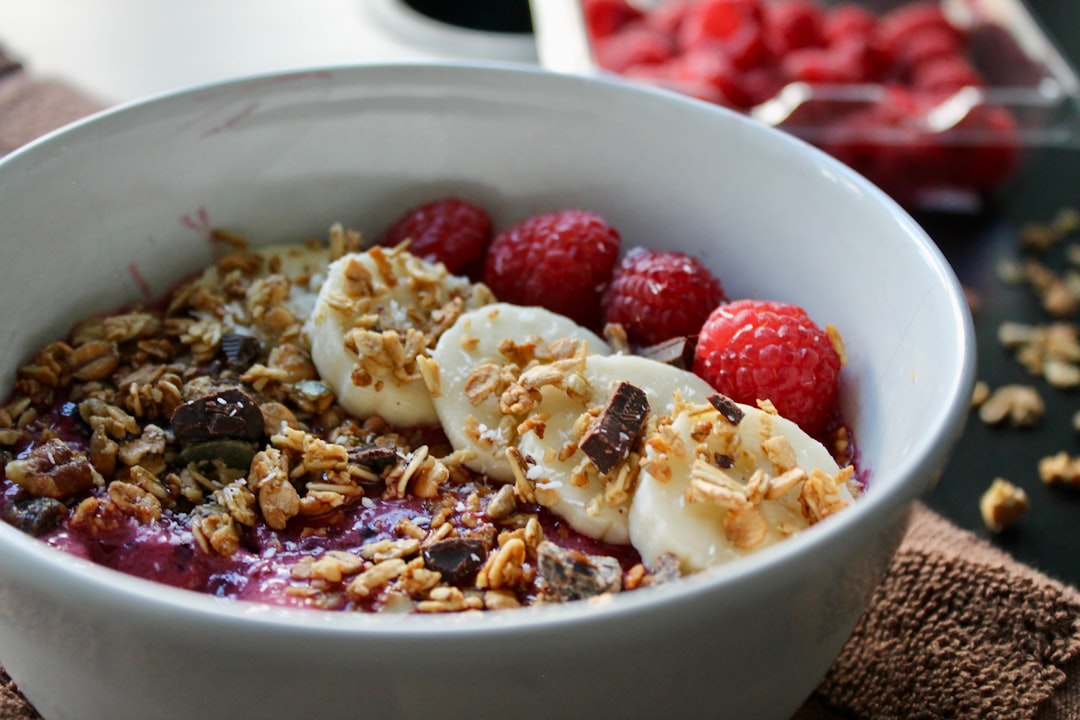
  • Healthy breakfast: Fuel your body with a nutritious breakfast that includes plenty of fruits, vegetables, whole grains, and lean protein.
  • Hydration: Drink plenty of water throughout the day to stay hydrated and focused.
  • Building a Nighttime Self-Care Routine

    A consistent nighttime self-care routine can help you unwind, relax, and prepare for a restful night’s sleep. A nighttime self-care routine can help you:

  • Reduce stress and anxiety
  • Improve sleep quality
  • Enhance relaxation and calmness
  • Prepare for a restful night’s sleep
  • Here are some simple and effective nighttime self-care routines to get you started:

  • Digital detox: Avoid screens for at least an hour before bedtime to reduce blue light exposure and promote relaxation.
  • Reading: Get lost in a book or magazine to calm your mind and escape reality.
  • Aromatherapy: Use essential oils such as lavender or chamomile to promote relaxation and calmness.
  • Warm bath: Soak in a warm bath with Epsom salts or essential oils to relax your muscles and calm your mind.
  • Gratitude practice: Reflect on your day and write down things you’re grateful for to cultivate a positive mindset.
  • Incorporating Self-Care into Your Daily Life

    Self-care is not just limited to morning and nighttime routines. It’s about incorporating self-care into your daily life, even in the midst of chaos. Here are some simple and effective ways to incorporate self-care into your daily life:

  • Take breaks: Take short breaks throughout the day to stretch, move your body, or practice deep breathing exercises.
  • Practice self-compassion: Treat yourself with kindness, understanding, and patience, just as you would a close friend.
  • Prioritize activities: Make time for activities that bring you joy and fulfillment, whether it’s reading, hiking, or cooking.
  • Set boundaries: Learn to say no to things that drain your energy and say yes to things that nourish your mind, body, and soul.
  • Seek support: Surround yourself with people who support and uplift you, and don’t be afraid to ask for help when you need it.
  • Conclusion and Key Takeaways

    Creating a self-care routine is not a one-time task; it’s a continuous process that requires intention, commitment, and patience. By incorporating self-care into your daily life, you can improve your mental, physical, and emotional well-being, build resilience, and enhance your overall quality of life. Remember, self-care is not selfish; it’s essential. Here are the key takeaways to get you started:

  • Start small: Begin with simple self-care routines and gradually build up to more complex activities.
  • Experiment and find what works: Try different self-care activities and find what works best for you.
  • Make self-care a non-negotiable part of your daily routine: Prioritize self-care and make it a habit.
  • Be patient and kind to yourself: Treat yourself with kindness, understanding, and patience, just as you would a close friend.
  • Seek support: Surround yourself with people who support and uplift you, and don’t be afraid to ask for help when you need it.

By following these tips and incorporating self-care into your daily life, you can nourish your mind, body, and soul, and live a happier, healthier, and more fulfilling life. Remember, self-care is a journey, not a destination. It’s time to prioritize your well-being and make self-care a non-negotiable part of your daily routine.

Unlock the Power of a Personalized Diet Plan: Transform Your Body and Mind

Are you tired of trying fad diets that promise the world but deliver nothing but disappointment? Do you struggle to stick to a meal plan that leaves you feeling deprived and unsatisfied? It’s time to break free from the cycle of dieting frustration and discover the secret to achieving your health and wellness goals. A personalized diet plan is the key to unlocking your full potential, and in this comprehensive guide, we’ll show you how to create a tailored approach that works for you.

Understanding Your Nutrition Needs

Before we dive into the nitty-gritty of diet planning, it’s essential to understand your unique nutrition needs. Everyone’s body is different, and what works for your friend or family member may not work for you. Factors such as age, sex, weight, height, and activity level all play a role in determining your daily calorie and nutrient requirements. For example, if you’re an athlete or engage in regular physical activity, you may require more protein to support muscle growth and repair. On the other hand, if you’re trying to lose weight, you may need to focus on reducing your daily calorie intake while still getting enough nutrients.

To get started, it’s a good idea to consult with a healthcare professional or registered dietitian who can help you assess your nutrition needs. They can also help you identify any dietary restrictions or allergies that may impact your meal planning. Some popular diet plans, such as the keto diet or vegan diet, may be too restrictive for certain individuals, while others may find them highly effective. The key is to find a balance that works for you and your lifestyle.

Creating a Balanced Diet Plan

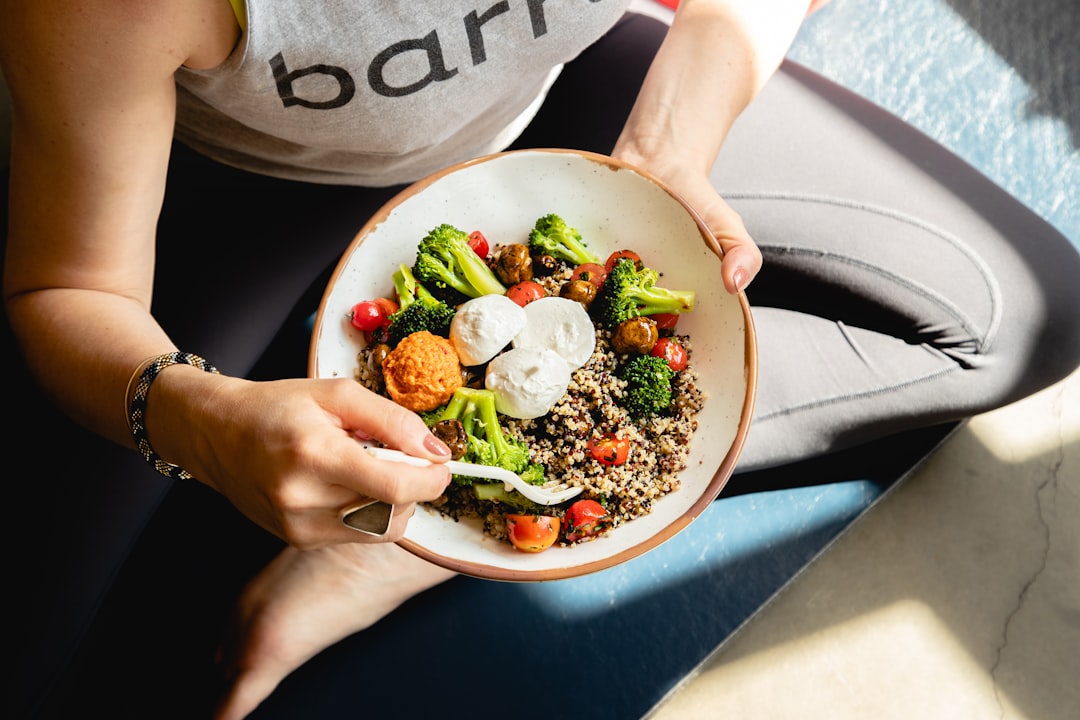
A well-balanced diet plan should include a variety of whole foods, such as fruits, vegetables, whole grains, lean proteins, and healthy fats. Aim to include a rainbow of colors on your plate to ensure you’re getting a broad range of vitamins and minerals. Here are some tips for creating a balanced diet plan:

  • Focus on whole foods: Whole foods, such as apples, carrots, and brown rice, are rich in nutrients and fiber, making them more filling and satisfying.
  • Include a source of protein at every meal: Protein takes more energy to digest, which can help boost your metabolism and support weight loss.
  • Healthy fats are essential: Nuts, seeds, avocados, and olive oil are all great sources of healthy fats that support heart health and satisfy hunger.
  • Don’t forget about fiber: Fiber-rich foods, such as legumes, whole grains, and fruits, can help regulate digestion and support healthy blood sugar levels.
  • Some popular diet plans, such as the Mediterranean diet or Flexitarian diet, emphasize whole foods and balanced eating. These plans can be a great starting point, but it’s essential to remember that everyone’s nutritional needs are different. Be sure to consult with a healthcare professional before making any significant changes to your diet.

    Meal Planning and Prep

    Meal planning and prep are crucial components of a successful diet plan. By planning your meals in advance, you can ensure you’re getting the nutrients you need while avoiding last-minute takeout or fast food. Here are some tips for meal planning and prep:

  • Start with a grocery list: Make a list of the whole foods you want to include in your diet plan, and stick to it when you’re at the store.
  • Plan your meals around your schedule: If you have a busy week ahead, consider meal prepping on the weekends or one day a week.
  • Cook in bulk: Cooking large batches of rice, quinoa, or lentils can save time during the week and provide a healthy base for meals.
  • Don’t forget about snacks: Healthy snacks, such as fruits, nuts, or energy balls, can help curb hunger and support healthy eating.
  • Some popular meal planning tools, such as meal planning apps or printable templates, can help you stay organized and on track. Remember to be flexible and make adjustments as needed. Life can be unpredictable, and it’s essential to have a plan B (or C, or D) in place.

    Staying Motivated and Accountable

    Staying motivated and accountable is crucial when it comes to achieving your health and wellness goals. Here are some tips for staying on track:

  • Find a workout buddy or accountability partner: Having someone to share your goals and progress with can be a great motivator.
  • Track your progress: Keep a food diary or use a habit-tracking app to monitor your eating habits and physical activity.
  • Celebrate milestones: Reward yourself for reaching milestones, such as completing a week of healthy eating or reaching a new personal best in the gym.
  • Don’t be too hard on yourself: Remember that setbacks are a normal part of the journey. Don’t give up if you have a bad day or week – simply get back on track and keep moving forward.
  • Some popular fitness trackers or health apps, such as MyFitnessPal or Habitica, can help you stay motivated and accountable. Remember to focus on progress, not perfection, and be kind to yourself along the way.

    Conclusion and Key Takeaways

    Creating a personalized diet plan is a powerful way to transform your body and mind. By understanding your unique nutrition needs, creating a balanced diet plan, meal planning and prepping, and staying motivated and accountable, you can achieve your health and wellness goals. Remember to be patient, flexible, and kind to yourself throughout the journey. Here are the key takeaways:

  • A personalized diet plan is tailored to your unique nutrition needs and lifestyle.
  • Whole foods, such as fruits, vegetables, whole grains, lean proteins, and healthy fats, are the foundation of a balanced diet plan.
  • Meal planning and prep are essential for staying on track and avoiding last-minute takeout or fast food.
  • Staying motivated and accountable, whether through a workout buddy or habit-tracking app, can help you achieve your goals.
  • Focus on progress, not perfection, and be kind to yourself along the way.

By following these tips and staying committed to your goals, you can unlock the power of a personalized diet plan and transform your body and mind. Remember to consult with a healthcare professional before making any significant changes to your diet, and don’t be afraid to seek support along the way. With patience, persistence, and the right mindset, you can achieve a healthier, happier you.

Wake Up to Wellness: How to Create a Daily Routine for a Happier, Healthier You

Are you tired of feeling sluggish, stressed, and stuck in a rut? Do you dream of waking up each morning with energy, enthusiasm, and a sense of purpose? The key to unlocking a happier, healthier you lies in establishing a daily wellness routine that nourishes your body, mind, and spirit. In this comprehensive guide, we’ll explore the essential elements of a daily wellness routine, providing you with actionable tips and expert advice to help you create a personalized plan that suits your unique needs and lifestyle.

Understanding the Importance of Daily Wellness

Before we dive into the nitty-gritty of creating a daily wellness routine, it’s essential to understand why it’s so crucial for our overall well-being. In today’s fast-paced world, it’s easy to get caught up in the hustle and bustle of daily life, neglecting our physical, emotional, and mental health in the process. A daily wellness routine helps to counterbalance the negative effects of stress, anxiety, and burnout, promoting a sense of balance, harmony, and resilience. By incorporating wellness practices into your daily routine, you can expect to experience a range of benefits, including improved sleep quality, increased energy levels, enhanced mental clarity, and a stronger immune system.

Building a Morning Wellness Routine

The morning sets the tone for the rest of the day, making it the perfect time to establish a wellness routine that sets you up for success. Here are some essential elements to include in your morning routine:

  • Mindfulness and meditation: Start your day with a 10-15 minute mindfulness or meditation practice to calm your mind, focus your attention, and set intentions for the day ahead. You can use apps like Headspace or Calm to guide you through the process.
  • Hydration and nutrition: Drink a full glass of water as soon as you wake up to rehydrate your body after a night of sleep. Follow this up with a nutritious breakfast that includes a balance of protein, complex carbohydrates, and healthy fats to fuel your body for the day ahead.
  • Physical activity: Incorporate some form of physical activity into your morning routine, such as yoga, stretching, or a brisk walk. This helps to increase blood flow, boost energy levels, and prepare your body for the day ahead.
  • Journaling and reflection: Take a few minutes each morning to reflect on your thoughts, feelings, and experiences. Writing in a journal can help you process your emotions, gain clarity, and set goals for the day ahead.
  • Nurturing Your Body and Mind Throughout the Day

    While the morning is an excellent time to establish a wellness routine, it’s essential to nurture your body and mind throughout the day. Here are some tips to help you stay on track:

  • Take regular breaks: Take short breaks throughout the day to stretch, move your body, and rest your mind. This can help to reduce stress, increase productivity, and prevent burnout.
  • Practice self-care: Make time for activities that bring you joy and relaxation, such as reading, listening to music, or taking a warm bath. Self-care is essential for maintaining emotional balance and reducing stress.
  • Stay connected with nature: Spend time outdoors, whether it’s walking in a park, hiking in the woods, or simply sitting in a garden or on a balcony with plants. Nature has a profound impact on our mental and physical well-being, reducing stress and promoting a sense of calm.
  • Prioritize sleep: Aim for 7-9 hours of sleep each night to allow your body and mind to rest, repair, and rejuvenate. Establish a bedtime routine that signals to your body that it’s time to sleep, such as reading a book, taking a warm bath, or practicing gentle stretches.
  • Overcoming Obstacles and Staying Motivated

    Creating a daily wellness routine can be challenging, especially when faced with obstacles such as lack of time, motivation, or energy. Here are some tips to help you overcome common challenges and stay on track:

  • Start small: Begin with a simple, achievable routine and gradually build upon it. This will help you establish a sense of momentum and confidence.
  • Find accountability: Share your wellness goals with a friend or family member and ask them to hold you accountable. This can provide an added motivation to stick to your routine.
  • Track your progress: Use a journal, app, or spreadsheet to track your progress, celebrating small victories along the way. This can help you stay motivated and encouraged, even when faced with setbacks.
  • Be kind to yourself: Remember that it’s okay to miss a day or two – simply acknowledge the setback and gently get back on track. Don’t be too hard on yourself, and celebrate your successes, no matter how small they may seem.
  • Conclusion and Key Takeaways

    Creating a daily wellness routine is a powerful way to take control of your physical, emotional, and mental health. By incorporating mindfulness, nutrition, physical activity, and self-care into your daily routine, you can experience a range of benefits that enhance your overall well-being. Remember to start small, be kind to yourself, and stay motivated by tracking your progress and celebrating your successes. With patience, persistence, and dedication, you can develop a daily wellness routine that sets you up for a happier, healthier, and more fulfilling life. Key takeaways include:

  • Establish a morning routine that sets the tone for the day ahead
  • Prioritize hydration, nutrition, and physical activity
  • Practice mindfulness, meditation, and self-care throughout the day
  • Stay connected with nature and prioritize sleep
  • Be kind to yourself, start small, and celebrate your successes along the way

By following these tips and staying committed to your daily wellness routine, you’ll be well on your way to waking up to a happier, healthier you – every day.

Mastering the Art of Stress Management: Proven Tips to Regain Control Over Your Life

Are you tired of feeling like stress is suffocating you? Do you often find yourself lying awake at night, overwhelmed by the weight of your daily responsibilities? You’re not alone. Stress has become an unwelcome companion for many of us, affecting our mental and physical well-being, relationships, and overall quality of life. The good news is that stress management is a skill that can be learned, and with the right techniques, you can break free from the grip of stress and regain control over your life. In this comprehensive guide, we’ll delve into the world of stress management, exploring the most effective tips and strategies to help you cope with stress and live a more balanced, fulfilling life.

Understanding Stress: The First Step to Managing It

Before we dive into the nitty-gritty of stress management, it’s essential to understand what stress is and how it affects our bodies. Stress is a natural response to a perceived threat or pressure, triggering the release of stress hormones like cortisol and adrenaline. While some stress can be beneficial, helping us stay focused and motivated, chronic stress can have devastating effects on our physical and mental health. Chronic stress has been linked to anxiety, depression, digestive problems, and even cardiovascular disease. To manage stress effectively, it’s crucial to identify your stress triggers and understand how stress affects you personally. Take some time to reflect on your stressors, whether it’s work-related pressure, financial worries, or personal relationships. By acknowledging the sources of your stress, you can begin to develop a personalized stress management plan.

Effective Stress Management Techniques

Fortunately, there are numerous stress management techniques that can help you alleviate stress and improve your overall well-being. Here are some of the most effective methods:

  • Mindfulness and Meditation: Mindfulness practices, such as meditation and deep breathing, can help calm your mind and reduce stress. Regular mindfulness practice has been shown to decrease cortisol levels, improve mood, and enhance cognitive function. You can start with guided meditation apps like Headspace or Calm, or try mindfulness exercises like body scan meditation or walking meditation.
  • Physical Activity: Exercise is a natural stress-reliever, releasing endorphins that boost your mood and reduce anxiety. Engage in physical activities that bring you joy, whether it’s walking, running, swimming, or dancing. Aim for at least 30 minutes of moderate-intensity exercise per day to experience the stress-reducing benefits.
  • Time Management: Poor time management can lead to increased stress levels, as you struggle to meet deadlines and juggle multiple tasks. Prioritize your tasks, set realistic goals, and use tools like calendars or to-do lists to stay organized. Learn to say “no” to non-essential commitments and take regular breaks to recharge.
  • Social Support: Surround yourself with positive, supportive people who can offer emotional support and help you cope with stress. Nurture your relationships with family and friends, and consider joining a social group or club to expand your social network.
  • Self-Care: Self-care is essential for stress management, as it helps you recharge and maintain a healthy work-life balance. Engage in activities that bring you joy, whether it’s reading, listening to music, or taking a relaxing bath. Make time for activities that promote relaxation and stress relief, such as yoga, tai chi, or massage therapy.
  • Nutrition and Lifestyle: The Role of Diet and Sleep in Stress Management

    A healthy diet and lifestyle play a crucial role in stress management, as they can either exacerbate or alleviate stress. Here are some tips to help you optimize your diet and lifestyle for stress management:

  • Eat a Balanced Diet: Focus on whole, nutrient-dense foods like fruits, vegetables, whole grains, lean proteins, and healthy fats. Avoid sugary, processed, and high-caffeine foods that can worsen stress and anxiety.
  • Stay Hydrated: Drink plenty of water throughout the day, aiming for at least eight glasses per day. Dehydration can exacerbate stress and anxiety, so make sure to prioritize hydration.
  • Get Enough Sleep: Aim for 7-9 hours of sleep per night, as sleep deprivation can significantly increase stress levels. Establish a consistent sleep routine, create a relaxing sleep environment, and avoid screens before bedtime to improve sleep quality.
  • Limit Caffeine and Alcohol: While moderate amounts of caffeine and alcohol may seem like a quick fix for stress, they can ultimately worsen stress and anxiety. Limit your intake of these substances, and avoid using them as a coping mechanism.
  • Putting it All Together: Creating a Personalized Stress Management Plan

    Now that you’ve learned about the most effective stress management techniques, it’s time to create a personalized plan that works for you. Here are some steps to help you get started:

  • Identify Your Stress Triggers: Reflect on your stressors and identify the situations, people, or events that trigger stress for you.
  • Choose Your Stress Management Techniques: Select the techniques that resonate with you the most, whether it’s mindfulness, exercise, or social support.
  • Create a Schedule: Plan out your day, week, or month, incorporating your stress management techniques and self-care activities.
  • Track Your Progress: Keep a stress journal or use a mobile app to track your stress levels, identifying what works and what doesn’t.
  • Seek Professional Help: If you’re struggling to manage stress on your own, consider seeking help from a mental health professional. They can provide you with personalized guidance, support, and therapy to help you overcome stress and anxiety.
  • In conclusion, stress management is a journey that requires patience, self-awareness, and a willingness to try new techniques. By understanding the sources of your stress, incorporating effective stress management techniques, and optimizing your diet and lifestyle, you can break free from the grip of stress and regain control over your life. Remember, stress management is not a one-size-fits-all solution; it’s essential to experiment with different techniques and find what works best for you. With the right tools and mindset, you can master the art of stress management and live a more balanced, fulfilling life. Key takeaways:

  • Identify your stress triggers and understand how stress affects you personally
  • Incorporate effective stress management techniques, such as mindfulness, exercise, and social support
  • Optimize your diet and lifestyle by eating a balanced diet, staying hydrated, and getting enough sleep
  • Create a personalized stress management plan that works for you
  • Seek professional help if you’re struggling to manage stress on your own

By following these tips and being committed to your stress management journey, you can overcome stress and anxiety, and live a happier, healthier life.

Unlock the Power of Immunity Boosting Foods: Your Ultimate Guide to a Healthy Defense System

As the old adage goes, “an apple a day keeps the doctor away.” But what if you could take it a step further and supercharge your immune system with a variety of delicious and nutritious foods? In today’s fast-paced world, it’s easy to get caught up in the hustle and bustle and neglect our health. However, with the rise of chronic illnesses and infectious diseases, it’s more important than ever to prioritize our well-being. The good news is that you have the power to boost your immunity and protect yourself against illnesses by incorporating the right foods into your diet. In this comprehensive guide, we’ll explore the top immunity boosting foods, how they work, and provide you with actionable tips to upgrade your nutrition and unlock a healthier you.

Introduction to Immunity Boosting Foods

Before we dive into the nitty-gritty of immunity boosting foods, let’s take a step back and understand how our immune system works. Our immune system is a complex network of cells, tissues, and organs that work together to defend our body against foreign invaders, such as bacteria, viruses, and other pathogens. A healthy immune system is essential for preventing illnesses, fighting off infections, and even reducing the risk of chronic diseases like heart disease, diabetes, and cancer. While there are many factors that can impact our immune system, including genetics, lifestyle, and environmental factors, diet plays a significant role in supporting immune function. The right foods can provide the necessary nutrients, vitamins, and minerals to keep our immune system strong and resilient.

Top Immunity Boosting Foods to Add to Your Diet

So, what are the top immunity boosting foods that you should be adding to your diet? Here are some of the most potent and delicious options:

  • Citrus Fruits: Oranges, grapefruits, and lemons are high in vitamin C, which is essential for the production of white blood cells and the activation of immune cells.
  • Berries: Blueberries, raspberries, and strawberries are rich in antioxidants, which help to protect cells from damage and reduce inflammation.
  • Leafy Greens: Spinach, kale, and collard greens are packed with vitamins A, C, and E, as well as minerals like iron and zinc, which are essential for immune function.
  • Nuts and Seeds: Almonds, sunflower seeds, and pumpkin seeds are high in healthy fats, protein, and fiber, which support immune cell function and reduce inflammation.
  • Fatty Fish: Salmon, tuna, and mackerel are rich in omega-3 fatty acids, which reduce inflammation and promote immune cell function.
  • Sweet Potatoes: Rich in vitamin A, sweet potatoes help to support the health of our skin, eyes, and mucous membranes, making it harder for pathogens to enter our body.
  • Mushrooms: Reishi, chaga, and shiitake mushrooms have been shown to have immunomodulatory effects, meaning they can help to regulate and support immune function.
  • Fermented Foods: Yogurt, kimchi, and sauerkraut contain live cultures of beneficial bacteria, which can help to support gut health and immune function.
  • How to Incorporate Immunity Boosting Foods into Your Diet

    Now that you know the top immunity boosting foods, it’s time to start incorporating them into your diet. Here are some actionable tips to get you started:

  • Start your day with a nutrient-dense breakfast: Try adding some spinach, berries, and nuts to your oatmeal or yogurt for a boost of vitamins and minerals.
  • Incorporate a variety of colors on your plate: Aim to include a range of colorful fruits and vegetables in your meals to ensure you’re getting a broad spectrum of nutrients.
  • Make healthy swaps: Replace sugary snacks with nuts and seeds, and opt for whole grains instead of refined carbohydrates.
  • Cook with immune-boosting herbs and spices: Add some garlic, ginger, and turmeric to your meals for an extra boost of antioxidants and anti-inflammatory compounds.
  • Stay hydrated: Drink plenty of water throughout the day to help flush out toxins and keep your immune system functioning properly.
  • Additional Tips for Supporting Immune Function

    While diet plays a significant role in supporting immune function, there are other factors that can impact our immune system. Here are some additional tips to help you upgrade your overall health and wellness:

  • Get enough sleep: Aim for 7-9 hours of sleep per night to help your immune system recharge and repair.
  • Exercise regularly: Engage in moderate-intensity exercise, such as brisk walking or yoga, to help reduce stress and promote immune function.
  • Manage stress: Try stress-reducing techniques like meditation, deep breathing, or tai chi to help mitigate the negative impact of stress on your immune system.
  • Don’t smoke: Smoking can weaken your immune system and increase your risk of illness, so it’s essential to quit if you’re a smoker.
  • Limit alcohol consumption: Excessive alcohol consumption can suppress immune function, so it’s essential to drink in moderation.
  • Conclusion and Key Takeaways

    In conclusion, incorporating immunity boosting foods into your diet is a powerful way to support your immune system and protect yourself against illnesses. By adding a variety of colorful fruits and vegetables, nuts and seeds, and fermented foods to your meals, you can provide your body with the necessary nutrients, vitamins, and minerals to keep your immune system strong and resilient. Remember to also prioritize overall health and wellness by getting enough sleep, exercising regularly, managing stress, and avoiding unhealthy habits like smoking and excessive alcohol consumption. By following these tips and making a few simple changes to your diet and lifestyle, you can unlock the power of immunity boosting foods and upgrade your health and wellness. Key takeaways include:

  • Eating a variety of colorful fruits and vegetables to provide a broad spectrum of nutrients
  • Incorporating nuts and seeds, fermented foods, and immune-boosting herbs and spices into your meals
  • Prioritizing overall health and wellness by getting enough sleep, exercising regularly, and managing stress
  • Avoiding unhealthy habits like smoking and excessive alcohol consumption
  • Staying hydrated and cooking with immune-boosting herbs and spices to support immune function.

By following these tips and making a few simple changes to your diet and lifestyle, you can boost your immunity and unlock a healthier, happier you. So why not get started today and discover the power of immunity boosting foods for yourself?

Unlock the Power of Exercise: Transform Your Body and Mind

Are you tired of feeling sluggish, unmotivated, and stuck in a rut? Do you want to boost your energy levels, improve your mood, and enhance your overall well-being? If so, it’s time to unlock the power of exercise. Regular physical activity is one of the most effective ways to transform your body and mind, and it’s easier than you think. In this comprehensive guide, we’ll explore the numerous benefits of exercise, from weight loss and improved cardiovascular health to increased mental clarity and reduced stress levels. Whether you’re a fitness enthusiast or just starting out, you’ll discover how exercise can help you achieve your goals and live a healthier, happier life.

The Physical Benefits of Exercise

Exercise is often associated with physical health, and for good reason. Regular physical activity can help you lose weight, build muscle, and increase flexibility. But the benefits don’t stop there. Exercise has been shown to reduce the risk of chronic diseases, such as heart disease, diabetes, and certain types of cancer. It can also improve sleep quality, boost immune function, and even increase bone density. Whether you’re looking to improve your overall health or manage a specific health condition, exercise is a powerful tool that can help you achieve your goals.

One of the most significant physical benefits of exercise is its impact on weight loss. When combined with a healthy diet, regular physical activity can help you shed pounds and maintain weight loss over time. This is because exercise not only burns calories but also builds muscle, which can help increase your metabolism and support long-term weight loss. Additionally, exercise can help improve body composition, reducing body fat and increasing lean muscle mass. This can lead to a range of benefits, from improved athletic performance to enhanced overall health and well-being.

The Mental and Emotional Benefits of Exercise

While the physical benefits of exercise are well-documented, the mental and emotional benefits are just as significant. Regular physical activity has been shown to reduce stress and anxiety, improve mood, and even alleviate symptoms of depression. This is because exercise releases endorphins, also known as “feel-good” hormones, which can help improve your mental state and reduce stress levels. Exercise has also been shown to improve sleep quality, which is essential for mental health and overall well-being.

In addition to its impact on mental health, exercise can also improve cognitive function. Regular physical activity has been shown to improve focus, concentration, and memory, making it an essential tool for anyone looking to improve their mental clarity and productivity. Exercise can also enhance creativity, boost self-esteem, and even support addiction recovery. Whether you’re looking to improve your mental health, increase your productivity, or simply feel more confident and capable, exercise is a powerful tool that can help you achieve your goals.

Getting Started with Exercise

If you’re new to exercise or looking to get back into a regular routine, it can be intimidating to know where to start. The good news is that exercise is accessible to everyone, regardless of age, fitness level, or ability. Whether you prefer walking, running, swimming, or strength training, there’s an exercise routine that’s right for you. The key is to find an activity that you enjoy and that fits your lifestyle, so you can stick with it over time.

One of the most effective ways to get started with exercise is to set realistic goals and track your progress. This can help you stay motivated and accountable, even when you’re just starting out. You can use a fitness tracker, mobile app, or even a simple journal to track your workouts and monitor your progress. It’s also essential to listen to your body and start slowly, gradually increasing the intensity and duration of your workouts over time.

Overcoming Obstacles and Staying Motivated

Despite the many benefits of exercise, it’s common to encounter obstacles and setbacks along the way. Whether it’s a lack of time, motivation, or energy, there are many challenges that can make it difficult to stick with a regular exercise routine. The good news is that there are many strategies that can help you overcome these obstacles and stay motivated.

One of the most effective ways to stay motivated is to find an exercise buddy or accountability partner. This can be a friend, family member, or even a personal trainer who can help you stay on track and provide support and encouragement. You can also try mixing up your routine, trying new activities, or incorporating music or other forms of entertainment to make exercise more enjoyable. Additionally, rewarding yourself for reaching milestones or achieving your goals can be a great way to stay motivated and engaged.

Conclusion and Key Takeaways

In conclusion, exercise is a powerful tool that can transform your body and mind. From weight loss and improved cardiovascular health to increased mental clarity and reduced stress levels, the benefits of exercise are numerous and well-documented. Whether you’re a fitness enthusiast or just starting out, it’s essential to find an exercise routine that you enjoy and that fits your lifestyle, so you can stick with it over time.

The key takeaways from this guide are:

  • Exercise is essential for physical and mental health, and can help you achieve a range of benefits, from weight loss and improved cardiovascular health to increased mental clarity and reduced stress levels.
  • Regular physical activity can help you improve your mood, reduce anxiety and depression, and even alleviate symptoms of chronic diseases.
  • Exercise is accessible to everyone, regardless of age, fitness level, or ability, and can be incorporated into your daily routine in a variety of ways.
  • Setting realistic goals, tracking your progress, and finding an exercise buddy or accountability partner can help you stay motivated and overcome obstacles.
  • Mixing up your routine, trying new activities, and incorporating music or other forms of entertainment can make exercise more enjoyable and help you stay engaged.

By incorporating exercise into your daily routine and making it a priority, you can unlock the power of physical activity and transform your body and mind. Whether you’re looking to improve your health, increase your energy levels, or simply feel more confident and capable, exercise is a powerful tool that can help you achieve your goals and live a healthier, happier life. So why not get started today? Your body – and mind – will thank you.

Unlock the Secrets to Sustainable Weight Loss: A Comprehensive Guide to Transforming Your Body

Are you tired of trying fad diets and quick fixes that promise the world but deliver nothing but disappointment? Do you dream of having a healthy, toned body that makes you feel confident and energetic? You’re not alone. Millions of people around the world struggle with weight loss, but the good news is that achieving your ideal weight is possible with the right approach. In this comprehensive guide, we’ll delve into the world of weight loss, exploring the latest research, expert tips, and practical strategies to help you succeed on your journey to a healthier, happier you.

Understanding Weight Loss: The Basics

Before we dive into the nitty-gritty of weight loss, it’s essential to understand the fundamentals. Weight loss occurs when you create a calorie deficit, meaning you consume fewer calories than your body burns. This can be achieved through a combination of reducing your daily caloric intake and increasing your physical activity levels. However, it’s not just about cutting calories; it’s about making sustainable lifestyle changes that promote overall health and well-being. A healthy weight loss plan should include a balanced diet, regular exercise, and stress management techniques.

When it comes to nutrition, focus on whole, unprocessed foods like vegetables, fruits, whole grains, lean proteins, and healthy fats. These foods provide essential nutrients, fiber, and satiety, making it easier to stick to your diet. Avoid sugary drinks, fast food, and processed snacks that are high in empty calories and low in nutritional value. Also, keep in mind that portion control is crucial, as eating large portions can lead to consuming more calories than you need. Using a food diary or an app to track your eating habits can help you stay on track and make informed decisions.

Creating a Weight Loss Plan: Setting Yourself Up for Success

Now that you understand the basics, it’s time to create a weight loss plan that works for you. This involves setting realistic goals, identifying your motivations, and developing a strategy that suits your lifestyle. Start by setting specific, measurable, achievable, relevant, and time-bound (SMART) goals. For example, “I want to lose 10 pounds in the next 3 months” is a SMART goal. Break down your long-term goal into smaller, manageable milestones, and celebrate your progress along the way.

In addition to setting goals, it’s essential to identify your motivations and triggers. Why do you want to lose weight? Is it to improve your health, boost your confidence, or feel more energetic? Understanding your motivations will help you stay focused and committed to your goals. Also, be aware of your triggers, such as emotional eating or social pressures, and develop strategies to overcome them. This might involve finding healthy alternatives to comfort foods, practicing mindful eating, or seeking support from friends and family.

The Importance of Exercise: Finding Activities You Enjoy

Regular exercise is a critical component of any weight loss plan. Not only does it help you burn calories, but it also builds muscle, boosts metabolism, and improves overall health. The key is to find activities you enjoy and that fit your lifestyle. This might include walking, jogging, cycling, swimming, or group fitness classes. Aim for at least 150 minutes of moderate-intensity aerobic exercise or 75 minutes of vigorous-intensity aerobic exercise per week. You can also incorporate strength training, high-intensity interval training (HIIT), and flexibility exercises to add variety to your routine.

Remember, exercise is not a one-size-fits-all approach. Experiment with different activities, schedules, and intensities to find what works best for you. You might prefer morning workouts, lunch breaks, or evening sessions. You might enjoy solo activities or group classes. The most important thing is to find exercises that make you feel good, both physically and mentally. This will help you stay consistent, motivated, and engaged in the long term.

Overcoming Obstacles: Staying on Track and Motivated

Weight loss is not always a linear journey. There will be ups and downs, setbacks, and challenges along the way. The key is to stay positive, focused, and motivated, even when faced with obstacles. This might involve seeking support from friends, family, or a weight loss community, tracking your progress, and rewarding yourself for milestones achieved.

It’s also essential to be kind to yourself and practice self-compassion. Remember that weight loss is a journey, not a destination. It’s okay to have off days, slip-ups, or plateaus. Don’t be too hard on yourself, and instead, focus on getting back on track. Celebrate your small wins, and don’t be afraid to seek help when you need it. Whether it’s a nutritionist, personal trainer, or therapist, having a support system can make all the difference in your weight loss journey.

Conclusion: Key Takeaways for Sustainable Weight Loss

Losing weight and maintaining weight loss is a challenging but achievable goal. By understanding the basics of weight loss, creating a personalized plan, incorporating exercise, and overcoming obstacles, you can set yourself up for success. Remember to focus on progress, not perfection, and be patient with yourself throughout the journey. Here are the key takeaways to keep in mind:

  • Create a calorie deficit by reducing your daily caloric intake and increasing your physical activity levels.
  • Focus on whole, unprocessed foods, and practice portion control.
  • Set realistic, SMART goals, and break them down into smaller milestones.
  • Find exercises you enjoy, and aim for at least 150 minutes of moderate-intensity aerobic exercise per week.
  • Seek support, track your progress, and practice self-compassion when faced with obstacles.

By incorporating these strategies into your daily life, you’ll be well on your way to achieving sustainable weight loss and transforming your body. Remember, weight loss is not just about the number on the scale; it’s about adopting a healthy lifestyle that promotes overall well-being and happiness. So, take the first step today, and start your journey to a healthier, happier you.

Unlock the Power of Nutrition: Transform Your Body and Mind with the Right Foods

Are you tired of feeling sluggish, run down, and stuck in a rut? Do you dream of having boundless energy, a sharp mind, and a body that radiates health and vitality? The key to unlocking your full potential lies in the food you eat, and it’s time to harness the power of nutrition to transform your life. In this comprehensive guide, we’ll delve into the world of nutrition, exploring the essential principles, benefits, and practical tips to help you make informed choices and achieve your wellness goals.

Understanding the Basics of Nutrition

Before we dive into the nitty-gritty of nutrition, it’s essential to understand the fundamental principles that govern this complex science. Nutrition is the process by which our bodies convert food into energy, growth, and repair. It’s a delicate balance of macronutrients (carbohydrates, proteins, and fats) and micronutrients (vitamins and minerals) that work together to maintain optimal health. A well-balanced diet provides the necessary building blocks for our bodies to function properly, from the energy we need to tackle daily tasks to the nutrients that support immune function and disease prevention.

When it comes to nutrition, it’s not just about eating a variety of foods; it’s about making informed choices that support your unique needs and goals. For example, if you’re an athlete, you’ll require a different balance of macronutrients than someone who is sedentary. Similarly, if you’re trying to manage a chronic condition, such as diabetes or heart disease, your dietary needs will be distinct from those of a healthy individual. By understanding your nutritional needs and making conscious choices, you can take the first step towards optimizing your health and wellbeing.

The Importance of Macronutrients

Macronutrients are the foundation of a healthy diet, providing the energy and building blocks necessary for growth and repair. Carbohydrates, proteins, and fats are the three primary macronutrients, each playing a vital role in our overall health.

  • Carbohydrates: Often misunderstood as the “enemy” of weight loss, carbohydrates are, in fact, a vital source of energy for our bodies. Whole, unprocessed sources like fruits, vegetables, whole grains, and legumes provide fiber, vitamins, and minerals, while refined sources like sugary drinks and processed snacks can lead to energy crashes and weight gain.
  • Proteins: Essential for building and repairing tissues, proteins are the unsung heroes of nutrition. Found in animal products like meat, poultry, fish, and eggs, as well as plant-based sources like beans, lentils, and tofu, proteins support muscle growth, immune function, and satiety.
  • Fats: Once vilified as a dietary villain, fats have been rediscovered as a vital component of a healthy diet. Healthy fats like omega-3s, found in fatty fish, nuts, and seeds, support heart health, brain function, and inflammation regulation, while unhealthy fats like trans fats and saturated fats can increase the risk of chronic diseases.
  • By striking a balance between these macronutrients, you can ensure that your body is fueled for optimal performance. Aim for a balanced plate that includes a variety of whole, unprocessed foods, and don’t be afraid to seek guidance from a registered dietitian or healthcare professional to determine your individual macronutrient needs.

    The Power of Micronutrients

    While macronutrients provide the energy and building blocks for our bodies, micronutrients play a critical role in supporting immune function, disease prevention, and overall health. Vitamins and minerals are the two primary types of micronutrients, each with unique functions and benefits.

  • Vitamins: These essential nutrients support a range of bodily functions, from energy production to immune function. Vitamin C, for example, is crucial for immune function and collagen production, while vitamin D supports bone health and mood regulation.
  • Minerals: Minerals like calcium, magnesium, and potassium support bone health, muscle function, and cardiovascular health. Iron, zinc, and selenium, on the other hand, play critical roles in immune function, wound healing, and antioxidant defenses.
  • A well-balanced diet that includes a variety of whole, unprocessed foods can provide adequate amounts of these essential micronutrients. However, certain populations, such as pregnant women, older adults, and individuals with restrictive diets, may require supplementation to meet their nutritional needs. Always consult with a healthcare professional before adding supplements to your routine.

    Practical Tips for Optimal Nutrition

    Now that we’ve explored the fundamentals of nutrition, it’s time to put this knowledge into practice. Here are some actionable tips to help you make informed choices and achieve your wellness goals:

  • Eat a variety of whole, unprocessed foods: Focus on whole grains, fruits, vegetables, lean proteins, and healthy fats to provide a broad range of essential nutrients.
  • Hydrate adequately: Aim for at least eight glasses of water per day to support digestive health, energy production, and overall wellbeing.
  • Be mindful of portion sizes: Pay attention to serving sizes and control your intake to maintain a healthy weight and support overall health.
  • Limit processed and sugary foods: Restrict or avoid foods that are high in added sugars, saturated fats, and sodium, which can lead to chronic diseases and weight gain.
  • Seek professional guidance: Consult with a registered dietitian or healthcare professional to determine your individual nutritional needs and create a personalized plan.
  • In conclusion, nutrition is a powerful tool that can transform your body and mind. By understanding the basics of nutrition, balancing your macronutrients, and harnessing the power of micronutrients, you can take the first step towards optimal health and wellbeing. Remember, nutrition is not a one-size-fits-all approach; it’s about making informed choices that support your unique needs and goals. With these practical tips and a commitment to healthy eating, you can unlock the full potential of nutrition and achieve a vibrant, healthy life.

    Key takeaways:

  • Nutrition is the foundation of optimal health and wellbeing
  • A balanced diet provides the necessary building blocks for energy, growth, and repair
  • Macronutrients (carbohydrates, proteins, and fats) and micronutrients (vitamins and minerals) work together to support overall health
  • A variety of whole, unprocessed foods can provide adequate amounts of essential nutrients
  • Practical tips like hydration, mindful eating, and portion control can support optimal nutrition and overall health.

Unlocking Holistic Health: 20 Wellness Blog Ideas to Nurture Your Audience

As we navigate the complexities of modern life, it’s becoming increasingly clear that wellness is not just a trend, but a necessity. With the rise of health-conscious consumers, the demand for reliable and engaging wellness content has never been higher. If you’re a blogger, entrepreneur, or simply a wellness enthusiast looking to share your passion with the world, you’re in the right place. In this comprehensive guide, we’ll delve into the world of wellness blogging, exploring 20 innovative ideas to help you create a loyal community of like-minded individuals. So, let’s dive in and discover the secrets to crafting a wellness blog that truly resonates with your audience.

Understanding Your Niche: The Foundation of a Successful Wellness Blog

Before we dive into the nitty-gritty of wellness blog ideas, it’s essential to understand the importance of defining your niche. Your niche is the foundation upon which your entire blog is built, and it’s crucial to get it right. A well-defined niche helps you attract a specific audience, stand out from the competition, and create content that truly resonates with your readers. When it comes to wellness, there are numerous niches to explore, including:

  • Fitness and exercise
  • Nutrition and meal planning
  • Mindfulness and meditation
  • Self-care and stress management
  • Holistic health and alternative therapies
  • To find your niche, ask yourself: What am I passionate about? What problems do I want to solve for my audience? What sets me apart from others in the wellness space? By answering these questions, you’ll be able to create content that speaks directly to your target audience and establishes your authority in the wellness community.

    20 Wellness Blog Ideas to Get You Started

    Now that we’ve covered the importance of defining your niche, let’s explore 20 wellness blog ideas to inspire your content creation:

    1. Morning routine for productivity: Share your favorite morning routine tips and tricks to help your audience boost their energy and productivity.
    2. Plant-based meal planning: Create a comprehensive guide to plant-based meal planning, including recipes, grocery lists, and nutrition tips.
    3. Mindfulness exercises for stress relief: Offer a series of mindfulness exercises and techniques to help your audience manage stress and anxiety.
    4. The benefits of yoga for beginners: Introduce your audience to the world of yoga, highlighting its benefits, and providing tips for getting started.
    5. Natural skincare routines: Share your favorite natural skincare routines, including product recommendations and DIY face masks.
    6. The importance of self-care: Write a thought-provoking piece on the importance of self-care, including self-care tips and strategies for prioritizing your well-being.
    7. Fitness motivation for beginners: Create a motivational post for fitness beginners, including workout tips, and advice for staying on track.
    8. The benefits of meditation for mental health: Explore the benefits of meditation for mental health, including reduced stress, improved mood, and increased focus.
    9. Healthy snack ideas: Share your favorite healthy snack ideas, including recipes, and nutrition tips.
    10. The power of gratitude: Write a heartwarming post on the power of gratitude, including tips for practicing gratitude, and its benefits for mental health.
    11. Wellness trends to watch: Stay on top of the latest wellness trends, sharing your insights, and predictions for the future of wellness.
    12. Home workout routines: Create a series of home workout routines, including bodyweight exercises, and high-intensity interval training (HIIT) workouts.
    13. The benefits of essential oils: Explore the benefits of essential oils, including their uses, and safety precautions.
    14. Body positivity and self-acceptance: Write a thought-provoking piece on body positivity, and self-acceptance, including tips for cultivating a positive body image.
    15. The importance of sleep for overall health: Share the importance of sleep for overall health, including tips for improving sleep quality, and creating a bedtime routine.
    16. Healthy travel tips: Create a comprehensive guide to healthy travel, including tips for staying active, and eating well on the go.
    17. The benefits of journaling for mental health: Explore the benefits of journaling for mental health, including tips for getting started, and making journaling a habit.
    18. Natural stress relief techniques: Share your favorite natural stress relief techniques, including deep breathing, and progressive muscle relaxation.
    19. The power of community for wellness: Write a heartwarming post on the power of community for wellness, including tips for building a supportive community, and staying connected with like-minded individuals.
    20. Wellness books and podcasts: Create a curated list of wellness books, and podcasts, including reviews, and recommendations for your audience.

    Creating Engaging Content: Tips and Strategies

    Now that we’ve explored 20 wellness blog ideas, let’s dive into the world of content creation. Crafting engaging content is crucial for attracting and retaining a loyal audience. Here are some tips and strategies to help you create compelling content:

  • Use attention-grabbing headlines: Craft headlines that are informative, yet attention-grabbing, and optimize them for SEO.
  • Optimize your images: Use high-quality images that are relevant to your content, and optimize them for SEO by including alt tags, and descriptive captions.
  • Create engaging introductions: Craft introductions that draw your audience in, and set the tone for the rest of your post.
  • Use social media to promote your content: Share your content on social media, and engage with your audience by responding to comments, and creating a community around your blog.
  • Collaborate with other wellness bloggers: Collaborate with other wellness bloggers, and influencers to reach new audiences, and build relationships within the wellness community.
  • Measuring Success: Analytics and Engagement

    As a wellness blogger, it’s essential to measure the success of your content, and track your analytics to understand what’s working, and what’s not. Here are some tips for measuring success, and increasing engagement:

  • Use Google Analytics: Install Google Analytics on your website to track your traffic, engagement, and conversion rates.
  • Monitor your social media metrics: Track your social media metrics, including engagement rates, follower growth, and reach.
  • Conduct surveys and polls: Conduct surveys, and polls to understand your audience’s needs, and preferences, and create content that resonates with them.
  • Respond to comments and feedback: Respond to comments, and feedback to build a loyal community, and create a positive reputation for your blog.

In conclusion, creating a successful wellness blog requires dedication, passion, and a willingness to learn, and adapt. By defining your niche, creating engaging content, and measuring your success, you’ll be well on your way to building a loyal audience, and establishing yourself as an authority in the wellness community. Remember to stay up-to-date with the latest wellness trends, and always prioritize the needs, and interests of your audience. With these 20 wellness blog ideas, and tips for creating engaging content, you’ll be inspired to create a blog that truly makes a difference in the lives of your readers. So, what are you waiting for? Start blogging, and join the wellness revolution today!

Unlock the Power of Exercise: Transform Your Body and Mind with Regular Physical Activity

Are you tired of feeling sluggish, unmotivated, and stuck in a rut? Do you struggle to find the energy to tackle your daily tasks, or feel like you’re constantly playing catch-up with your health and wellness? If so, it’s time to unlock the incredible benefits of exercise and discover a stronger, happier, and healthier you. Regular physical activity is one of the most powerful tools you can use to transform your body and mind, and in this article, we’ll explore the many advantages of incorporating exercise into your daily routine.

The Physical Benefits of Exercise: A Stronger, Leaner You

When most people think of exercise, they think of physical benefits like weight loss, increased muscle mass, and improved overall health. And it’s true – regular physical activity can have a profound impact on your physical well-being. Exercise can help you shed unwanted pounds, build strong and lean muscles, and even improve your bone density, reducing your risk of osteoporosis and fractures. But the physical benefits of exercise don’t stop there. Regular physical activity can also:

  • Improve your cardiovascular health, reducing your risk of heart disease, stroke, and high blood pressure
  • Boost your immune system, helping you fight off illnesses and infections
  • Increase your flexibility and mobility, making everyday tasks easier and less painful
  • Enhance your sleep quality, helping you get the restful and restorative sleep you need to feel your best
  • And the best part? You don’t have to be a fitness enthusiast or athlete to reap the physical benefits of exercise. Even moderate physical activity, such as brisk walking or light jogging, can have a significant impact on your overall health and well-being. So why not get started today and start experiencing the incredible physical benefits of exercise for yourself?

    The Mental and Emotional Benefits of Exercise: A Happier, Healthier Mind

    While the physical benefits of exercise are well-documented, the mental and emotional benefits are just as impressive. Regular physical activity has been shown to have a profound impact on your mental health and well-being, reducing stress and anxiety, boosting your mood, and even alleviating symptoms of depression. Exercise can also:

  • Improve your cognitive function, enhancing your focus, concentration, and productivity
  • Increase your self-esteem and confidence, helping you feel more empowered and capable
  • Enhance your creativity and imagination, inspiring new ideas and perspectives
  • Support your emotional regulation, helping you manage stress and negative emotions more effectively
  • And the best part? The mental and emotional benefits of exercise are often immediate, with many people experiencing a sense of calm and well-being after just a single workout. So why not give exercise a try and start experiencing the incredible mental and emotional benefits for yourself?

    The Social Benefits of Exercise: Connecting with Others and Building Community

    Exercise isn’t just about individual benefits – it can also have a profound impact on your social life and relationships. Joining a fitness class, workout group, or sports team can be a great way to meet new people, build connections, and develop a sense of community and belonging. Exercise can also:

  • Provide opportunities for social interaction and conversation, helping you build relationships and friendships
  • Create a sense of accountability and motivation, helping you stay on track with your fitness goals
  • Foster a sense of camaraderie and teamwork, helping you feel more connected and supported
  • Enhance your overall sense of well-being, helping you feel more happy, healthy, and fulfilled
  • And the best part? You don’t have to be a social butterfly to reap the social benefits of exercise. Even small, low-key interactions with others can have a significant impact on your mental and emotional well-being. So why not get out there and start connecting with others through exercise?

    The Long-Term Benefits of Exercise: Investing in Your Future Health and Well-being

    While the immediate benefits of exercise are undeniable, the long-term benefits are just as impressive. Regular physical activity can have a profound impact on your overall health and well-being, reducing your risk of chronic diseases like heart disease, diabetes, and certain types of cancer. Exercise can also:

  • Improve your overall quality of life, enhancing your physical function, mobility, and independence
  • Increase your lifespan, helping you live a longer, healthier, and more fulfilling life
  • Support your brain health, reducing your risk of cognitive decline and dementia
  • Enhance your overall sense of well-being, helping you feel more happy, healthy, and fulfilled
  • And the best part? The long-term benefits of exercise are often cumulative, with consistent and regular physical activity leading to greater and more lasting benefits over time. So why not make exercise a priority and start investing in your future health and well-being today?

    In conclusion, the benefits of exercise are numerous and profound, extending far beyond the physical realm to impact your mental, emotional, and social well-being. By incorporating regular physical activity into your daily routine, you can experience a wide range of benefits, from improved physical health and mental clarity to enhanced social connections and a greater sense of overall well-being. So why not get started today and start unlocking the incredible power of exercise for yourself? Remember, every step you take, every rep you complete, and every workout you finish is a step closer to a stronger, happier, and healthier you.

    Key takeaways:

  • Regular physical activity can have a profound impact on your physical health, reducing your risk of chronic diseases and improving your overall well-being.
  • Exercise can also have a significant impact on your mental and emotional health, reducing stress and anxiety, boosting your mood, and alleviating symptoms of depression.
  • The social benefits of exercise are just as important, providing opportunities for social interaction, accountability, and community-building.
  • The long-term benefits of exercise are cumulative, with consistent and regular physical activity leading to greater and more lasting benefits over time.
  • By incorporating exercise into your daily routine, you can experience a wide range of benefits and start unlocking the incredible power of physical activity for yourself.