Finding Calm in Chaos: Effective Stress Management Tips for a Healthier You

Are you tired of feeling like you’re drowning in a sea of stress and anxiety? Do you struggle to keep your head above water as the demands of modern life weigh you down? You’re not alone. With the constant barrage of notifications, deadlines, and responsibilities, it’s no wonder that stress has become a ubiquitous companion for many of us. But here’s the good news: you have the power to break free from the grip of stress and reclaim your sense of calm and well-being. In this comprehensive guide, we’ll explore the most effective stress management tips to help you navigate life’s challenges with greater ease and resilience.

Understanding Stress: The Enemy Within

Before we dive into the solutions, it’s essential to understand the enemy we’re up against. Stress is a natural response to a perceived threat or pressure, triggering the release of hormones like cortisol and adrenaline. While these hormones can provide a temporary boost, chronically elevated levels can lead to a range of negative consequences, including anxiety, depression, and even physical ailments like hypertension and digestive issues. To effectively manage stress, it’s crucial to recognize the signs and symptoms, such as:

  • Increased heart rate and blood pressure
  • Difficulty sleeping or insomnia
  • Mood swings and irritability
  • Fatigue and decreased productivity
  • Digestive problems and changes in appetite
  • By acknowledging these warning signs, you can take the first step towards reclaiming control over your stress levels and developing a personalized plan to mitigate its impact.

    Stress Management Techniques: Finding What Works for You

    When it comes to stress management, there’s no one-size-fits-all solution. What works for your friend or family member may not work for you, and that’s okay. The key is to experiment with different techniques until you find what resonates with you. Here are some evidence-based methods to consider:

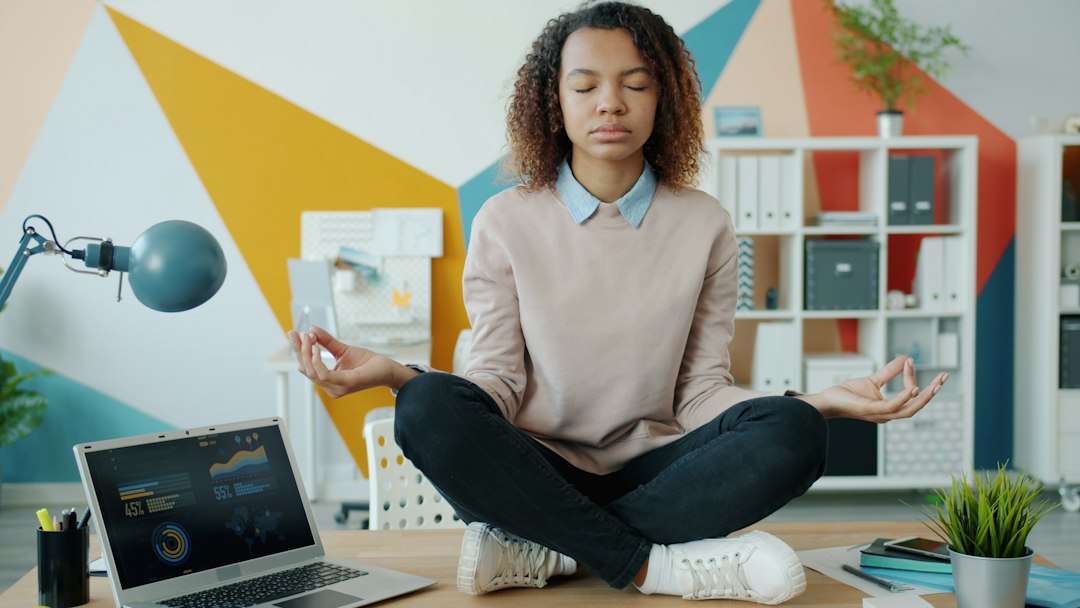
  • Mindfulness and Meditation: Regular mindfulness practice has been shown to reduce stress and anxiety by promoting relaxation and increasing self-awareness. You can start with guided meditations or apps like Headspace and Calm.
  • Physical Activity: Exercise is a powerful stress-reducer, releasing endorphins that boost mood and energy levels. Find an activity you enjoy, whether it’s walking, running, yoga, or dancing, and aim for at least 30 minutes of moderate-intensity exercise per day.
  • Deep Breathing Exercises: Conscious breathing can help calm the nervous system and reduce stress. Try diaphragmatic breathing, box breathing, or alternate nostril breathing to find what works best for you.
  • Journaling and Reflection: Writing down your thoughts and emotions can help you process and release stress. Try maintaining a daily journal or scheduling regular reflection time to clarify your priorities and values.
  • Social Connection: Building and maintaining strong social connections is vital for stress management. Nurture your relationships with friends, family, and colleagues, and don’t be afraid to reach out for support when you need it.
  • Remember, the goal is to find a combination of techniques that work for you and make them a consistent part of your self-care routine.

    Lifestyle Changes: Setting Yourself Up for Success

    In addition to specific stress management techniques, there are several lifestyle changes you can make to reduce your overall stress levels and promote a sense of well-being. These include:

  • Prioritizing Sleep: Aim for 7-9 hours of sleep per night to help regulate stress hormones and support physical and mental health.
  • Healthy Eating: Focus on whole, nutrient-dense foods like fruits, vegetables, whole grains, and lean proteins to provide your body with the fuel it needs to function optimally.
  • Boundary Setting: Learn to say no to non-essential commitments and set healthy boundaries with others to protect your time and energy.
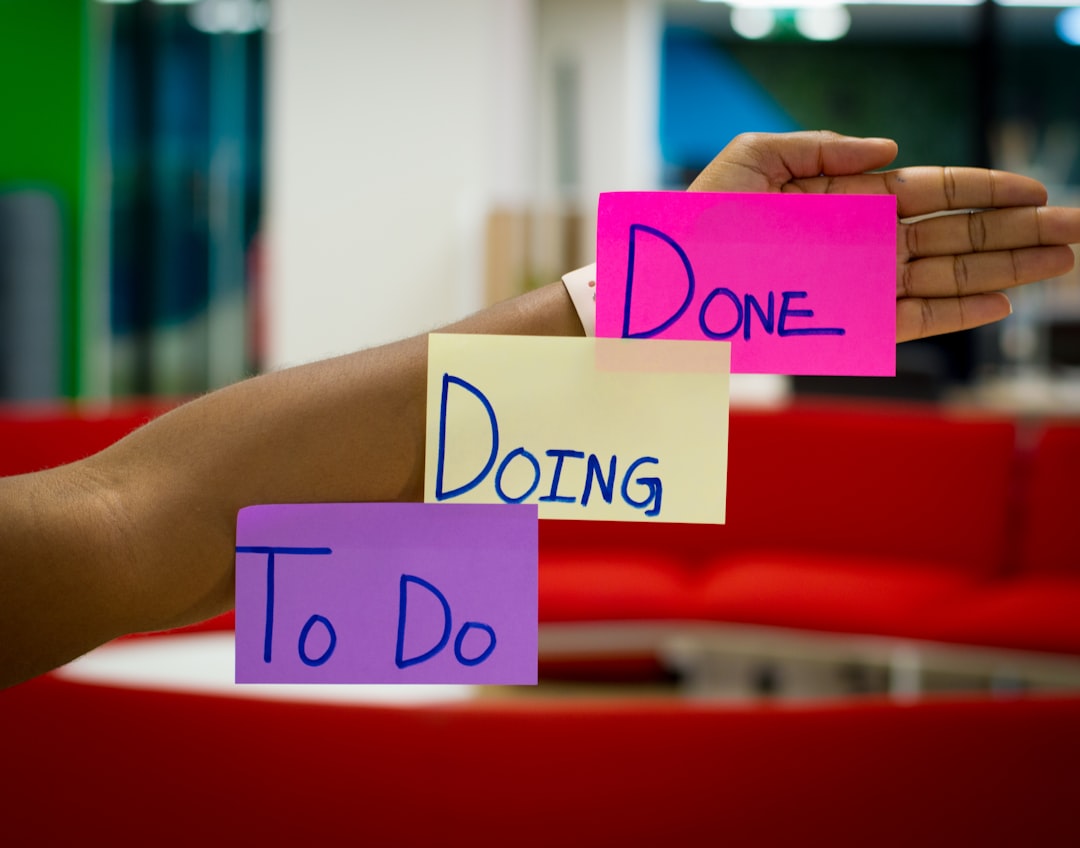
  • Time Management: Develop a schedule that allows for regular breaks, self-care, and relaxation time to help manage stress and increase productivity.
  • Leisure Activities: Engage in activities that bring you joy and fulfillment, whether it’s reading, painting, or playing music, to help distract from stress and promote relaxation.
  • By incorporating these lifestyle changes into your daily routine, you’ll be better equipped to handle stress and adversity, and more likely to experience a sense of calm and well-being.

    Overcoming Obstacles: Staying on Track with Stress Management

    Despite our best intentions, it’s easy to get derailed from our stress management plans. Here are some common obstacles to watch out for, along with strategies to overcome them:

  • Lack of Motivation: Find an accountability partner or join a stress management group to stay motivated and inspired.
  • Time Constraints: Start small, with short, manageable sessions of stress-reducing activities, and gradually increase duration and frequency as you become more comfortable.
  • Self-Criticism: Practice self-compassion and acknowledge that it’s okay to have setbacks. Don’t give up – instead, learn from your mistakes and move forward.
  • Unrealistic Expectations: Set realistic goals and celebrate small victories along the way. Remember, stress management is a journey, not a destination.

By anticipating these obstacles and developing strategies to overcome them, you’ll be more likely to stay on track with your stress management plan and achieve lasting results.

In conclusion, stress management is a journey that requires patience, self-awareness, and a willingness to experiment with different techniques. By understanding the signs and symptoms of stress, incorporating stress-reducing activities into your daily routine, making lifestyle changes to support overall well-being, and overcoming common obstacles, you can break free from the grip of stress and reclaim your sense of calm and vitality. Remember, you have the power to choose how you respond to stress, and with the right tools and mindset, you can find peace and tranquility in even the most chaotic of times. So take a deep breath, relax, and start your journey towards a healthier, happier you.

Mastering Stress Management: Proven Tips to Regain Control Over Your Life

Are you tired of feeling overwhelmed, anxious, and stuck in a never-ending cycle of stress? You’re not alone. In today’s fast-paced world, stress has become an unwelcome companion for many of us. But here’s the good news: you have the power to break free from stress’s grip and take back control over your life. In this comprehensive guide, we’ll explore the most effective stress management tips to help you achieve a healthier, happier you.

Understanding Stress: The Silent Killer

Before we dive into the nitty-gritty of stress management, it’s essential to understand what stress is and how it affects our bodies. Stress is a natural response to a perceived threat or pressure, triggering the release of hormones like cortisol and adrenaline. While these hormones can help us respond to immediate dangers, chronic stress can have devastating effects on our physical and mental well-being. Chronic stress has been linked to anxiety, depression, cardiovascular disease, and a weakened immune system. It’s crucial to recognize the signs of stress, including:

  • Increased heart rate and blood pressure
  • Difficulty sleeping or insomnia
  • Digestive problems
  • Mood swings and irritability
  • Difficulty concentrating
  • By acknowledging the warning signs of stress, you can take proactive steps to manage it before it takes a toll on your overall health.

    Effective Stress Management Techniques

    Now that we’ve explored the basics of stress, let’s move on to the fun part – learning how to manage it! Here are some evidence-based stress management techniques to get you started:

  • Mindfulness Meditation: This powerful practice involves focusing on the present moment, without judgment. Regular mindfulness meditation can reduce stress, anxiety, and depression by promoting relaxation and improving emotional regulation. You can start with guided meditation apps like Headspace or Calm.
  • Physical Exercise: Exercise is a natural stress-reliever, releasing endorphins that boost your mood and energy levels. Aim for at least 30 minutes of moderate-intensity exercise, such as brisk walking, cycling, or swimming, to reduce stress and anxiety.
  • Deep Breathing Exercises: Deep, slow breathing can calm your nervous system, reducing stress and promoting relaxation. Try inhaling for a count of four, holding your breath for a count of seven, and exhaling for a count of eight. Repeat this cycle several times a day.
  • Journaling: Writing down your thoughts, feelings, and concerns can help you process and release stress. Reflecting on your experiences and identifying patterns can also help you develop a more positive mindset.
  • Time Management: Poor time management can lead to increased stress levels. Prioritize tasks, set realistic goals, and take regular breaks to maintain a healthy work-life balance.
  • Lifestyle Changes for Long-Term Stress Relief

    In addition to the stress management techniques mentioned above, making lifestyle changes can have a significant impact on reducing stress and promoting overall well-being. Here are some key areas to focus on:

  • Sleep Hygiene: Establish a consistent sleep schedule, avoid caffeine and electronics before bedtime, and create a relaxing sleep environment to improve the quality of your sleep.
  • Nutrition and Diet: Focus on consuming a balanced diet rich in whole foods, fruits, vegetables, and lean proteins. Avoid sugary and processed foods that can exacerbate stress and anxiety.
  • Social Connections: Nurture your relationships with family and friends, and make an effort to stay connected with loved ones. Social support can play a significant role in stress reduction and emotional well-being.
  • Leisure Activities: Engage in activities that bring you joy and help you relax, such as reading, listening to music, or practicing yoga. Make time for hobbies and creative pursuits to reduce stress and increase happiness.
  • Overcoming Stressful Situations

    Despite our best efforts, we may still encounter stressful situations that test our resolve. Here are some strategies to help you navigate challenging circumstances:

  • Problem-Focused Coping: Identify the source of the stress and develop a plan to tackle it. Break down complex problems into manageable tasks, and focus on finding solutions rather than getting bogged down by the issue.
  • Emotion-Focused Coping: Recognize and validate your emotions, rather than trying to suppress or deny them. Practice self-compassion, and remind yourself that it’s okay to feel overwhelmed.
  • Seeking Support: Don’t be afraid to ask for help when you need it. Reach out to friends, family, or mental health professionals for guidance and support.
  • Conclusion: Taking Control of Stress

    Stress management is a journey, not a destination. By incorporating these tips and techniques into your daily life, you can develop the resilience and coping skills needed to overcome stress and achieve a better work-life balance. Remember, it’s essential to be patient and compassionate with yourself as you work through the process. Don’t be too hard on yourself if you encounter setbacks – simply acknowledge the challenge and refocus on your goals.

    Key takeaways:

  • Recognize the signs of stress and take proactive steps to manage it
  • Incorporate stress management techniques like mindfulness meditation, physical exercise, and deep breathing exercises into your daily routine
  • Make lifestyle changes to promote long-term stress relief, including sleep hygiene, nutrition, social connections, and leisure activities
  • Develop problem-focused and emotion-focused coping strategies to navigate stressful situations
  • Seek support from loved ones, mental health professionals, or support groups when needed

By following these stress management tips and making a commitment to your well-being, you can break free from the grip of stress and live a happier, healthier, and more fulfilling life. So, take a deep breath, relax, and start your journey to stress-free living today!

Finding Calm in Chaos: Effective Stress Management Tips for a Healthier You

Are you tired of feeling like you’re drowning in a sea of stress and anxiety? Do you often find yourself lying awake at night, your mind racing with worries about work, relationships, or finances? You’re not alone. Stress has become an unwelcome companion for many of us, affecting not only our mental well-being but also our physical health. The good news is that there are many effective stress management techniques that can help you regain control over your life and find peace in the midst of chaos. In this comprehensive guide, we’ll explore the best stress management tips to help you reduce stress, boost your mood, and improve your overall well-being.

Understanding Stress: The Enemy Within

Before we dive into the stress management techniques, it’s essential to understand what stress is and how it affects our bodies. Stress is a natural response to a perceived threat or pressure, triggering the release of stress hormones like cortisol and adrenaline. While a moderate amount of stress can be motivating and help us perform better, chronic stress can have severe consequences on our physical and mental health. It can lead to anxiety, depression, insomnia, digestive problems, and even cardiovascular disease. To manage stress effectively, it’s crucial to identify the sources of stress in your life and develop a personalized plan to tackle them.

Some common stressors include:

  • Work-related stress: long hours, heavy workload, office politics
  • Financial stress: debt, budgeting, job insecurity
  • Relationship stress: conflicts, communication problems, emotional abuse
  • Health stress: chronic illness, pain, disability
  • Environmental stress: noise, pollution, climate change
  • To manage stress, it’s essential to develop healthy coping mechanisms, such as exercise, meditation, and social support. Regular physical activity, for example, can help reduce stress and anxiety by releasing endorphins, also known as “feel-good” hormones. Mindfulness practices like meditation and deep breathing can also help calm the mind and reduce stress.

    Stress Management Techniques: Finding What Works for You

    There are many stress management techniques out there, and what works for one person may not work for another. It’s essential to experiment and find the methods that resonate with you the most. Here are some effective stress management techniques to get you started:

  • Exercise and physical activity: Regular exercise can help reduce stress and anxiety by releasing endorphins. Find an activity you enjoy, whether it’s walking, running, swimming, or dancing, and make it a regular part of your routine.
  • Mindfulness and meditation: Mindfulness practices like meditation, deep breathing, and yoga can help calm the mind and reduce stress. You can find many free guided meditation videos and apps online, such as Headspace and Calm.
  • Time management and prioritization: Poor time management can lead to increased stress levels. Learn to prioritize your tasks, set realistic goals, and take regular breaks to avoid burnout.
  • Social support and connection: Building a strong support network of friends, family, and colleagues can help you feel less isolated and more supported. Make an effort to stay connected with loved ones, and don’t be afraid to ask for help when you need it.
  • Self-care and relaxation: Engage in activities that bring you joy and help you relax, such as reading, listening to music, or taking a warm bath. Make self-care a priority, and schedule it into your daily or weekly routine.
  • Nutrition and Lifestyle: Fueling Your Body for Stress Resilience

    What you eat and how you live can have a significant impact on your stress levels. A healthy diet rich in whole foods, fruits, and vegetables can provide your body with the necessary nutrients to cope with stress. Here are some nutrition and lifestyle tips to help you build stress resilience:

  • Eat a balanced diet: Focus on whole, unprocessed foods like fruits, vegetables, whole grains, lean proteins, and healthy fats. Avoid sugary and processed foods that can exacerbate stress and anxiety.
  • Stay hydrated: Drink plenty of water throughout the day, aiming for at least eight glasses a day. Avoid caffeine and sugary drinks that can dehydrate and stress your body.
  • Get enough sleep: Aim for 7-9 hours of sleep each night to help your body and mind recover from the stresses of the day. Establish a relaxing bedtime routine, and avoid screens before bedtime.
  • Limit screen time and social media: Excessive screen time and social media use can lead to increased stress, anxiety, and feelings of inadequacy. Set boundaries, and take regular breaks from your devices.
  • Practice gratitude and positivity: Focus on the positive aspects of your life, and practice gratitude by keeping a journal or sharing three things you’re thankful for each day.
  • Overcoming Stress and Building Resilience: A Long-Term Plan

    Managing stress is a long-term process that requires commitment, patience, and self-compassion. It’s essential to develop a personalized plan that addresses your unique stressors and needs. Here are some tips to help you build stress resilience and overcome stress in the long term:

  • Set realistic goals and expectations: Break down large goals into smaller, manageable tasks, and celebrate your achievements along the way.
  • Practice self-compassion and self-forgiveness: Treat yourself with kindness and understanding, just as you would a close friend. Avoid self-criticism, and focus on progress rather than perfection.
  • Seek professional help when needed: If you’re struggling with chronic stress, anxiety, or depression, don’t hesitate to seek help from a mental health professional. They can provide you with personalized guidance, support, and therapy to help you overcome stress and build resilience.
  • Stay flexible and adaptable: Life is unpredictable, and things don’t always go as planned. Learn to be flexible, and adapt to changing circumstances with ease.
  • Cultivate a growth mindset: View challenges as opportunities for growth and learning, rather than threats to your ego or well-being.
  • In conclusion, managing stress is a journey that requires effort, patience, and self-compassion. By understanding the sources of stress in your life, developing healthy coping mechanisms, and cultivating a positive mindset, you can reduce stress and anxiety, and improve your overall well-being. Remember, stress management is a long-term process, and it’s essential to be kind to yourself and celebrate your progress along the way. By incorporating these stress management tips into your daily life, you’ll be well on your way to finding calm in chaos and living a healthier, happier you.

    Key takeaways:

  • Identify the sources of stress in your life and develop a personalized plan to tackle them.
  • Experiment with different stress management techniques, such as exercise, meditation, and social support, to find what works best for you.
  • Focus on nutrition and lifestyle habits that promote stress resilience, such as a balanced diet, regular exercise, and sufficient sleep.
  • Practice self-compassion, self-forgiveness, and gratitude to build a positive mindset and overcome stress.
  • Seek professional help when needed, and stay committed to your long-term plan for managing stress and building resilience.

Finding Calm in Chaos: Effective Stress Management Tips for a Healthier You

Are you tired of feeling like you’re drowning in a sea of stress and anxiety? Do you struggle to stay afloat in a world that seems to be moving at an increasingly frantic pace? You’re not alone. Stress has become an unwelcome companion for many of us, affecting not only our mental well-being but also our physical health. The good news is that there are many effective stress management techniques that can help you regain control and find calm in the midst of chaos. In this comprehensive guide, we’ll explore the best stress management tips to help you reduce stress, improve your mood, and increase your overall sense of well-being.

Understanding Stress and Its Impact on Our Lives

Before we dive into the stress management techniques, it’s essential to understand what stress is and how it affects our bodies. Stress is a natural response to a perceived threat or pressure, triggering the release of stress hormones like cortisol and adrenaline. While some stress can be beneficial, helping us stay motivated and focused, chronic stress can have severe consequences on our physical and mental health. Chronic stress has been linked to anxiety, depression, digestive problems, and even cardiovascular disease. It’s crucial to recognize the signs of stress, such as irritability, insomnia, and difficulty concentrating, and take proactive steps to manage it. By acknowledging the impact of stress on our lives, we can begin to develop effective coping strategies and make positive changes.

Effective Stress Management Techniques

Fortunately, there are many stress management techniques that can help you reduce stress and improve your overall well-being. Here are some of the most effective methods:

  • Deep Breathing Exercises: Deep breathing is a simple yet powerful technique that can help calm your mind and body. By focusing on slow, deliberate breaths, you can slow down your heart rate, lower your blood pressure, and reduce stress hormones. Try incorporating deep breathing exercises into your daily routine, such as during your morning meditation or before bed.
  • Physical Activity: Regular exercise is a natural stress-reliever, releasing endorphins that boost your mood and reduce anxiety. Find an activity you enjoy, whether it’s walking, running, yoga, or dancing, and make it a regular part of your routine. Exercise can help reduce stress, improve sleep, and increase energy levels.
  • Mindfulness and Meditation: Mindfulness and meditation are powerful tools for reducing stress and increasing self-awareness. By focusing on the present moment and letting go of worries about the past or future, you can cultivate a sense of calm and clarity. Try incorporating mindfulness exercises, such as body scan meditation or guided meditation, into your daily routine.
  • Time Management: Poor time management can be a significant source of stress, leading to feelings of overwhelm and anxiety. By prioritizing tasks, setting realistic goals, and avoiding procrastination, you can reduce stress and increase productivity. Try using tools like to-do lists, calendars, or project management software to stay organized and focused.
  • Social Support: Social support from friends, family, or a therapist can be a vital component of stress management. Talking to someone about your feelings and concerns can help you process and release emotions, gain new perspectives, and develop coping strategies. Don’t be afraid to reach out to loved ones or seek professional help when you need it.
  • Nutrition and Stress Management

    What we eat can have a significant impact on our stress levels and overall well-being. A healthy diet rich in whole foods, fruits, vegetables, and lean proteins can help reduce stress and improve mood. Here are some nutrition tips to help you manage stress:

  • Stay Hydrated: Dehydration can exacerbate stress, leading to feelings of fatigue, headaches, and irritability. Make sure to drink plenty of water throughout the day, aiming for at least eight glasses.
  • Balance Blood Sugar: Blood sugar fluctuations can contribute to stress and anxiety. Eat regular meals and snacks, including complex carbohydrates, protein, and healthy fats, to maintain stable blood sugar levels.
  • Incorporate Stress-Reducing Foods: Certain foods, such as leafy greens, berries, and fatty fish, contain nutrients and antioxidants that can help reduce stress and improve mood. Try incorporating these foods into your diet, such as adding spinach to your smoothies or snacking on walnuts.
  • Avoid Processed and Sugary Foods: Processed and sugary foods can exacerbate stress, leading to energy crashes, mood swings, and decreased cognitive function. Try to limit your intake of these foods, opting for whole, nutrient-dense foods instead.
  • Conclusion and Key Takeaways

    Stress management is a journey, not a destination. By incorporating these effective stress management techniques into your daily routine, you can reduce stress, improve your mood, and increase your overall sense of well-being. Remember, it’s essential to be patient and compassionate with yourself as you work through the process. Here are the key takeaways from this comprehensive guide:

  • Recognize the signs of stress and take proactive steps to manage it
  • Incorporate stress-reducing techniques, such as deep breathing, physical activity, mindfulness, and meditation, into your daily routine
  • Prioritize time management, social support, and nutrition to reduce stress and improve overall well-being
  • Be patient and compassionate with yourself as you work through the stress management process

By following these stress management tips and making positive changes to your lifestyle, you can find calm in the chaos and cultivate a healthier, happier you. Remember, stress management is a journey, and it’s okay to take it one step at a time. Start today, and take the first step towards a more balanced, peaceful life.

Finding Inner Peace in a Chaotic World: Effective Stress Management Tips for a Happier You

Are you tired of feeling like you’re drowning in a sea of stress and anxiety? Do you often find yourself wondering how to manage the overwhelming demands of modern life? You’re not alone. Stress has become an unwelcome companion for many of us, affecting not only our mental health but also our physical well-being. The good news is that there are many effective stress management techniques that can help you regain control over your life, reduce your stress levels, and find inner peace. In this comprehensive guide, we’ll explore the best stress management tips, from mindfulness and meditation to exercise and time management, to help you navigate the challenges of everyday life with greater ease and confidence.

Understanding Stress and Its Impact on Our Lives

Before we dive into the nitty-gritty of stress management, it’s essential to understand what stress is and how it affects our bodies and minds. Stress is a natural response to a perceived threat or pressure, triggering the release of hormones like cortisol and adrenaline. While these hormones can help us respond to immediate dangers, chronically elevated levels can lead to a range of negative effects, including anxiety, depression, insomnia, and a weakened immune system. Chronic stress can also affect our relationships, productivity, and overall quality of life, making it crucial to develop effective coping strategies.

To manage stress effectively, it’s vital to identify the sources of stress in your life. Common stressors include work-related pressures, financial worries, relationship issues, and health concerns. Once you’ve pinpointed the causes of your stress, you can start working on targeted solutions. For instance, if you’re experiencing work-related stress, you may want to explore stress management techniques like prioritization, delegation, and time management. If you’re struggling with financial stress, you could consider seeking the help of a financial advisor or creating a budget to regain control over your finances.

Mindfulness, Meditation, and Relaxation Techniques

Mindfulness, meditation, and relaxation techniques are powerful tools for managing stress and anxiety. These practices help calm the mind, reduce stress hormones, and increase feelings of relaxation and well-being. Mindfulness involves being present in the moment, paying attention to your thoughts, feelings, and sensations without judgment. You can practice mindfulness through activities like walking, eating, or even doing the dishes. Meditation takes mindfulness a step further, focusing your attention on a specific object, such as your breath, a mantra, or a visualization.

Regular meditation practice has been shown to reduce stress, anxiety, and depression, while improving sleep quality, concentration, and mood. You can start with short meditation sessions, even just 5-10 minutes a day, and gradually increase the duration as you become more comfortable with the practice. There are many guided meditation apps, videos, and online resources available to help you get started. Relaxation techniques like deep breathing, progressive muscle relaxation, and yoga can also help reduce stress and promote relaxation. These practices can be done anywhere, at any time, making them a great addition to your stress management toolkit.

Exercise, Nutrition, and Sleep: The Foundation of Stress Resilience

Regular exercise, a balanced diet, and adequate sleep are essential for building stress resilience. Exercise is a natural stress-reliever, releasing endorphins that improve your mood and reduce anxiety. Aim for at least 30 minutes of moderate-intensity exercise per day, such as brisk walking, cycling, or swimming. You can also incorporate stress-reducing activities like yoga, tai chi, or Pilates into your routine.

A healthy diet rich in whole foods, fruits, vegetables, and lean proteins can help support your mental health and reduce stress. Avoid sugary, processed, and high-caffeine foods that can exacerbate stress and anxiety. Stay hydrated by drinking plenty of water throughout the day, and consider incorporating adaptogenic herbs like ashwagandha, ginseng, or rhodiola into your diet. These herbs have been shown to help reduce stress and improve mood.

Sleep is also crucial for stress management, as it allows your body to repair and recharge. Aim for 7-9 hours of sleep per night, establishing a consistent sleep schedule and creating a relaxing bedtime routine to improve sleep quality. Avoid screens, electronic devices, and stimulating activities before bedtime, and create a sleep-conducive environment that is dark, quiet, and cool.

Time Management and Boundary Setting: Taking Control of Your Life

Effective time management and boundary setting are essential for reducing stress and increasing productivity. When you’re able to manage your time effectively, you’ll feel more in control of your life, reducing feelings of overwhelm and anxiety. Start by prioritizing your tasks, focusing on the most important and urgent ones first. Use tools like to-do lists, calendars, and reminders to stay organized and on track.

Setting healthy boundaries is also vital for maintaining your mental and emotional well-being. Learn to say “no” to non-essential commitments, set realistic expectations with others, and prioritize self-care activities like exercise, meditation, and spending time with loved ones. Remember, taking care of yourself is not selfish; it’s essential for being able to show up fully in your life and relationships.

Conclusion: Taking the First Step Towards a Stress-Free Life

Managing stress is a journey, not a destination. It takes time, effort, and patience to develop effective coping strategies and make lasting changes. By incorporating mindfulness, meditation, exercise, nutrition, sleep, time management, and boundary setting into your daily routine, you’ll be better equipped to handle life’s challenges with greater ease and confidence. Remember, it’s okay to start small, and it’s essential to be kind to yourself along the way.

As you embark on this journey, keep in mind that stress management is not a one-size-fits-all approach. Experiment with different techniques, find what works best for you, and be patient with yourself as you navigate the ups and downs of life. With time and practice, you’ll develop the skills and resilience needed to manage stress effectively, leading to a happier, healthier, and more fulfilling life. So, take the first step today, and start cultivating the inner peace and calm that you deserve.

Breaking Free from the Grip of Stress: Proven Tips for a Happier, Healthier You

Are you tired of feeling like you’re drowning in a sea of stress and anxiety? Do you often find yourself wondering how to manage the overwhelming demands of modern life? You’re not alone. Stress has become an unwelcome companion for many of us, affecting not just our mental well-being but also our physical health. The good news is that there are effective stress management techniques that can help you break free from the grip of stress and live a happier, healthier life. In this comprehensive guide, we’ll explore the best tips and strategies for managing stress, from mindfulness and meditation to exercise and time management.

Understanding Stress: The Silent Killer

Before we dive into the nitty-gritty of stress management, it’s essential to understand what stress is and how it affects our bodies. Stress is a natural response to a perceived threat or pressure, triggering the release of stress hormones like cortisol and adrenaline. While these hormones can help us respond to immediate dangers, chronically elevated levels can lead to a range of problems, including anxiety, depression, digestive issues, and even cardiovascular disease. The World Health Organization (WHO) has dubbed stress the “health epidemic of the 21st century,” highlighting the urgent need for effective stress management techniques.

To manage stress effectively, it’s crucial to identify your stress triggers. These can be external factors like work pressure, financial worries, or relationship issues, or internal factors like negative self-talk, fear, or self-doubt. Once you’re aware of your stress triggers, you can develop a personalized plan to tackle them head-on. This might involve setting boundaries at work, practicing assertive communication, or seeking support from friends, family, or a therapist. By acknowledging and addressing your stress triggers, you can reduce your stress levels and improve your overall well-being.

Mindfulness and Meditation: The Power of Presence

Mindfulness and meditation are two of the most effective stress management techniques available. These practices involve cultivating present-moment awareness, letting go of worries about the past or future, and embracing the here and now. Regular mindfulness and meditation practice can help reduce stress and anxiety by:

  • Decreasing the production of stress hormones like cortisol
  • Increasing the production of feel-good hormones like serotonin and dopamine
  • Enhancing emotional regulation and resilience
  • Improving sleep quality and duration
  • There are many mindfulness and meditation techniques to explore, from body scan meditation and loving-kindness meditation to transcendental meditation and yoga. You can start with guided meditation apps like Headspace or Calm, or join a local meditation group to connect with like-minded individuals. Remember, the key to mindfulness and meditation is consistency – aim to practice for at least 10-15 minutes a day to experience the benefits.

    Exercise and Physical Activity: The Natural Stress-Reliever

    Exercise is a potent stress-reliever that can help reduce anxiety and improve mood. Physical activity stimulates the production of endorphins, also known as “feel-good” hormones, which can help alleviate stress and boost self-esteem. Exercise can also provide a healthy distraction from stressors, giving you a much-needed break from the pressures of daily life.

    The best part? You don’t need to be a fitness enthusiast to reap the benefits of exercise. Even moderate physical activity, like brisk walking or yoga, can be beneficial for stress management. Aim for at least 30 minutes of exercise per day, and explore activities that bring you joy, whether that’s dancing, swimming, or cycling. Some other exercise-based stress management techniques include:

  • High-intensity interval training (HIIT) for a natural energy boost
  • Yoga and Pilates for improved flexibility and core strength
  • Walking and hiking for a dose of fresh air and vitamin D
  • Dancing and Zumba for a fun, calorie-burning workout
  • Time Management and Productivity: The Key to a Stress-Free Life

    Poor time management can be a significant source of stress, leading to feelings of overwhelm, guilt, and frustration. By prioritizing tasks, setting realistic goals, and avoiding procrastination, you can reduce stress and achieve a better work-life balance. Here are some time management tips to help you stay on track:

  • Use the Eisenhower Matrix to categorize tasks into urgent vs. important
  • Set clear boundaries and learn to say “no” to non-essential commitments
  • Break down large tasks into smaller, manageable chunks
  • Use productivity tools like to-do lists, calendars, and project management software
  • Take regular breaks to recharge and avoid burnout
  • Additionally, consider implementing a “stop doing” list to eliminate tasks that drain your energy and cause unnecessary stress. This might involve delegating tasks to others, automating repetitive tasks, or simply letting go of non-essential commitments. By streamlining your workflow and prioritizing self-care, you can reduce stress and achieve a more balanced, fulfilling life.

    Conclusion: Taking Control of Your Stress

    Managing stress is a journey, not a destination. It takes time, effort, and patience to develop effective stress management techniques, but the rewards are well worth it. By incorporating mindfulness, meditation, exercise, and time management into your daily routine, you can reduce stress, improve your mental and physical health, and enhance your overall well-being. Remember, stress is not something to be ashamed of – it’s a natural response to a challenging world. By acknowledging your stress and taking proactive steps to manage it, you can break free from the grip of stress and live a happier, healthier life.

    Key takeaways:

  • Identify your stress triggers and develop a personalized plan to tackle them
  • Practice mindfulness and meditation to reduce stress and anxiety
  • Engage in regular exercise and physical activity to boost mood and energy
  • Prioritize time management and productivity to achieve a better work-life balance
  • Remember that stress management is a journey, and it’s okay to take things one step at a time

By following these stress management tips and techniques, you can take control of your stress and live a more balanced, fulfilling life. So why wait? Start your stress management journey today, and discover a happier, healthier you.

Finding Calm in Chaos: Effective Stress Management Tips for a Healthier You

Are you tired of feeling like you’re drowning in a sea of stress and anxiety? Do you often find yourself wondering how to manage the overwhelming demands of modern life? You’re not alone. Stress has become an unwelcome companion for many of us, affecting not only our mental well-being but also our physical health. The good news is that there are many effective stress management techniques that can help you find calm in the midst of chaos. In this comprehensive guide, we’ll explore the best tips and strategies for managing stress, so you can take back control of your life and start living a healthier, happier you.

Understanding Stress: The Basics

Before we dive into the nitty-gritty of stress management, it’s essential to understand what stress is and how it affects our bodies. Stress is a natural response to a perceived threat or pressure, triggering the release of hormones like cortisol and adrenaline. These hormones prepare our bodies to either fight or flee, causing a range of physical symptoms, including a racing heart, sweaty palms, and a knot in the stomach. Chronic stress, however, can have severe consequences, including anxiety, depression, and a weakened immune system. To manage stress effectively, it’s crucial to identify your stress triggers and develop a personalized plan to tackle them.

Some common stress triggers include work-related pressures, financial worries, relationship issues, and lack of sleep. By becoming more aware of your thoughts, emotions, and physical sensations, you can start to recognize the early warning signs of stress and take proactive steps to mitigate its impact. This might involve practicing relaxation techniques, such as deep breathing, progressive muscle relaxation, or mindfulness meditation, to calm your mind and soothe your body. By incorporating these techniques into your daily routine, you can reduce your stress levels, improve your mood, and enhance your overall well-being.

Stress Management Techniques: What Works

When it comes to managing stress, there’s no one-size-fits-all approach. What works for one person may not work for another, so it’s essential to experiment and find the techniques that resonate with you. Here are some evidence-based stress management strategies that have been shown to be effective:

  • Exercise and physical activity: Regular exercise is a powerful stress-reducer, releasing endorphins, also known as “feel-good” hormones, which can boost your mood and energy levels. Activities like walking, jogging, yoga, and swimming are great options, as they can help you relax and unwind while improving your physical health.
  • Time management and prioritization: Poor time management can lead to increased stress levels, as you may feel overwhelmed by multiple tasks and deadlines. By prioritizing your tasks, setting realistic goals, and taking regular breaks, you can regain control of your schedule and reduce your stress levels.
  • Social support and connection: Building strong relationships with family, friends, and colleagues can provide a sense of belonging and support, which is essential for managing stress. Don’t be afraid to reach out to others when you need help or a listening ear.
  • Mindfulness and self-care: Practicing mindfulness, self-compassion, and self-care can help you develop a more positive mindset, reduce stress and anxiety, and improve your overall well-being. Activities like meditation, journaling, and spending time in nature can be great ways to cultivate mindfulness and self-awareness.
  • By incorporating these stress management techniques into your daily routine, you can develop a more resilient and adaptable approach to dealing with stress. Remember, managing stress is a journey, not a destination, and it’s essential to be patient, kind, and compassionate with yourself as you navigate the ups and downs of life.

    Nutrition and Lifestyle: The Missing Link

    What we eat and how we live our lives can have a significant impact on our stress levels. A healthy diet, rich in whole foods, fruits, vegetables, and omega-3 fatty acids, can provide the necessary nutrients and energy to support our mental and physical health. On the other hand, a diet high in processed foods, sugar, and caffeine can exacerbate stress and anxiety. By making informed food choices and developing healthy lifestyle habits, you can reduce your stress levels and improve your overall well-being.

    Some key nutrition and lifestyle tips for managing stress include:

  • Stay hydrated: Drinking plenty of water and limiting your intake of sugary drinks can help regulate your mood and energy levels.
  • Get enough sleep: Aim for 7-9 hours of sleep per night to help your body and mind recharge.
  • Limit caffeine and alcohol: Both caffeine and alcohol can disrupt sleep patterns and exacerbate stress and anxiety.
  • Practice relaxation techniques: Activities like yoga, tai chi, and qigong can help you relax and reduce stress.
  • By combining a healthy diet and lifestyle with effective stress management techniques, you can develop a robust and resilient approach to dealing with stress. Remember, it’s all about finding a balance that works for you and making sustainable lifestyle changes that promote overall well-being.

    Conclusion: Taking Control of Stress

    Managing stress is a journey, not a destination, and it’s essential to be patient, kind, and compassionate with yourself as you navigate the ups and downs of life. By understanding the basics of stress, exploring effective stress management techniques, and making informed nutrition and lifestyle choices, you can develop a more resilient and adaptable approach to dealing with stress. Remember, you have the power to take control of your stress levels and create a healthier, happier you.

    Key takeaways:

  • Identify your stress triggers and develop a personalized plan to tackle them.
  • Practice relaxation techniques, such as deep breathing, progressive muscle relaxation, or mindfulness meditation, to calm your mind and soothe your body.
  • Incorporate physical activity, social support, and self-care into your daily routine to reduce stress and improve your overall well-being.
  • Make informed nutrition and lifestyle choices to support your mental and physical health.
  • Be patient, kind, and compassionate with yourself as you navigate the journey of stress management.

By following these stress management tips and strategies, you can find calm in the midst of chaos and create a more balanced, fulfilling life. So, take a deep breath, relax, and remember that you’ve got this.

Finding Calm in Chaos: Effective Stress Management Tips for a Happier You

Are you tired of feeling like you’re drowning in a sea of stress and anxiety? Do you often find yourself lying awake at night, replaying the events of the day and worrying about what’s to come? You’re not alone. Stress has become an unfortunate companion for many of us, affecting our mental and physical health, relationships, and overall well-being. But here’s the good news: stress management is a skill that can be learned, and with the right tools and techniques, you can take control of your stress and start living a happier, healthier life. In this comprehensive guide, we’ll explore the best stress management tips and techniques to help you find calm in chaos.

Understanding Stress and Its Impact on Our Lives

Before we dive into the nitty-gritty of stress management, it’s essential to understand what stress is and how it affects our bodies. Stress is a natural response to a perceived threat or pressure, triggering the release of stress hormones like cortisol and adrenaline. While these hormones can help us respond to immediate dangers, chronically elevated levels can have severe consequences on our physical and mental health. Chronic stress has been linked to anxiety, depression, digestive problems, and a weakened immune system, among other issues. It’s crucial to recognize the signs of stress, such as irritability, mood swings, and difficulty sleeping, and take proactive steps to manage it.

Stress management is not a one-size-fits-all approach; what works for one person may not work for another. However, there are some evidence-based techniques that can help reduce stress and improve overall well-being. These include mindfulness meditation, deep breathing exercises, and physical activity, which we’ll explore in more detail below. By incorporating these stress-reducing activities into your daily routine, you can better equip yourself to handle life’s challenges and improve your resilience.

Mindfulness and Meditation: Powerful Tools for Stress Reduction

Mindfulness and meditation are two of the most effective stress management techniques, and for good reason. These practices have been shown to decrease the production of stress hormones, reduce anxiety and depression, and improve sleep quality. Mindfulness involves being present in the moment, paying attention to your thoughts, feelings, and sensations without judgment. Meditation, on the other hand, is a more focused practice that involves training your mind to concentrate on a specific object, such as the breath. Regular mindfulness and meditation practice can help you develop a greater sense of self-awareness, allowing you to recognize and manage stress more effectively.

To get started with mindfulness and meditation, you can try using apps like Headspace or Calm, which offer guided meditations and mindfulness exercises. You can also try incorporating mindfulness into your daily activities, such as eating or walking, by paying attention to your senses and the present moment. Remember, the key to mindfulness and meditation is consistency; aim to practice for at least 10-15 minutes a day, ideally at the same time each day. With regular practice, you can develop greater calm, clarity, and focus, even in the midst of chaos.

Physical Activity and Exercise: Natural Stress-Relievers

Physical activity is another powerful stress-reducer, and one that’s often overlooked. Exercise has been shown to reduce stress and anxiety by releasing endorphins, also known as “feel-good” hormones. These natural chemicals can help improve your mood, reduce tension, and enhance your overall sense of well-being. Regular exercise can also help improve sleep quality, boost energy levels, and increase self-esteem.

The best part? You don’t need to be a fitness enthusiast to reap the benefits of exercise. Even moderate physical activity, such as brisk walking or yoga, can be beneficial for stress management. Aim for at least 30 minutes of moderate-intensity exercise per day, and try to incorporate a variety of activities into your routine, such as strength training, cardio, and flexibility exercises. Remember to listen to your body and start slowly, especially if you’re new to exercise. With time and consistency, you can develop a healthier, more active lifestyle that helps you manage stress and improve your overall health.

Time Management and Boundary-Setting: Essential Stress Management Skills

Effective time management and boundary-setting are essential skills for managing stress and maintaining a healthy work-life balance. When you’re overwhelmed with tasks and responsibilities, it’s easy to feel stressed and anxious. By prioritizing your tasks, setting realistic goals, and learning to say “no” to non-essential commitments, you can reduce your stress levels and improve your overall sense of control.

To improve your time management skills, try using a planner or calendar to stay organized, and break down large tasks into smaller, manageable chunks. Set realistic deadlines and prioritize self-care activities, such as exercise, meditation, or spending time with loved ones. Remember, taking care of yourself is not selfish; it’s essential for maintaining your physical and mental health. By setting healthy boundaries and prioritizing your own needs, you can reduce stress, improve your relationships, and increase your overall sense of fulfillment.

Conclusion: Taking Control of Your Stress

Stress management is a journey, not a destination. It takes time, effort, and patience to develop the skills and strategies needed to manage stress effectively. However, with the right tools and techniques, you can take control of your stress and start living a happier, healthier life. Remember, stress is not something to be ashamed of; it’s a natural response to a challenging world. By acknowledging your stress, seeking support, and incorporating stress-reducing activities into your daily routine, you can reduce your stress levels, improve your relationships, and increase your overall sense of well-being.

In conclusion, the key takeaways from this guide are:

  • Mindfulness and meditation are powerful tools for reducing stress and improving mental health.
  • Physical activity and exercise can help reduce stress and anxiety, while improving overall health and well-being.
  • Effective time management and boundary-setting are essential skills for managing stress and maintaining a healthy work-life balance.
  • Stress management is a journey, not a destination, and it takes time, effort, and patience to develop the skills and strategies needed to manage stress effectively.

By incorporating these stress management tips and techniques into your daily routine, you can take the first step towards a happier, healthier you. Remember, you are not alone in your struggles with stress, and there is always hope for a better tomorrow. So, take a deep breath, be kind to yourself, and start your journey towards a more peaceful, stress-free life.

Mastering the Art of Stress Management: Tips to Calm Your Mind and Boost Productivity

Are you tired of feeling overwhelmed and stressed out? Do you struggle to cope with the demands of modern life, from work and relationships to social media and constant connectivity? You’re not alone. Stress has become an epidemic in today’s fast-paced world, affecting millions of people worldwide. However, the good news is that there are many effective stress management techniques that can help you calm your mind, boost your mood, and increase your productivity. In this comprehensive guide, we’ll explore the best tips and strategies for managing stress, from mindfulness and meditation to exercise and time management.

Understanding Stress and Its Impact on Your Life

Before we dive into the stress management tips, it’s essential to understand what stress is and how it affects your body and mind. Stress is a natural response to a perceived threat or pressure, triggering the release of hormones like adrenaline and cortisol. While some stress can be beneficial, helping you stay focused and motivated, chronic stress can have severe consequences on your physical and mental health. It can lead to anxiety, depression, insomnia, and a weakened immune system, among other issues. Chronic stress can also affect your relationships, work performance, and overall well-being.

To manage stress effectively, it’s crucial to identify the sources of stress in your life. Is it your job, finances, or personal relationships? Once you’re aware of the stressors, you can start working on strategies to mitigate their impact. This might involve setting boundaries, prioritizing tasks, or seeking support from friends, family, or a therapist. Remember, stress management is a personal and ongoing process, requiring patience, self-awareness, and a willingness to make lifestyle changes.

Mindfulness and Meditation: Powerful Tools for Stress Reduction

Mindfulness and meditation are two of the most effective stress management techniques, backed by scientific research and centuries of practice. Mindfulness involves being present in the moment, paying attention to your thoughts, feelings, and sensations without judgment. Meditation, on the other hand, is a specific practice that involves focusing your mind on a particular object, breath, or mantra to achieve a state of calm and relaxation. Regular mindfulness and meditation practice can help reduce stress and anxiety, improve sleep, and boost mood.

To get started with mindfulness and meditation, you can try simple exercises like deep breathing, body scan, or guided meditation. You can find many free resources online, including apps like Headspace and Calm, or YouTube channels like Meditation Oasis. Start with short sessions, 5-10 minutes a day, and gradually increase the duration as you become more comfortable with the practice. You can also incorporate mindfulness into your daily activities, such as eating, walking, or showering, by paying attention to your senses and the present moment.

Exercise and Physical Activity: Natural Stress Relievers

Exercise is a natural stress reliever, releasing endorphins and other chemicals that improve your mood and reduce anxiety. Regular physical activity can also help you sleep better, boost your energy levels, and enhance your overall well-being. The good news is that you don’t need to be a fitness enthusiast to reap the benefits of exercise. Even moderate physical activity, such as walking or yoga, can make a significant difference in your stress levels.

To incorporate exercise into your stress management routine, find an activity that you enjoy and that fits your lifestyle. This might be jogging, cycling, swimming, or dancing. Aim for at least 30 minutes of moderate-intensity exercise per day, and ideally, include a mix of cardio, strength training, and flexibility exercises. You can also try stress-reducing activities like tai chi, qigong, or Pilates, which combine physical movement with mindfulness and breath awareness.

Time Management and Productivity: Essential Skills for Stress Reduction

Poor time management and low productivity can be significant sources of stress, leading to feelings of overwhelm, guilt, and frustration. To manage your time effectively, it’s essential to prioritize your tasks, set realistic goals, and avoid multitasking. Start by making a to-do list, breaking down large tasks into smaller, manageable chunks, and focusing on one task at a time. Use tools like calendars, planners, or apps to stay organized and on track.

Another critical aspect of time management is learning to say no and set boundaries. Be mindful of your workload, avoid overcommitting, and prioritize self-care activities, such as meditation, exercise, or spending time with loved ones. Remember, taking care of yourself is not selfish; it’s essential for your well-being and productivity. By managing your time effectively, you’ll reduce stress, increase your sense of control, and achieve a better work-life balance.

Conclusion and Key Takeaways

Stress management is a journey, not a destination. It requires patience, self-awareness, and a willingness to make lifestyle changes. By incorporating mindfulness, meditation, exercise, and time management into your daily routine, you’ll be better equipped to handle stress and anxiety. Remember, stress is a natural part of life, but it doesn’t have to control your life. By taking small steps towards stress reduction, you’ll improve your overall well-being, increase your productivity, and enhance your relationships.

Key takeaways from this guide include:

  • Identify the sources of stress in your life and work on strategies to mitigate their impact.
  • Incorporate mindfulness and meditation into your daily routine to reduce stress and anxiety.
  • Engage in regular exercise or physical activity to boost your mood and energy levels.
  • Prioritize time management and productivity to reduce feelings of overwhelm and increase your sense of control.
  • Remember to take care of yourself, set boundaries, and prioritize self-care activities.

By following these stress management tips and making them a part of your lifestyle, you’ll be well on your way to mastering the art of stress management. So, take a deep breath, relax, and start your journey towards a more balanced, happy, and stress-free life.

Finding Calm in Chaos: Effective Stress Management Tips for a Happier You

Are you tired of feeling like you’re drowning in a sea of stress and anxiety? Do you often find yourself wondering how to manage the overwhelming demands of modern life? You’re not alone. Stress has become an unwelcome companion for many of us, affecting not only our mental well-being but also our physical health and relationships. The good news is that there are many effective stress management techniques that can help you regain control and find calm in the midst of chaos. In this comprehensive guide, we’ll explore the best stress management tips to help you reduce stress, boost your mood, and improve your overall quality of life.

Understanding Stress and Its Impact on Our Lives

Before we dive into the nitty-gritty of stress management, it’s essential to understand what stress is and how it affects our bodies. Stress is a natural response to a perceived threat or pressure, triggering the release of stress hormones like cortisol and adrenaline. While some stress can be beneficial, helping us stay focused and motivated, chronic stress can have severe consequences on our mental and physical health. Prolonged exposure to stress can lead to anxiety disorders, depression, digestive problems, and a weakened immune system. It’s crucial to recognize the signs of stress, such as irritability, insomnia, and decreased productivity, and take proactive steps to manage it.

Stress management is not a one-size-fits-all approach. What works for one person may not work for another. However, there are some evidence-based techniques that have been shown to be effective in reducing stress and promoting relaxation. These include mindfulness meditation, deep breathing exercises, and physical activity. Mindfulness meditation, in particular, has been found to decrease the production of stress hormones and increase the production of neurotransmitters like serotonin and dopamine, which help regulate mood and emotional response. By incorporating these techniques into your daily routine, you can develop a more resilient response to stress and improve your overall well-being.

Practical Stress Management Techniques for Everyday Life

While it’s easy to get caught up in the idea that stress management requires a significant amount of time and effort, the truth is that small, consistent changes can add up to make a big difference. Here are some practical stress management tips that you can start using today:

  • Time management: Poor time management can be a significant source of stress. Try prioritizing tasks, setting realistic goals, and taking regular breaks to help you stay focused and on track.
  • Self-care: Taking care of your physical and emotional needs is essential for managing stress. Make sure to get enough sleep, eat a balanced diet, and engage in activities that bring you joy and relaxation.
  • Social support: Building and maintaining strong social connections can help you feel more supported and less isolated. Reach out to friends and family, or consider joining a social group or club to expand your social network.
  • Relaxation techniques: In addition to mindfulness meditation and deep breathing exercises, other relaxation techniques like yoga, progressive muscle relaxation, and visualization can help calm your mind and body.
  • Remember, stress management is a journey, not a destination. It’s essential to be patient and compassionate with yourself as you explore different techniques and find what works best for you. Don’t be afraid to try new things and seek support when you need it. With time and practice, you can develop the skills and resilience to manage stress and live a happier, healthier life.

    Managing Stress in the Workplace

    For many of us, work is a significant source of stress. Long hours, heavy workloads, and office politics can all take a toll on our mental and emotional well-being. However, there are steps you can take to manage stress in the workplace. Here are a few tips:

  • Set boundaries: Learn to say no to tasks that are not essential or that interfere with your personal time.
  • Take breaks: Take regular breaks throughout the day to stretch, move your body, and rest your mind.
  • Communicate with your team: Don’t be afraid to ask for help or support when you need it. Open communication can help prevent misunderstandings and reduce stress.
  • Prioritize tasks: Focus on the most important tasks first, and break them down into smaller, manageable chunks.
  • By implementing these strategies, you can reduce stress and improve your productivity and job satisfaction. Remember, a happy and healthy you is more productive, creative, and effective in the long run.

    Conclusion and Key Takeaways

    Stress management is a vital aspect of maintaining our overall health and well-being. By understanding the impact of stress on our lives and incorporating effective stress management techniques into our daily routine, we can reduce stress, boost our mood, and improve our relationships. Here are the key takeaways from this comprehensive guide:

  • Stress management is a personal journey: What works for one person may not work for another. Experiment with different techniques to find what works best for you.
  • Small changes can add up: Don’t feel like you need to make drastic changes to manage stress. Small, consistent changes can make a big difference over time.
  • Self-care is essential: Taking care of your physical and emotional needs is crucial for managing stress and maintaining overall health and well-being.
  • Seek support when you need it: Don’t be afraid to reach out to friends, family, or a mental health professional for support when you’re struggling with stress or anxiety.

By following these stress management tips and techniques, you can take the first step towards a happier, healthier you. Remember, managing stress is a journey, and it’s okay to take it one step at a time. With patience, compassion, and practice, you can develop the skills and resilience to handle whatever life throws your way.