Prioritizing You: The Ultimate Guide to Creating a Self-Care Routine That Transforms Your Life

Are you tired of feeling drained, stressed, and like you’re just going through the motions of daily life? Do you dream of waking up each morning feeling refreshed, revitalized, and ready to take on the world? If so, it’s time to prioritize your own well-being and make self-care a non-negotiable part of your daily routine. In this comprehensive guide, we’ll explore the importance of self-care, provide you with practical tips and tricks for creating a self-care routine that works for you, and show you how to make self-care a sustainable and enjoyable part of your lifestyle.

What is Self-Care and Why is it So Important?

Self-care is the practice of intentionally taking care of your physical, emotional, and mental health. It’s about making conscious choices to prioritize your own well-being, and engaging in activities that nourish and recharge your mind, body, and spirit. Self-care is not just a luxury, but a necessity for living a happy, healthy, and fulfilling life. When we prioritize self-care, we’re better able to manage stress, build resilience, and cultivate a positive and compassionate relationship with ourselves. By incorporating self-care into our daily routine, we can improve our mental health, boost our mood, and increase our overall sense of well-being.

Some of the benefits of self-care include:

  • Reduced stress and anxiety
  • Improved sleep quality
  • Increased energy and productivity
  • Enhanced creativity and focus
  • Better relationships with ourselves and others
  • A stronger immune system and overall physical health
  • Creating a Self-Care Routine That Works for You

    Creating a self-care routine that works for you is all about experimentation, flexibility, and patience. It’s about trying out different activities, practices, and rituals to see what nourishes and recharges you, and making adjustments as needed. Here are some tips for creating a self-care routine that works for you:

  • Start small: Begin with one or two self-care activities per day, and gradually add more as you become more comfortable with the practice.
  • Listen to your body: Pay attention to your physical and emotional needs, and engage in activities that feel good and nourishing to you.
  • Make it a habit: Incorporate self-care into your daily routine, so it becomes a non-negotiable part of your daily life.
  • Be kind to yourself: Remember that self-care is not a one-size-fits-all approach, and it’s okay to make mistakes and try new things.
  • Schedule it in: Treat self-care as a non-negotiable part of your daily schedule, and make time for it in your calendar.
  • Some popular self-care activities include:

  • Meditation and mindfulness practices
  • Yoga and other forms of exercise
  • Journaling and writing
  • Reading and learning
  • Spending time in nature
  • Creative pursuits like painting, drawing, and crafting
  • Cooking and preparing healthy meals
  • Getting a massage or other form of bodywork
  • Taking a relaxing bath or spa day
  • Overcoming Obstacles and Making Self-Care a Sustainable Part of Your Lifestyle

    One of the biggest obstacles to prioritizing self-care is the idea that it’s selfish or indulgent. However, self-care is not about being selfish, but about being self-aware and self-compassionate. By prioritizing our own needs and well-being, we’re better able to show up for others and live a more authentic, wholehearted life. Here are some tips for overcoming common obstacles and making self-care a sustainable part of your lifestyle:

  • Let go of guilt and shame: Remember that self-care is not a luxury, but a necessity for living a happy and healthy life.
  • Find self-care activities that are free or low-cost: You don’t have to break the bank to prioritize self-care. Find activities that are free or low-cost, like taking a walk, practicing yoga at home, or reading a book from the library.
  • Make it a family affair: Involve your loved ones in your self-care practice, and make it a fun and enjoyable experience for everyone.
  • Be consistent: Prioritize self-care at the same time every day, so it becomes a consistent and sustainable part of your routine.
  • Seek support: Connect with friends, family, or a therapist who can support and encourage you on your self-care journey.
  • Some popular self-care apps and resources include:

  • Headspace and Calm for meditation and mindfulness
  • Yoga Studio and Down Dog for yoga and fitness
  • Habitica and HabitBull for tracking and building self-care habits
  • Pinterest and Instagram for inspiration and ideas
  • Self-care books and podcasts, like “The Self-Care Revolution” and “The Self-Care Podcast”
  • Taking Your Self-Care Routine to the Next Level

    Once you’ve established a self-care routine that works for you, it’s time to take it to the next level. Here are some tips for deepening and expanding your self-care practice:

  • Try new things: Don’t be afraid to try new self-care activities and practices, and see what works best for you.
  • Set boundaries: Learn to say no to things that drain your energy, and prioritize activities that nourish and recharge you.
  • Practice self-compassion: Treat yourself with kindness, understanding, and patience, and remember that it’s okay to make mistakes.
  • Connect with others: Build a community of like-minded individuals who share your passion for self-care, and support and encourage each other on your journeys.
  • Make it a ritual: Create a self-care ritual that feels special and meaningful to you, like lighting a candle, playing soothing music, or enjoying a cup of tea.
  • Some popular self-care rituals include:

  • Creating a self-care altar or sacred space
  • Practicing gratitude and reflection
  • Writing letters to yourself or others
  • Creating a self-care vision board or manifesto
  • Taking a digital detox or technology break
  • In conclusion, prioritizing self-care is one of the most important things you can do for your overall health and well-being. By creating a self-care routine that works for you, overcoming common obstacles, and taking your practice to the next level, you can cultivate a deeper sense of self-awareness, self-compassion, and self-love. Remember, self-care is not a one-size-fits-all approach, and it’s okay to experiment and try new things until you find what works best for you. With patience, kindness, and consistency, you can make self-care a sustainable and enjoyable part of your lifestyle, and live a happier, healthier, and more fulfilling life.

    Key takeaways:

  • Self-care is the practice of intentionally taking care of your physical, emotional, and mental health.
  • Creating a self-care routine that works for you is all about experimentation, flexibility, and patience.
  • Overcoming common obstacles like guilt and shame is essential for making self-care a sustainable part of your lifestyle.
  • Deepening and expanding your self-care practice can help you cultivate a deeper sense of self-awareness, self-compassion, and self-love.
  • Remember to be kind to yourself, and prioritize self-care as a non-negotiable part of your daily routine.

Nurturing Your Mind, Body, and Soul: The Ultimate Guide to Creating a Self-Care Routine

In today’s fast-paced world, it’s easy to get caught up in the hustle and bustle of daily life and forget to take care of one of the most important people – yourself. Self-care is not just a luxury, it’s a necessity for maintaining your physical, mental, and emotional well-being. By incorporating a self-care routine into your daily life, you can improve your mood, increase your energy levels, and even boost your productivity. But where do you start? In this comprehensive guide, we’ll explore the world of self-care and provide you with actionable tips and tricks to create a routine that nourishes your mind, body, and soul.

Understanding the Importance of Self-Care

Self-care is often misunderstood as being selfish or indulgent, but it’s actually an essential part of maintaining a healthy and happy life. When you take care of yourself, you’re better equipped to handle the challenges that come your way, and you’re more likely to achieve your goals. Self-care is not just about pampering yourself with spa days and massages (although, let’s be real, those things are amazing too). It’s about making intentional choices that promote your overall well-being. This can include things like exercise, meditation, journaling, and spending time in nature. By prioritizing self-care, you can reduce stress and anxiety, improve your sleep, and even boost your immune system.

Building a Self-Care Routine

So, how do you create a self-care routine that works for you? It’s all about experimentation and finding what makes you feel good. Here are some tips to get you started:

  • Start small: Begin with one or two self-care activities per day, such as taking a short walk or practicing deep breathing exercises.
  • Listen to your body: Pay attention to what your body is telling you. If you’re feeling tired, it may be time for a nap or a relaxing bath. If you’re feeling anxious, it may be time for some meditation or yoga.
  • Make it a habit: Incorporate self-care into your daily routine, just like brushing your teeth or taking a shower.
  • Be kind to yourself: Remember that self-care is not a one-size-fits-all approach. It’s okay to try new things and make mistakes. The most important thing is to be kind to yourself and listen to your needs.
  • Some popular self-care activities include:

  • Exercise: Whether it’s yoga, running, or weightlifting, exercise is a great way to release endorphins and improve your mood.
  • Mindfulness: Practices like meditation and deep breathing can help reduce stress and anxiety.
  • Creative expression: Engage in creative activities like painting, writing, or photography to express yourself and tap into your imagination.
  • Social connection: Spend time with loved ones, join a community group, or volunteer to build meaningful relationships and a sense of belonging.
  • Self-Care for Busy Lives

    One of the biggest excuses for not prioritizing self-care is lack of time. But the truth is, self-care is not a luxury that only people with lots of free time can afford. Even if you have a busy schedule, there are still ways to incorporate self-care into your daily life. Here are some tips for busy people:

  • Take advantage of micro-moments: Use short breaks throughout the day to practice deep breathing, stretch, or do a quick meditation.
  • Incorporate self-care into your daily commute: Listen to a podcast, audiobook, or guided meditation on your way to work.
  • Use technology to your advantage: Download self-care apps, like Headspace or Calm, that offer guided meditations and relaxation techniques.
  • Schedule self-care into your calendar: Treat self-care as a non-negotiable appointment and schedule it into your daily planner.
  • Some self-care activities that are perfect for busy lives include:

  • Morning routines: Start your day with a consistent morning routine that sets you up for success, such as drinking a glass of water, journaling, or practicing yoga.
  • Lunch breaks: Use your lunch break to take a walk, do some stretching, or practice deep breathing exercises.
  • Bedtime routines: Wind down before bed with a relaxing bath, a good book, or a calming tea.
  • Self-Care for Mental Health

    Self-care is especially important for mental health. When you prioritize self-care, you’re better equipped to manage stress, anxiety, and other mental health challenges. Here are some self-care activities that are specifically beneficial for mental health:

  • Therapy: Consider seeking professional help from a therapist or counselor to work through challenging emotions and develop coping strategies.
  • Journaling: Write down your thoughts and feelings to process and release emotions.
  • Creative expression: Engage in creative activities like art, music, or writing to express yourself and tap into your imagination.
  • Social connection: Build meaningful relationships with loved ones, join a community group, or volunteer to build a sense of belonging and connection.
  • Some self-care tips for mental health include:

  • Practice self-compassion: Treat yourself with kindness and understanding, just as you would a close friend.
  • Challenge negative thoughts: Notice when you’re engaging in negative self-talk and challenge those thoughts with more positive and realistic ones.
  • Take breaks: Allow yourself time to rest and recharge, especially when you’re feeling overwhelmed or burnt out.
  • Seek support: Don’t be afraid to reach out for help when you need it, whether it’s a friend, family member, or mental health professional.
  • Conclusion and Key Takeaways

    Creating a self-care routine is a personal and ongoing process that requires patience, kindness, and compassion. By prioritizing self-care, you can improve your overall well-being, reduce stress and anxiety, and increase your energy levels. Remember, self-care is not a one-size-fits-all approach, and it’s okay to try new things and make mistakes. The most important thing is to listen to your body and mind, and make intentional choices that promote your health and happiness. Here are the key takeaways from this guide:

  • Self-care is essential for maintaining physical, mental, and emotional well-being.
  • Experiment with different self-care activities to find what works best for you.
  • Incorporate self-care into your daily routine, even if it’s just a few minutes per day.
  • Be kind to yourself and listen to your body and mind.
  • Prioritize self-care for mental health, and don’t be afraid to seek help when you need it.

By following these tips and making self-care a priority, you can live a happier, healthier, and more fulfilling life. So, take a deep breath, be kind to yourself, and start nurturing your mind, body, and soul today.

Unlock the Power of Self-Care: A Comprehensive Guide to Transforming Your Life

As we navigate the complexities of modern life, it’s easy to get caught up in the hustle and bustle of daily routines, leaving our own well-being on the backburner. But what if we told you that prioritizing self-care could be the key to unlocking a happier, healthier, and more fulfilling life? In this comprehensive guide, we’ll delve into the world of self-care, exploring the benefits, essential practices, and expert tips to help you create a personalized routine that nourishes your mind, body, and soul.

What is Self-Care and Why is it Important?

Self-care is often misunderstood as a luxury or an indulgence, but in reality, it’s a vital aspect of maintaining our overall health and well-being. Self-care refers to the intentional actions we take to care for our physical, emotional, and mental health. It’s about recognizing our own needs and taking proactive steps to meet them, rather than relying on others to fill the gap. By prioritizing self-care, we can improve our resilience, boost our mood, and enhance our overall quality of life. In fact, studies have shown that self-care can have a positive impact on our mental health, reducing stress and anxiety while promoting relaxation and calmness.

When it comes to self-care, it’s essential to understand that it’s not a one-size-fits-all approach. What works for one person may not work for another, and that’s okay. The key is to experiment and find what works best for you. Whether it’s reading a book, taking a relaxing bath, or practicing yoga, self-care is all about making intentional choices that promote our well-being. By incorporating self-care into our daily routines, we can experience a range of benefits, including improved sleep, increased energy, and a stronger immune system.

Building a Self-Care Routine: Essential Practices

Creating a self-care routine can seem daunting, but it doesn’t have to be. Start by identifying your needs and priorities, and then experiment with different practices to find what works best for you. Here are some essential self-care practices to get you started:

  • Mindfulness and meditation: Mindfulness and meditation are powerful tools for reducing stress and anxiety. Take a few minutes each day to sit quietly, focus on your breath, and let go of distractions.
  • Physical activity: Regular exercise is essential for our physical and mental health. Find an activity you enjoy, whether it’s walking, running, or dancing, and aim to do it for at least 30 minutes a day.
  • Journaling: Journaling is a great way to process your thoughts and emotions, and can be a powerful tool for self-reflection and growth. Take a few minutes each day to write down your thoughts, feelings, and gratitudes.
  • Social connection: Social connection is vital for our emotional and mental well-being. Make time for activities that bring you joy and connection, such as spending time with loved ones, joining a club or group, or volunteering.
  • Remember, self-care is not a one-time event, but a continuous process. It’s about making intentional choices each day to prioritize your well-being and take care of yourself. By incorporating these essential practices into your daily routine, you can experience a range of benefits and improve your overall quality of life.

    Advanced Self-Care Techniques: Taking Your Routine to the Next Level

    Once you’ve established a solid self-care routine, it’s time to take it to the next level. Here are some advanced self-care techniques to help you deepen your practice and experience even greater benefits:

  • Self-compassion: Self-compassion is the practice of treating yourself with kindness, understanding, and patience. Take time to reflect on your self-talk and work on cultivating a more compassionate and supportive inner voice.
  • Boundary-setting: Boundary-setting is essential for maintaining healthy relationships and prioritizing your own needs. Learn to say “no” without guilt or apology, and set clear boundaries with others to protect your time and energy.
  • Self-care rituals: Self-care rituals are intentional practices that promote relaxation, calmness, and connection. Try incorporating rituals such as lighting candles, taking a relaxing bath, or practicing yoga into your daily routine.
  • Digital detox: Digital detox is the practice of disconnecting from technology and social media to promote relaxation and calmness. Try taking a break from your devices each day or setting aside device-free time to relax and unwind.
  • By incorporating these advanced self-care techniques into your routine, you can experience even greater benefits and take your self-care practice to the next level. Remember, self-care is a journey, not a destination, and it’s okay to take things one step at a time.

    Overcoming Self-Care Obstacles: Tips and Strategies

    Despite our best intentions, it’s easy to let self-care fall by the wayside. Here are some common obstacles to self-care, along with tips and strategies for overcoming them:

  • Lack of time: If you’re struggling to find time for self-care, try incorporating small moments of self-care into your daily routine, such as taking a few deep breaths or stretching during commercial breaks.
  • Self-care guilt: If you’re feeling guilty about prioritizing self-care, remind yourself that taking care of yourself is essential for your overall well-being and ability to show up for others.
  • Self-care burnout: If you’re feeling burned out or exhausted from trying to prioritize self-care, take a step back and reassess your routine. Remember that self-care is not a one-size-fits-all approach, and it’s okay to take things one step at a time.
  • By acknowledging these common obstacles and using these tips and strategies, you can overcome any challenges that come your way and maintain a consistent self-care routine.

    Conclusion: Key Takeaways and Next Steps

    In conclusion, self-care is a powerful tool for transforming our lives and promoting overall health and well-being. By prioritizing self-care and incorporating intentional practices into our daily routines, we can experience a range of benefits, from improved mental health and resilience to increased energy and relaxation. Remember, self-care is not a luxury or an indulgence, but a vital aspect of maintaining our overall health and well-being.

    As you embark on your own self-care journey, keep the following key takeaways in mind:

  • Self-care is a personal and individualized practice that requires experimentation and patience.
  • Prioritizing self-care is essential for maintaining our overall health and well-being.
  • Self-care is not a one-size-fits-all approach, and it’s okay to take things one step at a time.

By incorporating these key takeaways into your daily routine and making intentional choices to prioritize your own well-being, you can unlock the power of self-care and transform your life from the inside out. So why not start today? Take a deep breath, grab a journal, and begin your self-care journey. Your mind, body, and soul will thank you.

Nurturing Your Mind, Body, and Soul: The Ultimate Guide to Creating a Self-Care Routine

Are you tired of feeling drained, stressed, and overwhelmed? Do you struggle to find time for yourself amidst the chaos of daily life? You’re not alone. In today’s fast-paced world, it’s easy to neglect our own needs and prioritize others over ourselves. However, neglecting self-care can have severe consequences on our mental and physical health, relationships, and overall well-being. That’s why creating a self-care routine is essential for maintaining a healthy work-life balance, boosting mood, and increasing productivity. In this comprehensive guide, we’ll explore the importance of self-care, provide actionable tips, and help you create a personalized routine that nourishes your mind, body, and soul.

Understanding the Importance of Self-Care

Self-care is often misconstrued as a luxury or an indulgence, but it’s a necessity for living a happy, healthy, and fulfilling life. When we prioritize self-care, we’re not being selfish; we’re being proactive about our well-being. Self-care is about taking intentional steps to manage stress, build resilience, and cultivate a positive mindset. By incorporating self-care into our daily routine, we can experience a significant improvement in our mental health, relationships, and overall quality of life. Some of the benefits of self-care include reduced anxiety and depression, improved sleep, increased self-awareness, and enhanced creativity.

To get started with self-care, it’s essential to understand what it means to you. Take some time to reflect on your values, needs, and desires. What activities make you feel relaxed, happy, and fulfilled? What are your non-negotiables when it comes to taking care of yourself? By understanding your unique needs and preferences, you can create a self-care routine that’s tailored to your lifestyle and goals. Whether you’re a busy professional, a stay-at-home parent, or a student, self-care is not a one-size-fits-all approach. It’s about finding what works for you and making it a priority.

Building a Morning Self-Care Routine

Starting your day with a self-care routine can set the tone for a positive and productive day. A morning self-care routine can be as simple as taking a few deep breaths, practicing gratitude, or enjoying a cup of coffee in peace. Here are some ideas to get you started:

  • Meditation and mindfulness: Begin your day with a 10-minute meditation session, focusing on your breath, body, or a guided meditation.
  • Journaling: Write down your thoughts, feelings, and intentions for the day. Reflecting on your experiences and emotions can help you process and release any negativity.
  • Exercise: Engage in some form of physical activity, such as yoga, stretching, or a short walk. Exercise can help increase energy levels, improve mood, and enhance cognitive function.
  • Nourishment: Prepare a healthy breakfast, and take time to savor each bite. Eating a balanced diet is essential for maintaining energy levels and supporting overall health.
  • Connect with nature: Spend a few minutes outside, whether it’s walking, gardening, or simply enjoying the fresh air. Nature can be a powerful catalyst for self-care, promoting feelings of calmness and connection.
  • Remember, the key to a successful morning self-care routine is to start small and be consistent. Experiment with different activities, and find what works best for you. Don’t be too hard on yourself if you miss a day or two; simply acknowledge the setback and get back on track.

    Creating a Nighttime Self-Care Routine

    As the day comes to a close, it’s essential to wind down and prepare your body and mind for a restful night’s sleep. A nighttime self-care routine can help you relax, recharge, and wake up feeling refreshed and revitalized. Here are some ideas to incorporate into your evening routine:

  • Digital detox: Avoid screens for at least an hour before bedtime, and use blue light filtering glasses or apps to minimize disruption to your sleep.
  • Reading: Get lost in a book, and let the words transport you to a different world. Reading can be a great way to unwind, reduce stress, and expand your knowledge.
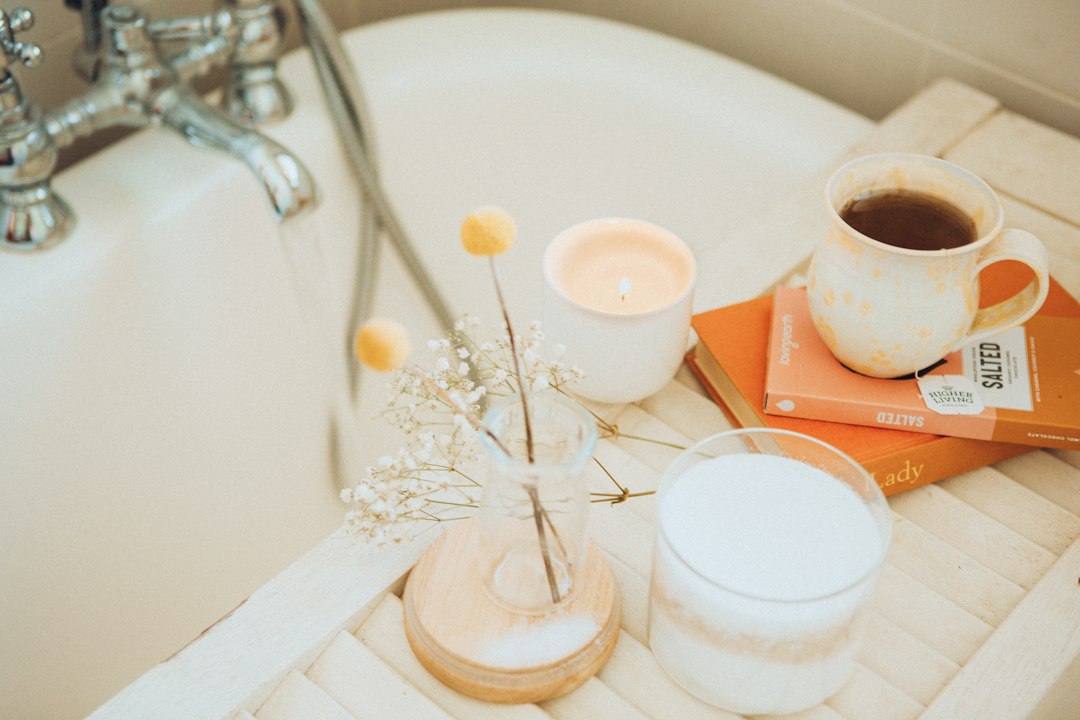
  • Bath or shower: Treat yourself to a relaxing bath, complete with soothing essential oils, candles, and a good book. Alternatively, take a warm shower, and focus on the sensation of the water on your skin.
  • Gratitude practice: Reflect on your day, and write down three things you’re grateful for. Focusing on the positive aspects of your life can help shift your perspective and cultivate a sense of contentment.
  • Calming tea: Enjoy a cup of herbal tea, such as chamomile, lavender, or peppermint, and let the calming effects soothe your mind and body.
  • By incorporating these activities into your nighttime routine, you can signal to your body that it’s time to sleep, and wake up feeling refreshed, renewed, and ready to take on the day.

    Making Self-Care a Priority

    Creating a self-care routine is just the first step; making it a priority is where the real challenge lies. With so many demands on our time and energy, it’s easy to let self-care fall by the wayside. However, by scheduling self-care into your daily planner, setting reminders, and enlisting the support of loved ones, you can make self-care a non-negotiable part of your routine. Here are some additional tips to help you prioritize self-care:

  • Start small: Begin with one or two self-care activities, and gradually add more as you become more comfortable with the routine.
  • Be flexible: Don’t be too hard on yourself if you miss a day or two. Simply acknowledge the setback, and get back on track.
  • Find accountability: Share your self-care goals with a friend or family member, and ask them to hold you accountable.
  • Track your progress: Keep a self-care journal, and track your progress over time. Reflecting on your experiences can help you identify patterns, challenges, and areas for improvement.
  • By prioritizing self-care, you can experience a significant improvement in your overall well-being, relationships, and quality of life. Remember, self-care is not a luxury; it’s a necessity for living a happy, healthy, and fulfilling life.

    In conclusion, creating a self-care routine is a powerful way to nurture your mind, body, and soul. By understanding the importance of self-care, building a morning and nighttime routine, and making self-care a priority, you can experience a significant improvement in your overall well-being. Remember to start small, be flexible, and find accountability. With time and practice, self-care can become an integral part of your daily routine, helping you live a happier, healthier, and more fulfilling life. Key takeaways include:

  • Self-care is essential for maintaining a healthy work-life balance, boosting mood, and increasing productivity.
  • Creating a self-care routine can help reduce anxiety and depression, improve sleep, and enhance creativity.
  • Starting small, being flexible, and finding accountability are key to making self-care a priority.
  • Self-care is not a one-size-fits-all approach; it’s about finding what works for you and making it a non-negotiable part of your routine.

By incorporating these principles into your daily life, you can cultivate a deeper sense of self-awareness, self-acceptance, and self-love. Remember, self-care is a journey, not a destination. It’s a process of discovery, growth, and transformation. So, take the first step today, and start nurturing your mind, body, and soul with a self-care routine that’s tailored to your unique needs and goals.

Nurturing Your Mind, Body, and Soul: The Ultimate Guide to Creating a Self-Care Routine

In today’s fast-paced world, it’s easy to get caught up in the hustle and bustle of daily life and forget to take care of one of the most important things: ourselves. With the constant demands of work, social media, and personal relationships, it’s no wonder that many of us are feeling burnt out, stressed, and depleted. But what if you could find a way to recharge, refocus, and rediscover your sense of purpose and well-being? Enter the self-care routine, a powerful tool that can help you cultivate a deeper connection with yourself and live a happier, healthier life. In this comprehensive guide, we’ll explore the world of self-care, providing you with valuable insights, actionable tips, and practical advice on how to create a self-care routine that nourishes your mind, body, and soul.

Understanding the Importance of Self-Care

Before we dive into the nitty-gritty of creating a self-care routine, it’s essential to understand why self-care is so crucial in the first place. Self-care is not just a luxury or a indulgence; it’s a necessity for maintaining our overall well-being. When we take care of ourselves, we’re better equipped to handle life’s challenges, build stronger relationships, and achieve our goals. Self-care is not just about pampering ourselves; it’s about recognizing our worth, acknowledging our needs, and taking intentional steps to meet those needs. By prioritizing self-care, we can:

  • Reduce stress and anxiety
  • Improve our mental health and mood
  • Boost our energy and productivity
  • Enhance our physical health and resilience
  • Cultivate a more positive and compassionate self-image
  • So, what does self-care look like in practice? It can take many forms, from meditation and mindfulness to exercise and creative pursuits. The key is to find activities that bring you joy, calmness, and a sense of fulfillment. Whether it’s reading a book, taking a relaxing bath, or practicing yoga, self-care is about making time for the things that nourish your mind, body, and soul.

    Building a Self-Care Routine

    Now that we’ve established the importance of self-care, let’s talk about how to build a self-care routine that works for you. The good news is that self-care is highly personal and adaptable, so you can experiment with different activities and schedules to find what suits your lifestyle and preferences. Here are some tips to get you started:

  • Start small: Begin with one or two self-care activities per week and gradually increase the frequency as you become more comfortable with the routine.
  • Listen to your body: Pay attention to your physical and emotional needs, and prioritize self-care activities that address those needs.
  • Make it a habit: Incorporate self-care into your daily or weekly routine, so it becomes a non-negotiable part of your schedule.
  • Be flexible: Don’t be too hard on yourself if you miss a self-care session or two. Simply acknowledge the setback and get back on track as soon as possible.
  • Seek support: Share your self-care goals and progress with a friend or family member, and ask for their support and encouragement.
  • Some popular self-care activities to consider include:

  • Mindfulness and meditation: Practices like mindfulness meditation, deep breathing, and guided visualization can help calm your mind and reduce stress.
  • Exercise and physical activity: Engage in activities that bring you joy, such as walking, running, swimming, or dancing, to boost your mood and energy.
  • Creative pursuits: Explore creative outlets like painting, drawing, writing, or photography to express yourself and tap into your imagination.
  • Self-care rituals: Develop personal rituals like lighting candles, playing soothing music, or enjoying a warm bath to create a sense of relaxation and tranquility.
  • Overcoming Self-Care Obstacles

    Despite the many benefits of self-care, it’s common to encounter obstacles that can derail our best intentions. Here are some common challenges and strategies for overcoming them:

  • Lack of time: Schedule self-care into your daily or weekly planner, and treat it as a non-negotiable appointment.
  • Self-care guilt: Remind yourself that self-care is not selfish; it’s essential for maintaining your overall well-being and being able to show up for others.
  • Financial constraints: Explore free or low-cost self-care activities, such as walking, journaling, or practicing deep breathing exercises.
  • Mental health struggles: Seek support from a mental health professional, and prioritize self-care activities that help you cope with difficult emotions and thoughts.
  • Remember, self-care is a journey, not a destination. It’s okay to encounter setbacks and challenges along the way. The key is to be patient, compassionate, and kind to yourself as you navigate the ups and downs of self-care.

    Integrating Self-Care into Daily Life

    So, how can you integrate self-care into your daily life in a way that feels sustainable and enjoyable? Here are some tips to help you make self-care a seamless part of your routine:

  • Start your day with self-care: Begin your day with a self-care activity, such as meditation, journaling, or yoga, to set a positive tone and boost your energy.
  • Incorporate self-care into your daily tasks: Listen to calming music while you work, take breaks to stretch or move your body, or practice deep breathing exercises during your daily commute.
  • Make self-care a social activity: Invite friends or family members to join you in self-care activities, such as going for a walk, practicing yoga, or enjoying a relaxing bath.
  • Prioritize self-care before bed: Wind down before bed with a calming self-care activity, such as reading a book, taking a warm bath, or practicing gentle stretches.
  • By incorporating self-care into your daily life, you can experience the many benefits of self-care, from reduced stress and anxiety to improved mood and energy. Remember, self-care is not a one-size-fits-all approach; it’s about finding what works for you and making it a consistent part of your routine.

    Conclusion and Key Takeaways

    In conclusion, creating a self-care routine is a powerful way to nurture your mind, body, and soul. By prioritizing self-care, you can reduce stress and anxiety, improve your mental health and mood, and boost your energy and productivity. Remember to start small, listen to your body, and be flexible as you build your self-care routine. Don’t be afraid to seek support, overcome obstacles, and integrate self-care into your daily life. With patience, compassion, and kindness, you can develop a self-care routine that nourishes your entire being and helps you live a happier, healthier life.

    Key takeaways:

  • Self-care is essential for maintaining overall well-being and resilience.
  • Start small and be flexible as you build your self-care routine.
  • Prioritize self-care activities that address your physical, emotional, and mental needs.
  • Seek support from friends, family, or mental health professionals if needed.
  • Integrate self-care into your daily life by starting your day with self-care, incorporating self-care into daily tasks, making self-care a social activity, and prioritizing self-care before bed.

By embracing self-care and making it a consistent part of your routine, you can experience the many benefits of self-care and live a more balanced, fulfilling life. So, take the first step today, and start nurturing your mind, body, and soul with a self-care routine that’s tailored just for you.

Nurturing Your Mind, Body, and Soul: The Ultimate Guide to Creating a Self-Care Routine

Are you tired of feeling exhausted, stressed, and burnt out? In today’s fast-paced world, it’s easy to get caught up in the hustle and bustle of daily life and neglect our own well-being. However, taking care of ourselves is not a luxury, it’s a necessity. That’s where a self-care routine comes in – a personalized practice that helps you prioritize your physical, emotional, and mental health. In this comprehensive guide, we’ll explore the importance of self-care, provide tips and tricks for creating a routine that works for you, and discuss the benefits of making self-care a non-negotiable part of your daily life.

Understanding the Importance of Self-Care

Self-care is not just a trendy buzzword; it’s a vital practice that can have a significant impact on our overall health and happiness. When we take the time to care for ourselves, we’re better equipped to handle life’s challenges, build stronger relationships, and pursue our passions with purpose and energy. Self-care is not selfish; it’s essential. By prioritizing our own needs, we become more resilient, productive, and fulfilled. Whether you’re dealing with anxiety, depression, or simply feeling overwhelmed, a self-care routine can be a powerful tool for managing stress and improving your mental health.

So, what exactly is self-care? Self-care encompasses a wide range of activities that promote relaxation, rejuvenation, and overall well-being. This can include everything from exercise and meditation to reading, journaling, and spending time in nature. The key is to find activities that bring you joy, calmness, and a sense of fulfillment. By incorporating these activities into your daily or weekly routine, you can experience the many benefits of self-care, including reduced stress, improved mood, and enhanced creativity.

Creating a Personalized Self-Care Routine

Creating a self-care routine that works for you requires some experimentation and exploration. It’s essential to listen to your body and mind, and pay attention to what makes you feel good. Here are some tips for getting started:

  • Start small: Begin with one or two self-care activities per day, such as taking a short walk or practicing deep breathing exercises. As you become more comfortable with your routine, you can gradually add more activities.
  • Be intentional: Schedule self-care into your daily planner or calendar, just as you would any other important appointment. Treat self-care as a non-negotiable part of your daily routine.
  • Explore different activities: Try out various self-care activities, such as yoga, meditation, or creative pursuits, to see what resonates with you.
  • Make it convenient: Incorporate self-care into your daily routine by finding activities that can be done in a short amount of time, such as during your lunch break or before bed.
  • Seek support: Share your self-care goals with a friend or family member and ask them to hold you accountable. Having a support system can make a significant difference in your self-care journey.
  • Some popular self-care activities include:

  • Mindfulness practices: Meditation, yoga, and deep breathing exercises can help reduce stress and anxiety.
  • Exercise: Regular physical activity can boost mood, energy, and overall health.
  • Creative pursuits: Engaging in creative activities, such as painting, writing, or photography, can foster self-expression and relaxation.
  • Spending time in nature: Taking a walk, hiking, or simply spending time outdoors can be incredibly grounding and rejuvenating.
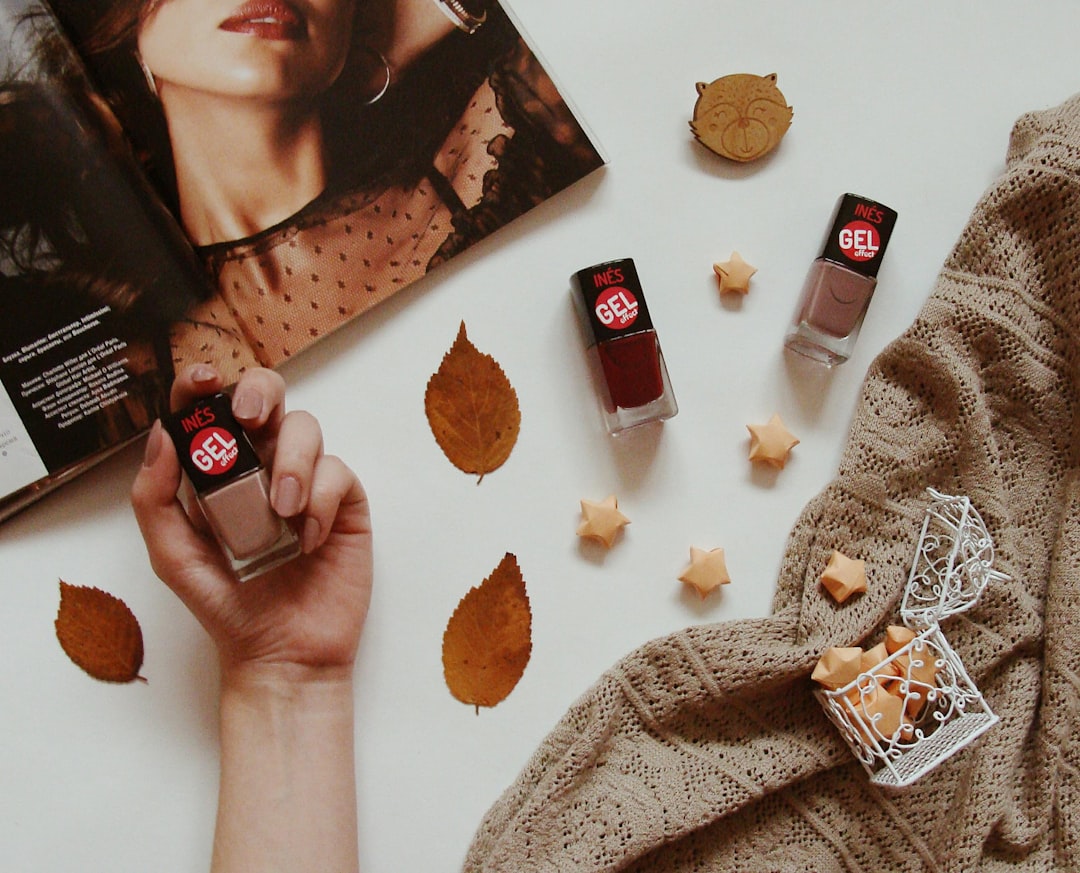
  • Self-care rituals: Practicing self-care rituals, such as taking a relaxing bath, giving yourself a manicure, or enjoying a cup of tea, can be a wonderful way to unwind and pamper yourself.
  • Overcoming Common Self-Care Obstacles

    Despite the many benefits of self-care, it’s common to encounter obstacles that can make it challenging to prioritize our own well-being. Here are some common self-care obstacles and tips for overcoming them:

  • Lack of time: One of the most common excuses for not practicing self-care is lack of time. However, self-care doesn’t have to be time-consuming. Even small moments of self-care, such as taking a few deep breaths or stretching, can be beneficial.
  • Self-care guilt: Many people feel guilty about taking time for themselves, especially if they have responsibilities or obligations to others. However, self-care is not selfish; it’s essential for being able to show up fully in all areas of your life.
  • Difficulty relaxing: If you’re someone who has trouble relaxing or unwinding, try incorporating activities that promote relaxation, such as listening to calming music, taking a warm bath, or practicing progressive muscle relaxation.
  • Lack of motivation: If you’re struggling to stay motivated, try finding a self-care buddy or accountability partner. You can also reward yourself for reaching self-care milestones or completing challenging activities.
  • Making Self-Care a Sustainable Habit

    The key to making self-care a sustainable habit is to find activities that bring you joy and make you feel good. By incorporating self-care into your daily routine and making it a non-negotiable part of your life, you can experience the many benefits of self-care and improve your overall health and happiness. Here are some tips for making self-care a sustainable habit:

  • Be consistent: Consistency is key when it comes to self-care. Aim to practice self-care at the same time every day or week, so it becomes a habitual part of your routine.
  • Track your progress: Keep a self-care journal or use a habit-tracking app to monitor your progress and identify areas for improvement.
  • Celebrate milestones: Celebrate your self-care milestones, no matter how small they may seem. This can help motivate you to continue prioritizing your own well-being.
  • Be patient: Developing a self-care routine takes time and patience. Don’t get discouraged if you encounter setbacks or struggle to find activities that work for you.
  • In conclusion, creating a self-care routine is a powerful way to prioritize your physical, emotional, and mental health. By understanding the importance of self-care, creating a personalized routine, overcoming common obstacles, and making self-care a sustainable habit, you can experience the many benefits of self-care and improve your overall well-being. Remember, self-care is not a luxury; it’s a necessity. By taking care of yourself, you’ll become a happier, healthier, and more fulfilled version of yourself. So, take the first step today and start nurturing your mind, body, and soul with a self-care routine that works for you. Key takeaways include:

  • Self-care is essential for overall health and happiness
  • Creating a personalized self-care routine can help reduce stress and improve mood
  • Overcoming common obstacles, such as lack of time and self-care guilt, is crucial for making self-care a sustainable habit
  • Consistency, tracking progress, and celebrating milestones can help make self-care a non-negotiable part of your daily routine.

Nurturing Your Mind, Body, and Soul: The Ultimate Guide to Creating a Self-Care Routine

In today’s fast-paced world, it’s easy to get caught up in the hustle and bustle of daily life and forget to take care of one of the most important people: yourself. Self-care is not just a luxury, it’s a necessity. By prioritizing your well-being, you can improve your mental and physical health, increase productivity, and enhance your overall quality of life. But where do you start? Creating a self-care routine can seem daunting, but with a little guidance, you can develop a personalized plan that nourishes your mind, body, and soul. In this comprehensive guide, we’ll explore the world of self-care, providing you with valuable insights, actionable tips, and practical advice to help you establish a routine that works for you.

Understanding the Importance of Self-Care

Self-care is often misunderstood as being selfish or indulgent, but it’s actually a vital investment in your overall well-being. When you take care of yourself, you’re better equipped to handle life’s challenges, build stronger relationships, and achieve your goals. Self-care is not a one-size-fits-all approach; it’s about identifying what works best for you and making it a non-negotiable part of your daily routine. By incorporating self-care into your life, you can experience a range of benefits, including reduced stress and anxiety, improved sleep, and increased self-awareness. So, what exactly is self-care? Simply put, self-care refers to any activity that promotes physical, emotional, or mental well-being. This can include everything from exercise and meditation to reading and spending time in nature.

Building a Self-Care Routine

Creating a self-care routine is all about experimentation and exploration. It’s essential to try out different activities and practices to see what resonates with you. Here are some tips to help you get started:

  • Start small: Begin with one or two self-care activities per day, such as taking a few deep breaths, practicing gratitude, or enjoying a warm bath.
  • Listen to your body: Pay attention to your physical and emotional needs. If you’re feeling tired, it may be time for a nap or a relaxing walk. If you’re feeling stressed, try engaging in a calming activity like yoga or meditation.
  • Schedule it in: Treat self-care as a non-negotiable part of your daily routine, just like brushing your teeth or taking a shower. Set reminders, calendar events, or enlist a self-care buddy to help you stay on track.
  • Be consistent: Consistency is key when it comes to self-care. Aim to practice self-care at the same time every day, so it becomes a habitual part of your routine.
  • Some popular self-care activities include:

  • Exercise: yoga, walking, running, swimming, or dancing
  • Mindfulness: meditation, deep breathing, or guided relaxation
  • Creative expression: painting, drawing, writing, or playing music
  • Social connection: spending time with loved ones, joining a club or group, or volunteering
  • Personal growth: reading, learning a new skill, or taking online courses
  • Self-Care for Different Personality Types

    While self-care is a universal concept, it’s essential to recognize that different personality types may require unique approaches. Here are some self-care tips tailored to different personalities:

  • Introverts: Introverts often recharge by spending time alone. Engage in solo activities like reading, journaling, or practicing yoga.
  • Extroverts: Extroverts tend to thrive in social environments. Connect with friends, join a club or group, or attend events that align with your interests.
  • Sensory seekers: If you’re someone who craves sensory experiences, try activities like aromatherapy, sound baths, or sensory deprivation tanks.
  • Creative types: Creatives often find self-care in expressive activities like art, music, or writing. Make time for these pursuits and explore new forms of creative expression.
  • Type-A personalities: If you’re a high achiever, it’s essential to balance your drive with self-care. Prioritize activities that promote relaxation and stress relief, such as meditation or deep breathing exercises.
  • Overcoming Self-Care Obstacles

    Despite the best intentions, it’s easy to let self-care fall by the wayside. Here are some common obstacles and strategies to overcome them:

  • Lack of time: Start small and prioritize self-care activities that can be done in short intervals, such as taking a few deep breaths or stretching.
  • Self-care guilt: Remember that self-care is not selfish; it’s essential. Reframe your thinking and recognize that taking care of yourself benefits those around you.
  • Financial constraints: Explore free or low-cost self-care options like walking, meditation, or reading.
  • Motivation: Find a self-care buddy or accountability partner to help you stay motivated and inspired.
  • Perfectionism: Let go of the need for perfection and focus on progress, not perfection. Self-care is a journey, and it’s okay to take it one step at a time.
  • In conclusion, creating a self-care routine is a personal and ongoing journey. By understanding the importance of self-care, building a routine that works for you, and overcoming common obstacles, you can cultivate a deeper sense of well-being and happiness. Remember, self-care is not a luxury; it’s a necessity. By prioritizing your own needs and taking care of yourself, you’ll become a more resilient, compassionate, and fulfilled individual. So, take the first step today and start nurturing your mind, body, and soul. With time and practice, you’ll discover that self-care is not just a routine, but a way of life. Key takeaways:

  • Self-care is essential for overall well-being and should be prioritized as a non-negotiable part of daily life.
  • Experiment with different self-care activities to find what works best for you.
  • Consistency and scheduling are crucial for maintaining a self-care routine.
  • Recognize and overcome common obstacles like lack of time, self-care guilt, and perfectionism.
  • Self-care is a personal and ongoing journey, and it’s okay to take it one step at a time.

Nurturing Your Mind, Body, and Soul: The Ultimate Guide to Creating a Self-Care Routine

In today’s fast-paced world, it’s easy to get caught up in the hustle and bustle of daily life and forget to take care of one of the most important things: ourselves. Self-care is not just a luxury, but a necessity for maintaining our physical, emotional, and mental well-being. By incorporating a self-care routine into our daily lives, we can improve our overall health, increase our energy levels, and enhance our resilience to stress. But what exactly is self-care, and how can we create a routine that works for us? In this comprehensive guide, we’ll explore the world of self-care, providing you with valuable tips, tricks, and strategies to help you prioritize your own needs and cultivate a deeper sense of self-love and self-acceptance.

What is Self-Care and Why is it Important?

Self-care is the intentional act of taking care of our physical, emotional, and mental health. It’s about recognizing our own needs and taking proactive steps to meet them, rather than relying on others to do so. Self-care is not selfish; it’s essential for maintaining our overall well-being and quality of life. By prioritizing self-care, we can improve our relationships, increase our productivity, and enhance our overall sense of happiness and fulfillment. Self-care can take many forms, including exercise, meditation, journaling, spending time in nature, and engaging in creative activities. The key is to find activities that nourish our mind, body, and soul, and make them a regular part of our daily routine.

Creating a Self-Care Routine that Works for You

Creating a self-care routine that works for you requires some experimentation and exploration. It’s essential to start by identifying your own unique needs and preferences. What activities make you feel relaxed and rejuvenated? What are your non-negotiables when it comes to self-care? Do you prefer solo activities or group activities? Once you have a sense of what works for you, you can start to create a routine that incorporates these activities. Here are some tips to get you started:

  • Start small: Begin with one or two self-care activities per day and gradually add more as you become more comfortable with the routine.
  • Be consistent: Aim to practice self-care at the same time every day, so it becomes a habitual part of your routine.
  • Listen to your body: Pay attention to your physical and emotional needs, and adjust your routine accordingly.
  • Make it a priority: Treat self-care as a non-negotiable part of your daily routine, just like brushing your teeth or taking a shower.
  • Some popular self-care activities include:

  • Exercise: yoga, walking, running, swimming, or any other physical activity that you enjoy
  • Meditation and mindfulness: practicing mindfulness, meditation, or deep breathing exercises
  • Journaling: writing down your thoughts, feelings, and reflections
  • Spending time in nature: taking a walk, hiking, or simply sitting outside
  • Creative activities: painting, drawing, writing, or playing music
  • Overcoming Obstacles and Staying Motivated

    One of the biggest challenges to maintaining a self-care routine is overcoming obstacles and staying motivated. Life can get in the way, and it’s easy to let self-care fall by the wayside. Here are some tips to help you overcome common obstacles and stay motivated:

  • Schedule it in: Treat self-care as a non-negotiable part of your daily routine, and schedule it in your calendar.
  • Find accountability: Share your self-care goals with a friend or family member, and ask them to hold you accountable.
  • Be kind to yourself: Remember that it’s okay to miss a day or two, and don’t be too hard on yourself if you struggle to stay on track.
  • Celebrate milestones: Reward yourself for reaching self-care milestones, such as completing a certain number of days or weeks of consistent practice.
  • It’s also important to remember that self-care is not a one-size-fits-all approach. What works for one person may not work for another, and that’s okay. The key is to find what works for you and make it a sustainable part of your daily routine.

    Taking Self-Care to the Next Level

    Once you’ve established a regular self-care routine, you can start to take it to the next level by incorporating more advanced practices and techniques. Here are some ideas to get you started:

  • Try new activities: Experiment with new self-care activities, such as tai chi, qigong, or sound healing.
  • Incorporate self-care into your daily tasks: Find ways to incorporate self-care into your daily tasks, such as listening to music or podcasts while you work, or taking breaks to stretch and move your body.
  • Practice self-compassion: Treat yourself with kindness and compassion, just as you would a close friend.
  • Connect with others: Share your self-care practices with others, and connect with like-minded individuals who share your passion for self-care.
  • By taking self-care to the next level, you can deepen your practice and experience even greater benefits for your physical, emotional, and mental well-being.

    In conclusion, creating a self-care routine is a powerful way to prioritize your own needs and cultivate a deeper sense of self-love and self-acceptance. By incorporating self-care into your daily routine, you can improve your overall health, increase your energy levels, and enhance your resilience to stress. Remember to start small, be consistent, and listen to your body, and don’t be afraid to experiment and try new things. With patience, persistence, and practice, you can create a self-care routine that nourishes your mind, body, and soul, and helps you live a happier, healthier, and more fulfilling life. Key takeaways include:

  • Self-care is essential for maintaining our physical, emotional, and mental well-being
  • Creating a self-care routine requires experimentation and exploration
  • Starting small, being consistent, and listening to your body are key to establishing a successful self-care routine
  • Overcoming obstacles and staying motivated requires scheduling self-care in, finding accountability, and being kind to yourself
  • Taking self-care to the next level involves incorporating more advanced practices and techniques, such as trying new activities, incorporating self-care into daily tasks, practicing self-compassion, and connecting with others.

Nurturing Your Mind, Body, and Soul: The Ultimate Guide to Creating a Self-Care Routine

In today’s fast-paced world, it’s easy to get caught up in the hustle and bustle of daily life and forget to take care of one of the most important things: ourselves. With the constant demands of work, social media, and personal responsibilities, it’s no wonder that many of us are feeling burnt out, stressed, and exhausted. But what if you could find a way to recharge, refocus, and prioritize your well-being? Enter the self-care routine, a powerful tool that can help you cultivate a deeper sense of self-love, self-acceptance, and overall wellness. In this comprehensive guide, we’ll explore the ins and outs of self-care, and provide you with actionable tips and strategies to create a personalized routine that nourishes your mind, body, and soul.

Understanding the Importance of Self-Care

Before we dive into the nitty-gritty of creating a self-care routine, it’s essential to understand why self-care is so crucial in the first place. Self-care is not just a luxury or a indulgence; it’s a necessity for maintaining good mental and physical health. When we neglect our self-care, we can experience a range of negative effects, including increased stress and anxiety, decreased productivity, and a weakened immune system. On the other hand, prioritizing self-care can have a profound impact on our overall well-being, from improving our mood and energy levels to enhancing our relationships and overall quality of life. By making self-care a non-negotiable part of our daily routine, we can better navigate life’s challenges, build resilience, and cultivate a deeper sense of purpose and fulfillment.

So, what exactly is self-care? Self-care encompasses a wide range of activities and practices that promote physical, emotional, and mental well-being. This can include everything from exercise and meditation to spending time in nature, reading, and socializing with loved ones. The key is to identify what activities bring you joy, calmness, and a sense of fulfillment, and make them a regular part of your routine. By doing so, you can create a self-care practice that is tailored to your unique needs, preferences, and lifestyle.

Building a Morning Self-Care Routine

One of the most effective ways to prioritize self-care is to start your day off on the right foot with a morning self-care routine. This can be as simple as taking a few minutes each morning to meditate, practice deep breathing exercises, or enjoy a warm cup of tea or coffee. By incorporating self-care into your morning routine, you can set a positive tone for the rest of the day, boost your energy levels, and enhance your mental clarity and focus. Here are some additional ideas for building a morning self-care routine:

  • Start with a 10-minute meditation session, using a guided app or simply focusing on your breath
  • Take a short walk outside, or do a few jumping jacks to get your blood flowing
  • Practice some gentle stretches, or do a quick yoga routine
  • Write in a journal, reflecting on your goals, gratitudes, and intentions for the day
  • Enjoy a healthy breakfast, savoring each bite and nourishing your body
  • Remember, the key is to keep it simple and sustainable. Experiment with different activities and find what works best for you. By making self-care a non-negotiable part of your morning routine, you can set yourself up for success, and create a positive foundation for the rest of the day.

    Creating an Evening Self-Care Routine

    While morning self-care is essential, it’s equally important to prioritize self-care in the evening, as you wind down and prepare for bed. This can be a great opportunity to relax, unwind, and recharge, after a long day. Here are some ideas for creating an evening self-care routine:

  • Take a warm bath, adding some calming essential oils like lavender or chamomile
  • Practice some gentle stretches, or do a few yoga poses to release tension
  • Read a book, or listen to calming music, allowing yourself to unwind and relax
  • Write in a journal, reflecting on your experiences, insights, and gratitudes from the day
  • Enjoy a cup of herbal tea, or a warm glass of milk, as you settle in for the night
  • By incorporating self-care into your evening routine, you can calm your mind and body, prepare for a restful night’s sleep, and wake up feeling refreshed, renewed, and revitalized. Remember, self-care is not a one-size-fits-all approach; it’s about finding what works best for you, and making it a consistent part of your daily routine.

    Prioritizing Self-Care in a Busy Schedule

    One of the biggest challenges to prioritizing self-care is finding the time, especially when life gets busy. Between work, family, and social responsibilities, it’s easy to let self-care fall by the wayside. But here’s the thing: self-care is not a luxury; it’s a necessity. By prioritizing self-care, you can actually become more productive, focused, and effective in all areas of your life. Here are some tips for prioritizing self-care, even when life gets busy:

  • Schedule self-care into your calendar, just as you would any other appointment or commitment
  • Start small, with short, manageable self-care activities, like taking a few deep breaths, or going for a short walk
  • Use your commute, or other downtime, to practice self-care, such as listening to a podcast, or doing some stretching exercises
  • Learn to say no, and set healthy boundaries, to protect your time and energy
  • Make self-care a non-negotiable part of your daily routine, just like brushing your teeth, or taking a shower
  • By prioritizing self-care, you can create a sense of balance, harmony, and well-being in your life, even when things get busy. Remember, self-care is not selfish; it’s essential. By taking care of yourself, you can become a more compassionate, productive, and fulfilled person, with more energy, joy, and love to share with others.

    Conclusion and Key Takeaways

    Creating a self-care routine is a powerful way to prioritize your well-being, cultivate a deeper sense of self-love and self-acceptance, and enhance your overall quality of life. By incorporating self-care into your daily routine, you can reduce stress and anxiety, boost your mood and energy levels, and become a more resilient, focused, and fulfilled person. Here are the key takeaways from this guide:

  • Self-care is not a luxury; it’s a necessity for maintaining good mental and physical health
  • Start small, with short, manageable self-care activities, and build from there
  • Prioritize self-care in the morning, and evening, to set a positive tone for the day, and wind down at night
  • Schedule self-care into your calendar, just as you would any other appointment or commitment
  • Make self-care a non-negotiable part of your daily routine, just like brushing your teeth, or taking a shower

By following these tips, and making self-care a priority, you can create a more balanced, harmonious, and fulfilling life. Remember, self-care is a journey, not a destination; it’s about cultivating a deeper sense of self-love, self-acceptance, and compassion, and making it a consistent part of your daily routine. So, take the first step today, and start nurturing your mind, body, and soul. Your future self will thank you.

Nurturing Your Mind, Body, and Soul: The Ultimate Guide to Creating a Self-Care Routine

In today’s fast-paced world, it’s easy to get caught up in the hustle and bustle of daily life and forget to take care of one of the most important people: yourself. With the constant demands of work, social media, and personal responsibilities, it’s no wonder that many of us are feeling burnt out, stressed, and exhausted. But what if you could find a way to recharge, refocus, and rejuvenate your mind, body, and soul? Enter the world of self-care routines, a powerful tool that can help you achieve a better work-life balance, improve your mental health, and increase your overall sense of well-being.

What is Self-Care and Why is it Important?

Self-care is not just a buzzword or a trend; it’s a vital practice that involves taking intentional steps to care for your physical, emotional, and mental health. It’s about recognizing that you are worthy of love, care, and attention, and making conscious choices to prioritize your own needs. By incorporating self-care into your daily routine, you can experience a range of benefits, including reduced stress and anxiety, improved sleep, and increased energy levels. Self-care is not selfish; it’s essential. By taking care of yourself, you’ll become a better partner, friend, parent, and employee, and you’ll be more resilient in the face of life’s challenges.

So, what does a self-care routine look like? It’s not just about pampering yourself with face masks and massages (although, let’s be real, those things are amazing too). A self-care routine is a personalized plan that takes into account your unique needs, preferences, and lifestyle. It might include activities like exercise, meditation, journaling, or spending time in nature. It might also involve setting boundaries, prioritizing sleep, and engaging in hobbies that bring you joy. The key is to experiment and find what works for you, and to make self-care a non-negotiable part of your daily routine.

Creating a Self-Care Routine that Works for You

So, how do you create a self-care routine that works for you? Here are some tips to get you started:

  • Start small: Don’t try to overhaul your entire routine at once. Start with one or two self-care activities and gradually add more as you become more comfortable with the practice.
  • Listen to your body: Pay attention to your physical and emotional needs. If you’re feeling tired, take a nap. If you’re feeling stressed, try some deep breathing exercises.
  • Schedule it in: Treat self-care as a non-negotiable part of your daily routine, just like brushing your teeth or taking a shower. Set reminders, put it in your calendar, and make it happen.
  • Be kind to yourself: Remember that self-care is not a one-size-fits-all approach. Be gentle with yourself, and don’t be too hard on yourself if you miss a day or two.
  • Make it enjoyable: Self-care should be enjoyable, not a chore. Experiment with different activities until you find what brings you joy and relaxation.
  • Some popular self-care activities include:

  • Exercise: Whether it’s yoga, walking, or weightlifting, exercise is a great way to release endorphins and improve your mood.
  • Meditation and mindfulness: Take a few minutes each day to focus on your breath, calm your mind, and connect with your body.
  • Journaling: Write down your thoughts, feelings, and gratitudes to process your emotions and gain clarity.
  • Spending time in nature: Take a walk, have a picnic, or simply sit outside and soak up some sunshine.
  • Creative pursuits: Engage in activities that bring you joy, whether it’s painting, drawing, writing, or playing music.
  • Overcoming Obstacles and Making Self-Care a Habit

    One of the biggest obstacles to creating a self-care routine is finding the time. With busy schedules and competing demands, it can be challenging to prioritize self-care. But here’s the thing: self-care is not a luxury, it’s a necessity. By taking care of yourself, you’ll become more productive, focused, and efficient, and you’ll be better able to manage the demands of daily life.

    So, how do you overcome the obstacle of time? Here are some tips:

  • Wake up earlier: Start your day with a self-care activity, whether it’s meditation, journaling, or a quick workout.
  • Use your commute: Listen to a podcast, audiobook, or guided meditation on your way to work.
  • Take breaks: Take short breaks throughout the day to stretch, move your body, or practice deep breathing exercises.
  • Prioritize sleep: Get enough sleep each night to help your body and mind recharge.
  • Say no: Learn to say no to non-essential commitments and prioritize your own needs.
  • Another obstacle to self-care is mindset. Many of us struggle with feelings of guilt, shame, or selfishness when it comes to prioritizing our own needs. But here’s the thing: self-care is not selfish, it’s essential. By taking care of yourself, you’ll become a better, more compassionate, and more resilient person, and you’ll be more able to show up for others in your life.

    Conclusion and Key Takeaways

    Creating a self-care routine is a powerful way to nurture your mind, body, and soul, and to achieve a better work-life balance. By prioritizing your own needs, you’ll become more resilient, focused, and productive, and you’ll be better able to manage the demands of daily life. Remember, self-care is not a one-size-fits-all approach; it’s a personalized plan that takes into account your unique needs, preferences, and lifestyle.

    Here are the key takeaways from this guide:

  • Self-care is essential: Prioritize your own needs and make self-care a non-negotiable part of your daily routine.
  • Start small: Begin with one or two self-care activities and gradually add more as you become more comfortable with the practice.
  • Listen to your body: Pay attention to your physical and emotional needs, and take care of yourself accordingly.
  • Schedule it in: Treat self-care as a non-negotiable part of your daily routine, just like brushing your teeth or taking a shower.
  • Be kind to yourself: Remember that self-care is not a one-size-fits-all approach, and be gentle with yourself as you experiment and find what works for you.

By incorporating self-care into your daily routine, you’ll experience a range of benefits, from reduced stress and anxiety to improved sleep and increased energy levels. So, take the first step today, and start nurturing your mind, body, and soul. Your future self will thank you.