—
Introduction – Why “Quick Fix” Diets Don’t Cut It
You’ve probably seen headlines promising “Lose 10 lbs in 7 days” or “The miracle pill that melts fat overnight.” They’re tempting, but most of these shortcuts end in disappointment, rebound weight gain, and even health risks. The truth is that lasting weight loss isn’t a magic trick—it’s a combination of smart nutrition, consistent movement, mindset shifts, and a few science‑backed habits that keep your metabolism humming.
In this comprehensive guide, we’ll cut through the hype and give you a step‑by‑step roadmap for sustainable weight loss. Whether you’re a beginner who’s never counted a calorie or a seasoned gym‑goer looking to fine‑tune your approach, you’ll find actionable tips you can start implementing today.
> Pro tip: The most effective weight‑loss plan is the one you can stick to for the long haul. Think of it as a lifestyle upgrade, not a temporary diet.
—
1. Master the Fundamentals: Calories In vs. Calories Out
1.1 Understanding Energy Balance
At its core, weight loss follows the simple equation of calories consumed versus calories burned. When you create a calorie deficit—burning more calories than you eat—your body taps into stored fat for energy, resulting in fat loss.
- Calorie deficit range: 250–500 kcal per day is generally safe and leads to 0.5–1 lb of weight loss per week.
- Why not go extreme? Severe deficits (< 1,200 kcal for most adults) can slow metabolism, cause muscle loss, and trigger hormonal imbalances that sabotage long‑term results.
- Digital tools: MyFitnessPal, Cronometer, Lose It! – all let you log meals, set goals, and view macronutrient breakdowns.
- Portion control tricks: Use your hand (palm = protein, fist = carbs, thumb = fats) or a food scale for precision.
- Consistency beats perfection: Log most days, not every single bite. Patterns matter more than occasional slip‑ups.
- Why protein matters: It boosts satiety, raises thermic effect of food (≈ 20‑30 % of calories burned during digestion), and protects lean muscle while you’re in a calorie deficit.
- Target intake: 1.2–2.0 g per kg of body weight (≈ 0.55–0.9 g per lb). For a 150‑lb individual, that’s 82–135 g daily.
- Protein sources: Chicken breast, turkey, fish, Greek yogurt, cottage cheese, lentils, tofu, tempeh, eggs, whey or plant‑based protein powders.
- Fiber benefits: Slows glucose absorption, prolongs fullness, supports gut health.
- Best carbs: Sweet potatoes, oats, brown rice, quinoa, whole‑grain breads, legumes, fruits, non‑starchy vegetables.
- Portion guidance: Aim for at least 25–30 g of fiber daily. A cup of cooked lentils (≈ 16 g) + a medium apple (≈ 4 g) + a cup of broccoli (≈ 5 g) already hits the mark.
- Role of fats: Hormone production (including those that regulate hunger), absorption of fat‑soluble vitamins, satiety.
- Smart fats: Avocado, nuts, seeds, olive oil, fatty fish (salmon, mackerel), nut butters.
- Quantity: 0.8–1.0 g per kg body weight (≈ 0.35–0.45 g per lb). For a 150‑lb person, that’s 52–68 g of fat per day.
- Intermittent fasting (IF): 16:8 (16‑hour fast, 8‑hour eating window) can simplify calorie control and improve insulin sensitivity for some people.
- Pre‑ and post‑workout nutrition: A small protein‑carb snack (e.g., banana + whey shake) 30–60 min before training, and a protein‑rich meal within 2 hours after, supports recovery and muscle retention.
- Consistent meals: Eating at regular intervals helps regulate hunger hormones (ghrelin, leptin) and prevents extreme cravings.
- Water intake: Minimum 2 L (8 cups) daily; more if active or hot climate. Sometimes thirst masquerades as hunger.
- Limit sugary drinks, alcohol, and high‑calorie “liquid calories.” A single 12‑oz soda = ~150 kcal; a regular beer = ~150‑200 kcal. These add up quickly without satiety.
- Why lift weights? Increases lean muscle mass → higher resting metabolic rate (RMR). A pound of muscle burns ~6–10 kcal/day at rest, compared to ~2 kcal for fat.
- Frequency: 3–4 sessions per week, focusing on compound movements (squat, deadlift, bench press, rows, overhead press).
- Reps & sets for fat loss: 3–4 sets of 8–12 reps at moderate intensity. Keep rest periods 60–90 seconds to maintain an elevated heart rate.
- Steady‑state cardio: Jogging, cycling, brisk walking at 60–70 % of max heart rate for 30–45 minutes. Good for building endurance.
- High‑Intensity Interval Training (HIIT): Short bursts (20‑60 seconds) of maximal effort followed by equal or longer rest. 15‑20 minutes total can produce a post‑exercise oxygen consumption (EPOC) effect, burning extra calories for up to 24 hours.
- Hybrid approach: 2 days of HIIT + 2 days of steady‑state per week balances calorie burn and recovery.
- 30 sec sprint (treadmill or bike)
- 30 sec walk or slow pedal
- Repeat 10 rounds, finish with 5‑minute cool‑down.
- Use a standing desk or take short walking breaks every hour.
- Park farther from the entrance, or get off the bus a stop early.
- Opt for “active” chores—vacuuming, gardening, playing with kids.
- Sleep: Aim for 7–9 hours/night. Sleep deprivation raises cortisol (stress hormone) and ghrelin (hunger hormone), making cravings harder to resist.
- Active recovery: Light yoga, stretching, or a leisurely walk on rest days improves circulation and reduces muscle soreness.
- Specific: “Lose 12 lb in 12 weeks” rather than “lose weight.”
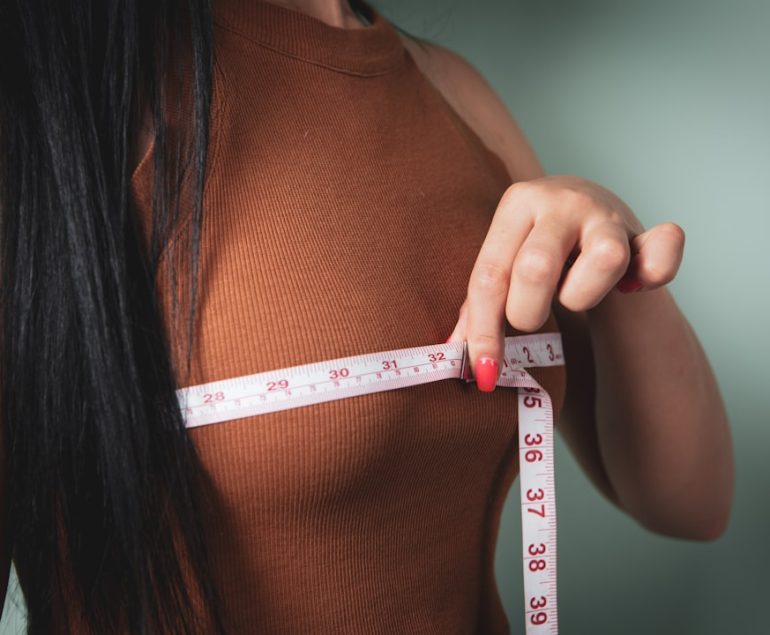
- Measurable: Track weekly weigh‑ins, body measurements, or progress photos.
- Achievable: 1 lb per week is realistic for most adults.
- Relevant: Align the goal with personal values (e.g., “I want more energy to play with my kids”).
- Time‑bound: Set a clear deadline, but allow flexibility for life’s curveballs.
- After brushing teeth in the morning → drink a glass of water.
- When you sit down at your desk → log your lunch in the tracking app.
- Identify triggers: Stress, boredom, social situations. Keep a journal noting mood and food choices.
- Alternative coping tools: Deep‑breathing, a 5‑minute walk, or a cup of herbal tea.
- Mindful eating: Eat without screens, chew slowly, savor each bite. This reduces overeating by enhancing satiety signals.
- Find a buddy: Share weekly goals, swap recipes, or work out together (in person or virtually).
- Online communities: Subreddits like r/loseit, Facebook groups, or fitness forums provide encouragement and ideas.
- Professional help: A registered dietitian or certified personal trainer can tailor plans to your unique needs.
- Clothing fitting looser
- Increased stamina (e.g., climbing stairs without gasping)
- Better sleep quality
- Lower blood pressure or cholesterol
- Reality check: One cheat meal doesn’t erase weeks of progress. Treat slip‑ups as data, not failure.
- Strategy: Plan indulgences. If you’re going out for pizza, decide ahead of time how you’ll adjust earlier meals or increase activity that day.
- Effective basics: Protein powder, multivitamins (if you’re deficient), and possibly caffeine for performance.
- Red flags: Fat‑burners, appetite suppressants, or “detox” pills with unproven claims often carry side effects and rarely produce lasting results.
- Solution: Eat a rainbow of vegetables, include a daily fruit, and consider a quality multivitamin if you have dietary restrictions.
1.2 Calculating Your Daily Needs
1. Determine Basal Metabolic Rate (BMR) – the calories your body needs at rest.
Simple BMR formula (Mifflin‑St Jeor):
– Women: 10 × weight kg + 6.25 × height cm – 5 × age y – 161
– Men: 10 × weight kg + 6.25 × height cm – 5 × age y + 5
2. Add Activity Factor (multiply BMR):
| Activity Level | Multiplier |
|—————-|————|
| Sedentary (little/no exercise) | 1.2 |
| Lightly active (light exercise 1–3 days/week) | 1.375 |
| Moderately active (moderate exercise 3–5 days/week) | 1.55 |
| Very active (hard exercise 6–7 days/week) | 1.725 |
| Super active (very hard training + physical job) | 1.9 |
3. Create Deficit – subtract 250–500 kcal from the total.
> Example: A 35‑year‑old woman, 165 cm, 70 kg, moderately active → BMR ≈ 1,460 kcal. Total needs ≈ 2,263 kcal. Target intake for weight loss ≈ 1,800 kcal (500 kcal deficit).
1.3 Tracking Made Easy
—
2. Nutrition Strategies That Fuel Fat Loss (Without Starvation)
2.1 Prioritize Protein – The Muscle‑Preserving Hero
Action tip: Add a protein source to every meal and snack. Example breakfast – Greek yogurt with berries and a sprinkle of nuts; lunch – grilled chicken salad with quinoa; dinner – baked salmon with roasted veggies.
2.2 Choose Whole, Fiber‑Rich Carbs
2.3 Healthy Fats – Not the Enemy
2.4 Timing & Meal Frequency – Does It Really Matter?
Research shows that total daily calories trump meal timing for weight loss, but certain patterns can help adherence:
2.5 Hydration & “Empty Calories”
—
3. Move Your Body: Exercise Plans That Accelerate Fat Loss
3.1 The Power of Resistance Training
Actionable routine (Full‑body, 3‑day split):
1. Squats – 3 × 10
2. Push‑ups or bench press – 3 × 10
3. Bent‑over rows – 3 × 10
4. Romanian deadlifts – 3 × 10
5. Plank – 3 × 30 sec
Progressively increase weight or reps each week (2‑5 % increments).
3.2 Cardio – Burn Calories and Boost Heart Health
Sample HIIT circuit (20 min):
3.3 Non‑Exercise Activity Thermogenesis (NEAT)
NEAT includes all the calories you burn outside of structured workouts: walking to the kitchen, taking stairs, fidgeting. Small tweaks can add 100–300 kcal/day:
3.4 Recovery – The Overlooked Fat‑Loss Factor
—
4. Mindset & Behavioral Hacks for Long‑Term Success
4.1 Set SMART Goals
4.2 Habit Stacking
Attach a new weight‑loss habit to an existing routine. Example:
The cue‑routine‑reward loop makes new behaviors stick.
4.3 Manage Emotional Eating
4.4 Social Support & Accountability
4.5 Celebrate Non‑Scale Victories (NSVs)
Weight loss isn’t only about the number on the scale. Track improvements such as:
Recognizing NSVs fuels motivation and prevents discouragement when the scale stalls.
—
5. Avoiding Common Pitfalls & Staying on Track
5.1 The “All‑Or‑Nothing” Mentality
5.2 Over‑Reliance on Supplements
5.3 Ignoring Micronutrients
A calorie‑restricted diet can lack vitamins and minerals, leading to fatigue or hormonal imbalances.
5.4 Not Adjusting as You Lose Weight
Your calorie needs decline as