—
Introduction – Why Your Plate Is the First Line of Defense
Imagine your immune system as a high‑tech security team, constantly patrolling for intruders like viruses, bacteria, and stress‑induced “hackers.” Just as a security team needs the right tools, training, and backup, your body relies on a steady supply of nutrients to keep those defenses sharp. The good news? You already have a pantry full of natural, cost‑effective weapons—immunity‑boosting foods—that can help you stay resilient year‑round.
In this comprehensive guide, we’ll break down the science behind immunity, spotlight the top foods that supercharge your immune response, and give you practical, everyday strategies to turn every meal into a protective shield. Whether you’re a busy professional, a parent juggling school lunches, or a fitness enthusiast, you’ll walk away with a clear action plan to nourish your immune system from the inside out.
—
1. Understanding Immunity: How Nutrition Fuels Your Body’s Defense System
1.1 The Immune System in a Nutshell
Your immune system is a sophisticated network of cells, tissues, and organs that work together to identify and eliminate harmful invaders. It consists of two main branches:
| Branch | Primary Role | Key Players |
|——–|————–|————-|
| Innate immunity | First‑line, rapid response | Skin, mucous membranes, phagocytes, natural killer cells |
| Adaptive immunity | Targeted, memory‑based response | B‑cells (antibodies), T‑cells (cell‑mediated) |
Both branches need micronutrients (vitamins, minerals) and macronutrients (protein, healthy fats) to function optimally. A deficiency in even a single nutrient can blunt the immune response, making you more susceptible to infections and slower to recover.
1.2 The Nutrient‑Immune Connection
| Nutrient | Immune Role | Food Sources |
|———-|————-|————–|
| Vitamin C | Antioxidant, supports white‑blood‑cell function | Citrus, strawberries, bell peppers |
| Vitamin D | Modulates innate immunity, reduces inflammation | Fatty fish, fortified dairy, sunlight |
| Zinc | Crucial for T‑cell development, antiviral activity | Oysters, pumpkin seeds, legumes |
| Vitamin A (beta‑carotene) | Maintains mucosal barriers, enhances antibody production | Sweet potatoes, carrots, kale |
| Selenium | Antioxidant enzyme (glutathione peroxidase) | Brazil nuts, brown rice, turkey |
| Omega‑3 fatty acids | Anti‑inflammatory, improves cell membrane fluidity | Salmon, chia seeds, walnuts |
| Probiotics & prebiotics | Gut microbiome health, which regulates 70% of immunity | Yogurt, kefir, garlic, onions |
Understanding which nutrients do what helps you design meals that target specific immune pathways rather than relying on a vague “eat healthy” mantra.
1.3 Gut Health: The Hidden Immune Powerhouse
Approximately 70% of the body’s immune cells reside in the gut-associated lymphoid tissue (GALT). A balanced microbiome—populated by beneficial bacteria like Lactobacillus and Bifidobacterium—helps:
- Train immune cells to distinguish friend from foe
- Produce short‑chain fatty acids (SCFAs) that reduce inflammation
- Strengthen the intestinal barrier, preventing “leaky gut”
- Start your day with a fresh‑squeezed orange juice (no added sugar).
- Toss lemon zest into salads, soups, or marinades.
- Snack on a citrus fruit between meals for a quick vitamin C boost.
- Blend a mixed‑berry smoothie with Greek yogurt and a spoonful of chia seeds.
- Add frozen berries to oatmeal or overnight chia pudding.
- Sprinkle fresh berries over a protein‑rich pancake for breakfast.
- Grill salmon fillets with a drizzle of olive oil, lemon, and dill—serve over quinoa.
- Toss canned sardines into a Mediterranean salad with olives and feta.
- Incorporate fish oil capsules (if you’re not a fan of fish) after consulting a healthcare professional.
- Keep a handful of mixed nuts on your desk for a mid‑afternoon snack.
- Sprinkle pumpkin seeds on roasted vegetables or salads.
- Use almond butter as a spread on whole‑grain toast topped with banana slices.
- Steam broccoli florets and drizzle with a tahini‑lemon dressing.
- Roast Brussels sprouts with garlic and a splash of balsamic vinegar.
- Add kale to smoothies, soups, or sauté it with olive oil and chili flakes.
- Sauté garlic with ginger and add to stir‑fries or soups.
- Caramelize onions as a base for sauces, stews, or pizza toppings.
- Make a garlic‑infused olive oil dip for whole‑grain crackers.
- Enjoy a cup of kefir with a sprinkle of cinnamon for breakfast.
- Add a side of kimchi to rice bowls or tacos.
- Mix plain Greek yogurt with honey and berries for a protein‑rich snack.
- Melt dark chocolate and drizzle over fruit or nuts.
- Incorporate a few squares into a post‑workout recovery shake.
- Lean animal proteins (chicken breast, turkey, eggs) – rich in zinc and B‑vitamins.
- Plant‑based proteins (lentils, chickpeas, quinoa) – contain fiber and phytonutrients.
- Extra‑virgin olive oil – drizzle over salads or use for low‑heat cooking.
- Avocado – slice onto toast or blend into smoothies.
- Nuts & seeds – as described earlier.
- Herbal teas (e.g., echinacea, elderberry) for added immune‑supportive compounds.
- Infused water with cucumber, lemon, or mint for flavor without added sugar.
- Steaming retains up to 90% of vitamin C in broccoli, compared to boiling (which can leach up to 50%).
- Quick stir‑frying (high heat, short time) preserves antioxidants in bell peppers and garlic.
- Avoid over‑cooking leafy greens; a brief sauté keeps vitamin K and folate intact
Bottom line: Incorporating probiotic foods (fermented dairy, kimchi, tempeh) and prebiotic fibers (onions, bananas, whole grains) is essential for a robust immune system.
—
2. Top Immunity‑Boosting Superfoods (and Why They Work)
Below is a curated list of the most potent immunity‑boosting foods, each paired with its key bioactive compounds and practical ways to include them in your daily menu.
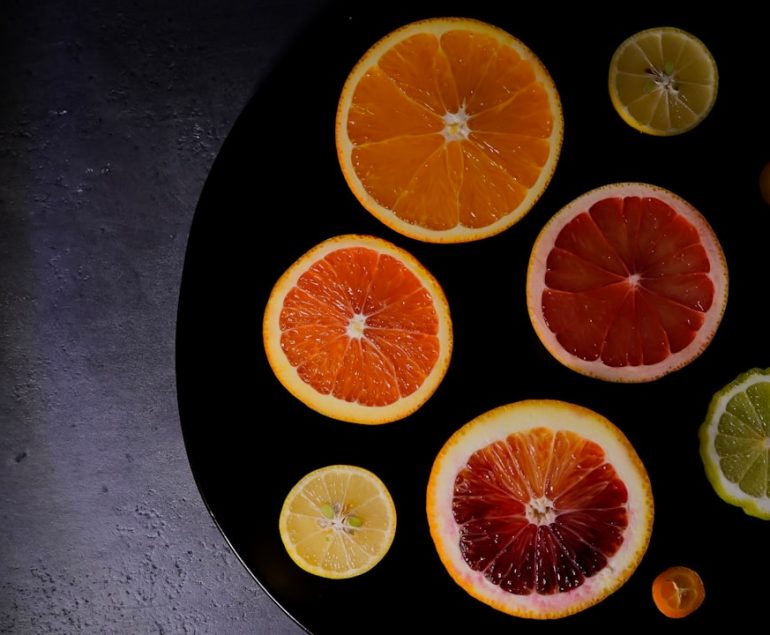
2.1 Citrus Fruits – Vitamin C Powerhouses
Why they matter: Vitamin C is a water‑soluble antioxidant that protects immune cells from oxidative stress and enhances the production of interferon, a protein that combats viral infections.
Best picks: Oranges, grapefruits, lemons, limes, and tangerines.
How to use:
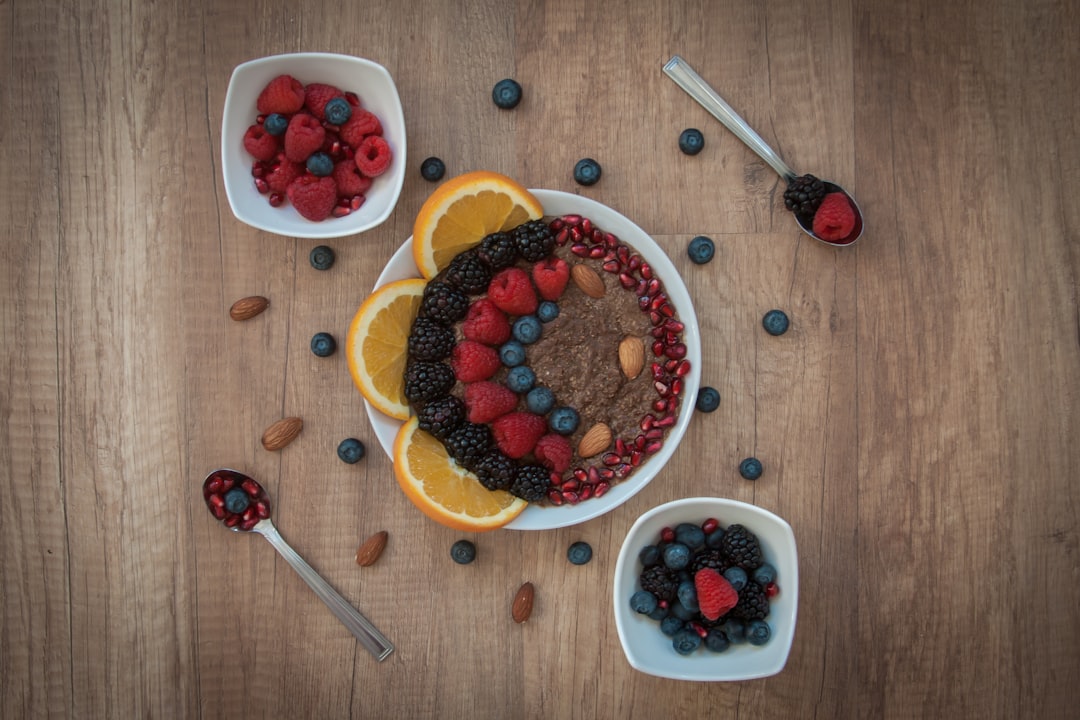
2.2 Berries – Antioxidant‑Rich Mini‑Explosions
Why they matter: Blueberries, strawberries, and blackberries are loaded with flavonoids (especially anthocyanins) that modulate immune signaling pathways and reduce inflammation.
How to use:
2.3 Fatty Fish – Omega‑3 and Vitamin D Duo
Why they matter: EPA and DHA (the long‑chain omega‑3s) dampen excessive inflammatory responses, while vitamin D enhances pathogen‑killing activity of immune cells.
Best picks: Wild‑caught salmon, sardines, mackerel, and trout.
How to use:
2.4 Nuts & Seeds – Micronutrient Dense Snacks
Why they matter: Almonds, walnuts, pumpkin seeds, and especially Brazil nuts provide zinc, selenium, vitamin E, and healthy fats—all crucial for immune cell integrity.
How to use:
2.5 Cruciferous Vegetables – Sulforaphane & Fiber
Why they matter: Broccoli, Brussels sprouts, kale, and cauliflower contain sulforaphane, a compound that stimulates the production of antioxidant enzymes and supports detoxification pathways.
How to use:
2.6 Garlic & Onions – Natural Antimicrobials
Why they matter: Allicin (from garlic) and quercetin (from onions) exhibit antiviral, antibacterial, and anti‑inflammatory properties.
How to use:
2.7 Fermented Foods – Probiotic Power
Why they matter: Yogurt, kefir, kimchi, sauerkraut, and miso introduce live cultures that diversify gut microbiota, directly influencing systemic immunity.
How to use:
2.8 Dark Chocolate – Flavonoid‑Rich Treat
Why they matter: High‑cocoa dark chocolate (70%+ cacao) provides flavonoids that improve blood flow to immune cells and reduce inflammation.
How to use:
—
3. Building an Immune‑Friendly Meal Plan: Practical Strategies for Everyday Life
3.1 The “Rainbow Plate” Rule
Aim to fill half your plate with colorful vegetables and fruits. Each color signals a different phytonutrient profile:
| Color | Key Nutrients | Example Foods |
|——-|—————|—————|
| Red | Lycopene, Vitamin C | Tomatoes, red bell peppers, strawberries |
| Orange/Yellow | Beta‑carotene, Vitamin C | Carrots, sweet potatoes, mango |
| Green | Folate, Vitamin K, antioxidants | Spinach, broccoli, kiwi |
| Blue/Purple | Anthocyanins, Vitamin E | Blueberries, eggplant, grapes |
| White/Brown | Allicin, potassium | Garlic, mushrooms, cauliflower |
Action tip: Prep a weekly veggie medley (e.g., roasted carrots, bell peppers, and Brussels sprouts) and store it in the fridge for quick assembly.
3.2 Protein Power: Choose Wisely
Protein supplies the amino acids needed for antibody production and immune cell replication. Opt for:
Meal idea: Quinoa‑black bean bowl with grilled salmon, avocado, and a squeeze of lime. This combo delivers omega‑3s, zinc, vitamin C, and plant protein in one dish.
3.3 Healthy Fats for Cell Membrane Health
Cell membranes are composed of phospholipids; omega‑3s keep them fluid, allowing immune receptors to function properly. Include:
3.4 Timing & Frequency: Small, Frequent Meals
Large, infrequent meals can cause spikes in blood sugar, which may temporarily suppress immune function. Aim for 5–6 smaller meals (including snacks) spaced every 3–4 hours to maintain steady nutrient availability.
Sample schedule:
| Time | Meal | Immunity‑Boosting Component |
|——|——|—————————–|
| 7:30 am | Breakfast | Oatmeal topped with blueberries, walnuts, and a splash of fortified almond milk (Vitamin D, calcium) |
| 10:00 am | Snack | Greek yogurt with honey and sliced kiwi (Vitamin C, probiotics) |
| 12:30 pm | Lunch | Mixed greens with grilled chicken, orange segments, pumpkin seeds, and olive‑oil vinaigrette |
| 3:00 pm | Snack | A handful of Brazil nuts + a piece of dark chocolate (selenium, flavonoids) |
| 6:30 pm | Dinner | Baked salmon, quinoa, steamed broccoli, and a side of kimchi |
| 9:00 pm | Light snack (optional) | Warm turmeric‑ginger milk (anti‑inflammatory) |
3.5 Hydration – The Unsung Hero
Adequate water supports lymphatic circulation, which transports immune cells throughout the body. Aim for 2.5–3 L of fluids daily, incorporating:
—
4. Lifestyle Hacks to Maximize Nutrient Absorption
4.1 Pair Fat‑Soluble Vitamins with Healthy Fats
Vitamins A, D, E, and K require dietary fat for optimal absorption. Example: Add a teaspoon of olive oil to a kale salad or cook carrots with a dab of butter to unlock beta‑carotene.