—
Introduction – Why Nutrition Is the Real Super‑Power You’ve Been Ignoring
Imagine you could boost your energy, sharpen your focus, and protect your body against chronic disease—all without a single pill. The secret isn’t a magic supplement or a trendy diet; it’s the food you put on your plate every day. Nutrition is the foundation of health, and yet most of us treat it like an afterthought, grabbing whatever’s convenient in a rush.
In this post we’ll break down the science of nutrition into bite‑size, actionable steps you can start using right now. From the basics of macronutrients and micronutrients to smart meal‑planning hacks, you’ll walk away with a clear roadmap for a healthier, more vibrant life. Let’s dive in and discover how the right fuel can transform every aspect of your well‑being.
—
1. Nutrition 101: Understanding the Building Blocks of Food
1.1 What Is Nutrition, Anyway?
Nutrition is the study of how the foods we eat provide the energy and nutrients our bodies need to function, grow, and repair. It’s not just about calories; it’s about quality, balance, and timing. When you choose nutrient‑dense foods, you’re giving your cells the raw materials they need for optimal performance.
1.2 Macronutrients – The Energy Providers
| Macro | Primary Role | Typical Sources | Recommended Ratio (for most adults) |
|——-|————–|—————-|————————————–|
| Carbohydrates | Quick energy, brain fuel | Whole grains, fruits, vegetables, legumes | 45–55% of total calories |
| Proteins | Tissue repair, enzyme production | Lean meat, fish, eggs, dairy, beans, tofu | 15–25% |
| Fats | Hormone synthesis, cell membranes, satiety | Avocado, nuts, seeds, olive oil, fatty fish | 20–35% |
Tip: Focus on complex carbs (e.g., quinoa, oats) and healthy fats (e.g., omega‑3s) rather than refined sugars and trans fats.
1.3 Micronutrients – The Tiny Titans
Vitamins and minerals don’t provide calories, but they’re essential for metabolism, immune function, and disease prevention. Some of the most critical micronutrients include:
- Vitamin D – Supports bone health and immune response; found in fortified dairy, fatty fish, and sunlight exposure.
- Iron – Crucial for oxygen transport; abundant in lean red meat, lentils, and spinach.
- Calcium – Needed for strong bones and muscle contraction; dairy, fortified plant milks, and leafy greens are top sources.
- Magnesium – Helps regulate blood sugar and blood pressure; nuts, seeds, and whole grains are rich in magnesium.
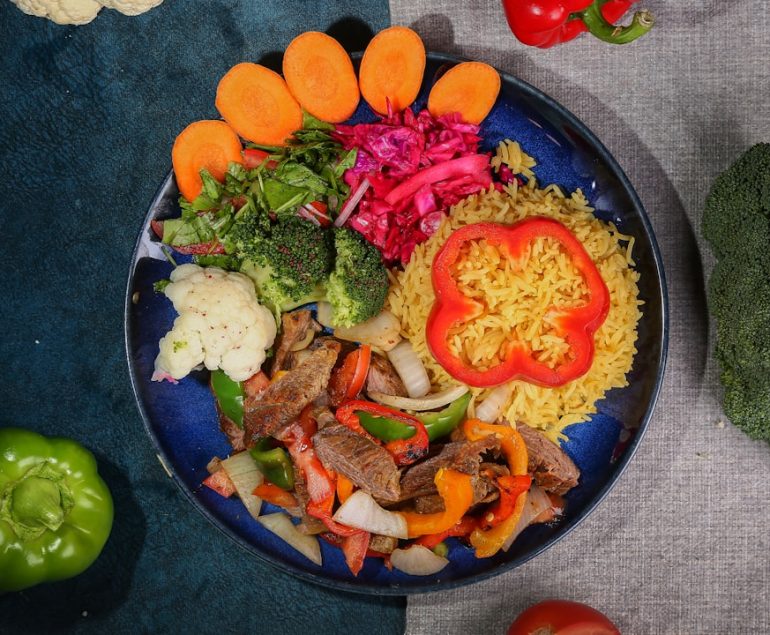
- ½ Plate – Vegetables & Fruits (focus on variety and color)
- ¼ Plate – Lean Protein (chicken, fish, beans, tofu)
- ¼ Plate – Whole‑Grain Carbohydrate (brown rice, quinoa, sweet potatoes)
- Pre‑Workout (30‑60 min before) – A small mix of carbs + protein (e.g., banana with a spoon of peanut butter) fuels muscles and improves performance.
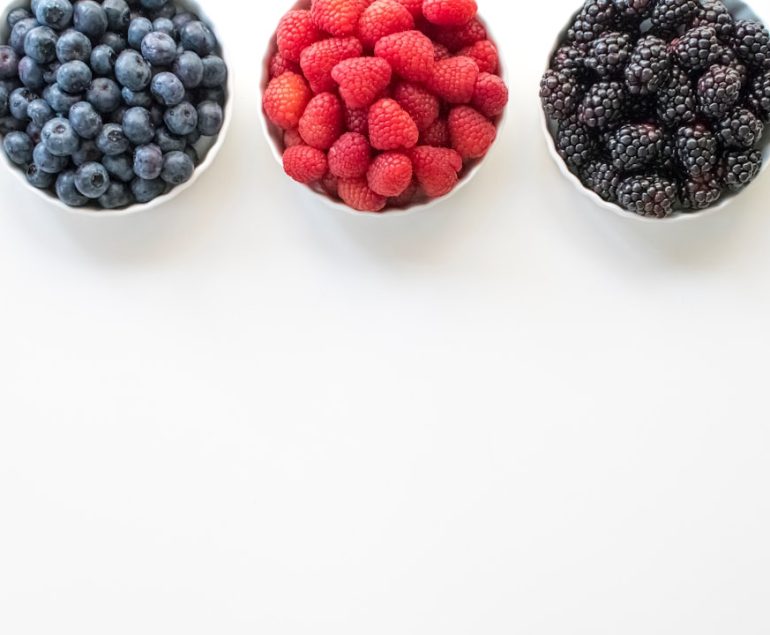
- Post‑Workout (within 2 hrs) – Prioritize protein (15‑25 g) and carbs to replenish glycogen and kick‑start recovery (e.g., Greek yogurt with berries).
- Evening Meals – Keep the meal lighter on carbs and higher on veggies and protein to support better sleep and metabolic health.
- Shop the Perimeter – Fresh produce, meat, dairy are usually healthier than processed aisle items.
- Buy Seasonal – In‑season fruits and vegetables are cheaper and more nutrient‑dense.
- Freeze for Longevity – Berries, spinach, and even herbs freeze well; keep a stash for smoothies and soups.
- Look for “Build‑Your‑Own” Options – Many restaurants let you customize bowls or salads. Choose a base of greens, add a protein, and top with a modest amount of whole‑grain carbs.
- Control Portion Size – Order a half‑portion or ask for a to‑go box at the start of the meal; pack away half before you begin eating.
- Mind the Sauce – Request sauces on the side; many hidden calories come from dressings, gravies, and creamy sauces.
- Create a Modest Calorie Deficit (≈ 10–20% below maintenance).
- Prioritize Protein (1.2–1.6 g per kg body weight) to preserve lean mass.
- Incorporate Resistance Training – Combines well with protein timing for muscle synthesis.
- Increase Caloric Intake by 250‑500 kcal above maintenance.
- Emphasize Protein (1.6–2.2 g per kg body weight).
- Spread Protein Evenly across 4–5 meals to maximize muscle protein synthesis.
- Add Fermented Foods daily (kimchi, kefir, kombucha).
- Boost Prebiotic Fiber (artichokes, asparagus, leeks).
- Limit Processed Sugars & Artificial Sweeteners – They can disrupt gut bacteria balance.
- Incorporate Omega‑3 Fatty Acids (salmon, walnuts, flaxseed) for cognitive support.
- Choose Low‑GI Carbs (steel‑cut oats, berries) to avoid blood‑sugar spikes.
- Stay Hydrated – Even mild dehydration can impair concentration.
1.4 The Gut–Brain Connection
Your gut houses trillions of microbes that influence digestion, immunity, and even mood. A diet rich in prebiotic fibers (e.g., chicory root, garlic, onions) and probiotic foods (e.g., yogurt, kefir, sauerkraut) nurtures a healthy microbiome, which in turn supports better mental clarity and reduced inflammation.
Actionable Takeaway: Aim for at least 5 servings of colorful fruits and vegetables daily, and incorporate a source of fermented food at least three times a week.
—
2. Building a Balanced Plate: How to Combine Macronutrients & Micronutrients for Optimal Health
2.1 The “Half‑Plate” Method
A simple visual tool for everyday eating is the Half‑Plate Rule:
Add a small side of healthy fats (a drizzle of olive oil, a handful of nuts) and you’ve got a nutritionally complete meal.
2.2 Portion Control Without Counting Calories
Instead of obsessively tracking numbers, use hand‑size portions as a guide:
| Food Group | Hand Portion | Approx. Calories |
|————|————–|——————|
| Protein (meat, fish, tofu) | Palm (3‑4 oz) | 150–200 |
| Carbs (starches, grains) | Fist (½‑1 cup) | 100–150 |
| Veggies | Two cupped hands | 50–100 |
| Fats (nuts, oils) | Thumb (1 tsp) | 45–50 |
This method is especially helpful for busy professionals who need a quick, reliable way to stay on track.
2.3 Timing Matters: When to Eat What
2.4 Hydration – The Overlooked Nutrient
Water is essential for nutrient transport, temperature regulation, and digestion. Aim for 2‑3 liters (8‑12 cups) per day, adjusting for activity level and climate. Add a slice of lemon or cucumber for flavor without extra calories.
Actionable Takeaway: Use the half‑plate method at every meal for a week. Track how you feel—energy, digestion, cravings—and note any improvements.
—
3. Practical Strategies for Healthy Eating (Even When You’re Busy)
3.1 Master the Art of Meal Planning
1. Set a Weekly Theme – “Mediterranean Monday,” “Taco Tuesday,” etc. This reduces decision fatigue.
2. Create a Master Grocery List – Include staples (olive oil, canned beans, frozen veggies) and fresh produce for the week.
3. Batch‑Cook Core Proteins – Grill a tray of chicken breasts, bake salmon, or prepare a big pot of lentils. Store in portioned containers.
Pro Tip: Use a Sunday prep session (30‑45 min) to chop veggies, portion snacks, and assemble a few overnight oats or mason‑jar salads.
3.2 Smart Shopping on a Budget
3.3 Healthy Snacks That Satisfy
| Snack | Nutrient Profile | Prep Time |
|——-|——————|———–|
| Apple slices + almond butter | Fiber + healthy fat + protein | 2 min |
| Greek yogurt + mixed berries | Calcium, probiotics, antioxidants | 1 min |
| Hummus + carrot sticks | Plant protein, fiber, micronutrients | 3 min |
| Trail mix (nuts, seeds, dark chocolate) | Magnesium, healthy fats, mood‑boosting flavonoids | 1 min |
Keep these in portable containers to avoid vending‑machine temptations.
3.4 Eating Out Without Derailing Your Goals
Actionable Takeaway: Plan one “cheat” meal per week, but keep it balanced (protein + veggies + modest carbs). This satisfies cravings while maintaining overall nutrition goals.
—
4. Nutrition for Specific Goals: Tailoring Your Diet to What You Want to Achieve
4.1 Weight Management – Lose Fat, Keep Muscle
Sample Day (1500 kcal)
| Meal | Food | Approx. Calories |
|——|——|——————|
| Breakfast | Veggie omelet (2 eggs, spinach, bell pepper) + 1 slice whole‑grain toast | 300 |
| Snack | Cottage cheese (½ cup) + pineapple chunks | 150 |
| Lunch | Grilled chicken salad (mixed greens, quinoa, avocado, vinaigrette) | 400 |
| Snack | Handful of almonds | 150 |
| Dinner | Baked salmon, roasted broccoli, sweet potato mash | 500 |
4.2 Muscle Gain – Fuel the Growth Engine
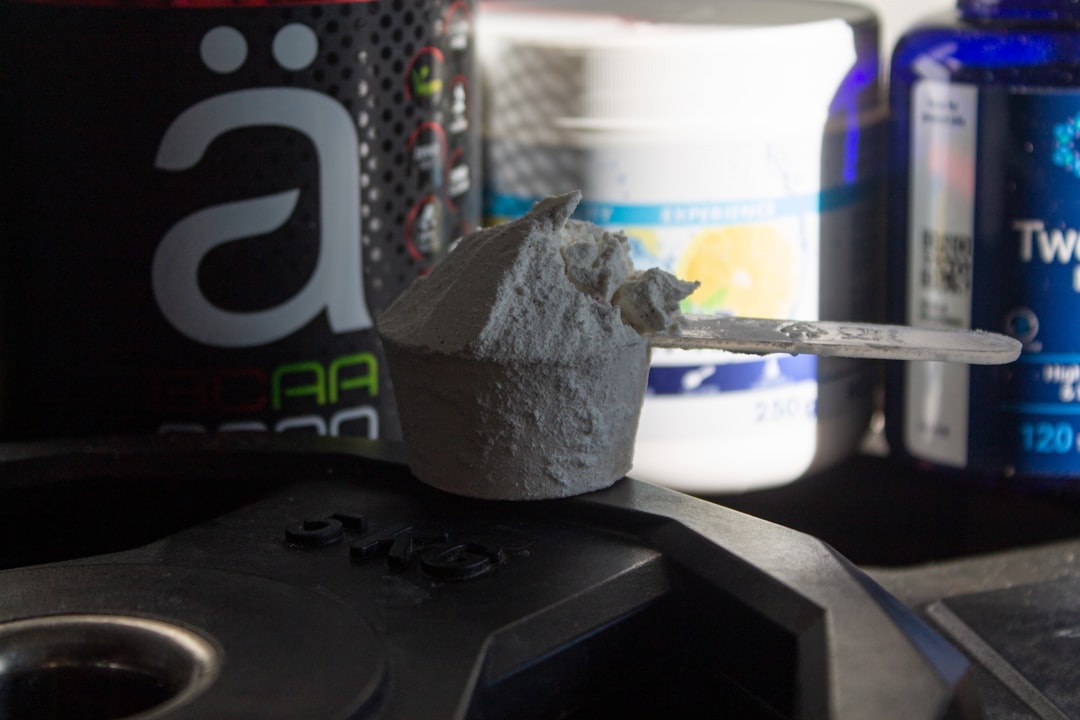
Power Meal Example: 30 g whey protein shake blended with banana, spinach, and almond milk + a side of whole‑grain toast with peanut butter.
4.3 Gut Health – Reduce Bloating & Boost Immunity
Gut‑Friendly Breakfast: Overnight oats with chia seeds, sliced kiwi, and a spoonful of plain kefir.
4.4 Energy & Brain Performance – Stay Sharp All Day
Brain‑Boosting Snack: A small apple with 1 tbsp almond butter and a sprinkle of cinnamon.
—
5. Common Nutrition Myths Debunked – What You Really Need to Know
| Myth | Reality |
|——|———-|
| “All fats make you gain weight.” | Not all fats are created equal. Unsaturated fats (olive oil, nuts) support heart health and satiety, while trans fats are the real culprits. |
| “You need to eat protein right after a workout, or you’ll lose muscle.” | The “anabolic window” is broader than 30 minutes. Consuming protein within 2‑3 hours post‑exercise is sufficient for most people. |
| “Gluten is bad for everyone.” | Only individuals with celiac disease or gluten sensitivity should avoid gluten. For the general population, whole‑grain gluten foods provide fiber and nutrients. |
| “Detox diets cleanse your body.” | Your liver, kidneys, and gut already detoxify efficiently. Focus on supporting these organs with antioxidants, water, and balanced nutrition. |
| “Skipping meals helps you lose weight.” | Skipping meals often leads to overeating later and can slow metabolism. Regular, balanced meals stabilize blood sugar and control hunger. |
Actionable Takeaway: When you encounter a new diet trend, ask: What scientific evidence supports it? and Does it align with my personal health goals?
—
Conclusion – Your Nutrition Blueprint for a Healthier Life
Nutrition isn’t a one‑size‑fits‑all prescription; it’s a flexible, lifelong partnership with the food you eat. By mastering the fundamentals—understanding macronutrients and micronutrients, building balanced plates, and applying practical meal‑planning strategies—you empower yourself to meet any health goal, whether it’s weight loss, muscle gain, better gut health, or sharper mental performance.
Key Takeaways
1. Start with the half‑plate method to ensure every meal is nutrient