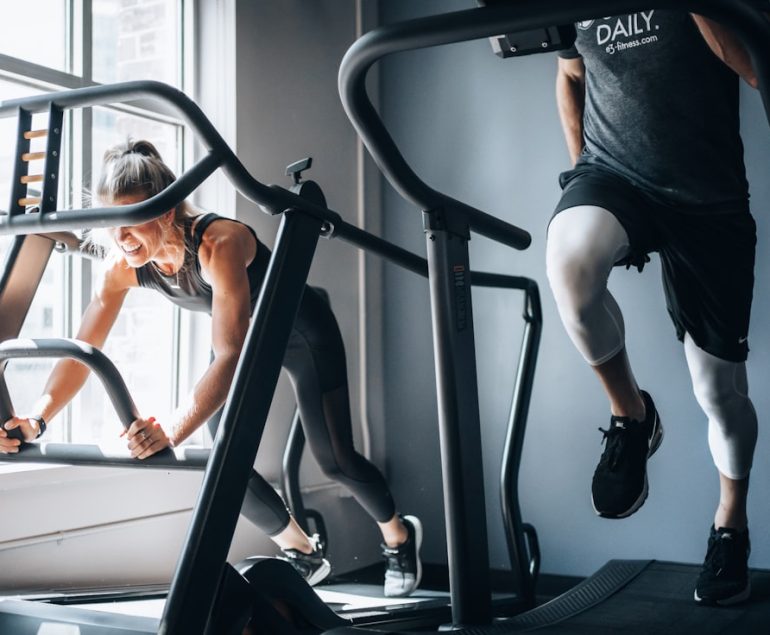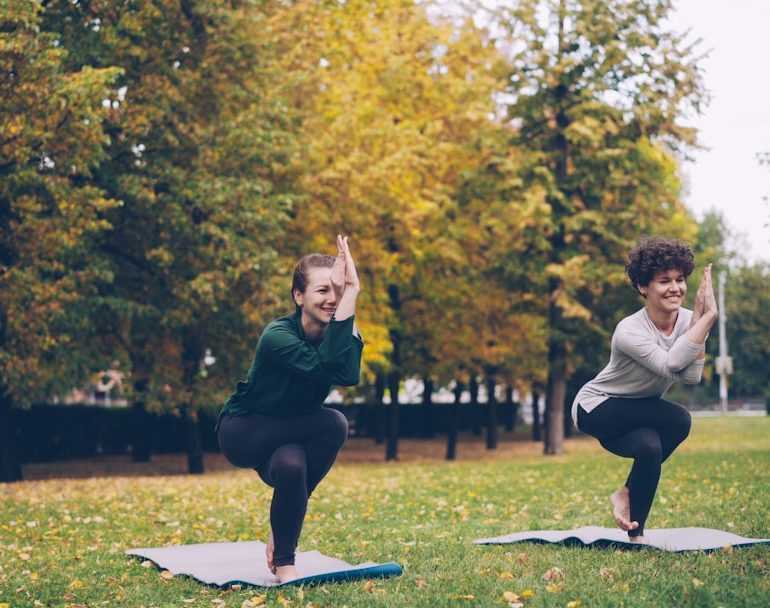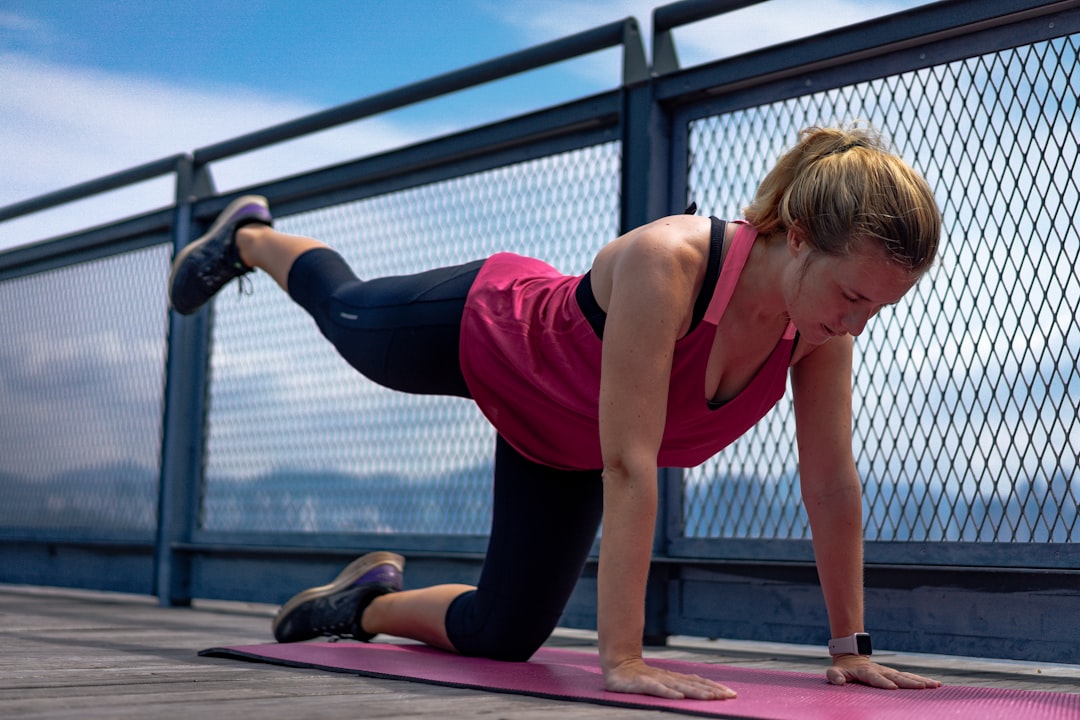
Are you tired of feeling sluggish, stressed, and stuck in a rut? Do you want to boost your energy levels, improve your mood, and increase your overall sense of well-being? If so, it’s time to get moving! Exercise is one of the most powerful tools you can use to transform your body and mind, and it’s easier than you think to get started. In this comprehensive guide, we’ll explore the numerous benefits of exercise, from weight loss and improved physical health to enhanced mental clarity and reduced stress. Whether you’re a seasoned athlete or a beginner, you’ll discover how exercise can help you unlock your full potential and achieve your goals.
The Physical Benefits of Exercise
Regular exercise is essential for maintaining a healthy body, and the benefits are numerous. For one, exercise helps with weight loss and weight management. When you engage in physical activity, you burn calories and build muscle, which can help you shed unwanted pounds and keep them off. Exercise also improves cardiovascular health by strengthening your heart and lungs, reducing your risk of heart disease, and lowering your blood pressure. Additionally, regular physical activity can help you manage chronic conditions like diabetes, arthritis, and some types of cancer. But that’s not all – exercise can also improve your sleep quality, boost your immune system, and increase your flexibility and balance.
Some of the most effective forms of exercise for physical health include:
- Aerobic exercises like running, cycling, and swimming, which raise your heart rate and improve cardiovascular health
- Strength training exercises like weightlifting and bodyweight exercises, which build muscle and boost metabolism
- High-intensity interval training (HIIT), which involves short bursts of intense exercise followed by brief periods of rest
- Yoga and Pilates, which improve flexibility, balance, and core strength
- Mind-body exercises like yoga, tai chi, and qigong, which combine physical movement with deep breathing and meditation
- Aerobic exercises like walking, jogging, and dancing, which release endorphins and improve mood
- Strength training exercises like weightlifting and bodyweight exercises, which build confidence and self-esteem
- Group fitness classes like spinning, Zumba, and boot camp, which provide social support and accountability
- Joining a gym or fitness studio with a social atmosphere
- Taking a group fitness class or workshop
- Participating in a sports league or recreational team
- Finding an exercise buddy or accountability partner
- Using social media to connect with other fitness enthusiasts and join online fitness communities
- Starting small and setting achievable goals
- Finding activities that you enjoy and that fit your lifestyle
- Scheduling exercise into your daily routine, just like you would any other appointment
- Finding an exercise buddy or accountability partner to provide motivation and support
- Rewarding yourself for reaching exercise milestones and celebrating your progress
- Exercise can improve physical health, including weight loss, cardiovascular health, and chronic disease management
- Exercise can improve mental and emotional health, including mood, anxiety, and self-esteem
- Exercise can be a social activity, providing opportunities to connect with others and build relationships
- Starting small and finding activities that you enjoy can help you overcome barriers to exercise and make physical activity a sustainable part of your lifestyle.
The Mental and Emotional Benefits of Exercise
Exercise is not just good for your body; it’s also a powerful tool for improving your mental and emotional well-being. When you engage in physical activity, your brain releases endorphins, also known as “feel-good” hormones, which can help alleviate symptoms of anxiety and depression. Exercise can also improve your mood, reduce stress and anxiety, and enhance your self-esteem. Furthermore, regular physical activity can improve your cognitive function, including your memory, concentration, and problem-solving skills.
Some of the most effective forms of exercise for mental and emotional health include:
The Social Benefits of Exercise
Exercise is not just a solo activity; it can also be a powerful way to connect with others and build social relationships. Joining a gym or fitness studio can provide opportunities to meet new people and make friends who share similar interests. Exercise can also be a fun and engaging way to spend time with family and friends, whether it’s going for a hike, playing a sport, or taking a fitness class together. Additionally, many communities offer group fitness classes, sports leagues, and other exercise programs that can help you meet new people and feel more connected to your community.
Some of the most effective ways to make exercise a social activity include:
Overcoming Barriers to Exercise
One of the biggest challenges to exercising regularly is finding the motivation and time to do it. Many people lead busy lives, and it can be hard to prioritize exercise when there are so many other demands on your time. However, the key is to start small and find ways to incorporate physical activity into your daily routine. This might mean taking a short walk during your lunch break, doing a few jumping jacks during commercial breaks while watching TV, or taking the stairs instead of the elevator. You can also find ways to make exercise more enjoyable, such as listening to music or podcasts while you work out, or trying new activities like rock climbing or kayaking.
Some tips for overcoming barriers to exercise include:
In conclusion, exercise is a powerful tool that can transform your body, mind, and spirit. Whether you’re looking to improve your physical health, boost your mood, or connect with others, exercise has numerous benefits that can help you achieve your goals. By incorporating physical activity into your daily routine, you can improve your overall health and well-being, increase your energy levels, and enhance your mental clarity and focus. So why not get moving today? Find an activity that you enjoy, schedule it into your routine, and start experiencing the many benefits of exercise for yourself. Key takeaways include: