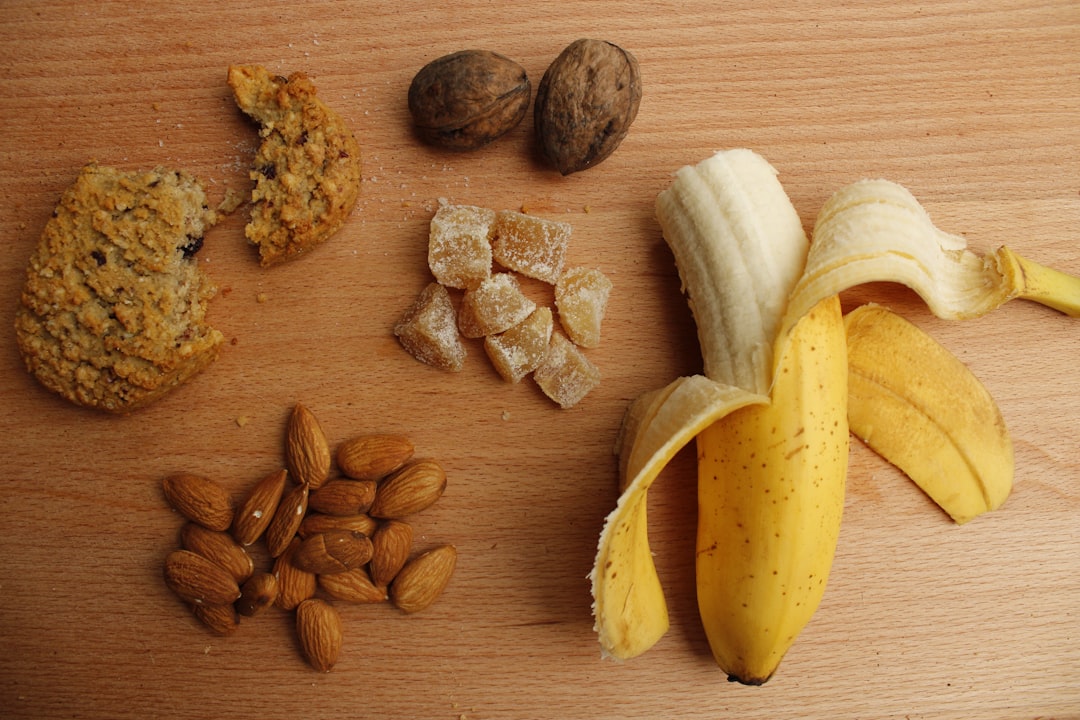
As the old adage goes, “you are what you eat.” But have you ever stopped to think about the impact that your daily food choices have on your overall health and wellbeing? The truth is, nutrition plays a vital role in maintaining a healthy body and mind, and making informed decisions about what you put into your body can have a significant impact on your quality of life. In this comprehensive guide, we’ll delve into the world of nutrition, exploring the essential nutrients your body needs, debunking common myths, and providing actionable tips to help you fuel your body for optimal health.
Understanding the Basics of Nutrition
Before we dive into the nitty-gritty of nutrition, it’s essential to understand the basics. Nutrition refers to the process of providing your body with the necessary nutrients, vitamins, and minerals to function properly. A well-balanced diet that includes a variety of whole foods, such as fruits, vegetables, whole grains, lean proteins, and healthy fats, is crucial for maintaining optimal health. The key is to focus on nutrient-dense foods, rather than relying on processed and packaged products that are often high in empty calories, added sugars, and unhealthy fats.
When it comes to essential nutrients, there are six key categories to consider: carbohydrates, protein, fat, vitamins, minerals, and water. Carbohydrates, such as whole grains, fruits, and vegetables, provide energy for your body, while protein, found in foods like lean meats, fish, and legumes, is essential for building and repairing tissues. Healthy fats, like those found in nuts, seeds, and avocados, support heart health and provide sustained energy. Vitamins and minerals, including vitamin C, vitamin D, calcium, and iron, play critical roles in maintaining immune function, bone health, and overall wellbeing. Finally, adequate hydration is essential for flushing toxins from your body and maintaining proper bodily functions.
Debunking Common Nutrition Myths
With the constant barrage of fad diets and conflicting nutrition information, it’s easy to get caught up in misinformation. Let’s set the record straight on some common nutrition myths. Firstly, low-fat diets are not always the best choice. While it’s true that excessive fat consumption can lead to weight gain and increased risk of chronic diseases, healthy fats are essential for brain function, hormone production, and absorption of vitamins and minerals. In fact, a study published in the journal Nutrition found that a Mediterranean-style diet rich in healthy fats, such as those found in olive oil and nuts, can help reduce the risk of heart disease and type 2 diabetes.
Another myth is that all calories are created equal. The truth is, the quality of your calories matters. Focus on whole, unprocessed foods, rather than relying on packaged products that are often high in added sugars, salt, and unhealthy fats. A study published in the Journal of the American Medical Association found that diets rich in whole foods, such as fruits, vegetables, and whole grains, can help reduce the risk of chronic diseases, including heart disease, type 2 diabetes, and certain types of cancer.
Nutrition and Chronic Disease Prevention
A well-balanced diet that includes a variety of whole foods can help prevent chronic diseases, such as heart disease, type 2 diabetes, and certain types of cancer. One of the key ways that nutrition impacts chronic disease prevention is through the reduction of inflammation. Chronic inflammation is a known risk factor for many diseases, and a diet rich in processed foods, added sugars, and unhealthy fats can exacerbate inflammation. On the other hand, a diet rich in whole foods, such as fruits, vegetables, and whole grains, can help reduce inflammation and promote overall health.
In addition to reducing inflammation, a healthy diet can also help regulate blood sugar levels, blood pressure, and cholesterol levels, all of which are critical for preventing chronic diseases. For example, a study published in the Journal of Nutrition found that a diet rich in fiber, such as that found in whole grains, fruits, and vegetables, can help regulate blood sugar levels and reduce the risk of type 2 diabetes. Similarly, a diet rich in omega-3 fatty acids, such as those found in fatty fish, nuts, and seeds, can help reduce inflammation and promote heart health.
Nutrition and Mental Health
The connection between nutrition and mental health is a complex one, but research suggests that a healthy diet can play a critical role in supporting mental wellbeing. One of the key ways that nutrition impacts mental health is through the gut-brain axis. The gut and brain are connected through the vagus nerve, and the health of the gut microbiome can have a significant impact on mood, cognitive function, and overall mental health. A diet rich in whole foods, such as fruits, vegetables, and whole grains, can help support the growth of beneficial gut bacteria, while a diet high in processed foods and added sugars can disrupt the balance of the gut microbiome.
In addition to supporting gut health, a healthy diet can also provide essential nutrients for brain function and development. For example, omega-3 fatty acids, such as those found in fatty fish, nuts, and seeds, are critical for brain function and development, and have been shown to have a positive impact on mood and cognitive function. Similarly, vitamin D, which is found in fatty fish, fortified dairy products, and sunlight, is essential for mood regulation and overall mental health.
Conclusion and Key Takeaways
In conclusion, nutrition plays a vital role in maintaining optimal health and wellbeing. By focusing on whole, unprocessed foods, and avoiding fad diets and misinformation, you can take control of your health and wellbeing. Here are the key takeaways from this comprehensive guide to nutrition:
- Focus on whole, unprocessed foods, such as fruits, vegetables, whole grains, lean proteins, and healthy fats.
- Debunk common nutrition myths, such as the idea that all calories are created equal, and that low-fat diets are always the best choice.
- A well-balanced diet can help prevent chronic diseases, such as heart disease, type 2 diabetes, and certain types of cancer, by reducing inflammation and regulating blood sugar levels, blood pressure, and cholesterol levels.
- Nutrition plays a critical role in supporting mental health, through the gut-brain axis and the provision of essential nutrients for brain function and development.
- Stay hydrated, and limit your intake of added sugars, salt, and unhealthy fats.
By following these key takeaways, you can unlock the power of nutrition and take control of your health and wellbeing. Remember, you are what you eat, so choose whole, nutrient-dense foods, and make informed decisions about what you put into your body. With the right nutrition, you can achieve optimal health and wellbeing, and live a happy, healthy, and fulfilling life.