As the old adage goes, “you are what you eat.” The food we consume has a profound impact on our overall health, energy levels, and wellbeing. With the myriad of diet trends and conflicting information available, it’s easy to get lost in the world of nutrition. However, by understanding the fundamentals of nutrition and making informed choices, you can unlock a healthier, happier you. In this comprehensive guide, we’ll delve into the world of nutrition, exploring the essential nutrients, meal planning strategies, and lifestyle habits that will help you achieve optimal health.
Understanding the Basics of Nutrition
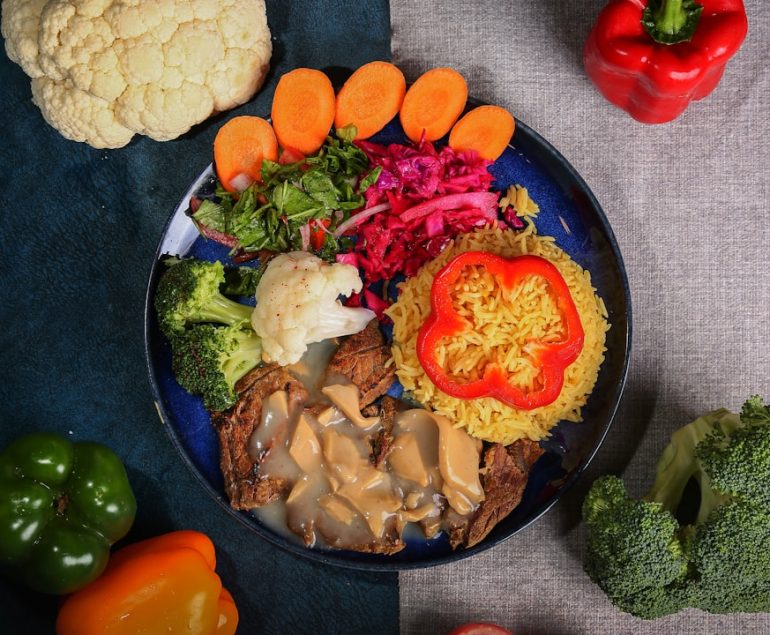
Before we dive into the nitty-gritty of nutrition, it’s essential to understand the fundamental principles. Nutrition is the process of providing your body with the necessary nutrients, vitamins, and minerals to function optimally. A balanced diet consists of three main macronutrient categories: carbohydrates, proteins, and fats. Carbohydrates, such as whole grains, fruits, and vegetables, provide energy for the body. Proteins, found in foods like lean meats, fish, and legumes, are essential for building and repairing tissues. Fats, including healthy fats like nuts, seeds, and avocados, support hormone production and overall health.
In addition to macronutrients, micronutrients like vitamins and minerals play a crucial role in maintaining optimal health. Vitamins, such as vitamin C, vitamin D, and vitamin B12, are essential for immune function, bone health, and energy production. Minerals like calcium, iron, and potassium support bone health, oxygen transport, and muscle function. A well-balanced diet that includes a variety of whole foods can provide adequate amounts of these essential nutrients.
Meal Planning Strategies for Optimal Nutrition
Meal planning is a crucial aspect of maintaining a healthy diet. By planning your meals in advance, you can ensure that you’re getting the necessary nutrients, avoiding unhealthy choices, and saving time and money. Here are some actionable tips for meal planning:
- Start with a grocery list: Before you head to the store, plan out your meals for the week and make a list of the necessary ingredients. This will help you avoid impulse buys and stay focused on whole, nutrient-dense foods.
- Shop the perimeter of the store: The healthiest foods are often found on the perimeter of the store, including produce, meats, dairy, and whole grains. Avoid the center aisles, which are often filled with processed and packaged foods.
- Cook at home: Cooking at home allows you to control the ingredients and portion sizes of your meals. Aim to cook at home most nights of the week and pack leftovers for lunch the next day.
- Incorporate meal prep: Meal prep involves preparing ingredients or entire meals in advance. This can save time during the week and ensure that you’re getting healthy, balanced meals.
- Stay hydrated: Adequate hydration is essential for overall health, including digestion, energy production, and skin health. Aim to drink at least eight glasses of water per day.
- Get enough sleep: Sleep is crucial for hormone regulation, immune function, and muscle recovery. Aim for 7-9 hours of sleep per night.
- Exercise regularly: Regular exercise supports heart health, weight management, and mental wellbeing. Aim for at least 150 minutes of moderate-intensity exercise per week.
- Manage stress: Chronic stress can have a negative impact on overall health, including digestion, immune function, and mental wellbeing. Engage in stress-reducing activities like meditation, yoga, or deep breathing exercises.
- Low-fat foods are always healthy: While it’s true that excessive fat consumption can be detrimental to health, not all fats are created equal. Healthy fats, like those found in nuts, seeds, and avocados, are essential for hormone production and overall health.
- All carbohydrates are bad: Carbohydrates are often villainized, but they’re an essential source of energy for the body. Whole, unprocessed carbohydrates like whole grains, fruits, and vegetables are rich in fiber, vitamins, and minerals.
- You need to cut out entire food groups to be healthy: Restrictive diets that cut out entire food groups can be detrimental to overall health. A balanced diet that includes a variety of whole foods can provide adequate nutrients and support optimal health.
- Eat a balanced diet: Focus on whole, unprocessed foods, including fruits, vegetables, whole grains, lean proteins, and healthy fats.
- Stay hydrated: Drink at least eight glasses of water per day to support overall health.
- Get enough sleep: Aim for 7-9 hours of sleep per night to support hormone regulation, immune function, and muscle recovery.
- Exercise regularly: Engage in at least 150 minutes of moderate-intensity exercise per week to support heart health, weight management, and mental wellbeing.
- Manage stress: Engage in stress-reducing activities like meditation, yoga, or deep breathing exercises to support overall health and wellbeing.
Some popular meal planning strategies include the Mediterranean diet, which emphasizes whole grains, fruits, vegetables, and healthy fats, and the keto diet, which focuses on high-fat, low-carbohydrate foods. However, it’s essential to remember that there is no one-size-fits-all approach to nutrition, and the best meal plan is one that is tailored to your individual needs and preferences.
The Importance of Lifestyle Habits in Nutrition
While a balanced diet is essential for optimal nutrition, lifestyle habits also play a significant role. Here are some key lifestyle habits to focus on:
By incorporating these lifestyle habits into your daily routine, you can support optimal nutrition and overall health. Remember, nutrition is not just about the food you eat, but also about the habits you keep.
Debunking Common Nutrition Myths
With the abundance of information available, it’s easy to get caught up in common nutrition myths. Here are some myths to watch out for:
By being aware of these common nutrition myths, you can make informed choices and avoid falling into the trap of fad diets and quick fixes.
Conclusion and Key Takeaways
In conclusion, nutrition is a complex and multifaceted field that requires a comprehensive approach. By understanding the basics of nutrition, incorporating meal planning strategies, and adopting healthy lifestyle habits, you can unlock optimal health and wellbeing. Remember, nutrition is not just about the food you eat, but also about the habits you keep. Here are the key takeaways from this guide:
By incorporating these key takeaways into your daily routine, you can unlock optimal nutrition and achieve a healthier, happier you. Remember, nutrition is a journey, not a destination, and it’s okay to take it one step at a time. Start with small changes, be patient, and celebrate your progress along the way.