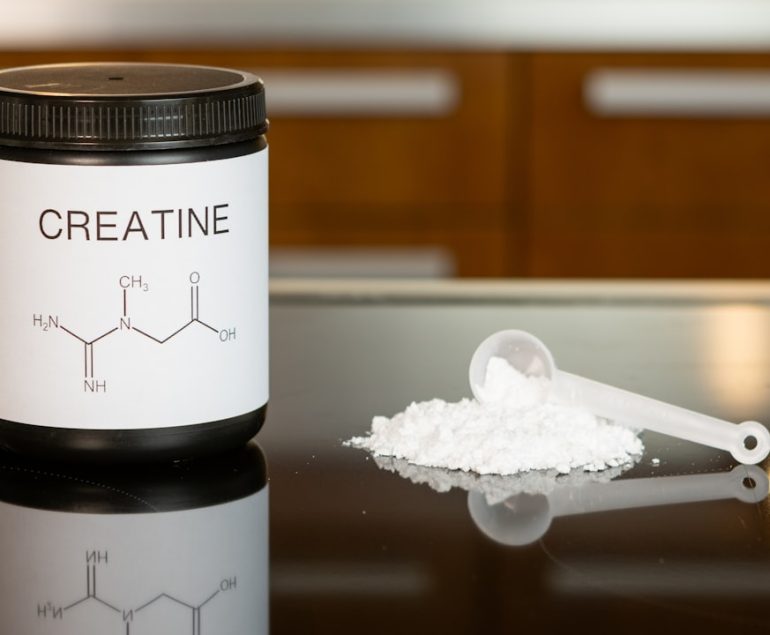
As the old adage goes, “you are what you eat.” But have you ever stopped to think about the impact that your daily food choices have on your overall health and wellbeing? From boosting energy levels to supporting mental health, a balanced diet plays a crucial role in maintaining a healthy and happy life. In this comprehensive guide, we’ll delve into the world of nutrition, exploring the latest research and expert advice to help you make informed decisions about the food you eat. Whether you’re looking to shed a few pounds, improve your athletic performance, or simply feel more vibrant and alive, this article will provide you with the knowledge and tools you need to unlock the full potential of nutrition.
Understanding the Basics of Nutrition
Before we dive into the nitty-gritty of nutrition, it’s essential to understand the basics. A well-balanced diet typically consists of three main macronutrient groups: carbohydrates, proteins, and fats. Carbohydrates, such as whole grains, fruits, and vegetables, provide energy for the body, while proteins, found in foods like lean meats, fish, and legumes, support muscle growth and repair. Fats, including healthy options like nuts, seeds, and avocados, play a critical role in hormone production and brain function. In addition to these macronutrients, a balanced diet should also include a variety of micronutrients, such as vitamins and minerals, which are essential for maintaining optimal health.
When it comes to making healthy food choices, it’s not just about what you eat, but also how you eat. Developing a healthy relationship with food is crucial for maintaining a balanced diet. This means paying attention to hunger and fullness cues, eating mindfully, and savoring each bite. It’s also essential to stay hydrated by drinking plenty of water throughout the day. Aim to limit your intake of sugary drinks and foods high in added sugars, salt, and unhealthy fats, which can have negative effects on your health.
The Importance of Meal Planning and Prep
Meal planning and preparation are essential components of a healthy diet. By taking the time to plan and prepare your meals in advance, you can ensure that you’re getting the nutrients you need to fuel your body. Start by setting aside some time each week to plan out your meals, making sure to include a variety of fruits, vegetables, whole grains, and lean protein sources. Consider your dietary goals and preferences, such as vegetarian or gluten-free, and plan your meals accordingly.
Once you have a plan in place, it’s time to start preparing your meals. This can be as simple as cooking a big batch of rice or quinoa on the weekend, or as involved as preparing a week’s worth of salads or stir-fries. The key is to find a system that works for you and your lifestyle. Consider investing in a slow cooker or instant pot, which can make meal prep a breeze. You can also find plenty of healthy meal prep ideas and recipes online, or through mobile apps like MyFitnessPal or Yummly.
Debunking Common Nutrition Myths
With so much conflicting information out there, it’s easy to get caught up in nutrition myths and misconceptions. One common myth is that low-fat or fat-free foods are always healthy. While it’s true that some fats, such as trans fats and saturated fats, can be detrimental to your health, not all fats are created equal. Healthy fats, like those found in nuts, seeds, and avocados, are essential for brain function, hormone production, and absorption of vitamins and minerals.
Another common myth is that all calories are created equal. While it’s true that a calorie is a calorie, regardless of its source, the quality of those calories matters. Foods that are high in added sugars, salt, and unhealthy fats may be low in essential nutrients, while whole, unprocessed foods like fruits, vegetables, and whole grains are rich in vitamins, minerals, and antioxidants. Focus on eating a balanced diet that includes a variety of whole foods, rather than relying on processed or packaged foods.
Specialized Nutrition Needs
As we age, our nutritional needs change. For example, older adults may require more calcium and vitamin D to support bone health, while pregnant or breastfeeding women may need more iron and folate to support fetal development. Additionally, individuals with certain medical conditions, such as diabetes or celiac disease, may require specialized diets to manage their condition.
If you have specific dietary needs or restrictions, it’s essential to work with a healthcare professional or registered dietitian to develop a personalized nutrition plan. This may involve keeping a food diary to track your eating habits, or working with a nutritionist to create a customized meal plan. Don’t be afraid to ask for help or seek out resources, such as online support groups or nutrition blogs, to help you navigate the world of nutrition.
Conclusion and Key Takeaways
In conclusion, nutrition is a complex and multifaceted field that plays a critical role in maintaining optimal health and wellbeing. By understanding the basics of nutrition, developing a healthy relationship with food, and planning and preparing meals in advance, you can take control of your diet and unlock the full potential of nutrition. Remember to stay informed, but also be wary of common nutrition myths and misconceptions. And if you have specialized nutrition needs, don’t hesitate to seek out professional guidance.
Key takeaways from this article include:
- A balanced diet consists of a variety of whole foods, including fruits, vegetables, whole grains, lean proteins, and healthy fats.
- Meal planning and preparation are essential for maintaining a healthy diet.
- Not all calories are created equal, and the quality of your food matters.
- Stay informed, but be wary of common nutrition myths and misconceptions.
- If you have specialized nutrition needs, seek out professional guidance to develop a personalized nutrition plan.
By following these tips and staying committed to a healthy lifestyle, you can transform your body and mind with the power of nutrition. So why wait? Start your journey to optimal health and wellbeing today, and discover the incredible benefits that a balanced diet can bring.