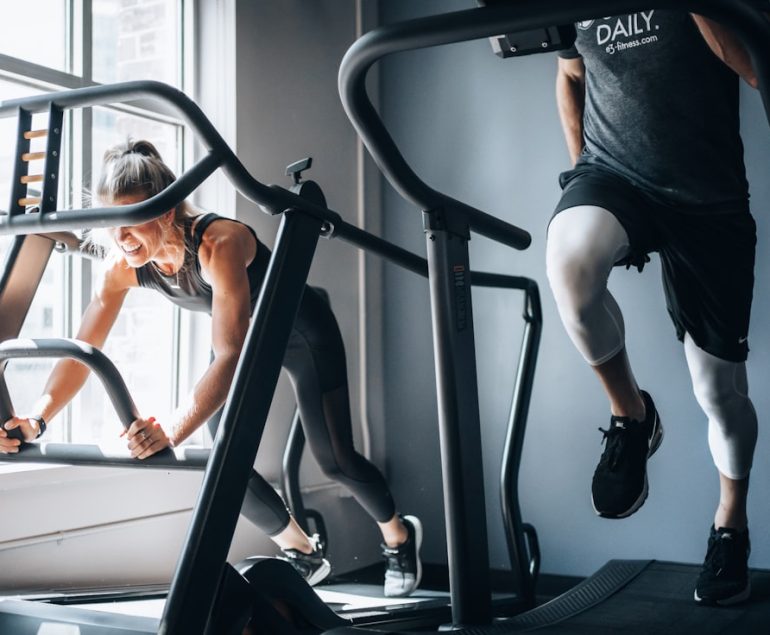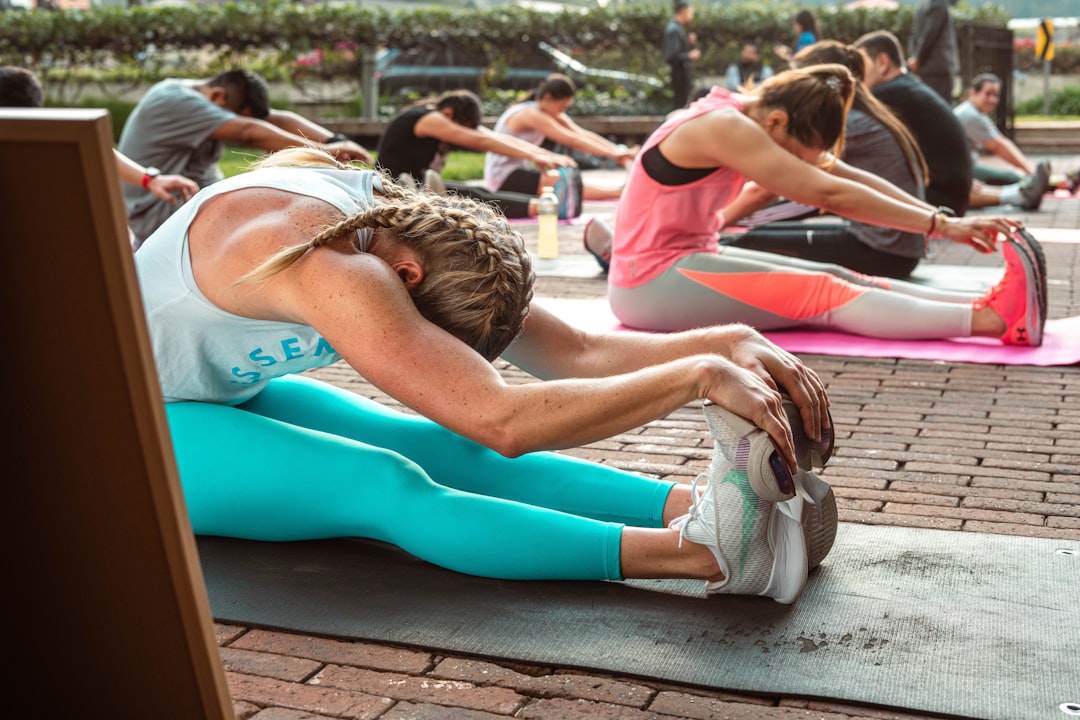
Are you tired of feeling sluggish, unmotivated, and stuck in a rut? Do you want to boost your energy levels, improve your mood, and increase your overall sense of well-being? If so, it’s time to get moving and discover the incredible benefits of exercise. Regular physical activity is a powerful tool that can transform your body and mind, helping you to achieve your goals and live a healthier, happier life. In this comprehensive guide, we’ll explore the numerous advantages of exercise, from weight loss and improved cardiovascular health to enhanced mental clarity and reduced stress levels.
The Physical Benefits of Exercise
Exercise is often associated with physical health, and for good reason. Regular physical activity can have a profound impact on our bodies, from improving our cardiovascular health to increasing our strength and flexibility. Some of the most significant physical benefits of exercise include:
- Weight loss: Exercise is a crucial component of any weight loss program, as it helps to burn calories, build muscle, and increase metabolism. Whether you’re looking to shed a few pounds or achieve a significant weight loss, regular physical activity can help you to reach your goals.
- Improved cardiovascular health: Exercise is essential for maintaining a healthy heart and reducing the risk of cardiovascular disease. Regular physical activity can help to lower blood pressure, improve circulation, and increase overall cardiovascular function.
- Increased strength and flexibility: Exercise can help to build strong, lean muscles, as well as improve our flexibility and range of motion. This can reduce the risk of injury, improve our overall mobility, and enhance our athletic performance.
- Better sleep: Regular physical activity can help to improve the quality of our sleep, reducing the risk of insomnia, sleep apnea, and other sleep disorders. Exercise can also help to regulate our sleep patterns, leading to a more restful and refreshing night’s sleep.
- Reduced stress and anxiety: Exercise is a natural stress-reliever, helping to reduce feelings of anxiety and promote a sense of calm and relaxation. Whether you’re dealing with work-related stress, personal problems, or simply feeling overwhelmed, regular physical activity can help you to manage your stress levels and feel more centered.
- Improved mood: Exercise has been shown to have a positive impact on our mood, reducing symptoms of depression and anxiety, and promoting a sense of happiness and well-being. This is due in part to the release of endorphins, also known as “feel-good” hormones, which are produced during physical activity.
- Enhanced mental clarity: Exercise can help to improve our focus, concentration, and mental clarity, making it easier to tackle challenging tasks and achieve our goals. Regular physical activity can also improve our cognitive function, reducing the risk of age-related cognitive decline and dementia.
- Increased self-esteem: Exercise can help to boost our self-esteem and body confidence, promoting a positive body image and reducing the risk of low self-esteem and negative self-talk.
- Find an activity you enjoy: Exercise shouldn’t be a chore, so find an activity that you enjoy and that makes you feel good. Whether it’s walking, running, swimming, or dancing, there are countless ways to get moving and have fun while doing it.
- Start slow: Don’t try to do too much too soon. Start with short, manageable sessions and gradually increase the intensity and duration as you become more comfortable.
- Schedule it in: Treat exercise as a non-negotiable part of your daily routine, scheduling it in your calendar and committing to regular physical activity.
- Find a workout buddy: Exercising with a friend or family member can be a great way to stay motivated, accountable, and engaged. You can also join a fitness class or workout group to meet new people and make exercise more enjoyable.
- Lack of time: Many of us lead busy lives, making it difficult to find time for exercise. However, even small amounts of physical activity can be beneficial, so try to find ways to incorporate exercise into your daily routine, such as taking the stairs instead of the elevator or going for a short walk during your lunch break.
- Lack of motivation: It’s easy to get discouraged or lose motivation, especially if you’re new to exercise or haven’t seen immediate results. However, remember that exercise is a journey, not a destination, and that every small step counts.
- Injury or illness: If you’re dealing with an injury or illness, it’s essential to listen to your body and take a break from exercise if necessary. However, many forms of exercise can be modified or adapted to accommodate injuries or health conditions, so be sure to consult with a healthcare professional or fitness expert to find a safe and effective way to stay active.
- Exercise is essential for maintaining good physical and mental health
- Regular physical activity can help with weight loss, improved cardiovascular health, and increased strength and flexibility
- Exercise can reduce stress and anxiety, improve mood, and enhance mental clarity
- Getting started with exercise can seem daunting, but finding an activity you enjoy, starting slow, and scheduling it in can help
- Overcoming common barriers to exercise, such as lack of time or motivation, is crucial to sticking to a regular routine.
The Mental and Emotional Benefits of Exercise
While the physical benefits of exercise are well-documented, the mental and emotional advantages of regular physical activity are just as significant. Exercise has been shown to have a profound impact on our mental health, reducing stress and anxiety, improving our mood, and enhancing our overall sense of well-being. Some of the most significant mental and emotional benefits of exercise include:
Getting Started with Exercise
If you’re new to exercise or have been inactive for a while, getting started can seem daunting. However, with a little motivation and guidance, you can begin to experience the many benefits of regular physical activity. Here are some tips to help you get started:
Overcoming Common Barriers to Exercise
Despite the many benefits of exercise, there are often barriers that prevent us from getting started or sticking to a regular routine. Some common obstacles include:
In conclusion, the benefits of exercise are numerous and well-documented, from improving our physical health and reducing our risk of chronic disease to enhancing our mental clarity and overall sense of well-being. Whether you’re a seasoned athlete or just starting out, regular physical activity can have a profound impact on your life, helping you to achieve your goals, feel more confident and capable, and live a healthier, happier life. So why not get moving and start experiencing the many benefits of exercise for yourself? Remember to find an activity you enjoy, start slow, schedule it in, and overcome common barriers to exercise. With a little motivation and dedication, you can unlock the power of exercise and transform your body and mind. Key takeaways include: