As the old adage goes, “an apple a day keeps the doctor away.” But what if you could take it a step further and supercharge your diet with immunity-boosting foods that not only keep the doctor away but also keep you feeling vibrant and energized all year round? With the rise of chronic diseases and infections, it’s more important than ever to prioritize our immune systems. The good news is that a well-crafted diet rich in whole foods, nutrients, and antioxidants can be your strongest ally in the fight against illness. In this comprehensive guide, we’ll delve into the world of immunity-boosting foods, exploring the science behind their benefits and providing you with actionable tips to incorporate them into your daily routine.
Understanding the Immune System: The Basics
Before we dive into the world of immunity-boosting foods, it’s essential to understand the basics of how our immune system works. The immune system is a complex network of cells, tissues, and organs that work together to defend our bodies against foreign invaders, such as bacteria, viruses, and other pathogens. A healthy immune system relies on a delicate balance of nutrients, including vitamins, minerals, and antioxidants, to function optimally. When our diet is lacking in these essential nutrients, our immune system can become compromised, leaving us more susceptible to illness. Key nutrients that play a crucial role in immune function include vitamin C, vitamin D, zinc, iron, and omega-3 fatty acids. Foods rich in these nutrients, such as citrus fruits, leafy greens, nuts, and fatty fish, should be staples in your diet.
Top Immunity-Boosting Foods to Add to Your Diet
So, which foods should you be eating to boost your immune system? Here are some of the top immunity-boosting foods to add to your diet:
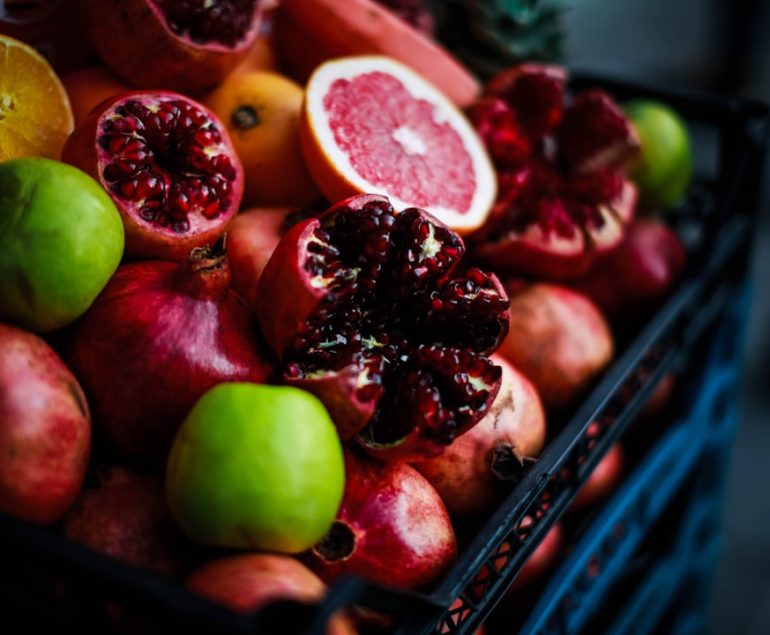
- Citrus Fruits: Oranges, grapefruits, and lemons are all high in vitamin C, which is essential for the production of white blood cells. Vitamin C also has antioxidant properties, helping to protect cells from damage caused by free radicals.
- Berries: Blueberries, raspberries, and strawberries are rich in antioxidants and flavonoids, which have been shown to have anti-inflammatory properties and support immune function.
- Leafy Greens: Spinach, kale, and collard greens are packed with vitamins A, C, and E, as well as minerals like calcium and iron. These nutrients help support immune cell function and protect against oxidative stress.
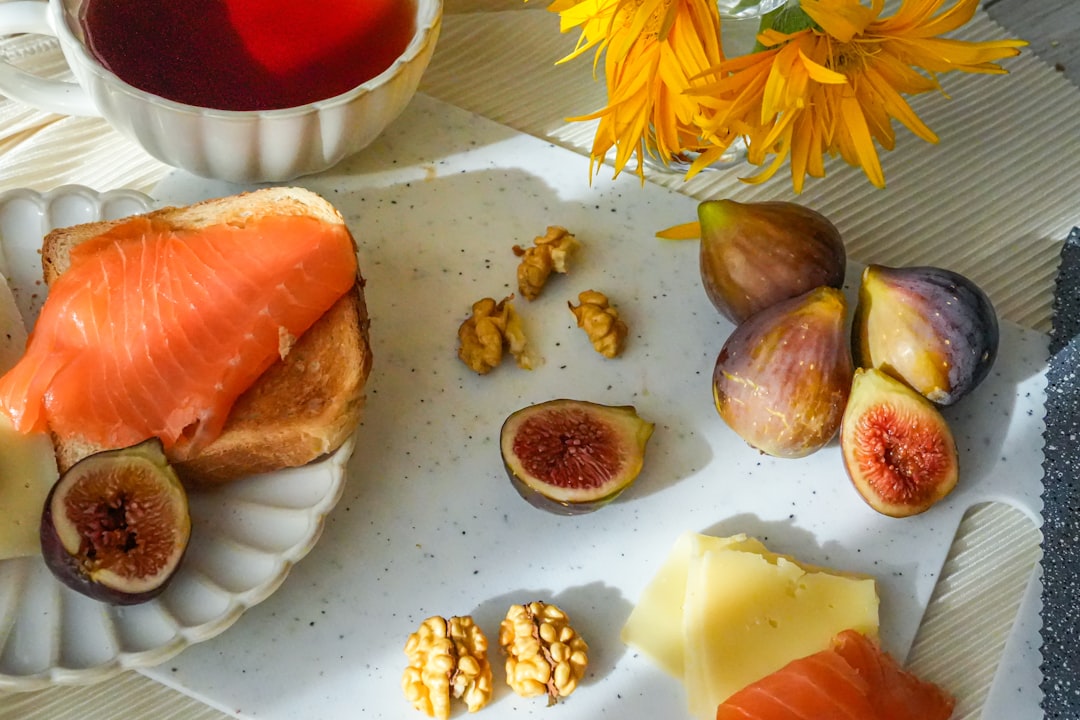
- Fatty Fish: Salmon, tuna, and sardines are rich in omega-3 fatty acids, which have anti-inflammatory properties and support the health of immune cells.
- Sweet Potatoes: Rich in vitamin A, sweet potatoes help support the health of immune cells and protect against infections.
- Fermented Foods: Yogurt, kimchi, and sauerkraut contain probiotics, which help support the health of the gut microbiome and boost immune function.
- Start Your Day with a Boost: Begin your day with a glass of freshly squeezed orange juice or a bowl of oatmeal with sliced banana and a sprinkle of cinnamon.
- Snack on Nuts and Seeds: Almonds, sunflower seeds, and pumpkin seeds are all rich in healthy fats, protein, and fiber, making them the perfect snack to support immune function.
- Incorporate Fermented Foods into Your Meals: Add kimchi to your stir-fries, use sauerkraut as a topping for salads, or enjoy a bowl of yogurt with berries and honey.
- Make Soups and Stews: Cook up a big batch of chicken soup with vegetables and beans, or try a hearty stew made with sweet potatoes, carrots, and green beans.
- Get Creative with Smoothies: Blend together your favorite fruits, leafy greens, and nuts to create a delicious and nutritious smoothie that’s packed with immune-boosting nutrients.
- Stay Hydrated: Drink plenty of water throughout the day to help flush out toxins and support immune cell function.
- Get Enough Sleep: Aim for 7-9 hours of sleep per night to help support immune function and reduce inflammation.
- Exercise Regularly: Engage in moderate-intensity exercise, such as brisk walking or yoga, to help reduce stress and support immune function.
- Manage Stress: Practice stress-reducing techniques, such as meditation or deep breathing, to help mitigate the negative effects of stress on the immune system.
- Don’t Smoke: Smoking can weaken the immune system and increase the risk of illness, so quitting is essential for supporting immune function.
- Eating a balanced diet rich in whole foods, nutrients, and antioxidants is essential for supporting immune function.
- Incorporating top immunity-boosting foods, such as citrus fruits, berries, leafy greens, and fatty fish, can help support immune cell function and reduce the risk of illness.
- Additional lifestyle strategies, such as staying hydrated, getting enough sleep, exercising regularly, managing stress, and not smoking, can also help support immune function.
- By making a few simple changes to your diet and lifestyle, you can take a proactive approach to supporting your health and well-being.
Tips for Incorporating Immunity-Boosting Foods into Your Diet
Incorporating immunity-boosting foods into your diet can be easy and delicious. Here are some tips to get you started:
Additional Strategies to Support Immune Function
While diet plays a critical role in supporting immune function, there are other lifestyle strategies that can also help boost your defenses. Here are some additional tips to keep in mind:
In conclusion, incorporating immunity-boosting foods into your diet can be a powerful way to support your immune system and reduce the risk of illness. By understanding the basics of the immune system, adding top immunity-boosting foods to your diet, and incorporating additional lifestyle strategies, you can take a proactive approach to supporting your health and well-being. Remember, a healthy immune system is just a few delicious and nutritious meals away. So, go ahead and give your diet a boost with these immunity-boosting foods and start feeling the benefits for yourself. Key takeaways include: