—
Introduction – Why Your Immune System Needs More Than Just a Flu Shot
Imagine your body as a bustling city. The immune system is the police force, constantly patrolling the streets, spotting intruders, and keeping everything running smoothly. When the force is well‑trained and well‑equipped, crime (illness) drops dramatically. But what happens when the police department is under‑funded, understaffed, or running on stale coffee?
That’s exactly what a poor diet does to your immunity. While vaccines and hand‑washing are critical defenses, the foods you eat provide the daily ammunition—vitamins, minerals, antioxidants, and phytonutrients—that keep your immune “officers” sharp, responsive, and resilient.
In this 2,000‑word deep dive we’ll explore the science‑backed, immunity‑boosting foods that can turn your meals into a frontline defense against colds, flu, and even chronic inflammation. You’ll walk away with a practical grocery list, tasty recipe ideas, and a clear action plan to make every bite count for your health.
—
1. Vitamin C Powerhouses – The Classic Immune Ally
What Vitamin C Does for Your Defense System
Vitamin C (ascorbic acid) is the poster child of immune nutrition. It fuels several key processes:
| Function | How It Helps |
|———-|————–|
| White‑blood‑cell production | Stimulates the generation and function of neutrophils, lymphocytes, and phagocytes. |
| Antioxidant protection | Neutralizes free radicals that can damage immune cells. |
| Skin barrier support | Enhances collagen synthesis, strengthening the first line of defense (skin, gums, respiratory tract). |
| Enhanced iron absorption | Improves iron uptake, preventing anemia‑related immune weakness. |
Top Vitamin C Foods (and How to Keep Their Potency)
| Food | Approx. Vitamin C (mg per 100 g) | Best Prep Tips |
|——|——————————–|—————-|
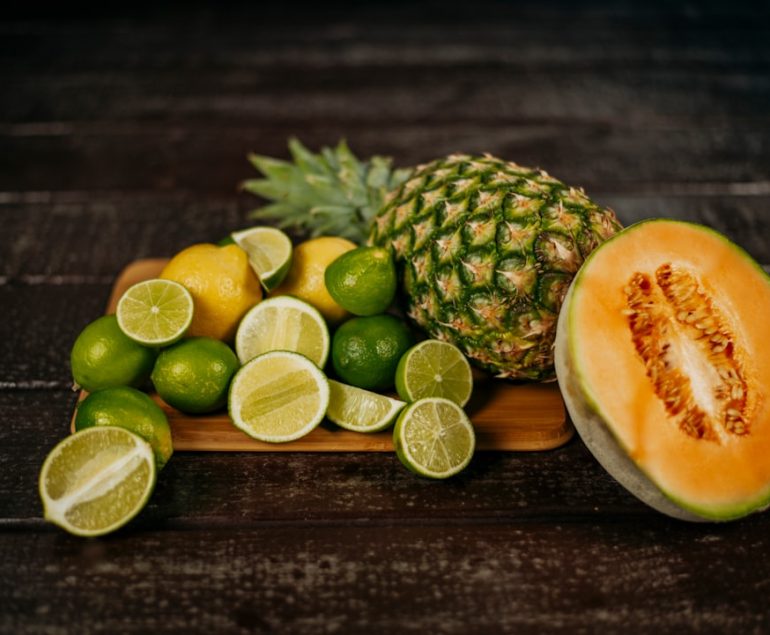
| Acerola cherry | 1,677 | Eat fresh or blend into smoothies; avoid prolonged heating. |
| Guava | 228 | Slice raw; add to fruit salads. |
| Red bell pepper | 190 | Roast briefly (under 10 min) to retain most vitamin C. |
| Kiwi | 93 | Peel and eat raw; great in yogurt bowls. |
| Strawberries | 59 | Freeze for smoothies; thaw quickly to limit nutrient loss. |
| Broccoli | 89 | Steam 4–5 min; over‑cooking destroys vitamin C. |
Actionable Tip: The “C‑Boost” Snack Box
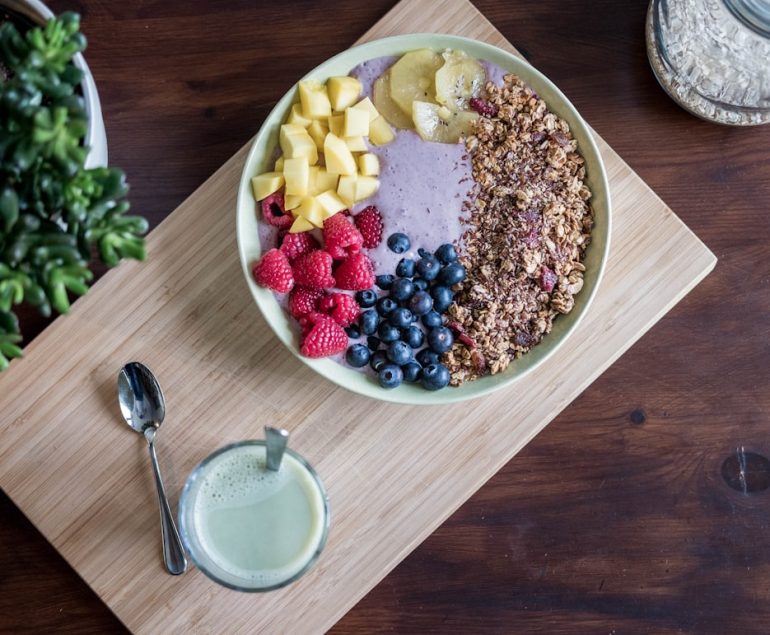
- Morning: A handful of fresh berries + a few slices of kiwi.
- Mid‑day: Red bell pepper strips with hummus.
- Evening: A small serving of guava or a glass of acerola juice (no added sugar).
- Stabilizes cell membranes, preventing pathogens from entering.
- Supports the activity of natural killer (NK) cells that destroy virus‑infected cells.
- Helps produce interferon, a protein that blocks viral replication.
- Meal‑starter: Sprinkle toasted pumpkin seeds over salads or oatmeal.
- Main dish: Grill a 3‑oz serving of lean beef or a plant‑based burger fortified with zinc.
- Snack: A small bowl of roasted cashews with a squeeze of lemon (vitamin C aid).
- Balance the gut flora, reducing inflammation.
- Produce short‑chain fatty acids (SCFAs) that nourish colon cells and modulate immunity.
- Strengthen the intestinal barrier, preventing “leaky gut” and systemic infection.
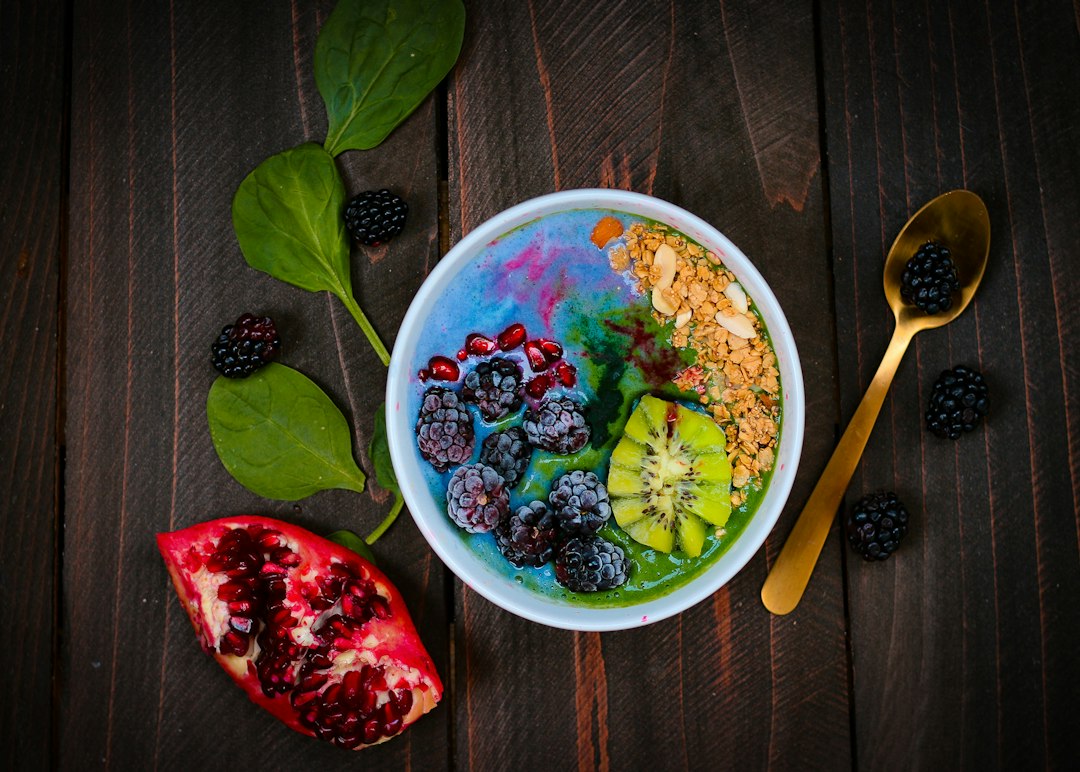
- Smoothie: Spinach, kale, frozen blueberries, kefir, and a pinch of turmeric.
- Stir‑fry: Garlic‑infused olive oil, sliced chicken breast, broccoli, and a dash of green tea powder (matcha).
- Evening tea: Warm green tea with a slice of lemon (vitamin C boost) and a drizzle of honey (optional).
- Reduce production of pro‑inflammatory cytokines.
- Enhance the activity of regulatory T‑cells, preventing over‑reactive immune responses.
- Support the resolution phase of inflammation, aiding recovery.
- Breakfast: Sprinkle ground flaxseed or chia seeds onto oatmeal.
- Lunch: Add a handful of walnuts to a mixed‑green salad with olive‑oil vinaigrette.
- Dinner: Grill a 4‑oz wild salmon fillet; serve with a side of steamed asparagus drizzled with lemon‑infused olive oil.
Consistently hitting 75–90 mg of vitamin C per day (the Recommended Dietary Allowance for adults) is easy when you spread these foods throughout the day.
—
2. Zinc‑Rich Foods – The Unsung Hero of Antiviral Defense
Why Zinc Is Critical
Zinc is a trace mineral that acts like a master key for immune cell communication. It:
Deficiency—even mild—can increase the duration of colds by up to 50 %.
Best Sources of Zinc
| Food | Zinc (mg per 100 g) | Bioavailability Note |
|——|——————–|———————–|
| Oysters | 78 | One of the highest natural sources; eat cooked or raw (if safe). |
| Pumpkin seeds | 7.8 | Soak overnight to improve absorption. |
| Beef (lean cuts) | 5.0 | Choose grass‑fed for extra nutrients. |
| Chickpeas | 1.5 | Pair with vitamin C foods to enhance uptake. |
| Cashews | 5.6 | Roast lightly; avoid excessive salt. |
| Greek yogurt | 0.5 | Provides a modest boost plus probiotic benefits. |
Practical Way to Up Your Zinc Intake
Aim for 8 mg (women) and 11 mg (men) daily. Most adults meet this through a balanced diet, but the above combos give a safety cushion during cold season.
—
3. Probiotic‑Rich Fermented Foods – Training Your Immune Army
The Gut‑Immune Connection
Approximately 70 % of the body’s immune cells reside in the gut‑associated lymphoid tissue (GALT). A healthy microbiome teaches immune cells to differentiate between harmless substances and real threats. Probiotics—live beneficial bacteria—help:
Top Fermented Foods for Immunity
| Food | Key Strains | Serving Suggestion |
|——|————-|——————–|
| Sauerkraut | Lactobacillus plantarum | 2 Tbsp as a side dish or on sandwiches. |
| Kimchi | Lactobacillus kimchii | ¼ cup mixed into rice bowls or tacos. |
| Kefir | Multiple Lactobacillus & Bifidobacterium | 1 cup as a morning smoothie base. |
| Greek yogurt (plain, live‑culture) | Lactobacillus bulgaricus, Streptococcus thermophilus | ½ cup with fruit and nuts. |
| Miso | Tetragenococcus halophilus | 1 tsp in soups or dressings. |
| Tempeh | Rhizopus oligosporus (fungal) | 100 g grilled, added to stir‑fries. |
Easy “Gut‑Boost” Routine
1. Breakfast: Blend kefir, frozen berries, and a spoonful of chia seeds.
2. Lunch: Top a grain bowl with a generous scoop of kimchi.
3. Dinner: Serve a side of sauerkraut with roasted pork or tempeh.
Consistency is key—aim for at least one probiotic‑rich food per day to maintain a robust microbial community.
—
4. Antioxidant‑Loaded Greens and Herbs – The Inflammation‑Fighting Squad
How Antioxidants Protect Immunity
Oxidative stress weakens immune cells and fuels chronic inflammation, the root of many diseases. Antioxidants such as flavonoids, carotenoids, and polyphenols neutralize reactive oxygen species (ROS), preserving immune function.
Star Green & Herb Performers
| Food | Primary Antioxidants | Quick Prep Idea |
|——|———————-|—————–|
| Spinach | Lutein, zeaxanthin, vitamin E | Toss raw into smoothies or salads. |
| Kale | Quercetin, kaempferol, vitamin C | Lightly sauté with garlic. |
| Turmeric | Curcumin | Add to soups, stews, or golden milk. |
| Garlic | Allicin (sulfur compound) | Crush and let sit 10 min before cooking. |
| Green tea | EGCG (epigallocatechin gallate) | Brew 2–3 cups daily, unsweetened. |
| Blueberries | Anthocyanins | Mix into oatmeal or yogurt. |
Action Plan: “Green Power” Meals
These foods collectively provide a rainbow of antioxidants that keep inflammation in check and support immune surveillance.
—
5. Healthy Fats & Omega‑3s – Building Cell Membrane Armor
Why Fats Matter for Immunity
Every immune cell is surrounded by a phospholipid membrane that relies on essential fatty acids to stay flexible and functional. Omega‑3 fatty acids (EPA & DHA) especially:
Prime Sources of Omega‑3
| Food | EPA/DHA (mg per 100 g) | Plant‑based ALA (mg per 100 g) |
|——|————————|——————————–|
| Wild salmon | 1,800 | — |
| Mackerel | 2,600 | — |
| Chia seeds | — | 4,915 |
| Flaxseeds (ground) | — | 2,350 |
| Walnuts | — | 2,570 |
| Sardines (canned in water) | 1,200 | — |
Simple Fat‑Focused Strategy
Aim for 250–500 mg EPA/DHA daily (or 1.1–1.6 g ALA for vegetarians) to reap anti‑inflammatory benefits.
—
Conclusion – Your Immune‑Boosting Food Blueprint
Your immune system thrives on variety, balance, and consistency. By integrating the following core principles into everyday meals, you’ll create a nutritional shield that works alongside vaccines, sleep, and exercise:
1. Load up on Vitamin C – berries, citrus, bell peppers, and cruciferous veggies.
2. Secure adequate Zinc – oysters, seeds, lean meats, and legumes.
3. Feed your gut with probiotics – kefir, kimchi, sauerkraut, and yogurt.
4. Flood the body with antioxidants – leafy greens, turmeric, garlic, and green tea.
5. Supply healthy fats – wild‑caught fish, chia, flax, and walnuts.
Key Takeaways
| Takeaway | Practical Action |
|———-|——————-|
| Diversify colors | Aim for at least 5 different fruit/vegetable colors each day. |
| Combine nutrients | Pair zinc‑rich foods with vitamin C sources for better absorption. |
| Mind the preparation | Light steaming, quick sautéing, or raw consumption preserves heat‑sensitive vitamins. |
| Stay consistent | Small daily servings beat occasional mega‑doses. |
| Listen to your body | Adjust portions based on activity level, age, and any medical conditions. |
Remember, immunity isn’t a single “magic” food—it’s a culinary ecosystem. By treating each meal as an opportunity to supply the body with the right tools, you’ll not only fend off seasonal sniffles but also lay the groundwork for long‑term vitality.
Start today: pick one of the snack boxes above, add a probiotic side, and enjoy a colorful plate. Your immune system will thank you, one bite at a time.
—
Keywords: immunity boosting foods, vitamin C, zinc, probiotics, antioxidant foods, omega‑3, immune system, healthy diet, anti‑inflammatory foods, gut health, immune support.