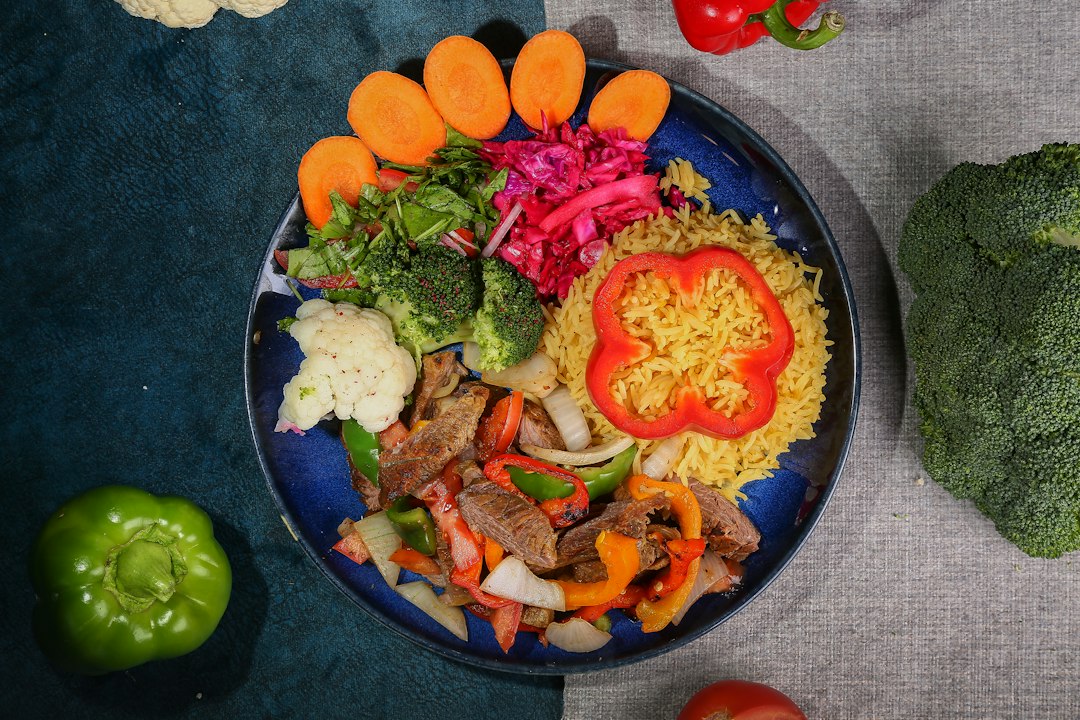
—
Introduction – Why Nutrition Still Matters in a World of Fast Food and Fad Diets
Imagine you’re scrolling through your phone, bombarded by the latest “miracle” diet, a new super‑food supplement, or a viral “detox” challenge promising rapid weight loss. It’s easy to feel overwhelmed—and even a little skeptical. Yet, beneath the noise lies a timeless truth: what you put on your plate directly fuels every cell, organ, and system in your body.
Good nutrition isn’t a trendy buzzword; it’s the foundation of health, performance, and longevity. Whether you’re a busy professional juggling meetings, a parent trying to raise healthy kids, or an athlete chasing personal bests, understanding the science and practical steps of nutrition can transform the way you live.
In this comprehensive, 2,000‑word guide, we’ll break down the essentials of a balanced diet, explore actionable strategies for everyday healthy eating, and show you how to tailor nutrition to specific goals like weight management, sustained energy, and disease prevention. Let’s dive in—your body will thank you.
—
1. The Building Blocks of Food: Macronutrients & Micronutrients Explained
1.1 What Are Macronutrients and Why Do They Matter?
Macronutrients are the three major fuel sources your body needs in relatively large amounts: carbohydrates, proteins, and fats. Each plays a distinct role:
| Macronutrient | Primary Function | Typical Food Sources |
|—————|——————|———————-|
| Carbohydrates | Quick energy for brain & muscles | Whole grains, fruits, vegetables, legumes |
| Proteins | Tissue repair, enzyme production, hormone synthesis | Lean meats, fish, eggs, dairy, beans, tofu |
| Fats | Long‑term energy, hormone regulation, cell membrane health | Avocado, nuts, seeds, olive oil, fatty fish |
A balanced diet supplies the right proportion of these nutrients to keep blood sugar stable, support muscle maintenance, and protect heart health. The classic 45‑65 % carbs, 10‑35 % protein, and 20‑35 % fat range (based on total daily calories) works for most adults, but individual needs can shift with activity level, age, and health goals.
1.2 Micronutrients: The Tiny Powerhouses
Micronutrients—vitamins and minerals—are required in much smaller quantities, yet they are critical for metabolic pathways, immune function, and bone health. Some key players include:
- Vitamin D – supports calcium absorption and immune health; found in fortified dairy, fatty fish, and sunlight exposure.
- Calcium – essential for strong bones and muscle contraction; abundant in dairy, leafy greens, and fortified plant milks.
- Iron – transports oxygen in the blood; best sourced from lean red meat, lentils, and spinach (pair with vitamin C for better absorption).
- B‑vitamins – convert food into energy; present in whole grains, eggs, and legumes.
- ½ Plate Vegetables & Fruits (aim for a 3:1 ratio favoring vegetables)
- ¼ Plate Whole Grains (brown rice, quinoa, oats)
- ¼ Plate Lean Protein (poultry, fish, beans)
- A Side of Dairy or Dairy‑Alternatives (or fortified plant milks)
- Red (tomatoes, strawberries) → lycopene, vitamin C
- Orange/Yellow (carrots, bell peppers) → beta‑carotene, folate
- Green (spinach, broccoli) → lutein, vitamin K, iron
- Blue/Purple (berries, eggplant) → anthocyanins, resveratrol
- White (cauliflower, mushrooms) → allicin, potassium
- Breakfast: A protein‑rich start (e.g., eggs + veggies) stabilizes blood sugar and curbs mid‑morning cravings.
- Mid‑day Meal: Pair complex carbs with lean protein (e.g., quinoa bowl with grilled chicken) for sustained energy.
- Evening: Keep dinner lighter on carbs and higher on veggies and healthy fats to support overnight recovery and better sleep.
- Carry a reusable water bottle and set reminders.
- Infuse water with citrus slices, cucumber, or mint for flavor without added sugar.
- Replace sugary sodas and energy drinks with sparkling water or herbal teas.
- Added Sugar: Look for terms like sucrose, high‑fructose corn syrup, dextrose, maltose. Aim for ≤ 10 % of total calories from added sugars (≈50 g for a 2,000‑kcal diet).
- Sodium: Target < 2,300 mg per day; choose low‑sodium broth, canned beans (rinsed), and fresh produce.
- Trans‑Fats: Avoid partially hydrogenated oils; check ingredient lists for “hydrogenated” or “interesterified.”
- Reduced overeating
- Improved digestion
- Greater enjoyment of meals
- High‑Protein Meals: Protein boosts thermogenesis and keeps you full longer. Aim for 1.2‑1.6 g protein per kilogram of body weight (e.g., a 70 kg adult = 84‑112 g protein).
- Fiber‑Rich Foods: Soluble fiber (oats, chia seeds, legumes) slows digestion, blunts blood‑sugar spikes.
- Healthy Fats: Incorporate omega‑3s (salmon, walnuts) to support hormone balance and reduce inflammation.
- Pre‑Workout: 30‑60 g of easily digestible carbs (banana, toast with jam) 30‑60 min before exercise.
- Post‑Workout: 20‑30 g protein + 40‑60 g carbs within 2 hours to replenish glycogen and kick‑start muscle repair (e.g., chocolate milk, protein
A diet rich in nutrient‑dense foods—those that pack a high amount of vitamins, minerals, and phytonutrients relative to calories—helps you meet micronutrient needs without over‑eating.
1.3 How to Assess Your Personal Nutrient Needs
1. Calculate Your Caloric Baseline – Use a reputable online calculator (or consult a dietitian) to estimate maintenance calories based on age, sex, weight, height, and activity level.
2. Set Macro Ratios – For weight loss, a modest reduction of 10‑20 % from maintenance plus a macro split of 40 % carbs, 30 % protein, 30 % fat often works well. For endurance athletes, a higher carb ratio (55‑60 %) may be optimal.
3. Micronutrient Check‑Up – A simple blood test can reveal deficiencies (e.g., vitamin D, iron). If testing isn’t feasible, aim for a colorful plate: at least 5 different colors of fruits and vegetables each day to cover a broad spectrum of micronutrients.
—
2. Building a Balanced Plate: Food Groups, Portion Control, and the “Eat the Rainbow” Rule
2.1 The Modern Food Pyramid – From MyPlate to Plate‑Smart
The USDA’s MyPlate model is a visual reminder that a healthy meal should consist of:
Adding a modest drizzle of healthy fats—olive oil, nuts, seeds—completes the picture.
2.2 Portion Sizes Made Simple
| Food Group | Visual Cue for One Serving | Approx. Calorie Range |
|————|—————————|———————–|
| Vegetables | A cupped hand | 25‑50 kcal |
| Fruits | One medium piece or a fist | 60‑100 kcal |
| Whole Grains | A cupped hand of cooked grains | 150‑200 kcal |
| Protein | Palm‑size portion (≈3‑4 oz) | 120‑200 kcal |
| Healthy Fats | Thumb‑size portion of nuts or 1 tsp oil | 45‑120 kcal |
| Dairy/Alternatives | One cup (milk, yogurt) | 80‑150 kcal |
Using your hand as a measuring tool eliminates the need for scales or complicated calculations—perfect for busy lifestyles.
2.3 “Eat the Rainbow” – Why Color Matters
Different pigments in fruits and vegetables (carotenoids, anthocyanins, chlorophyll) indicate diverse phytonutrients with antioxidant and anti‑inflammatory properties. A colorful plate isn’t just Instagram‑friendly; it’s a nutrient‑coverage strategy:
Aim for at least three different colors per meal to maximize micronutrient variety.
2.4 Practical Meal‑Planning Tips
1. Batch‑Cook Grains & Legumes – Prepare a large pot of quinoa, brown rice, or lentils on Sunday; store in the fridge for quick additions.
2. Pre‑Portion Snacks – Portion out nuts, Greek yogurt, or sliced veggies into grab‑and‑go containers.
3. Use the “Plate Method” at Restaurants – Visualize a plate divided as described above; ask for sauces on the side to control added fats and sugars.
4. Swap Processed Carbs – Replace white bread and pasta with whole‑grain alternatives or spiralized vegetables.
—
3. Smart Strategies for Everyday Healthy Eating
3.1 Master the Art of Meal Timing
While total daily intake matters most, meal timing can influence energy levels and hunger cues:
If you’re an intermittent fasting (IF) enthusiast, ensure your eating window still meets macro and micronutrient needs.
3.2 Hydration – The Unsung Hero of Nutrition
Even mild dehydration can impair concentration, mood, and metabolic rate. Aim for 2‑3 L of water daily, more if you exercise or live in a hot climate. Tips:
3.3 Navigating Processed Foods & Hidden Sugars
Processed foods often contain added sugars, sodium, and unhealthy trans‑fats. Learn to read labels:
When cravings strike, opt for whole‑food alternatives: fruit instead of candy, popcorn (air‑popped) instead of chips, or Greek yogurt with berries instead of flavored desserts.
3.4 The Power of Mindful Eating
Mindful eating isn’t a diet—it’s a practice of paying full attention to the taste, texture, and satiety signals of food. Benefits include:
How to practice:
1. Eliminate distractions (no phone or TV).
2. Chew thoroughly (aim for 20–30 chews per bite).
3. Pause between bites to gauge fullness.
4. Savor flavors by noting sweet, salty, bitter, sour, and umami notes.
—
4. Nutrition for Specific Goals: Weight Management, Energy, and Longevity
4.1 Weight Management – Calories In vs. Calories Out (And the Quality Factor)
Fundamental principle: To lose weight, create a modest calorie deficit (≈500 kcal/day) for a safe 0.5‑1 lb/week loss. But focusing solely on numbers can backfire. Prioritize nutrient density and satiety:
Sample 1,800‑kcal weight‑loss day:
| Meal | Food | Approx. Calories | Macro Breakdown |
|——|——|——————|—————–|
| Breakfast | Greek yogurt (200 g) + mixed berries + 1 tbsp chia | 300 | P:30 g, C:30 g, F:8 g |
| Snack | Handful almonds (15 g) | 90 | P:3 g, C:3 g, F:8 g |
| Lunch | Grilled chicken salad (150 g chicken, mixed greens, quinoa ½ cup, olive oil vinaigrette) | 450 | P:35 g, C:35 g, F:15 g |
| Snack | Apple + 1 tbsp peanut butter | 200 | P:5 g, C:30 g, F:9 g |
| Dinner | Baked salmon (120 g) + roasted sweet potatoes (½ cup) + steamed broccoli | 460 | P:35 g, C:45 g, F:15 g |
| Total | | 1,500 | P:108 g (29 %), C:143 g (38 %), F:55 g (33 %) |
Add a small evening snack if needed, staying within your target calories.
4.2 Boosting Energy & Athletic Performance
For those who train regularly, carbohydrate timing and protein distribution become crucial: