—
Introduction: Why “Just Eat Less” Isn’t the Answer
You’ve probably heard the phrase “diet is a 4‑letter word.” For many, the word conjures images of restrictive meal plans, endless calorie counting, and short‑lived results. Yet, the truth is far more empowering: a well‑designed diet plan isn’t about deprivation—it’s about creating a sustainable, enjoyable way of eating that fuels your body, supports your goals, and fits seamlessly into your lifestyle.
Imagine waking up each morning with a clear, realistic roadmap for the day’s meals—no guesswork, no panic‑induced bingeing, just confidence that you’re nourishing yourself the right way. Whether your aim is weight loss, muscle gain, improved energy, or simply better overall health, a solid diet plan can be the single most effective tool in your arsenal.
In this 2,000‑word deep dive, we’ll walk you through everything you need to know to build a personalized, science‑backed diet plan that you can actually stick to. From assessing your starting point to mastering meal prep, we’ll give you actionable steps, real‑world tips, and the SEO‑friendly keywords you’ve been searching for—healthy eating, balanced diet, calorie counting, macros, meal planning, and more.
—
1. Foundations First: Assessing Your Starting Point
Before you draft any meal schedule, you need a clear picture of where you stand today. This section walks you through the essential data points that form the backbone of any effective diet plan.
1.1 Calculate Your Basal Metabolic Rate (BMR)
Your BMR is the number of calories your body needs to maintain basic functions (breathing, circulation, cell production) at rest. Knowing this baseline helps you set realistic calorie targets.
Quick BMR formula (Mifflin‑St Jeor):
- For men: BMR = 10 × weight(kg) + 6.25 × height(cm) – 5 × age + 5
- For women: BMR = 10 × weight(kg) + 6.25 × height(cm) – 5 × age – 161
- Weight loss: Subtract 10‑20 % from TDEE (≈ 500‑750 kcal deficit for safe, sustainable loss).
- Weight gain/muscle building: Add 250‑500 kcal to TDEE.
- Maintenance: Keep calories around TDEE.
- Protein: 30 % × 2,124 = 637 kcal ÷ 4 = ≈ 159 g
- Carbs: 35 % × 2,124 = 743 kcal ÷ 4 = ≈ 186 g
- Fat: 35 % × 2,124 = 744 kcal ÷ 9 = ≈ 83 g
- Hand‑size method:
- Plate method: Fill half the plate with non‑starchy veg, a quarter with lean protein, and a quarter with whole‑grain carbs.
- Pre‑workout (1‑2 hrs before): Focus on carbs + moderate protein (e.g., banana + whey).
- Post‑workout (within 45 min): Protein + fast‑digesting carbs (e.g., chocolate milk or protein shake with fruit).
- Evening: Keep heavy fats low to aid digestion; opt for lean protein and veggies.
- Produce first: Fill the cart with fresh veg & fruit.
- Protein aisle: Choose lean cuts, canned fish, plant‑based options.
- Whole‑grain section: Look for 100 % whole‑grain breads, pasta, rice.
- Bulk bins: Nuts, seeds, dried beans—cheaper and less packaging.
- Mason jar salads: Layer dressing at bottom, heartier veggies, protein, then greens on top. Shake before eating.
- Protein‑packed smoothies: Blend whey or plant protein, frozen berries, spinach, and almond milk. Store in a portable bottle.
- Portable snack packs: Portion nuts, seeds, and dried fruit into small containers—ideal for cravings.
- Food Diary Apps: MyFitnessPal, Cronometer, Lose It! – log meals, see macro breakdowns instantly.
- Smart Scales: Track weight trends, body composition (fat vs. lean mass).
- Wearables: Monitor activity levels to adjust TDEE in real time.
Example: A 30‑year‑old woman, 65 kg, 165 cm tall:
BMR = 10 × 65 + 6.25 × 165 – 5 × 30 – 161 = 650 + 1031.25 – 150 – 161 = 1,370 kcal.
1.2 Factor in Activity Level (Total Daily Energy Expenditure – TDEE)
Multiply your BMR by an activity factor to estimate TDEE, the total calories you burn each day.
| Activity Level | Multiplier |
|—————-|————|
| Sedentary (little/no exercise) | 1.2 |
| Lightly active (light exercise 1‑3 days/week) | 1.375 |
| Moderately active (moderate exercise 3‑5 days/week) | 1.55 |
| Very active (hard exercise 6‑7 days/week) | 1.725 |
| Extra active (very hard daily training or physical job) | 1.9 |
Continuing the example: If she’s moderately active: 1,370 × 1.55 ≈ 2,124 kcal per day.
1.3 Set Your Goal‑Specific Calorie Target
> Pro tip: Use a calorie‑counting app (MyFitnessPal, Cronometer) for real‑time tracking and to avoid under‑ or over‑estimating.
1.4 Identify Your Macronutrient Ratio
Macros—protein, carbohydrates, and fats—determine how your calories are distributed. While individual needs vary, a solid starting point is:
| Goal | Protein | Carbs | Fat |
|——|———|——-|—–|
| Weight loss | 30‑35 % | 35‑40 % | 25‑30 % |
| Muscle gain | 30‑35 % | 40‑45 % | 20‑25 % |
| Maintenance | 25‑30 % | 45‑50 % | 25‑30 % |
Why protein matters: It preserves lean muscle during a calorie deficit and supports satiety, making it a cornerstone of any healthy eating plan.
Actionable Step: Plug your calorie target into a macro calculator (many free tools online) to get gram targets. Example: 2,124 kcal for weight loss with a 30/35/35 split →
Now you have the quantitative foundation for your diet plan.
—
2. Designing a Balanced Diet Plan That Works for You
Armed with numbers, the next step is translating them into real meals. This section covers food selection, portion control, and meal timing—key pillars of a balanced diet.
2.1 Choose Whole, Nutrient‑Dense Foods
| Food Group | Ideal Choices | Why They Matter |
|————|—————|—————–|
| Protein | Skinless poultry, fish, lean beef, eggs, Greek yogurt, legumes, tofu, tempeh | High‑quality amino acids, keeps you full |
| Complex Carbs | Quinoa, brown rice, oats, sweet potatoes, whole‑grain breads, beans | Slow‑release energy, fiber for gut health |
| Healthy Fats | Avocado, nuts, seeds, olive oil, fatty fish (salmon, mackerel) | Supports hormone production, brain health |
| Vegetables & Fruit | Leafy greens, cruciferous veg, berries, citrus, apples | Micronutrients, antioxidants, fiber |
| Hydration | Water, herbal tea, infused water | Aids digestion, satiety, performance |
Actionable Tip: Aim for colorful plates—the more colors, the broader the nutrient spectrum.
2.2 Build a Sample Meal Template
A flexible template removes decision fatigue while keeping you within macro goals.
| Meal | Example (Protein/Carb/Fat) | Approx. Calories |
|——|—————————-|——————|
| Breakfast | 2 eggs (protein) + ½ cup oats (carbs) + 1 tbsp almond butter (fat) | 350 |
| Mid‑Morning Snack | Greek yogurt + berries | 150 |
| Lunch | Grilled chicken breast (protein) + quinoa (carb) + mixed veg + drizzle olive oil (fat) | 500 |
| Afternoon Snack | Apple + 15 g almonds | 200 |
| Dinner | Baked salmon (protein/fat) + sweet potato (carb) + broccoli | 550 |
| Optional Evening Snack | Cottage cheese (protein) | 100 |
Total ≈ 1,850 kcal—adjust portions to match your specific calorie target.
2.3 Portion Control Made Simple
– Protein: palm of your hand (≈ 3‑4 oz)
– Carbs: cupped hand (≈ ½ cup)
– Fats: thumb (≈ 1 tbsp)
– Veggies: both hands cupped together (≈ 2‑3 cups)
2.4 Timing & Frequency: Does It Matter?
Research shows total daily intake outweighs meal timing for weight loss, but strategic timing can improve performance and satiety.
> SEO Nugget: Including keywords like post‑workout nutrition and meal timing naturally boosts relevance for fitness‑focused readers.
—
3. Mastering Meal Planning & Prep: The Secret Weapon
Even the best‑designed diet plan can crumble without a practical execution strategy. This section equips you with a step‑by‑step meal planning system that saves time, money, and mental energy.
3.1 Create a Weekly Menu in 30 Minutes
1. Pick a Theme: “Mexican Monday,” “Stir‑Fry Thursday,” etc.—makes grocery trips fun.
2. Map to Macro Targets: Use your macro calculator to ensure each day’s meals hit the numbers.
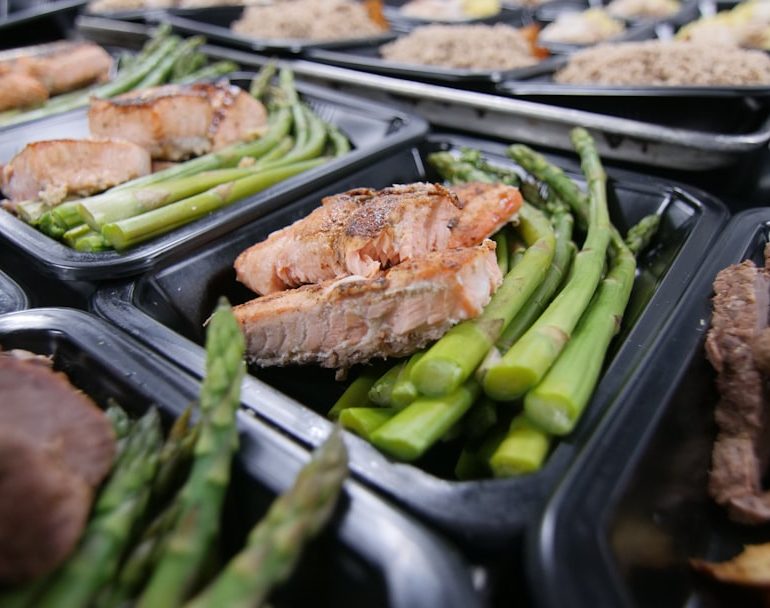
3. Batch Cook Core Ingredients: Cook a large batch of quinoa, brown rice, or lentils; grill several chicken breasts; roast a tray of mixed vegetables.
4. Assign to Days: Slot each protein, carb, and veg combo into your daily template.
Template Example (Google Sheet):
| Day | Breakfast | Lunch | Dinner | Snacks |
|—–|———–|——-|——–|——–|
| Mon | Oats + whey | Chicken‑quinoa bowl | Salmon + sweet potato | Yogurt, nuts |
| Tue | Veggie omelet | Turkey wrap | Beef stir‑fry | Fruit, cheese |
| … | … | … | … | … |
3.2 Shopping Smart: The “Clean‑Eating” Grocery List
Pro tip: Stick to the perimeter of the store; most whole foods live there, while processed items linger in the aisles.
3.3 Batch Cooking & Storage Hacks
| Task | Time Needed | Storage Tips |
|——|————-|————–|
| Cook grains (rice, quinoa, oats) | 20‑30 min | Portion into zip‑lock bags; freeze for up to 3 months. |
| Roast veggies | 30‑40 min | Cool, then store in airtight containers; lasts 4‑5 days in fridge. |
| Grill proteins | 15‑25 min per batch | Slice, portion, and refrigerate (3‑4 days) or freeze (2‑3 months). |
| Prepare sauces | 10‑15 min | Small jars; keep in fridge for 1‑2 weeks. |
Actionable Step: Dedicate Sunday afternoon (or any 2‑hour block) to prep. When you open the fridge each night, you’ll see ready‑to‑eat meals waiting.
3.4 On‑The‑Go Solutions
—
4. Tracking, Tweaking, and Staying Motivated
A diet plan isn’t a “set it and forget it” project. Continuous feedback loops ensure you stay on track and adapt as life changes.
4.1 Use Technology Wisely
4.2 Weekly Check‑Ins
1. Review Macro Compliance: Did you hit protein targets? Adjust portion sizes if needed.
2. Assess Energy & Mood: Low energy may signal insufficient carbs or micronutrients.
3. Measure Progress: Scale, measurements, photos—pick 2‑3 metrics to avoid obsession.
Adjustment Rule: If weight change > 0.