—
Introduction – Why Nutrition Matters More Than Ever
Imagine waking up each morning feeling refreshed, focused, and ready to tackle whatever the day throws at you—without that mid‑afternoon slump or the lingering “I should have eaten better” guilt. The secret isn’t a magic pill or the latest fad diet; it’s the food you put on your plate.
Nutrition is the foundation of every bodily function, from the brain’s ability to think clearly to the muscles’ capacity to move efficiently. In a world overflowing with processed snacks, fast‑food convenience, and conflicting diet advice, understanding the science—and the simple, actionable steps—behind good nutrition can feel overwhelming.
This comprehensive guide cuts through the noise. We’ll explore the essential building blocks of a healthy diet, reveal practical strategies for meal planning, and show how you can tailor nutrition to support specific goals like weight management, athletic performance, or chronic‑disease prevention. By the end, you’ll have a clear roadmap to make food work for you, not against you.
(Keywords: nutrition, healthy diet, balanced diet, nutrients, meal planning, whole foods, weight management, macronutrients, micronutrients)
—
1. The Building Blocks: Understanding Macronutrients & Micronutrients
1.1 What Are Macronutrients and Why Do They Matter?
Macronutrients—carbohydrates, proteins, and fats—are the three primary sources of energy (calories) your body needs to function. Each plays a distinct role:
| Macronutrient | Primary Functions | Typical Sources |
|—————|——————-|—————–|
| Carbohydrates | Quick energy for brain & muscles; fuels high‑intensity activity | Whole grains, fruits, vegetables, legumes |
| Proteins | Tissue repair, enzyme & hormone production, immune support | Lean meats, fish, eggs, dairy, beans, tofu |
| Fats | Hormone synthesis, cell‑membrane integrity, absorption of fat‑soluble vitamins (A, D, E, K) | Avocado, nuts, seeds, olive oil, fatty fish |
Actionable tip: Aim for a balanced plate—roughly 45‑55% carbs, 20‑30% protein, and 25‑35% healthy fats—adjusted to your activity level and personal goals. Use the “hand‑portion” method: a fist of veggies, a palm of protein, a cupped hand of carbs, and a thumb of healthy fats.
1.2 Micronutrients: The Small Yet Mighty Vitamins & Minerals
While micronutrients don’t provide calories, they are indispensable for metabolic pathways, immune function, and disease prevention. Key groups include:
- Vitamins (A, C, D, E, K, B‑complex) – support vision, antioxidant protection, bone health, and energy production.
- Minerals (Calcium, Iron, Magnesium, Zinc, Potassium) – essential for bone density, oxygen transport, nerve signaling, and muscle contraction.
- Higher nutrient density – more vitamins/minerals per calorie.
- Improved satiety – fiber and protein keep you full longer.
- Lower added sugars & unhealthy fats – reducing risk of insulin resistance, heart disease, and obesity.
- Protein‑packed: Hard‑boiled eggs, cottage cheese, roasted chickpeas.
- Fiber‑rich: Apple slices with almond butter, carrot sticks with hummus.
- Healthy‑fat: Handful of mixed nuts, avocado toast on whole‑grain crispbread.
- Goal: Lose 0.5‑1 lb per week → ~500 kcal/day deficit.
- Strategy: Combine modest calorie reduction with increased physical activity.
- Key Focus: Preserve lean muscle by maintaining adequate protein (0.8‑1.0 g per lb body weight).
- Protein: 1.2‑1.7 g per lb body weight (spread across 4‑6 meals).
- Carbs: Essential for glycogen replenishment; prioritize complex carbs around workouts.
- Fats: Keep healthy fats moderate (≈ 20‑30% of total calories).
- Focus: Increase omega‑3 fatty acids (fatty fish, flaxseed), fiber, and potassium; limit saturated fat, trans fat, and sodium.
- Evidence: The Mediterranean diet—rich in olive oil, nuts, whole grains, fish, and plant‑based foods—has been shown to reduce cardiovascular events by ~30%.
- Low‑GI foods: Choose foods that cause a slower rise in blood glucose (e.g., steel‑cut oats, legumes, non‑starchy veggies).
- Consistent Meal Timing: Prevent large spikes by eating every 3‑4 hours.
- Portion Control: Use the “hand‑portion” method to keep carbohydrate servings in check.
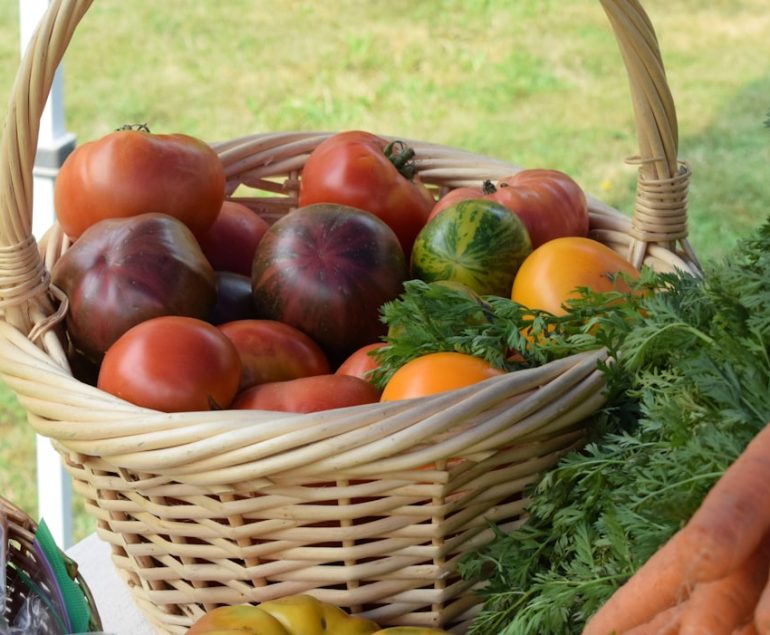
Actionable tip: Eat the rainbow. A colorful plate ensures a variety of phytonutrients and micronutrients. For example, a serving of leafy greens supplies calcium and vitamin K, while orange carrots deliver beta‑carotene (vitamin A).
1.3 How to Assess Your Nutrient Needs
Everyone’s nutritional requirements differ based on age, sex, activity level, and health status. Use these quick calculators:
1. Basal Metabolic Rate (BMR) – estimates calories needed at rest.
2. Total Daily Energy Expenditure (TDEE) – adds activity factor to BMR.
3. Macro‑distribution calculators – tailor carb, protein, and fat ratios to goals (e.g., muscle gain vs. fat loss).
Actionable tip: Start with a reputable online TDEE calculator, then adjust intake by ±10‑15% depending on whether you want to lose, maintain, or gain weight. Remember, the quality of calories matters just as much as the quantity.
—
2. Crafting a Healthy Diet: Whole Foods vs. Processed Foods
2.1 Why Whole Foods Win the Nutrient Battle
Whole foods are minimally processed and retain their natural fiber, vitamins, and minerals. Examples include fresh fruits, vegetables, whole grains, nuts, seeds, and unprocessed animal proteins. Benefits include:
Actionable tip: Replace refined grains (white bread, white rice) with whole‑grain alternatives (brown rice, quinoa, whole‑wheat bread). Swap sugary snacks for nut‑based energy bites made with dates, almonds, and cocoa powder.
2.2 Decoding Food Labels: What to Look For
When you can’t avoid packaged foods, become a label detective:
| Label Element | What to Seek | What to Limit |
|—————|————–|—————|
| Ingredients List | Short, recognizable items (e.g., “whole oats,” “extra‑virgin olive oil”) | Long lists with “hydrogenated oils,” “high‑fructose corn syrup,” “artificial flavors” |
| Added Sugars | ≤ 5 g per serving (ideally none) | > 10 g per serving |
| Fiber | ≥ 3 g per serving | < 2 g per serving |
| Sodium | ≤ 200 mg per serving | > 300 mg per serving |
Actionable tip: Use the “3‑5‑2 rule” for grocery aisles: 3 whole‑food sections (produce, bulk nuts/seeds, fresh protein), 5 items of minimally processed staples (canned beans, frozen veggies, whole‑grain pasta), and only 2 “convenience” items (e.g., a jar of sauce) per shopping trip.
2.3 Smart Swaps for Everyday Meals
| Meal | Common Choice | Healthier Alternative |
|——|—————|———————–|
| Breakfast | Sugary cereal | Greek yogurt + berries + chia seeds |
| Lunch | Fast‑food sandwich | Whole‑grain wrap with grilled chicken, avocado, mixed greens |
| Snack | Potato chips | Air‑popped popcorn + nutritional yeast |
| Dinner | Cream‑based pasta | Whole‑wheat spaghetti + tomato‑basil sauce + sautéed spinach |
| Dessert | Ice cream | Frozen banana “nice cream” with a drizzle of dark‑chocolate |
Actionable tip: Prepare a “swap sheet” in your phone. Whenever you think of a favorite indulgence, scroll to the healthier version you’ve pre‑selected. The mental rehearsal makes it easier to choose the better option in the moment.
—
3. Meal Planning & Prep: Turning Nutrition Theory into Daily Reality
3.1 The Power of a Weekly Meal Blueprint
A well‑structured meal plan reduces decision fatigue, curbs impulse eating, and ensures nutrient variety. Follow these steps:
1. Set your goals – weight loss, muscle gain, improved energy, or disease management.
2. Choose a template – e.g., “Protein‑Veggie‑Carb” for each dinner.
3. Batch‑cook staples – cook a large pot of quinoa, roast a tray of mixed veggies, grill several chicken breasts.
4. Allocate containers – portion out meals into reusable containers for quick grab‑and‑go.
Actionable tip: Use the “5‑Day Rule”: plan five days ahead, leaving the weekend flexible for social meals or leftovers. This balances structure with freedom.
3.2 Quick & Nutritious Breakfast Ideas
| Breakfast | Macronutrient Balance | Prep Time |
|———–|———————-|———–|
| Overnight oats (rolled oats, almond milk, chia, berries) | Carbs + Fiber + Healthy fats | 5 min night before |
| Veggie omelet (2 eggs, spinach, bell pepper, feta) | Protein + Veggies | 10 min |
| Smoothie bowl (protein powder, frozen banana, spinach, almond butter) | Protein + Carbs + Fats | 5 min |
| Whole‑grain toast with avocado and smoked salmon | Healthy fats + Protein | 5 min |
Actionable tip: Keep a “breakfast station” stocked with oats, nuts, frozen fruit, and pre‑chopped veggies. The less you have to search, the more likely you’ll stick to a nutritious start.
3.3 Lunch & Dinner: Building Balanced Plates in 30 Minutes
1. The “Stir‑Fry” Method – A single pan, high heat, quick cooking.
– Base: 1 cup cooked brown rice or cauliflower rice.
– Protein: 4‑6 oz lean beef, tofu, or shrimp.
– Veggies: Bell peppers, broccoli, snap peas (≥ 2 cups).
– Sauce: Low‑sodium soy sauce + ginger + garlic + a splash of sesame oil.
2. Sheet‑Pan Roasting – Set it and forget it.
– Layout: Arrange salmon fillet, sweet potato wedges, and asparagus on a sheet.
– Season: Olive oil, lemon zest, rosemary, salt, pepper.
– Cook: 400 °F for 20‑25 min.
3. One‑Pot Grain Bowls – Minimal cleanup.
– Start: Sauté onions and garlic.
– Add: ½ cup quinoa, 1 cup broth, and a can of black beans.
– Finish: Stir in kale, let wilt, top with a dollop of Greek yogurt.
Actionable tip: Design a “rotation list” of 10 favorite dinner recipes. Cycle through them weekly to keep meals exciting while minimizing the mental load of deciding what to cook.
3.4 Snacks that Sustain Energy
Actionable tip: Portion snacks into single‑serve zip‑lock bags or containers at the start of the week. Visible portions curb overeating and make it easy to grab a balanced snack on the go.
3.5 Hydration – The Overlooked Nutrient
Water is essential for nutrient transport, digestion, and temperature regulation. Aim for 2‑3 L (about 8‑12 cups) daily, more if you exercise heavily.
Actionable tip: Infuse water with citrus slices, cucumber, or mint for flavor without added sugar. Keep a reusable water bottle on your desk as a visual reminder.
—
4. Nutrition for Specific Goals
4.1 Weight Management: Creating a Sustainable Calorie Deficit
Actionable tip: Use the “plate method” for each meal: half veggies, quarter lean protein, quarter whole grains. This naturally reduces calories while keeping you full.
4.2 Building Muscle & Strength
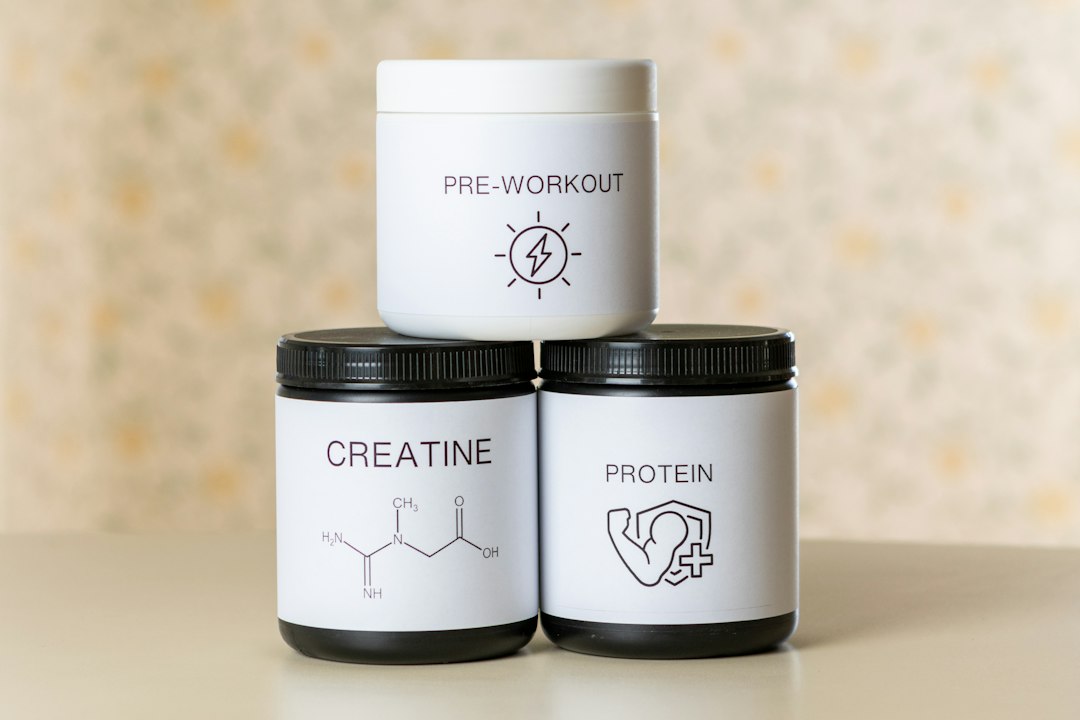
Actionable tip: Pre‑ and post‑workout nutrition – a small carb‑protein snack (e.g., banana + whey shake) 30‑60 min before training, and a balanced meal (protein + carbs + veg) within 2 hours after.
4.3 Supporting Heart Health
Actionable tip: “Fish Friday” – incorporate a serving of salmon, sardines, or mackerel at least once a week. Pair with a side of quinoa and steamed greens.
4.4 Managing Blood Sugar for Diabetes Prevention
Actionable tip: Replace sugary