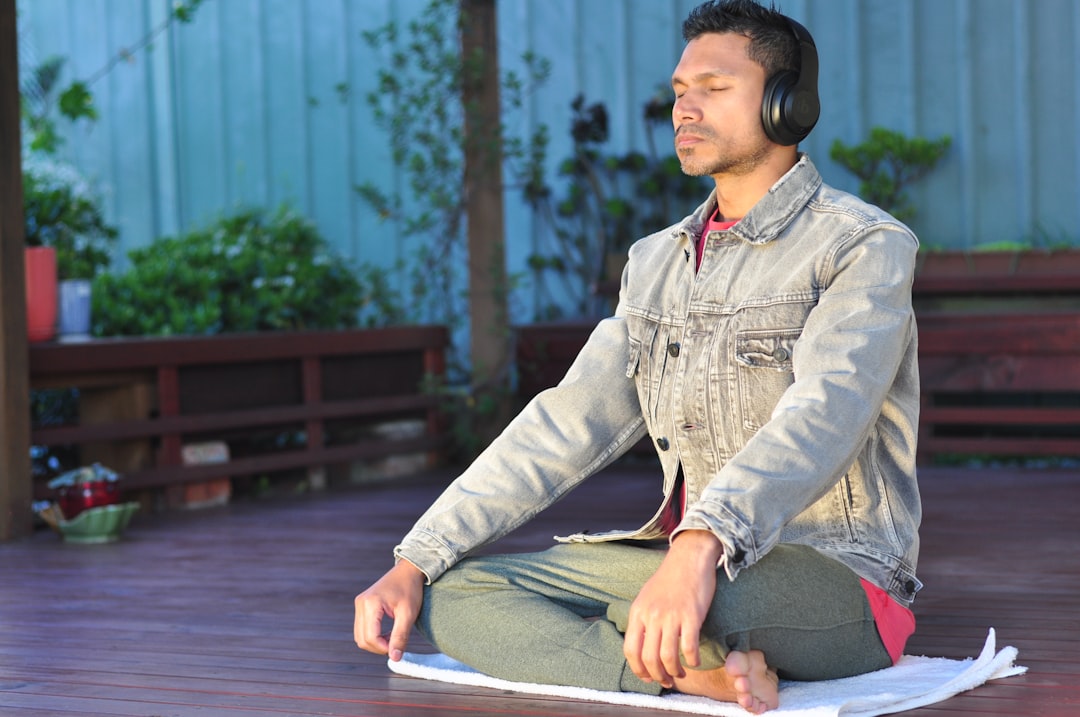
Prioritizing You: The Ultimate Guide to Creating a Self-Care Routine That Transforms Your Life

Are you tired of feeling drained, stressed, and like you’re just going through the motions of daily life? Do you dream of waking up each morning feeling refreshed, revitalized, and ready to take on the world? If so, it’s time to prioritize your own well-being and make self-care a non-negotiable part of your daily routine. In this comprehensive guide, we’ll explore the importance of self-care, provide you with practical tips and tricks for creating a self-care routine that works for you, and show you how to make self-care a sustainable and enjoyable part of your lifestyle.

What is Self-Care and Why is it So Important?

Self-care is the practice of intentionally taking care of your physical, emotional, and mental health. It’s about making conscious choices to prioritize your own well-being, and engaging in activities that nourish and recharge your mind, body, and spirit. Self-care is not just a luxury, but a necessity for living a happy, healthy, and fulfilling life. When we prioritize self-care, we’re better able to manage stress, build resilience, and cultivate a positive and compassionate relationship with ourselves. By incorporating self-care into our daily routine, we can improve our mental health, boost our mood, and increase our overall sense of well-being.

Some of the benefits of self-care include:

  • Reduced stress and anxiety
  • Improved sleep quality
  • Increased energy and productivity
  • Enhanced creativity and focus
  • Better relationships with ourselves and others
  • A stronger immune system and overall physical health
  • Creating a Self-Care Routine That Works for You

    Creating a self-care routine that works for you is all about experimentation, flexibility, and patience. It’s about trying out different activities, practices, and rituals to see what nourishes and recharges you, and making adjustments as needed. Here are some tips for creating a self-care routine that works for you:

  • Start small: Begin with one or two self-care activities per day, and gradually add more as you become more comfortable with the practice.
  • Listen to your body: Pay attention to your physical and emotional needs, and engage in activities that feel good and nourishing to you.
  • Make it a habit: Incorporate self-care into your daily routine, so it becomes a non-negotiable part of your daily life.
  • Be kind to yourself: Remember that self-care is not a one-size-fits-all approach, and it’s okay to make mistakes and try new things.
  • Schedule it in: Treat self-care as a non-negotiable part of your daily schedule, and make time for it in your calendar.
  • Some popular self-care activities include:

  • Meditation and mindfulness practices
  • Yoga and other forms of exercise
  • Journaling and writing
  • Reading and learning
  • Spending time in nature
  • Creative pursuits like painting, drawing, and crafting
  • Cooking and preparing healthy meals
  • Getting a massage or other form of bodywork
  • Taking a relaxing bath or spa day
  • Overcoming Obstacles and Making Self-Care a Sustainable Part of Your Lifestyle

    One of the biggest obstacles to prioritizing self-care is the idea that it’s selfish or indulgent. However, self-care is not about being selfish, but about being self-aware and self-compassionate. By prioritizing our own needs and well-being, we’re better able to show up for others and live a more authentic, wholehearted life. Here are some tips for overcoming common obstacles and making self-care a sustainable part of your lifestyle:

  • Let go of guilt and shame: Remember that self-care is not a luxury, but a necessity for living a happy and healthy life.
  • Find self-care activities that are free or low-cost: You don’t have to break the bank to prioritize self-care. Find activities that are free or low-cost, like taking a walk, practicing yoga at home, or reading a book from the library.
  • Make it a family affair: Involve your loved ones in your self-care practice, and make it a fun and enjoyable experience for everyone.
  • Be consistent: Prioritize self-care at the same time every day, so it becomes a consistent and sustainable part of your routine.
  • Seek support: Connect with friends, family, or a therapist who can support and encourage you on your self-care journey.
  • Some popular self-care apps and resources include:

  • Headspace and Calm for meditation and mindfulness
  • Yoga Studio and Down Dog for yoga and fitness
  • Habitica and HabitBull for tracking and building self-care habits
  • Pinterest and Instagram for inspiration and ideas
  • Self-care books and podcasts, like “The Self-Care Revolution” and “The Self-Care Podcast”
  • Taking Your Self-Care Routine to the Next Level

    Once you’ve established a self-care routine that works for you, it’s time to take it to the next level. Here are some tips for deepening and expanding your self-care practice:

  • Try new things: Don’t be afraid to try new self-care activities and practices, and see what works best for you.
  • Set boundaries: Learn to say no to things that drain your energy, and prioritize activities that nourish and recharge you.
  • Practice self-compassion: Treat yourself with kindness, understanding, and patience, and remember that it’s okay to make mistakes.
  • Connect with others: Build a community of like-minded individuals who share your passion for self-care, and support and encourage each other on your journeys.
  • Make it a ritual: Create a self-care ritual that feels special and meaningful to you, like lighting a candle, playing soothing music, or enjoying a cup of tea.
  • Some popular self-care rituals include:

  • Creating a self-care altar or sacred space
  • Practicing gratitude and reflection
  • Writing letters to yourself or others
  • Creating a self-care vision board or manifesto
  • Taking a digital detox or technology break
  • In conclusion, prioritizing self-care is one of the most important things you can do for your overall health and well-being. By creating a self-care routine that works for you, overcoming common obstacles, and taking your practice to the next level, you can cultivate a deeper sense of self-awareness, self-compassion, and self-love. Remember, self-care is not a one-size-fits-all approach, and it’s okay to experiment and try new things until you find what works best for you. With patience, kindness, and consistency, you can make self-care a sustainable and enjoyable part of your lifestyle, and live a happier, healthier, and more fulfilling life.

    Key takeaways:

  • Self-care is the practice of intentionally taking care of your physical, emotional, and mental health.
  • Creating a self-care routine that works for you is all about experimentation, flexibility, and patience.
  • Overcoming common obstacles like guilt and shame is essential for making self-care a sustainable part of your lifestyle.
  • Deepening and expanding your self-care practice can help you cultivate a deeper sense of self-awareness, self-compassion, and self-love.
  • Remember to be kind to yourself, and prioritize self-care as a non-negotiable part of your daily routine.

Unlock the Power of Nature: 10 Simple Ways to Boost Your Health and Wellness

Are you tired of relying on synthetic medications and quick fixes to manage your health? Do you want to feel more energized, focused, and balanced in your daily life? Look no further than the natural world. For centuries, people have been using natural remedies and lifestyle changes to stay healthy, and the benefits are backed by science. In this comprehensive guide, we’ll explore the top natural ways to stay healthy, from nutrition and exercise to stress management and sleep optimization. Get ready to unlock the power of nature and transform your well-being.

Nutrition: The Foundation of Health

A healthy diet is the cornerstone of overall wellness. The food we eat provides our bodies with the necessary fuel to function, and a balanced diet can help prevent chronic diseases like heart disease, diabetes, and certain types of cancer. So, what should you be eating? Focus on whole, unprocessed foods like fruits, vegetables, whole grains, lean proteins, and healthy fats. These foods are rich in essential nutrients like vitamins, minerals, and antioxidants that support immune function, energy production, and cell growth.

Some of the top natural foods for health include:

  • Leafy greens like kale, spinach, and collard greens, which are packed with vitamins A, C, and K, as well as minerals like calcium and iron
  • Berries like blueberries, raspberries, and strawberries, which are high in antioxidants and fiber
  • Nuts and seeds like almonds, walnuts, and chia seeds, which are rich in healthy fats and protein
  • Fatty fish like salmon, tuna, and sardines, which are high in omega-3 fatty acids and vitamin D
  • In addition to eating a balanced diet, it’s also important to stay hydrated by drinking plenty of water throughout the day. Aim for at least eight glasses of water per day, and limit your intake of sugary drinks and caffeine.

    Exercise: The Key to Physical and Mental Health

    Regular exercise is essential for maintaining physical and mental health. Exercise can help you manage stress, boost mood, and increase energy levels, as well as reduce your risk of chronic diseases like heart disease, obesity, and certain types of cancer. The good news is that you don’t need to spend hours at the gym to reap the benefits of exercise. Even short periods of physical activity, like a 10-minute walk or a few jumping jacks, can make a big difference.

    Some of the top natural ways to stay active include:

  • Walking or hiking outdoors, which can help reduce stress and improve mood
  • Yoga or Pilates, which can help improve flexibility, balance, and strength
  • Swimming or cycling, which are low-impact exercises that can help improve cardiovascular health
  • High-intensity interval training (HIIT), which can help improve insulin sensitivity and boost metabolism
  • In addition to regular exercise, it’s also important to incorporate physical activity into your daily routine. Try taking the stairs instead of the elevator, or doing a few stretching exercises at your desk. Every bit counts, and making small changes can add up to make a big difference in your overall health.

    Stress Management: The Secret to Emotional Well-being

    Stress is a natural part of life, but chronic stress can have serious consequences for our physical and mental health. When we’re stressed, our bodies produce stress hormones like cortisol and adrenaline, which can disrupt our sleep, appetite, and mood. The good news is that there are many natural ways to manage stress, from meditation and deep breathing to yoga and tai chi.

    Some of the top natural stress-reducing techniques include:

  • Mindfulness meditation, which can help reduce anxiety and improve focus
  • Deep breathing exercises, which can help slow down your heart rate and lower blood pressure
  • Yoga or tai chi, which can help improve flexibility, balance, and strength, as well as reduce stress and anxiety
  • Progressive muscle relaxation, which can help release physical tension and promote relaxation
  • In addition to these techniques, it’s also important to prioritize self-care and make time for activities that bring you joy and relaxation. Whether it’s reading a book, taking a bath, or spending time with loved ones, make sure to schedule downtime into your daily routine.

    Sleep Optimization: The Key to Physical and Mental Restoration

    Sleep is essential for physical and mental restoration, and most adults need 7-9 hours of sleep per night to feel rested and refreshed. During sleep, our bodies repair and regenerate damaged cells, build bone and muscle, and strengthen our immune systems. The good news is that there are many natural ways to optimize your sleep, from creating a relaxing bedtime routine to improving your sleep environment.

    Some of the top natural sleep-promoting techniques include:

  • Establishing a consistent sleep schedule, which can help regulate your body’s internal clock
  • Creating a relaxing bedtime routine, such as reading a book or taking a warm bath
  • Improving your sleep environment, such as keeping your bedroom cool, dark, and quiet
  • Avoiding screens and electronic devices before bedtime, which can interfere with your body’s production of melatonin
  • In addition to these techniques, it’s also important to avoid stimulating activities and substances before bedtime, such as exercise, caffeine, and nicotine. By prioritizing sleep and making it a priority, you can wake up feeling rested, refreshed, and ready to take on the day.

    Conclusion: Unlocking the Power of Nature for Optimal Health

    In conclusion, staying healthy is not just about taking medication or following a quick fix. It’s about making lifestyle changes that promote overall wellness and balance. By incorporating natural remedies and techniques into your daily routine, you can boost your energy, improve your mood, and reduce your risk of chronic diseases. Remember to focus on whole, unprocessed foods, regular exercise, stress management, and sleep optimization, and don’t be afraid to try new things and experiment until you find what works best for you.

    Some key takeaways from this guide include:

  • Eating a balanced diet that includes whole, unprocessed foods
  • Incorporating regular exercise into your daily routine
  • Practicing stress-reducing techniques like meditation and deep breathing
  • Prioritizing sleep and making it a priority
  • Staying hydrated by drinking plenty of water throughout the day

By following these simple tips and techniques, you can unlock the power of nature and transform your health and wellness. So why wait? Start making changes today and experience the benefits of natural health for yourself.